




المقالات
10.07.2026
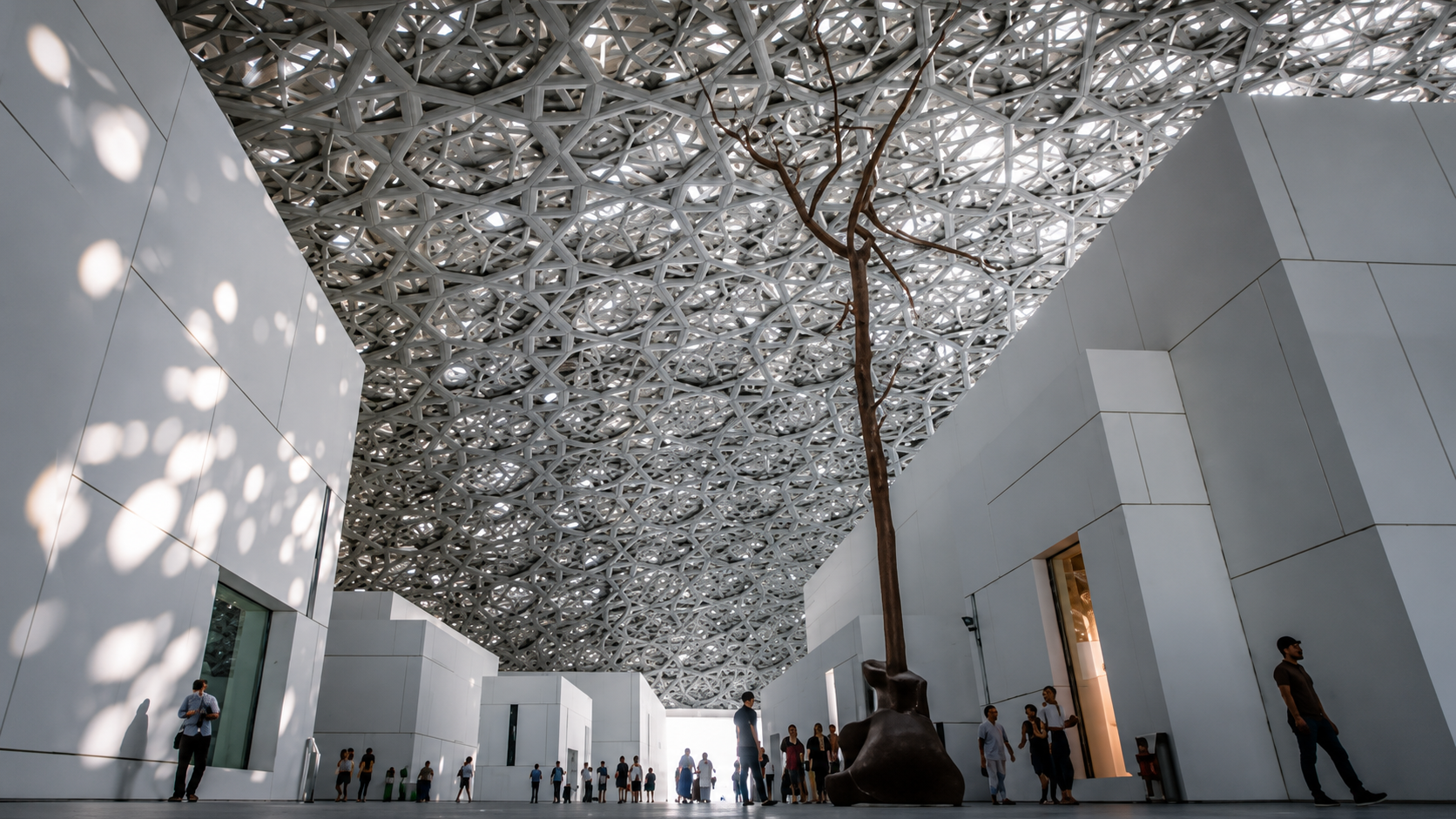
Read our Louvre Abu Dhabi review and discover world-famous art collections, stunning architecture, must-see exhibits, and visitor tips for one of the UAE’s top museums.
Few museums have transformed the global cultural landscape as dramatically as Louvre Abu Dhabi. Since opening its doors in 2017, the museum has become one of the most celebrated cultural institutions in the Middle East, attracting visitors from around the world with its remarkable architecture, internationally significant collections, and innovative approach to storytelling. More than simply another museum in Abu Dhabi, it represents an ambitious vision of bringing together the artistic achievements of different civilizations under one roof, encouraging dialogue between cultures rather than separating them by geography or chronology.
10.07.2026
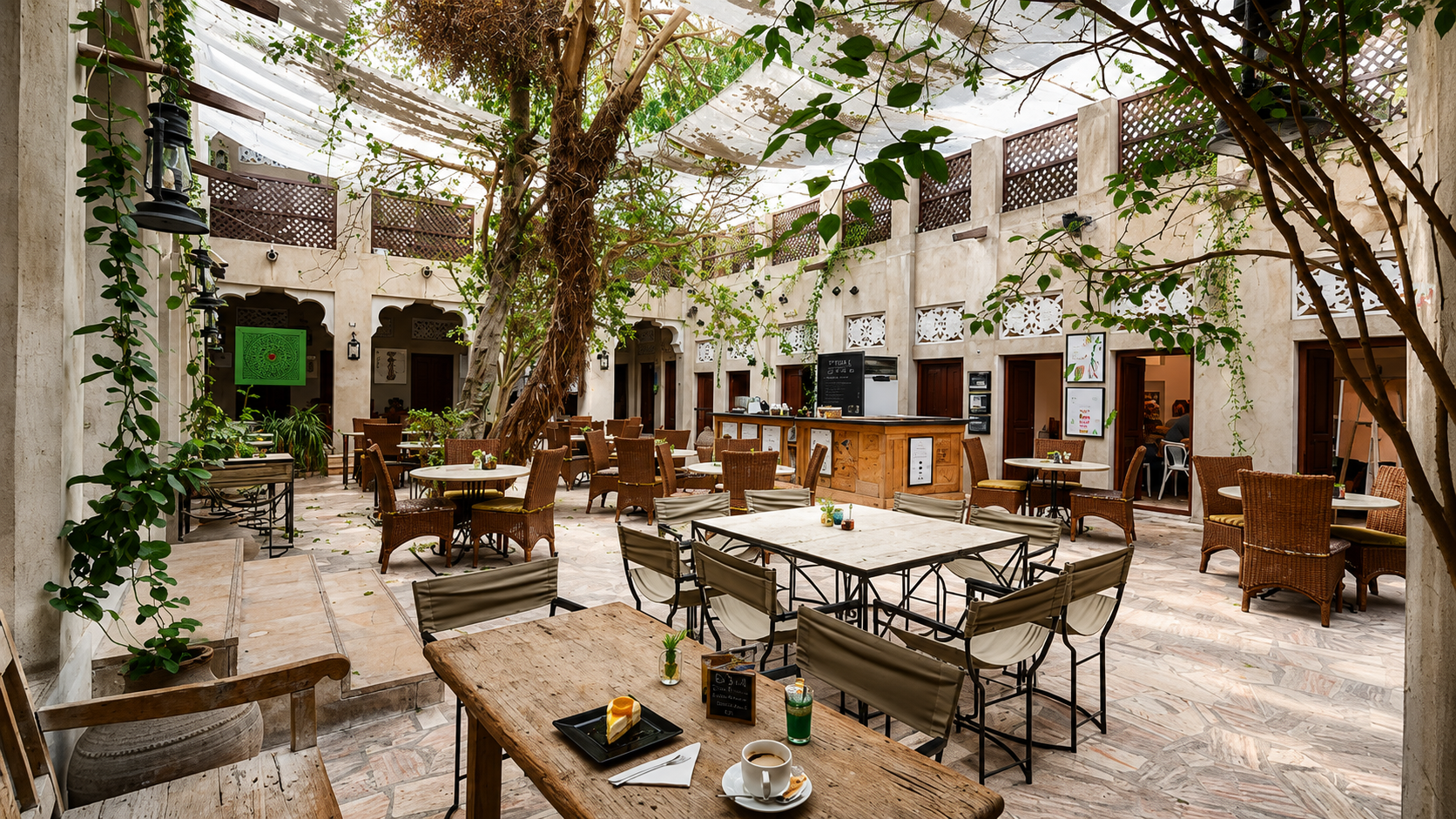
Read our XVA Gallery review and discover contemporary Middle Eastern art, unique exhibitions, traditional architecture and one of Dubai’s most inspiring cultural spaces.
Dubai is internationally recognized for its futuristic skyline, luxury shopping, and architectural landmarks, yet beyond its modern image lies a remarkably rich cultural landscape waiting to be explored. Hidden within the winding lanes of Old Dubai is XVA Gallery, one of the city’s most respected independent contemporary art spaces. Located inside a beautifully restored traditional courtyard house, the gallery offers an entirely different perspective on Dubai—one that celebrates creativity, regional identity, and cultural dialogue rather than spectacle.

10.07.2026
Read our TP Auction review and discover art collections, antiques, rare collectibles, auction exhibitions and unique cultural experiences for collectors and visitors.
The world of auctions has evolved far beyond traditional salerooms reserved for professional collectors. Today, leading auction houses have become cultural destinations where visitors can explore remarkable works of art, luxury objects, antiques, and rare collectibles while gaining insight into the international collecting market. Among the emerging names in the Middle East, TP Auction has established itself as an innovative platform that combines digital technology with carefully curated exhibitions, creating an engaging experience for both experienced buyers and first-time visitors.
10.07.2026
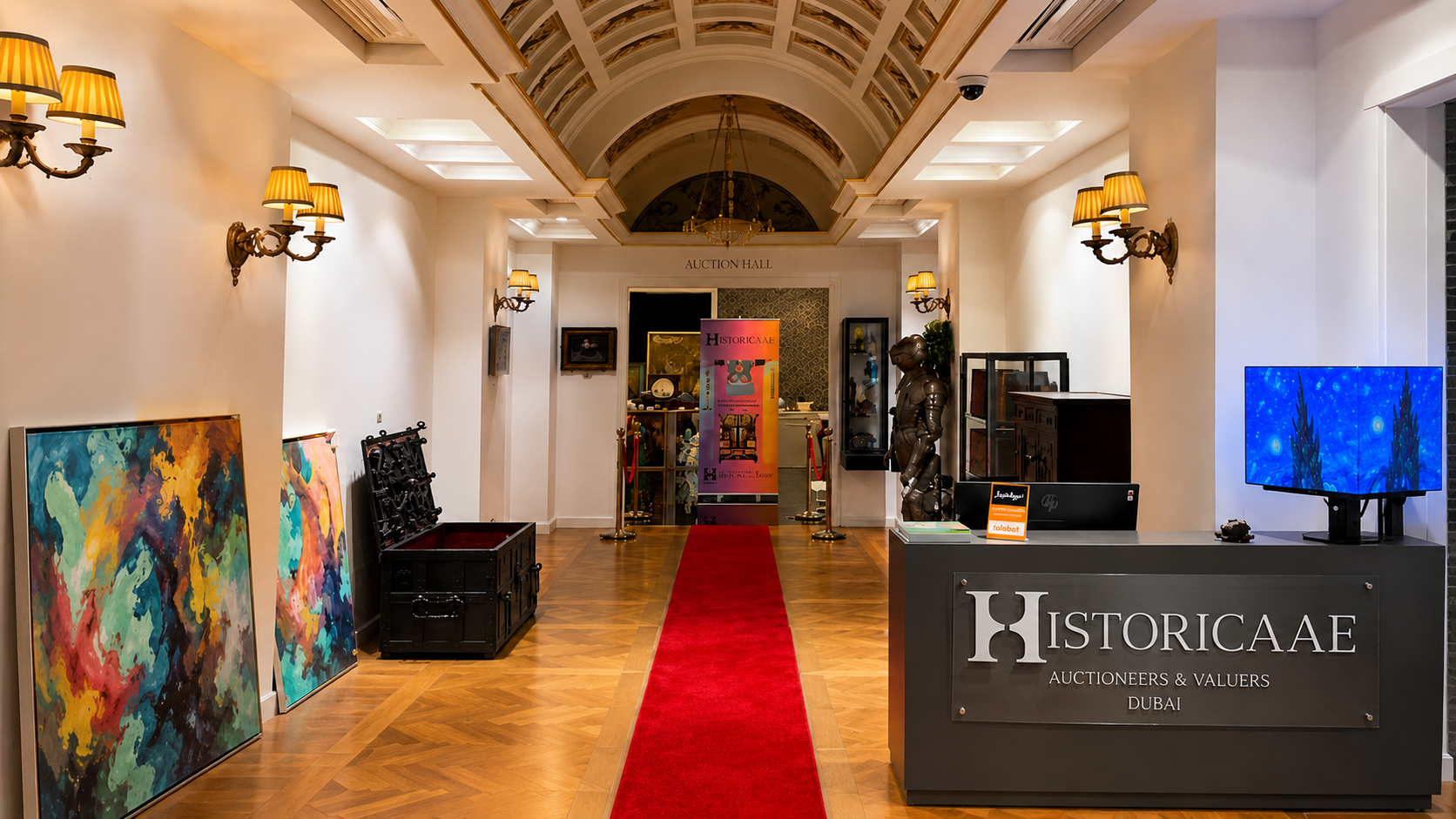
Read our Historica Auction review and discover rare military collectibles auction, historical documents, antique artifacts and collectible treasures from one of the world’s leading auction houses.
For collectors, historians, museum professionals, and anyone fascinated by the past, few destinations are as compelling as Historica Auction. Recognized for its sales of historical artifacts, military memorabilia, rare documents, antique collections, and museum-quality collectibles, it has become one of Europe’s leading collectible auction houses.
This Historica Auction review explains why the company enjoys such a strong reputation among collectors. Every sale features carefully researched objects supported by expert provenance and historical documentation. Before each auction, visitors can attend preview exhibitions where authentic artifacts are displayed alongside scholarly catalogue descriptions, creating an experience similar to a temporary museum.
10.07.2026
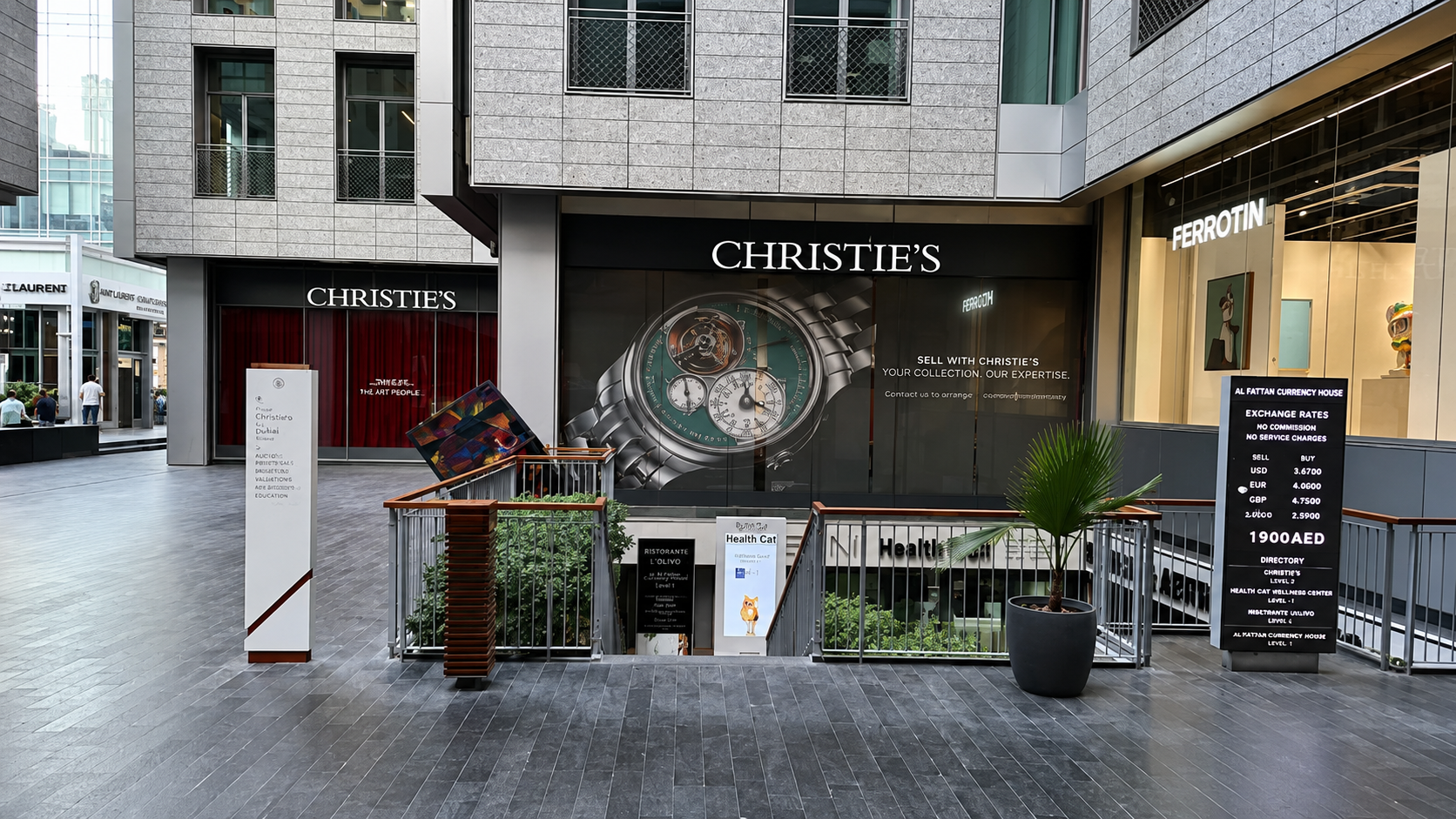
Read our Christie’s Dubai review and discover world-class art, luxury watches, rare jewelry, collectibles and exhibitions in Dubai’s prestigious DIFC district.
Dubai is renowned for its luxury, architecture, innovation, and cultural attractions, but it has also become an important hub for the international art market. Among the city’s most prestigious cultural destinations, Christie’s Dubai stands out as the regional presence of one of the world’s leading auction houses.