




المقالات

10.07.2026
Sotheby’s Dubai Review: Art, Luxury Collections & Visitor Guide
Few names in the global art market command as much respect as Sotheby’s. For more than two and a half centuries, the company has been associated with record-breaking auctions, exceptional works of art, rare collectibles, and some of the most valuable objects ever sold publicly. Today, its presence in the UAE allows visitors, collectors, and art enthusiasts to experience a part of this prestigious world without traveling to London, New York, Hong Kong, or Paris.
10.07.2026
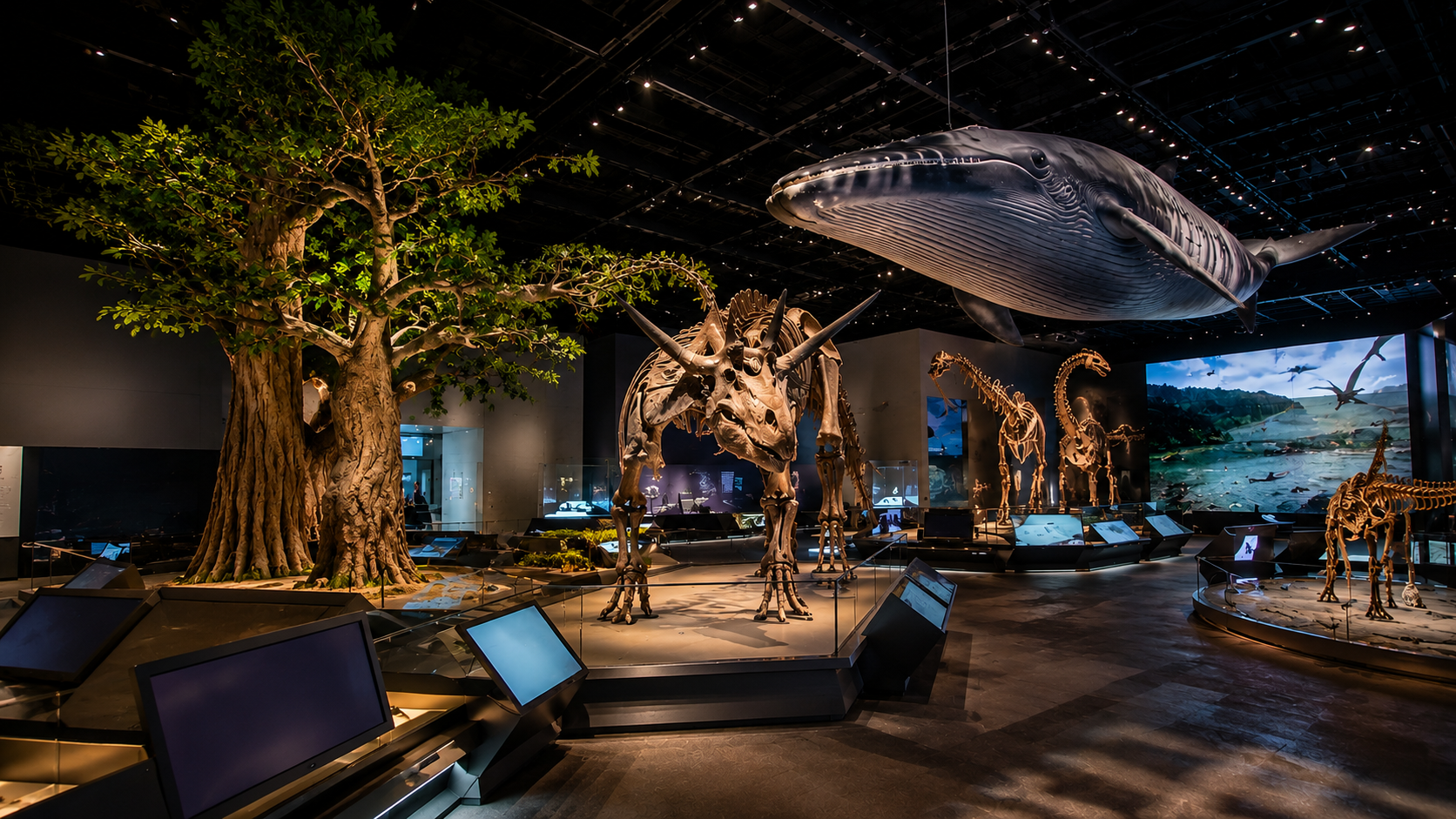
Best Collections and Exhibits at Natural History Museum Abu Dhabi
The Natural History Museum Abu Dhabi is widely regarded as one of the most anticipated cultural projects in the United Arab Emirates. Long before welcoming its first visitors, the museum has attracted international attention thanks to its ambitious vision, world-class scientific collections, and groundbreaking exhibitions dedicated to the history of the universe and life on Earth.
10.07.2026
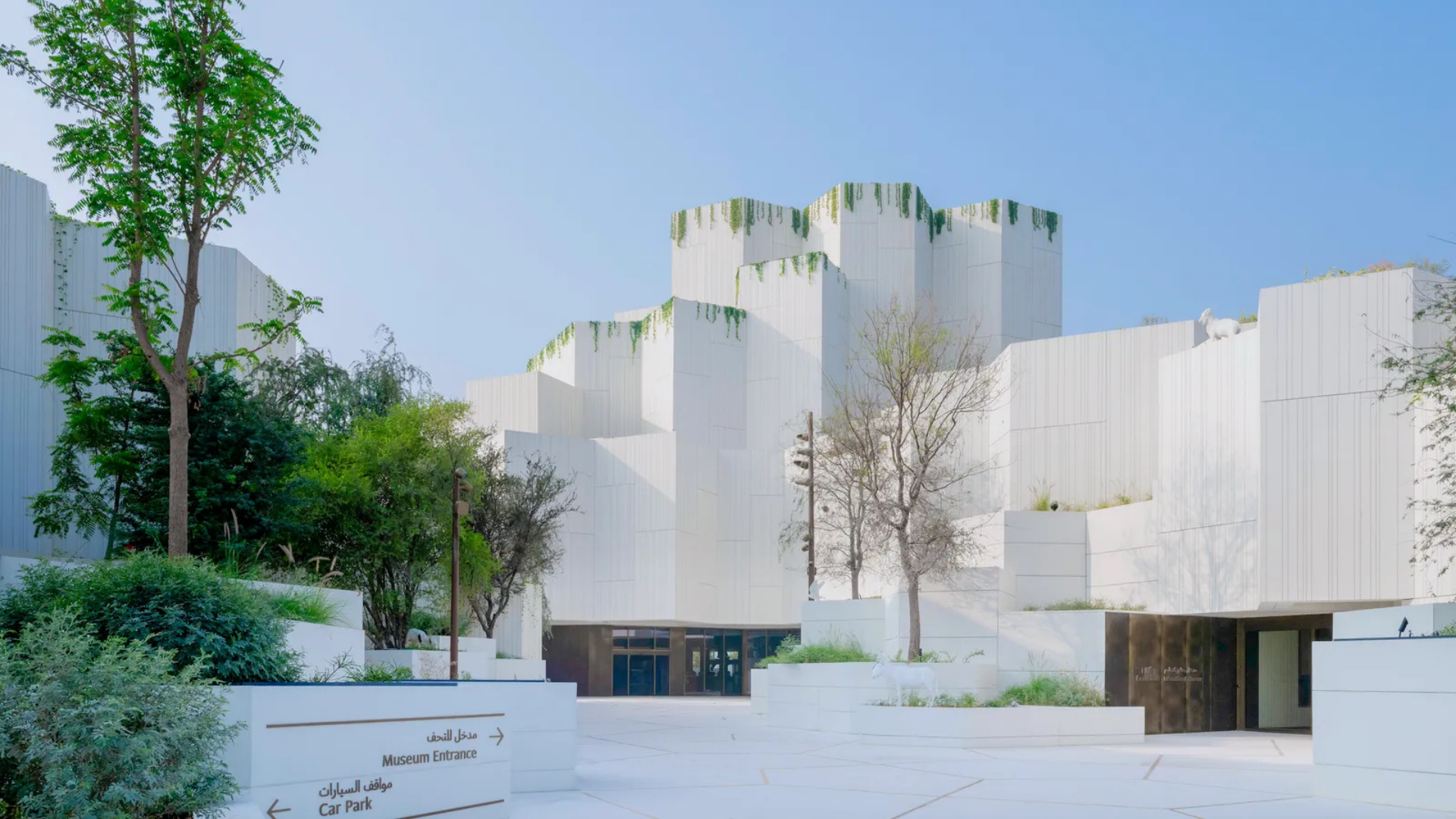
Read our Natural History Museum Abu Dhabi review and discover dinosaur fossils, meteorites, interactive exhibits and the most exciting natural history museum in the UAE.
The upcoming Natural History Museum Abu Dhabi has already attracted enormous attention from travelers, scientists, educators, and museum enthusiasts around the world. Long before opening its doors, the project has been recognized as one of the most ambitious cultural developments in the Middle East and a major addition to the UAE’s rapidly expanding museum landscape.
10.07.2026
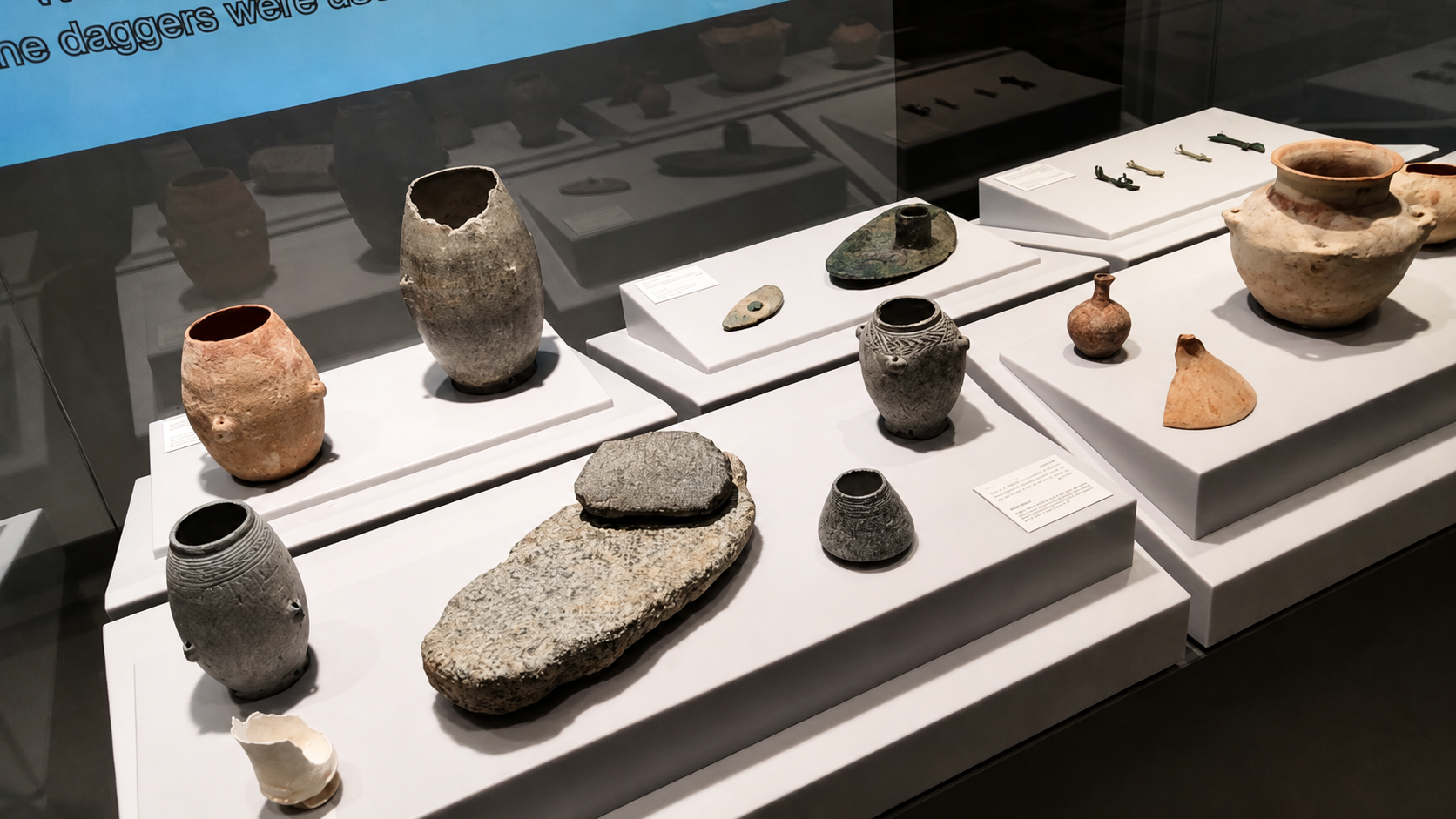
Read our Crossroads of Civilizations Museum review and discover rare manuscripts, ancient artifacts, ticket information, location details and visitor tips in Dubai.
Among the many cultural attractions in the UAE, few remain as overlooked as the Saruq Al Hadid Archaeology Museum. While visitors often focus on Dubai’s futuristic skyline, luxury resorts, and record-breaking landmarks, this remarkable institution offers a journey thousands of years into the past. Hidden within Dubai’s historic district, the museum preserves some of the most significant archaeological discoveries ever made in the Arabian Peninsula.
10.07.2026
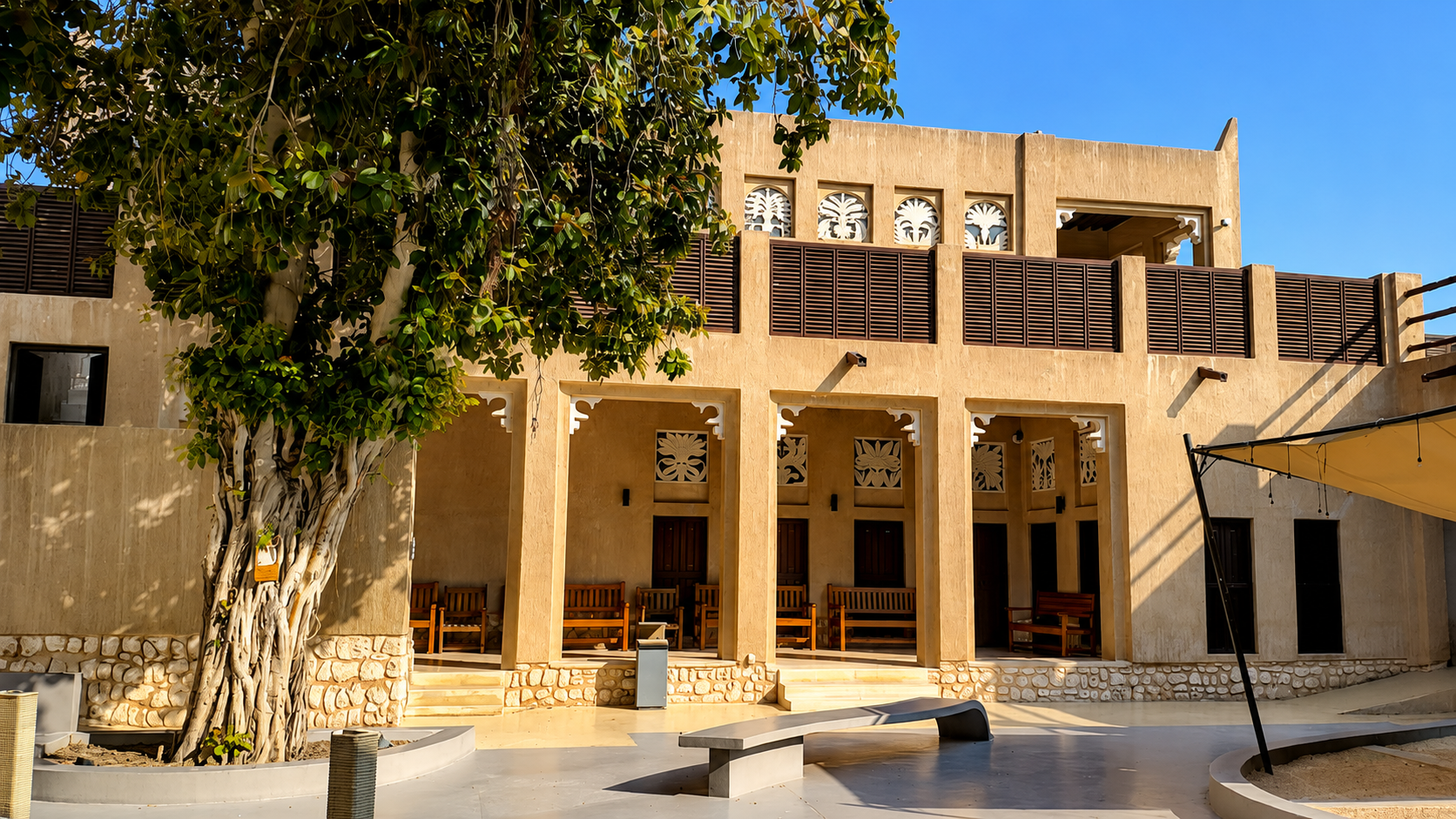
Read our Saruq Al Hadid Museum review and explore ancient artifacts, Iron Age discoveries, ticket information, location details and visitor tips in Dubai.
Dubai is famous for futuristic architecture, luxury shopping malls, record-breaking skyscrapers, and world-class entertainment. Most visitors arrive expecting to see modern landmarks such as the Burj Khalifa, Palm Jumeirah, and the Museum of the Future. However, hidden among the city’s cultural attractions is a remarkable institution that tells a much older story—one that stretches back more than three thousand years before the rise of modern Dubai. The Saruq Al Hadid Museum offers visitors a unique opportunity to explore the ancient civilizations that once inhabited the Arabian Peninsula and participated in extensive trade networks connecting the region to neighboring cultures.