


The Best Collections and Exhibits at Saruq Al Hadid Archaeology Museum
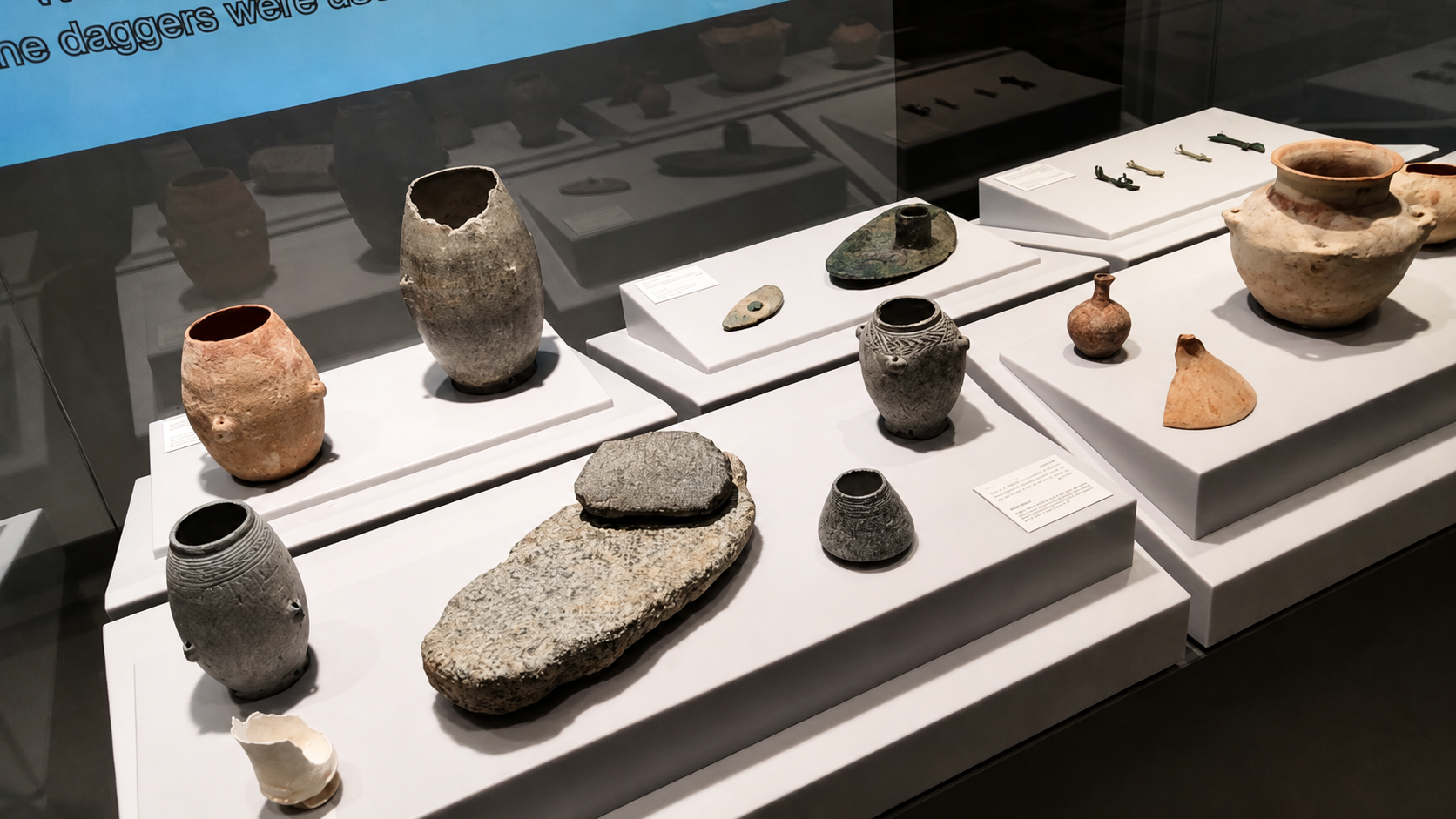
Among the many cultural attractions in the UAE, few remain as overlooked as the Saruq Al Hadid Archaeology Museum. While visitors often focus on Dubai’s futuristic skyline, luxury resorts, and record-breaking landmarks, this remarkable institution offers a journey thousands of years into the past. Hidden within Dubai’s historic district, the museum preserves some of the most significant archaeological discoveries ever made in the Arabian Peninsula.
Many travelers have never heard of the Saruq Al Hadid Museum, despite the fact that it houses artifacts dating back more than 3,000 years. The collection reveals a sophisticated society that flourished in the desert long before the emergence of modern cities, international trade hubs, and contemporary infrastructure. For anyone interested in archaeology, ancient civilizations, or the origins of the UAE, the museum provides a perspective on the region that cannot be found elsewhere.
What makes the museum particularly special is the direct connection between the exhibits and one of the most important archaeological sites ever discovered in the Emirates. The objects displayed here were excavated from the Saruq Al Hadid archaeological site deep within Dubai’s desert, where researchers uncovered evidence of extensive metalworking, trade, craftsmanship, and ritual activity.
As an archaeology museum Dubai visitors frequently overlook, it remains one of the city’s best-kept cultural secrets. Those searching for what to see in Dubai beyond famous skyscrapers and shopping malls will discover an extraordinary collection of artifacts that reveal the deep historical roots of the region. The Saruq Al Hadid Archaeology Museum is not simply a museum in Dubai—it is a gateway to a forgotten chapter of Arabian history.
Why Saruq Al Hadid Museum Is One of Dubai's Most Unique Museums
The importance of the Saruq Al Hadid Museum begins with the story of the archaeological site itself. Unlike many museum collections assembled from multiple locations, the majority of Saruq Al Hadid collections originate from a single archaeological discovery made within the desert of Dubai.
The site first attracted attention after unusual formations were observed in the desert from the air. Subsequent archaeological investigations revealed an astonishing concentration of ancient artifacts spread across a large area. Excavations uncovered evidence of industrial activity, metal production, trade, and ritual practices dating primarily to the Iron Age.
The significance of the discovery quickly became apparent. Archaeologists found thousands of artifacts, many of which challenged existing assumptions about the development of ancient societies in southeastern Arabia. The site demonstrated that communities inhabiting the region possessed advanced technological knowledge, extensive trade connections, and sophisticated cultural traditions.
Today, researchers regard Saruq Al Hadid as one of the most important archaeological discoveries in Dubai and one of the most significant sites in the Arabian Peninsula. The sheer quantity and diversity of the finds have provided invaluable information about ancient Dubai history and the broader development of civilizations across the Gulf region.
What makes the museum especially unique is that visitors can view many of these discoveries in the very emirate where they were found. The connection between the archaeological site and the exhibition galleries creates a powerful sense of authenticity rarely experienced in other museums in Dubai.
The Legendary Iron Age Collection
The centerpiece of the Saruq Al Hadid exhibits is undoubtedly its legendary Iron Age collection. This remarkable assemblage of artifacts provides insight into a period that transformed human civilization through advances in metallurgy, manufacturing, and trade.
The Iron Age marked a major technological revolution. Communities learned to extract, process, and shape metal with increasing efficiency, allowing the production of stronger tools, more effective weapons, and increasingly sophisticated objects. The discoveries at Saruq Al Hadid demonstrate that the inhabitants of the region participated actively in these technological developments.
For decades, many historians believed that southeastern Arabia played only a limited role in Iron Age innovation. The archaeological discoveries in Dubai dramatically altered this perception. Excavations revealed evidence of extensive metalworking operations and a level of technical expertise previously underestimated by researchers.
The collection includes production debris, tools, molds, finished objects, and industrial remains that collectively tell the story of a thriving manufacturing center. These artifacts help explain how ancient communities transformed raw materials into products that could be used locally or traded across long distances.
The importance of the collection extends beyond the UAE. Scholars studying the ancient world now recognize Saruq Al Hadid as a key site for understanding technological and economic development throughout the region.
Ancient Metalworking Tools
One of the most fascinating sections of the museum focuses on the tools and equipment used by ancient metalworkers. These artifacts provide direct evidence of the industrial activities that once took place at the site.
Visitors can observe casting molds that were used to shape metal into specific forms. These molds reveal the precision and planning involved in ancient manufacturing processes. Despite their age, many retain details that demonstrate a surprisingly advanced understanding of production techniques.
The collection also includes tools believed to have been used by blacksmiths and metalworkers. Hammers, shaping implements, production fragments, and workshop materials help reconstruct the daily activities of craftsmen who worked at the site thousands of years ago.
Equally important are the remains of industrial production itself. Slag deposits, furnace fragments, and manufacturing waste illustrate the scale of metalworking operations conducted at Saruq Al Hadid. These materials provide archaeologists with valuable information regarding production methods, resource management, and technological capabilities.
Together, these artifacts reveal a highly organized industrial environment rather than a simple desert settlement. They demonstrate that Saruq Al Hadid functioned as an important center of production and innovation within ancient Arabia.
Weapons from More Than 3,000 Years Ago
Among the most impressive exhibits in the museum is its ancient weapons collection. These Iron Age artifacts provide insight into both technological achievement and the practical realities of life in the ancient world.
The collection includes swords, daggers, spearheads, arrowheads, and other tools associated with hunting, defense, and warfare. Many of these objects exhibit exceptional craftsmanship, indicating that metalworkers possessed advanced technical skills and a deep understanding of material properties.
The swords displayed within the museum vary in form and design, reflecting different functions and periods of use. Some appear intended primarily for combat, while others may have served ceremonial or symbolic purposes. Their preservation allows visitors to examine details of construction that would otherwise be lost to history.
Daggers represent another important category within the ancient weapons collection. Often smaller and more elaborately decorated than larger weapons, they may have functioned as both practical tools and symbols of status. Their craftsmanship demonstrates the artistic abilities of ancient metalworkers as well as their technical expertise.
Spearheads and arrowheads reveal the importance of hunting and protection within ancient communities. Their designs reflect a careful balance between functionality and efficient production, illustrating how technology was adapted to meet everyday needs.
For visitors interested in Iron Age artifacts, this section of the museum offers one of the most compelling experiences available anywhere in the UAE. These weapons are not merely historical objects; they are evidence of the innovation, skill, and resourcefulness that characterized the people who once inhabited the Arabian Peninsula.
The collection also highlights how the discoveries at Saruq Al Hadid transformed scholarly understanding of the region. Far from being isolated desert communities, the inhabitants demonstrated technological capabilities comparable to those found in many contemporary civilizations throughout the ancient world.
The Gold Jewellery Collection
Among all Saruq Al Hadid collections, the gold jewellery gallery is one of the most visually impressive. The artifacts displayed here reveal a level of craftsmanship that continues to surprise archaeologists and visitors alike. These discoveries demonstrate that ancient communities in the region possessed highly developed artistic skills and access to valuable materials.
The collection includes gold rings, bracelets, pendants, beads, and decorative ornaments recovered during archaeological excavations. Many pieces feature intricate details and sophisticated manufacturing techniques that required considerable expertise. Their quality suggests the presence of specialized artisans capable of producing luxury objects for elite members of society.
The jewelry also provides valuable evidence regarding social status, trade, and cultural identity. Precious ornaments often served purposes beyond decoration, functioning as symbols of wealth, authority, and community affiliation. For historians studying ancient Arabia, these artifacts offer important clues about the structure of society and the distribution of resources.
Luxury Items of Ancient Arabia
In addition to jewelry, the museum displays a variety of luxury items that illustrate the prosperity of certain groups within the ancient community. Decorative objects, personal ornaments, and finely crafted accessories demonstrate that the inhabitants of Saruq Al Hadid participated in a sophisticated cultural environment.
These objects challenge outdated stereotypes that portray ancient Arabian societies as isolated desert populations. Instead, the evidence points to communities connected to broader economic and cultural networks that allowed valuable materials and artistic ideas to circulate across large distances.
The Most Beautiful Jewelry Pieces in the Museum
Among the most admired exhibits are finely crafted gold rings and decorative ornaments that combine elegance with technical precision. The craftsmanship displayed in these objects rivals that of many contemporary civilizations. Visitors frequently consider this collection one of the strongest reasons to visit the Saruq Al Hadid Archaeology Museum and one of the highlights among Dubai heritage attractions.
The Mysterious Snake Symbol Collection
One of the most unusual and widely discussed sections of the museum focuses on snake symbolism. During excavations, archaeologists discovered an unexpectedly large number of artifacts featuring serpent imagery, making this one of the defining characteristics of the site.
Snake motifs appear on jewelry, decorative objects, ritual items, and symbolic artifacts. Their repeated presence suggests that snakes played an important role within the beliefs and traditions of the people who inhabited the settlement.
Why Were Snakes So Important?
Researchers continue to debate the significance of these symbols. Some believe snakes represented protection, renewal, fertility, or spiritual power. Others suggest they may have been associated with specific rituals, deities, or ceremonial practices.
Although no single explanation has achieved universal acceptance, the concentration of snake-related objects at Saruq Al Hadid remains exceptional. Few archaeological sites in the region have produced comparable evidence, making this collection particularly valuable for researchers.
Religious and Ritual Objects
Several artifacts appear to have been connected to ceremonial activities rather than everyday life. These objects provide rare insights into ancient belief systems and spiritual practices that would otherwise remain unknown.
The mystery surrounding the collection continues to attract scholarly attention, and the snake artifacts remain among the most recognizable Saruq Al Hadid exhibits. For many visitors, they are also among the most memorable.
Ancient Trade and International Connections
Another major strength of the museum is its ability to demonstrate the international character of ancient Arabia. The collections reveal that Saruq Al Hadid was not an isolated settlement but part of extensive networks linking different civilizations across the ancient world.
Archaeologists discovered evidence suggesting contact with Mesopotamia, the Indus Valley, and other regions of the Near East. These connections are reflected in imported materials, artistic influences, manufacturing techniques, and trade-related objects recovered from the site.
Artifacts from Distant Civilizations
Several exhibits display objects whose origins can be traced beyond the Arabian Peninsula. These finds demonstrate the movement of goods and ideas across vast distances and highlight the strategic importance of Arabia within ancient commercial systems.
Imported ornaments, seals, and decorative objects illustrate how local communities interacted with neighboring cultures. Such discoveries have significantly improved our understanding of ancient trade routes Arabia and the role the region played within broader economic networks.
Evidence of Ancient Trade Networks
The evidence presented by the museum suggests that Saruq Al Hadid functioned as an important center of exchange. Materials, technologies, and cultural influences flowed through the region, connecting communities separated by geography but linked through commerce.
These discoveries represent some of the most important archaeological discoveries in Dubai because they demonstrate that ancient populations were far more interconnected than previously assumed. For visitors interested in global history, this section provides valuable context for understanding how civilizations influenced one another long before the modern era.
The Collection of Rare Seals and Decorative Objects
Among the most informative Saruq Al Hadid collections is the display of seals, ornaments, and everyday decorative objects. While weapons and jewelry often attract the most attention, these smaller artifacts provide valuable insight into daily life, trade, administration, and personal identity in ancient Arabia.
The collection includes carved seals, decorative fittings, beads, personal accessories, and ornamental items produced from a variety of materials. Many of these objects demonstrate remarkable craftsmanship despite their small size. Their designs reveal artistic traditions, cultural influences, and social customs that shaped life more than three thousand years ago.
How People Lived 3,000 Years Ago
These artifacts help archaeologists reconstruct aspects of everyday existence that are often absent from historical records. Personal ornaments indicate how people presented themselves, while seals may have been used to identify ownership, authenticate transactions, or facilitate trade.
Together, these objects transform ancient history from an abstract concept into a tangible human story. Visitors gain a clearer understanding of how people lived, worked, traded, and interacted within their communities. This ability to connect with ordinary individuals from the distant past is one of the museum’s greatest strengths.
The Archaeological Discovery Gallery
One of the most engaging sections of the Saruq Al Hadid Archaeology Museum focuses on the discovery of the site itself. Rather than displaying artifacts alone, the gallery explains how the archaeological investigations were conducted and how researchers uncovered one of the most important sites in the Arabian Peninsula.
Photographs, excavation records, maps, and educational displays guide visitors through the process of archaeological research. The gallery illustrates the challenges involved in working within a desert environment and highlights the methods used to document and preserve fragile artifacts.
From Desert Sands to Museum Showcases
The journey of each artifact from the desert to the museum is explained through detailed presentations. Visitors learn how objects were excavated, catalogued, conserved, and studied before eventually becoming part of the museum’s permanent collection.
This process helps visitors appreciate the scientific work required to transform buried objects into meaningful historical evidence. It also demonstrates the importance of heritage preservation for future generations.
How Archaeologists Uncovered the Site
The gallery explains how archaeologists identified key excavation areas and gradually revealed evidence of industrial activity, ritual practices, and international trade. Through careful analysis of thousands of artifacts, researchers were able to reconstruct a complex picture of life at Saruq Al Hadid.
For many visitors, this section is particularly fascinating because it reveals that archaeology is an ongoing process of discovery rather than simply the study of ancient objects.
Interactive Exhibits and Multimedia Experiences
Although the museum is devoted to ancient history, it employs modern technology to enhance visitor engagement. Digital displays, multimedia panels, educational films, and interactive presentations help bring archaeological discoveries to life.
Visitors can explore maps of ancient settlements, examine detailed reconstructions of artifacts, and learn about excavation techniques through visual presentations. These features make complex archaeological information accessible to audiences of all ages.
As an interactive museum Dubai visitors can enjoy regardless of their prior knowledge, Saruq Al Hadid successfully combines scientific research with modern interpretation. The result is an educational experience that remains engaging without compromising historical accuracy.
The Most Valuable Artifacts in Saruq Al Hadid Museum
Among the thousands of discoveries recovered from the archaeological site, several objects stand out because of their rarity, historical importance, and scientific value.
Gold Snake Ring – Widely regarded as one of the museum’s signature artifacts, this remarkable ring combines exceptional gold craftsmanship with the mysterious serpent symbolism that characterizes many finds from Saruq Al Hadid.
Iron Age Sword – One of the finest preserved weapons in the collection, the sword demonstrates the advanced metalworking skills achieved by Iron Age craftsmen more than 3,000 years ago.
Ritual Snake Artifacts – These enigmatic ceremonial objects continue to inspire debate among archaeologists studying ancient religious beliefs and symbolic traditions in southeastern Arabia.
Ancient Trade Seals – Carefully carved seals provide compelling evidence of commercial activity, administration, and long-distance trade connecting Arabia with neighboring civilizations.
Metalworking Furnace Remains – Although less visually striking than jewelry or weapons, these industrial remains are among the museum’s most scientifically valuable discoveries, proving that Saruq Al Hadid was a major center of metal production.
Top 5 Exhibits Worth Visiting Dubai For
If you have limited time during your visit, these five museum collections should be your highest priority:
- The Gold Jewellery Collection – An extraordinary display of rings, bracelets, pendants, and luxury ornaments showcasing the remarkable craftsmanship of ancient Arabian jewelers.
- The Iron Age Weapons Collection – A fascinating selection of swords, daggers, spearheads, and other Iron Age artifacts illustrating the technological achievements of early metalworkers.
- The Snake Symbol Artifacts – One of the museum’s most distinctive exhibitions, featuring mysterious serpent-themed objects that continue to intrigue archaeologists and historians.
- The Ancient Trade Collection – A compelling display of imported objects, seals, and trade-related artifacts revealing Arabia’s extensive commercial connections with Mesopotamia and the Indus Valley.
- The Archaeological Discovery Gallery – An engaging exhibition explaining how the Saruq Al Hadid site was discovered, excavated, studied, and transformed into one of the UAE’s most important archaeological collections.
Why These Collections Make Saruq Al Hadid Museum Special
Among museums in Dubai, the Saruq Al Hadid Museum occupies a unique position because its collections consist primarily of authentic archaeological discoveries recovered from a single world-class site. This direct connection between excavation and exhibition creates a level of authenticity that few institutions can match.
The rarity of the artifacts is another major advantage. Many objects displayed here are unique and cannot be seen elsewhere. Their age, scientific value, and historical importance make them significant not only for the UAE but also for the broader study of Arabian history.
The museum also provides visitors with an opportunity to explore the region long before the emergence of modern cities. Through its collections, guests can discover a chapter of ancient Dubai history that predates contemporary development by thousands of years.
These qualities distinguish the museum from many other Dubai attractions and establish it as one of the most rewarding cultural destinations in the emirate.
Who Should Visit Saruq Al Hadid Museum?
History enthusiasts will appreciate the opportunity to examine authentic evidence of ancient civilizations that once flourished in Arabia.
Archaeology lovers will find the museum particularly rewarding because of its scientific importance and exceptional concentration of archaeological material.
Students and researchers can benefit from the educational content, detailed explanations, and historical context provided throughout the galleries.
Travelers searching for hidden gems in Dubai will discover a cultural attraction that remains relatively uncrowded compared with many of the city’s most famous landmarks.
Families interested in ancient history can also enjoy the museum thanks to its accessible displays, multimedia exhibits, and engaging presentation style.
Is Saruq Al Hadid Museum Worth Visiting?
The answer is an unequivocal yes. The Saruq Al Hadid Museum preserves some of the most important archaeological discoveries ever made in the UAE and offers visitors a rare opportunity to explore the history of the Arabian Peninsula through authentic artifacts more than three thousand years old.
Its legendary Iron Age artifacts, ancient weapons collection, gold jewelry, ritual snake objects, trade-related discoveries, and archaeological galleries create an experience unlike any other museum in Dubai. These collections reveal a sophisticated society that participated in technological innovation, long-distance trade, and complex cultural traditions long before the modern era.
For travelers seeking a meaningful archaeology museum Dubai experience, the Saruq Al Hadid Archaeology Museum deserves a place near the top of the itinerary. It may not attract the crowds associated with major tourist landmarks, but that is precisely part of its appeal.
When considering what to see in Dubai, things to do in Dubai, and places to visit in Dubai, history lovers should not overlook this remarkable institution. The collections are genuinely unique, scientifically important, and visually fascinating. They offer a perspective on the UAE that few visitors ever experience and confirm why the Saruq Al Hadid Museum remains one of the most underrated cultural treasures in the country.
Related Articles
Continue exploring Dubai’s remarkable history and museums with our other guides:
● Al Shindagha Museum Review
● Etihad Museum Review
مقالات أخرى
- Dinosaurs - Records and Achievements
- How Is the Age of Fossils Determined?
- Other Articles
- Zawyeh Gallery Dubai Review: A Must-Visit Art Space for Contemporary Middle Eastern Art
- Saruq Al Hadid Archaeology Museum Review: One of Dubai's Most Underrated Attractions
- Natural History Museum Abu Dhabi Review: Everything You Need to Know
- TP Auction Review: A Guide to One of the Most Fascinating Auction Houses for Collectors
- Dinosaur Teeth
- Best Collections and Exhibits at Al Shindagha Museum
- Al Shindagha Museum Review: A Complete Guide to Dubai’s Heritage Museum
- What Are Meteorites? A Beginner’s Guide to Space Rocks
- Opera Gallery Dubai Review: Discover One of Dubai's Leading International Art Galleries
- NHMAD’s Role in Preserving Arabian Peninsula Heritage: Showcasing a Unique Natural Legacy
- Dinosaurs Among Us
- XVA Gallery Review: A Hidden Art Gem in Historic Dubai
- Qasr Al Watan Review: A Complete Guide to Abu Dhabi's Presidential Palace and Cultural Landmark
- The Marine Dragons of the Mesozoic
- The Best Collections and Exhibits at Natural History Museum Abu Dhabi: What Is Worth Seeing in the UAE's Most Ambitious Museum
- Etihad Museum Review: Discover the Story Behind the United Arab Emirates
- An Architectural Masterpiece Inspired by Nature: A Journey Through the Design of NHMAD
- Historica Auction Review: Exploring One of the Leading Auction Houses for Historical Collectibles and Rare Artifacts
- Best Collections and Exhibits at Etihad Museum: What to See in Dubai
- Giants of the Ancient World
- Louvre Abu Dhabi Review: A Complete Guide to the UAE's Most Famous Art Museum
- Tyrannosaurus Rex: The True King of Dinosaurs
- Natural History Museum Abu Dhabi to open in November 2025 at Saadiyat Cultural District
- Murchison : The Meteorite Older Than the Solar System — A Cosmic Icon of NHMAD
- Zayed National Museum Review: Discover the Story of the United Arab Emirates
- What is a Fossil?
- What Are Trilobites? Meet the Marine Pioneers of Earth's History
- Ammolite: The Ancient Gemstone with a Mesmerizing Rainbow Glow
- From Desert to Space: How NHMAD Tells the Story of Life on Earth — and Beyond
- Sotheby's Dubai Review: A Guide to Dubai's Premier Art and Collectibles Destination
- Sabertooth Secrets: Exploring the Fierce Predators of Prehistoric Times
- Qasr Al Hosn Review: A Complete Guide to Abu Dhabi's Oldest Historic Landmark
- Classification of Megalodon Teeth
- Megalodon: The Largest Shark That Ever Lived
- Lost in Abu Dhabi: The “Stan” T. Rex Skeleton and the Wonders of NHMAD
- Discovering Ammonites: The Mysterious Fossils of Earth's Past
- Beyond the Mammoth: Discover the Diverse Creatures of the Ice Age
- Christie's Dubai Review: Exploring One of the World's Most Prestigious Auction Houses in the UAE
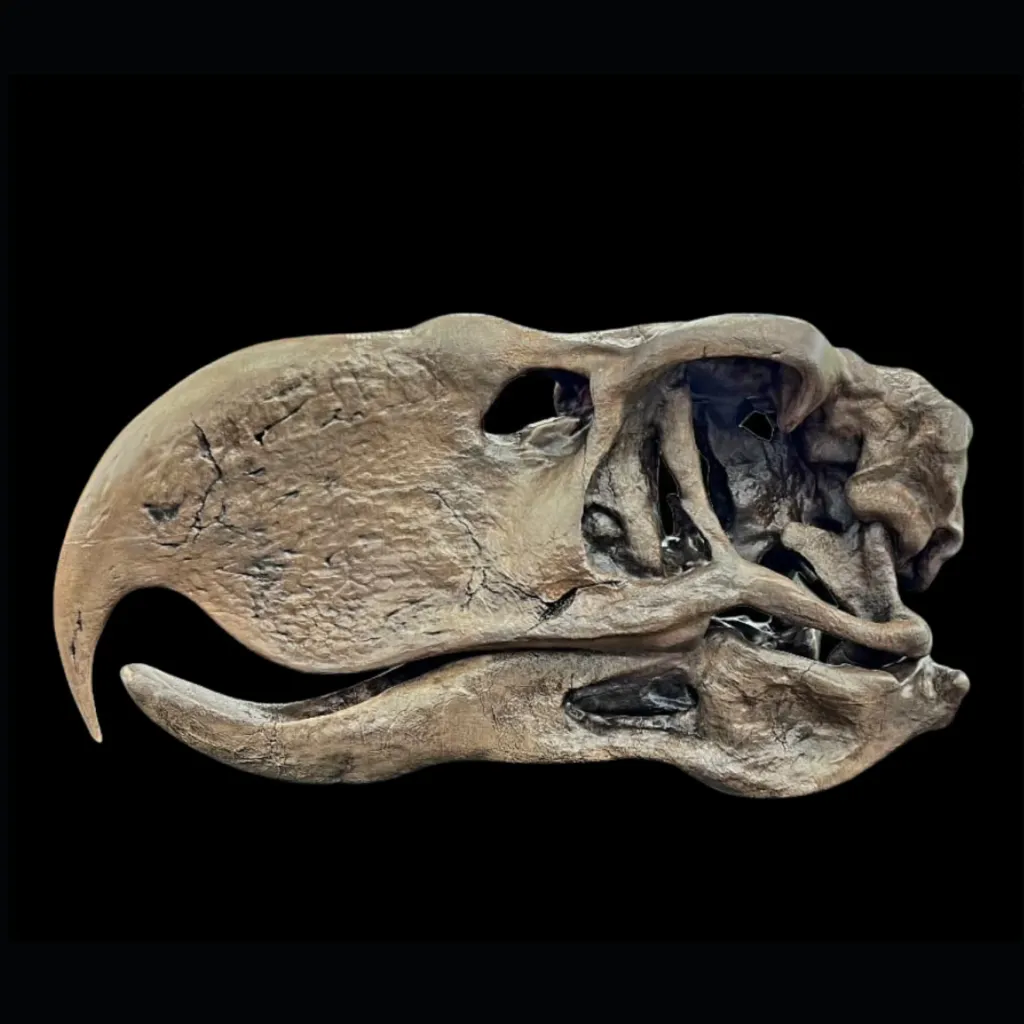
Lot SK-102
6 600,00 AEDCast of Kelenken Skull, 3D Printed
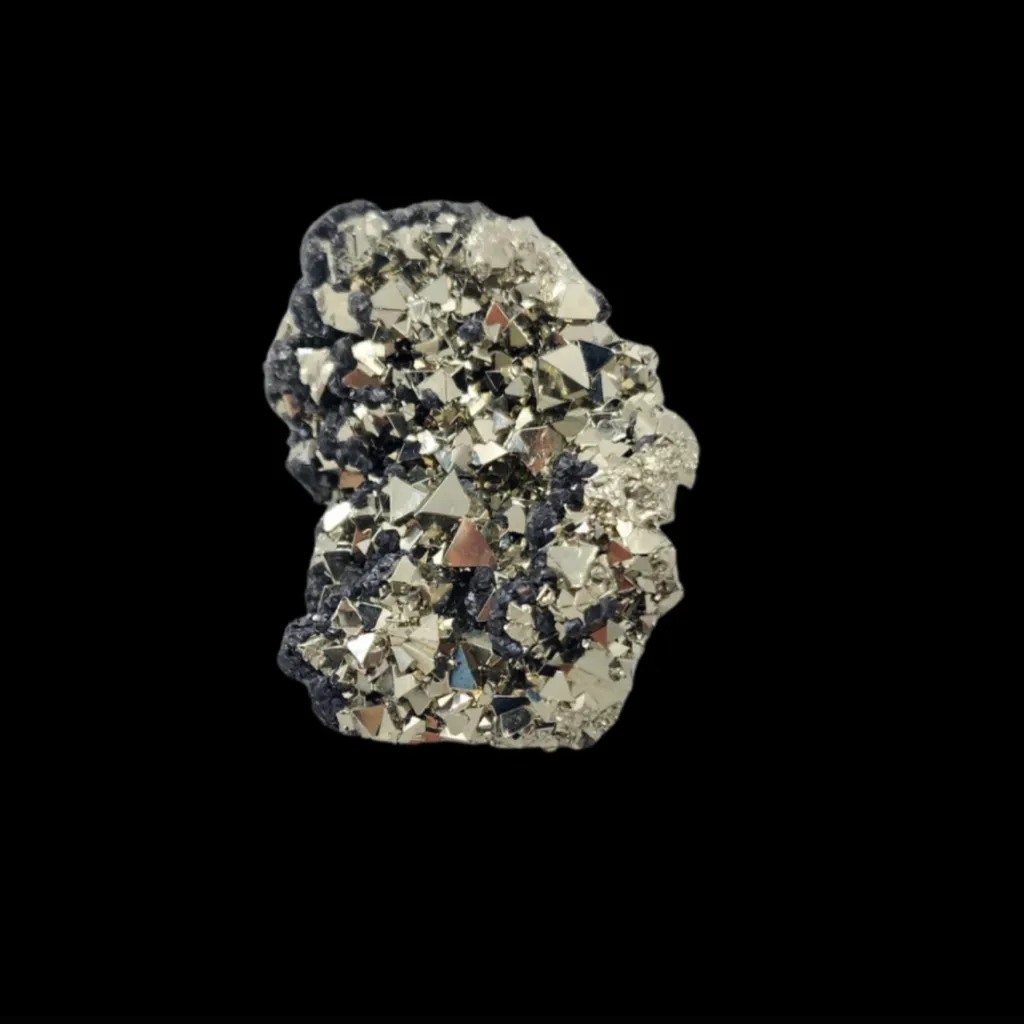
Lot PS-02
490,00 AEDبلورات البيريت على المصفوفة

Lot SM-021
أسطوانة فينيل موقّعة من أندريا بوتشيلي
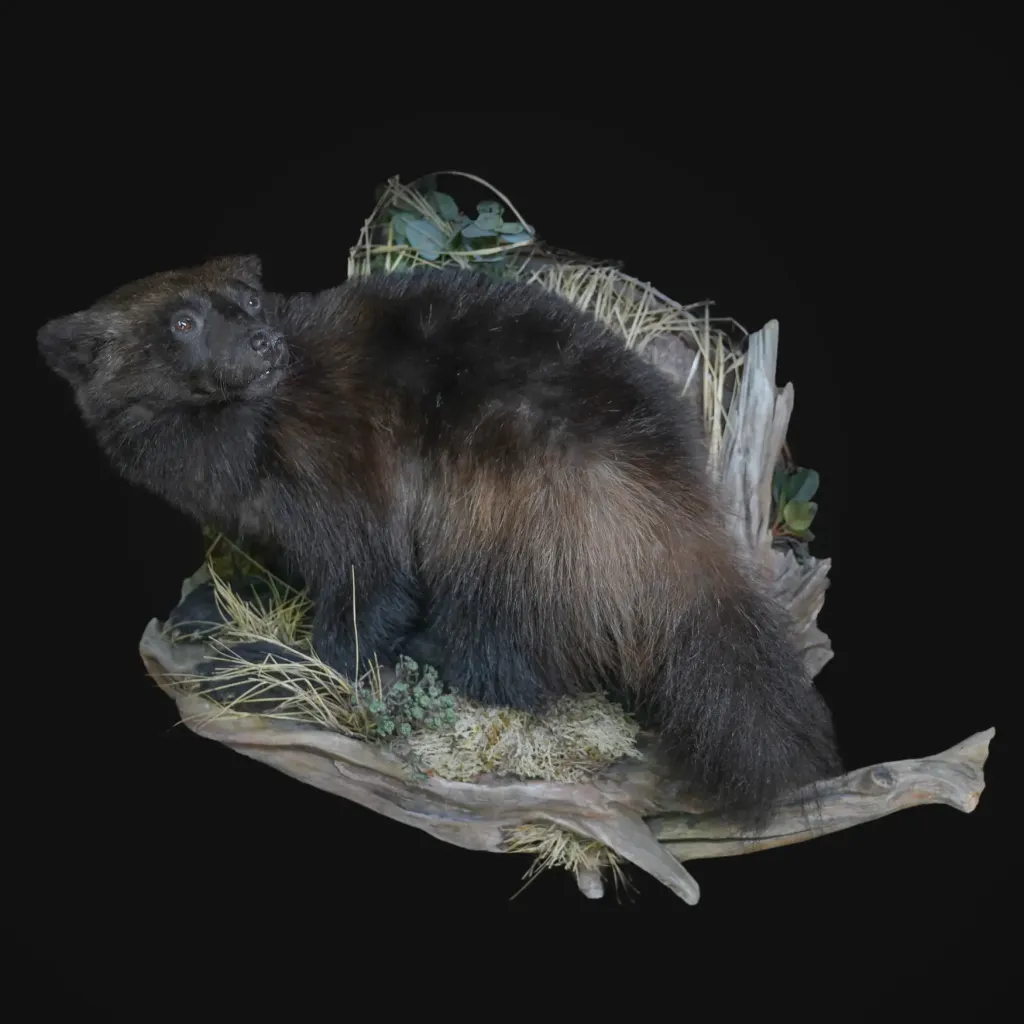
Lot WVMO39
Exquisite Sable Mount
Lot BGC-090
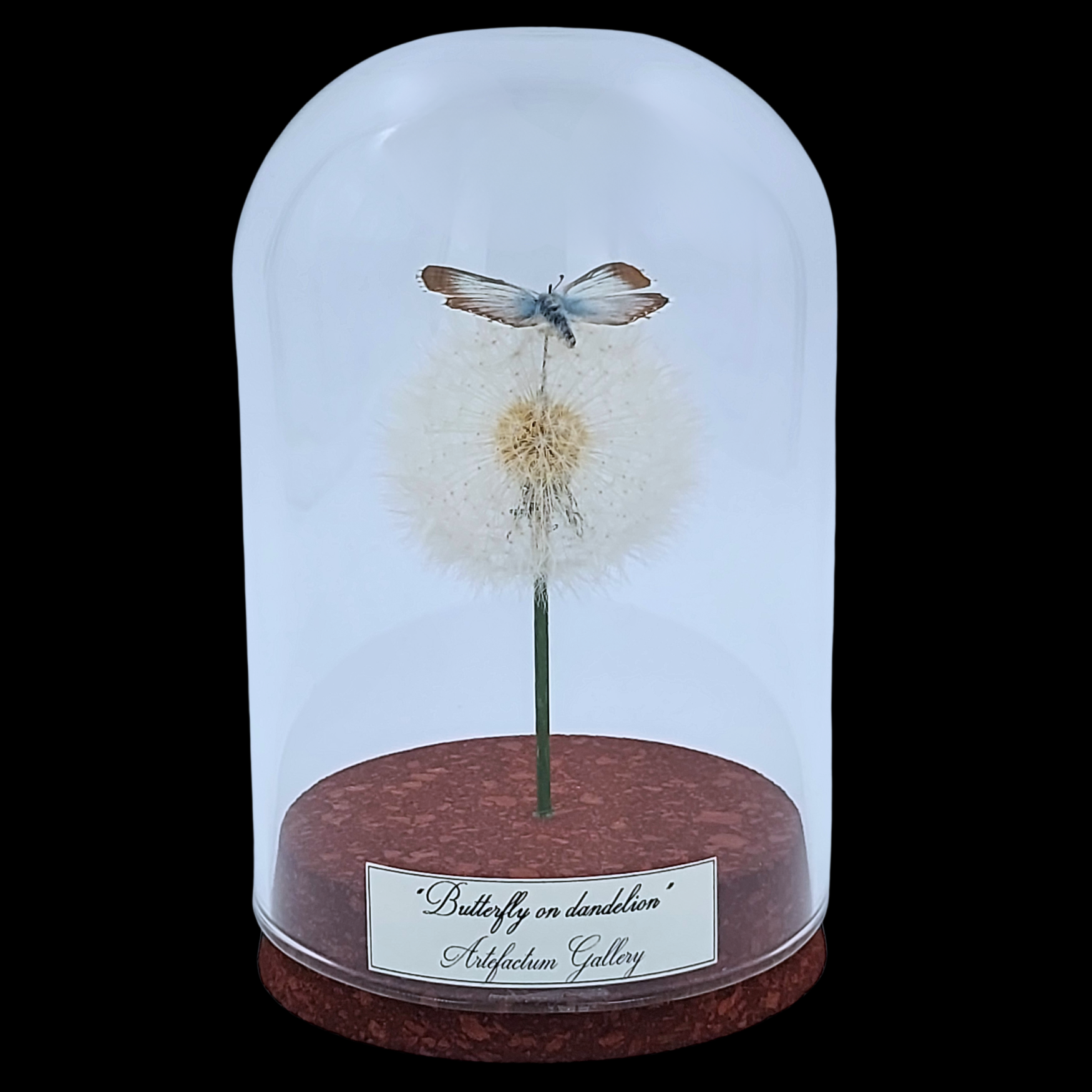
450,00 AEDLysandra coridon on dandelion in glass cloche, Eurasia
Lot ENT-040
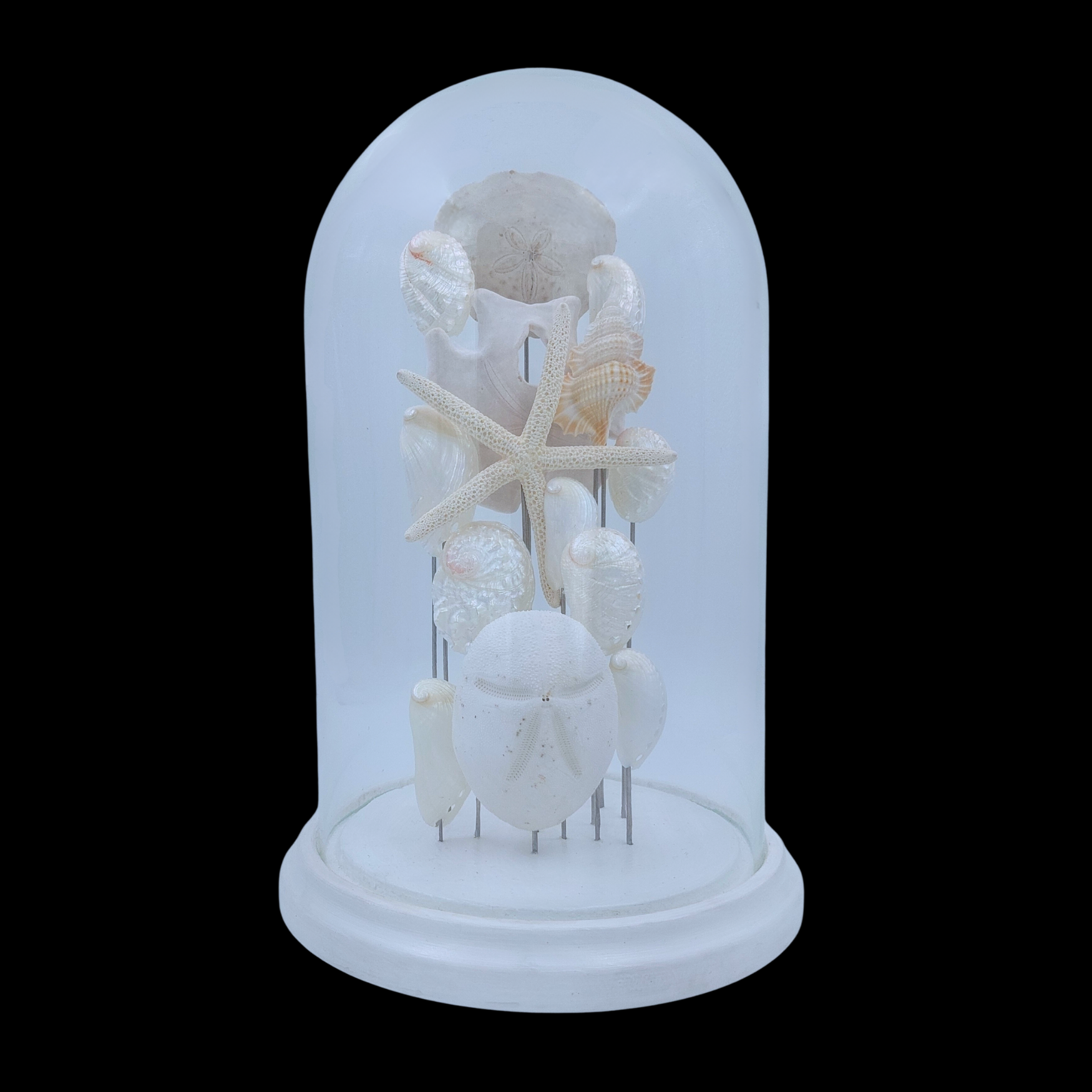
2 100,00 AEDتكوين بحري داخل ناقوس زجاجي 29 سم، البحر الأبيض المتوسط
Lot C6
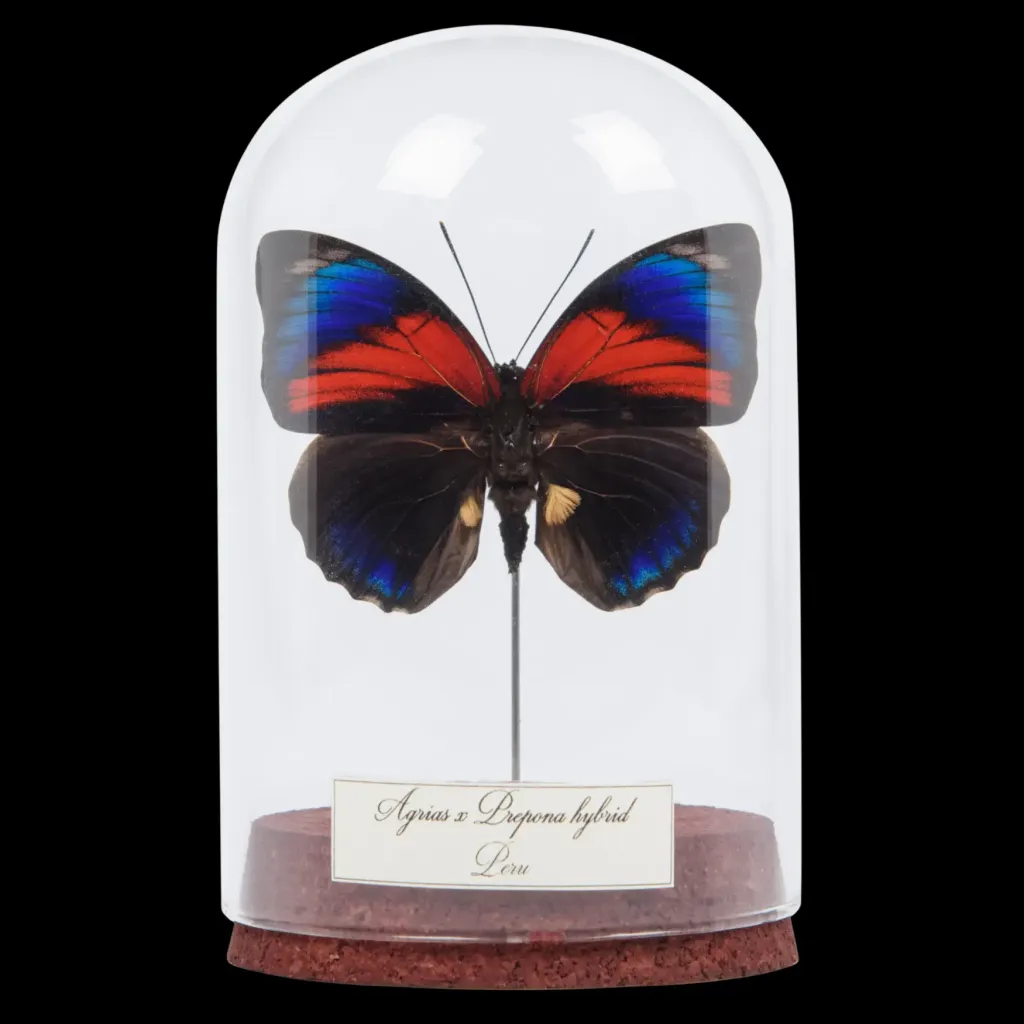
350,00 AEDفراشة هجينة من نوع «أغرياس × بريبونا» داخل غطاء زجاجي
Lot MNR-012
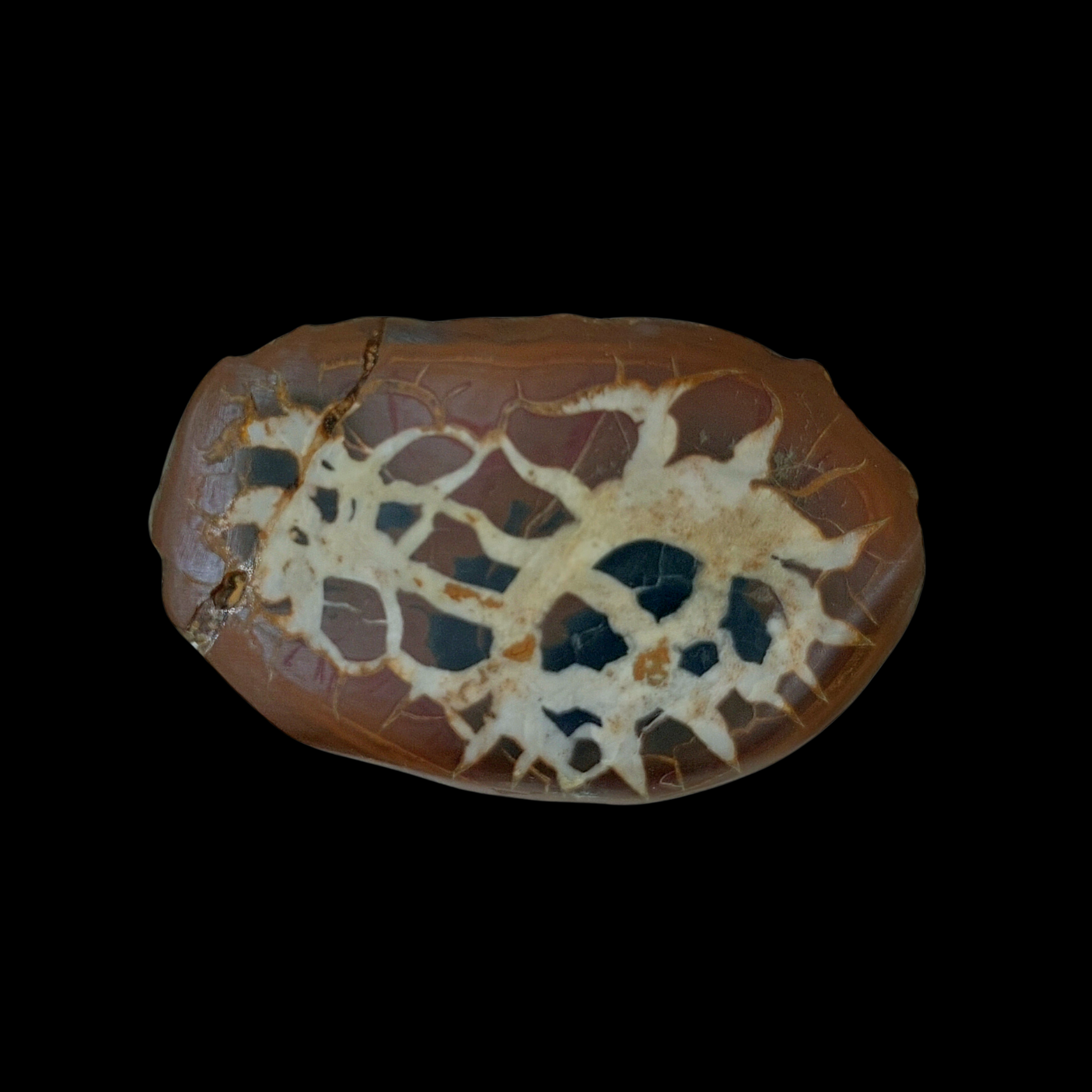
800,00 AEDNatural Desert Septaria “Dragon Stone”, 133 gr

Lot WBM-001
فم الخنزير البري
Lot FC-1
زهرة المرجان
