


Best Collections and Exhibits at Etihad Museum: What to See in Dubai
Dubai is often associated with futuristic skyscrapers, luxury shopping, and world-famous attractions, yet many visitors overlook one of the most significant cultural landmarks in the United Arab Emirates. While millions of tourists flock to observation decks, beaches, and entertainment venues, relatively few realize that some of the most important chapters of modern Middle Eastern history can be explored inside the Etihad Museum. For travelers interested in understanding how the UAE transformed from a collection of separate emirates into one of the world’s most dynamic nations, this remarkable museum in Dubai offers an experience unlike any other.
Why Etihad Museum Is Unlike Any Other Museum in Dubai
The Etihad Museum is not simply a place where historical objects are displayed behind glass. It stands on the exact site where the foundations of the modern UAE were established, making it one of the most meaningful historical attractions in Dubai. Visitors searching for what to see in Dubai often focus on iconic landmarks such as the Burj Khalifa or Palm Jumeirah, but those who wish to understand the story behind the country’s extraordinary rise will find that the museum offers something far more profound. Here, history is not presented as a distant collection of dates and events. Instead, it is brought to life through original documents, personal belongings of national leaders, immersive exhibitions, and cutting-edge multimedia experiences.
The Original UAE Constitution — The Most Important Exhibit in the Museum
What makes the museum especially compelling is the rarity of its collections. Several artifacts housed within the museum cannot be seen anywhere else in the world. From the original UAE Constitution to personal possessions belonging to the founding rulers, the Etihad Museum preserves items that played a direct role in shaping the nation. These exhibits provide visitors with an opportunity to witness the physical evidence of decisions that changed the course of regional history. For anyone seeking authentic cultural experiences and meaningful insights into the country’s identity, a visit to the museum is among the most rewarding things to do in Dubai.
The Etihad Museum occupies a unique position among museums in Dubai because it is located on the birthplace of the nation itself. Unlike traditional history museums that collect artifacts from many locations and periods, this institution is built around the actual site where the United Arab Emirates was officially formed. On December 2, 1971, the rulers of the emirates gathered here to sign the agreement that created the federation. This historical significance alone distinguishes the museum from virtually every other cultural institution in the region.
Another factor that sets the museum apart is the uniqueness of its collections. Many Etihad Museum exhibits are directly connected to the events surrounding the formation of the UAE. These are not replicas, reconstructions, or generalized displays about history. They are authentic documents, personal objects, photographs, correspondence, and archival materials that were involved in the nation’s founding process. As a result, visitors gain access to historical resources that are unavailable elsewhere.
The museum also excels in combining traditional historical preservation with modern presentation methods. While original artifacts remain at the heart of the experience, advanced technology enhances understanding through immersive storytelling, interactive displays, digital archives, and multimedia presentations. This balance allows visitors of all ages and backgrounds to engage with history in a meaningful way. The result is a cultural destination that functions simultaneously as a historical archive, an educational center, and an interactive museum Dubai visitors consistently rank among the city’s most impressive attractions.
Among all Etihad Museum collections, none holds greater significance than the original UAE Constitution. For many visitors, this single document is the primary reason to visit the museum. More than a legal text, the Constitution represents the moment when separate emirates agreed to unite under a common vision and establish a framework for cooperation, governance, and national development.
The importance of this document extends far beyond the borders of the United Arab Emirates. At a time when many parts of the Middle East faced uncertainty and political instability, the Constitution laid the foundation for a successful federation built on collaboration, shared interests, and long-term planning. It created the legal structure that enabled economic growth, social development, and political stability over the decades that followed. Today, the UAE stands as one of the region’s most influential countries, and many historians trace that success back to the principles established within this historic document.
The exhibition dedicated to the Constitution has been carefully designed to emphasize its importance. The document is displayed in a controlled environment that protects its condition while allowing visitors to appreciate its historical value. Lighting, architectural design, and interpretive materials create an atmosphere of reverence and significance. Visitors are encouraged to reflect on the extraordinary decisions that were made by the nation’s founders and the lasting impact those decisions continue to have.
Why This Document Changed the History of the Middle East
The original UAE Constitution fundamentally altered the political landscape of the Arabian Gulf. By establishing a framework for unity among previously independent emirates, it demonstrated that cooperation and shared governance could create stability and prosperity. The federation became a model of successful regional integration and provided the foundation for one of the most remarkable development stories of the modern era.
The document also formalized principles that allowed the newly formed nation to pursue ambitious economic, educational, and infrastructure goals. Without this constitutional framework, the transformation of the UAE into a global center for business, tourism, innovation, and culture might never have occurred. For this reason, many scholars regard the Constitution as one of the most consequential political documents in modern Middle Eastern history.
What Visitors Can See Up Close
Visitors have the rare opportunity to view the original UAE Constitution itself, rather than a reproduction. Accompanying displays provide historical context, photographs from the period, and explanations of the negotiations that led to its creation. Together, these elements help visitors understand both the document’s content and its historical significance. The experience transforms what could have been a simple display case into one of the most powerful UAE history exhibits anywhere in the country.
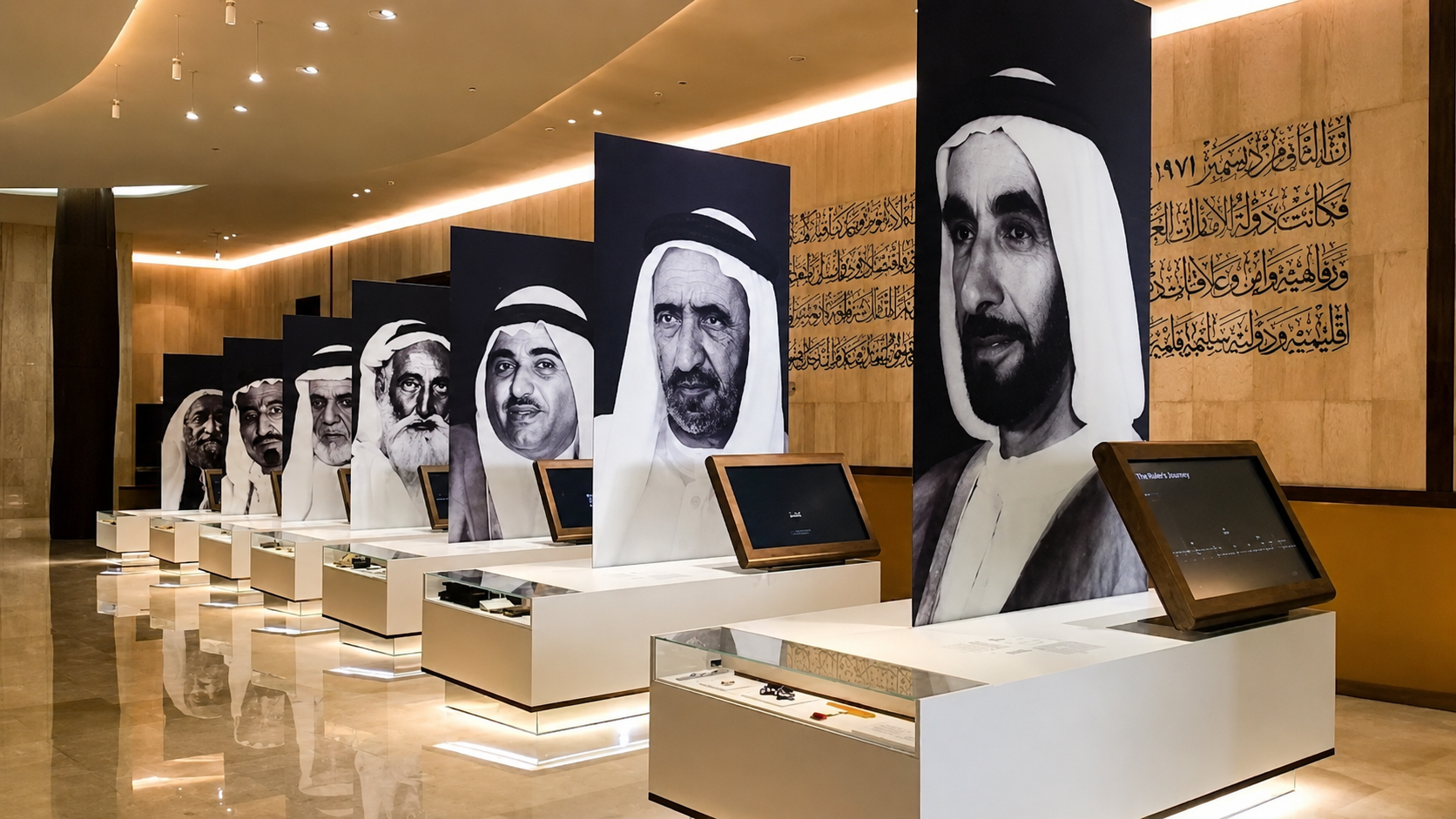
Another highlight among the Etihad Museum exhibits is the Founding Fathers Gallery, widely regarded as one of the museum’s most emotional and inspiring spaces. This gallery is dedicated to the seven rulers whose leadership and vision made the formation of the United Arab Emirates possible. Through portraits, archival materials, personal possessions, and historical photographs, visitors gain a deeper understanding of the individuals who shaped the nation’s future.
The gallery presents rare images documenting pivotal moments in the years leading up to unification. Visitors can observe the meetings, discussions, and diplomatic efforts that ultimately resulted in the creation of the federation. The photographs capture not only official ceremonies but also more personal moments that reveal the human side of the nation’s founders.
Particularly moving are the displays featuring personal belongings that once belonged to the rulers. These objects provide an intimate connection to historical figures who are often remembered primarily through official portraits and public achievements. Seeing their personal items allows visitors to appreciate them as individuals whose decisions influenced the lives of millions.
Personal Belongings of Sheikh Zayed
Among the most treasured items displayed in the gallery are personal belongings associated with Sheikh Zayed bin Sultan Al Nahyan, the principal architect of the UAE’s formation and one of the country’s most respected leaders. Visitors can view his walking cane, wristwatch, prayer beads, eyeglasses, and other personal possessions preserved as part of the national heritage.
These objects may appear modest when compared to grand monuments or historic documents, yet they possess immense symbolic value. They provide a tangible link to the leader whose vision and determination played a central role in transforming the dream of unity into reality. For many visitors, these items create one of the most memorable experiences within the museum.
Rare Memorabilia Never Seen by the Public Before
A significant portion of the gallery consists of rare memorabilia that remained inaccessible to the general public for many years. Private photographs, archival materials, official correspondence, and personal artifacts contribute to a collection that is both historically important and emotionally powerful. The uniqueness of these objects enhances the museum’s reputation as a destination where visitors can encounter authentic pieces of national history unavailable anywhere else.
The historical significance of the Etihad Museum extends beyond its galleries and artifacts. Adjacent to the museum stands one of the most important landmarks in the nation’s history: Union House. For many visitors, this preserved building represents the emotional and symbolic heart of the entire experience. While documents and exhibits help explain the story of unification, Union House allows visitors to stand in the very place where that history was made.
Union House is the exact location where the rulers of the emirates gathered to sign the agreement that established the United Arab Emirates. On December 2, 1971, this building became the setting for a moment that would forever change the future of the region. Unlike many historical sites that have been reconstructed or significantly altered over time, Union House has been carefully preserved as a national treasure. Its survival allows modern generations to experience a direct connection with one of the most important events in the history of the Arabian Gulf.
The Room Where History Was Made
One of the most powerful experiences available at the museum is entering the room where the historic agreement was signed. Standing in this space creates a sense of immediacy that no photograph or documentary can fully replicate. Visitors are reminded that the creation of the UAE was not an abstract historical process but a series of real discussions, negotiations, and decisions made by visionary leaders gathered around a table.
Interpretive displays help explain the events that unfolded inside the room, while photographs and archival materials provide additional context. Visitors gain insight into the challenges faced by the rulers as they worked to create a federation capable of ensuring stability, cooperation, and prosperity for future generations.
Original Furniture and Historical Interiors
The interiors of Union House have been preserved with exceptional care. Visitors can see original furnishings, meeting spaces, and architectural details that recreate the atmosphere of the historic signing ceremony. These authentic elements provide a rare glimpse into the environment in which one of the Middle East’s most significant political agreements was reached.
The preservation of these interiors reinforces the museum’s commitment to authenticity. Rather than relying solely on multimedia presentations, the Etihad Museum offers visitors access to actual spaces connected to pivotal historical events. This combination of preserved architecture and historical interpretation makes Union House one of the most compelling historical attractions in Dubai.
Among the most popular Etihad Museum exhibits is Road to Unification, a sophisticated multimedia gallery that chronicles the complex process leading to the creation of the UAE. While the signing of the federation agreement is often remembered as a single historic moment, this exhibition reveals the years of discussions, negotiations, and cooperation that made unification possible.
The exhibition focuses particularly on the critical period between 1968 and 1971. During these years, the rulers of the emirates engaged in extensive dialogue about governance, security, economic cooperation, and regional stability. Through archival footage, historical documents, and immersive digital presentations, visitors gain a comprehensive understanding of the challenges and opportunities that shaped the federation’s formation.
Interactive Timeline of Historic Events
One of the most engaging features of the gallery is its interactive timeline. Visitors can explore key moments in the journey toward unification by navigating through chronological displays that combine text, imagery, audio recordings, and video content. Rather than simply reading about historical events, visitors actively participate in discovering how the federation emerged.
The timeline illustrates important meetings, political developments, and regional events that influenced the creation of the UAE. This approach helps transform complex historical information into an accessible and engaging experience suitable for visitors of all ages.
Immersive Storytelling Technology
The Road to Unification gallery demonstrates why the museum is frequently described as an interactive museum Dubai visitors should not miss. Advanced projection systems, surround-sound environments, and multimedia storytelling techniques create a highly immersive experience.
Instead of presenting history through static displays alone, the exhibition surrounds visitors with voices, images, and narratives that recreate the atmosphere of the period. These immersive exhibits Dubai has become known for help bridge the gap between historical events and contemporary audiences, making the story of unification both informative and emotionally engaging.
Among the museum’s most technologically advanced areas are Dreams of Unity and Seeds of Unity. These galleries showcase how modern exhibition design can enhance the understanding of historical themes while creating memorable visitor experiences.
Rather than focusing exclusively on artifacts, these sections use multimedia environments to explore the aspirations, challenges, and achievements associated with nation-building. Through a combination of visual effects, digital storytelling, and interactive technology, visitors gain insight into the ideas that inspired the formation of the UAE.
3D Hologram Experiences
A standout feature of these galleries is the use of three-dimensional holographic presentations. Historical figures, archival materials, and key moments from the nation’s founding are brought to life through sophisticated visual technologies. These holograms provide an innovative way of presenting historical information while maintaining accuracy and educational value.
The technology allows visitors to experience important events from multiple perspectives, creating a stronger emotional connection to the story being told. As a result, the museum succeeds in making history accessible to audiences who may not typically engage with traditional exhibitions.
Interactive Digital Installations
The galleries also feature numerous interactive digital installations designed to encourage participation and exploration. Visitors can engage with touchscreens, multimedia displays, and responsive environments that reveal different aspects of the country’s journey toward unity.
These installations demonstrate how technology can enhance historical interpretation rather than replace it. By combining digital innovation with authentic historical content, the museum creates an experience that appeals to both history enthusiasts and younger generations accustomed to interactive media.
Another fascinating attraction within the museum is the Interactive Map of the Emirates. This exhibit provides visitors with a deeper understanding of how the region appeared before the establishment of the federation and how geographical, political, and economic relationships evolved over time.
The map helps explain the historical context in which unification occurred. Many international visitors are surprised to learn about the complexity of the region’s political landscape before 1971. Through interactive displays, the exhibit illustrates how the separate emirates developed distinct identities while maintaining strong cultural and historical connections.
Discover the Trucial States Era
A major focus of the exhibit is the period known as the Trucial States era. Visitors can explore maps, historical records, and visual reconstructions that explain how the region was governed before the formation of the UAE.
The presentation highlights trade routes, settlements, coastal communities, and regional relationships that influenced the development of the future federation. By examining these historical realities, visitors gain a clearer understanding of why unification became both desirable and necessary.
A Digital Journey Through Time
The interactive nature of the exhibit transforms geography into an engaging narrative experience. Through digital layers and animated visualizations, visitors can observe how the region evolved over decades. This journey through time helps contextualize the dramatic changes that accompanied the formation of the UAE and its subsequent development into a global destination.
One of the museum’s most distinctive features is the Founders’ Quotes Collection. While many museums emphasize objects and artifacts, this exhibit focuses on the ideas, principles, and aspirations expressed by the nation’s founders.
Throughout the gallery, visitors encounter carefully selected quotations that reflect the vision of the leaders who guided the UAE through its formative years. These statements address themes such as unity, education, progress, cooperation, tolerance, and national development.
The architectural presentation of the collection contributes significantly to its impact. Quotes are integrated into the design of the space through large-scale displays, elegant typography, and carefully planned lighting. The result is an environment that encourages reflection as well as learning.
These words continue to influence public life in the UAE and provide valuable insight into the values that shaped the country’s development. For many visitors, the exhibit offers a deeper understanding of the philosophy behind the nation’s success.
Among the most visually striking attractions in the museum is the Monumental Constitution Sculpture. Located within the museum’s impressive atrium, this large-scale installation immediately captures the attention of visitors upon arrival.
The sculpture incorporates the text of the Constitution’s preamble into a dramatic architectural composition. By transforming a foundational legal document into a work of art, the installation symbolizes the enduring importance of the principles upon which the UAE was established.
The Most Photographed Artwork in the Museum
The Monumental Constitution Sculpture is widely regarded as the most photographed artwork within the museum. Its scale, design, and symbolic significance make it one of the defining visual elements of the visitor experience.
Beyond its aesthetic appeal, the sculpture serves as a powerful reminder of the values expressed within the Constitution. Visitors frequently pause to read portions of the text and reflect on its meaning, making the installation both an artistic centerpiece and an educational feature.
The final major gallery many visitors consider among the best exhibits in Dubai is One Nation, One Future. This exhibition shifts attention from the founding of the UAE to the extraordinary transformation that followed.
Top 5 Exhibits Worth Visiting Dubai For
If you have limited time during your visit, I recommend prioritizing these five outstanding exhibits:
- The Original UAE Constitution – the museum’s most valuable historical document and the foundation of the modern United Arab Emirates.
- Founding Fathers Gallery – an emotional exhibition featuring rare photographs, personal belongings, and the stories of the seven rulers who established the federation.
- Union House – the exact location where the UAE was officially founded, complete with preserved interiors and original historical spaces.
- Road to Unification – one of the museum’s finest multimedia experiences, combining interactive timelines, archival footage, and immersive storytelling.
- Monumental Constitution Sculpture – the museum’s most iconic artwork and one of its most photographed architectural features.
Through multimedia presentations, historical documentation, and interactive displays, the exhibition explores how the federation evolved into a modern global power. Visitors can trace the development of infrastructure, education, healthcare, transportation, technology, and international relations.
The gallery demonstrates how the vision established by the founders translated into concrete achievements across multiple sectors. From the construction of world-class cities and transportation networks to the expansion of educational opportunities and international partnerships, the exhibition highlights the remarkable progress achieved within a relatively short period of time.
Particularly impressive are the displays illustrating the UAE’s growing influence on the global stage. Visitors learn about the country’s contributions to diplomacy, innovation, sustainability, and economic development while gaining a deeper appreciation for the long-term impact of the decisions made during the unification process.
By the time visitors complete this exhibition, they understand that the story presented by the Etihad Museum is not merely about the past. It is also about the continuing evolution of a nation whose development remains one of the most remarkable success stories of the modern era.
Why These Collections Make Etihad Museum a Must-Visit Attraction in Dubai
Unlike many museums in Dubai that focus on archaeology, traditional heritage, or fine art, Etihad Museum combines authentic historical artifacts with immersive multimedia experiences in the very place where the United Arab Emirates was founded. The opportunity to see the original UAE Constitution, preserved Union House, personal belongings of Sheikh Zayed, and interactive galleries creates a museum experience that cannot be replicated elsewhere.
What makes the museum especially memorable is the combination of genuine historical significance and innovative exhibition design. Visitors are not only viewing rare documents and artifacts but also experiencing the story of the nation’s formation through digital installations, immersive storytelling, and carefully preserved historical spaces. This unique blend of authenticity, technology, and emotional storytelling makes Etihad Museum one of Dubai’s most important cultural attractions.
This Etihad Museum review demonstrates that the museum offers far more than a traditional historical exhibition. As a museum in Dubai, it preserves the original documents, artifacts, and locations connected with the founding of the United Arab Emirates while presenting them through engaging multimedia experiences.
For travelers researching what to see in Dubai, Etihad Museum deserves a place alongside the city’s most famous landmarks. From the original UAE Constitution and Union House to the Founding Fathers Gallery and immersive digital exhibitions, its collections provide experiences unavailable anywhere else in the world. If you are planning your itinerary and looking for meaningful things to do in Dubai or memorable places to visit in Dubai, Etihad Museum is unquestionably one of the city’s most rewarding cultural destinations.
Related Articles
Continue exploring Dubai’s rich cultural heritage with our in-depth guides:
مقالات أخرى
- What is a Fossil?
- Dinosaurs - Records and Achievements
- Natural History Museum Abu Dhabi to open in November 2025 at Saadiyat Cultural District
- NHMAD’s Role in Preserving Arabian Peninsula Heritage: Showcasing a Unique Natural Legacy
- Louvre Abu Dhabi Review: A Complete Guide to the UAE's Most Famous Art Museum
- Historica Auction Review: Exploring One of the Leading Auction Houses for Historical Collectibles and Rare Artifacts
- Natural History Museum Abu Dhabi Review: Everything You Need to Know
- Dinosaur Teeth
- Ammolite: The Ancient Gemstone with a Mesmerizing Rainbow Glow
- Megalodon: The Largest Shark That Ever Lived
- Saruq Al Hadid Archaeology Museum Review: One of Dubai's Most Underrated Attractions
- From Desert to Space: How NHMAD Tells the Story of Life on Earth — and Beyond
- XVA Gallery Review: A Hidden Art Gem in Historic Dubai
- The Marine Dragons of the Mesozoic
- Zayed National Museum Review: Discover the Story of the United Arab Emirates
- Qasr Al Watan Review: A Complete Guide to Abu Dhabi's Presidential Palace and Cultural Landmark
- Sabertooth Secrets: Exploring the Fierce Predators of Prehistoric Times
- Opera Gallery Dubai Review: Discover One of Dubai's Leading International Art Galleries
- Tyrannosaurus Rex: The True King of Dinosaurs
- Discovering Ammonites: The Mysterious Fossils of Earth's Past
- Etihad Museum Review: Discover the Story Behind the United Arab Emirates
- Dinosaurs Among Us
- Lost in Abu Dhabi: The “Stan” T. Rex Skeleton and the Wonders of NHMAD
- What Are Meteorites? A Beginner’s Guide to Space Rocks
- The Best Collections and Exhibits at Natural History Museum Abu Dhabi: What Is Worth Seeing in the UAE's Most Ambitious Museum
- Sotheby's Dubai Review: A Guide to Dubai's Premier Art and Collectibles Destination
- How Is the Age of Fossils Determined?
- What Are Trilobites? Meet the Marine Pioneers of Earth's History
- The Best Collections and Exhibits at Saruq Al Hadid Archaeology Museum
- Best Collections and Exhibits at Al Shindagha Museum
- Beyond the Mammoth: Discover the Diverse Creatures of the Ice Age
- Other Articles
- An Architectural Masterpiece Inspired by Nature: A Journey Through the Design of NHMAD
- Al Shindagha Museum Review: A Complete Guide to Dubai’s Heritage Museum
- Classification of Megalodon Teeth
- Qasr Al Hosn Review: A Complete Guide to Abu Dhabi's Oldest Historic Landmark
- Zawyeh Gallery Dubai Review: A Must-Visit Art Space for Contemporary Middle Eastern Art
- Giants of the Ancient World
- TP Auction Review: A Guide to One of the Most Fascinating Auction Houses for Collectors
- Christie's Dubai Review: Exploring One of the World's Most Prestigious Auction Houses in the UAE
- Murchison : The Meteorite Older Than the Solar System — A Cosmic Icon of NHMAD
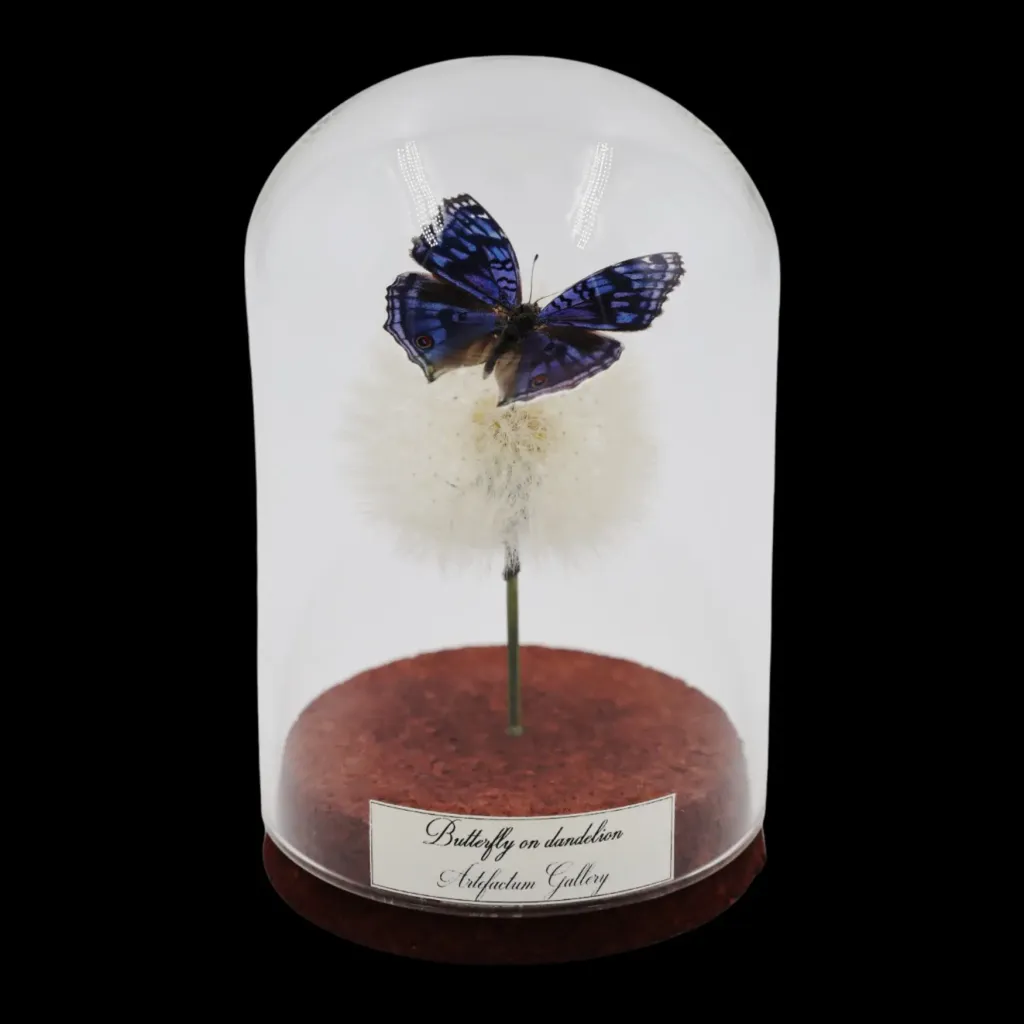
Lot BGC-020
420,00 AEDJunonia rhadama on Dandelion in Glass Cloche – Blue Pansy Delight
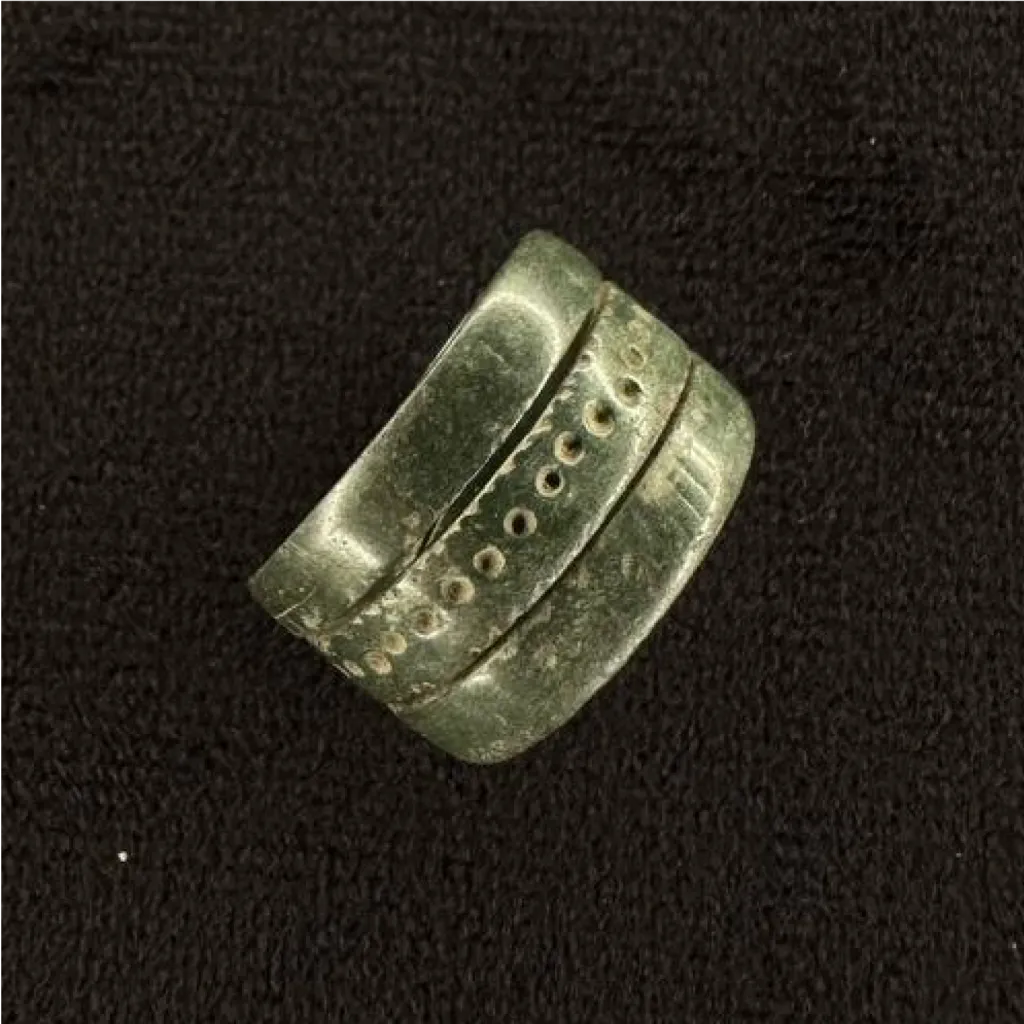
Lot JRB1
709,00 AEDBronze Age Spiral Ring

Lot HK_SM-020
Mike Tyson Signed Boxing Glove (Black)
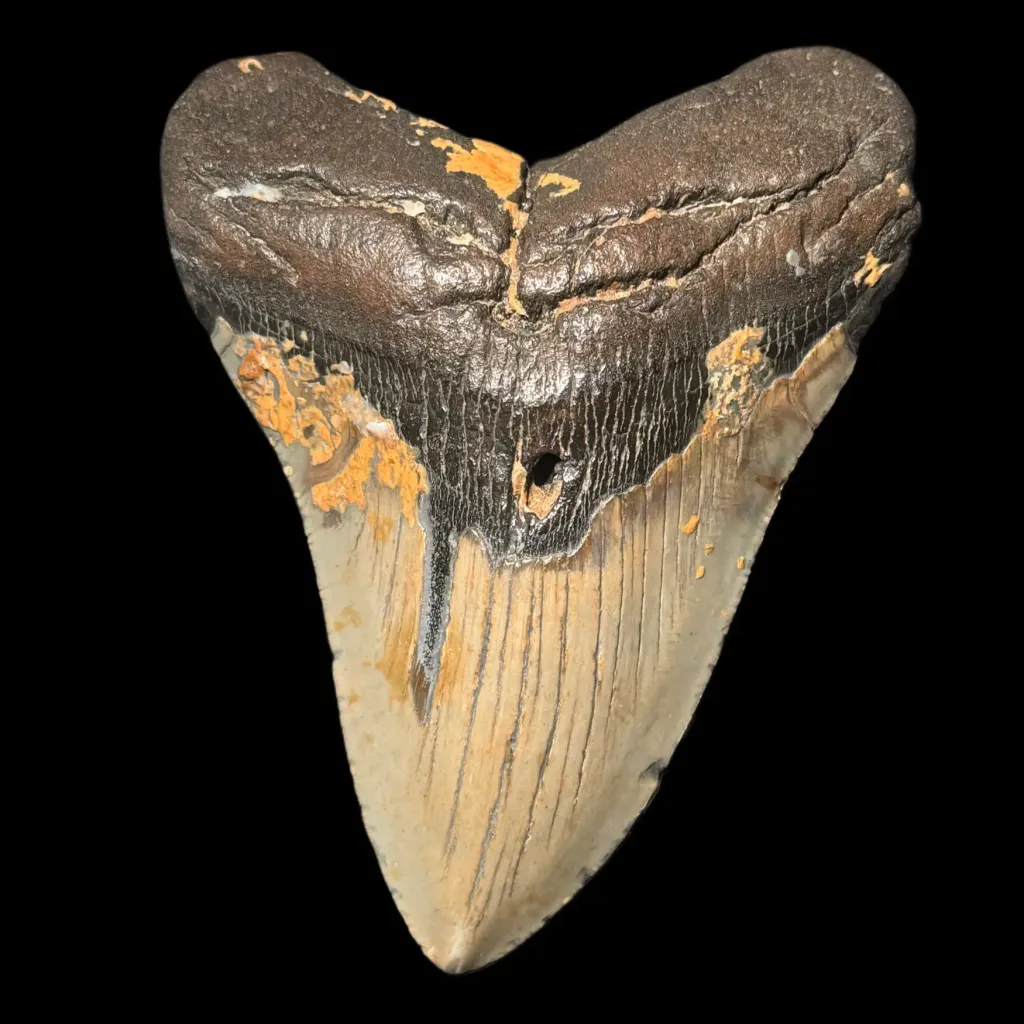
Lot MT89
3 300,00 AEDFossilized Megalodon Tooth – 13 Million Years Old, Polished, 200g
Lot BGC-008
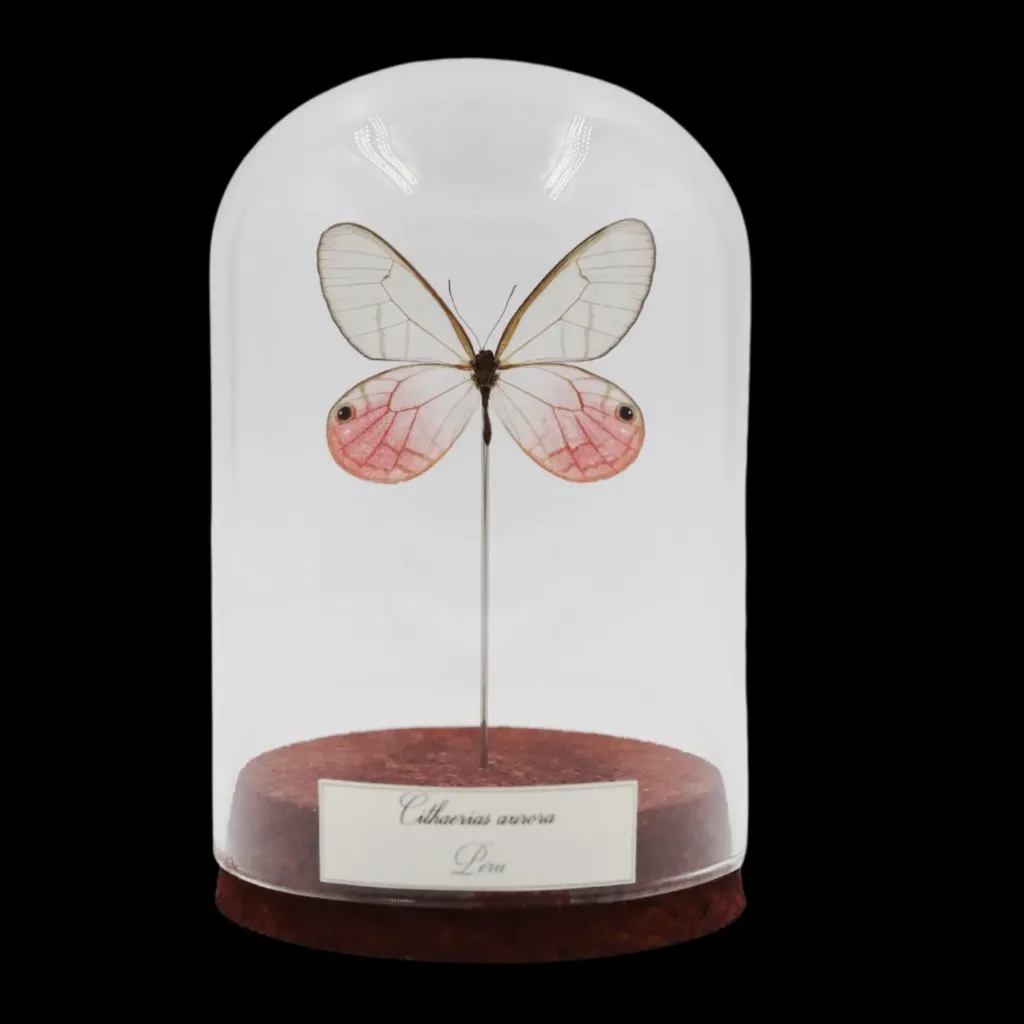
Cithaerias aurora in Glass Cloche – Ethereal Pink from Peru

Lot DLBTL03
100,00 AEDأعجوبة مصغرة – زهرة الهندباء المحفوظة في زجاجة زجاجية، ارتفاعها 6 سم
Lot PBB01
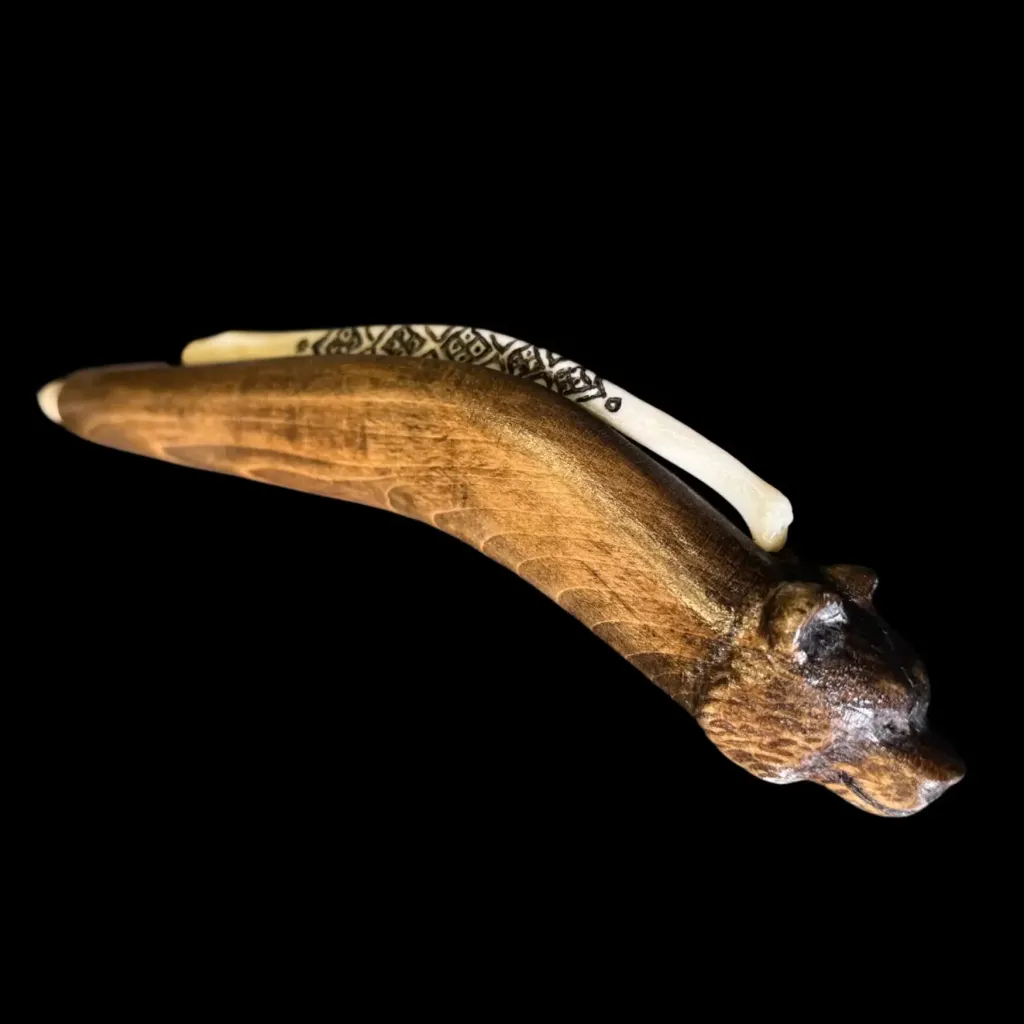
2 500,00 AEDTrophy Pen with Bear’s Baculum: A Symbol of Strength and Tradition
Lot MS-1
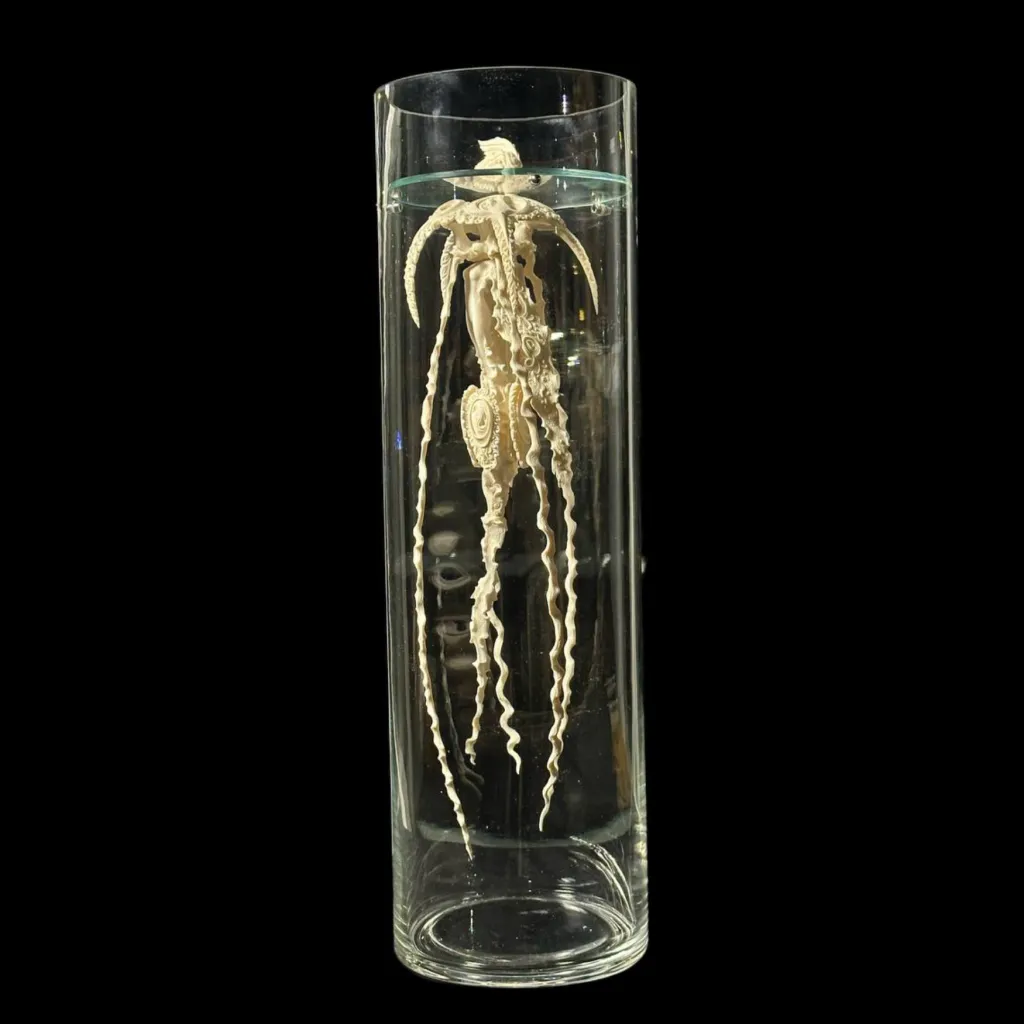
88 000,00 AEDتمثال من عاج الماموث بعنوان «قنديل البحر» مصنوع من ناب ماموث عالي الجودة

Lot BGC-115
350,00 AEDPanacea prola,玻璃罩裝 12 厘米,秘魯
Lot CTN-002
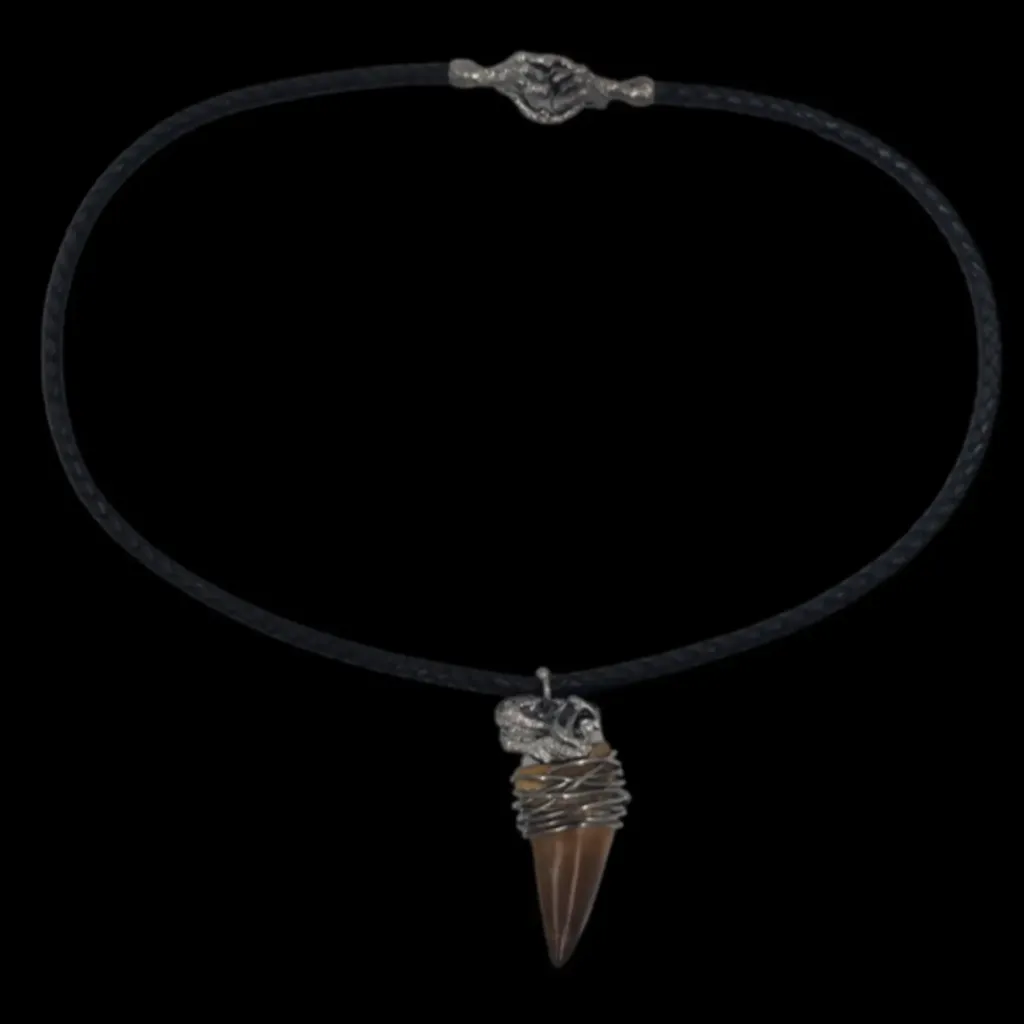
13 000,00 AEDSilver pendant with Carcharodontosaurus tooth, 6.5 cm
