


Zayed National Museum Review: Discover the Story of the United Arab Emirates
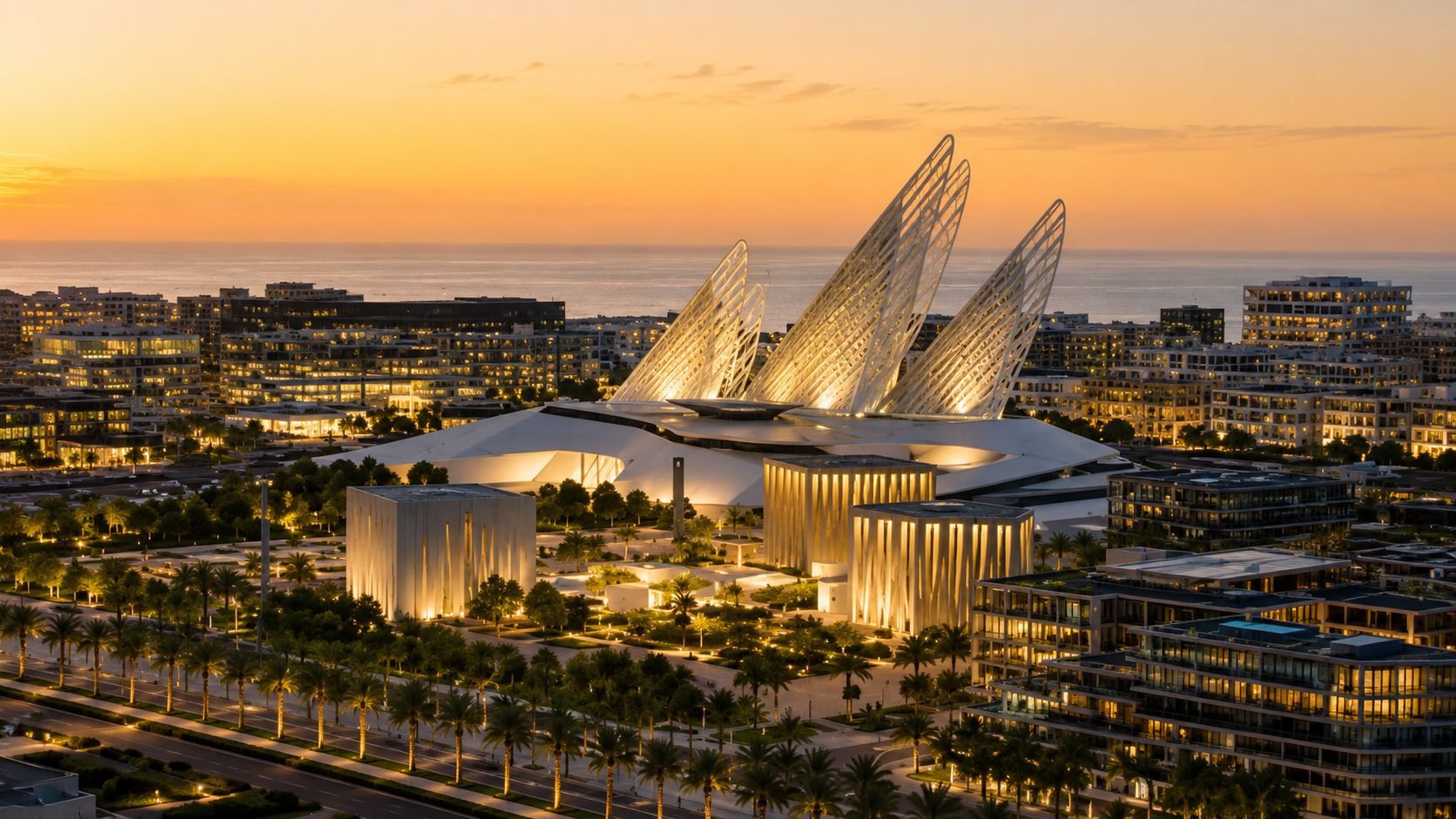
The United Arab Emirates is widely admired for its modern cities, visionary architecture, and rapid economic development, yet its remarkable transformation is deeply rooted in a rich cultural heritage and the leadership of one extraordinary individual. Zayed National Museum has been created to preserve and present that story, serving as the country’s principal institution dedicated to the history, identity, and values of the UAE. More than simply another museum in Abu Dhabi, it is a national landmark designed to celebrate the life, vision, and enduring influence of the nation’s founding father, Sheikh Zayed bin Sultan Al Nahyan.
As one of the most ambitious cultural projects in the Middle East, the museum has attracted worldwide attention long before its opening because of its architectural significance, educational mission, and symbolic importance for the nation. Unlike art museums that primarily display paintings or archaeological museums focused on ancient civilizations, Zayed National Museum tells the story of a country through the people, traditions, landscapes, and historical events that shaped its development. It offers visitors an opportunity to understand how seven individual emirates united to become one of the world’s most dynamic modern nations while remaining deeply connected to their cultural roots.
Whether you are passionate about history, architecture, Emirati heritage, or cultural tourism, Zayed National Museum deserves a prominent place on any itinerary exploring the United Arab Emirates. It is among the finest answers to the question of what to see in Abu Dhabi, providing visitors with a comprehensive introduction to the country’s past, present, and future through immersive exhibitions, innovative technology, and world-class storytelling.
What Is Zayed National Museum?
Zayed National Museum is the national museum of the United Arab Emirates, dedicated to preserving the country’s history while celebrating the life and vision of Sheikh Zayed bin Sultan Al Nahyan, the founding President of the UAE. Located within Abu Dhabi’s expanding cultural district, the museum has been conceived as a place where visitors can explore the nation’s cultural identity through historical artifacts, multimedia exhibitions, archaeological discoveries, and personal stories connected with the country’s remarkable development.
The museum was established as one of the cornerstone institutions within Abu Dhabi’s long-term cultural strategy, complementing internationally renowned museums while providing a uniquely Emirati perspective on history. Whereas institutions such as Louvre Abu Dhabi present global civilizations, Zayed National Museum focuses specifically on the story of the United Arab Emirates and the values that shaped its formation.
Its mission extends beyond preserving historical objects. The museum seeks to inspire future generations by demonstrating how leadership, education, environmental stewardship, tolerance, and cultural preservation contributed to the nation’s extraordinary transformation during the twentieth century. Through carefully curated galleries, visitors gain insight into both the personal life of Sheikh Zayed and the broader historical development of the Emirates from prehistoric settlements to a modern global nation.
The museum also functions as a centre for education and research, supporting scholarship related to archaeology, Emirati heritage, conservation, and cultural history. By combining historical collections with advanced exhibition technologies, Zayed National Museum aims to become one of the most significant educational institutions in the Gulf region.
As the principal UAE national museum, it occupies a unique position within the country’s cultural landscape, presenting a comprehensive narrative of national identity while encouraging dialogue between the UAE’s historical traditions and its ambitious vision for the future.
Why Sheikh Zayed Is Central to the Museum
No figure has influenced the modern history of the United Arab Emirates more profoundly than Sheikh Zayed bin Sultan Al Nahyan. As the founding President of the UAE and the Ruler of Abu Dhabi, he played the decisive role in bringing together the seven emirates to establish the federation in 1971, laying the foundations for one of the most successful nation-building projects of the modern era.
The Sheikh Zayed legacy extends far beyond politics. Throughout his leadership, he emphasized education, healthcare, environmental conservation, cultural preservation, and sustainable development while encouraging cooperation between different cultures and religions. His vision transformed a region once dependent largely on fishing, pearling, and desert trade into a prosperous nation recognized internationally for innovation, diplomacy, and economic opportunity.
The museum places Sheikh Zayed at the heart of its narrative because his personal values continue to influence contemporary Emirati society. Visitors learn about his early life, leadership philosophy, commitment to national unity, respect for traditional culture, and determination to preserve the country’s heritage while embracing modernization.
Through personal belongings, archival photographs, official documents, recorded interviews, historical films, and multimedia presentations, the galleries illustrate how one leader’s vision shaped the development of an entire nation. Rather than presenting Sheikh Zayed solely as a political figure, the museum portrays him as a cultural leader whose belief in education, tolerance, environmental responsibility, and human dignity continues to inspire generations of Emiratis.
Understanding the Sheikh Zayed legacy allows visitors to appreciate not only the history of the UAE but also the principles that continue to define its national identity today.
Location: Exploring Saadiyat Island
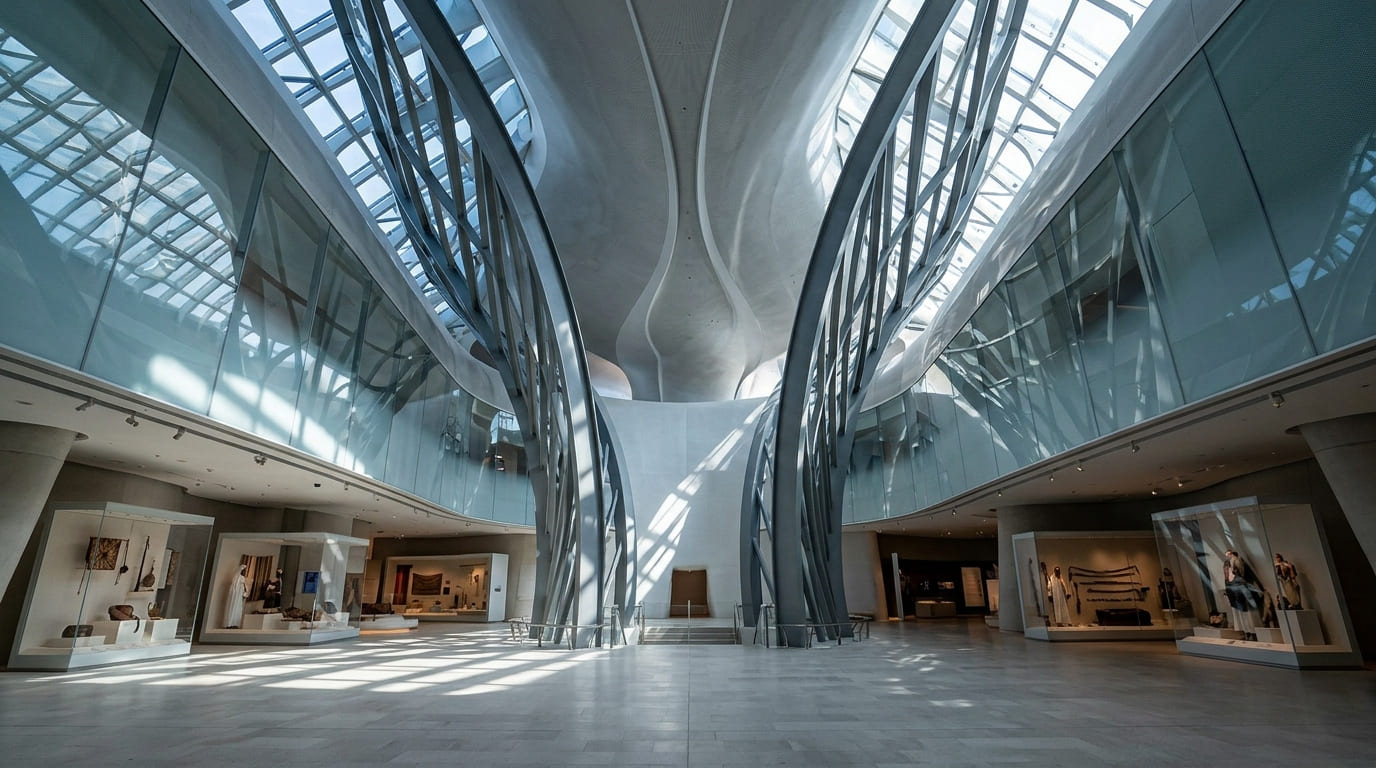
Zayed National Museum occupies a prestigious location on Saadiyat Island, Abu Dhabi’s internationally renowned cultural destination. Over the past two decades, the island has evolved into one of the world’s most ambitious museum districts, bringing together internationally acclaimed architecture, educational institutions, luxury hospitality, and outstanding natural landscapes within a carefully planned cultural environment.
Today, Saadiyat Island serves as the heart of the cultural district Abu Dhabi continues to develop. The island is home to Louvre Abu Dhabi and several major museum projects, establishing Abu Dhabi as one of the world’s emerging centres for international culture, education, and artistic exchange.
Beyond its museums, Saadiyat Island offers pristine beaches, luxury resorts, landscaped public spaces, waterfront promenades, restaurants, and contemporary architecture that create an exceptional visitor experience. The combination of cultural institutions and natural beauty distinguishes the island from many other museum districts around the world, allowing visitors to combine educational experiences with relaxation and recreation.
The district has been master-planned to encourage walking between cultural landmarks while preserving generous public spaces overlooking the Arabian Gulf. Every major building contributes to a coherent architectural vision in which museums function not as isolated monuments but as interconnected parts of a vibrant cultural community.
As one of the leading Abu Dhabi cultural attractions, Saadiyat Island represents the UAE’s long-term commitment to education, heritage, creativity, and international collaboration. The location of Zayed National Museum within this prestigious environment reinforces its role as the country’s foremost institution dedicated to preserving and interpreting the story of the United Arab Emirates.
The Architecture of Zayed National Museum
Even before entering the galleries, visitors immediately recognize Zayed National Museum as one of the most distinctive architectural projects in the Middle East. Designed by internationally acclaimed architect Norman Foster and Foster + Partners, the museum combines contemporary engineering with deep respect for Emirati culture, environmental sustainability, and traditional architectural principles.
The building’s defining feature consists of five elegant steel towers inspired by the graceful wings of a falcon in flight. Falconry occupies a central place within Emirati heritage, symbolizing freedom, vision, resilience, and the enduring relationship between people and the desert landscape. These sculptural towers therefore serve both as powerful national symbols and as highly functional environmental elements.
Beyond their dramatic appearance, the towers operate as modern interpretations of traditional wind catchers, helping draw cool air naturally through parts of the building while reducing energy consumption. This environmentally responsive approach reflects Sheikh Zayed’s longstanding commitment to conservation and sustainable development, allowing the architecture itself to reinforce the museum’s educational message.
The museum’s elegant form rises above Saadiyat Island as one of the UAE’s most anticipated architectural landmarks. Its striking silhouette can be recognized from considerable distances, contributing to the island’s growing collection of internationally celebrated cultural buildings. Large public plazas, landscaped gardens, reflective water features, and carefully framed views create a welcoming environment that encourages visitors to experience the architecture from multiple perspectives before beginning their journey through the exhibitions.
For architects, photographers, and design enthusiasts, the building itself represents a destination of international significance. It demonstrates how contemporary architecture can express national identity through symbolism, sustainability, and innovation while creating one of the most memorable cultural landmarks in the region.
What to See Inside Zayed National Museum
The exhibition galleries of Zayed National Museum have been designed to present the story of the United Arab Emirates through an engaging combination of authentic artifacts, immersive storytelling, multimedia technology, and archaeological discoveries. Rather than functioning as a traditional history museum filled only with display cases, the museum creates an interactive journey through the people, landscapes, traditions, and historical events that shaped the nation.
Visitors move chronologically through galleries that explore the personal life of Sheikh Zayed, the formation of the federation, the cultural traditions of Emirati society, ancient civilizations of the Arabian Peninsula, the natural environment, and the country’s remarkable transformation into a modern global nation. Throughout the museum, advanced digital technology complements authentic historical objects, allowing visitors to experience history in both visual and interactive ways.
The exhibitions have been designed to appeal equally to first-time visitors, families, students, researchers, and historians, making the museum accessible without sacrificing scholarly depth.
The Life of Sheikh Zayed Gallery
One of the museum’s most important exhibition spaces is dedicated to the life of Sheikh Zayed bin Sultan Al Nahyan. This gallery explores his personal journey from childhood through his years as Ruler of Abu Dhabi and ultimately as the founding President of the United Arab Emirates.
Archival photographs, historical film footage, personal belongings, official correspondence, speeches, and multimedia presentations illustrate the defining moments of his life and leadership. Visitors gain insight into the values that shaped his decisions, including his commitment to education, environmental conservation, cultural preservation, diplomacy, and national unity.
Rather than focusing solely on political achievements, the exhibition presents Sheikh Zayed as a visionary leader deeply connected to the traditions of the desert and the wellbeing of future generations. Interactive displays encourage visitors to explore his ideas in greater depth while understanding the personal qualities that earned him lasting respect throughout the region and internationally.
This gallery provides an essential foundation for understanding the broader story of the UAE, demonstrating how individual leadership influenced the development of an entire nation.
The Formation of the United Arab Emirates
The creation of the United Arab Emirates in 1971 represents one of the defining moments of modern Middle Eastern history, and the museum devotes significant attention to this remarkable achievement.
Through original documents, historical photographs, archival recordings, interactive maps, and multimedia installations, visitors learn how the seven emirates came together to establish a unified federation under Sheikh Zayed’s leadership. The exhibition explains the political negotiations, diplomatic efforts, and shared aspirations that made national unity possible during a period of significant regional change.
The gallery also illustrates the extraordinary pace of development that followed the formation of the federation. Infrastructure, education, healthcare, housing, transportation, and cultural institutions expanded rapidly while the country maintained strong connections with its traditional heritage.
By combining personal stories with national history, the exhibition demonstrates that the creation of the UAE was not simply a political event but a transformative moment that reshaped the lives of millions of people.
UAE Heritage and Traditions
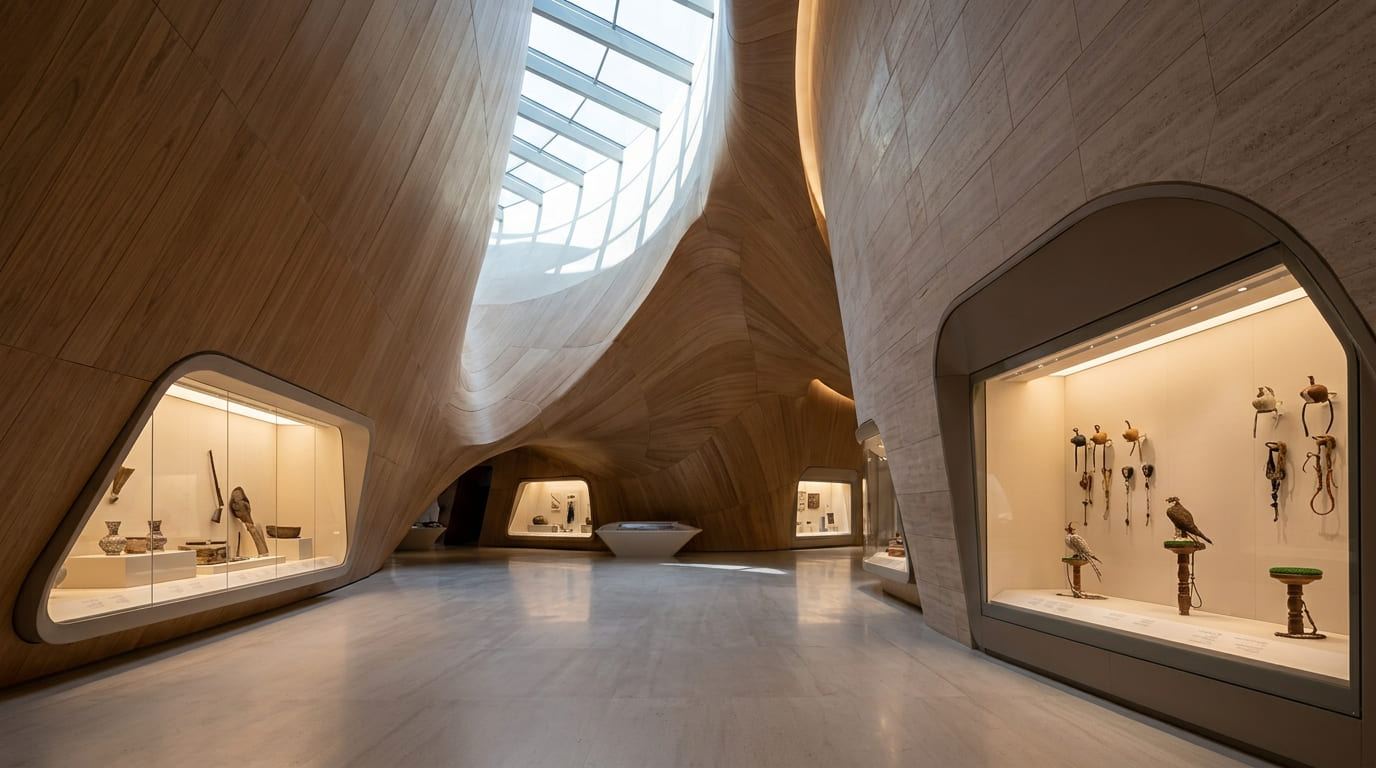
As a leading UAE heritage museum, Zayed National Museum places great emphasis on preserving the traditions that defined life in the Emirates long before the discovery of oil and the emergence of modern cities.
Visitors encounter exhibitions exploring Bedouin culture, traditional family life, pearl diving, fishing, oasis agriculture, falconry, camel breeding, craftsmanship, and regional architecture. Authentic household objects, textiles, jewelry, tools, ceramics, musical instruments, and traditional clothing provide insight into everyday life across different regions of the country.
Interactive displays explain how communities adapted to the challenges of desert environments while developing rich cultural traditions based on hospitality, cooperation, resilience, and respect for nature. Traditional crafts such as weaving, pottery, palm-frond weaving, and metalworking demonstrate the remarkable skills passed from generation to generation.
The galleries emphasize that preserving heritage remains an essential part of contemporary Emirati identity, ensuring that rapid modernization has not erased the country’s cultural foundations.
Ancient History of the Emirates
Long before the establishment of the modern UAE, the Arabian Peninsula supported thriving communities connected to international trade routes stretching across Asia, Africa, and Europe. The museum’s archaeological galleries introduce visitors to this fascinating prehistoric and ancient past.
Artifacts recovered from important archaeological sites illustrate the development of early settlements, agriculture, maritime trade, metallurgy, and long-distance commercial exchange thousands of years before the formation of the federation. Stone tools, ceramics, jewelry, bronze objects, inscriptions, burial goods, and architectural remains reveal the sophistication of societies that once flourished throughout the region.
The exhibition demonstrates that the Emirates have occupied an important geographical crossroads for millennia, connecting civilizations through trade, migration, and cultural exchange. These archaeological discoveries provide valuable context for understanding the country’s long historical development and its enduring relationship with neighboring regions.
Falconry and Desert Life Collection
Few traditions are more closely associated with Emirati culture than falconry, and this gallery celebrates the profound relationship between people, falcons, and the desert environment.
Visitors learn how falconry evolved from a practical method of obtaining food into one of the region’s most respected cultural traditions. Historic equipment, archival photographs, educational displays, and multimedia presentations explain the care, training, and deep respect that characterize the partnership between falconers and their birds.
The exhibition also explores wider aspects of desert life, including traditional navigation, seasonal migration, water conservation, camel caravans, shelter construction, and survival techniques developed over centuries of living within one of the world’s most demanding natural environments.
Rather than presenting the desert as an empty landscape, the galleries reveal it as a place of knowledge, adaptation, and cultural richness where generations developed sophisticated ways of living in harmony with nature.
The Natural Environment of the UAE
The natural history galleries explore the remarkable diversity of landscapes found throughout the United Arab Emirates. Although the country is often associated with vast deserts, visitors discover ecosystems that include mountains, mangrove forests, wetlands, oases, coastal islands, coral reefs, and extensive marine environments.
Interactive displays explain the country’s unique geology, climate, native wildlife, migratory bird populations, and marine biodiversity. Visitors learn about species that have adapted to extreme desert conditions as well as the importance of environmental conservation in protecting fragile ecosystems for future generations.
The exhibition also reflects Sheikh Zayed’s lifelong commitment to protecting wildlife and promoting sustainable environmental policies. His conservation initiatives helped establish protected areas, wildlife breeding programmes, and environmental legislation that continue to influence the country’s approach to ecological preservation today.
Together, these galleries demonstrate that understanding the natural environment is essential to understanding the history, culture, and future development of the UAE.
Interactive Multimedia Exhibits
Throughout Zayed National Museum, advanced digital technology enhances rather than replaces traditional museum interpretation. Interactive multimedia exhibits allow visitors to engage with history through immersive visual experiences, touch-screen displays, digital reconstructions, audiovisual presentations, and educational simulations.
Historical events are illustrated through animated maps, archival films, oral histories, and three-dimensional visualizations that help explain complex historical developments in accessible ways. Visitors can explore archaeological sites virtually, examine fragile artifacts in extraordinary detail, and listen to personal testimonies connected with key moments in the nation’s history.
Children and younger visitors particularly benefit from interactive learning zones designed to encourage exploration through games, creative activities, and multimedia storytelling. Educational programmes regularly combine these digital resources with workshops, guided tours, and family activities that transform museum visits into memorable learning experiences.
By integrating cutting-edge technology with authentic historical collections, Zayed National Museum creates an engaging visitor experience that appeals to audiences of every age while maintaining the highest standards of historical scholarship and interpretation.
Why Zayed National Museum Is Different from Other Museums
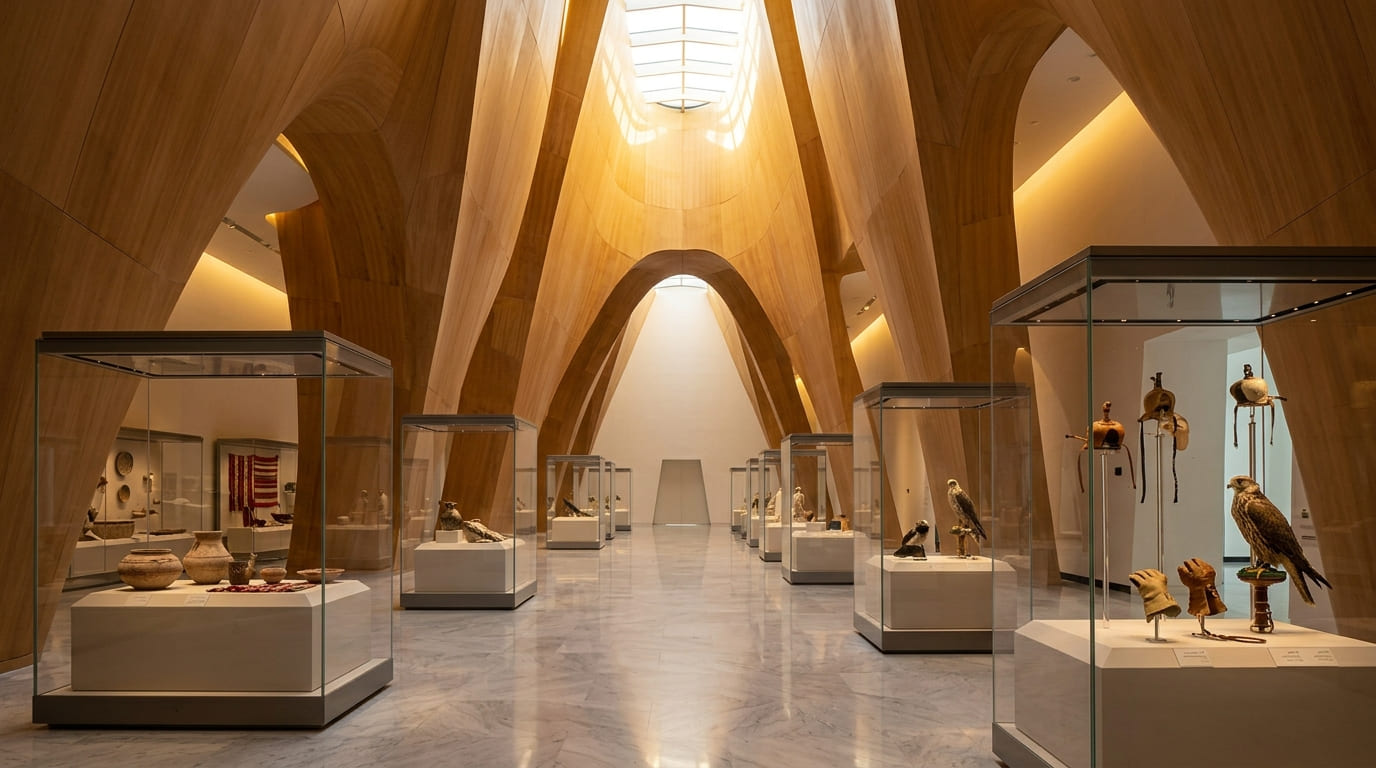
Zayed National Museum occupies a unique position among the museums in Abu Dhabi because it serves as the official national museum of the United Arab Emirates. While other institutions explore international art, natural history, or specific archaeological periods, this museum presents the complete story of the nation itself. Its central purpose is to explain how the UAE developed from a collection of independent emirates into one of the world’s most dynamic modern countries while preserving its cultural identity.
The museum’s emphasis on Sheikh Zayed’s vision distinguishes it from conventional history museums. Rather than presenting isolated historical events, the galleries connect political leadership, cultural traditions, environmental stewardship, education, and social development into a single narrative illustrating the country’s remarkable transformation. Visitors gain insight not only into historical milestones but also into the principles that continue to shape Emirati society.
Another important distinction is the integration of advanced exhibition technology with authentic historical collections. Interactive installations, immersive audiovisual presentations, digital reconstructions, and multimedia storytelling make complex historical subjects accessible to visitors of all ages without diminishing the scholarly quality of the exhibitions.
The museum’s location within Saadiyat Island’s internationally recognized cultural district further enhances its significance. Together with neighboring museums, it contributes to Abu Dhabi’s growing reputation as one of the world’s leading destinations for culture, education, and heritage tourism.
How to Get to Zayed National Museum
Zayed National Museum enjoys an excellent location on Saadiyat Island, allowing visitors to reach it easily from central Abu Dhabi as well as from other emirates.
Visitors travelling by car will find direct access via modern highways connecting Saadiyat Island with downtown Abu Dhabi. The journey from the city centre generally takes less than twenty minutes, while those driving from Dubai can usually reach the museum in approximately ninety minutes depending on traffic conditions. Spacious parking facilities within the cultural district make private transport a convenient choice.
Taxi services remain the easiest option for most international visitors. Taxis are readily available throughout Abu Dhabi, and drivers are familiar with the cultural district on Saadiyat Island. Visitors travelling from hotels, Abu Dhabi International Airport, Yas Island, or the Corniche can expect a comfortable and direct journey.
Public transportation also provides access to the museum through several bus routes serving Saadiyat Island. As public transport services continue to expand alongside the island’s cultural development, visitors should check the latest schedules before travelling.
For those considering a day trip from Dubai, Zayed National Museum offers an excellent opportunity to explore the cultural heart of the UAE beyond the country’s largest city. The museum can easily be combined with nearby attractions on Saadiyat Island, creating one of the most rewarding museums near Dubai for travelers interested in history, architecture, and Emirati culture.
Who Should Visit Zayed National Museum?
History Enthusiasts
History enthusiasts will appreciate the museum’s comprehensive exploration of the United Arab Emirates, from prehistoric settlements to the formation of the federation and the country’s modern development. Original artifacts, historical documents, archaeological discoveries, and multimedia presentations provide valuable insight into the nation’s remarkable history.
Families with Children
Families with children will enjoy interactive galleries, educational displays, and engaging multimedia experiences designed to make Emirati history accessible for younger visitors. The museum encourages curiosity through hands-on learning and family-friendly exhibitions.
Students
Students will find the museum an outstanding educational resource covering UAE history, archaeology, culture, leadership, and environmental heritage. Carefully curated exhibitions supported by current scholarship make it valuable for academic study and research.
Culture Travelers
Travelers seeking a deeper understanding of the UAE beyond its modern skyline will discover one of the country’s most rewarding cultural attractions. The museum provides essential historical context that enriches visits to other museums and landmarks throughout Abu Dhabi.
Visitors Interested in UAE Heritage
Anyone interested in Emirati traditions, archaeology, falconry, desert life, environmental conservation, and national identity will find Zayed National Museum one of the most comprehensive introductions to the country’s heritage, values, and cultural development.
Nearby Attractions Worth Visiting
One of the greatest advantages of visiting Zayed National Museum is its location within Saadiyat Island’s expanding cultural district, where several of the UAE’s most important attractions are located only minutes apart.
Louvre Abu Dhabi is the island’s best-known cultural landmark and can easily be combined with a visit to the national museum. Together the two institutions provide complementary perspectives, with one exploring the shared history of world civilizations and the other focusing specifically on the story of the United Arab Emirates.
The upcoming Natural History Museum Abu Dhabi will further enrich the island’s educational offerings by presenting exhibitions dedicated to geology, biodiversity, evolution, and the natural world. Its scientific perspective complements the historical and cultural focus of Zayed National Museum.
Visitors may also explore Manarat Al Saadiyat, a vibrant cultural centre hosting temporary exhibitions, educational programmes, public lectures, creative workshops, and community events throughout the year.
After exploring the museums, many visitors choose to relax at Saadiyat Beach, widely regarded as one of the most beautiful beaches in the UAE. Its white sand and clear waters provide a peaceful conclusion to a day devoted to culture and history.
Together these attractions establish Saadiyat Island as one of the Middle East’s foremost cultural destinations.
Why Zayed National Museum Is One of the Most Important Museums in the UAE
The importance of Zayed National Museum extends far beyond its collections. As the official national museum, it preserves the historical memory of the United Arab Emirates while communicating the values that continue to shape the country’s future.
The museum represents one of the largest cultural investments ever undertaken in the UAE. Its educational mission supports schools, universities, researchers, and international visitors by providing authoritative interpretation of Emirati history through authentic artifacts, advanced technology, and carefully developed exhibitions.
Its international significance also lies in its ability to present the UAE within a broader global context. Visitors gain a deeper appreciation not only of national history but also of the country’s role in regional trade, cultural exchange, environmental conservation, diplomacy, and international cooperation.
For tourism, the museum strengthens Abu Dhabi’s reputation as one of the Middle East’s leading cultural capitals. Alongside the other major institutions on Saadiyat Island, it demonstrates the UAE’s commitment to investing in education, heritage, and cultural dialogue on an international scale.
As one of the country’s most ambitious cultural institutions, Zayed National Museum will undoubtedly become one of the defining symbols of modern Emirati identity.
Is Zayed National Museum Worth Visiting?
Any balanced Zayed National Museum review should recognize both its outstanding strengths and the expectations visitors should have before planning their visit.
Its greatest advantage is the opportunity to understand the complete story of the United Arab Emirates within a single institution. No other museum presents such a comprehensive exploration of the nation’s history, leadership, traditions, archaeology, environment, and cultural identity. Combined with its remarkable architecture and advanced exhibition technologies, the museum offers one of the richest educational experiences in the Gulf region.
Its prestigious location on Saadiyat Island allows visitors to combine several internationally important cultural attractions in one day, while excellent visitor facilities ensure a comfortable experience for individuals, families, and organized groups.
Visitors should plan several hours to appreciate the exhibitions fully. Because the museum concentrates specifically on Emirati history and heritage, those seeking broader international collections may wish to combine their visit with neighboring institutions such as Louvre Abu Dhabi.
For most travelers, however, this specialized focus is precisely what makes the museum exceptional. It provides an understanding of the country’s identity that cannot be gained elsewhere.
This Zayed National Museum review demonstrates why the institution is destined to become the definitive museum in Abu Dhabi for anyone wishing to understand the history, culture, and vision of the United Arab Emirates. More than simply preserving historical artifacts, the museum tells the remarkable story of a nation through the leadership of Sheikh Zayed, the traditions of its people, and the extraordinary transformation that shaped the modern UAE.
For visitors deciding what to see in Abu Dhabi, the museum offers an experience unlike any other cultural institution in the country. Its exhibitions combine archaeology, heritage, interactive technology, environmental history, and personal stories into a compelling narrative that is both educational and inspiring. The striking architecture, symbolic design, and outstanding location on Saadiyat Island further reinforce its importance as one of the country’s defining cultural landmarks.
Whether you are searching for meaningful things to do in Abu Dhabi, exploring unforgettable places to visit in Abu Dhabi, or planning a cultural itinerary through the Emirates, Zayed National Museum deserves a prominent place on your schedule. For travelers making a special journey from Dubai or exploring the UAE for the first time, it offers the most complete introduction to the nation’s heritage, values, and identity. Few museums explain the story of a country with such clarity, ambition, and vision, making Zayed National Museum one of the most important cultural destinations in the Middle East.
Related Articles
If you are planning to explore more of Abu Dhabi’s cultural landmarks and the UAE’s leading museums, you may also enjoy these guides:
مقالات أخرى
- The Best Collections and Exhibits at Saruq Al Hadid Archaeology Museum
- From Desert to Space: How NHMAD Tells the Story of Life on Earth — and Beyond
- How Is the Age of Fossils Determined?
- Murchison : The Meteorite Older Than the Solar System — A Cosmic Icon of NHMAD
- Sotheby's Dubai Review: A Guide to Dubai's Premier Art and Collectibles Destination
- Lost in Abu Dhabi: The “Stan” T. Rex Skeleton and the Wonders of NHMAD
- Al Shindagha Museum Review: A Complete Guide to Dubai’s Heritage Museum
- An Architectural Masterpiece Inspired by Nature: A Journey Through the Design of NHMAD
- Discovering Ammonites: The Mysterious Fossils of Earth's Past
- Saruq Al Hadid Archaeology Museum Review: One of Dubai's Most Underrated Attractions
- Opera Gallery Dubai Review: Discover One of Dubai's Leading International Art Galleries
- Qasr Al Watan Review: A Complete Guide to Abu Dhabi's Presidential Palace and Cultural Landmark
- Ammolite: The Ancient Gemstone with a Mesmerizing Rainbow Glow
- Beyond the Mammoth: Discover the Diverse Creatures of the Ice Age
- Dinosaurs - Records and Achievements
- Christie's Dubai Review: Exploring One of the World's Most Prestigious Auction Houses in the UAE
- What Are Meteorites? A Beginner’s Guide to Space Rocks
- Megalodon: The Largest Shark That Ever Lived
- The Best Collections and Exhibits at Natural History Museum Abu Dhabi: What Is Worth Seeing in the UAE's Most Ambitious Museum
- Tyrannosaurus Rex: The True King of Dinosaurs
- NHMAD’s Role in Preserving Arabian Peninsula Heritage: Showcasing a Unique Natural Legacy
- Historica Auction Review: Exploring One of the Leading Auction Houses for Historical Collectibles and Rare Artifacts
- The Marine Dragons of the Mesozoic
- Qasr Al Hosn Review: A Complete Guide to Abu Dhabi's Oldest Historic Landmark
- Classification of Megalodon Teeth
- Natural History Museum Abu Dhabi to open in November 2025 at Saadiyat Cultural District
- Dinosaur Teeth
- Best Collections and Exhibits at Etihad Museum: What to See in Dubai
- TP Auction Review: A Guide to One of the Most Fascinating Auction Houses for Collectors
- Best Collections and Exhibits at Al Shindagha Museum
- Other Articles
- What Are Trilobites? Meet the Marine Pioneers of Earth's History
- Dinosaurs Among Us
- Zawyeh Gallery Dubai Review: A Must-Visit Art Space for Contemporary Middle Eastern Art
- Sabertooth Secrets: Exploring the Fierce Predators of Prehistoric Times
- Louvre Abu Dhabi Review: A Complete Guide to the UAE's Most Famous Art Museum
- What is a Fossil?
- Giants of the Ancient World
- Etihad Museum Review: Discover the Story Behind the United Arab Emirates
- Natural History Museum Abu Dhabi Review: Everything You Need to Know
- XVA Gallery Review: A Hidden Art Gem in Historic Dubai
Lot LCP-001
0,00 AEDقلادة الأسد – رمز القوة والعظمة
Lot FC-1
Coral Flower

Lot CMC-V1
8 100,00 AEDساعة نيكسي ذات الإصدار المحدود – Vostok 1 Rocks: رخام كارارا
Lot AMP7
600,00 AEDCampo del Cielo Meteorite Pendant with Silver chain
Lot FSL-005
12 860,00 AEDلوح أحفوري من فصيلة الكرينويدات يحتوي على زهور البحر المتصلة ببعضها
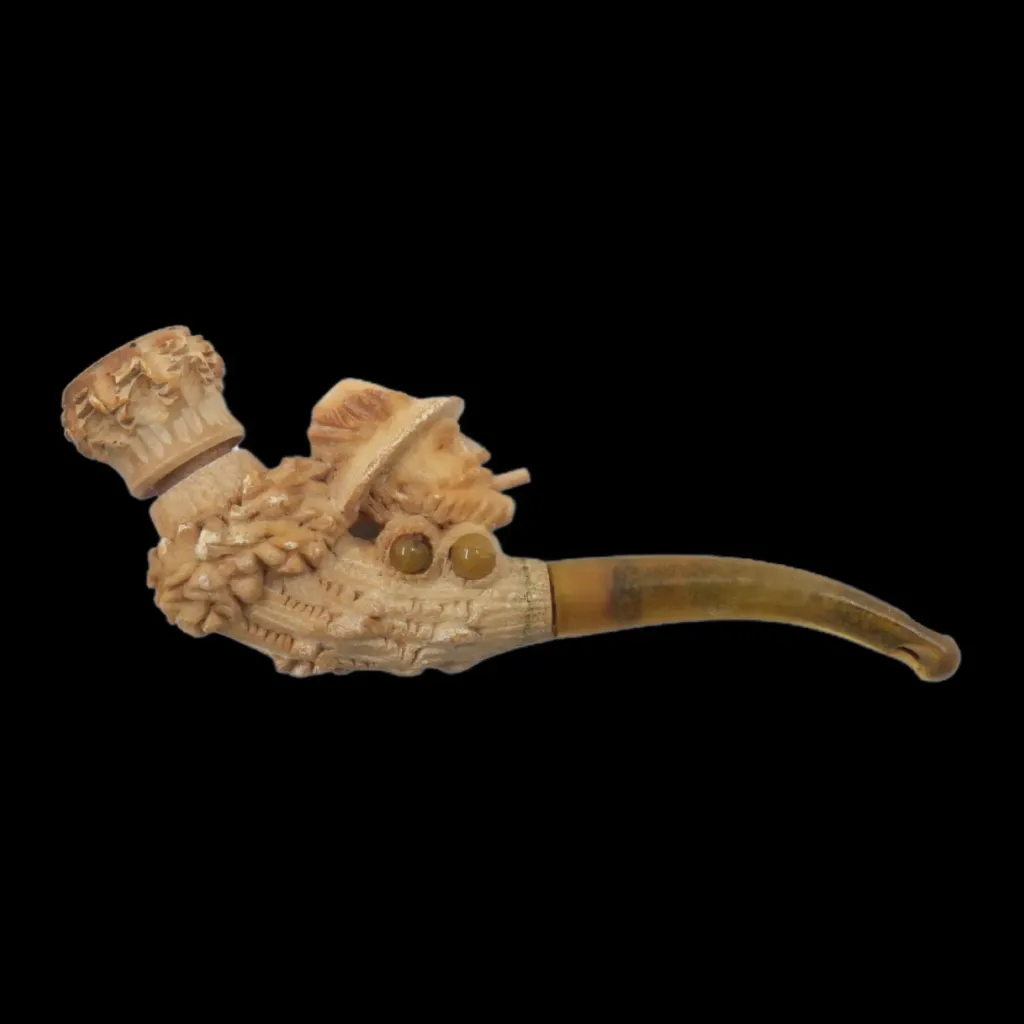
Lot SPP-009
1 530,00 AEDغليون للتدخين مصنوع من الحجر الأبيض والعنبر ومزين برأس رجل منحوت – من صنع حرفيين أوروبيين في أواخر القرن التاسع عشر
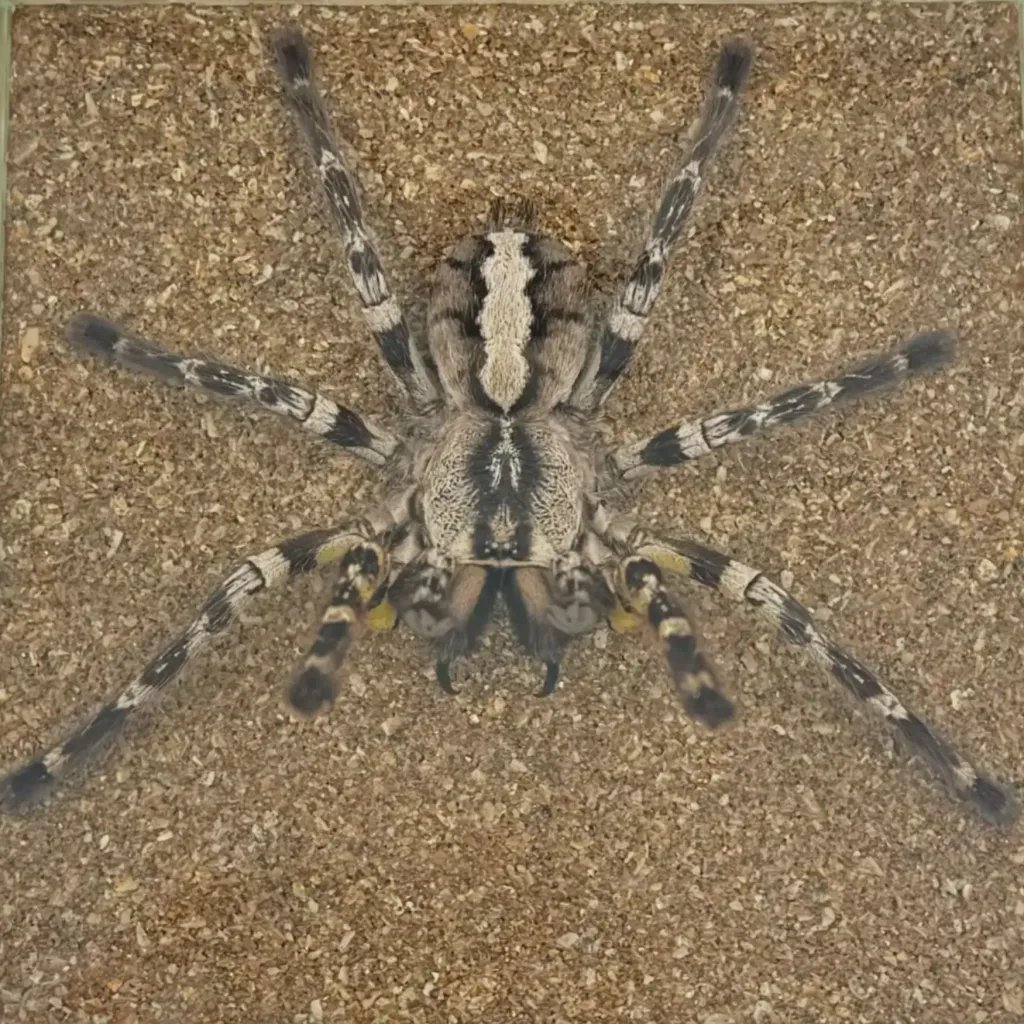
Lot PR-96
التارانتولا القافزة النادرة Poecilotheria regalis – جمال قاتل من الهند
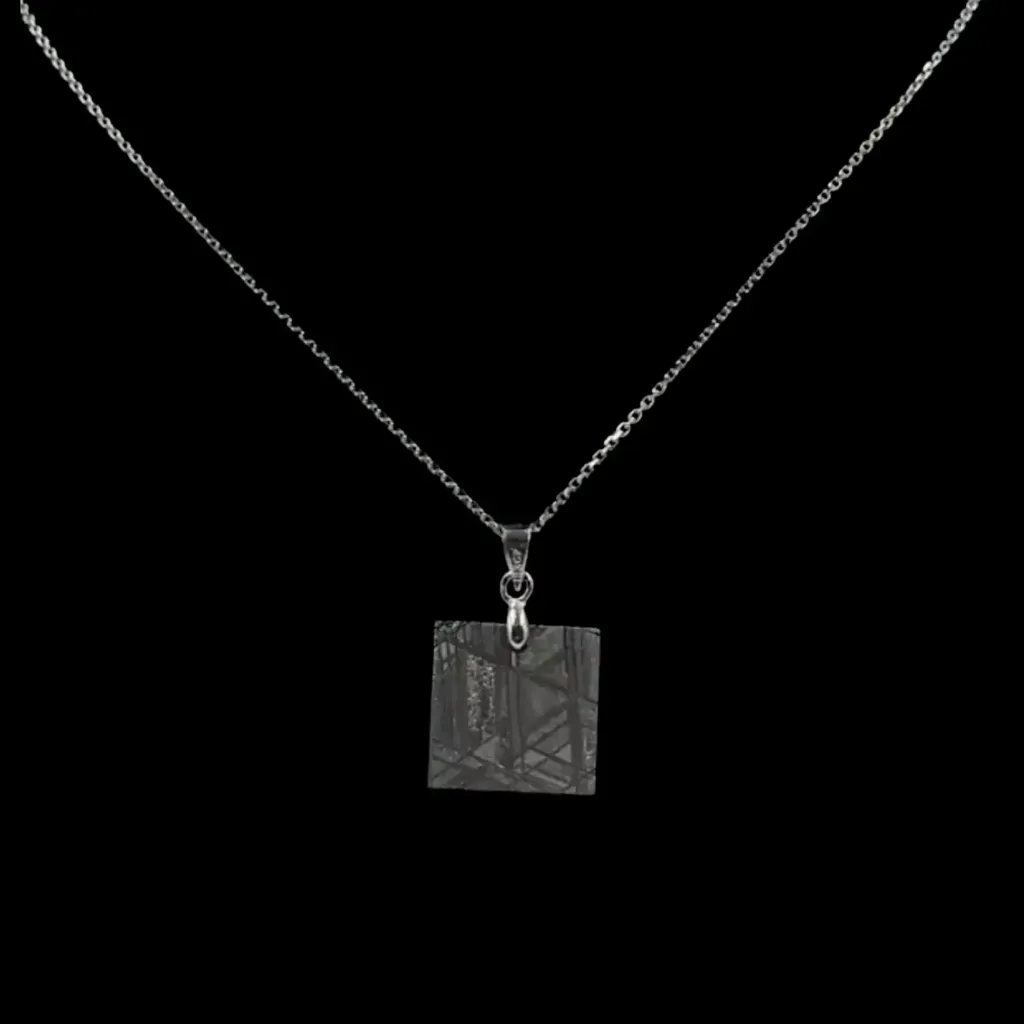
Lot MN-SQ1504
900,00 AEDكوزميك سكوير: قلادة من نيزك «ميونيونالوستا»

Lot GWM400-AC
مقعد «أنتلر» المكسو بجلد البقر – تجسيد للرفاهية الريفية
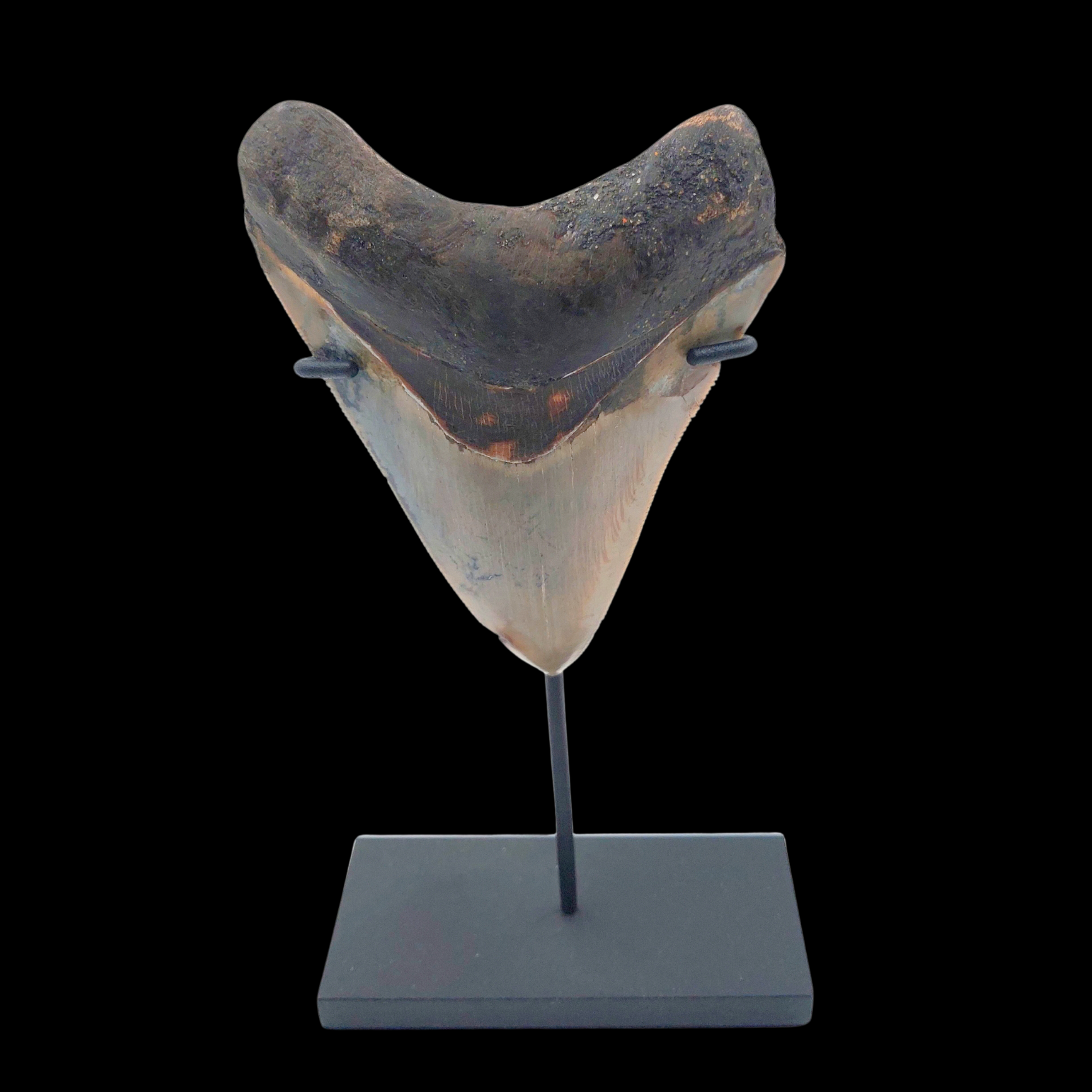
Lot FSL-043
6 600,00 AEDMegalodon Tooth, 132 g, h 10 cm, circa 13 mln years old
