


Louvre Abu Dhabi Review: A Complete Guide to the UAE’s Most Famous Art Museum
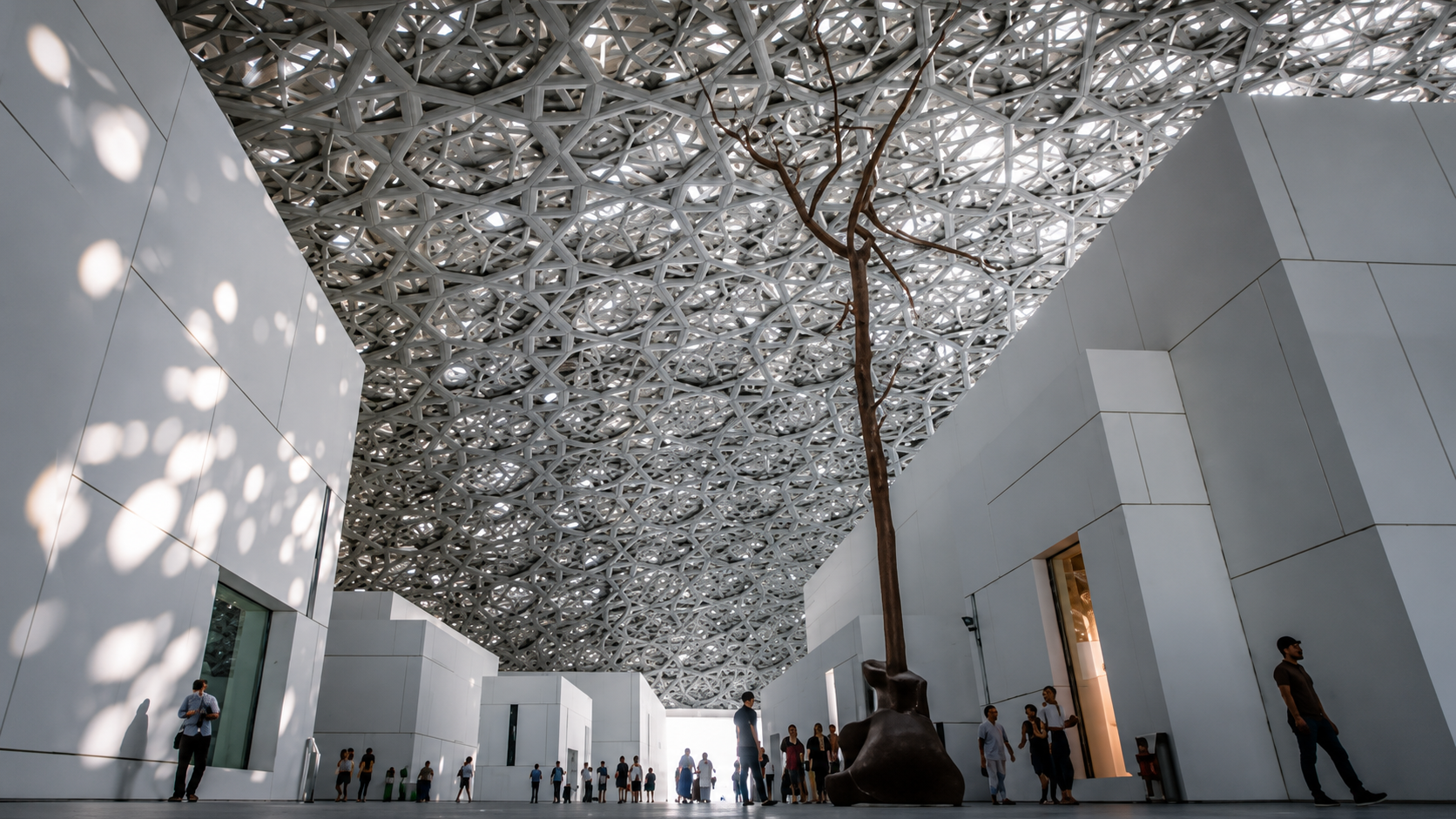
Few museums have transformed the global cultural landscape as dramatically as Louvre Abu Dhabi. Since opening its doors in 2017, the museum has become one of the most celebrated cultural institutions in the Middle East, attracting visitors from around the world with its remarkable architecture, internationally significant collections, and innovative approach to storytelling. More than simply another museum in Abu Dhabi, it represents an ambitious vision of bringing together the artistic achievements of different civilizations under one roof, encouraging dialogue between cultures rather than separating them by geography or chronology.
This Louvre Abu Dhabi review explores why the museum has earned international acclaim and why it has become one of the most important cultural attractions in the United Arab Emirates. Unlike the famous Louvre in Paris, whose collection primarily reflects French and European history, Louvre Abu Dhabi follows the concept of a universal museum. Its galleries present masterpieces from across the world, demonstrating how different civilizations have influenced one another throughout thousands of years of human history.
Visitors encounter works ranging from prehistoric artifacts and ancient Egyptian sculpture to Renaissance paintings, Islamic manuscripts, Asian masterpieces, and contemporary installations. Instead of organizing collections according to country or continent, the museum encourages comparisons between cultures that developed simultaneously across different parts of the world. This curatorial philosophy creates a unique visitor experience unlike that offered by most traditional museums.
Whether you are passionate about archaeology, fine art, architecture, history, photography, or simply looking for an unforgettable museum in Abu Dhabi, Louvre Abu Dhabi deserves a prominent place on every UAE itinerary. It is not only one of the country’s greatest cultural achievements but also one of the finest museums anywhere in the world.
What Is Louvre Abu Dhabi?
Louvre Abu Dhabi was created through an unprecedented cultural partnership between the United Arab Emirates and France, combining international expertise with a bold vision for the future of global museums. The agreement, signed in 2007, established long-term collaboration involving some of France’s most prestigious museums, including the Louvre, Musée d’Orsay, Centre Pompidou, Château de Versailles, and several other leading cultural institutions.
Rather than functioning as a branch of the Louvre Museum in Paris, Louvre Abu Dhabi operates as an independent institution with its own permanent collection while also presenting important loans from major French museums. This collaborative model allows visitors to experience internationally celebrated masterpieces alongside works acquired specifically for Abu Dhabi, creating a truly global narrative of artistic achievement.
The museum’s guiding philosophy is that human civilizations have always been interconnected. Instead of separating artworks according to nationality, religion, or geography, the galleries illustrate common themes shared by societies across time. Objects created thousands of kilometres apart are displayed together when they express similar ideas, beliefs, artistic developments, or technological innovations. This innovative approach encourages visitors to recognize shared human experiences rather than cultural divisions.
Since its inauguration, Louvre Abu Dhabi has rapidly become one of the region’s most influential cultural institutions. Its permanent collection continues to grow through carefully selected acquisitions representing ancient civilizations, Islamic culture, Asian traditions, European art, African heritage, and contemporary artistic practice. Temporary exhibitions further expand the museum’s scope by presenting exceptional loans from internationally renowned institutions.
Today, Louvre Abu Dhabi stands as one of the defining symbols of the UAE’s commitment to culture, education, and international dialogue, attracting scholars, collectors, students, families, and travelers from every corner of the world.
Location: Exploring Saadiyat Island
One of Louvre Abu Dhabi’s greatest advantages is its spectacular location on Saadiyat Island, a destination that has rapidly become the cultural heart of the United Arab Emirates. Situated only a short drive from central Abu Dhabi, the island has been carefully developed as a world-class cultural district where museums, educational institutions, luxury resorts, beaches, and public spaces exist in harmony with the surrounding coastal landscape.
Today, Saadiyat Island is internationally recognized as the emerging cultural district Abu Dhabi has envisioned for decades. The area is home not only to Louvre Abu Dhabi but also to several major cultural projects that continue to redefine the region’s artistic identity. As these institutions open over the coming years, the island is expected to become one of the world’s most important concentrations of museums and cultural attractions.
Beyond its museums, Saadiyat Island is equally celebrated for its natural beauty. White-sand beaches bordering the Arabian Gulf create a peaceful contrast to the architectural landmarks nearby, allowing visitors to combine cultural exploration with relaxation. Luxury hotels, landscaped promenades, restaurants, cafés, and outdoor public spaces further enhance the experience, making the island attractive for both day visitors and longer stays.
The modern urban planning of the island emphasizes spacious open areas, pedestrian-friendly routes, contemporary landscaping, and striking architectural design. Every major building has been conceived as an individual landmark while contributing to the island’s overall identity as a destination where art, architecture, and nature coexist.
For travelers searching for exceptional places to visit in Abu Dhabi, Saadiyat Island offers much more than a single museum. It represents a complete cultural destination where visitors can experience internationally acclaimed architecture, world-class exhibitions, beautiful coastal scenery, and some of the most ambitious museum projects currently under development anywhere in the world.
The Architecture of Louvre Abu Dhabi

Long before visitors encounter the museum’s collections, the building itself establishes Louvre Abu Dhabi as one of the world’s great architectural achievements. Designed by Pritzker Prize-winning architect Jean Nouvel, the museum is widely regarded as one of the finest examples of contemporary museum architecture and has become one of the most recognizable iconic buildings in Abu Dhabi.
Nouvel drew inspiration from traditional Arab medinas, coastal settlements, and historic architecture of the Gulf while simultaneously creating an entirely modern architectural language. Instead of a single monumental structure, the museum consists of a collection of white gallery buildings arranged like a small city beneath an enormous floating dome. Narrow streets, shaded courtyards, and open plazas create a sequence of spaces that encourage visitors to move naturally between architecture, water, and art.
The museum’s most celebrated feature is the magnificent Louvre Abu Dhabi dome, measuring approximately 180 metres in diameter. Constructed from eight overlapping layers of geometric steel patterns, the dome appears almost weightless despite weighing thousands of tonnes. During the day, sunlight passes through its intricate latticework, producing the museum’s famous “Rain of Light” effect. Countless beams of light filter through the structure, creating moving patterns across floors, walls, and pools of water beneath.
This extraordinary interplay between light and shadow reflects traditional Arabic architectural principles, where filtered sunlight and shaded courtyards help create comfortable environments within hot desert climates. Jean Nouvel transformed these historic concepts into a contemporary masterpiece, making Jean Nouvel architecture instantly recognizable while remaining deeply connected to regional traditions.
The museum’s position beside the sea further enhances its visual impact. Water surrounds much of the complex, creating reflections that change constantly throughout the day as sunlight interacts with the dome, galleries, and surrounding landscape. At sunset, the entire museum appears to float above the Arabian Gulf, providing one of the most photographed architectural scenes in the UAE.
For photographers, architects, and design enthusiasts, Louvre Abu Dhabi is as significant for its building as for its collections. The museum demonstrates how contemporary architecture can successfully interpret local heritage while creating an internationally celebrated cultural landmark that has become one of the defining symbols of modern Abu Dhabi.
What to See Inside Louvre Abu Dhabi
The galleries of Louvre Abu Dhabi are designed as a chronological journey through the shared history of human civilization. Rather than separating collections by geography, religion, or nationality, the museum encourages visitors to explore how different cultures developed similar artistic ideas across thousands of years. This innovative curatorial concept distinguishes the museum from many traditional institutions and creates a richer understanding of global history.
More than six hundred works from the museum’s permanent collection are displayed alongside carefully selected international loans that rotate throughout the year. Together they illustrate humanity’s artistic, scientific, religious, and cultural achievements from prehistoric societies to the present day. Every gallery has been thoughtfully designed to encourage comparison between civilizations, revealing surprising connections that transcend geographical boundaries.
The Great Vestibule
The visitor experience begins in the spectacular Great Vestibule, one of the museum’s most impressive architectural spaces. Located beneath the immense dome, this vast entrance hall immediately introduces visitors to the museum’s philosophy of openness, light, and cultural exchange.
Natural daylight filters through the geometric layers of the roof, producing the celebrated “Rain of Light” effect that constantly changes as the sun moves across the sky. The combination of water, shadow, and filtered sunlight creates an atmosphere of remarkable tranquility, encouraging visitors to pause before beginning their journey through the galleries.
The spacious design also allows the surrounding architecture to become part of the exhibition itself. White walls, carefully proportioned walkways, reflecting pools, and panoramic views toward the Arabian Gulf create one of the most memorable museum entrances anywhere in the world.
Masterpieces of World Civilizations
The permanent galleries present some of the finest masterpieces at Louvre Abu Dhabi, bringing together exceptional works created across different continents and historical periods. Instead of focusing on one civilization, the museum demonstrates how cultures have influenced one another throughout history.
Visitors encounter prehistoric sculptures, Mesopotamian artifacts, Egyptian antiquities, Greek and Roman masterpieces, Islamic manuscripts, medieval religious art, Renaissance paintings, Asian sculpture, African objects, and contemporary works arranged according to shared themes rather than national origin.
This approach encourages meaningful comparisons between societies separated by thousands of kilometres yet connected through similar artistic ambitions, religious beliefs, technological innovations, or philosophical ideas. Ancient Chinese bronzes may appear alongside Mediterranean sculpture, while Islamic scientific instruments share galleries with European Renaissance objects, illustrating the continuous exchange of knowledge between civilizations.
The result is a museum experience that emphasizes common human creativity instead of cultural separation, making every gallery intellectually engaging as well as visually impressive.
Ancient Egyptian Collection
Among the museum’s most fascinating historical displays is its Ancient Egyptian collection. Although smaller than the dedicated Egyptian museums found in Cairo, the collection presents carefully selected masterpieces that illustrate one of the world’s most influential civilizations.
Visitors discover beautifully carved statues, funerary objects, sarcophagi, papyrus fragments, ceremonial artifacts, jewelry, and remarkably preserved mummies. These works reveal the extraordinary artistic achievements and sophisticated religious beliefs that shaped Egyptian society for thousands of years.
The displays also explore daily life, royal authority, funerary traditions, and concepts of the afterlife, helping visitors understand why ancient Egypt continues to inspire historians, archaeologists, and artists today. Presented alongside objects from neighbouring civilizations, the collection demonstrates Egypt’s important role within the wider cultural development of the ancient world.
Greek and Roman Art
The galleries devoted to classical antiquity introduce visitors to the artistic legacy of ancient Greece and Rome, civilizations whose influence continues to shape architecture, philosophy, literature, law, and visual culture throughout the modern world.
Marble sculptures, portrait busts, reliefs, ceramics, coins, and decorative objects illustrate the remarkable technical achievements of classical artists while revealing the political, religious, and intellectual values of their societies.
Rather than presenting these civilizations in isolation, Louvre Abu Dhabi places Greek and Roman works within a broader international context, showing how artistic ideas travelled between the Mediterranean, the Middle East, Asia, and North Africa. Visitors gain a deeper appreciation for the interconnected nature of the ancient world and the cultural exchanges that contributed to classical civilization.
Islamic Art Gallery
The Islamic Art Gallery offers one of the museum’s most intellectually rewarding experiences. Rather than focusing solely on religious objects, the galleries celebrate the extraordinary scientific, artistic, literary, and cultural achievements of Islamic civilization across many centuries.
Visitors encounter beautifully illuminated manuscripts, exquisite Qur’ans, fine ceramics, glasswork, metalwork, textiles, astronomical instruments, carved wood, and remarkable examples of Arabic calligraphy. These works demonstrate the sophistication of Islamic craftsmanship while illustrating the important role played by scholars, scientists, mathematicians, physicians, and artists throughout the medieval Islamic world.
Many displays emphasize the transmission of scientific knowledge between Islamic centres of learning and Europe, illustrating how cultural exchange contributed to global intellectual development. This balanced presentation encourages visitors to appreciate Islamic civilization as a major contributor to world history, art, and science.
Asian and Eastern Civilizations Collection
The galleries dedicated to Asian civilizations explore the rich artistic traditions of China, India, Japan, Southeast Asia, and neighbouring regions. Through sculpture, ceramics, religious art, textiles, paintings, and decorative objects, visitors gain insight into the remarkable diversity of Eastern cultures while also discovering historical connections with the Middle East and Europe.
Chinese porcelain, Buddhist sculpture, Japanese decorative arts, Indian miniature painting, and ceremonial objects reveal centuries of artistic refinement while illustrating the importance of trade routes that linked East and West. Many galleries examine how ideas, technologies, religions, and artistic traditions travelled across Asia through commerce and cultural exchange.
This international perspective reinforces the museum’s broader philosophy that civilizations have always been interconnected, encouraging visitors to view history through the lens of cooperation rather than isolation.
European Masters Collection
The European galleries introduce visitors to works created by some of the most influential artists in Western art history. Paintings, sculptures, drawings, and decorative arts illustrate the remarkable evolution of European artistic traditions from the Renaissance through the nineteenth century.
Visitors encounter works associated with celebrated masters including Leonardo da Vinci, Raphael, Titian, Bellini, Manet, Monet, Gauguin, and other internationally renowned artists represented through carefully selected paintings, studies, and historical works. These masterpieces are presented alongside objects from other cultures, encouraging comparisons that reveal shared artistic themes and parallel historical developments.
Rather than emphasizing European art as an isolated tradition, Louvre Abu Dhabi demonstrates how artistic innovation has always been shaped by cultural exchange, travel, commerce, and intellectual dialogue across continents.
Modern and Contemporary Art
The journey concludes with galleries dedicated to modern and contemporary art, where visitors encounter works reflecting the dramatic social, political, technological, and artistic transformations of the twentieth and twenty-first centuries.
International artists working across painting, sculpture, installation, photography, and multimedia explore themes such as globalization, identity, urbanization, migration, memory, and environmental change. These contemporary works continue the museum’s broader narrative by demonstrating how artists today remain engaged with many of the same universal questions explored throughout history.
Temporary exhibitions regularly complement the permanent collection, ensuring that returning visitors continually discover new artistic perspectives and internationally significant projects.
Children’s Museum
Families visiting Louvre Abu Dhabi will appreciate the dedicated Children’s Museum, an interactive space specifically designed to introduce younger audiences to art and culture through curiosity, imagination, and play.
Rather than simply displaying objects behind glass, the Children’s Museum encourages participation through hands-on activities, storytelling, educational games, multimedia experiences, and creative workshops developed for different age groups. Each exhibition is designed around accessible themes that help children understand artistic ideas while encouraging observation, exploration, and creative thinking.
Educational programmes throughout the year include guided family tours, seasonal workshops, school activities, and interactive learning experiences that make the museum welcoming for visitors of all ages. This thoughtful approach ensures that Louvre Abu Dhabi functions not only as an internationally respected art museum but also as an important educational institution serving future generations.
By successfully combining scholarship with accessibility, the Children’s Museum reinforces the museum’s broader mission of making world culture engaging, inclusive, and inspiring for every visitor.
Why Louvre Abu Dhabi Is Different from Other Museums

Louvre Abu Dhabi occupies a unique position among the world’s leading museums because it presents history through the shared development of civilizations rather than through national or regional narratives. While many museums organize collections according to geography, chronology, or political boundaries, Louvre Abu Dhabi follows the concept of a universal museum, encouraging visitors to discover how cultures influenced one another across thousands of years.
This approach transforms the museum into far more than a repository of exceptional objects. Every gallery illustrates connections between societies that developed simultaneously in different parts of the world, demonstrating that artistic innovation, scientific discovery, religious belief, and cultural exchange have always crossed borders. Visitors leave with a broader understanding of humanity’s shared heritage rather than focusing on the history of a single nation or civilization.
The museum also distinguishes itself through the quality of its architecture. Few cultural institutions combine internationally significant collections with a building that has itself become one of the world’s architectural landmarks. The seamless relationship between Jean Nouvel’s design, the surrounding sea, and the carefully curated galleries creates a museum experience that is equally visual, intellectual, and emotional.
Another defining characteristic is the level of international collaboration behind the institution. Partnerships with France’s leading museums continue to enrich the collection through important loans and scholarly cooperation, ensuring that Louvre Abu Dhabi remains one of the most dynamic cultural institutions in the region.
How to Get to Louvre Abu Dhabi
Louvre Abu Dhabi enjoys a convenient location on Saadiyat Island, making it easily accessible from Abu Dhabi city centre as well as from other emirates.
Visitors arriving by car will find the journey straightforward thanks to the island’s modern road infrastructure. From central Abu Dhabi, the museum can usually be reached within fifteen to twenty minutes, while the drive from Dubai generally takes around ninety minutes depending on traffic conditions. Well-signposted roads and ample on-site parking make driving one of the most convenient transportation options.
Taxi services remain the most popular way to reach the museum. Taxis are readily available throughout Abu Dhabi and provide direct access to the museum entrance. Visitors travelling from hotels, the Corniche, Yas Island, or Abu Dhabi International Airport can expect a comfortable journey without the need to transfer between different modes of transport.
Public transport also provides practical access to the museum. Several Abu Dhabi public bus routes connect Saadiyat Island with the city centre, allowing visitors to reach the museum economically while enjoying views of the city’s modern waterfront districts. Because routes and schedules may change, checking the latest public transport information before travelling is recommended.
For travelers planning a day trip from Dubai, Louvre Abu Dhabi is one of the most rewarding cultural destinations within easy reach of the city. The museum’s location makes it possible to leave Dubai in the morning, spend several hours exploring the galleries and surrounding cultural district, and comfortably return the same evening. As one of the finest museums near Dubai, it offers an enriching alternative to the emirate’s more familiar attractions and provides an excellent introduction to Abu Dhabi’s cultural identity.
Who Should Visit Louvre Abu Dhabi?
Louvre Abu Dhabi appeals to an exceptionally broad audience because its collections, architecture, and educational approach transcend traditional museum categories.
Art lovers will appreciate the extraordinary diversity of masterpieces spanning thousands of years of artistic achievement. Few museums allow visitors to compare works from Europe, Asia, Africa, and the Middle East within such a thoughtfully curated narrative.
History enthusiasts discover an engaging exploration of human civilization through authentic artifacts that illustrate political, religious, scientific, and artistic developments across different cultures. The museum’s universal approach encourages visitors to understand history as a shared global story.
Architecture enthusiasts often visit as much for Jean Nouvel’s masterpiece as for the collections themselves. The famous dome, waterfront setting, and harmonious integration of traditional Arabic design principles with contemporary engineering have established the building as one of the most celebrated examples of modern museum architecture.
Families with children benefit from spacious galleries, excellent visitor facilities, educational programmes, and the dedicated Children’s Museum, making the institution welcoming for visitors of all ages.
Travelers exploring the UAE frequently consider Louvre Abu Dhabi an essential stop because it offers an experience unavailable anywhere else in the region. Whether visiting Abu Dhabi for a single day or as part of a longer itinerary, the museum provides one of the country’s richest cultural experiences.
Nearby Attractions Worth Visiting
A visit to Louvre Abu Dhabi can easily become part of a full day exploring Saadiyat Island, whose rapidly expanding cultural district is transforming the island into one of the world’s leading museum destinations.
Saadiyat Beach offers pristine white sand and turquoise waters only minutes from the museum, providing an ideal opportunity to relax after several hours exploring the galleries. The beach’s natural beauty creates a striking contrast with the museum’s contemporary architecture while highlighting the island’s unique combination of culture and coastal landscapes.
Nearby, Manarat Al Saadiyat serves as an important cultural centre hosting exhibitions, workshops, lectures, film screenings, and artistic events throughout the year. It has played a significant role in introducing contemporary art and cultural programming to Abu Dhabi long before the opening of Louvre Abu Dhabi.
The future Zayed National Museum, designed to celebrate the history, culture, and achievements of the United Arab Emirates, will become another major landmark within the island’s cultural district. Alongside it, the upcoming Natural History Museum Abu Dhabi will further expand the island’s appeal by presenting exceptional collections exploring the evolution of life, geology, and natural science.
Together these institutions establish Saadiyat Island as one of the world’s most ambitious cultural developments and reinforce its position as the leading museum destination in the Gulf region.
Is Louvre Abu Dhabi Worth Visiting?

Any balanced Louvre Abu Dhabi review should acknowledge both the museum’s remarkable strengths and the practical expectations visitors should have before arriving.
Its greatest advantage lies in the extraordinary combination of internationally significant collections and world-renowned architecture. Few museums successfully unite masterpieces from so many civilizations within a building that has itself become a global architectural icon. The museum’s innovative curatorial concept encourages visitors to think differently about history, emphasizing cultural connections rather than national boundaries.
The visitor experience is equally impressive. Spacious galleries, excellent lighting, thoughtful interpretation, multilingual information, outstanding accessibility, and beautifully maintained public spaces contribute to an atmosphere that feels both educational and welcoming. Its location on Saadiyat Island also allows visitors to combine the museum with beaches, cultural centres, and other nearby attractions in a single itinerary.
Visitors should allow several hours to explore the museum properly. The richness of the permanent collection, combined with temporary exhibitions and the remarkable architecture, rewards slow and thoughtful exploration rather than a brief visit. Returning visitors may also notice that certain works change periodically as international loans rotate and new exhibitions are introduced.
These changing displays are ultimately one of the museum’s greatest strengths, ensuring that every visit offers new discoveries while maintaining the institution’s dynamic international character.
This Louvre Abu Dhabi review demonstrates why the museum has earned recognition as one of the world’s most remarkable cultural institutions. More than simply another museum in Abu Dhabi, it represents a bold vision of how art, history, architecture, and education can come together to celebrate the shared achievements of humanity. Its collections span continents and millennia, while its innovative curatorial philosophy encourages visitors to view civilizations as interconnected rather than isolated.
For anyone deciding what to see in Abu Dhabi, few destinations offer such a complete cultural experience. The museum combines internationally celebrated architecture, world-class collections, exceptional educational programmes, and one of the most beautiful waterfront settings in the Middle East. Whether your interests include archaeology, painting, sculpture, photography, architecture, or world history, Louvre Abu Dhabi provides an inspiring journey through the evolution of human creativity.
Those searching for memorable things to do in Abu Dhabi or exceptional places to visit in Abu Dhabi will find the museum among the highlights of any UAE itinerary. It is equally rewarding as a standalone destination or as part of a broader exploration of Saadiyat Island’s growing cultural district.
For travelers considering whether it is worth making a special journey from Dubai, the answer is undoubtedly yes. Louvre Abu Dhabi is far more than one of the finest museums in the Gulf—it is one of the world’s leading universal museums and a landmark that has redefined the cultural identity of the United Arab Emirates. A visit offers not only extraordinary works of art but also a deeper appreciation of the shared history that connects civilizations across time and geography.
Other Articles
- Qasr Al Hosn Review: A Complete Guide to Abu Dhabi's Oldest Historic Landmark
- Lost in Abu Dhabi: The “Stan” T. Rex Skeleton and the Wonders of NHMAD
- Classification of Megalodon Teeth
- TP Auction Review: A Guide to One of the Most Fascinating Auction Houses for Collectors
- What Are Trilobites? Meet the Marine Pioneers of Earth's History
- NHMAD’s Role in Preserving Arabian Peninsula Heritage: Showcasing a Unique Natural Legacy
- Christie's Dubai Review: Exploring One of the World's Most Prestigious Auction Houses in the UAE
- Giants of the Ancient World
- The Best Collections and Exhibits at Saruq Al Hadid Archaeology Museum
- Natural History Museum Abu Dhabi Review: Everything You Need to Know
- Sotheby's Dubai Review: A Guide to Dubai's Premier Art and Collectibles Destination
- Opera Gallery Dubai Review: Discover One of Dubai's Leading International Art Galleries
- Saruq Al Hadid Archaeology Museum Review: One of Dubai's Most Underrated Attractions
- Natural History Museum Abu Dhabi to open in November 2025 at Saadiyat Cultural District
- Qasr Al Watan Review: A Complete Guide to Abu Dhabi's Presidential Palace and Cultural Landmark
- What is a Fossil?
- How Is the Age of Fossils Determined?
- Etihad Museum Review: Discover the Story Behind the United Arab Emirates
- The Best Collections and Exhibits at Natural History Museum Abu Dhabi: What Is Worth Seeing in the UAE's Most Ambitious Museum
- Zawyeh Gallery Dubai Review: A Must-Visit Art Space for Contemporary Middle Eastern Art
- Historica Auction Review: Exploring One of the Leading Auction Houses for Historical Collectibles and Rare Artifacts
- Other Articles
- XVA Gallery Review: A Hidden Art Gem in Historic Dubai
- Best Collections and Exhibits at Etihad Museum: What to See in Dubai
- From Desert to Space: How NHMAD Tells the Story of Life on Earth — and Beyond
- Sabertooth Secrets: Exploring the Fierce Predators of Prehistoric Times
- An Architectural Masterpiece Inspired by Nature: A Journey Through the Design of NHMAD
- Murchison : The Meteorite Older Than the Solar System — A Cosmic Icon of NHMAD
- Tyrannosaurus Rex: The True King of Dinosaurs
- Dinosaur Teeth
- Discovering Ammonites: The Mysterious Fossils of Earth's Past
- Dinosaurs Among Us
- Beyond the Mammoth: Discover the Diverse Creatures of the Ice Age
- Al Shindagha Museum Review: A Complete Guide to Dubai’s Heritage Museum
- Dinosaurs - Records and Achievements
- The Marine Dragons of the Mesozoic
- Ammolite: The Ancient Gemstone with a Mesmerizing Rainbow Glow
- Zayed National Museum Review: Discover the Story of the United Arab Emirates
- Megalodon: The Largest Shark That Ever Lived
- Best Collections and Exhibits at Al Shindagha Museum
- What Are Meteorites? A Beginner’s Guide to Space Rocks

Lot BGC-117
450,00 AED蒲公英上的 Colotis auxo,玻璃罩裝 12 厘米,南非
Lot DV-001
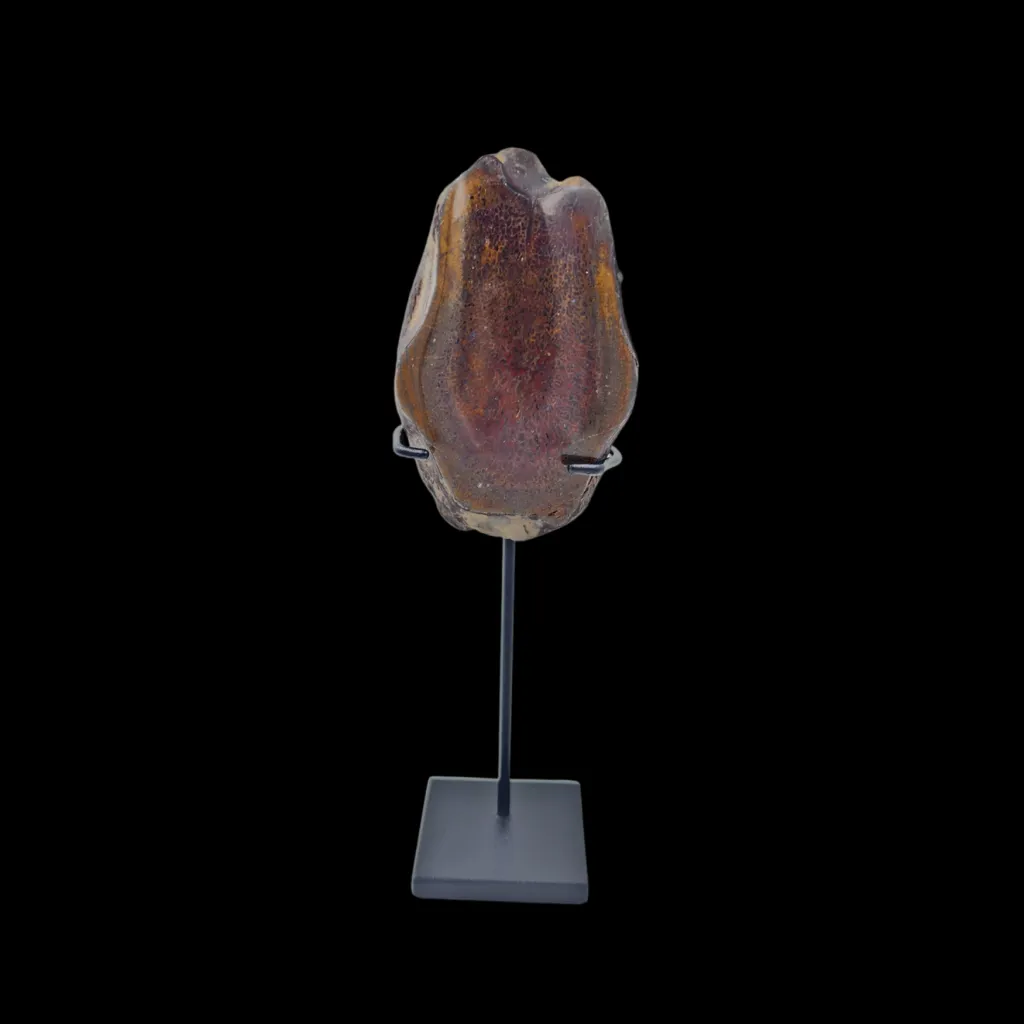
10 000,00 AED恐龍脊椎骨
Lot S7-14
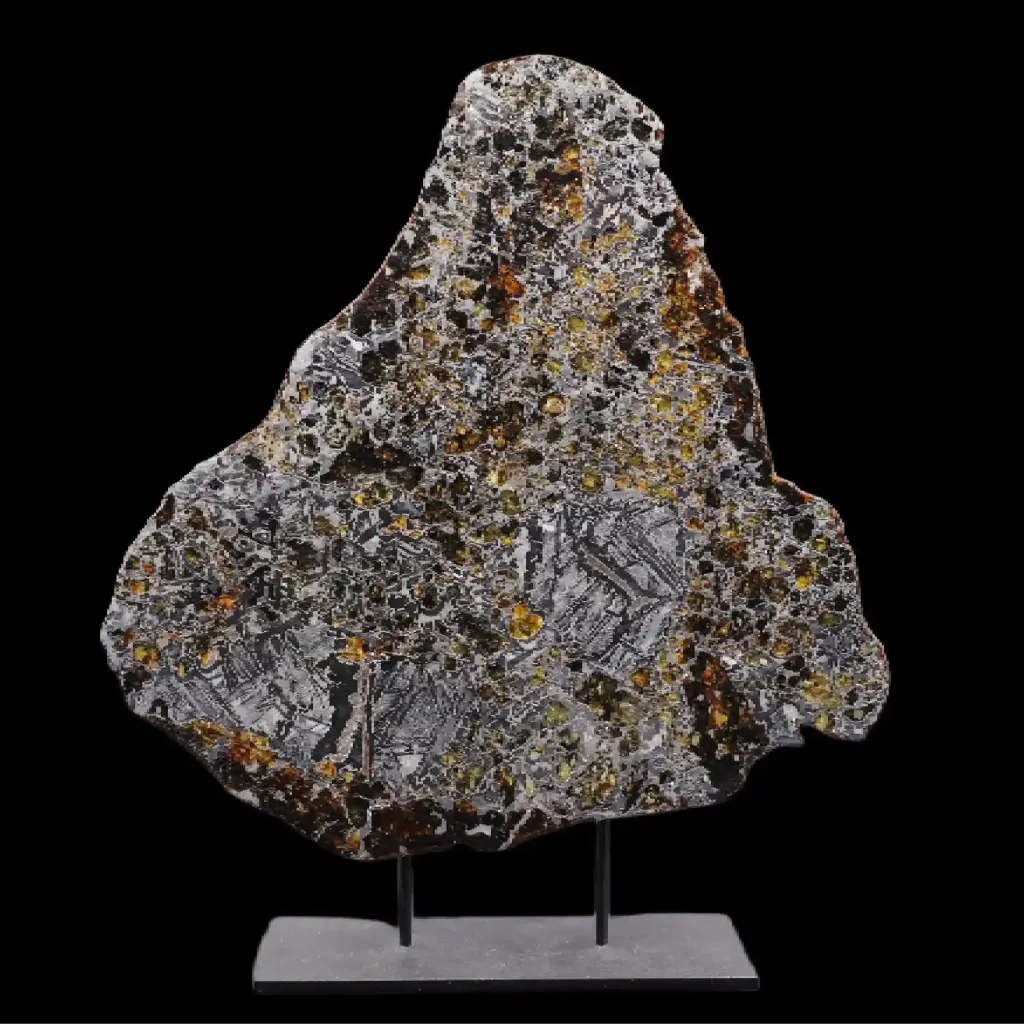
Rare pallasite meteorite with olivine crystals, 4 bln years old, 583 g

Lot SM-021
أسطوانة فينيل موقّعة من أندريا بوتشيلي
Lot SCW-1
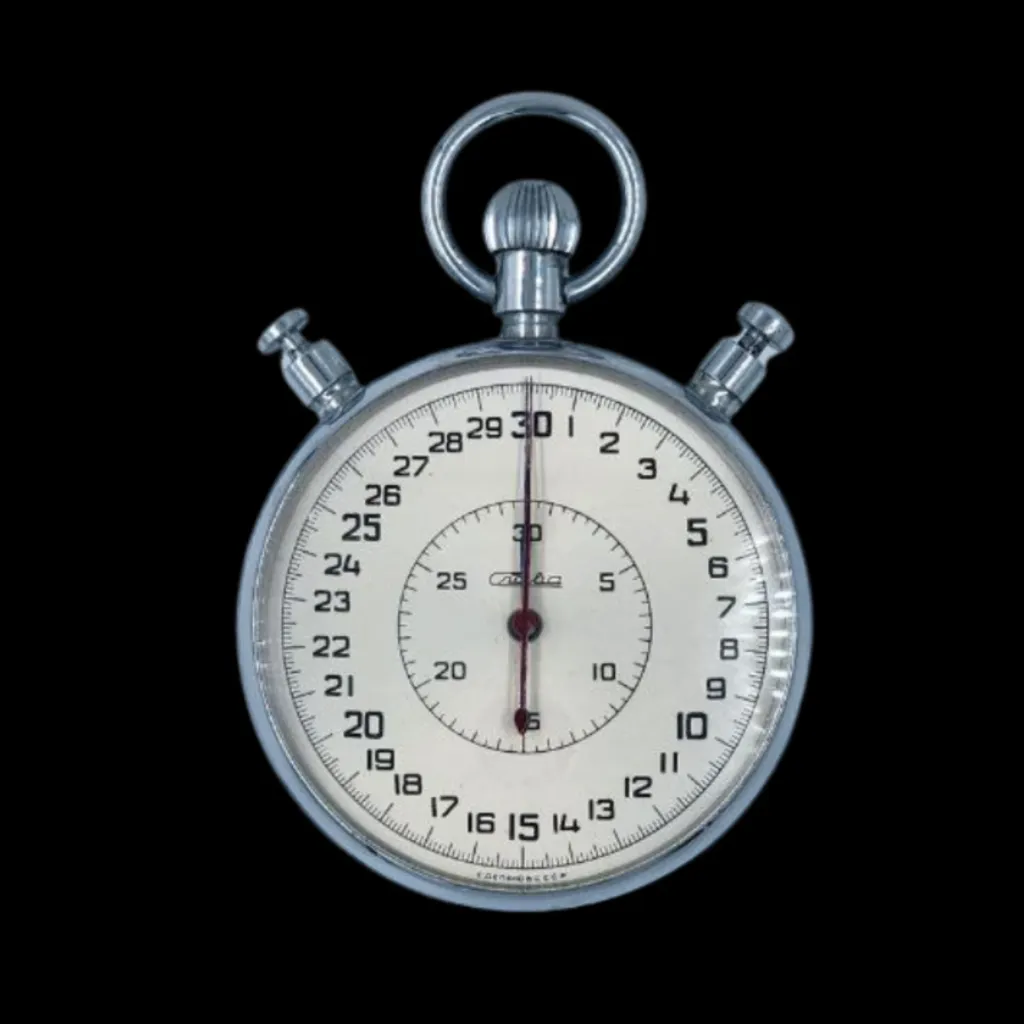
750,00 AED機械秒錶——20 世紀中期的精密儀器
Lot DTH-2
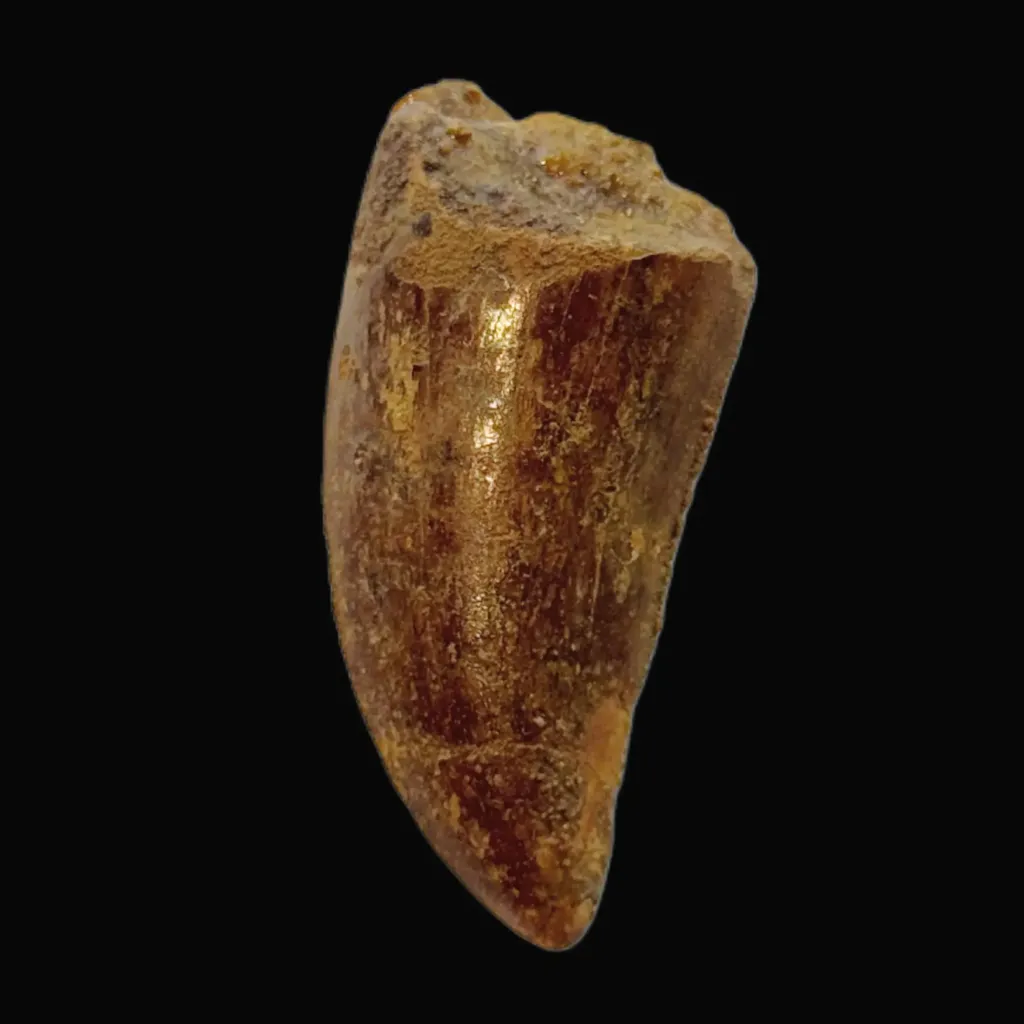
6 150,00 AEDإرث شرس: سن أصلي لكاركارودونتوصور من المغرب
Lot SL1
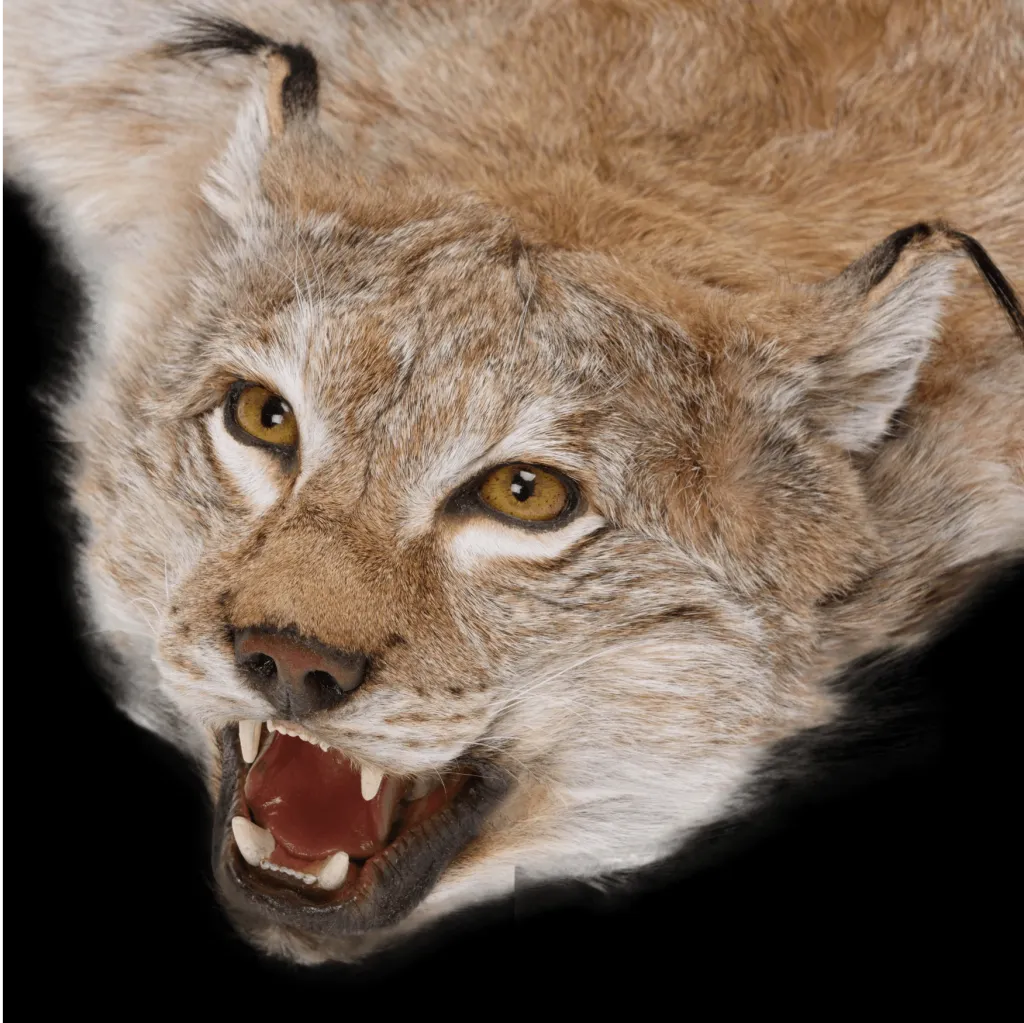
7 000,00 AEDLynx rug 153×140 cm
Lot OMT02-1
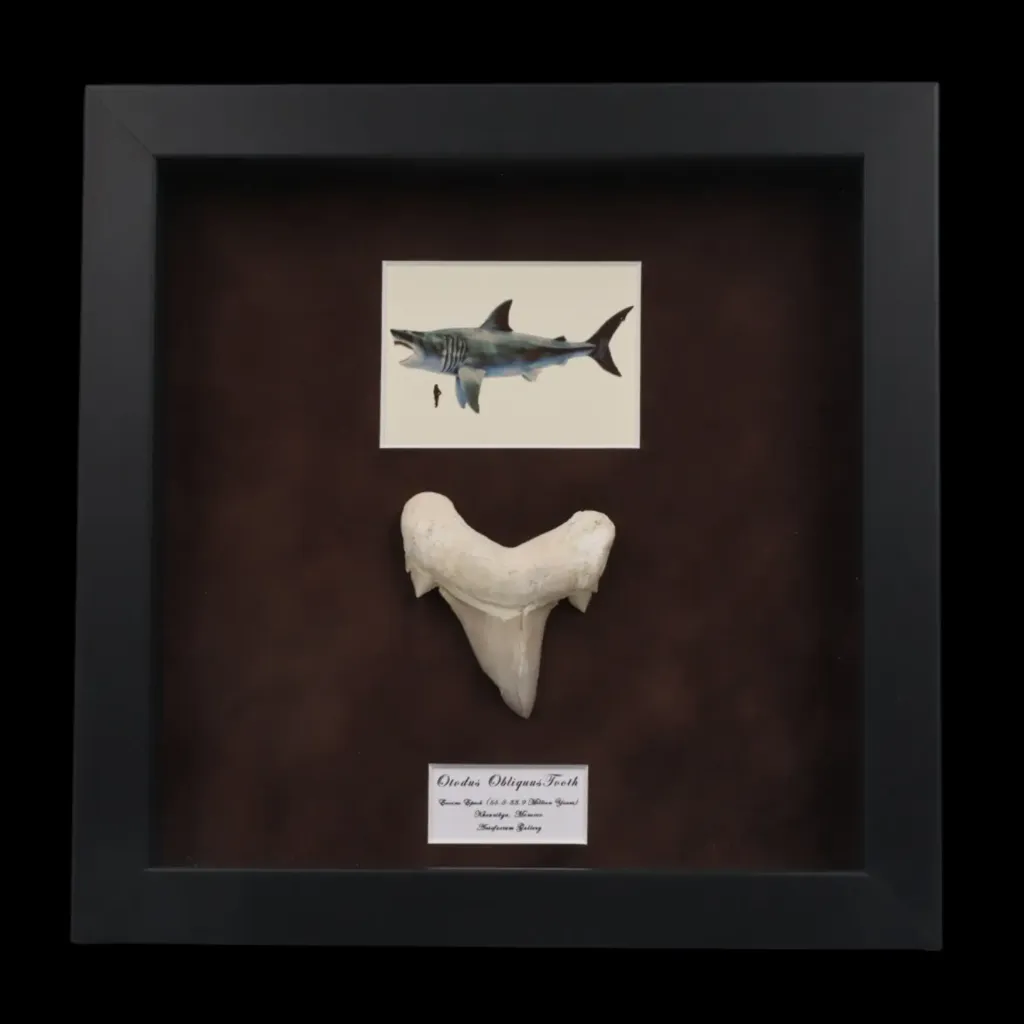
900,00 AEDPrehistoric Power: Authentic Otodus obliquus Tooth 7 cm in frame
Lot WQG-11
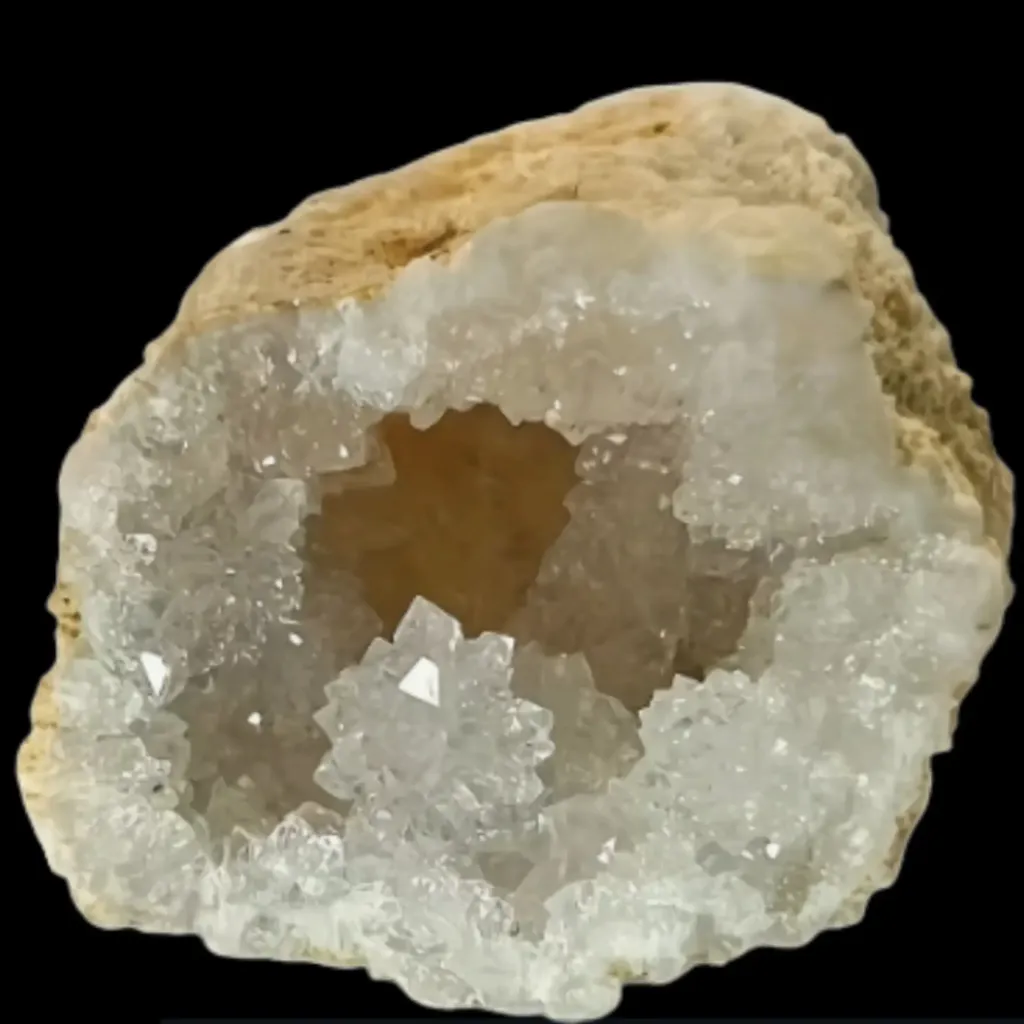
جيود الكوارتز الأبيض

Lot BK-008
24 400,00 AEDمخطوطة ناديجدا فولبين التي تحتوي على مقتطفات من قصيدة «اعتراف مشاغب» لسيرجي يسينين
