


Best Collections and Exhibits at Al Shindagha Museum
Al Shindagha Museum is widely considered one of the most important cultural attractions in Dubai and one of the best places to understand how the emirate evolved from a small settlement into a global city. While many visitors associate Dubai with futuristic architecture, luxury shopping, and modern entertainment, the museum provides a deeper perspective on the history, traditions, and identity of the United Arab Emirates. Located in the historic Al Shindagha district along Dubai Creek, the museum occupies an area that played a vital role in the development of trade and community life.
Unlike a conventional museum in Dubai, Al Shindagha Museum is composed of numerous heritage houses and thematic pavilions. Together they create a comprehensive narrative about Emirati culture, Emirati heritage, maritime traditions, architecture, craftsmanship, social customs, governance, religion, medicine, and trade. The museum combines authentic historical buildings with immersive technology, interactive installations, multimedia storytelling, and carefully curated collections.
For travelers researching what to see in Dubai, the museum offers a valuable alternative to contemporary attractions. It helps visitors understand the foundations of the city and provides context for the rapid development that transformed Dubai during the twentieth century. Whether visitors are interested in history, architecture, culture, or family-friendly educational experiences, Al Shindagha Museum remains one of the most rewarding places to visit in Dubai.
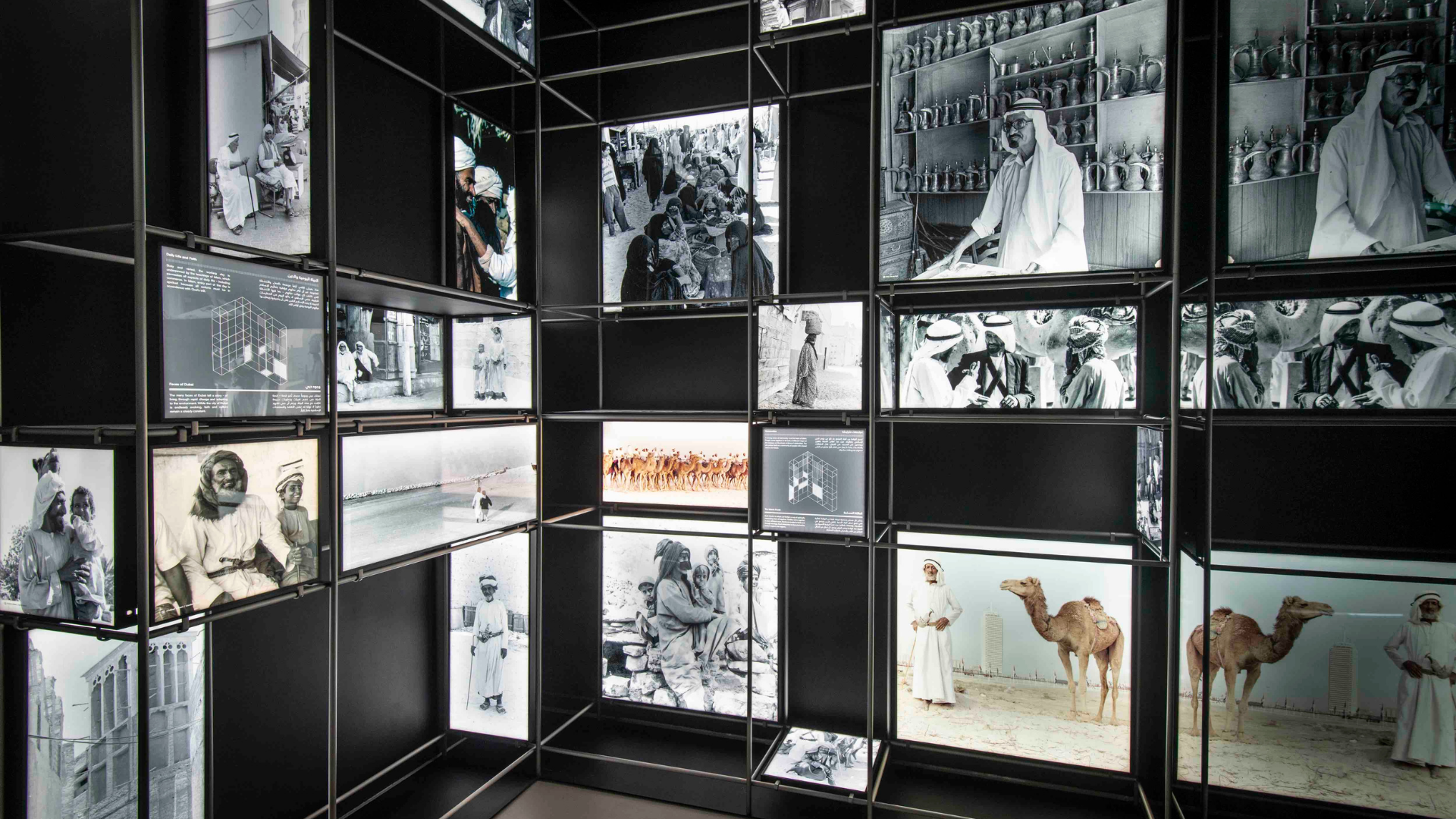
Top Collections and Exhibits at Al Shindagha Museum
Al Shindagha Museum includes more than twenty thematic pavilions dedicated to the history, culture, traditions, and development of the Emirates. The Al Shindagha Museum collections are designed to work together, allowing visitors to explore different aspects of life while building a complete understanding of the region. Some exhibitions focus on trade and maritime heritage, while others explore perfume, jewelry, healthcare, craftsmanship, religion, leadership, and architecture. The following Al Shindagha Museum exhibits are widely considered the most important and represent the best exhibits at Al Shindagha Museum.
Visitor Tip
Because the museum complex is spread across numerous heritage houses, I recommend starting with Dubai Creek: Birth of a City, as it provides historical context for the remaining exhibitions. Continue with Perfume House and Culture of the Sea, then explore the thematic pavilions dedicated to jewellery, traditional crafts, healthcare, and the Al Maktoum Residence. Allow at least three to four hours to experience the highlights without rushing.
Dubai Creek: Birth of a City
Dubai Creek: Birth of a City is the signature exhibition of the museum and is frequently regarded as the most impressive display in the entire complex. This pavilion explains how Dubai Creek transformed a modest coastal settlement into a thriving center of commerce and communication. Long before the construction of modern ports and airports, the creek served as a strategic gateway connecting merchants from Persia, India, East Africa, and the Arabian Peninsula.
The exhibition uses multimedia installations, interactive maps, digital storytelling, three-dimensional projections, and immersive displays to explain the growth of the city. Visitors can explore historical trade routes, observe how settlements expanded along the waterfront, and understand the economic forces that shaped Dubai’s development. Advanced visual presentations help transform historical information into engaging narratives that appeal to visitors of all ages.
One of the most valuable aspects of Dubai Creek Birth of a City is the way it establishes context for the rest of the museum. Visitors learn why trade mattered, how communities developed, and why Dubai Creek became the foundation of economic prosperity. For travelers wondering what to see at Al Shindagha Museum, this pavilion should be a priority because it provides the historical framework necessary to appreciate other collections.
From an educational perspective, the exhibition functions almost as a Dubai history museum within the larger museum complex. It demonstrates how geography influenced commerce, migration, and cultural exchange. Practical visitor advice is to begin the museum tour here, as the information presented enhances understanding of nearly every subsequent pavilion.
Perfume House – The Most Famous Collection
Perfume House Dubai is one of the most celebrated attractions within the museum and consistently ranks among the best exhibits at Al Shindagha Museum. Perfume has occupied a central position in Arabian culture for centuries, serving important social, cultural, and spiritual functions. This pavilion explores the history of fragrance in the UAE and demonstrates how perfume became intertwined with hospitality, identity, and everyday life.
The exhibition includes extensive information about oud, one of the most prized aromatic materials in the world. Visitors learn about its origins, production methods, and cultural significance. The pavilion also examines bakhoor, fragrant wood chips traditionally burned to perfume homes and clothing. Additional displays explain the role of aromatic oils and botanical ingredients used by regional perfumers.
Interactive scent stations are among the most memorable features of the exhibition. Rather than simply reading descriptions, visitors can directly experience traditional fragrances. This sensory approach helps explain why many tourists identify Perfume House Dubai as the highlight of their museum visit. The pavilion succeeds because it transforms an abstract subject into a personal experience.
From an EEAT perspective, the exhibition goes beyond presenting perfume as a luxury product. It demonstrates how fragrance intersects with hospitality, family traditions, religious customs, and cultural identity. For visitors interested in Emirati culture, this pavilion provides valuable insight into practices that remain important today.
Traditional Jewellery Collection
The Traditional Jewellery House showcases one of the most fascinating Al Shindagha Museum collections. Jewelry played a significant role in Emirati society and often represented wealth, family status, cultural identity, and financial security. The collection includes gold ornaments, silver adornments, bridal jewelry, ceremonial accessories, and decorative objects that reveal the artistry of local craftsmen.
Wedding jewelry receives particular attention within the exhibition. These pieces were often created as family investments and carried symbolic meaning beyond their decorative appearance. Through these displays, visitors gain insight into social customs, marriage traditions, and the importance of craftsmanship within local communities.
The exhibition also highlights the influence of international trade on jewelry design. Historical trade networks brought new materials, artistic styles, and technical knowledge into the region. As a result, visitors can observe how local traditions evolved while preserving distinct cultural characteristics.
Expert interpretation helps visitors understand why jewelry remains an important element of Emirati heritage. Rather than simply displaying valuable objects, the exhibition explains their cultural function and historical significance. For those interested in decorative arts, the Traditional Jewellery House is one of the best exhibits at Al Shindagha Museum.
Culture of the Sea Pavilion
The Culture of the Sea pavilion explores the maritime heritage that shaped the economy and identity of Dubai long before the discovery of oil. Understanding Dubai maritime heritage is essential for understanding the development of the city itself. Fishing, pearling, trade, and shipbuilding sustained coastal communities and connected the region to international markets.
A major focus of the exhibition is the pearl industry. Visitors learn about diving techniques, equipment, seasonal expeditions, and the economic importance of pearls. Historical records demonstrate how pearling generated wealth and supported communities throughout the Gulf. The displays also explain the risks faced by divers and the demanding conditions associated with maritime work.
Traditional dhow vessels feature prominently throughout the pavilion. Models, photographs, and technical explanations reveal how these boats facilitated trade between the Gulf, India, East Africa, and neighboring regions. The exhibition demonstrates the ingenuity of shipbuilders and the importance of maritime routes.
Another strength of the pavilion is its focus on people. Fishermen, sailors, merchants, and divers are presented not simply as historical figures but as individuals whose labor supported economic growth. The exhibition successfully combines social history with commercial history.
Among museums in Dubai, few institutions provide such a comprehensive exploration of the sea’s role in shaping regional identity. For visitors interested in Dubai Creek history and maritime traditions, this pavilion is essential.
Traditional Crafts House
Traditional Crafts House celebrates the practical skills and creative knowledge that sustained communities before industrialization. The pavilion focuses on weaving, pottery, woodworking, shipbuilding, and other traditional crafts that were essential to everyday life. Through historical artifacts and recreated workshops, visitors gain insight into techniques passed from generation to generation.
The exhibition explains how craftsmen transformed local materials into useful products despite environmental challenges. Detailed displays illustrate production methods and demonstrate the ingenuity required to create durable objects using traditional technologies.
Families often find this pavilion particularly engaging because it presents practical processes rather than abstract historical concepts. Demonstrations and workshop reconstructions help children understand how objects were created before modern manufacturing techniques became common. This educational value makes Traditional Crafts House one of the most family-friendly sections of the museum.
People and Faith Pavilion
The People and Faith pavilion explores the beliefs, values, and social traditions that shaped Emirati society. Rather than focusing exclusively on religious practice, the exhibition examines how faith influenced education, hospitality, family relationships, ethics, and community life.
Historical materials explain how traditions were preserved across generations and how cultural continuity was maintained despite significant economic and technological change. Visitors gain insight into daily life and the social principles that guided communities throughout the region.
This pavilion is particularly valuable because it emphasizes the human dimension of history. Instead of concentrating solely on trade or politics, it highlights the experiences, values, and relationships that shaped society. Visitors interested in Emirati culture frequently identify this exhibition as one of the most meaningful parts of the museum.
Traditional Healthcare Collection
The Traditional Healthcare Collection documents historical approaches to medicine and healing before the emergence of modern healthcare systems. Visitors learn about herbal remedies, medicinal ingredients, preventive practices, and community-based treatment methods used throughout the region.
The exhibition explains how practical knowledge developed through observation and experience. Displays highlight the role of healers, family traditions, and locally available resources in addressing health concerns. Historical artifacts and educational materials provide valuable insight into the challenges communities faced and the solutions they developed.
Importantly, the exhibition approaches traditional medicine as a component of cultural history. It helps visitors understand how healthcare evolved and how earlier generations adapted to environmental conditions using the knowledge available to them.
Al Maktoum Residence
Al Maktoum Residence is one of the most historically important parts of Al Shindagha Museum. The restored residence provides visitors with a rare opportunity to explore authentic heritage architecture associated with Dubai’s ruling family.
Traditional rooms, courtyards, and architectural features demonstrate how buildings were designed to provide comfort in a challenging climate. Visitors can observe construction techniques and spatial arrangements that reflect local traditions.
The exhibition also explains the role of the Al Maktoum family in the development of Dubai. Through photographs, documents, and historical interpretation, guests learn how leadership decisions influenced trade, governance, and modernization. Because the building itself is an authentic historical structure, the experience feels particularly immersive.
For visitors interested in historical attractions in Dubai, Al Maktoum Residence is among the most valuable heritage sites in the city.
Emerging City Pavilion
The Emerging City pavilion traces Dubai’s transformation from a fishing settlement into a global metropolis. Historical photographs, maps, documents, and multimedia presentations illustrate key stages in urban development.
Visitors can follow the expansion of infrastructure, transportation networks, public institutions, and commercial districts. The exhibition demonstrates that modern Dubai emerged through decades of planning, trade, investment, and strategic development.
One of the pavilion’s strengths is its balanced perspective. Rather than portraying growth as sudden or inevitable, it explains the historical processes that contributed to success. This approach helps visitors appreciate both the achievements of the modern city and the foundations established by earlier generations.
Why These Collections Make Al Shindagha Museum Unique
Among all Dubai cultural attractions, Al Shindagha Museum stands apart because of its scale, authenticity, and diversity. Many museums focus on a single theme or historical period. By contrast, the Al Shindagha Museum collections collectively present a comprehensive narrative covering trade, maritime heritage, religion, healthcare, architecture, craftsmanship, leadership, and daily life.
Another major advantage is the use of authentic historical buildings. Visitors experience history within preserved structures that once formed part of the living community. This creates a stronger connection with the past than conventional gallery environments.
Interactive technology further distinguishes the museum. Multimedia storytelling, immersive installations, and digital interpretation help transform historical information into engaging experiences. The result is a museum that appeals to both casual tourists and serious cultural travelers.
For anyone researching places to visit in Dubai, things to do in Dubai, or historical attractions in Dubai, Al Shindagha Museum offers one of the most comprehensive introductions to Emirati heritage available anywhere in the country.
Must-See Exhibits at Al Shindagha Museum
If you have limited time, I recommend prioritizing these five outstanding exhibitions:
Dubai Creek: Birth of a City – the essential introduction to Dubai’s history, trade, and the importance of Dubai Creek.
Perfume House Dubai – an immersive sensory experience exploring oud, bakhoor, aromatic oils, and the centuries-old perfume traditions of the UAE.
Culture of the Sea Pavilion – the best place to discover pearl diving, maritime trade, dhow building, and the sea’s vital role in Dubai’s early prosperity.
Traditional Jewellery House – a remarkable collection of historic gold, silver, and bridal jewelry that reflects Emirati craftsmanship, cultural identity, and family traditions.
Al Maktoum Residence – an authentic heritage residence offering valuable insight into the history of Dubai’s ruling family and the architectural character of old Dubai.
Together, these exhibitions demonstrate why Al Shindagha Museum is regarded as one of the leading museums in Dubai. The combination of authentic heritage buildings, interactive technology, and carefully curated collections creates an experience that goes far beyond a traditional museum visit. Whether you are exploring Dubai heritage museum experiences or searching for what to see at Al Shindagha Museum, these five pavilions should be at the top of your itinerary.
You May Also Like
Continue exploring Dubai’s cultural heritage with our guides to:
- Al Shindagha Museum Review – Complete Visitor Guide
- Etihad Museum Review: Discover the Story Behind the United Arab Emirates
- The Best Collections and Exhibits at Etihad Museum
- Sotheby’s Dubai Review: Discover One of the Most Prestigious Art and Collectibles Destinations in the UAE
- Christie’s Dubai Review: Exploring One of the World’s Most Prestigious Auction Houses in the UAE
- Opera Gallery Dubai Review: Discover One of Dubai’s Leading International Art Galleries
Other Articles
- Natural History Museum Abu Dhabi Review: Everything You Need to Know
- Dinosaurs - Records and Achievements
- XVA Gallery Review: A Hidden Art Gem in Historic Dubai
- Sotheby's Dubai Review: A Guide to Dubai's Premier Art and Collectibles Destination
- The Best Collections and Exhibits at Natural History Museum Abu Dhabi: What Is Worth Seeing in the UAE's Most Ambitious Museum
- Sabertooth Secrets: Exploring the Fierce Predators of Prehistoric Times
- The Best Collections and Exhibits at Saruq Al Hadid Archaeology Museum
- Murchison : The Meteorite Older Than the Solar System — A Cosmic Icon of NHMAD
- Giants of the Ancient World
- Dinosaur Teeth
- Best Collections and Exhibits at Etihad Museum: What to See in Dubai
- Qasr Al Watan Review: A Complete Guide to Abu Dhabi's Presidential Palace and Cultural Landmark
- Etihad Museum Review: Discover the Story Behind the United Arab Emirates
- Historica Auction Review: Exploring One of the Leading Auction Houses for Historical Collectibles and Rare Artifacts
- Christie's Dubai Review: Exploring One of the World's Most Prestigious Auction Houses in the UAE
- Saruq Al Hadid Archaeology Museum Review: One of Dubai's Most Underrated Attractions
- Natural History Museum Abu Dhabi to open in November 2025 at Saadiyat Cultural District
- An Architectural Masterpiece Inspired by Nature: A Journey Through the Design of NHMAD
- Tyrannosaurus Rex: The True King of Dinosaurs
- Zayed National Museum Review: Discover the Story of the United Arab Emirates
- What is a Fossil?
- What Are Meteorites? A Beginner’s Guide to Space Rocks
- Other Articles
- From Desert to Space: How NHMAD Tells the Story of Life on Earth — and Beyond
- Classification of Megalodon Teeth
- Megalodon: The Largest Shark That Ever Lived
- Lost in Abu Dhabi: The “Stan” T. Rex Skeleton and the Wonders of NHMAD
- NHMAD’s Role in Preserving Arabian Peninsula Heritage: Showcasing a Unique Natural Legacy
- TP Auction Review: A Guide to One of the Most Fascinating Auction Houses for Collectors
- Qasr Al Hosn Review: A Complete Guide to Abu Dhabi's Oldest Historic Landmark
- Opera Gallery Dubai Review: Discover One of Dubai's Leading International Art Galleries
- Al Shindagha Museum Review: A Complete Guide to Dubai’s Heritage Museum
- Ammolite: The Ancient Gemstone with a Mesmerizing Rainbow Glow
- Dinosaurs Among Us
- What Are Trilobites? Meet the Marine Pioneers of Earth's History
- The Marine Dragons of the Mesozoic
- Discovering Ammonites: The Mysterious Fossils of Earth's Past
- Louvre Abu Dhabi Review: A Complete Guide to the UAE's Most Famous Art Museum
- Beyond the Mammoth: Discover the Diverse Creatures of the Ice Age
- Zawyeh Gallery Dubai Review: A Must-Visit Art Space for Contemporary Middle Eastern Art
- How Is the Age of Fossils Determined?
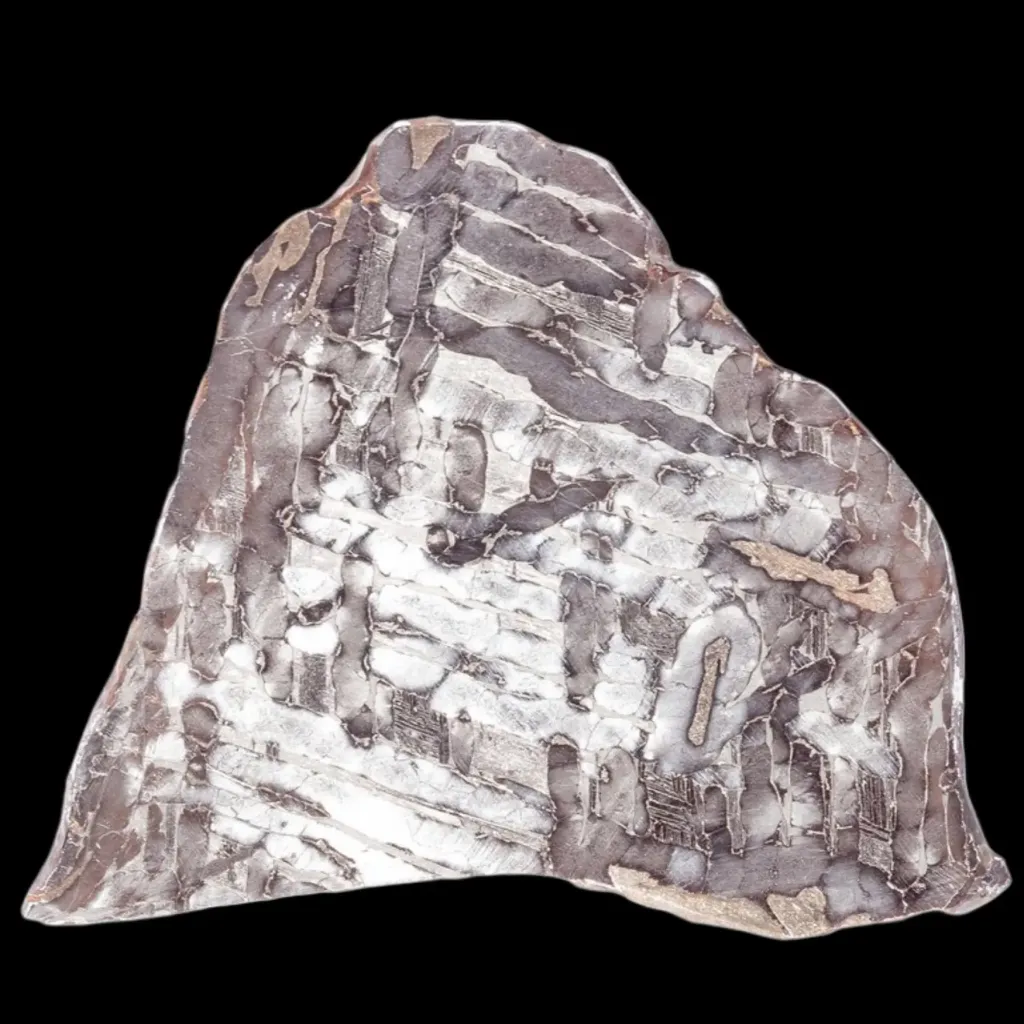
Lot SM1
2 300,00 AED橄欖石鐵隕石——55.73 克
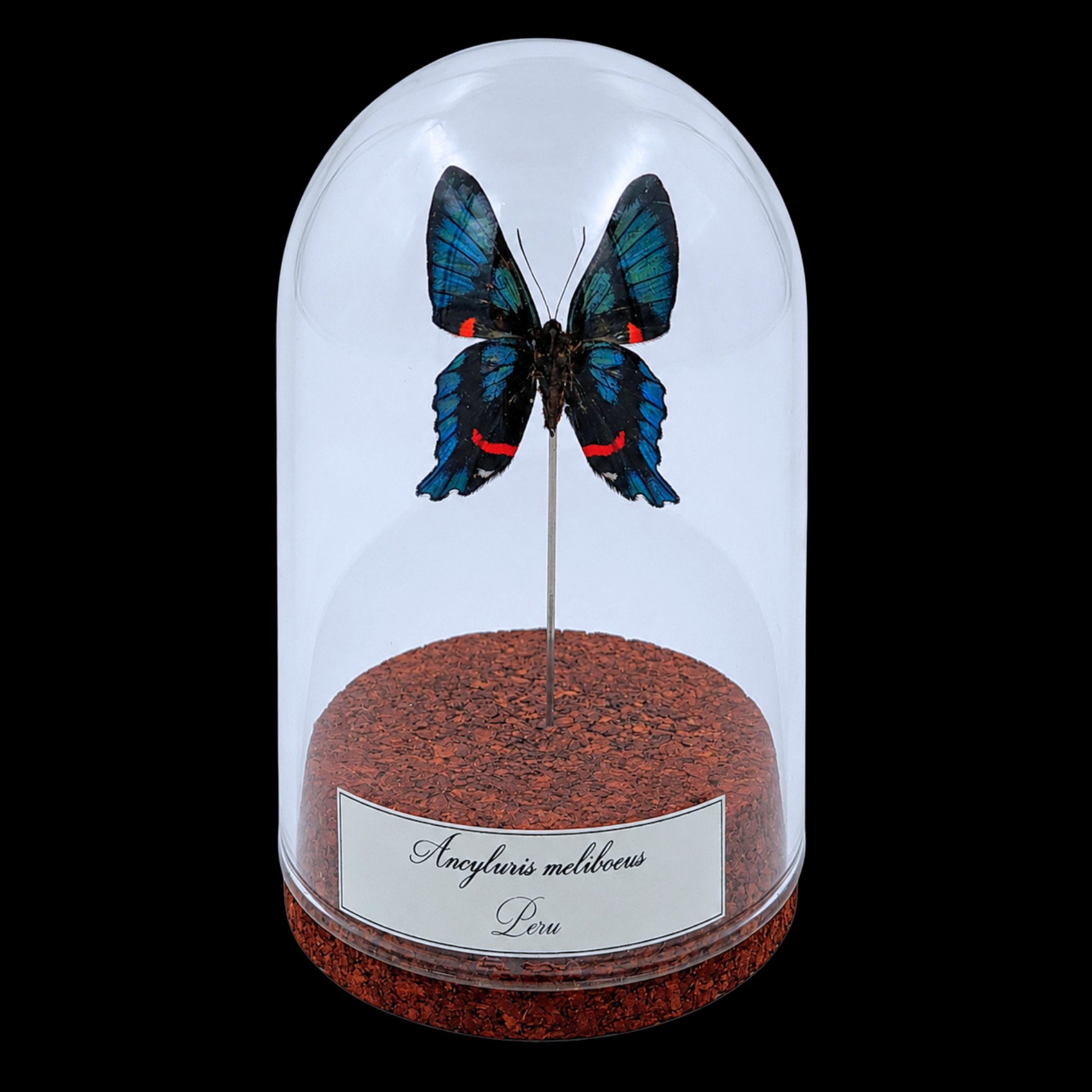
Lot BGC-127
300,00 AEDAncyluris meliboeus in Glass Cloche 10 cm, Peru
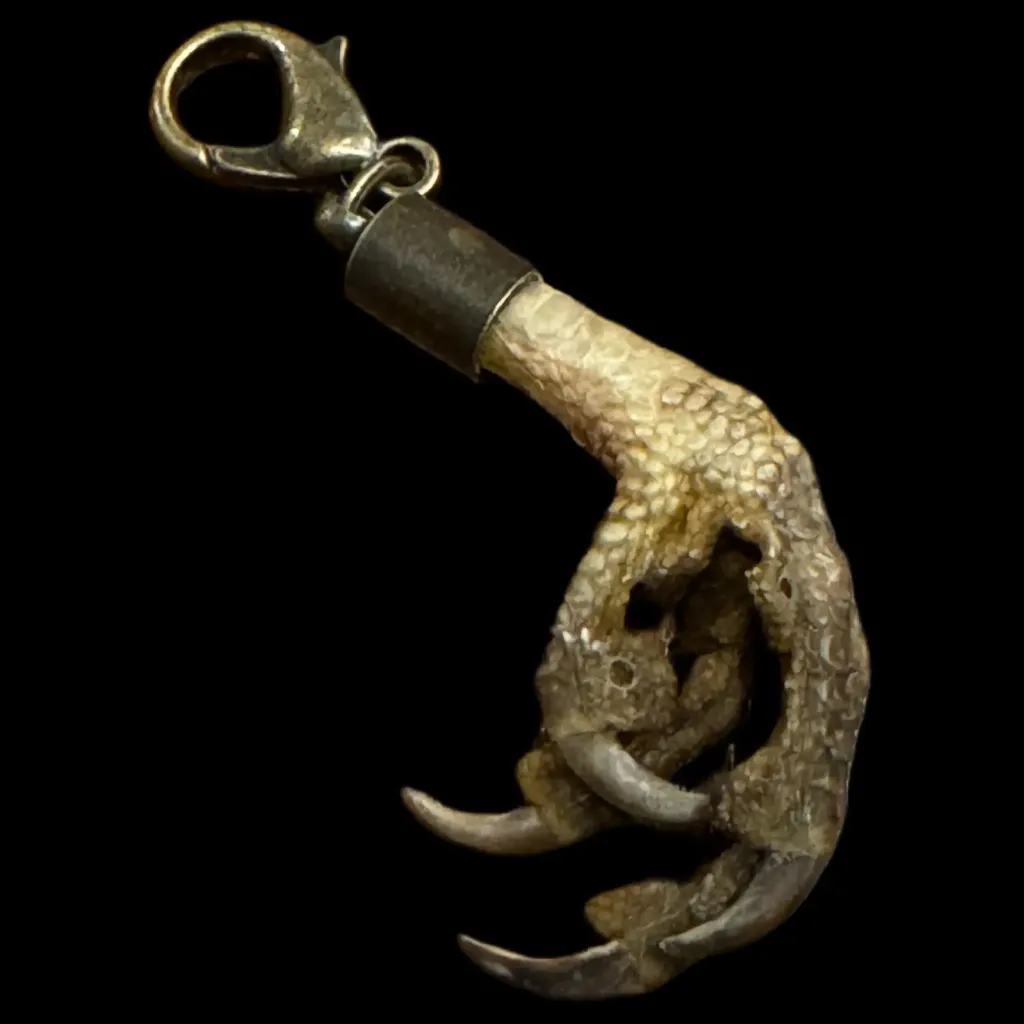
Lot FPK8
250,00 AEDميدالية مفاتيح «مخلب الصقر»: تذكار فريد من نوعه لمفترس السماء
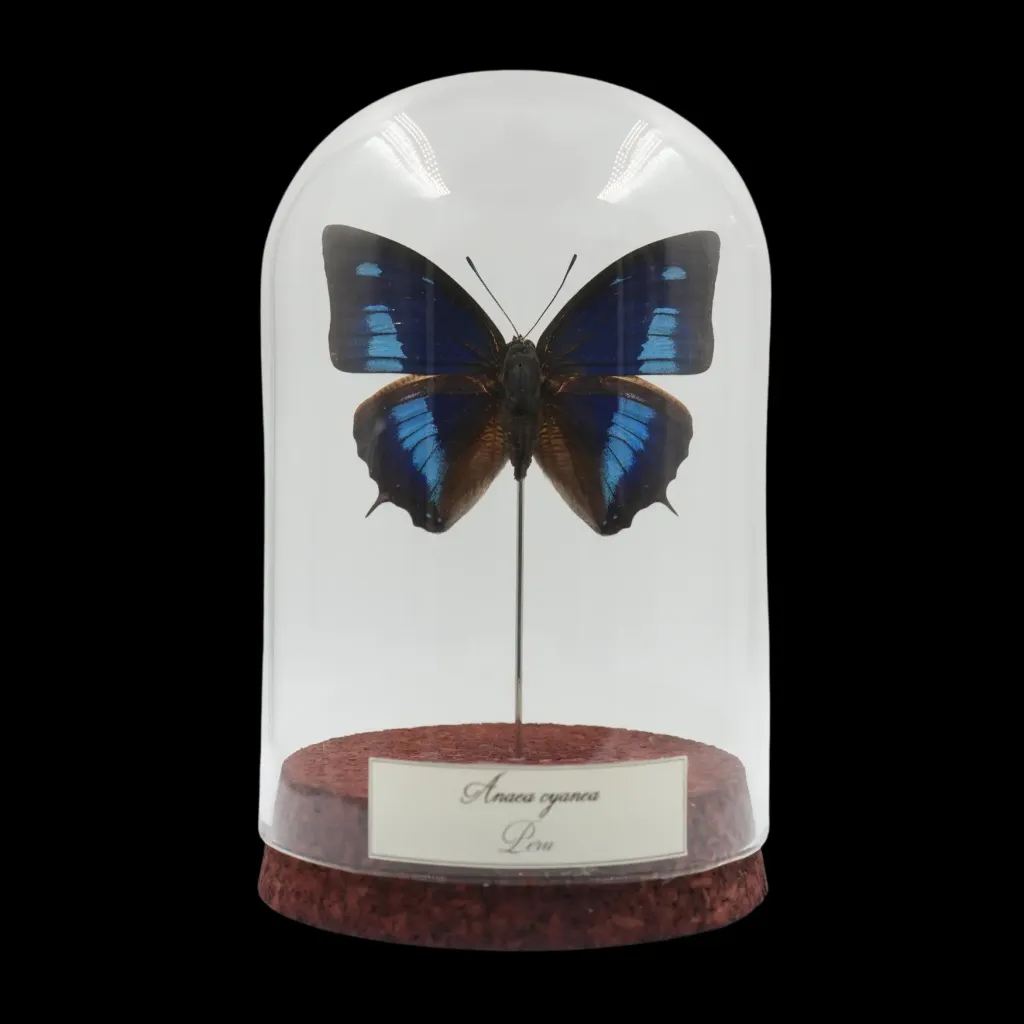
Lot AC009
350,00 AEDAnaea cyanea – فراشة «أزرق منتصف الليل» في بيرو

Lot HK_SM-021
Quentin Tarantino(昆頓塔倫天奴)與 Uma Thurman(烏瑪花曼)
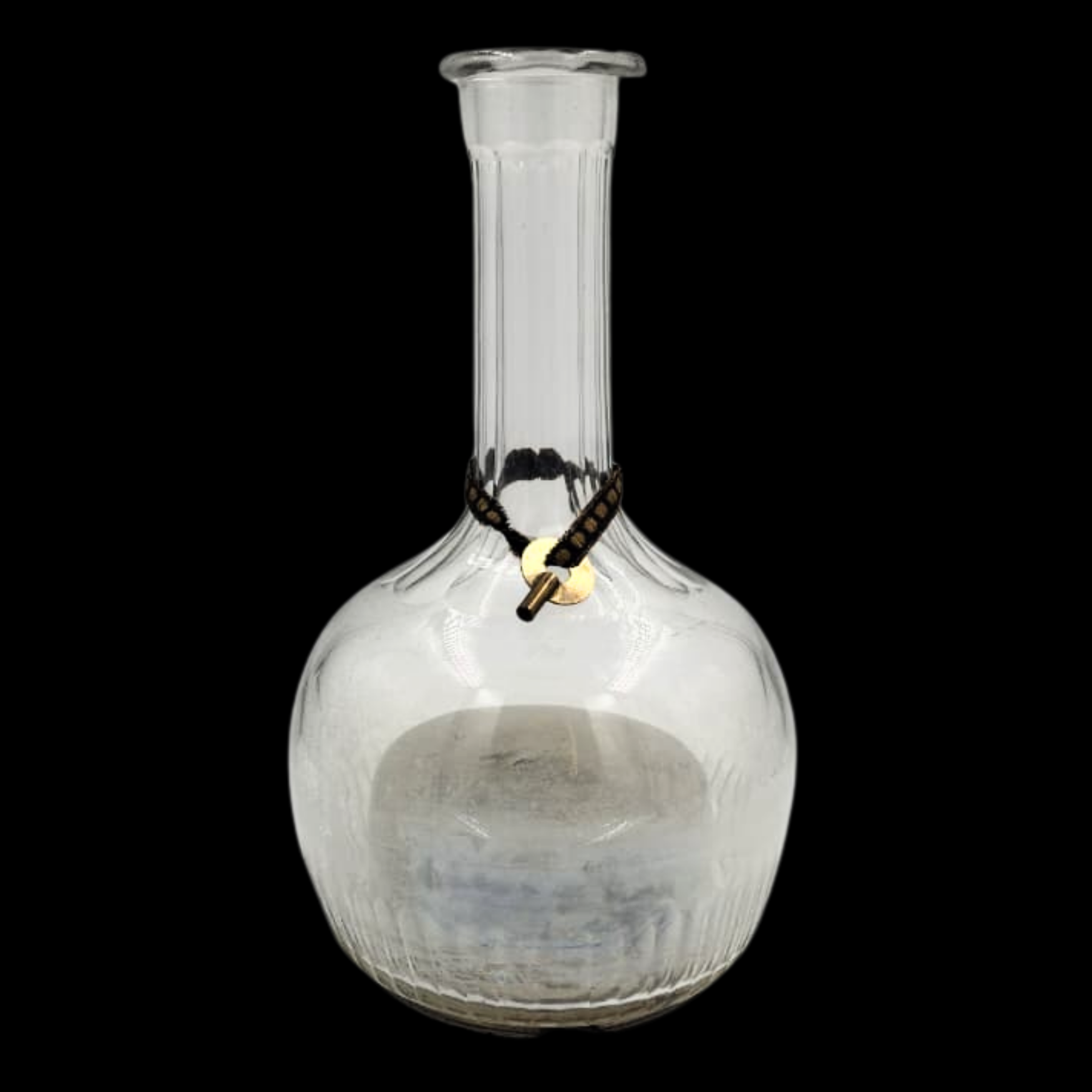
Lot ARF-011
5 510,00 AEDدورق موسيقي مع علبة موسيقى مدمجة، أوائل القرن العشرين، سويسرا
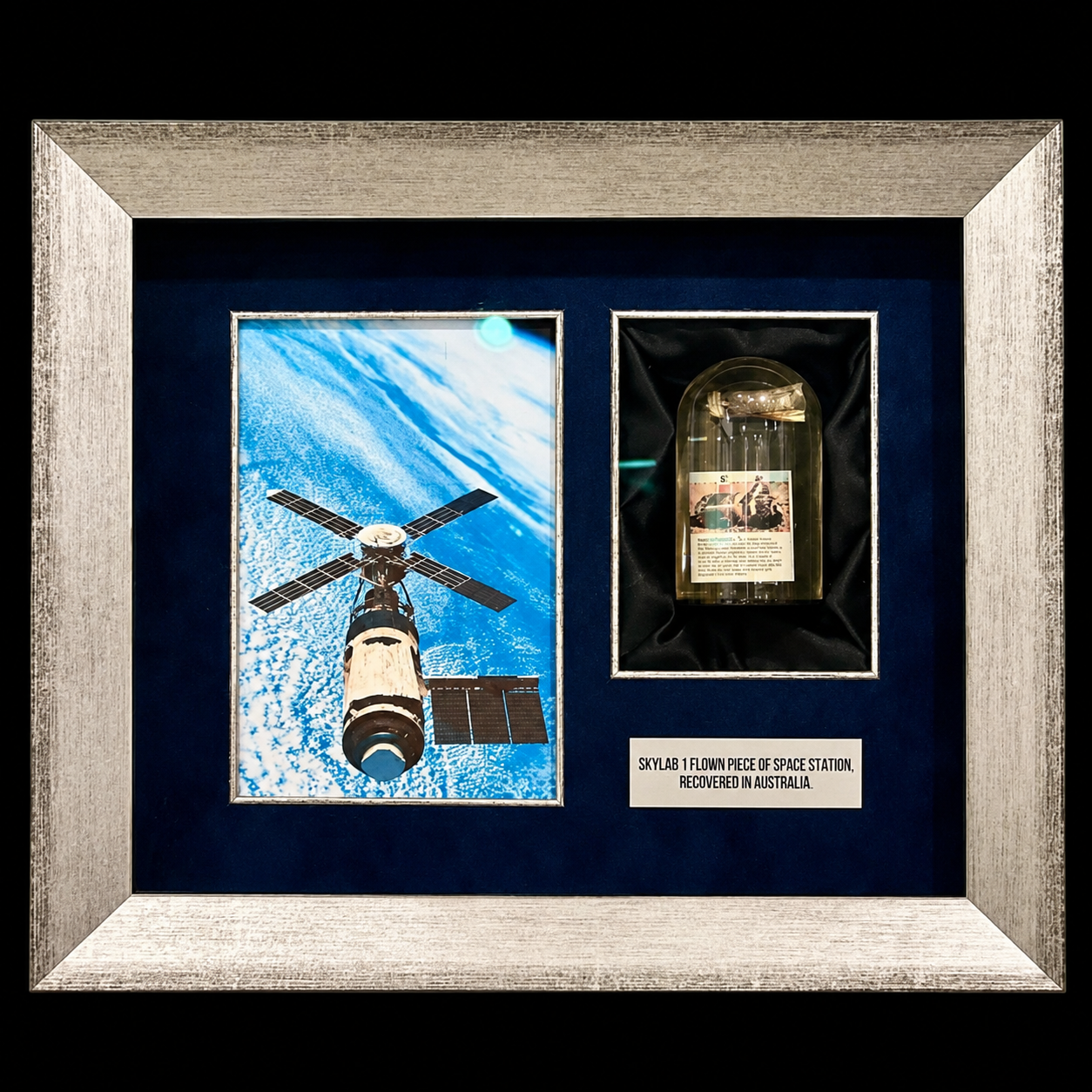
Lot ARF-013
121 700,00 AEDSkylab 1 – Fragment of the First American Orbital Space Station, 1973-1979
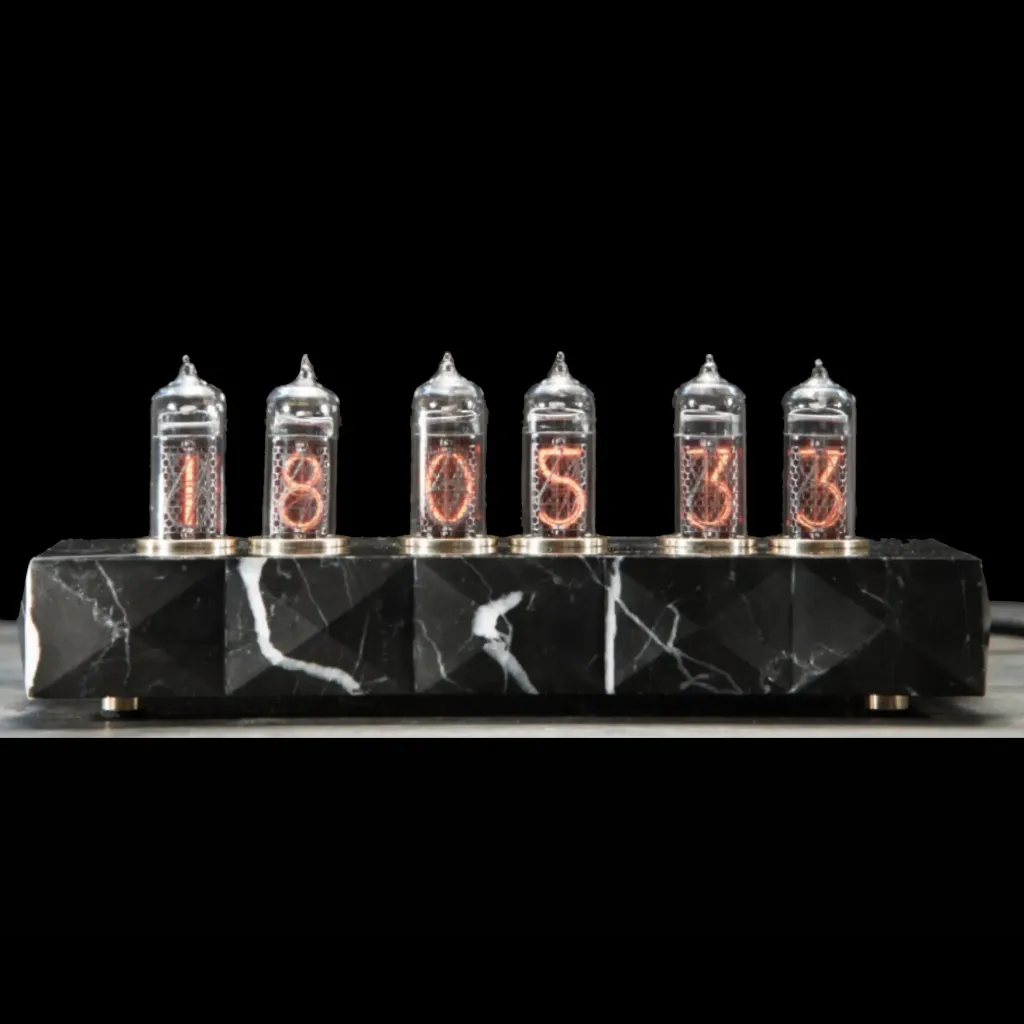
Lot STRC1
17 300,00 AEDSaturn-5 Clock in Nero Marquina Marble – Masterpiece of Design and Craftsmanship

Lot VFW18
المفترس الأنيق: تمثال فهد من سهول جنوب أفريقيا
Lot MH-001
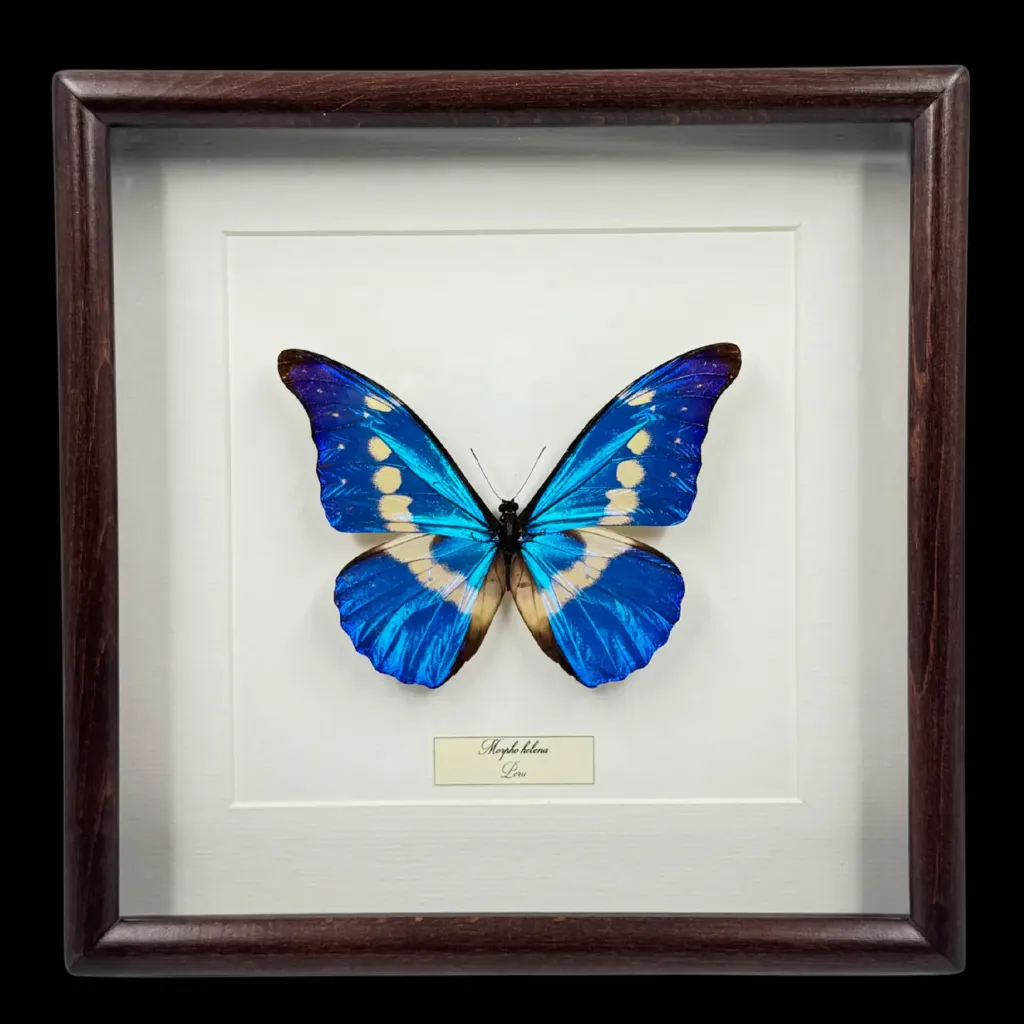
1 500,00 AEDMorpho helena – Radiant Blue Jewel of Peru in Elegant Wooden Frame
