



Saruq Al Hadid Archaeology Museum Review: One of Dubai’s Most Underrated Attractions
Dubai is famous for futuristic architecture, luxury shopping malls, record-breaking skyscrapers, and world-class entertainment. Most visitors arrive expecting to see modern landmarks such as the Burj Khalifa, Palm Jumeirah, and the Museum of the Future. However, hidden among the city’s cultural attractions is a remarkable institution that tells a much older story—one that stretches back more than three thousand years before the rise of modern Dubai. The Saruq Al Hadid Museum offers visitors a unique opportunity to explore the ancient civilizations that once inhabited the Arabian Peninsula and participated in extensive trade networks connecting the region to neighboring cultures.
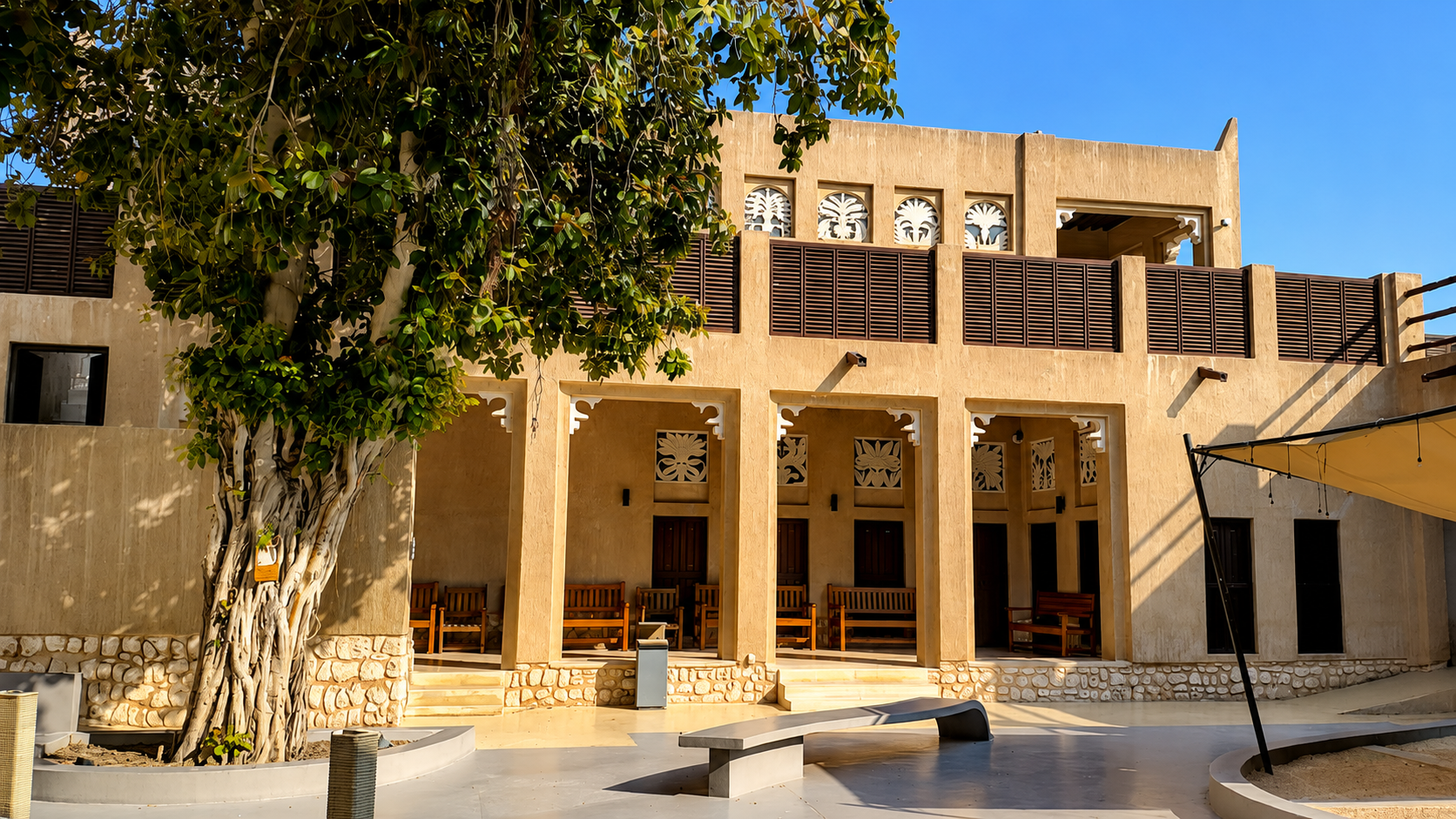
What Is Saruq Al Hadid Archaeology Museum?
Unlike many modern museums in Dubai that focus on contemporary art, innovation, or the recent history of the United Arab Emirates, the Saruq Al Hadid Archaeology Museum is dedicated entirely to archaeology and the preservation of ancient artifacts discovered in the desert of Dubai. Its collections reveal an unexpected chapter of regional history, presenting evidence of advanced metalworking, long-distance trade, ritual practices, and cultural development during the Iron Age. For travelers interested in archaeology, history, anthropology, or ancient civilizations, this museum in Dubai provides an experience that differs dramatically from the city’s better-known attractions.
One of the reasons the museum is so fascinating is its connection to one of the most important archaeological discoveries ever made in the UAE. The artifacts displayed here were recovered from the Saruq Al Hadid archaeological site, an ancient settlement and metallurgical center located deep within the Dubai desert. Thousands of objects unearthed during excavations have transformed historians’ understanding of ancient Dubai history and demonstrated that the region played a far more significant role in prehistoric trade and manufacturing than previously believed.
Visitors searching for what to see in Dubai often overlook historical attractions in favor of modern landmarks. Yet the Saruq Al Hadid Museum offers something impossible to experience elsewhere in the city: a direct encounter with objects created thousands of years ago by people who lived, traded, worshipped, and worked in the deserts of Arabia long before the discovery of oil. For anyone seeking a deeper understanding of the UAE’s heritage, this remarkable museum deserves a place on every cultural itinerary.
The Fascinating Story Behind the Saruq Al Hadid Discovery
The Saruq Al Hadid Archaeology Museum was established to preserve and display the extraordinary discoveries made at the Saruq Al Hadid archaeological site. Located in a beautifully restored historical building within Dubai’s heritage district, the museum provides visitors with access to one of the most important collections of archaeological material ever discovered in the Arabian Gulf.
The story of the museum begins with the discovery of the archaeological site itself. Excavations revealed a vast concentration of Iron Age artifacts scattered across a remote desert location. Archaeologists soon realized they had uncovered evidence of a major center of metal production and trade that had operated thousands of years ago. The quantity and quality of the discoveries were unlike anything previously found in the region.
Recognizing the importance of these finds, authorities established the Saruq Al Hadid Museum to ensure that the artifacts could be properly preserved, studied, and presented to the public. Today, the museum serves not only as an exhibition space but also as an educational institution that helps visitors understand the historical development of the UAE and the broader Arabian Peninsula.
The collections housed within the museum provide valuable insights into ancient technologies, trade routes, religious practices, and social structures. Through these archaeological discoveries in Dubai, researchers have gained a much clearer picture of life during the Iron Age and the role the region played in connecting cultures across the ancient world.
The discovery of the Saruq Al Hadid archaeological site is one of the most remarkable archaeological stories in the modern history of the UAE. What began as an observation from the air eventually developed into one of the most significant archaeological projects in the Middle East.
How the Site Was Discovered
The site was first identified by His Highness Sheikh Mohammed bin Rashid Al Maktoum during a flight over the Dubai desert. From the air, unusual dark formations and patterns in the sand attracted attention. These anomalies suggested that something unusual might be hidden beneath the desert surface.
Subsequent investigations confirmed that the area contained substantial archaeological remains. Excavations soon began, and archaeologists quickly realized they were dealing with a site of exceptional importance. What appeared at first to be a relatively small discovery soon revealed itself as a vast archaeological landscape containing evidence of extensive human activity over many centuries.
Why Archaeologists Were Amazed
Researchers were astonished by both the scale and diversity of the finds. More than 12,000 artifacts were recovered from the site, making it one of the richest archaeological discoveries in the Arabian Peninsula.
Among the objects uncovered were weapons, jewelry, tools, ritual objects, metalworking equipment, ceramics, seals, and imported materials originating from distant regions. The sheer volume of artifacts suggested that Saruq Al Hadid had once been a major industrial and trading center.
The discovery challenged previous assumptions about ancient societies in the region. Instead of isolated desert communities, the evidence pointed to sophisticated networks of production and exchange connecting Arabia with neighboring civilizations. The site quickly became one of the most important sources of information about Iron Age culture in the Gulf region.
Location: Exploring Dubai's Historic Al Shindagha District
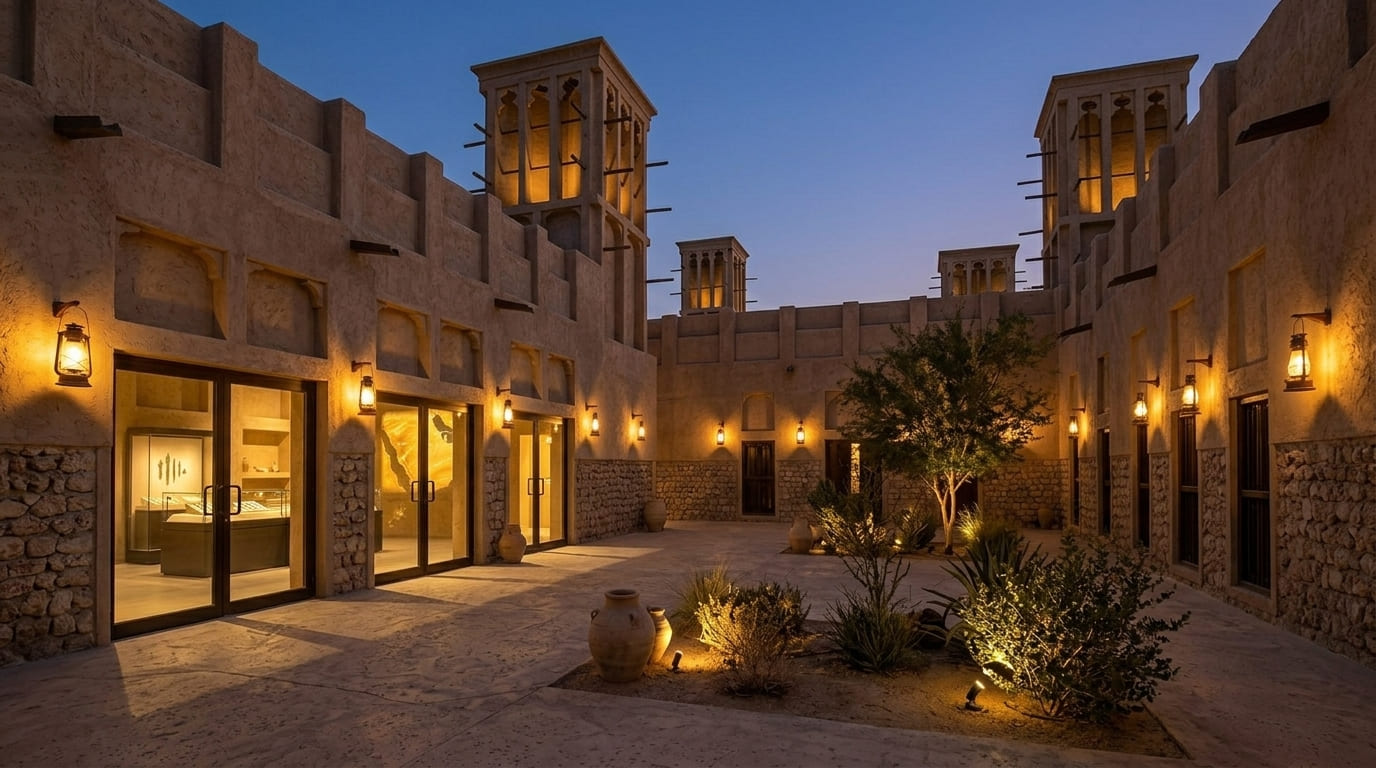
The location of the Saruq Al Hadid Museum significantly enhances the visitor experience. The museum is situated within the historic Al Shindagha district, one of Dubai’s most culturally important neighborhoods and a destination that offers visitors a glimpse into the city’s traditional heritage.
Located near Dubai Creek, the district preserves many aspects of old Dubai that have largely disappeared elsewhere in the rapidly modernizing city. Traditional architecture, restored heritage buildings, winding lanes, and waterfront promenades create an atmosphere very different from the skyscrapers and luxury developments that dominate popular perceptions of Dubai.
Walking through the Al Shindagha district allows visitors to experience the historical environment in which Dubai developed as a trading settlement. Traditional coral-stone buildings, wind towers, and restored residences provide valuable context for understanding the city’s evolution over the centuries.
The proximity to Dubai Creek attractions further enhances the appeal of the area. Visitors can explore the waterfront, observe traditional wooden boats, enjoy views across the creek, and visit neighboring cultural institutions. The district is also connected to other historical places in Dubai, making it an ideal destination for travelers interested in heritage tourism.
The combination of archaeology, architecture, and waterfront history creates a rich cultural experience that extends well beyond the museum itself. Many visitors choose to spend an entire day exploring the area and discovering the many layers of Dubai’s historical development.
What to See Inside Saruq Al Hadid Museum
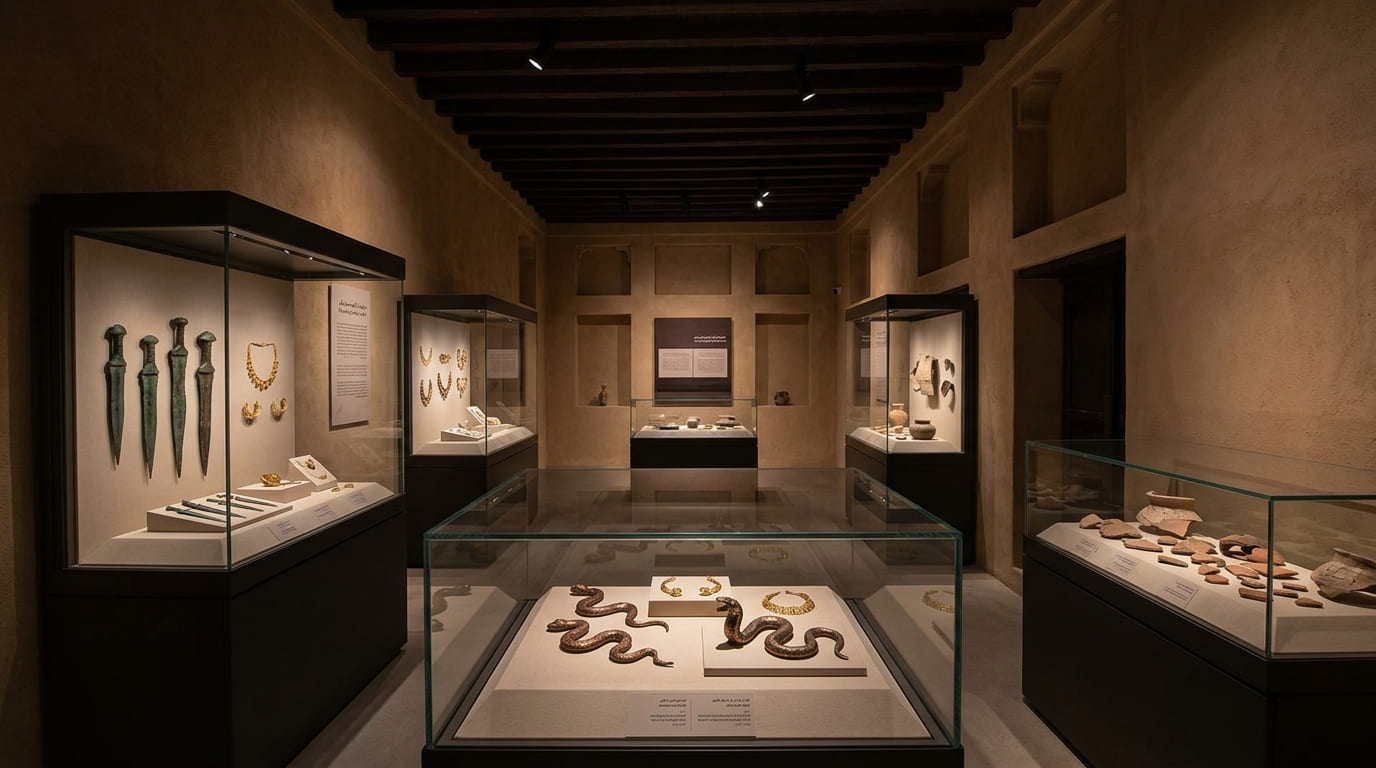
The heart of the Saruq Al Hadid Archaeology Museum is its extraordinary collection of artifacts recovered from the Saruq Al Hadid archaeological site. These objects provide a rare opportunity to examine the material culture of communities that lived and worked in the Arabian Peninsula more than three thousand years ago. The museum’s carefully curated galleries guide visitors through various aspects of daily life, craftsmanship, trade, religion, and technology, revealing a surprisingly sophisticated society that flourished in the desert long before the emergence of modern cities.
Unlike many archaeological museums where displays consist primarily of pottery fragments and isolated objects, the Saruq Al Hadid Museum presents a coherent narrative supported by thousands of artifacts. The collection demonstrates how the site functioned as a center of metalworking, trade, and cultural interaction. Visitors can follow the story of the settlement through exhibits that explain how raw materials were processed, how goods were exchanged, and how beliefs and rituals shaped everyday life.
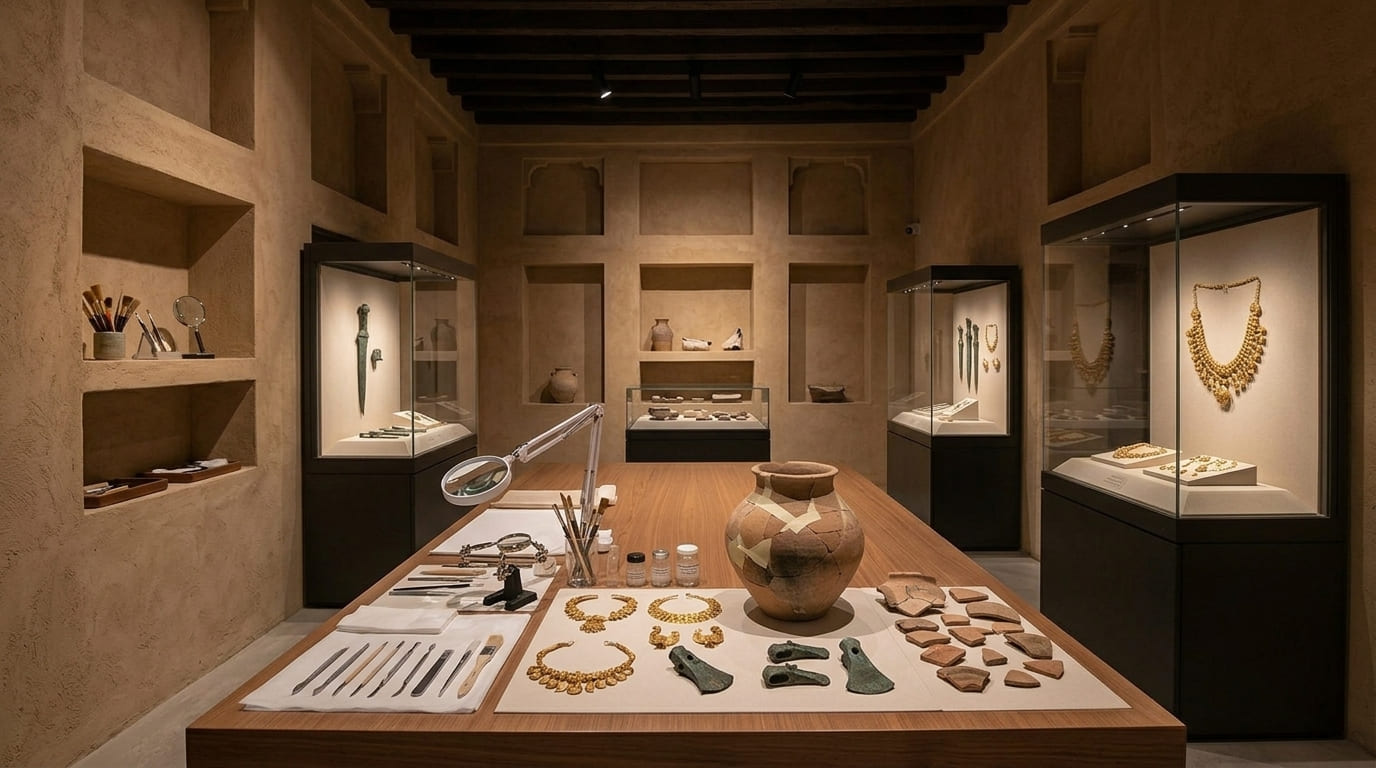
Beyond the individual artifacts themselves, the museum also explains the scientific methods that allow archaeologists to reconstruct the history of an ancient civilization. Visitors learn how excavation sites are carefully documented, how fragile objects are conserved after being recovered from the desert, and how specialists use laboratory analysis to determine the age, origin, and function of different materials. Interactive displays illustrate the stages of archaeological research, from the first survey of a site to excavation, cataloguing, restoration, and long-term preservation.
This broader perspective transforms the visit from a simple exhibition of ancient objects into a deeper exploration of archaeological science. Rather than presenting artifacts in isolation, the museum demonstrates how every discovery contributes to understanding trade, technology, religious beliefs, and everyday life in the Arabian Peninsula during the Iron Age. For visitors interested in history, archaeology, or cultural heritage, this approach provides valuable insight into how modern research continues to reshape our knowledge of the ancient world and why the discoveries at the Saruq Al Hadid archaeological site remain among the most significant archaeological discoveries in Dubai.
Ancient Weapons Collection
One of the museum’s most impressive galleries features Iron Age weapons that demonstrate the advanced metalworking skills of ancient Arabian communities. The collection includes swords, daggers, spearheads, arrowheads, and axes, many produced using sophisticated manufacturing techniques.
These artifacts reveal the importance of metallurgy at Saruq Al Hadid. Archaeological evidence, including furnaces and slag deposits, suggests that weapon production played a significant role in the settlement’s economy. The collection offers valuable insight into both daily life and technological achievement during the Iron Age.
Gold Jewellery and Precious Artifacts
The museum displays an exceptional collection of gold jewelry and luxury objects that highlight the wealth and craftsmanship of ancient societies. Visitors can see beads, necklaces, pendants, bracelets, and decorative ornaments created by skilled artisans.
These discoveries indicate that Saruq Al Hadid was connected to extensive trade networks and had access to valuable materials. The collection demonstrates a level of sophistication that challenges many assumptions about early Arabian civilizations.
Ancient Trade and Cultural Connections
Evidence from the site reveals that ancient communities in the region participated in international trade. Archaeologists discovered seals, ornaments, and imported materials linked to Mesopotamia, the Indus Valley, and other neighboring civilizations.
These findings show that the Arabian Peninsula functioned as an important crossroads for commerce and cultural exchange. The museum explains how goods, technologies, and ideas moved across vast distances, connecting diverse societies throughout the ancient world.
Snake Symbols and Ritual Objects
Among the museum’s most unusual exhibits are artifacts featuring snake imagery. Serpent symbols appear frequently throughout the site and are believed to have held religious or ceremonial significance.
Researchers continue to debate their meaning. Some theories associate snakes with protection, fertility, or spiritual power, while others suggest connections to ritual practices. These mysterious objects offer a fascinating glimpse into ancient belief systems.
Interactive Archaeology Experience
Modern technology complements the museum’s archaeological collections through multimedia presentations, digital reconstructions, and educational exhibits.
Visitors can learn about excavation techniques, conservation methods, and archaeological research through videos and interactive displays. These features make the museum especially engaging for students, families, and anyone interested in the science behind archaeological discoveries.
Why History Lovers Should Visit Saruq Al Hadid Museum
The Saruq Al Hadid Museum offers one of the most distinctive cultural experiences among museums in Dubai. Its collections provide direct evidence of life in Arabia more than three thousand years ago and showcase artifacts rarely seen elsewhere.
The museum allows visitors to explore ancient Dubai history long before the modern era. For those seeking meaningful things to do in Dubai, it offers a unique opportunity to understand the region’s archaeological heritage through authentic discoveries and expert interpretation.
What makes this museum especially rewarding is the opportunity to examine archaeological evidence that fundamentally changes our understanding of the region’s past. Many visitors associate Dubai almost exclusively with its modern skyline and rapid economic development, yet the collections displayed here demonstrate that the area played an important role in regional trade, metalworking, and cultural exchange more than three thousand years ago. The discoveries from Saruq Al Hadid reveal a level of technological sophistication that continues to surprise historians and archaeologists alike.
Another advantage is the museum’s ability to explain complex archaeological research in a clear and engaging way. Informative displays, multimedia presentations, and carefully curated exhibits allow visitors without a background in archaeology to understand how excavations are conducted, how artifacts are conserved, and how researchers reconstruct the lives of ancient communities from material evidence. Rather than presenting isolated objects behind glass, the museum places each discovery within its historical and cultural context.
For travelers seeking meaningful cultural experiences, Saruq Al Hadid Museum offers something very different from Dubai’s better-known attractions. Instead of focusing on contemporary architecture or luxury tourism, it invites visitors to explore the origins of settlement, craftsmanship, and long-distance trade across the Arabian Peninsula. Combined with the surrounding heritage district, the museum provides one of the most authentic opportunities to experience Dubai’s archaeological and historical legacy.
Tickets and Admission Information
Visitors can purchase Saruq Al Hadid Museum tickets through official cultural heritage websites or directly at the museum. Online booking is recommended for convenience and access to special programs when available.
Ticket categories may vary and often include reduced admission for children, students, and seniors. Since pricing can change, visitors should consult official sources before their visit.
Visitors may also be able to access the museum as part of selected cultural or heritage programs available within Dubai’s Al Shindagha Historic District. Travelers planning to visit several nearby museums should check current package options and combined cultural experiences on the official heritage websites before their trip.
How to Get to Saruq Al Hadid Museum
Located in the historic Al Shindagha district, Saruq Al Hadid Museum is easily accessible from all major areas of Dubai. Visitors can choose from several convenient transportation options depending on their itinerary and preferred mode of travel.
By Metro
The nearest metro station is Al Ghubaiba Metro Station on the Green Line. From the station, visitors can enjoy a pleasant walk through the historic Al Shindagha district to reach the museum. The route passes traditional heritage buildings and waterfront promenades, making the journey part of the overall cultural experience.
By Taxi
Taking a taxi is one of the easiest ways to reach the museum. The journey typically takes around 15–20 minutes from Downtown Dubai, approximately 25–35 minutes from Dubai Marina, and about 20 minutes from Dubai International Airport, depending on traffic conditions.
By Abra
For a more authentic experience, visitors can cross Dubai Creek aboard a traditional abra before walking to the museum through the surrounding heritage district. This route offers scenic views of the creek and provides an excellent introduction to one of Dubai’s oldest and most historic neighborhoods.
By Car
Visitors traveling by car will find convenient road access to the Al Shindagha district via major highways and central city roads. Public parking is available in the surrounding area, making it easy to combine a visit to the museum with other nearby cultural attractions and historical sites.
Who Should Visit Saruq Al Hadid Museum?
The museum is particularly well suited for history enthusiasts, archaeology lovers, students, researchers, and travelers interested in cultural heritage.
Families can also enjoy the educational displays and interactive exhibits, while visitors seeking lesser-known attractions will appreciate discovering one of Dubai’s most underrated cultural destinations.
Nearby Attractions Worth Visiting
The museum’s location allows visitors to explore several nearby heritage sites. The Al Shindagha Heritage Area, Dubai Creek, and the historic neighborhoods of Bur Dubai provide additional insight into the city’s development.
Many travelers combine the museum with visits to Al Shindagha Museum, Etihad Museum, and other historical places in Dubai, creating a full day of cultural exploration.
Is Saruq Al Hadid Museum Worth Visiting?
The museum’s greatest strengths are its unique archaeological discoveries, rare Iron Age artifacts, interactive exhibits, and location within a historic district. Its collections offer an authentic look at life in Arabia thousands of years before modern Dubai emerged.
However, the museum is smaller than many major museums in Dubai and is primarily focused on archaeology and history. Visitors seeking broader themes may find it more specialized than other cultural attractions.
This Saruq Al Hadid Museum review confirms that the museum is one of Dubai’s most underrated cultural attractions. Through its remarkable collection of ancient artifacts, it reveals a side of the UAE’s history rarely encountered by visitors.
For travelers wondering what to see in Dubai beyond the city’s modern landmarks, the museum offers an authentic and educational experience. Among the many things to do in Dubai and places to visit in Dubai, it stands out as a destination that combines archaeology, history, and heritage in a uniquely compelling way. For anyone interested in the origins of the region, the Saruq Al Hadid Archaeology Museum is well worth visiting.
Related Articles
Continue exploring Dubai’s rich cultural heritage with our in-depth guides:
- Al Shindagha Museum Review
- Best Collections and Exhibits at Al Shindagha Museum
- Etihad Museum Review: Discover the Story Behind the United Arab Emirates
- The Best Collections and Exhibits at Etihad Museum
Other Articles
- Classification of Megalodon Teeth
- Historica Auction Review: Exploring One of the Leading Auction Houses for Historical Collectibles and Rare Artifacts
- Christie's Dubai Review: Exploring One of the World's Most Prestigious Auction Houses in the UAE
- Best Collections and Exhibits at Etihad Museum: What to See in Dubai
- Lost in Abu Dhabi: The “Stan” T. Rex Skeleton and the Wonders of NHMAD
- Ammolite: The Ancient Gemstone with a Mesmerizing Rainbow Glow
- Dinosaurs - Records and Achievements
- What Are Meteorites? A Beginner’s Guide to Space Rocks
- Sotheby's Dubai Review: A Guide to Dubai's Premier Art and Collectibles Destination
- Megalodon: The Largest Shark That Ever Lived
- From Desert to Space: How NHMAD Tells the Story of Life on Earth — and Beyond
- The Best Collections and Exhibits at Natural History Museum Abu Dhabi: What Is Worth Seeing in the UAE's Most Ambitious Museum
- Louvre Abu Dhabi Review: A Complete Guide to the UAE's Most Famous Art Museum
- Best Collections and Exhibits at Al Shindagha Museum
- XVA Gallery Review: A Hidden Art Gem in Historic Dubai
- The Best Collections and Exhibits at Saruq Al Hadid Archaeology Museum
- Natural History Museum Abu Dhabi to open in November 2025 at Saadiyat Cultural District
- Giants of the Ancient World
- Etihad Museum Review: Discover the Story Behind the United Arab Emirates
- Discovering Ammonites: The Mysterious Fossils of Earth's Past
- Natural History Museum Abu Dhabi Review: Everything You Need to Know
- Murchison : The Meteorite Older Than the Solar System — A Cosmic Icon of NHMAD
- Zayed National Museum Review: Discover the Story of the United Arab Emirates
- What is a Fossil?
- What Are Trilobites? Meet the Marine Pioneers of Earth's History
- Zawyeh Gallery Dubai Review: A Must-Visit Art Space for Contemporary Middle Eastern Art
- Beyond the Mammoth: Discover the Diverse Creatures of the Ice Age
- Tyrannosaurus Rex: The True King of Dinosaurs
- Qasr Al Hosn Review: A Complete Guide to Abu Dhabi's Oldest Historic Landmark
- How Is the Age of Fossils Determined?
- An Architectural Masterpiece Inspired by Nature: A Journey Through the Design of NHMAD
- The Marine Dragons of the Mesozoic
- Al Shindagha Museum Review: A Complete Guide to Dubai’s Heritage Museum
- Qasr Al Watan Review: A Complete Guide to Abu Dhabi's Presidential Palace and Cultural Landmark
- Sabertooth Secrets: Exploring the Fierce Predators of Prehistoric Times
- NHMAD’s Role in Preserving Arabian Peninsula Heritage: Showcasing a Unique Natural Legacy
- Other Articles
- TP Auction Review: A Guide to One of the Most Fascinating Auction Houses for Collectors
- Dinosaurs Among Us
- Opera Gallery Dubai Review: Discover One of Dubai's Leading International Art Galleries
- Dinosaur Teeth
Lot DF001
22 000,00 AEDFirst of the Complex – Fossil Fragment of Dickinsonia from the Ediacaran Era
Lot SEA95-D
Stefan Steenkist Armchair – Timeless Elegance and Modern Craftsmanship
Lot GB1
1 200,00 AEDFramed Chrysina Resplendens: The Golden Scarab Beetle
Lot SA-013
1 100,00 AED11.995 غرامًا من نيزك سيخوت-ألين في زجاجة مختومة
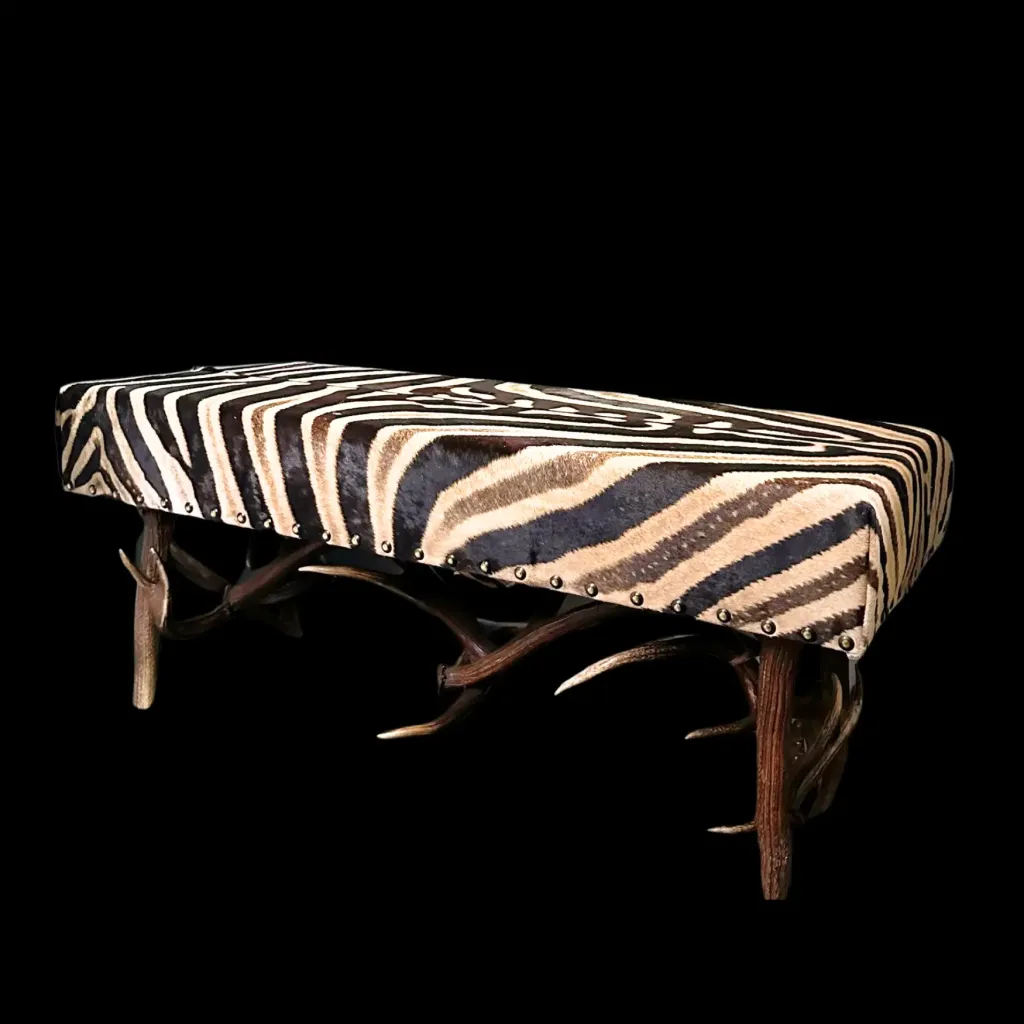
Lot GWM450-H
Antler Bench Zebra – Wild Elegance Redefined
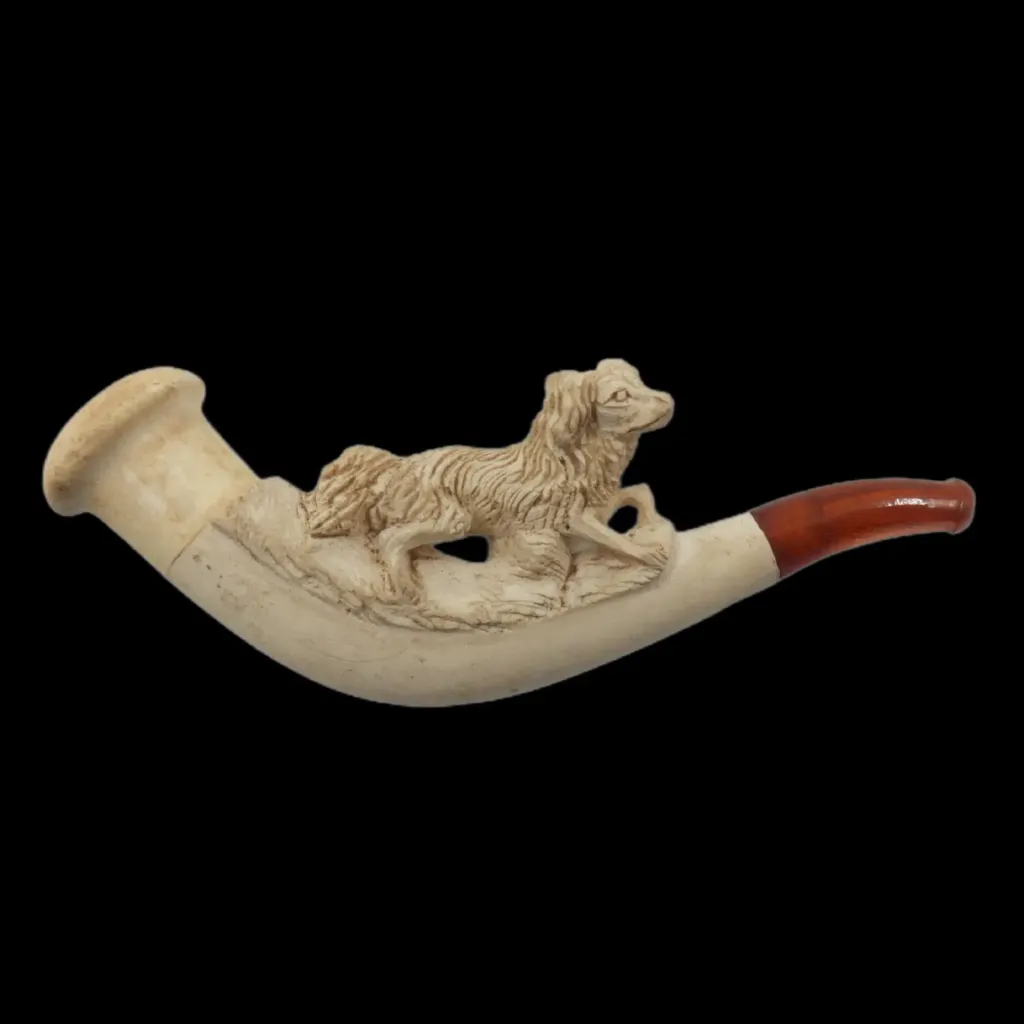
Lot SPP-005
1 530,00 AEDغليون مصنوع من الحجر الأبيض والعنبر، مزخرف بنقش على شكل كلب، مع علبته الأصلية – حرفية أوروبية من القرن التاسع عشر
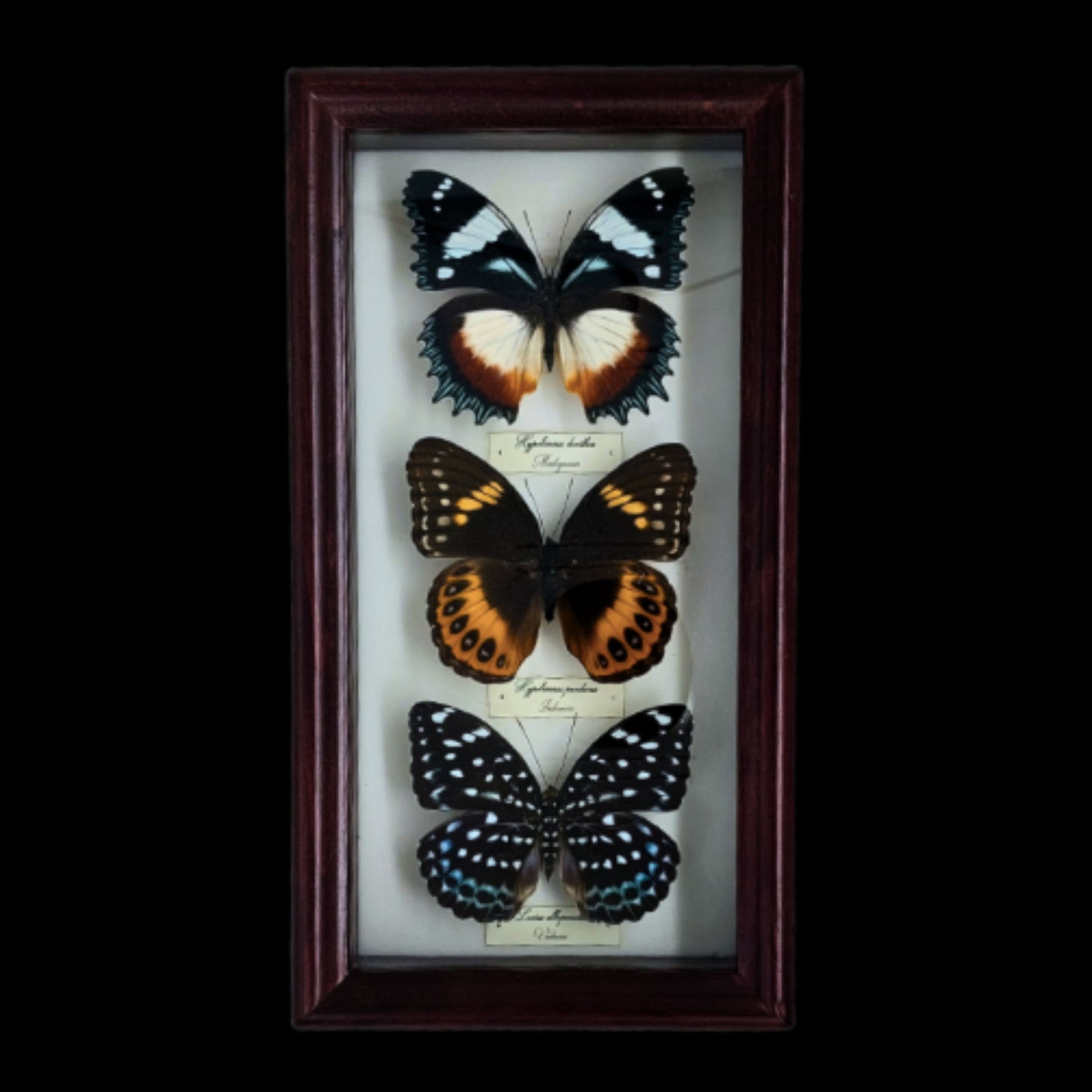
Lot FB-124
2 100,00 AEDCollection of Hypolimnas butterflies in Frame
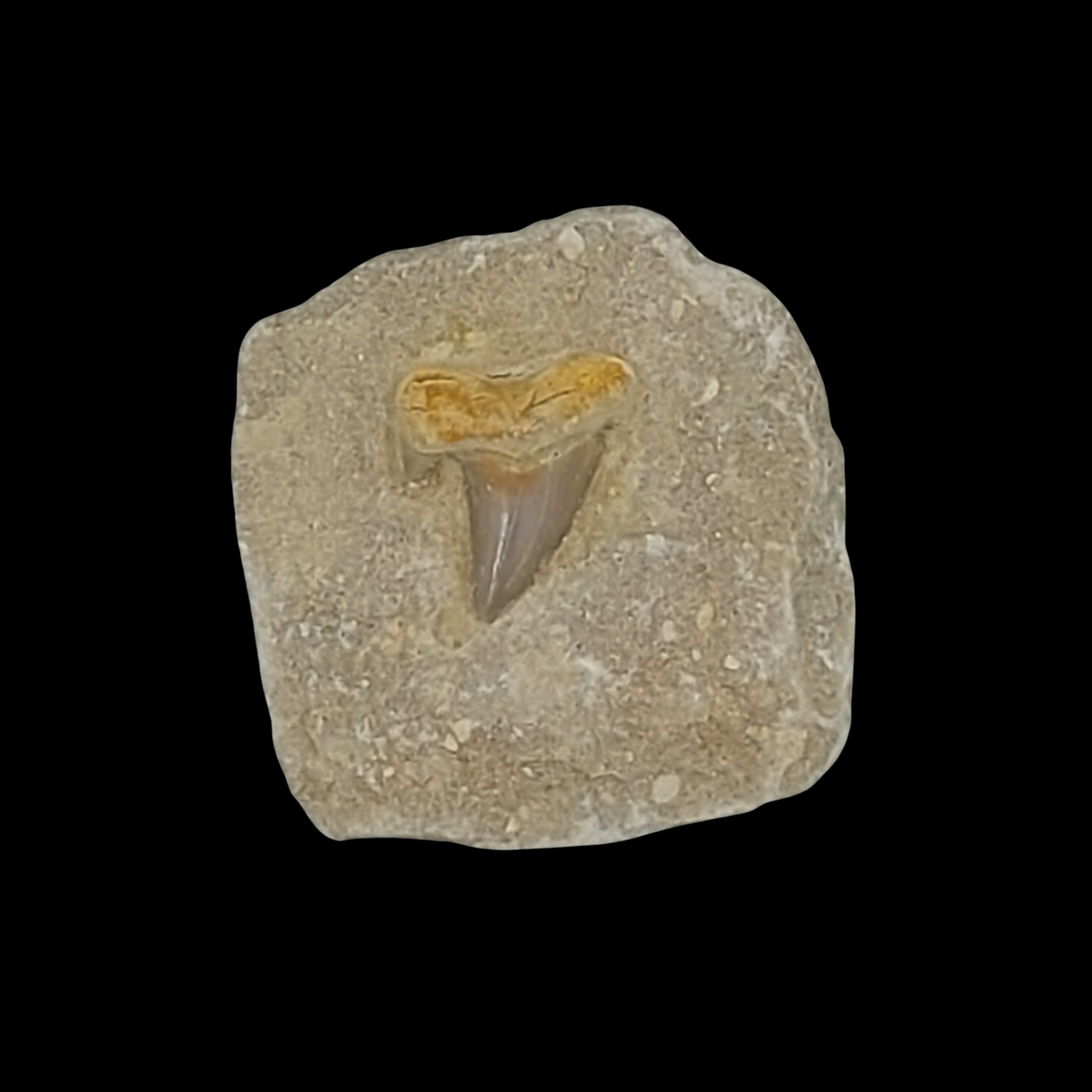
Lot FSL-012
900,00 AEDOtodus 鯊魚牙齒化石板,186 克
Lot HK_SM-003
Al Pacino – Autographed Photograph from Scarface (1983)
Lot FB-119
420,00 AEDTriangle Swallowtail:框裝 Papilio demolion,印尼