



Historica Auction Review: Exploring One of the Leading Auction Houses for Historical Collectibles and Rare Artifacts
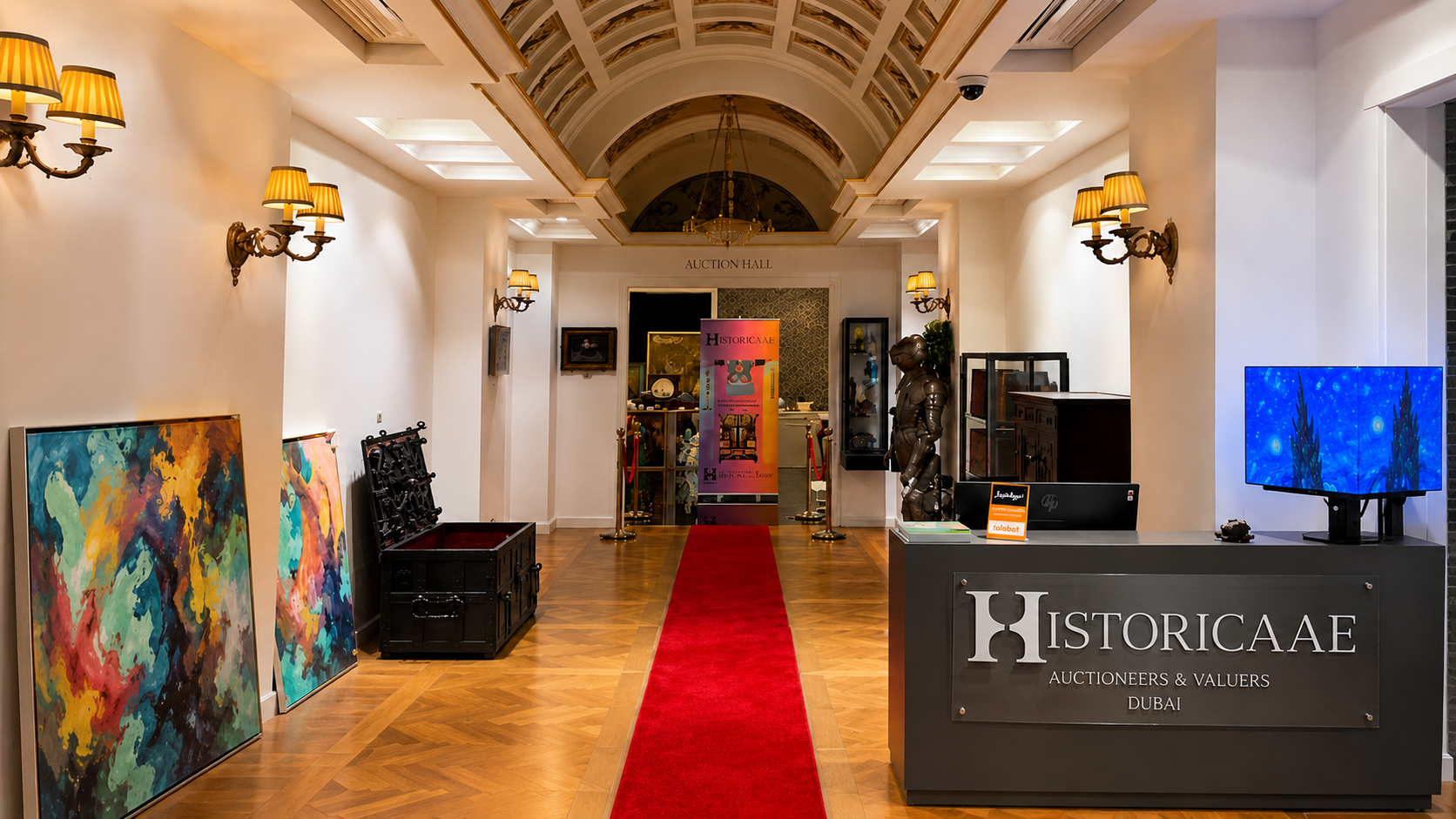
For collectors, historians, museum professionals, and anyone fascinated by the past, few destinations are as compelling as Historica Auction. Recognized for its sales of historical artifacts, military memorabilia, rare documents, antique collections, and museum-quality collectibles, it has become one of Europe’s leading collectible auction houses.
This Historica Auction review explains why the company enjoys such a strong reputation among collectors. Every sale features carefully researched objects supported by expert provenance and historical documentation. Before each auction, visitors can attend preview exhibitions where authentic artifacts are displayed alongside scholarly catalogue descriptions, creating an experience similar to a temporary museum.
Whether you are interested in historical collections, rare artifacts, or simply enjoy discovering unusual cultural destinations, Historica Auction offers an exceptional opportunity to explore objects rarely accessible to the general public.
What Is Historica Auction?
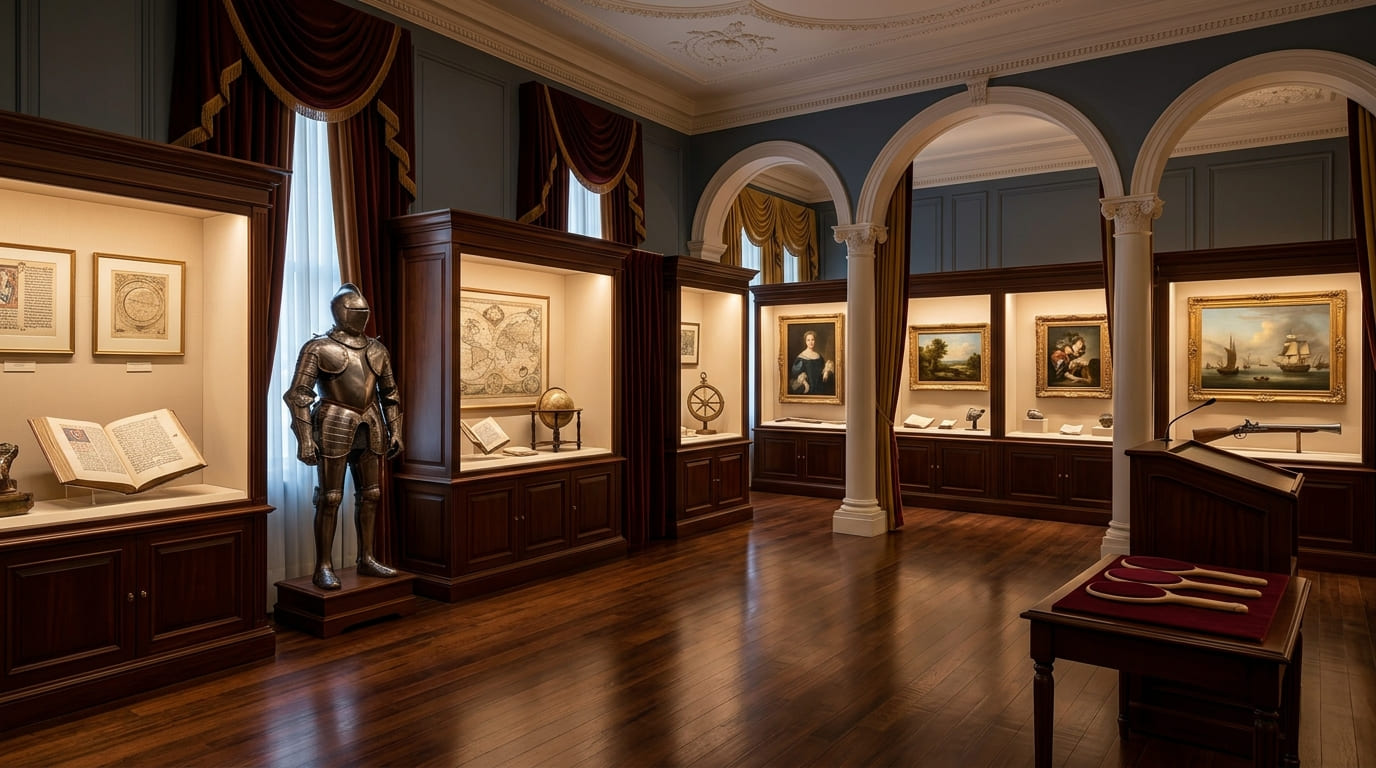
Historica Auction, operated by Hermann Historica near Munich, is one of Germany’s leading auction houses specializing in historical artifacts and collectible objects. Rather than focusing on luxury goods, the company has built its international reputation through carefully researched material representing diverse civilizations and historical periods.
Its auctions cover military memorabilia, historical documents, manuscripts, medals, decorative arts, scientific instruments, ethnographic material, sculpture, photography, and other museum-quality artifacts. Every object is examined by specialists for authenticity, provenance, historical significance, and condition.
Beyond auctions, Historica Auction publishes detailed catalogues that have become valuable reference resources for collectors, museums, and researchers. Today, the company attracts buyers from around the world and remains an important destination for the international market in historical collectibles.
Why Historica Auction Is Famous Among Collectors
Historica Auction is renowned for offering exceptionally rare objects with documented provenance and outstanding historical significance. Many lots come from long-established private collections and appear on the market for the first time in decades.
The auction house is equally respected for its scholarly expertise. Specialists carefully research every object, providing collectors with reliable historical context and authentication. This reputation attracts museums, researchers, private collectors, and investors from around the world.
Unlike general antique auctions, Historica Auction focuses on carefully selected historical material, making it one of Europe’s leading specialists in historical collectibles and rare artifacts.
Location and Surrounding Area
Historica Auction is based in Grasbrunn, about 20 kilometres southeast of Munich, Germany. The location combines easy access with proximity to one of Europe’s most important cultural cities.
Visitors can conveniently reach the auction house from Munich International Airport or central Munich by road or public transport. Many combine an auction preview with visits to Munich’s renowned museums, galleries, royal palaces, historic squares, and traditional Bavarian restaurants, making the trip an excellent cultural excursion.
What Can You See at Historica Auction?
Preview exhibitions at Historica Auction showcase carefully researched objects spanning centuries of history. Unlike permanent museum collections, every exhibition changes with the auction calendar, giving visitors the opportunity to discover authentic artifacts that may soon enter private collections. Detailed catalogue descriptions provide valuable historical context, making every preview both educational and engaging.
Military Memorabilia Collection
One of the most respected departments at Historica Auction is its presentation of historical military memorabilia. These exhibitions focus on authentic objects that illustrate the political, cultural, and social history of different nations rather than celebrating conflict itself. Visitors encounter carefully preserved decorations, ceremonial insignia, archival material, uniforms, personal equipment, and historically significant artifacts associated with various historical periods.
Among the most sought-after categories are rare medals and official decorations awarded for military service, scientific achievement, humanitarian contribution, or royal recognition. Many of these decorations represent exceptional craftsmanship, incorporating precious metals, enamel work, and intricate artistic design that reflect the traditions of their time.
Collectors value these objects because they often preserve documented histories connected to individual recipients, important historical events, or distinguished institutions. For museums and researchers, such artifacts provide valuable insight into political history, state symbolism, artistic manufacturing techniques, and the evolution of national honours.
Rather than emphasizing warfare, the exhibitions present these objects as important historical documents that illustrate how societies commemorated service, achievement, and national identity across different centuries.
Historical Documents and Manuscripts
Original historical documents rank among the most intellectually fascinating categories offered by Historica Auction. Letters, manuscripts, signed official papers, archival records, maps, passports, certificates, diaries, and handwritten correspondence provide direct connections to individuals and events that shaped history.
Many documents bear original signatures of influential political leaders, military commanders, scientists, artists, explorers, or members of European royal families. Others preserve official seals, handwritten annotations, or period bindings that reveal valuable information about administrative practices and historical communication.
For collectors, original manuscripts possess significance beyond their rarity. Every page represents an authentic witness to the past, preserving handwriting, language, and documentary evidence exactly as they existed when created. Researchers frequently consult auction catalogues because detailed descriptions often contribute new scholarly information regarding provenance and historical context.
Visitors unfamiliar with manuscript collecting are often surprised by the diversity of material presented, ranging from medieval parchment documents to nineteenth-century correspondence and twentieth-century archival collections.
Rare Weapons Collection
Historica Auction also presents historical edged weapons, ceremonial arms, and antique armour as important examples of craftsmanship, artistic design, and cultural history. These objects are displayed and catalogued for their historical significance rather than their original function.
Many pieces were created by highly skilled craftsmen whose decorative techniques transformed practical objects into remarkable works of art. Gold inlay, silver decoration, engraved surfaces, carved hilts, and elaborate ceremonial fittings illustrate the exceptional level of artistry achieved by master workshops throughout Europe, Asia, and the Middle East.
Some ceremonial objects were commissioned for royal courts, diplomatic gifts, or state ceremonies, while others formed part of distinguished historical collections assembled over many generations. Their value today lies primarily in provenance, artistic quality, rarity, and their ability to illustrate historical craftsmanship and cultural traditions.
For visitors, this department provides an opportunity to appreciate historical metalworking, decorative arts, and museum-quality craftsmanship within a carefully curated educational setting.
Antique Artifacts
The antique artifacts department demonstrates the extraordinary variety of historical objects preserved through private collecting. Visitors may encounter decorative arts, household objects, scientific instruments, religious artifacts, sculptures, ceramics, furniture, antique clocks, ethnographic material, and countless other objects representing different civilizations and historical periods.
Many artifacts illustrate everyday life rather than political history, offering insight into domestic culture, craftsmanship, commerce, religion, education, and technological development across centuries. Others represent luxury goods commissioned by aristocratic families or important institutions, reflecting changing artistic tastes and social traditions.
One of the most fascinating aspects of these exhibitions is the opportunity to compare objects originating from different regions and cultures within a single gallery. This diversity demonstrates how collecting contributes to preserving global cultural heritage while encouraging a broader understanding of historical exchange between civilizations.
Every object displayed before auction carries its own unique story, making each exhibition an engaging exploration of human creativity and historical continuity.
Collector Highlights from Past Auctions
Over the years, Historica Auction has presented numerous historically significant collections, ranging from military decorations and manuscripts to museum-quality artifacts. Many of these lots have attracted worldwide attention because of their rarity, documented provenance, and outstanding historical importance.
Several of the auction house’s most remarkable sales are highlighted below and illustrate why Historica Auction has become one of Europe’s leading specialists in historical collectibles.
The Most Impressive Items Ever Sold by Historica Auction
Over the decades, Historica Auction has handled numerous historically significant objects that have attracted international attention from collectors, museums, and researchers. Many of these pieces are valued not only for their rarity but also for their documented provenance and importance to European history.
One of the auction house’s most widely discussed events featured a collection of personal everyday belongings associated with Adolf Hitler. The sale generated worldwide media coverage because of the historical significance and provenance of the objects, illustrating the complex ethical and historical questions surrounding twentieth-century memorabilia.
Historica Auction also became internationally known for offering the renowned Axel Guttmann Collection, one of the world’s most important private collections of ancient arms and armour. The collection included exceptional archaeological and historical pieces that attracted museums and major private collectors from around the world.
Another landmark series of sales featured objects from the Karsten Klingbeil Collection, celebrated for its rare military decorations, orders, medals, and historically documented artifacts. These auctions reinforced the company’s reputation as one of Europe’s leading specialists in historical collectibles.
Beyond these headline sales, Historica Auction regularly presents rare manuscripts, historical documents, medals, antique artifacts, and museum-quality collectibles from different periods of European history. Together, these auctions demonstrate why the company remains one of the world’s leading destinations for collectors seeking authentic historical objects with exceptional provenance and scholarly significance.
Preview Exhibitions Before Auctions
Auction preview exhibitions give visitors the opportunity to examine hundreds of historical objects before bidding begins. Displayed in a museum-style setting, each artifact is accompanied by detailed catalogue descriptions explaining its origin and significance.
Collectors attend previews to inspect condition and consult specialists, while tourists, students, and historians enjoy them as educational exhibitions. Because the displays change with every auction, each visit offers a unique experience.
Why History Enthusiasts Visit Historica Auction
Historica Auction appeals to a far broader audience than professional collectors alone. Historians, museum visitors, students, researchers, writers, and travelers with an interest in cultural heritage are equally drawn to its preview exhibitions because they provide an opportunity to encounter authentic historical objects that are rarely displayed elsewhere. Every exhibition tells a story through original artifacts, allowing visitors to connect with the past in a direct and tangible way.
Unlike history presented solely through textbooks or digital archives, original artifacts possess a unique authenticity that cannot be replicated. A handwritten document, an antique scientific instrument, a ceremonial decoration, or a centuries-old work of decorative art reflects the craftsmanship, technology, and cultural values of the period in which it was created. Seeing such objects in person creates a deeper appreciation for historical events and the people connected with them.
Another important attraction is the opportunity to view objects originating from distinguished private collections. Many artifacts remain outside public museums for decades before appearing at auction, making preview exhibitions one of the few occasions when they can be examined by the public. For researchers and museum professionals, these temporary displays also provide valuable opportunities to study previously unpublished or little-known material.
Why Historica Auction Is Different from a Traditional Museum
Although Historica Auction shares certain characteristics with museums, the visitor experience is fundamentally different. Museums generally preserve permanent collections that remain on display for many years, whereas Historica Auction presents constantly changing exhibitions based on the schedule of upcoming sales. This dynamic format ensures that every visit offers entirely new discoveries.
One of the most exciting aspects of the auction environment is its temporary nature. Many artifacts remain on display for only a limited period before entering private collections, museums, or institutional archives around the world. Visitors therefore experience a rare opportunity to examine remarkable historical objects that may never again become publicly accessible.
Another distinction lies in the diversity of material presented within a single exhibition. A museum often focuses on a particular civilization, artistic movement, or historical period. Historica Auction, by contrast, may display medieval manuscripts, antique decorative arts, historical documents, rare medals, ethnographic artifacts, scientific instruments, and nineteenth-century cultural objects side by side, illustrating the remarkable breadth of the international collectors market.
Every exhibition also reflects current trends in collecting, offering visitors insight into how historical artifacts are researched, authenticated, catalogued, and appreciated within today’s global marketplace.
Can You Visit Historica Auction Without Bidding?
Absolutely. One of the greatest misconceptions surrounding auction houses is that they are accessible only to registered buyers. In reality, Historica Auction welcomes visitors during scheduled preview exhibitions, allowing anyone interested in history, art, or cultural heritage to explore the collections without participating in the auction itself.
Many guests attend simply to admire the objects, learn about their historical background, and enjoy the carefully curated exhibition atmosphere. Detailed catalogue descriptions, professional presentation, and the opportunity to examine authentic historical artifacts make every preview an educational experience rather than purely a commercial event.
Visitors who have never attended an auction before often discover that preview exhibitions resemble temporary museum galleries, where the emphasis is placed on historical interpretation, scholarship, and preservation. This welcoming environment makes Historica Auction an attractive destination for families, students, tourists, and history enthusiasts alike.
How to Visit Historica Auction
By Public Transport
Historica Auction is located in Grasbrunn, near Munich, and can be reached using Munich’s suburban rail and regional bus network, followed by a short local connection. Visitors arriving via Munich International Airport also benefit from convenient public transport links to the surrounding area.
By Taxi
Taxis provide a quick and comfortable journey from central Munich, nearby hotels, or Munich International Airport. Under normal traffic conditions, the drive usually takes less than 30 minutes.
By Car
Visitors travelling by car enjoy direct access via the motorway network surrounding Munich. Driving is often the most convenient option, particularly for those planning to explore nearby museums and historical attractions after visiting the auction house.
Parking Options
Parking is available close to Historica Auction, making arrival by car straightforward. Before travelling, visitors are encouraged to check the official auction calendar, as preview exhibition dates vary throughout the year.
Who Should Visit Historica Auction?
Collectors
Collectors will appreciate access to carefully researched artifacts supported by detailed provenance, expert cataloguing, and international standards of authentication.
History Enthusiasts
Visitors passionate about history can explore authentic objects connected with important historical events, remarkable individuals, and centuries of cultural development.
Researchers
Researchers, students, and museum professionals benefit from examining original artifacts and scholarly auction catalogues that provide valuable historical context and provenance information.
Investors
Investors interested in collectible assets can gain insight into the international market for historically significant objects, where rarity, authenticity, and provenance play a crucial role.
Travelers Interested in Rare Artifacts
Travelers looking for unusual cultural experiences will enjoy preview exhibitions that showcase museum-quality historical treasures rarely available for public viewing before they enter private collections.
Nearby Attractions Worth Visiting
A visit to Historica Auction can easily be combined with exploring Munich, one of Germany’s richest cultural destinations. The city’s historic centre offers beautifully preserved architecture, elegant public squares, traditional Bavarian cafés, and numerous landmarks reflecting centuries of European history.
Museum enthusiasts will find an outstanding selection of internationally respected institutions, including collections devoted to art, archaeology, science, technology, and cultural history. Munich’s museum district ranks among the finest in Europe and provides an ideal complement to the historical material presented at Historica Auction.
Art lovers may also explore the city’s renowned galleries and exhibition spaces, while architecture enthusiasts can admire royal palaces, historic churches, and grand nineteenth-century boulevards. Traditional restaurants and beer gardens complete the experience, allowing visitors to enjoy Bavarian hospitality alongside an exceptional cultural itinerary.
Together, these attractions transform a visit to Historica Auction into a memorable day dedicated to history, art, architecture, and European heritage.
Is Historica Auction Worth Visiting?
Any balanced Historica Auction review should acknowledge both its strengths and the practical considerations for visitors. Its greatest advantage is the extraordinary concentration of authentic historical material presented within professionally curated exhibitions. The constantly changing collections ensure that every visit offers fresh discoveries, while the company’s high standards of expertise inspire confidence among collectors and researchers alike.
Another major strength is the educational value of the preview exhibitions. Visitors gain access to remarkable historical artifacts supported by detailed research, allowing them to understand not only the objects themselves but also their broader historical significance.
Potential visitors should remember that exhibitions depend entirely on the auction calendar. Because collections change throughout the year, specific categories or artifacts may not always be available during every visit. Some specialist events also primarily serve experienced collectors, resulting in a quieter and more formal atmosphere than many public museums.
Nevertheless, these characteristics contribute directly to the auction house’s unique appeal. Every exhibition represents a temporary chapter in the continuing history of collecting, making each visit genuinely distinctive.
This Historica Auction review demonstrates why the company has become one of Europe’s most respected destinations for historical collecting. More than simply a collectible auction house, it functions as a meeting point between scholarship, cultural preservation, and the international collectors market. Every preview exhibition provides visitors with an opportunity to encounter authentic historical artifacts whose rarity and provenance make them exceptional witnesses to the past.
For anyone interested in a historical collectibles auction, Historica Auction offers an experience unlike that of a conventional museum. The exhibitions are constantly changing, the objects are often appearing publicly for the first time in decades, and every artifact carries a unique historical narrative. This combination of authenticity, research, and curatorial expertise creates an environment that appeals equally to collectors, historians, researchers, investors, and curious travelers.
Whether you are searching for unusual things to do, remarkable places to visit, or simply wish to deepen your appreciation of cultural heritage, Historica Auction deserves a place on your itinerary. It demonstrates that historical artifacts are far more than collectible objects—they are tangible connections to human history, preserving stories that continue to inspire future generations while enriching our understanding of the past.
Related Articles
If you enjoyed exploring Historica Auction, you may also be interested in:
Other Articles
- Qasr Al Hosn Review: A Complete Guide to Abu Dhabi's Oldest Historic Landmark
- Louvre Abu Dhabi Review: A Complete Guide to the UAE's Most Famous Art Museum
- From Desert to Space: How NHMAD Tells the Story of Life on Earth — and Beyond
- Qasr Al Watan Review: A Complete Guide to Abu Dhabi's Presidential Palace and Cultural Landmark
- Christie's Dubai Review: Exploring One of the World's Most Prestigious Auction Houses in the UAE
- Dinosaur Teeth
- Tyrannosaurus Rex: The True King of Dinosaurs
- Classification of Megalodon Teeth
- Sabertooth Secrets: Exploring the Fierce Predators of Prehistoric Times
- Etihad Museum Review: Discover the Story Behind the United Arab Emirates
- Megalodon: The Largest Shark That Ever Lived
- Zawyeh Gallery Dubai Review: A Must-Visit Art Space for Contemporary Middle Eastern Art
- An Architectural Masterpiece Inspired by Nature: A Journey Through the Design of NHMAD
- Other Articles
- Opera Gallery Dubai Review: Discover One of Dubai's Leading International Art Galleries
- NHMAD’s Role in Preserving Arabian Peninsula Heritage: Showcasing a Unique Natural Legacy
- The Marine Dragons of the Mesozoic
- XVA Gallery Review: A Hidden Art Gem in Historic Dubai
- Zayed National Museum Review: Discover the Story of the United Arab Emirates
- What Are Meteorites? A Beginner’s Guide to Space Rocks
- Al Shindagha Museum Review: A Complete Guide to Dubai’s Heritage Museum
- Natural History Museum Abu Dhabi Review: Everything You Need to Know
- What Are Trilobites? Meet the Marine Pioneers of Earth's History
- What is a Fossil?
- Saruq Al Hadid Archaeology Museum Review: One of Dubai's Most Underrated Attractions
- TP Auction Review: A Guide to One of the Most Fascinating Auction Houses for Collectors
- Best Collections and Exhibits at Al Shindagha Museum
- Giants of the Ancient World
- Discovering Ammonites: The Mysterious Fossils of Earth's Past
- Dinosaurs Among Us
- The Best Collections and Exhibits at Saruq Al Hadid Archaeology Museum
- The Best Collections and Exhibits at Natural History Museum Abu Dhabi: What Is Worth Seeing in the UAE's Most Ambitious Museum
- Beyond the Mammoth: Discover the Diverse Creatures of the Ice Age
- Best Collections and Exhibits at Etihad Museum: What to See in Dubai
- Sotheby's Dubai Review: A Guide to Dubai's Premier Art and Collectibles Destination
- Lost in Abu Dhabi: The “Stan” T. Rex Skeleton and the Wonders of NHMAD
- Natural History Museum Abu Dhabi to open in November 2025 at Saadiyat Cultural District
- How Is the Age of Fossils Determined?
- Ammolite: The Ancient Gemstone with a Mesmerizing Rainbow Glow
- Dinosaurs - Records and Achievements
- Murchison : The Meteorite Older Than the Solar System — A Cosmic Icon of NHMAD
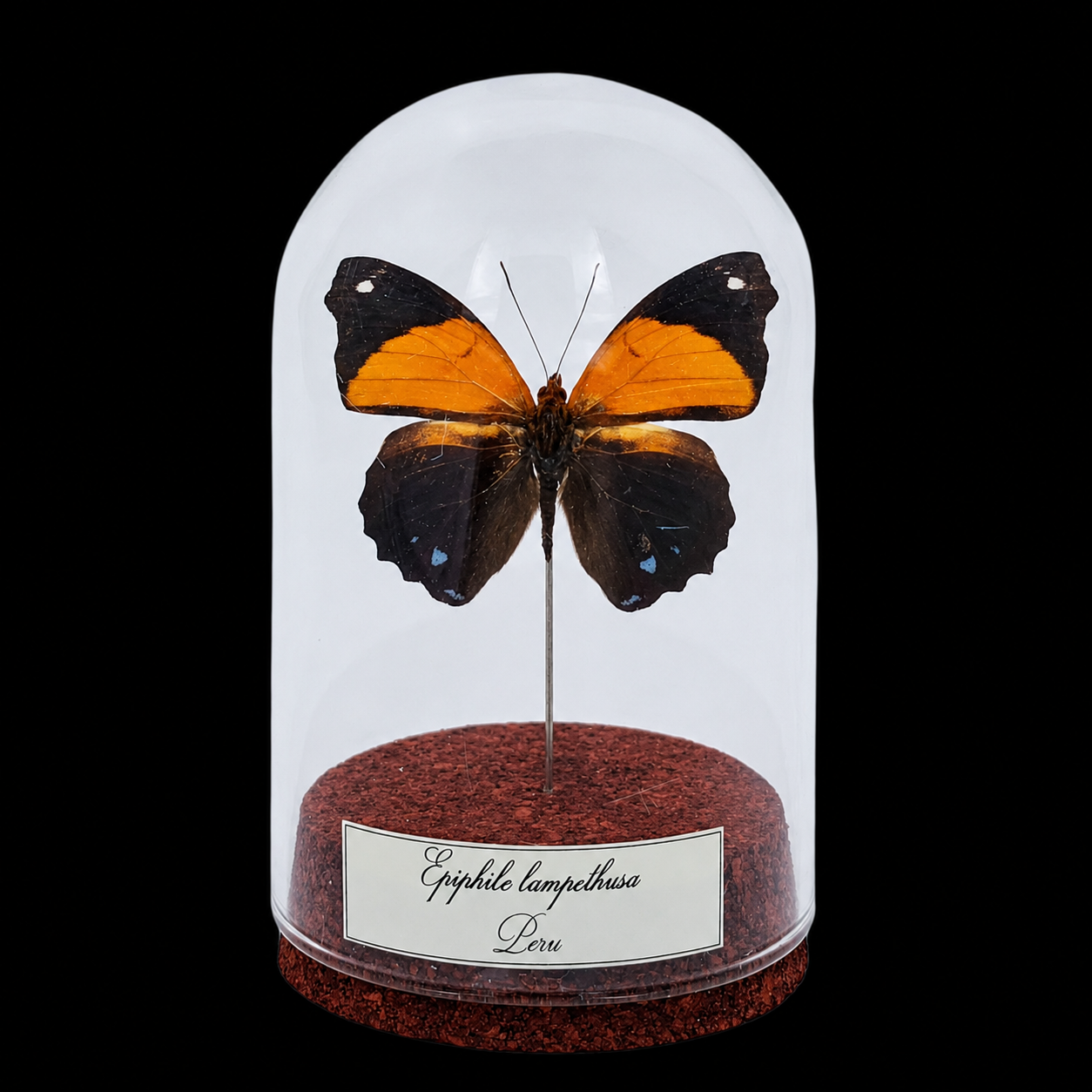
Lot BGC-133
300,00 AEDEpiphile lampethusa,玻璃罩裝 10 厘米,秘魯
Lot MT5
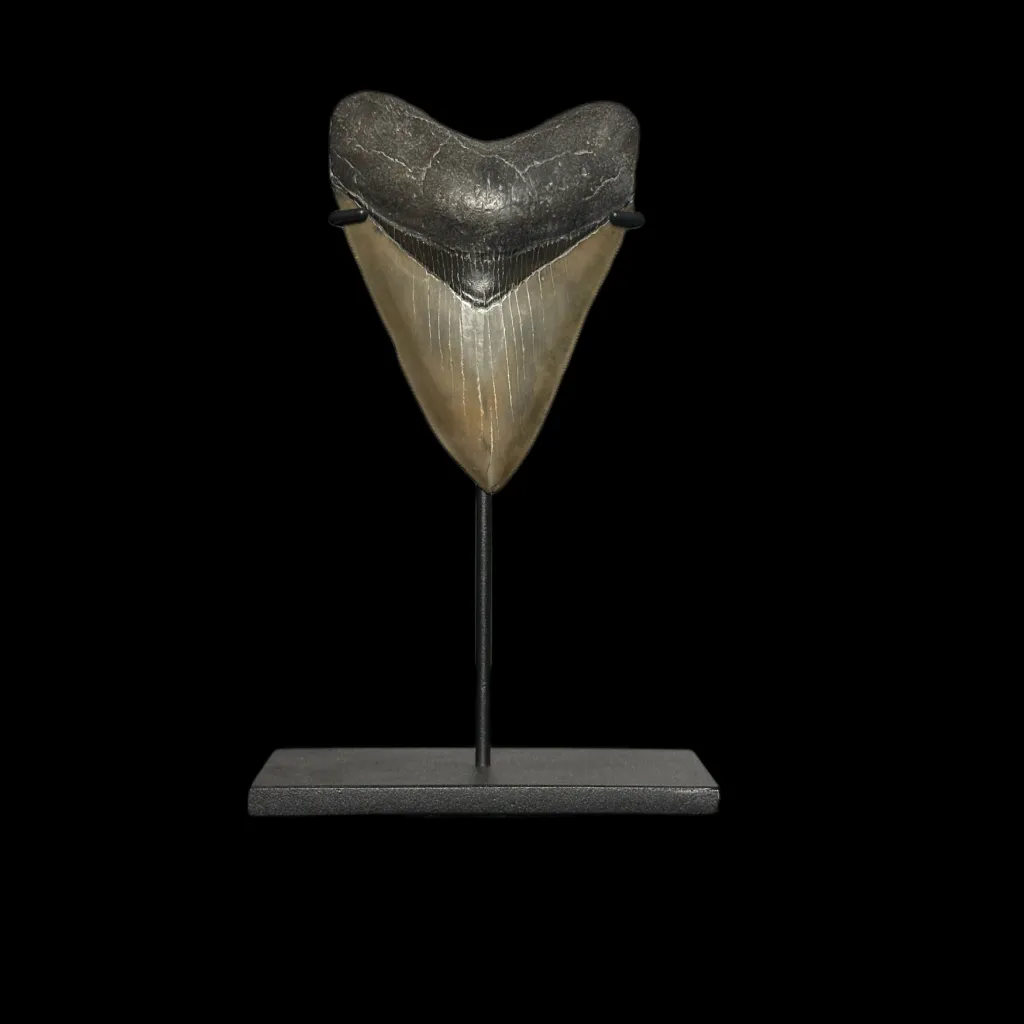
9 999,00 AEDMegalodon tooth 12 cm museum quality
Lot BGC-017
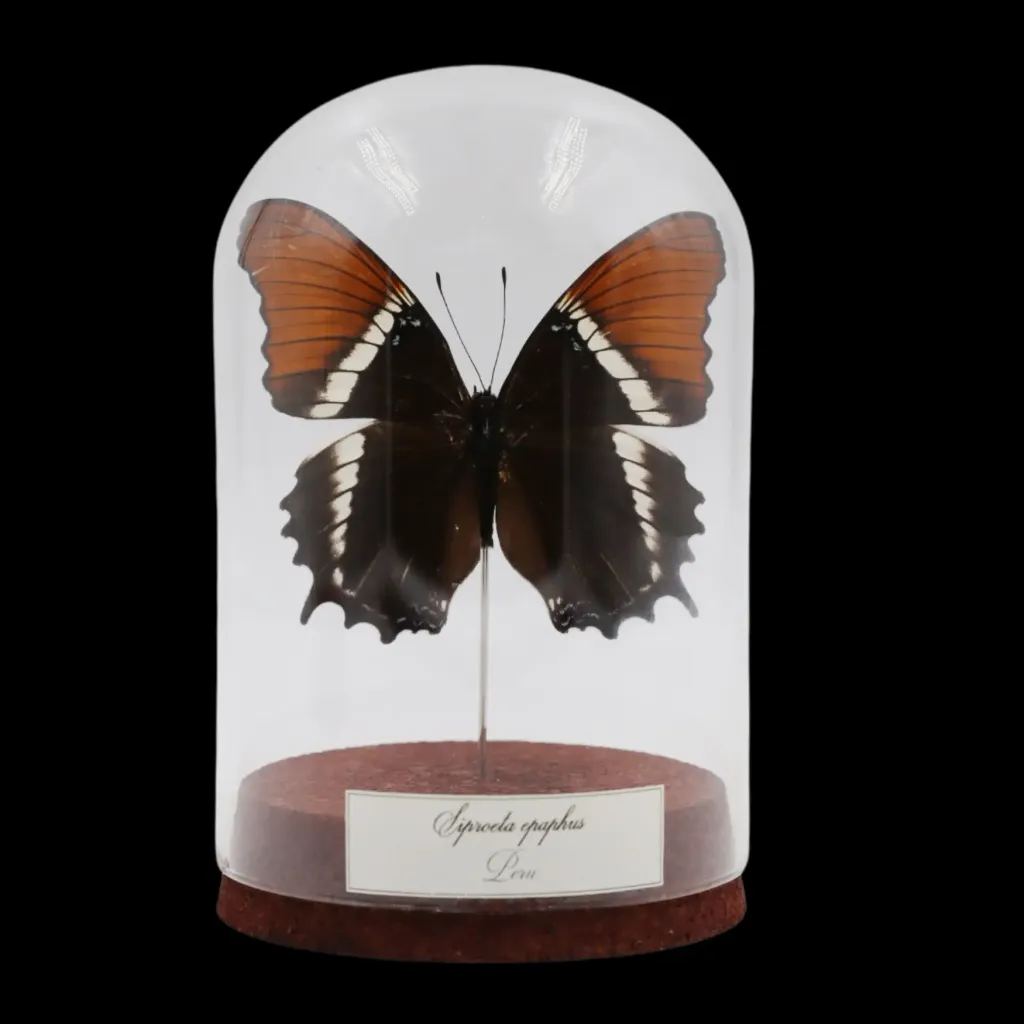
350,00 AEDفراشة من نوع «Siproeta epaphus» داخل غطاء زجاجي – بيرو
Lot MT-1231
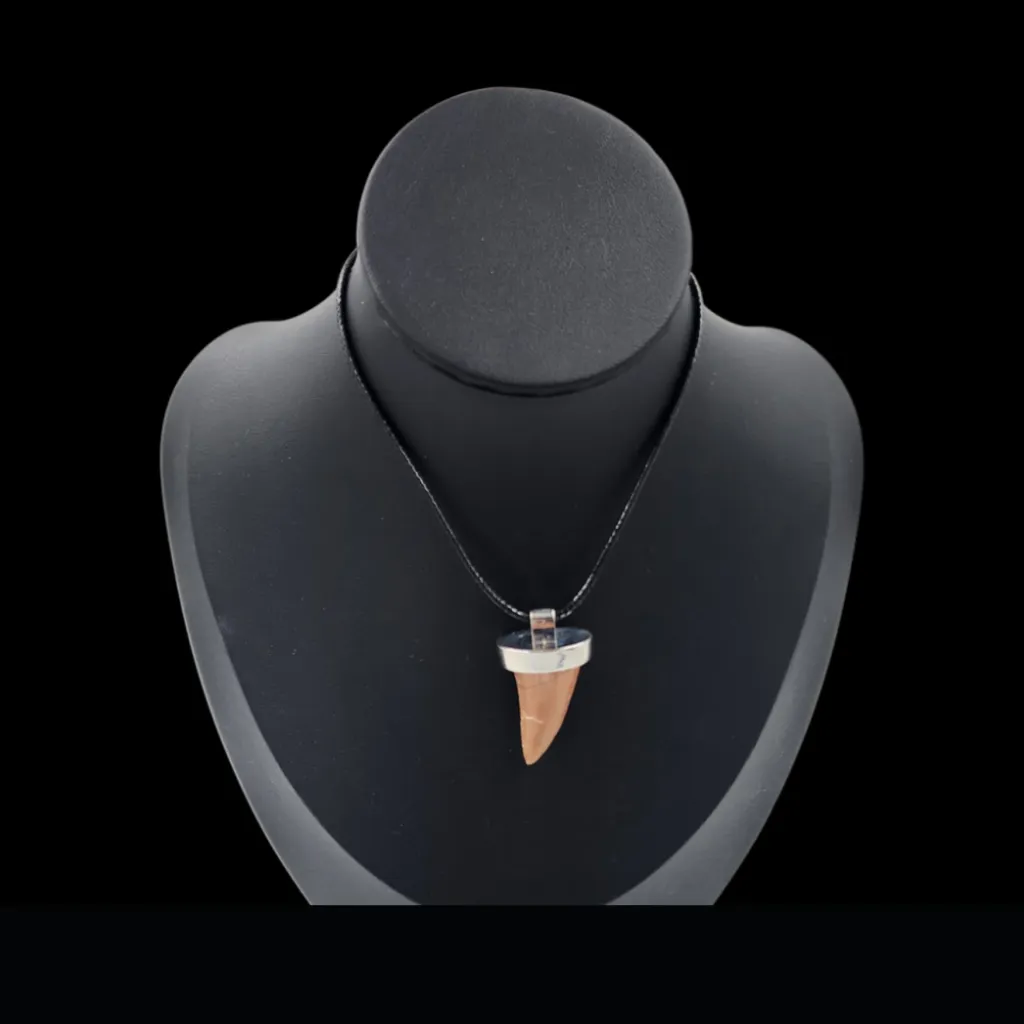
1 900,00 AED滄龍牙齒——7.9 克,高 2.1 厘米 x 1.6 厘米
Lot OMT01
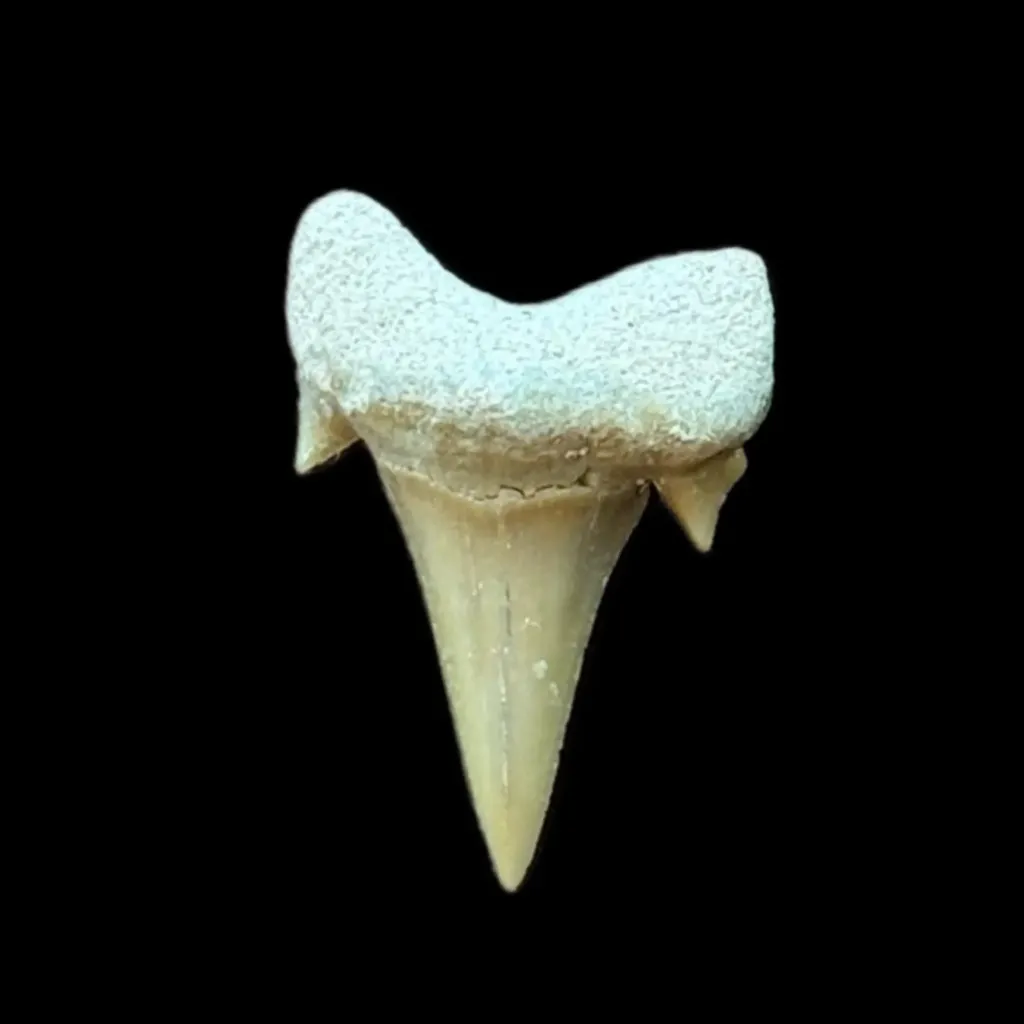
250,00 AEDPrehistoric Power: Authentic Otodus obliquus Tooth

Lot BGC-095
450,00 AEDDiaethria sp. على هندباء برية داخل ناقوس زجاجي، بيرو
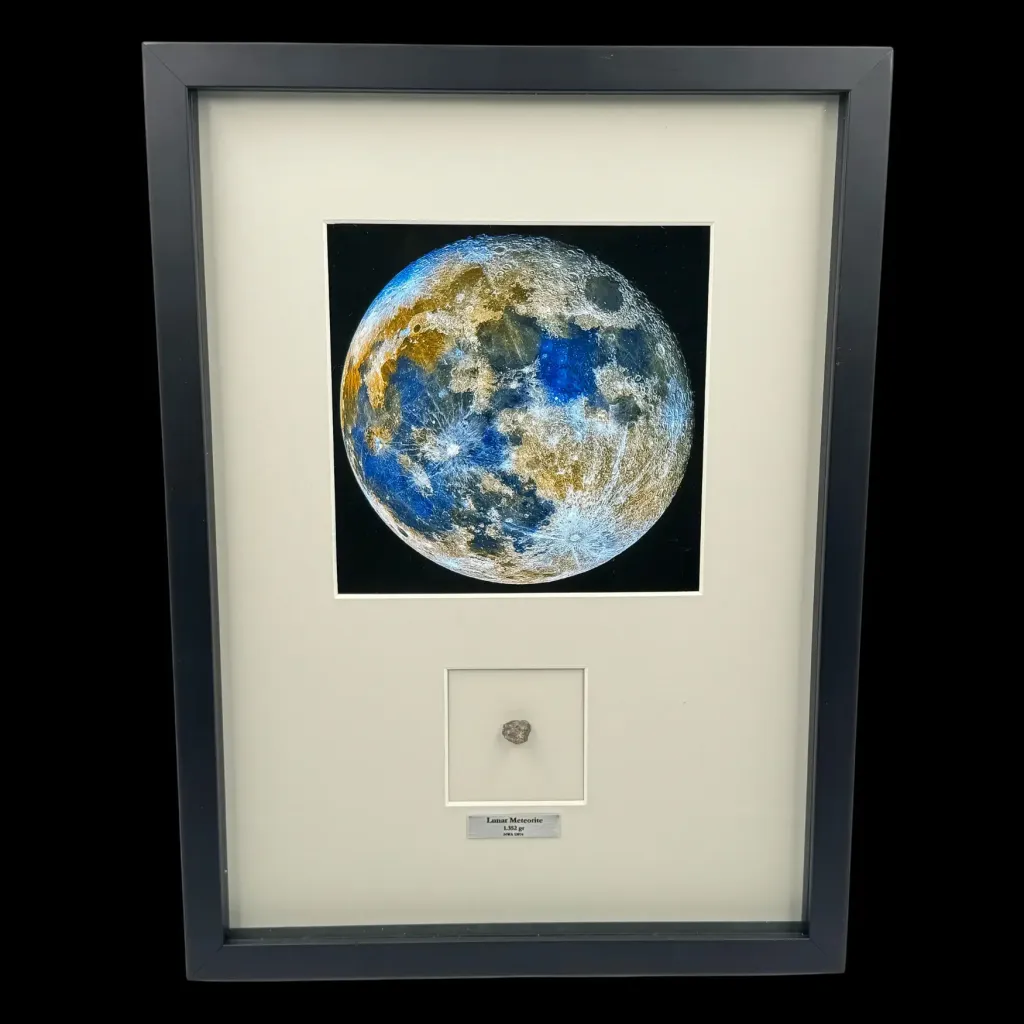
Lot LM-006
1 100,00 AED1.352 غرام من نيزك قمري «بيشار 003» – عينة قمرية في حالتها الأصلية

Lot BGC-124
450,00 AED乾花上的 Callimorpha dominula,玻璃罩裝 12 厘米,歐洲

Lot WPB1
294 000,00 AEDسجادة من فرو الدب القطبي بلون كريمي، كندا
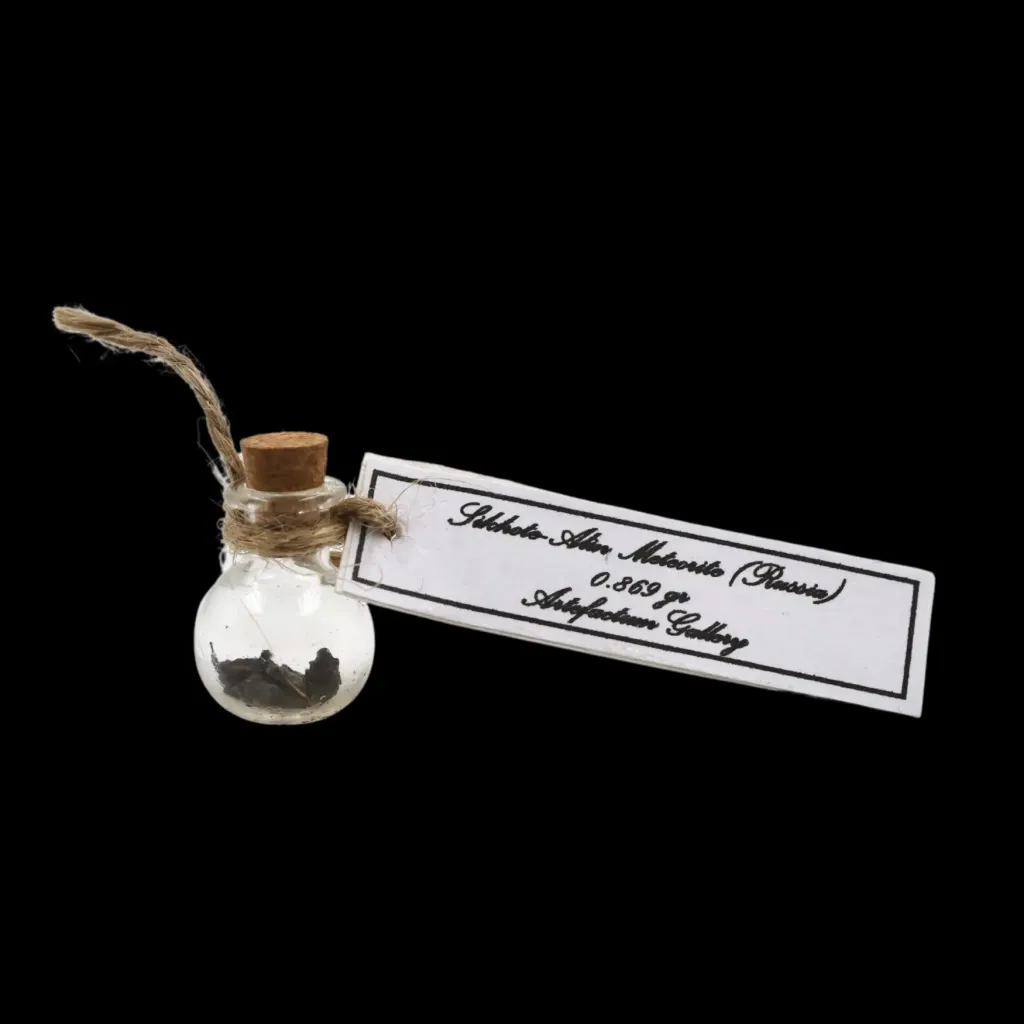
Lot SA-017
80,00 AED0.869 g Sikhote-Alin meteorite in sealed round bottle