



Specifications:
Location:
Africa
Size:
46 × 15 × 14 cm
Age:
Late 19th - early 20th century
Material:
Wood
Available in Dubai
11 000,00 AED

Lot Essay
Delivery
Description: This striking ceremonial mask originates from the Fang cultural tradition of Gabon in Central Africa and belongs to the distinctive sculptural type associated with the Ngil society. Carved from a single elongated piece of wood, the mask is characterized by an exceptionally narrow oval face, a high rounded forehead, dramatically arched brows, small pierced eye openings, and a long projecting nose that dominates the composition. A fine dark vertical line descends from the upper forehead toward the bridge of the nose, while sweeping black contours frame the upper facial area. The pale surface, traditionally associated with white mineral pigment such as kaolin, creates a powerful contrast with the dark linear details and sculpted nose. The deliberately simplified features give the mask an austere, almost otherworldly expression characteristic of Fang Ngil imagery.
Rarity and Value: Historic Ngil masks are among the most recognizable and sought-after sculptural forms of Fang art. Their rarity is closely connected with the disappearance of the Ngil institution during the early decades of the 20th century, when colonial authorities suppressed its activities and the ceremonial use of these masks gradually ceased. Museum collections preserve comparatively few early, well-documented examples. An important Fang Ngil mask in the British Museum was already collected in the 1890s, demonstrating that this elongated white-faced type was firmly established by the end of the 19th century. The historical and artistic value of such masks depends on the quality and individuality of the carving, age, surface preservation, traces of use, pigment, patina, and documented provenance. Their radically reduced facial architecture – particularly the long vertical nose, narrow eyes, broad forehead, and pale surface – also gave Fang masks an important place in the wider appreciation of African sculpture in European collections during the early 20th century.
Discovery: The Fang peoples traditionally inhabited a broad region extending across present-day northern Gabon, mainland Equatorial Guinea, and southern Cameroon. Among Fang communities, the Ngil was a powerful male association whose initiated members exercised political, judicial, and protective functions. Historical accounts describe its members as mediators in conflicts between clans, investigators of wrongdoing, and figures responsible for identifying threats believed to arise from sorcery, poisoning, or other malevolent acts. During ceremonial appearances, the mask formed part of a much larger visual ensemble and was worn with a costume that could include raffia and plant fibres. Performances often took place at night or in low light, increasing the dramatic effect of the elongated pale face. The use of white pigment was particularly significant: museum scholarship relates the pale surface of Ngil masks to ancestral or spirit imagery, helping transform the wearer into an imposing supernatural presence rather than simply concealing his identity.
Human Touch: The remarkable strength of this mask lies in the economy of its carving. Rather than modelling the face naturalistically, the sculptor reduced it to a sequence of powerful lines and volumes: the uninterrupted oval contour, the raised central ridge, the narrow eye openings, the broad black arches, and the deeply projecting dark nose. Small irregularities in the carved surface, variations in the pale coating, areas of discoloration, and accumulated wear give the object a tactile historical character. The surface also retains a distinctive warm, smoky-organic scent, suggestive of prolonged exposure to hearth smoke, natural oils, waxes, organic materials, or traditional storage conditions. Such sensory traces form part of the physical history of a wooden object and add another dimension to its aged surface, although scent alone should never be regarded as evidence of dating. Created to function within a powerful ceremonial performance rather than as a purely decorative sculpture, the mask preserves the dramatic visual language for which Fang Ngil art became renowned.
Delivery
Brought to you by

Need more details?
Lot ATT-0001
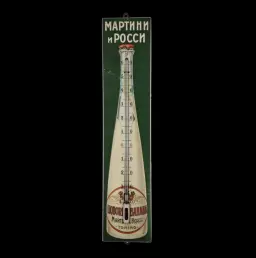
7 700,00 AEDVintage thermometer with an advertisement for the “Martini & Rossi” brand, Europe, 1890–1910
Lot BK-002
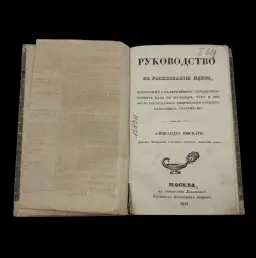
16 400,00 AEDGuide to Identifying Poisons and Antidotes – Dr. Alexander Yuvsky, 1834

Lot DS1
17 300,00 AEDHeritage Clock: Oasis – Timeless Blend of Luxury and Tradition

Lot CL-019
4 400,00 AED19th-Century Colonial Spectacles in Wooden Case – Vision of Elegance and History
Lot ARF-018
5 500,00 AEDContemporary Chokwe Pwo (Mwana Pwo) Female Mask

Lot SCW-1
750,00 AEDMechanical Stopwatch – Precision Instrument of the Mid-20th Century
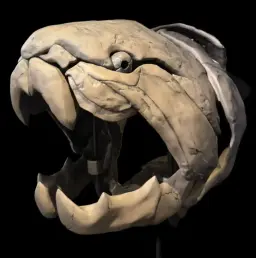
Lot WVK82
44 000,00 AEDPrehistoric Titan: Rare Dunkleosteus Fossil Replica from the Devonian Seas
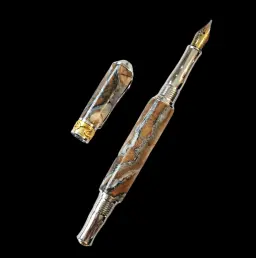
Lot FSL-021
Fossil Mammoth Molar Fountain Pen with Parker Hardware
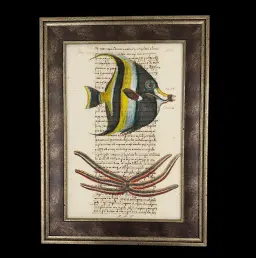
Lot ARF-006
1 450,00 AEDPainting on Ancient Manuscript – Marine Animals
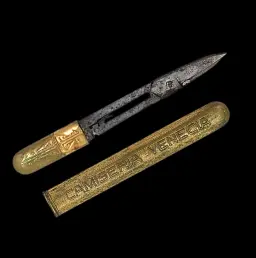
Lot ARF-009
950,00 AEDItalian Folding Pocket Scissors “CAVISERVA Venezia”
Enquiry
Lot ARF-017
Thank you for your interest. Please fill out the below form, and our specialist will follow up with you shortly.
Thank you for your interest
We will be in touch shortly
We will never pass your personal information to anyone outside of Artefactum Gallery for their own marketing purposes without your consent. For more information about how we processes your data, please click here to read our Privacy Notice.
Brought to you by

Enquiry
Thank you for your interest. Please fill out the below form, and our specialist will follow up with you shortly.
Thank you for your interest
We will be in touch shortly
We will never pass your personal information to anyone outside of Artefactum Gallery for their own marketing purposes without your consent. For more information about how we processes your data, please click here to read our Privacy Notice.
