


Natural History Museum Abu Dhabi Review: Everything You Need to Know
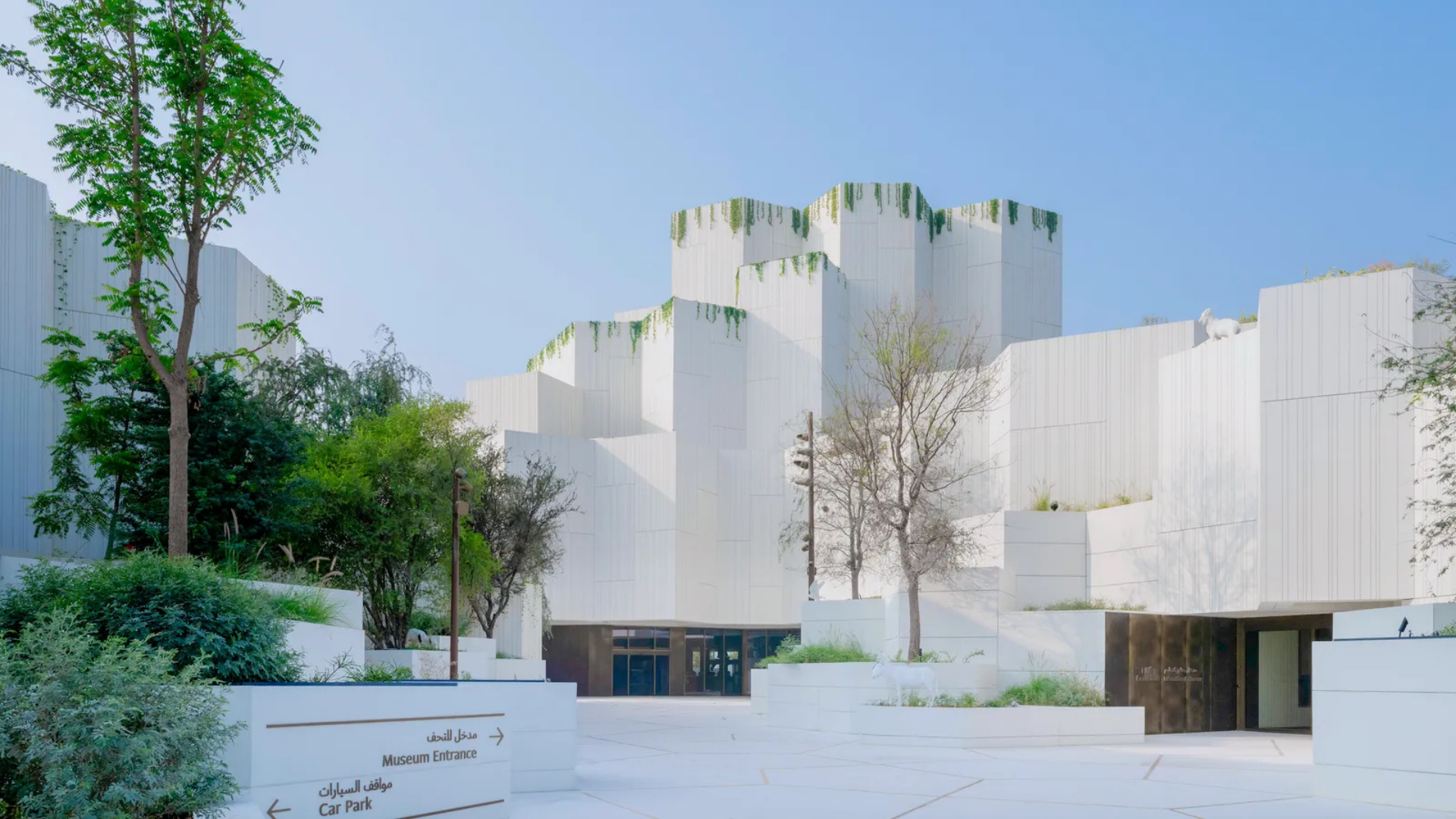
The upcoming Natural History Museum Abu Dhabi has already attracted enormous attention from travelers, scientists, educators, and museum enthusiasts around the world. Long before opening its doors, the project has been recognized as one of the most ambitious cultural developments in the Middle East and a major addition to the UAE’s rapidly expanding museum landscape.
Unlike traditional historical museums that focus primarily on human civilizations, political events, or artistic heritage, the Natural History Museum Abu Dhabi is designed to tell the story of the natural world itself. Visitors will be able to explore the origins of the universe, the formation of Earth, the evolution of life, prehistoric ecosystems, meteorites from outer space, and the remarkable biodiversity of the Arabian Peninsula. This broad scientific scope distinguishes the museum from many other cultural institutions in the region.
The museum is expected to become one of the most important educational attractions in the UAE. Through a combination of scientific research, immersive exhibitions, interactive technologies, and world-class collections, it will provide visitors with a deeper understanding of nature and humanity’s place within the history of our planet.
For travelers planning an itinerary across the Emirates, the Natural History Museum Abu Dhabi deserves serious consideration. Whether visitors are interested in dinosaurs, astronomy, geology, evolution, or environmental science, the museum promises an experience unlike any other museum in Abu Dhabi. Families, students, and curious travelers searching for meaningful things to do in Abu Dhabi will likely find it among the most rewarding attractions in the country.
What Is Natural History Museum Abu Dhabi?
The Natural History Museum Abu Dhabi is a major cultural and scientific institution currently being developed as part of the UAE’s long-term vision for education, research, and cultural enrichment. Located on Saadiyat Island, the museum is intended to become one of the flagship attractions within Abu Dhabi’s internationally recognized cultural district.
The concept behind the museum extends far beyond displaying fossils and geological specimens. Instead, the institution seeks to present the complete story of the natural world, beginning with the origins of the universe and continuing through billions of years of cosmic, geological, biological, and human development.
The project forms part of Abu Dhabi’s broader investment in cultural infrastructure. Over recent years, the emirate has established itself as a leading destination for museums, education, and heritage preservation. The Natural History Museum Abu Dhabi will complement existing institutions while introducing a strong scientific dimension to the region’s cultural offerings.
Among UAE museums, the project stands out because of its scale and multidisciplinary approach. By combining paleontology, astronomy, geology, environmental science, and natural history under one roof, the museum aims to become one of the largest and most comprehensive institutions of its kind in the Middle East.
The museum will also play a significant role within the cultural development of Saadiyat Island attractions. Together with neighboring institutions, it will help transform the island into one of the world’s leading destinations for culture, education, and knowledge.
Why Natural History Museum Abu Dhabi Is Important
The significance of the Natural History Museum Abu Dhabi extends well beyond tourism. At its core, the institution is designed as a center for education, scientific engagement, and public understanding of the natural world.
One of the museum’s primary goals is to inspire curiosity and lifelong learning. Through carefully designed exhibitions, visitors will be encouraged to explore scientific questions about the universe, the Earth, and the evolution of life. This educational mission makes the museum particularly valuable for students and younger generations.
The project also reflects the UAE’s commitment to supporting science and research. As a natural history museum UAE residents and international visitors can access, it will help promote scientific literacy while encouraging interest in fields such as geology, paleontology, environmental studies, and astronomy.
International collaboration represents another important aspect of the museum. The institution is expected to work with leading scientific organizations, researchers, and museums worldwide. Such partnerships will allow visitors to experience internationally significant collections while ensuring that exhibitions meet the highest scientific standards.
In many respects, the museum functions as both a cultural institution and a science museum Abu Dhabi can proudly present on the global stage. By combining education with entertainment, it has the potential to become one of the most influential scientific attractions in the region.
The Architecture of Natural History Museum Abu Dhabi

Even before visitors enter the museum, the building itself is expected to make a powerful impression. The architecture has been designed to reflect natural forms and geological processes, creating a visual connection between the structure and the themes explored inside.
Renderings reveal a striking futuristic design inspired by natural formations shaped over millions of years. The building’s flowing geometry appears to emerge organically from the landscape, echoing patterns found in rock formations, desert environments, and geological structures.
This approach distinguishes the museum from conventional institutional architecture. Rather than presenting a purely functional structure, the design communicates the museum’s mission through its physical form. Visitors encounter the themes of nature, time, and transformation before they even begin exploring the exhibitions.
The building will also play an important role within the broader Saadiyat Island cultural district. Its location alongside other major cultural institutions creates a dynamic environment where art, history, science, and heritage coexist within a single destination.
Architecturally, the Natural History Museum Abu Dhabi represents another example of the UAE’s ambition to combine innovation with cultural development. The structure is expected to become a landmark in its own right and one of the most recognizable Abu Dhabi cultural attractions.
What to See Inside Natural History Museum Abu Dhabi
The museum’s exhibitions are designed to guide visitors through an extraordinary journey spanning billions of years. Rather than focusing on a single period or subject, the galleries will connect multiple scientific disciplines to create a comprehensive narrative about the universe and life on Earth.
The Story of the Universe
The visitor experience begins with the origins of the cosmos itself. Through immersive exhibitions, visitors will explore the formation of the universe following the Big Bang and trace the development of galaxies, stars, and planetary systems across billions of years.
Advanced multimedia presentations are expected to illustrate complex astronomical concepts in an accessible and engaging manner. These galleries will help visitors understand the immense timescales involved in cosmic evolution and the processes that ultimately led to the formation of our own solar system.
The exhibition will place humanity within a much larger cosmic context, encouraging visitors to consider the extraordinary chain of events that made life on Earth possible.
The History of Planet Earth
From the origins of the universe, the narrative continues with the formation of Earth itself. Visitors will explore geological processes that shaped the planet, including volcanic activity, continental movement, climate change, and the development of oceans and atmospheres.
The exhibition will highlight major geological eras and explain how environmental transformations influenced the emergence and evolution of life. Through fossils, geological specimens, and interactive displays, visitors will gain a deeper understanding of Earth’s long and dynamic history.
By presenting these processes in a visually engaging format, the museum aims to make geological science accessible to audiences of all ages.
Dinosaur Exhibits
Among all planned exhibitions, the dinosaur galleries are expected to become some of the most popular attractions within the Natural History Museum Abu Dhabi. Dinosaurs continue to fascinate visitors of all ages, and the museum aims to present these prehistoric animals through a combination of authentic fossils, scientific interpretation, immersive environments, and interactive technologies.
The galleries will explore the age of dinosaurs across millions of years, illustrating how these animals evolved, adapted, and dominated terrestrial ecosystems before their eventual extinction. Visitors will learn about different dinosaur species, their habitats, feeding behaviors, and evolutionary relationships.
Unlike traditional fossil displays that focus solely on skeletal remains, the museum intends to create a more comprehensive experience. Through digital reconstructions, educational media, and interactive exhibits, visitors will be able to visualize prehistoric ecosystems and better understand the environments in which dinosaurs lived.
This section is expected to establish the institution as a leading dinosaur museum Abu Dhabi visitors can experience, while also contributing to broader public interest in paleontology and Earth sciences.
The Rare Stan Dinosaur Skeleton
One of the most anticipated highlights of the museum is the famous Tyrannosaurus rex known as Stan. Recognized internationally as one of the most complete and scientifically important T. rex specimens ever discovered, Stan has become a legendary figure within the world of paleontology.
The skeleton preserves a remarkable percentage of the original fossil material, allowing researchers to study the anatomy and biology of one of history’s most iconic predators. Scientific investigations conducted using Stan have contributed significantly to our understanding of Tyrannosaurus rex behavior, growth patterns, injuries, and physiology.
For museum visitors, the opportunity to see Stan in person represents a rare and memorable experience. The enormous scale of the skeleton provides a powerful visual reminder of the extraordinary creatures that once inhabited the Earth.
The display will likely serve as one of the museum’s signature attractions and a major draw for both international tourists and local visitors. Few exhibits have the ability to generate excitement across generations in the same way as a genuine Tyrannosaurus rex skeleton.
The Murchison Meteorite
Another globally significant object expected to be featured in the museum is the famous Murchison meteorite. This extraordinary meteorite fell in Australia in 1969 and quickly became one of the most studied extraterrestrial materials ever recovered.
Scientists regard the Murchison meteorite as exceptionally important because it contains organic compounds that provide clues about the chemical building blocks of life. Research conducted on samples from the meteorite has helped scientists explore fundamental questions regarding the origins of life on Earth and the distribution of organic molecules throughout the universe.
The inclusion of the meteorite demonstrates the museum’s commitment to presenting scientific discoveries that extend beyond Earth itself. Visitors will have the opportunity to examine an object that originated in space and contributed to some of the most important scientific investigations of the modern era.
Its presence also strengthens the museum’s role as a science museum Abu Dhabi can position among leading educational institutions worldwide.
Life Through the Ages
One of the museum’s central narratives follows the evolution of life across billions of years. This section will guide visitors through major stages of biological development, beginning with the earliest forms of life and continuing through increasingly complex organisms.
The galleries will illustrate how life adapted to changing environmental conditions, survived mass extinction events, and diversified into the extraordinary variety of species that have existed throughout Earth’s history. Visitors will encounter examples of extinct organisms alongside explanations of evolutionary processes that shaped life over time.
Special attention is expected to be given to major transitions, including the emergence of multicellular organisms, the development of vertebrates, the rise of terrestrial ecosystems, and the evolution of mammals. Through fossils, scientific models, and immersive displays, the exhibition will demonstrate how life continually adapts to changing conditions.
By connecting paleontology, biology, and environmental science, this section helps visitors understand the dynamic nature of life on Earth and the long evolutionary journey that ultimately led to modern ecosystems.
Arabian Natural History Gallery
Among the most important galleries for regional visitors will be the Arabian Natural History Gallery. While many natural history museums focus primarily on global themes, this exhibition highlights the unique natural heritage of the Arabian Peninsula and its surrounding environments.
The gallery will showcase the flora and fauna that have adapted to some of the world’s most challenging environmental conditions. Visitors will learn about desert ecosystems, mountain habitats, coastal environments, and marine biodiversity that characterize the region.
Particular emphasis is expected to be placed on rare and endangered species. Through scientific displays and educational presentations, the gallery will demonstrate how plants and animals survive in arid climates while highlighting conservation efforts aimed at protecting vulnerable ecosystems.
The exhibition also provides an opportunity to explore prehistoric life UAE researchers have uncovered through fossil discoveries and scientific investigation. By connecting ancient ecosystems with contemporary biodiversity, the gallery creates a comprehensive picture of environmental change across millions of years.
For many visitors, this section may prove especially meaningful because it links global scientific themes directly to the landscapes and wildlife of the Arabian Peninsula.
Interactive Science Experiences
The Natural History Museum Abu Dhabi is being designed as a highly interactive institution rather than a traditional collection of static displays. Technology will play a central role in helping visitors engage with scientific concepts and explore complex topics in an accessible manner.
Interactive installations are expected to include immersive digital environments, educational simulations, touchscreen displays, and multimedia experiences that encourage active participation. Rather than simply observing exhibits, visitors will be able to explore scientific processes, manipulate digital models, and interact with educational content.
These experiences are particularly valuable for younger audiences. Children and teenagers often learn most effectively through participation, and the museum’s educational design reflects contemporary approaches to science communication and museum interpretation.
The use of advanced technologies will also help explain subjects that are otherwise difficult to visualize. Cosmic evolution, geological processes, biological adaptation, and environmental change can all be presented through engaging interactive experiences that make abstract scientific concepts easier to understand.
By combining scientific rigor with innovative presentation methods, the museum aims to establish itself among the most advanced educational attractions Abu Dhabi has to offer. The result should be an institution capable of inspiring curiosity, encouraging discovery, and fostering a deeper appreciation for the natural world among visitors of all ages.
Why Families Should Visit Natural History Museum Abu Dhabi

One of the museum’s greatest strengths is its family-friendly design. Children will be drawn to dinosaurs, fossils, meteorites, and interactive exhibits, while teenagers can explore topics such as astronomy, geology, biology, and environmental science. Through immersive displays and hands-on experiences, the museum combines education with entertainment, making it one of the most attractive family attractions Abu Dhabi is expected to offer.
Natural History Museum Abu Dhabi vs Other UAE Museums
While Louvre Abu Dhabi focuses on art and cultural exchange, Zayed National Museum explores the history and identity of the UAE, and the Museum of the Future examines innovation and emerging technologies. The Natural History Museum Abu Dhabi takes a different approach, concentrating on the origins of the universe, Earth, life, and the natural world. Together, these institutions offer complementary experiences that showcase the diversity of UAE museums.
Who Should Visit Natural History Museum Abu Dhabi?
Families with Children
The museum has been designed with families in mind. Dinosaur skeletons, interactive science experiences, multimedia installations, and hands-on educational exhibits make learning enjoyable for children of different ages while giving parents an opportunity to explore the natural sciences together.
Science Enthusiasts
Visitors with an interest in astronomy, geology, paleontology, biology, and environmental science will appreciate the museum’s research-based exhibitions and internationally significant collections. The combination of authentic specimens and modern interpretation creates an engaging scientific experience.
Nature Lovers
The Arabian Natural History Gallery and biodiversity exhibitions offer fascinating insight into the ecosystems of the Arabian Peninsula. Visitors interested in wildlife, conservation, and environmental change will find this section especially rewarding.
Students and Researchers
Students, educators, and researchers can benefit from the museum’s educational mission, scientific content, and collaboration with leading international institutions. The exhibitions provide an accessible introduction to complex scientific concepts while highlighting current research in natural history.
Tourists Exploring the UAE
For international visitors planning a broader itinerary across the Emirates, the museum complements other cultural attractions on Saadiyat Island and offers one of the most distinctive educational experiences available in the country. It is an excellent addition for travelers seeking museums in Abu Dhabi beyond traditional art and history collections.
Can You Visit Natural History Museum Abu Dhabi from Dubai?
Absolutely. One of the reasons the museum is expected to attract large numbers of visitors is its accessibility from Dubai. The distance between Dubai and Abu Dhabi makes the museum a practical day trip from Dubai for tourists staying in the neighboring emirate.
Travel by car is straightforward thanks to the modern highway network connecting the two cities. Depending on traffic conditions and departure location, the journey typically takes around one to one and a half hours.
Many organized tours already connect major attractions in Abu Dhabi with visitors based in Dubai, and it is likely that future tourism programs will include the museum as part of broader cultural itineraries.
For travelers researching museums near Dubai, the Natural History Museum Abu Dhabi will likely become one of the most attractive options. The combination of world-class exhibitions and relatively easy access makes it an ideal destination for a full-day excursion.
Visitors planning what to see in Dubai may also wish to include neighboring cultural attractions in Abu Dhabi as part of a broader UAE itinerary. The short travel distance allows tourists to experience both cities during a single trip without difficulty.
Why Natural History Museum Abu Dhabi Could Become One of the Best Museums in the Middle East

Several factors suggest that the museum may emerge as one of the leading cultural institutions in the region.
First, the scale of the project is extraordinary. Few museums in the Middle East attempt to tell the complete story of the universe, Earth, and life through such a comprehensive scientific framework.
Second, the planned collections include internationally significant objects such as the Stan Tyrannosaurus rex skeleton and the Murchison meteorite. These exhibits alone would attract attention from visitors worldwide.
Third, the museum combines scientific rigor with immersive visitor experiences. By integrating advanced technology with authentic specimens and research-based interpretation, it reflects the most progressive trends in modern museum design.
Finally, its location within the Saadiyat Island cultural district places it among some of the region’s most important cultural institutions. This concentration of world-class museums strengthens Abu Dhabi’s position as a major international destination for education and culture.
Is Natural History Museum Abu Dhabi Worth Visiting?
Based on the announced collections, scientific significance, and scale of the project, the answer is undoubtedly yes.
The museum offers several important advantages. Visitors will have access to globally significant scientific collections, including dinosaur fossils, meteorites, geological specimens, and interactive educational exhibits. The broad range of topics ensures that audiences with different interests can find something engaging.
The family-friendly design makes the museum suitable for visitors of all ages, while the use of modern technologies enhances accessibility and learning. The focus on natural history also fills an important gap within the UAE’s museum landscape.
There are, however, some considerations. Because of its scientific focus, certain exhibitions may appeal more strongly to visitors interested in nature, science, and education than to those primarily seeking art or cultural history. Additionally, the size and complexity of the museum mean that visitors should allocate several hours to fully appreciate the exhibitions.
Overall, these considerations are minor compared to the museum’s strengths and educational value.
This Natural History Museum Abu Dhabi review demonstrates why the institution has generated such widespread anticipation. More than a traditional museum in Abu Dhabi, it represents a major scientific and cultural project designed to explore the story of the universe, Earth, life, and the natural heritage of the Arabian Peninsula.
Its combination of dinosaur fossils, the Stan Tyrannosaurus rex skeleton, the Murchison meteorite, interactive science experiences, and regional biodiversity exhibitions positions it among the most ambitious UAE museums ever developed. The museum’s educational mission, international partnerships, and innovative design further strengthen its appeal.
For travelers searching for meaningful things to do in Abu Dhabi and places to visit in Abu Dhabi, the museum is expected to become one of the city’s most important attractions. Families, students, science enthusiasts, and international tourists will all find compelling reasons to visit.
The answer to the central question is clear. The Natural History Museum Abu Dhabi has the potential to become one of the most visited museums in the Middle East because it combines world-class scientific collections, immersive educational experiences, and architectural excellence within a single destination. Any visitor planning a journey through the UAE should strongly consider including it in their itinerary.
Related Articles
Continue exploring the UAE’s cultural and scientific attractions with our other guides:
Other Articles
- Megalodon: The Largest Shark That Ever Lived
- Christie's Dubai Review: Exploring One of the World's Most Prestigious Auction Houses in the UAE
- Al Shindagha Museum Review: A Complete Guide to Dubai’s Heritage Museum
- Best Collections and Exhibits at Etihad Museum: What to See in Dubai
- What is a Fossil?
- Saruq Al Hadid Archaeology Museum Review: One of Dubai's Most Underrated Attractions
- Etihad Museum Review: Discover the Story Behind the United Arab Emirates
- Tyrannosaurus Rex: The True King of Dinosaurs
- Lost in Abu Dhabi: The “Stan” T. Rex Skeleton and the Wonders of NHMAD
- The Best Collections and Exhibits at Saruq Al Hadid Archaeology Museum
- Sotheby's Dubai Review: A Guide to Dubai's Premier Art and Collectibles Destination
- From Desert to Space: How NHMAD Tells the Story of Life on Earth — and Beyond
- Classification of Megalodon Teeth
- Opera Gallery Dubai Review: Discover One of Dubai's Leading International Art Galleries
- Zawyeh Gallery Dubai Review: A Must-Visit Art Space for Contemporary Middle Eastern Art
- Qasr Al Watan Review: A Complete Guide to Abu Dhabi's Presidential Palace and Cultural Landmark
- Best Collections and Exhibits at Al Shindagha Museum
- Beyond the Mammoth: Discover the Diverse Creatures of the Ice Age
- What Are Trilobites? Meet the Marine Pioneers of Earth's History
- Ammolite: The Ancient Gemstone with a Mesmerizing Rainbow Glow
- Sabertooth Secrets: Exploring the Fierce Predators of Prehistoric Times
- Dinosaurs Among Us
- Historica Auction Review: Exploring One of the Leading Auction Houses for Historical Collectibles and Rare Artifacts
- How Is the Age of Fossils Determined?
- Natural History Museum Abu Dhabi to open in November 2025 at Saadiyat Cultural District
- The Marine Dragons of the Mesozoic
- Dinosaurs - Records and Achievements
- The Best Collections and Exhibits at Natural History Museum Abu Dhabi: What Is Worth Seeing in the UAE's Most Ambitious Museum
- Louvre Abu Dhabi Review: A Complete Guide to the UAE's Most Famous Art Museum
- What Are Meteorites? A Beginner’s Guide to Space Rocks
- Giants of the Ancient World
- Qasr Al Hosn Review: A Complete Guide to Abu Dhabi's Oldest Historic Landmark
- Dinosaur Teeth
- Murchison : The Meteorite Older Than the Solar System — A Cosmic Icon of NHMAD
- NHMAD’s Role in Preserving Arabian Peninsula Heritage: Showcasing a Unique Natural Legacy
- XVA Gallery Review: A Hidden Art Gem in Historic Dubai
- Zayed National Museum Review: Discover the Story of the United Arab Emirates
- TP Auction Review: A Guide to One of the Most Fascinating Auction Houses for Collectors
- Other Articles
- An Architectural Masterpiece Inspired by Nature: A Journey Through the Design of NHMAD
- Discovering Ammonites: The Mysterious Fossils of Earth's Past

Lot BGC-036
350,00 AED玻璃罩中的 Haetera hypaesia——秘魯森林的幻影之翼
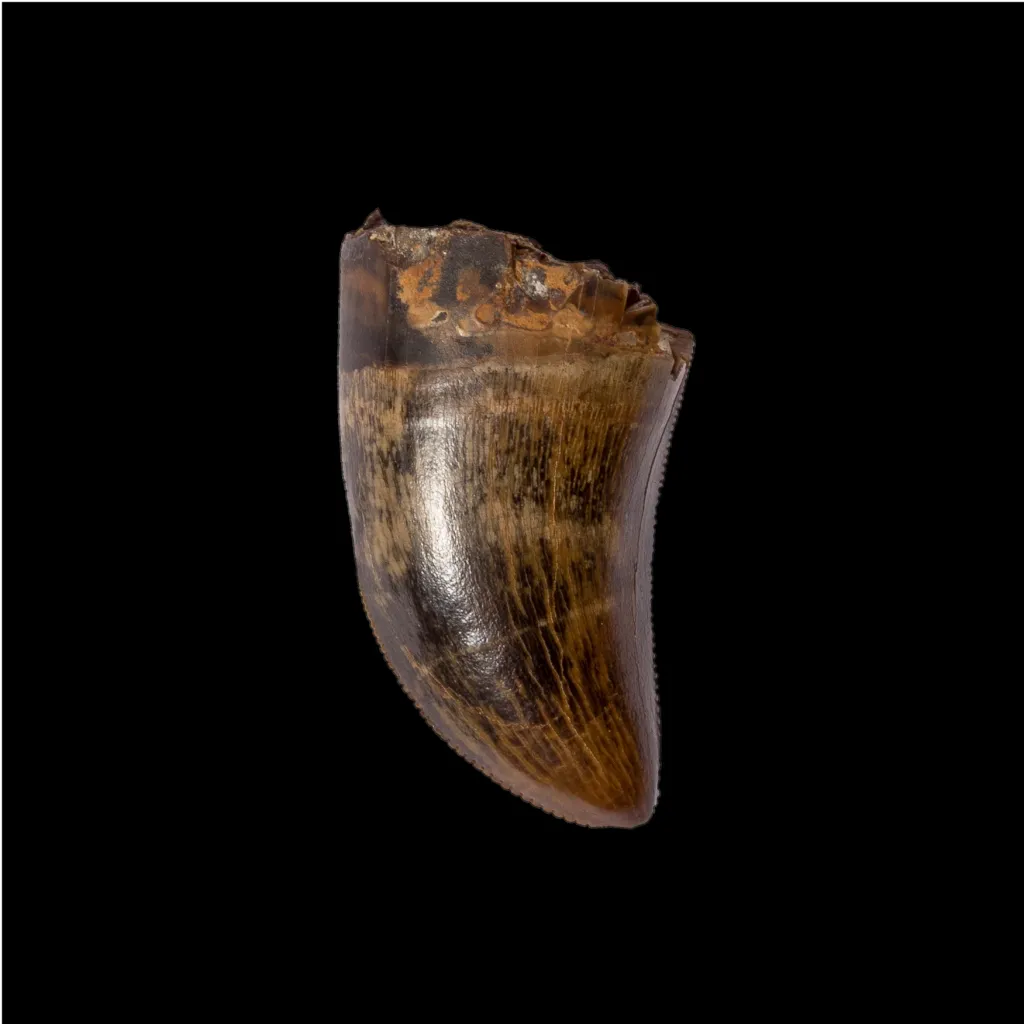
Lot TT11
27 000,00 AEDTyrannosaurus tooth
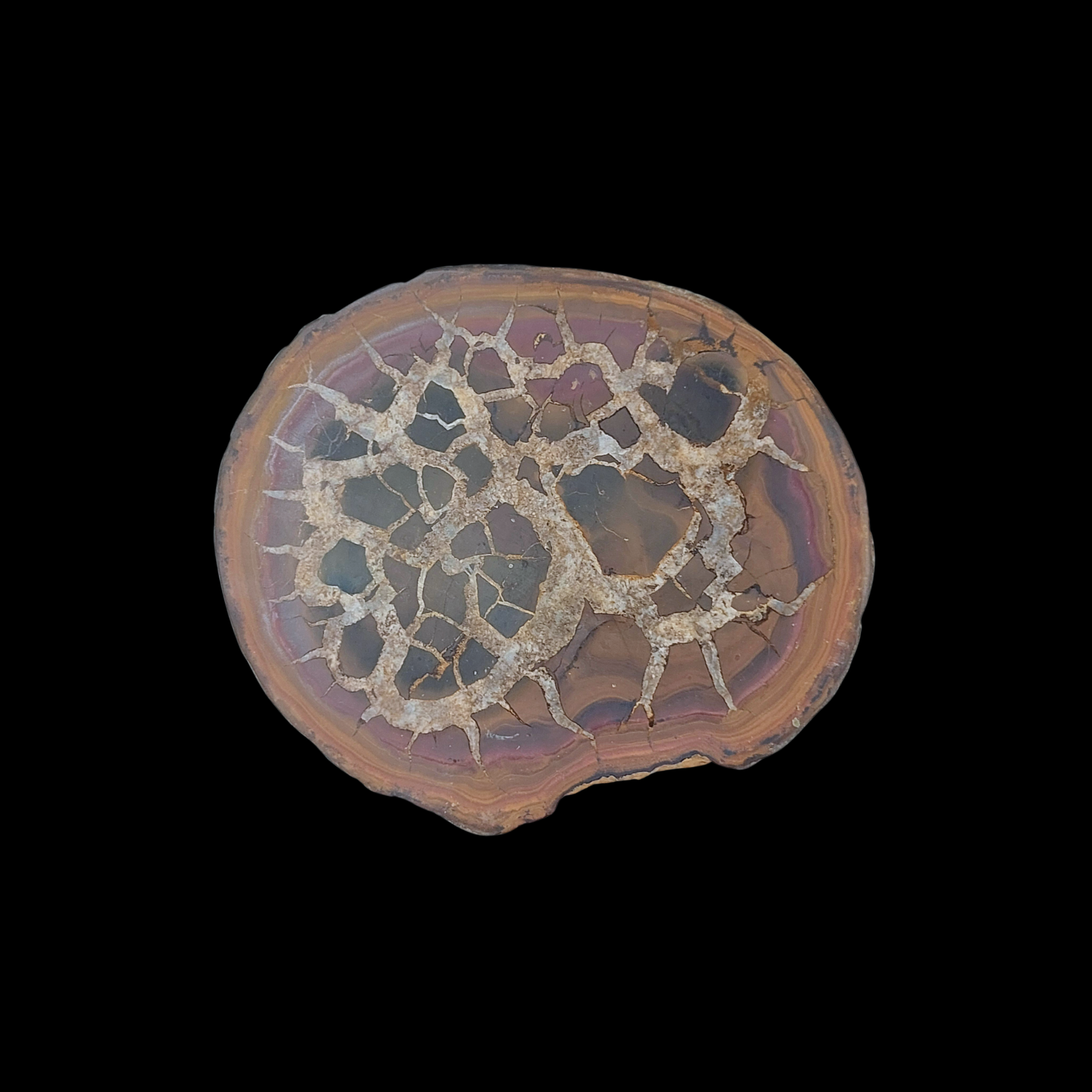
Lot MNR-010
800,00 AEDNatural Desert Septaria “Dragon Stone”, 155 gr

Lot SEA95-D
Stefan Steenkist Armchair – Timeless Elegance and Modern Craftsmanship
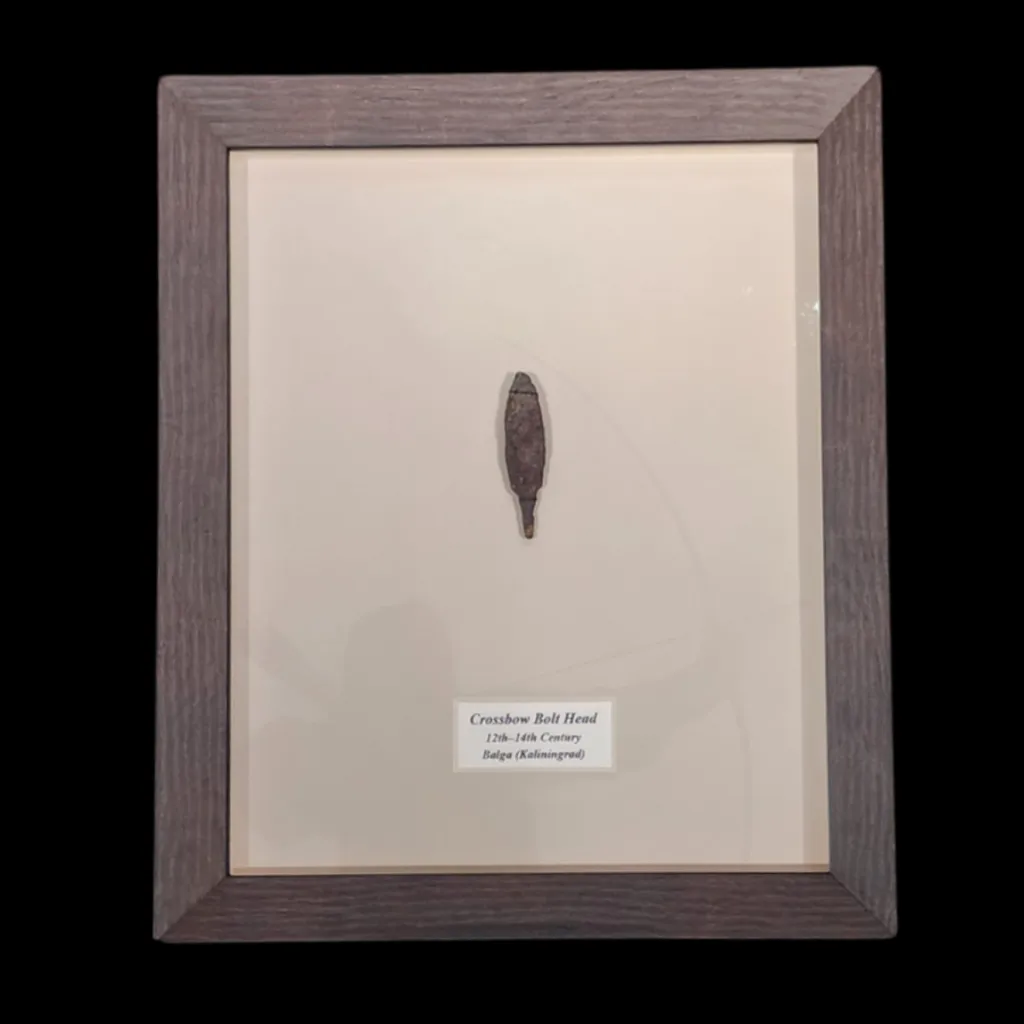
Lot AR-014D
900,00 AEDTeutonic Crossbow Bolt Tip (Balga) – A Legacy of the Crusader Knights

Lot BGC-088
450,00 AEDCallicore sp. on dandelion in glass cloche, Peru

Lot MBT-1
الغرير المحنط
Lot PH-001
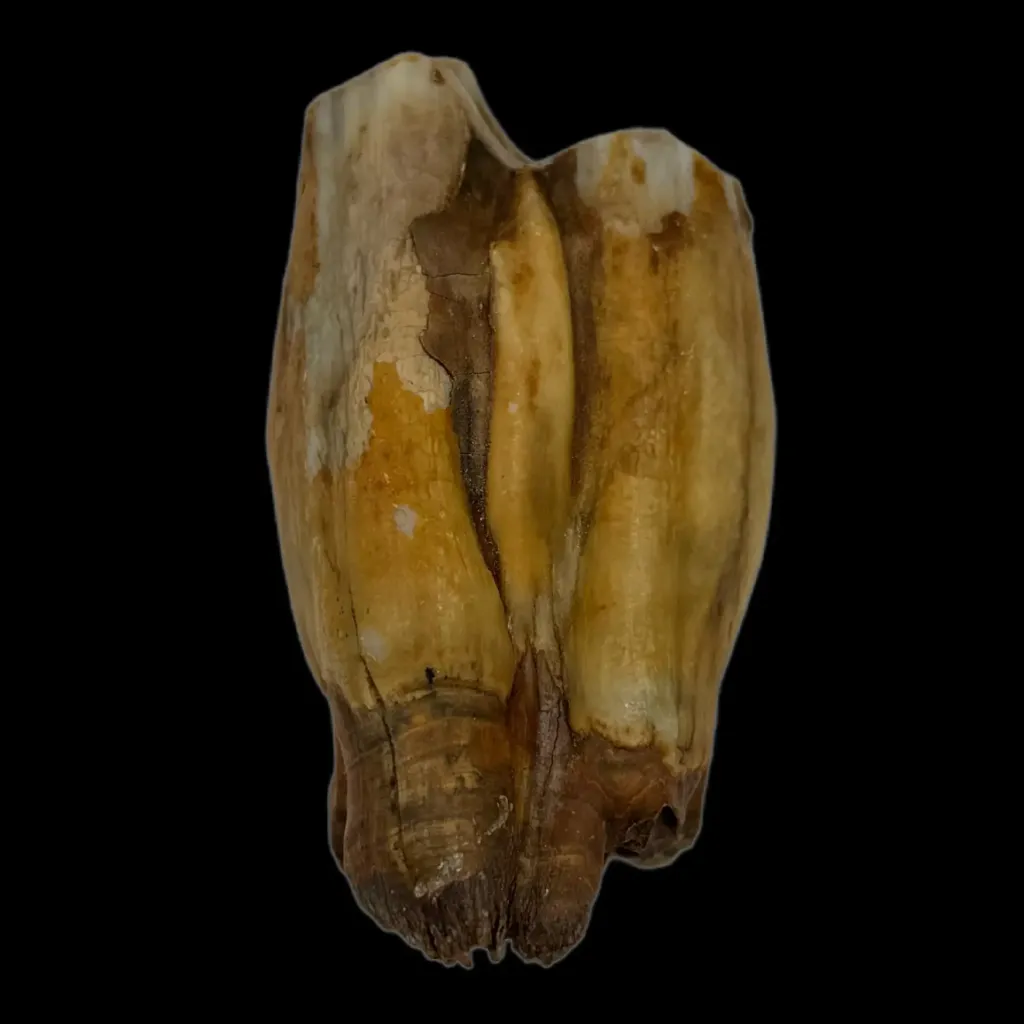
350,00 AEDFossilized Tooth of a Prehistoric Horse – Relic from the Siberian Past
Lot MT87
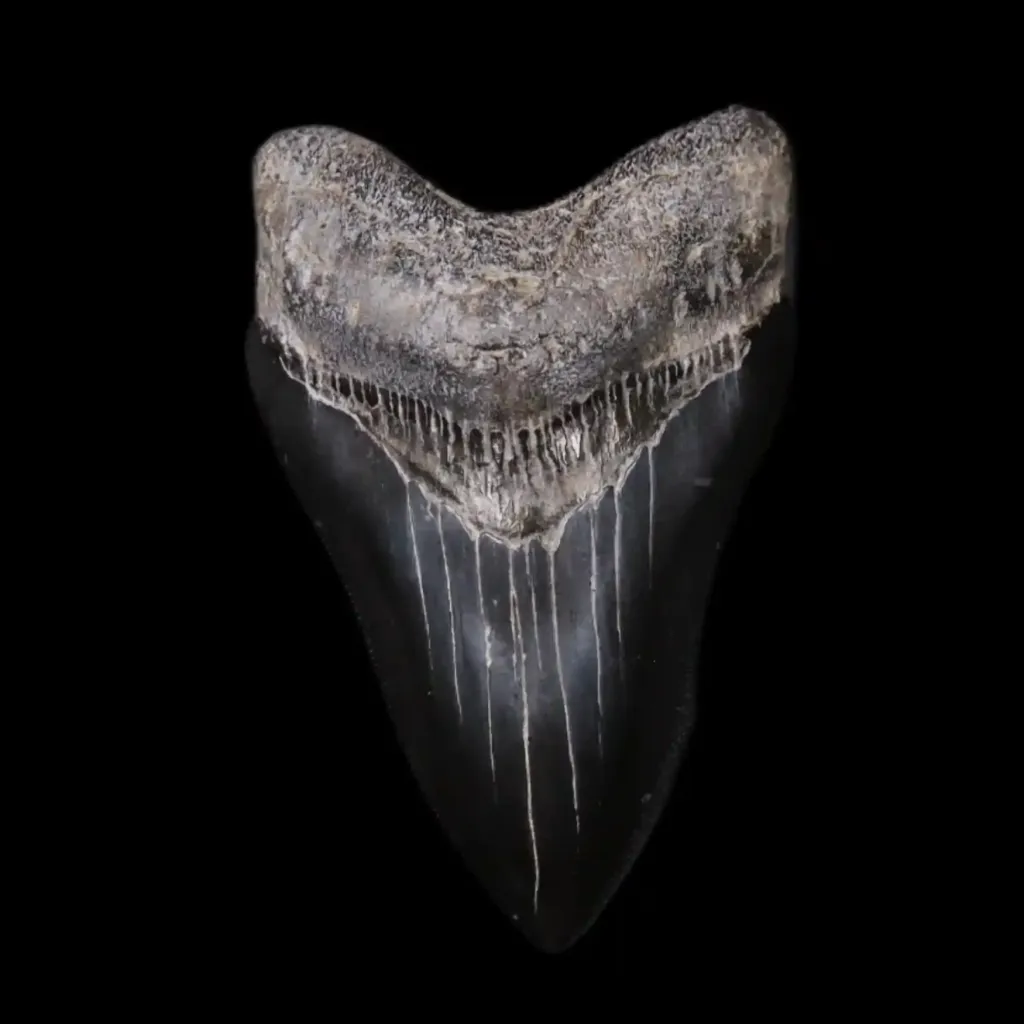
Megalodon Tooth, 90 gr, Museum quality, h 9.5 cm, circa 13 mln years old
Lot SM-032
صدرية من خزانة إلتون جون الشخصية
