


The Best Collections and Exhibits at Natural History Museum Abu Dhabi: What Is Worth Seeing in the UAE’s Most Ambitious Museum
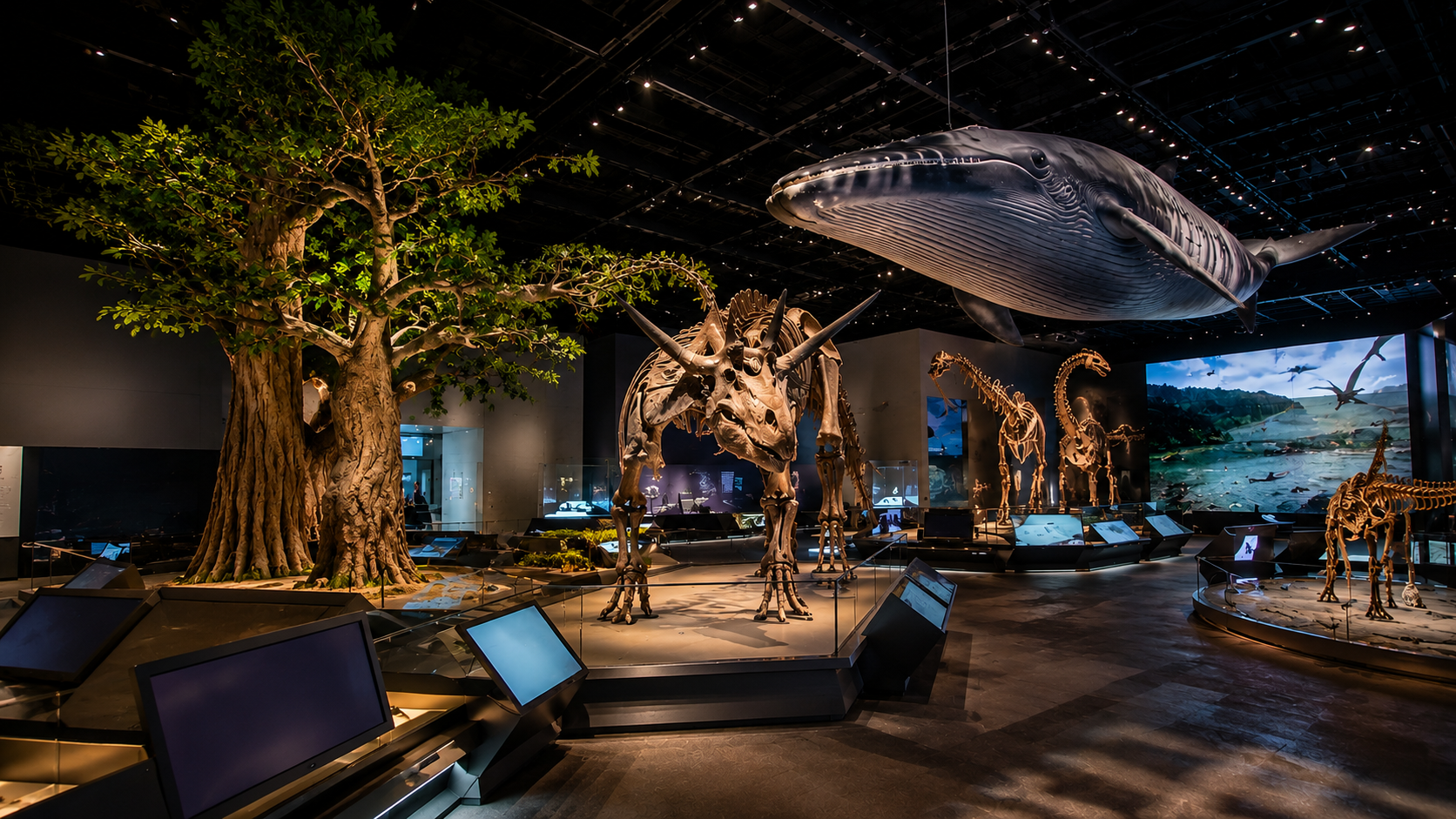
The Natural History Museum Abu Dhabi is widely regarded as one of the most anticipated cultural projects in the United Arab Emirates. Long before welcoming its first visitors, the museum has attracted international attention thanks to its ambitious vision, world-class scientific collections, and groundbreaking exhibitions dedicated to the history of the universe and life on Earth.
Unlike traditional art museums or historical institutions focused on human civilization, the Natural History Museum Abu Dhabi explores a much broader story. Its galleries are designed to take visitors on a journey from the origins of the cosmos to the development of modern ecosystems, presenting billions of years of scientific history through immersive displays, authentic specimens, and cutting-edge technology.
Several planned exhibits possess global significance. Internationally recognized fossils, meteorites, and scientific specimens are expected to place the museum among the most important natural history institutions in the region. For many travelers, these collections alone justify a dedicated visit to Abu Dhabi.
The museum is also expected to become one of the most popular things to do in Abu Dhabi for families, students, and science enthusiasts. Located within the growing cultural district of Saadiyat Island, it offers a compelling reason for visitors to expand their itinerary beyond traditional attractions. For travelers researching museums near Dubai, the museum is likely to become one of the most rewarding destinations in the UAE and an excellent addition to any cultural journey through the Emirates.
Why Natural History Museum Abu Dhabi Is Different from Other Museums in the UAE
What distinguishes the Natural History Museum Abu Dhabi from many other museums in the region is its scientific focus. Rather than concentrating on art, archaeology, or national history, the museum explores the natural processes that shaped the universe, Earth, and life itself.
The institution combines science, technology, education, and entertainment within a single destination. Visitors are expected to encounter immersive environments, interactive experiences, authentic scientific specimens, and educational exhibits designed to make complex subjects accessible to broad audiences.
Another defining feature is the international scale of the collections. The museum will showcase globally important specimens that attract attention from researchers, educators, and museum visitors worldwide. These objects are not merely decorative displays; they are scientifically significant artifacts that contribute to ongoing understanding of paleontology, geology, astronomy, and evolutionary biology.
The scope of the museum is equally impressive. Few institutions attempt to tell the complete story of existence, beginning with the Big Bang, continuing through the formation of galaxies and planets, exploring the evolution of life, and concluding with modern biodiversity and environmental challenges. This comprehensive narrative makes the museum one of the most ambitious examples of a natural history museum UAE visitors can experience.
Stan the T. rex: The Museum's Biggest Star
Among all Natural History Museum Abu Dhabi exhibits, none is expected to attract more attention than Stan the T. rex. This world-famous Tyrannosaurus rex skeleton has become one of the most celebrated paleontological discoveries ever displayed in a museum.
Stan was discovered in South Dakota in 1987 and quickly gained international recognition because of its exceptional preservation. The specimen includes a large percentage of the original skeleton, making it one of the most complete Tyrannosaurus rex fossils known to science.
The size of the skeleton alone is extraordinary. Standing several meters tall and stretching more than twelve meters in length, Stan provides visitors with a dramatic impression of one of the most powerful predators ever to walk the Earth. Its enormous skull, powerful jaws, and massive frame illustrate why Tyrannosaurus rex continues to capture the imagination of people around the world.
Why Stan Is So Important to Paleontology
Stan’s significance extends far beyond its visual impact. The specimen has played a major role in paleontological research for decades. Scientists have used the fossil to study dinosaur anatomy, growth patterns, injuries, movement, and evolutionary relationships.
Evidence preserved within the skeleton reveals details about the animal’s life, including injuries that healed during its lifetime. These findings provide valuable insights into the biology and behavior of large predatory dinosaurs.
For researchers, Stan remains one of the most important Tyrannosaurus rex specimens ever discovered. For visitors, it represents a rare opportunity to encounter a globally significant scientific treasure.
What Visitors Will See Up Close
Visitors will be able to appreciate the extraordinary scale and complexity of the fossil from close range. The skeleton’s preservation allows detailed examination of bones that have survived for more than sixty million years.
The exhibit is expected to become one of the most photographed areas of the museum and a defining highlight among dinosaur fossils Abu Dhabi visitors can experience. For many guests, Stan the T. rex will be the single most important reason to visit the museum.
The Murchison Meteorite Collection
Another remarkable highlight among the Natural History Museum Abu Dhabi collections is the Murchison meteorite. This famous space rock occupies a special place within scientific research because of the information it provides about the origins of the solar system and potentially the origins of life itself.
The meteorite fell near Murchison, Australia, in 1969 and was quickly recovered by scientists. Detailed analysis revealed that it contained an extraordinary range of organic compounds, including amino acids and other complex molecules essential for life.
A Piece of Space Older Than Earth
One of the most fascinating aspects of the meteorite is its age. Scientists estimate that the material contained within it formed before the Earth itself existed. As a result, the meteorite provides a direct link to conditions that existed during the earliest stages of solar system formation.
Visitors viewing the specimen will be looking at matter that predates our planet by billions of years. Few museum exhibits can offer such a profound connection to deep cosmic history.
The Search for the Origins of Life
The Murchison meteorite is particularly important because it supports scientific theories suggesting that some of the building blocks of life may have originated in space. Research conducted on the meteorite has contributed significantly to studies investigating how life emerged on Earth.
Its presence within the museum strengthens the institution’s scientific credentials and demonstrates the international significance of its collections. Together with Stan the T. rex, the meteorite represents one of the most valuable and scientifically important exhibits visitors will encounter.
The Story of the Universe Gallery
Among the most ambitious Natural History Museum Abu Dhabi exhibits is the Story of the Universe Gallery. Designed to explore the origins of everything that exists, this exhibition takes visitors on a journey spanning more than thirteen billion years of cosmic history.
The experience begins with the Big Bang, the event that gave rise to space, time, matter, and energy. Through immersive visual displays, visitors will learn how the universe expanded and evolved into the complex cosmic environment observed today.
The exhibition continues by exploring the formation of stars and galaxies. Interactive presentations explain how gravity shaped enormous clouds of gas into stellar systems and how these systems ultimately produced the elements necessary for planets and life.
From the Big Bang to Modern Space Exploration
The gallery traces the evolution of the cosmos from its earliest moments to the present day. Visitors will encounter explanations of galaxy formation, stellar evolution, planetary development, and the scientific discoveries that continue to expand humanity’s understanding of the universe.
Modern space exploration also forms an important part of the narrative. The exhibition demonstrates how telescopes, satellites, and space missions have transformed our knowledge of the cosmos and continue to reveal new mysteries.
Immersive Cosmic Experiences
Advanced multimedia technologies are expected to play a central role in this gallery. Large-scale projections, interactive displays, and immersive environments will allow visitors to visualize phenomena that would otherwise be impossible to observe directly.
The result is an exhibition that combines scientific education with visual spectacle, making it one of the most memorable sections of the museum.
The Evolution of Life on Earth
After exploring the origins of the universe, visitors continue their journey through the history of life itself. This exhibition examines how simple organisms gradually evolved into the extraordinary diversity of species that have inhabited Earth over billions of years.
The gallery explains the emergence of the earliest life forms and the environmental conditions that allowed biological evolution to begin. Through fossils, scientific reconstructions, and educational displays, visitors gain insight into major stages of evolutionary development.
Mass extinction events are another key theme. The exhibition demonstrates how dramatic environmental changes repeatedly reshaped life on Earth, eliminating some species while creating opportunities for others to evolve and thrive.
Millions of Years in One Exhibition
The exhibition condenses billions of years of biological history into a coherent and accessible narrative. Visitors can follow the progression from microscopic organisms to increasingly complex plants and animals while learning how evolution responds to changing environmental conditions.
This approach helps audiences appreciate the immense timescales involved in biological development and understand how modern ecosystems emerged through countless generations of adaptation.
The Most Important Evolutionary Milestones
Several pivotal moments receive particular attention, including the emergence of multicellular life, the colonization of land, the rise of vertebrates, and the evolution of mammals. Together, these milestones reveal the interconnected history of life on Earth and the processes that shaped modern biodiversity.
The Dinosaur Fossils Collection
The Dinosaur Fossils Collection is expected to be among the most popular areas of the museum. Alongside Stan the T. rex, visitors will encounter additional fossil specimens, prehistoric reptiles, and scientific exhibits dedicated to the age of dinosaurs.
This section of the museum explores how dinosaurs evolved, adapted to different environments, and dominated terrestrial ecosystems for millions of years. Scientific displays explain anatomy, behavior, feeding strategies, and evolutionary relationships between different species.
The exhibition also highlights major paleontological discoveries that have transformed scientific understanding of prehistoric life. Visitors will gain insight into how fossils are discovered, studied, and interpreted by researchers.
The Giants of Prehistoric Earth
Large fossil skeletons provide a dramatic introduction to the scale and diversity of prehistoric animals. Visitors can compare different species and learn how they occupied distinct ecological niches within ancient environments.
These displays demonstrate why dinosaurs remain among the most fascinating subjects in natural history and help establish the museum as a leading destination for dinosaur fossils Abu Dhabi visitors can experience.
Interactive Dinosaur Experiences
Interactive technology enhances the fossil displays through digital reconstructions and educational installations. Visitors will be able to visualize extinct animals as living creatures rather than simply viewing skeletal remains.
These experiences reinforce the museum’s role as a prehistoric life museum where science and technology work together to create engaging educational experiences.
Arabian Natural History Gallery
While many galleries focus on global themes, the Arabian Natural History Gallery highlights the unique natural heritage of the Arabian Peninsula. This exhibition is especially important because it connects worldwide scientific concepts with the environments visitors encounter throughout the region.
The gallery explores desert ecosystems, coastal habitats, mountains, and marine environments that support a surprising variety of life despite challenging climatic conditions.
Wildlife of the Arabian Peninsula
Visitors will discover animals that have adapted to some of the world’s most demanding habitats. The exhibition is expected to feature information about iconic regional species and explain the evolutionary adaptations that allow them to survive in arid environments.
These Arabian wildlife exhibits help visitors understand the ecological richness of the region while emphasizing the importance of conservation and environmental stewardship.
The Hidden Life of the Desert
The gallery also reveals aspects of desert ecosystems that are often overlooked. Beneath the apparent simplicity of desert landscapes lies a complex network of biological interactions involving plants, insects, reptiles, birds, and mammals.
By exploring these relationships, visitors gain a deeper appreciation for the resilience and diversity of life in one of the planet’s most challenging environments.
The Rare Species and Extinction Collection
One of the museum’s most emotional exhibitions focuses on species that have disappeared from Earth and the environmental pressures threatening biodiversity today.
Through scientific displays and reconstructed specimens, visitors learn about animals lost to history and the factors that contributed to their extinction. The exhibition examines habitat destruction, climate change, overexploitation, and other challenges affecting ecosystems worldwide.
Animals Lost to History
Extinct species provide powerful reminders of the fragility of life. Their stories illustrate how environmental changes can transform entire ecosystems and permanently alter the course of evolution.
Visitors are encouraged to reflect on humanity’s relationship with nature and the responsibilities associated with protecting biodiversity for future generations.
Conservation and the Future of Wildlife
The exhibition does not focus solely on loss. It also highlights conservation initiatives and scientific efforts aimed at preserving endangered species and restoring ecosystems. This forward-looking perspective helps transform concern into hope and action.
The Earth’s Geological History Collection
Another major component of the museum explores the geological processes that shaped our planet over billions of years. Through minerals, rocks, fossils, and geological specimens, visitors can trace the forces responsible for creating continents, mountains, and oceans.
The collection demonstrates how geological activity influences climate, landscapes, and biological evolution. Visitors learn about plate tectonics, volcanic activity, erosion, and other processes that continue to shape Earth today.
How Mountains, Oceans and Continents Were Formed
Scientific displays explain the dynamic nature of the planet and reveal how geological transformations have influenced life throughout Earth’s history. These processes provide essential context for understanding both ancient environments and modern ecosystems.
The Most Beautiful Geological Specimens
The gallery also features visually striking minerals, crystals, gemstones, and rock formations. These specimens combine scientific value with aesthetic appeal, making them among the most attractive natural history exhibits UAE visitors will encounter.
Interactive Science and Technology Experiences
The Natural History Museum Abu Dhabi is designed for modern audiences who expect more than traditional display cases. Technology will play a central role throughout the museum, transforming complex scientific subjects into engaging and accessible experiences.
Visitors will encounter interactive panels, immersive multimedia environments, educational simulations, and digital installations that encourage active participation. Rather than simply observing exhibits, guests will be able to explore scientific concepts through hands-on learning and visual storytelling.
Hands-On Learning for All Ages
Interactive experiences are particularly important for younger visitors. Children and students often learn most effectively through participation, and the museum’s educational approach reflects this principle. Exhibits are expected to encourage curiosity, experimentation, and exploration while making challenging scientific topics easier to understand.
Immersive Multimedia Installations
Large-scale projections, virtual experiences, and advanced digital technologies will allow visitors to experience cosmic events, geological transformations, and prehistoric environments in ways that traditional exhibitions cannot achieve. These installations help establish the museum among the leading science attractions Abu Dhabi has to offer.
What Visitors Will See Up Close
Several Natural History Museum Abu Dhabi collections stand out as must-see attractions for visitors traveling to the UAE.
- Stan the T. rex remains the museum’s most iconic exhibit and one of the most important dinosaur fossils ever displayed in the region.
- The Murchison Meteorite offers visitors the rare opportunity to see material that predates Earth itself and contributed to groundbreaking research into the origins of life.
- The Dinosaur Fossil Gallery presents spectacular prehistoric specimens and scientific discoveries that bring ancient ecosystems to life.
- The Story of the Universe Exhibition guides visitors through billions of years of cosmic evolution, from the Big Bang to modern astronomy.
- The Evolution of Life Collection explores the development of organisms across geological time and highlights major evolutionary milestones.
- The Arabian Wildlife Gallery showcases the unique biodiversity of the Arabian Peninsula and the remarkable adaptations that enable life in desert environments.
- The Extinct Species Collection provides a moving exploration of vanished animals and the importance of conservation.
- The Geological Treasures Gallery displays extraordinary minerals, gemstones, fossils, and rock specimens that reveal Earth’s dynamic history.
- The Interactive Science Experiences allow visitors to engage directly with scientific concepts through technology and multimedia.
- The Cosmic Origins Exhibition combines astronomy, physics, and immersive storytelling to explain the origins of the universe and humanity’s place within it.
Why Families Will Love These Collections
The museum has been designed to appeal to a wide range of visitors, making it one of the most promising family attractions Abu Dhabi will offer.
Families with children will appreciate the combination of education and entertainment. Dinosaurs, meteorites, interactive technologies, and immersive exhibitions provide engaging experiences for younger visitors while encouraging learning and curiosity.
Students benefit from exhibitions that support subjects such as biology, astronomy, geology, environmental science, and history. The museum transforms classroom concepts into memorable real-world experiences.
Science enthusiasts will find access to internationally significant specimens and exhibitions that explore some of the most important questions in modern science.
Nature lovers can enjoy galleries dedicated to biodiversity, conservation, ecosystems, and the natural heritage of the Arabian Peninsula.
The broad range of themes ensures that visitors with different interests can find exhibitions that resonate with them, making the museum one of the most accessible educational museums UAE travelers can visit.
Why These Collections Make Natural History Museum Abu Dhabi Worth the Trip from Dubai
For many visitors staying in Dubai, the Natural History Museum Abu Dhabi will provide a compelling reason to travel to the capital. The museum offers experiences that differ significantly from many attractions found elsewhere in the UAE.
Its emphasis on natural history, scientific discovery, and prehistoric life creates a distinctive experience that complements rather than duplicates the cultural institutions of Dubai. Visitors interested in science, paleontology, and the natural world often consider such museums essential destinations during international travel.
The relatively short distance between the two cities makes the museum an ideal day trip from Dubai. Modern highways allow convenient travel by car, while organized tours and transportation services make the journey accessible to most tourists.
For travelers researching museums near Dubai, the museum is likely to become one of the most attractive options. The opportunity to see Stan the T. rex, the Murchison meteorite, and world-class scientific collections within a single visit makes the journey worthwhile.
Visitors planning what to see in Dubai often extend their itineraries to include major attractions in Abu Dhabi. The Natural History Museum Abu Dhabi is expected to become one of the strongest reasons to do so.
The Most Instagrammable Exhibits in the Museum
Several exhibits are expected to become popular photography destinations for visitors.
Stan the T. rex will undoubtedly be one of the most photographed attractions. Its immense scale and dramatic presentation make it a natural focal point for visitors documenting their experience.
The museum’s cosmic installations are also likely to attract significant attention. Immersive environments depicting galaxies, stars, and cosmic phenomena provide visually spectacular settings for photography.
Futuristic gallery spaces inspired by natural forms will further contribute to the museum’s visual appeal. Their architectural design reflects the museum’s scientific themes while creating memorable visitor experiences.
Interactive zones featuring digital technologies, multimedia displays, and immersive projections are expected to become equally popular among visitors seeking unique and visually engaging content.
The Natural History Museum Abu Dhabi represents far more than another museum in Abu Dhabi. It is a major scientific institution designed to present the story of the universe, Earth, life, and nature through internationally significant collections and advanced educational experiences.
Among all Natural History Museum Abu Dhabi exhibits, Stan the T. rex and the Murchison meteorite stand out as the most important scientific treasures. However, the museum’s appeal extends well beyond these iconic objects. The Story of the Universe Gallery, Evolution of Life Exhibition, Dinosaur Fossils Collection, Arabian Natural History Gallery, and Geological History Collection collectively create one of the most comprehensive natural history experiences in the Middle East.
Related Articles
Continue exploring the UAE’s leading museums and cultural attractions with our other guides:
مقالات أخرى
- Megalodon: The Largest Shark That Ever Lived
- Etihad Museum Review: Discover the Story Behind the United Arab Emirates
- What is a Fossil?
- Saruq Al Hadid Archaeology Museum Review: One of Dubai's Most Underrated Attractions
- Dinosaurs - Records and Achievements
- TP Auction Review: A Guide to One of the Most Fascinating Auction Houses for Collectors
- What Are Trilobites? Meet the Marine Pioneers of Earth's History
- Qasr Al Watan Review: A Complete Guide to Abu Dhabi's Presidential Palace and Cultural Landmark
- Natural History Museum Abu Dhabi to open in November 2025 at Saadiyat Cultural District
- From Desert to Space: How NHMAD Tells the Story of Life on Earth — and Beyond
- Sabertooth Secrets: Exploring the Fierce Predators of Prehistoric Times
- Best Collections and Exhibits at Etihad Museum: What to See in Dubai
- Dinosaur Teeth
- How Is the Age of Fossils Determined?
- Classification of Megalodon Teeth
- Natural History Museum Abu Dhabi Review: Everything You Need to Know
- Sotheby's Dubai Review: A Guide to Dubai's Premier Art and Collectibles Destination
- Tyrannosaurus Rex: The True King of Dinosaurs
- Lost in Abu Dhabi: The “Stan” T. Rex Skeleton and the Wonders of NHMAD
- Discovering Ammonites: The Mysterious Fossils of Earth's Past
- Qasr Al Hosn Review: A Complete Guide to Abu Dhabi's Oldest Historic Landmark
- Al Shindagha Museum Review: A Complete Guide to Dubai’s Heritage Museum
- An Architectural Masterpiece Inspired by Nature: A Journey Through the Design of NHMAD
- XVA Gallery Review: A Hidden Art Gem in Historic Dubai
- What Are Meteorites? A Beginner’s Guide to Space Rocks
- Louvre Abu Dhabi Review: A Complete Guide to the UAE's Most Famous Art Museum
- Zayed National Museum Review: Discover the Story of the United Arab Emirates
- Zawyeh Gallery Dubai Review: A Must-Visit Art Space for Contemporary Middle Eastern Art
- Best Collections and Exhibits at Al Shindagha Museum
- Christie's Dubai Review: Exploring One of the World's Most Prestigious Auction Houses in the UAE
- The Best Collections and Exhibits at Saruq Al Hadid Archaeology Museum
- Beyond the Mammoth: Discover the Diverse Creatures of the Ice Age
- Ammolite: The Ancient Gemstone with a Mesmerizing Rainbow Glow
- Dinosaurs Among Us
- Historica Auction Review: Exploring One of the Leading Auction Houses for Historical Collectibles and Rare Artifacts
- Opera Gallery Dubai Review: Discover One of Dubai's Leading International Art Galleries
- Other Articles
- Giants of the Ancient World
- The Marine Dragons of the Mesozoic
- Murchison : The Meteorite Older Than the Solar System — A Cosmic Icon of NHMAD
- NHMAD’s Role in Preserving Arabian Peninsula Heritage: Showcasing a Unique Natural Legacy
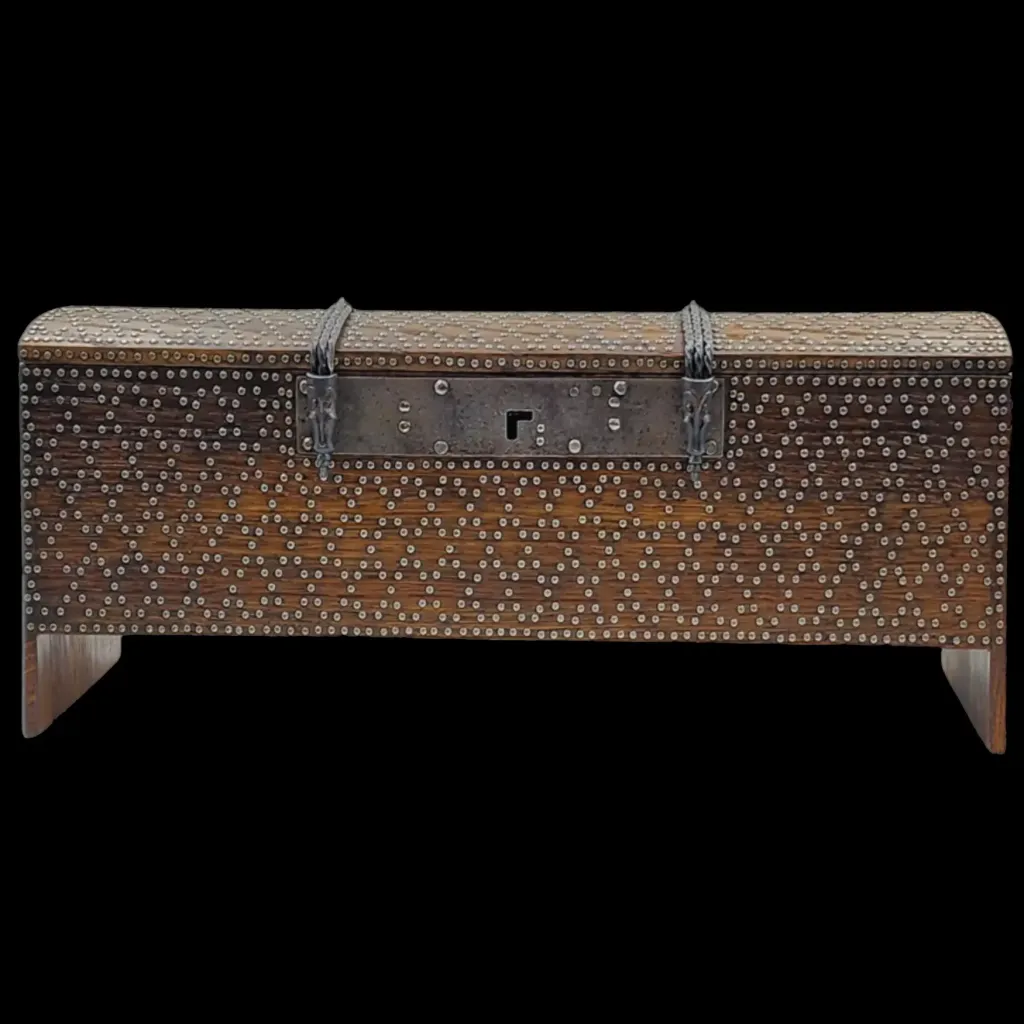
Lot TCS-1
11 400,00 AEDWooden Chest with secret lock (Small)

Lot SM-014
J. Paul Getty Signed Bank Cheque, 1928
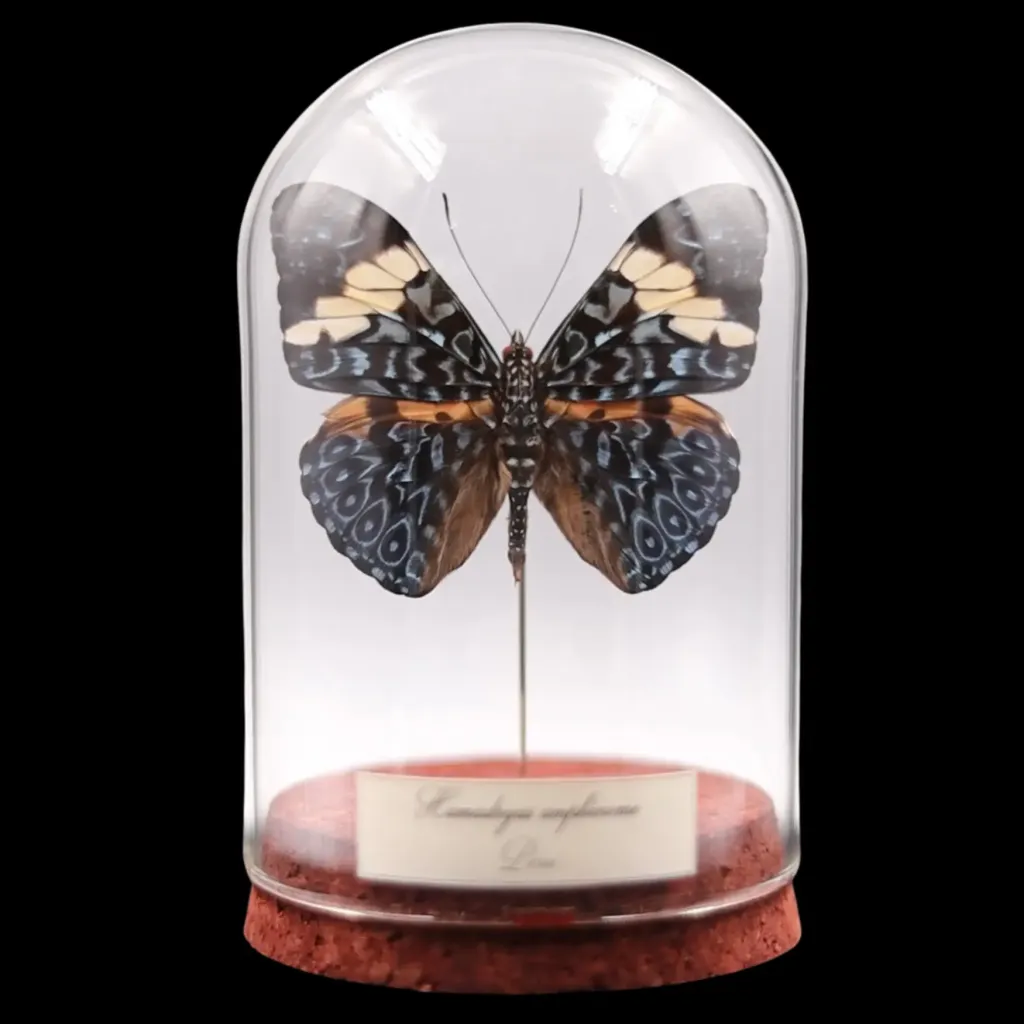
Lot C70
350,00 AEDHamadryas amphinome
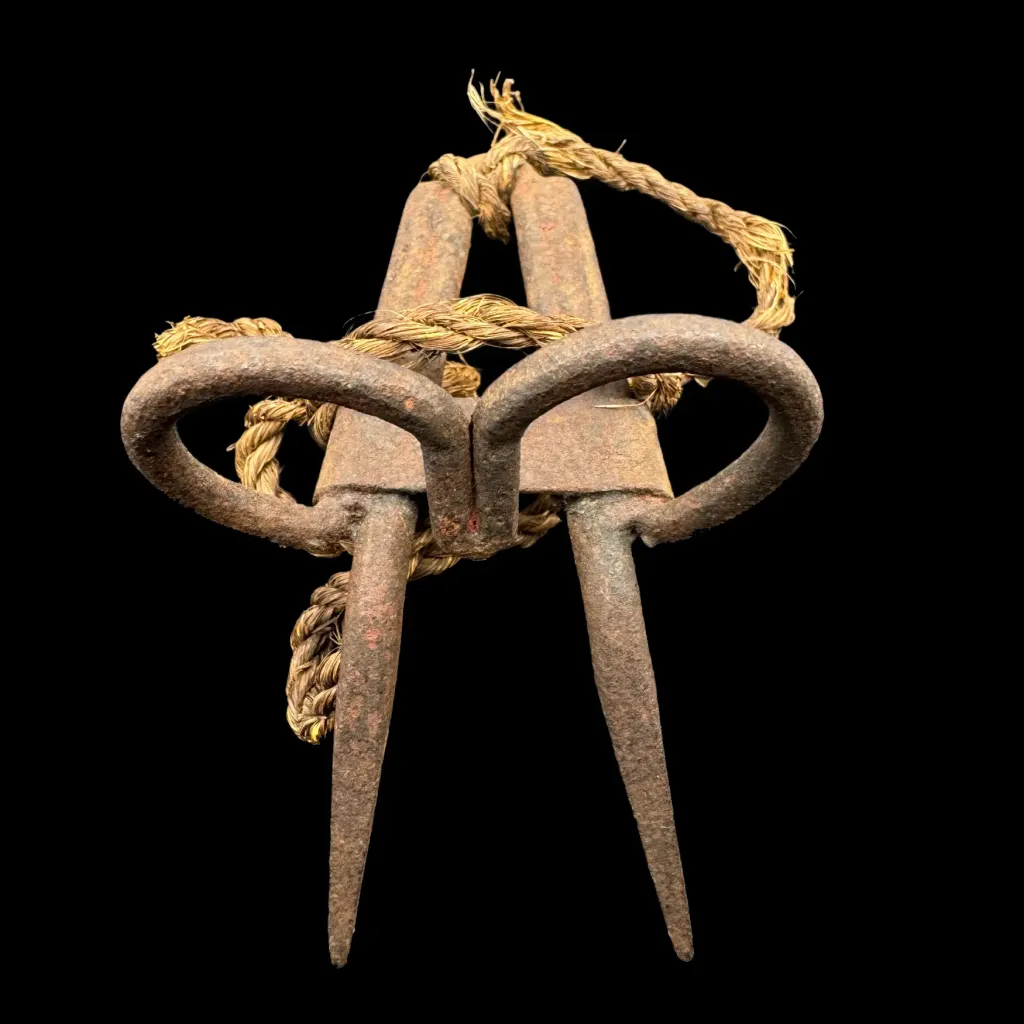
Lot JCC01
5 400,00 AEDمخالب يدوية (تيكاغي) للنينجا من عصر إيدو العتيقة – زوج
Lot BGC-135
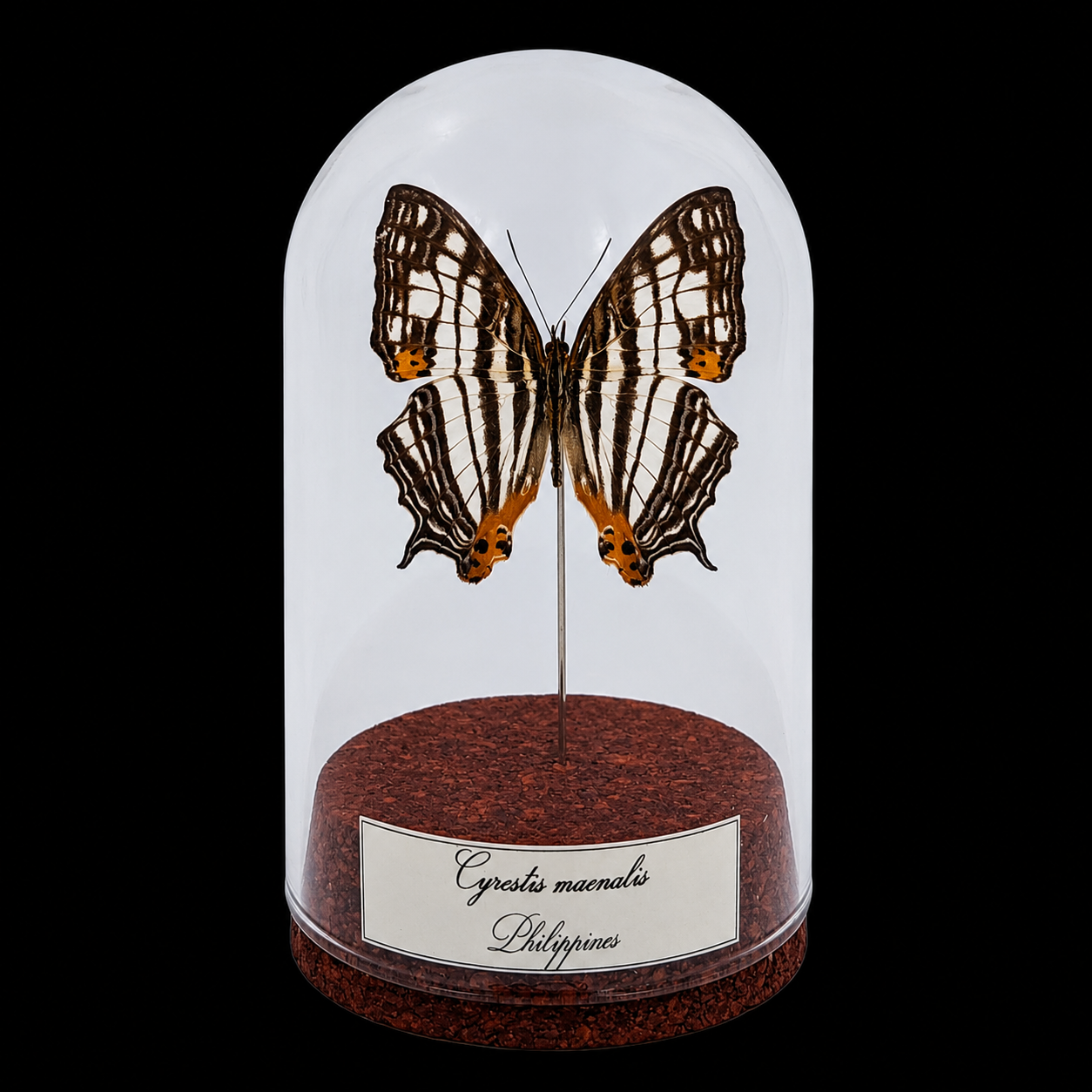
300,00 AEDCyrestis maenalis in Glass Cloche 10 cm, Philippines
Lot BGC-137
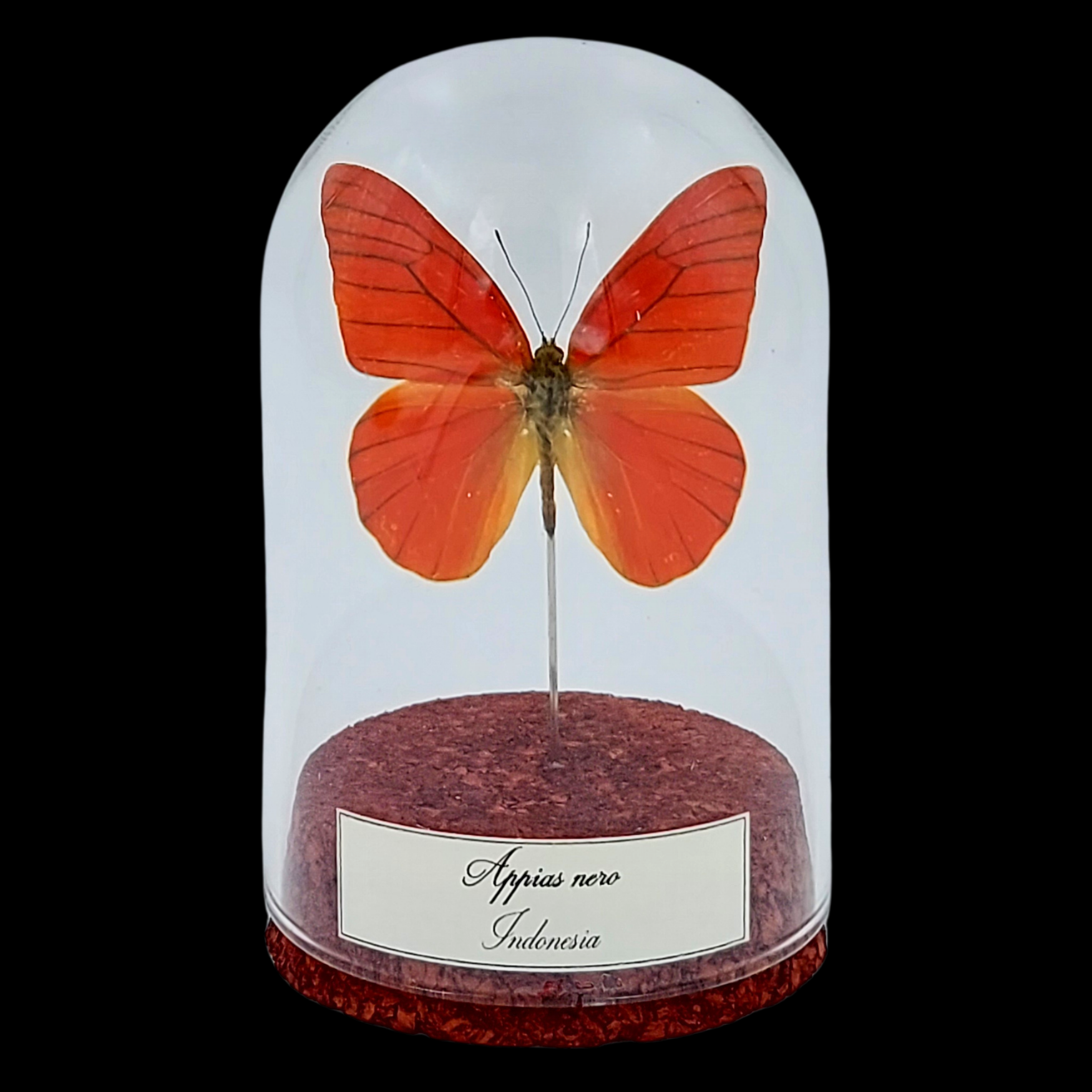
300,00 AEDAppias nero in Glass Cloche 10 cm, Indonesia
Lot LM-011
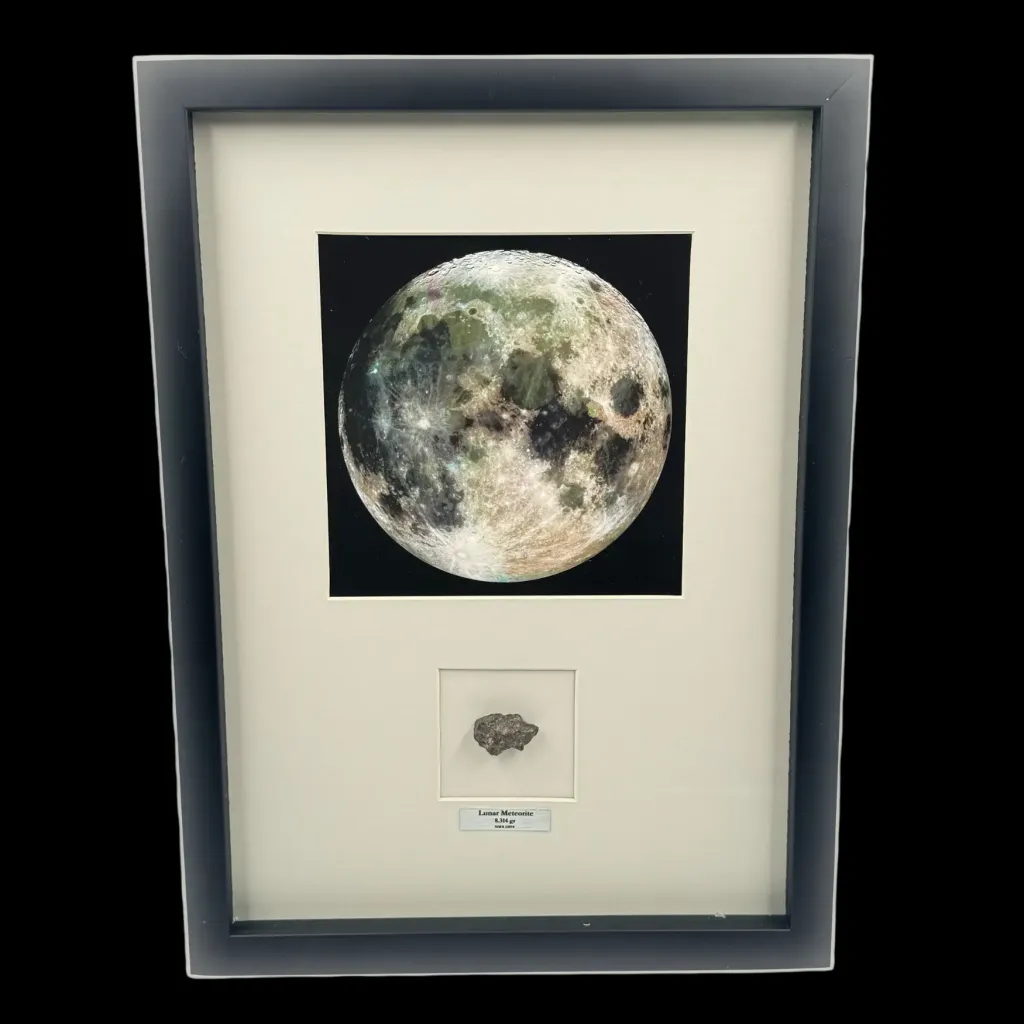
5 100,00 AEDنيزك قمري وزنه 8.314 غرام «بيشار 003» – شظية قمرية كبيرة لهواة جمع النيازك
Lot AM-002
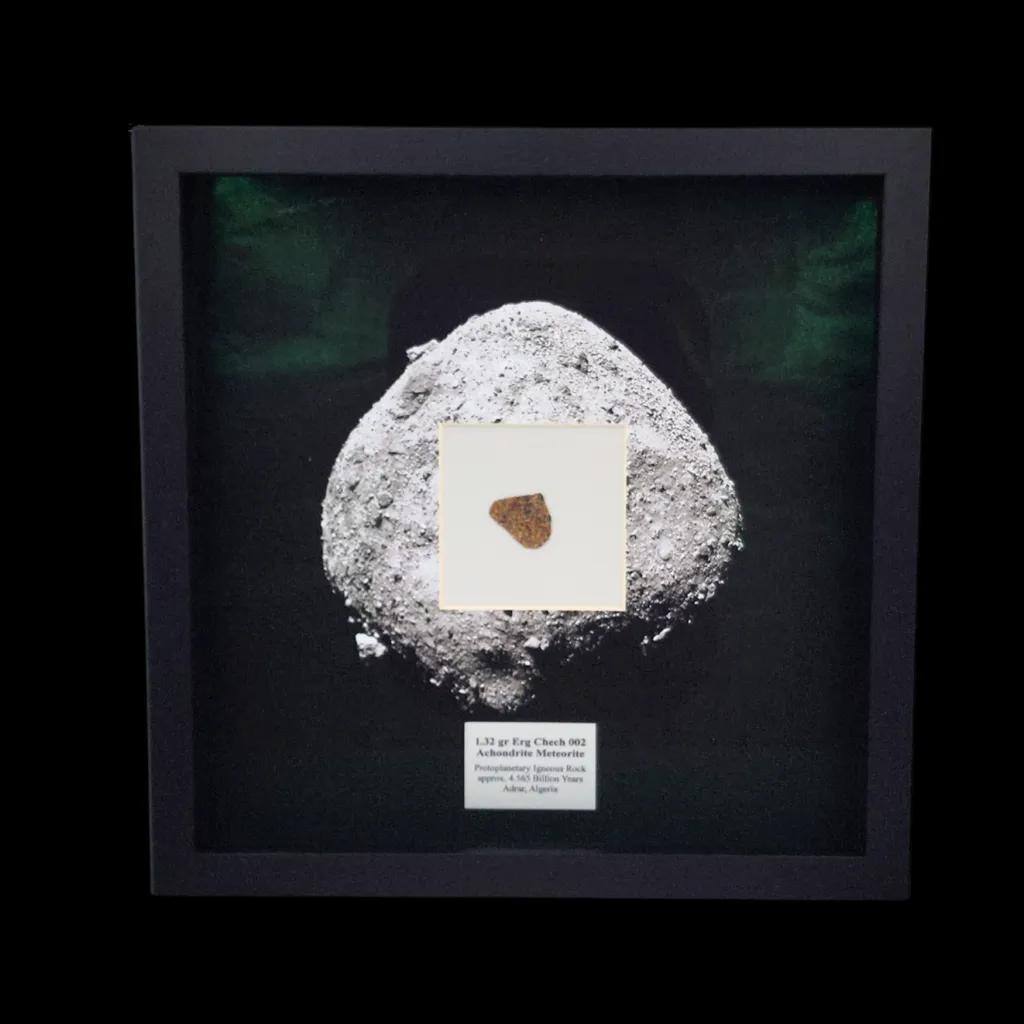
3 400,00 AED1.32 gr Erg Chech 002 Achondrite Meteorite – Protoplanetary Igneous Rock, 4.565 Billion Years
Lot MNR-018
800,00 AED天然沙漠龍石 Septaria「龍石」,187 克
Lot MT-021
3 400,00 AED巨齒鯊牙齒,107 克,高 9.8 厘米,1,300 萬年歷史
