



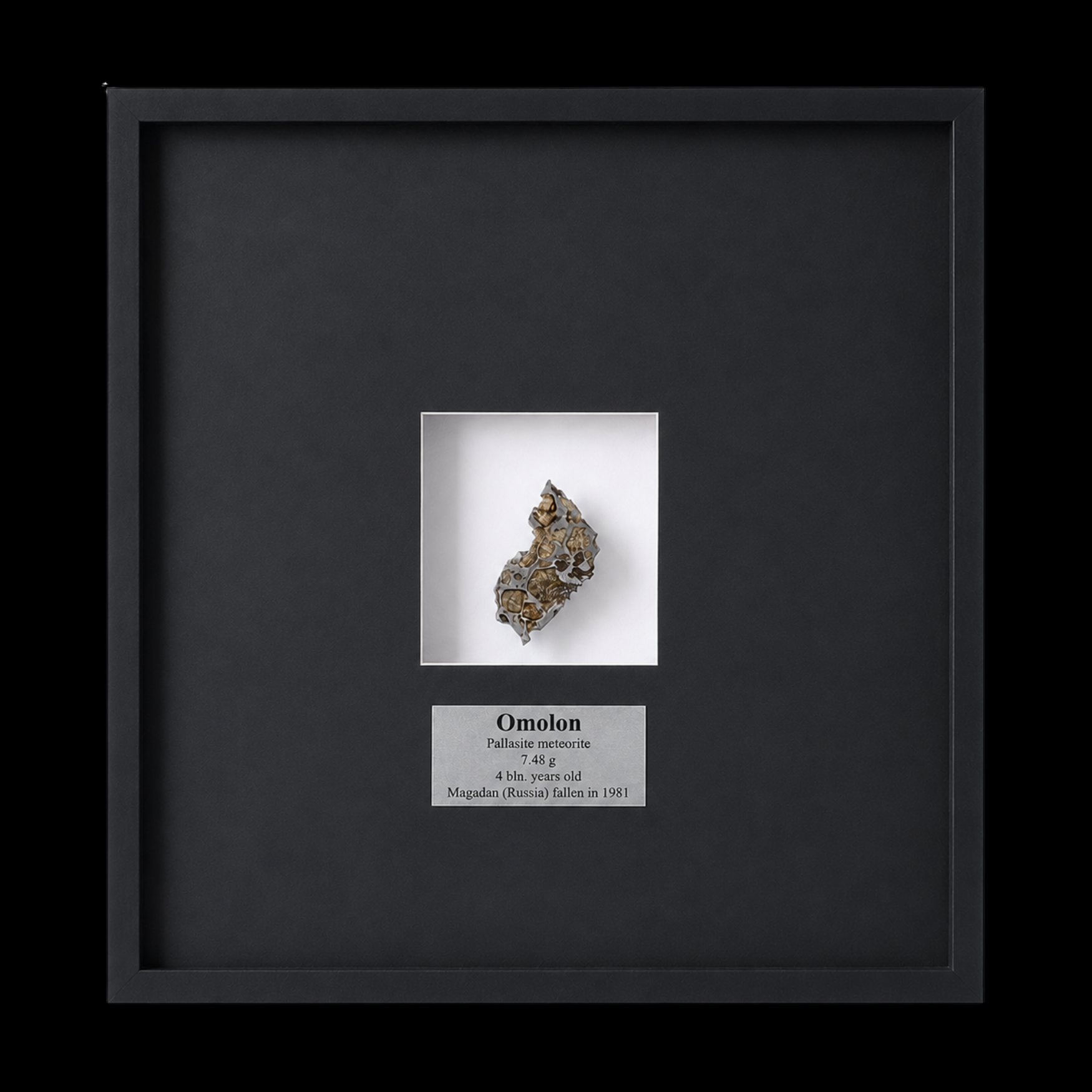
Lot MTR-015
نيزك من نوع «أومولون بالاسايت» يزن 7,48 غرامًا ويحمل نمط «ويدمانشتاتن»، يبلغ عمره 4 مليارات سنة
المواصفات:
الموقع:
أوروبا
العمر:
4 مليارات سنة
الوزن:
7,48 غرام
النوع:
شريحة
سنة الاكتشاف:
1981
متوفر في دبي
12 365,00 AED

مقال عن الـ Lot
التسليم
الندرة والقيمة
تمثّل هذه العيّنة شريحة أصلية من نيزك أومولون البالاسايتي النادر، أحد أكثر فئات النيازك الحجرية الحديدية تميزًا بصريًا وأهمية علمية. والبالاسايتات مواد نادرة للغاية خارج الأرض، تتألف من بلورات أوليفين شفافة مضمَّنة في مصفوفة معدنية من النيكل والحديد، ويُعتقد أنها تنشأ من منطقة الحدّ بين اللب المعدني والوشاح السيليكاتي في كويكبات متمايزة تشكّلت في المراحل الأولى من تطور النظام الشمسي قبل نحو 4 مليارات سنة. وتُظهر العيّنة بلورات أوليفين كبيرة، زاويّة إلى مستديرة، ذات لون أخضر ذهبي، تحيط بها معادن Fe-Ni مصقولة، مما يخلق البنية الفسيفسائية المميزة الفريدة للبالاسايتات. وينتمي أومولون إلى بالاسايتات المجموعة الرئيسية، وهو عالي التقدير لأنه يحفظ دليلًا مباشرًا على عمليات التمايز الكوكبي التي جرت أثناء تكوّن الكواكب الأولية البدائية. كما تحفظ المصفوفة المعدنية المصقولة نمط ويدمانشتاتن المرئي المتشكّل من التداخل بين الكاماسيت والتينيت، وهي بنية بلورية لا تنشأ إلا عبر تبريد بطيء للغاية داخل كويكبات متمايزة على مدى ملايين السنين. ويقدّم التباين اللافت بين السيليكات البلورية والمعدن النيزكي العاكس معلومات معدنية مهمة عن تاريخ التبريد والتفتت بالاصطدام والبنية الداخلية لأجرام سماوية قديمة لم تعد موجودة.
الاكتشاف
اعتُرف رسميًا بنيزك أومولون عام 1981، وهو ينشأ من كويكب متمايز متفتت تشكّل في النظام الشمسي المبكر عندما انفصل الحديد المعدني والمعادن السيليكاتية إلى طبقات داخلية عبر الانصهار والتمايز الثقالي. وتنتمي بلورات الأوليفين المحفوظة إلى سلسلة الفاياليت–الفورستيريت وتشكّلت في ظروف حرارة عالية في أعماق الجسم الأم قبل أن تبعثر اصطدامات كارثية الشظايا في الفضاء. وتتألف المصفوفة المعدنية أساسًا من الكاماسيت والتينيت الغنيين بالنيكل، إلى جانب أطوار ثانوية تشمل التروليت والكرومايت والفوسفات والفوسفيدات. وللبالاسايتات مثل أومولون أهمية علمية لأنها تحفظ منطقة الانتقال بين اللب المعدني والوشاح السيليكاتي، وهي منطقة نادرًا ما يمكن بلوغها حتى في الجيولوجيا الكوكبية. وتقدّم كيمياؤها المعدنية وتركيبها النظائري أدلة قيّمة لفهم تكوّن الكويكبات وتطورها الحراري وأولى مراحل تراكم الكواكب في النظام الشمسي الفتي.
الحفظ
يحفظ هذا المقطع المصقول البنية البالاسايتية الكلاسيكية بوضوح استثنائي، فيكشف بلورات أوليفين شفافة محاطة بإطار متصل من الحديد والنيكل. ويُظهر الأوليفين لونًا غنيًا يتراوح بين الذهبي والأخضر الزيتوني يعززه الصقل، بينما تحتفظ المصفوفة المعدنية المحيطة بتباين بنيوي عاكس مميز للحديد النيزكي المحفور. وتعكس الكسور الطبيعية وحدود البلورات غير المنتظمة المرئية في أرجاء العيّنة عمليات صدمة وتبريد قديمة مرتبطة باصطدامات الكويكبات والتعرض الكوني الطويل. ويتيح السطح المصقول ملاحظة مفصلة لمورفولوجيا البلورات وتوزيع المعدن ونمط ويدمانشتاتن وعلاقات التداخل بين الطورين السيليكاتي والمعدني اللذين تشكّلا قبل مليارات السنين في ظروف خارج الأرض. ورغم التمعدن الواسع والتجوية الكونية، تحتفظ العيّنة بسلامة بنيوية وتحديد معدني متميزين. ويقدّم هذا الحفظ بصيرة علمية مهمة في البنية الداخلية للكويكبات المتمايزة، ويحفظ شظية مباشرة من مادة كوكبية بدائية تشكّلت في أقدم تاريخ تطوري للنظام الشمسي.
التسليم
مقدم من


هل تحتاج إلى مزيد من التفاصيل؟
Lot MTR-010
7 345,00 AED0,79 غرام من نيزك مريخي NWA 15497، من نوع شيرجوتيت
Lot SM-A10
1 600,00 AEDشريحة من نيزك بالاسيت وزنها 16.57 غرامًا تُظهر نمط ويدمانشتاتن، ويبلغ عمرها 4 مليارات سنة
Lot SA-007
550,00 AED5.815 غرام من نيزك سيخوت-ألين في زجاجة محكمة الإغلاق
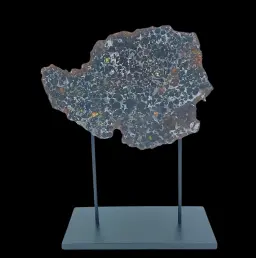
Lot MTR-119
15 965,00 AEDشريحة نيزك بالاسايت 145 غرام تُظهر نمط ويدمانشتاتن، عمرها 4 مليار سنة
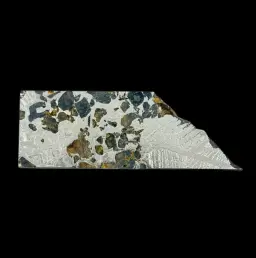
Lot SM-A13
2 800,00 AEDشريحة من نيزك «بالاسيت» وزنها 29.54 غرامًا تُظهر نمط «ويدمانشتاتن»، يبلغ عمرها 4 مليارات سنة
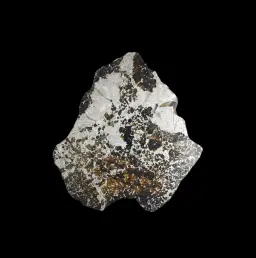
Lot M-11
66 880,00 AEDشريحة من نيزك بالاسيت وزنها 704 غرامًا تُظهر نمط ويدمانشتاتن، يبلغ عمرها 4 مليارات سنة
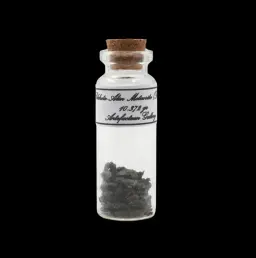
Lot SA-011
955,00 AED10.372 غرام من نيزك سيخوت-ألين في زجاجة محكمة الإغلاق
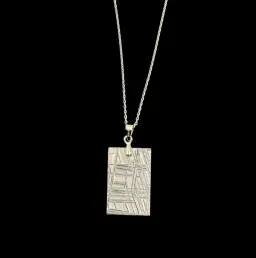
Lot MMP1
700,00 AEDأثر سماوي: نيزك «مويونيونالوستا» – شظية من الحديد والنيكل وزنها 4.2 غرام، اكتُشفت في السويد عام 1906
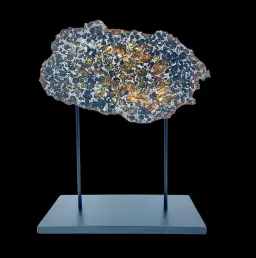
Lot MTR-117
12 330,00 AEDشريحة نيزك بالاسايت 112 غرام تُظهر نمط ويدمانشتاتن، عمرها 4 مليار سنة
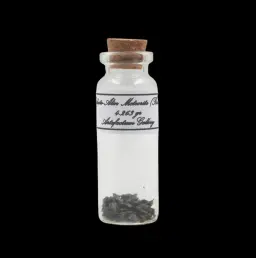
Lot SA-003
400,00 AED4.263 غرام من نيزك سيخوت-ألين في زجاجة محكمة الإغلاق
Lot MTR-015
تمت إضافة المنتج إلى سلة التسوق الخاصة بك
لا يمكنك إضافة "نيزك من نوع «أومولون بالاسايت» يزن 7,48 غرامًا ويحمل نمط «ويدمانشتاتن»، يبلغ عمره 4 مليارات سنة" إلى سلة التسوق مرة أخرى.
استفسار
Lot MTR-015
شكرًا على اهتمامك. يرجى ملء النموذج أدناه، وسيقوم أحد المتخصصين لدينا بالاتصال بك قريبًا.
شكرًا على اهتمامك
سنتواصل معك قريبًا
لن نقوم أبدًا بنقل معلوماتك الشخصية إلى أي جهة خارج Artefactum Gallery لاستخدامها في أغراض تسويقية خاصة بها دون موافقتك. لمزيد من المعلومات حول كيفية معالجتنا لبياناتك، يرجى النقر هنا لقراءة «إشعار الخصوصية» الخاص بنا.
مقدم من
استفسار
شكرًا على اهتمامك. يرجى ملء النموذج أدناه، وسيقوم أحد المتخصصين لدينا بالاتصال بك قريبًا.
شكرًا على اهتمامك
سنتواصل معك قريبًا
لن نقوم أبدًا بنقل معلوماتك الشخصية إلى أي جهة خارج Artefactum Gallery لاستخدامها في أغراض تسويقية خاصة بها دون موافقتك. لمزيد من المعلومات حول كيفية معالجتنا لبياناتك، يرجى النقر هنا لقراءة «إشعار الخصوصية» الخاص بنا.
