



المواصفات:
الموقع:
أخرى
الجنس:
Machairodus
الحجم:
27 × 15 × 22 سم
العمر:
حوالي 15–2.5 مليون سنة
الفترة:
الميوسين – أوائل البليوسين
الفصيلة:
Felidae
المادة:
حامل معدني
متوفر في دبي
183 600,00 AED

مقال عن الـ Lot
التسليم
الندرة والقيمة
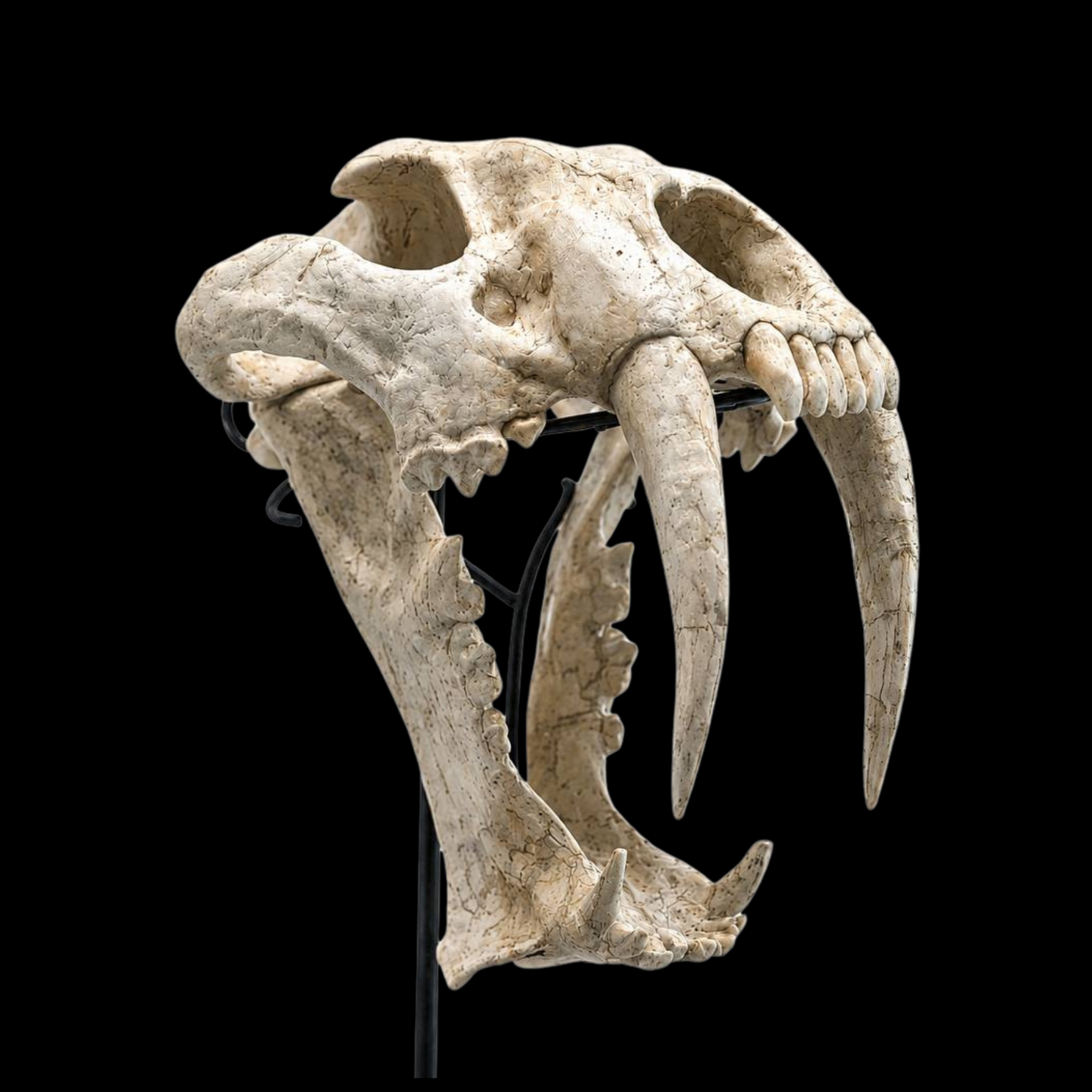
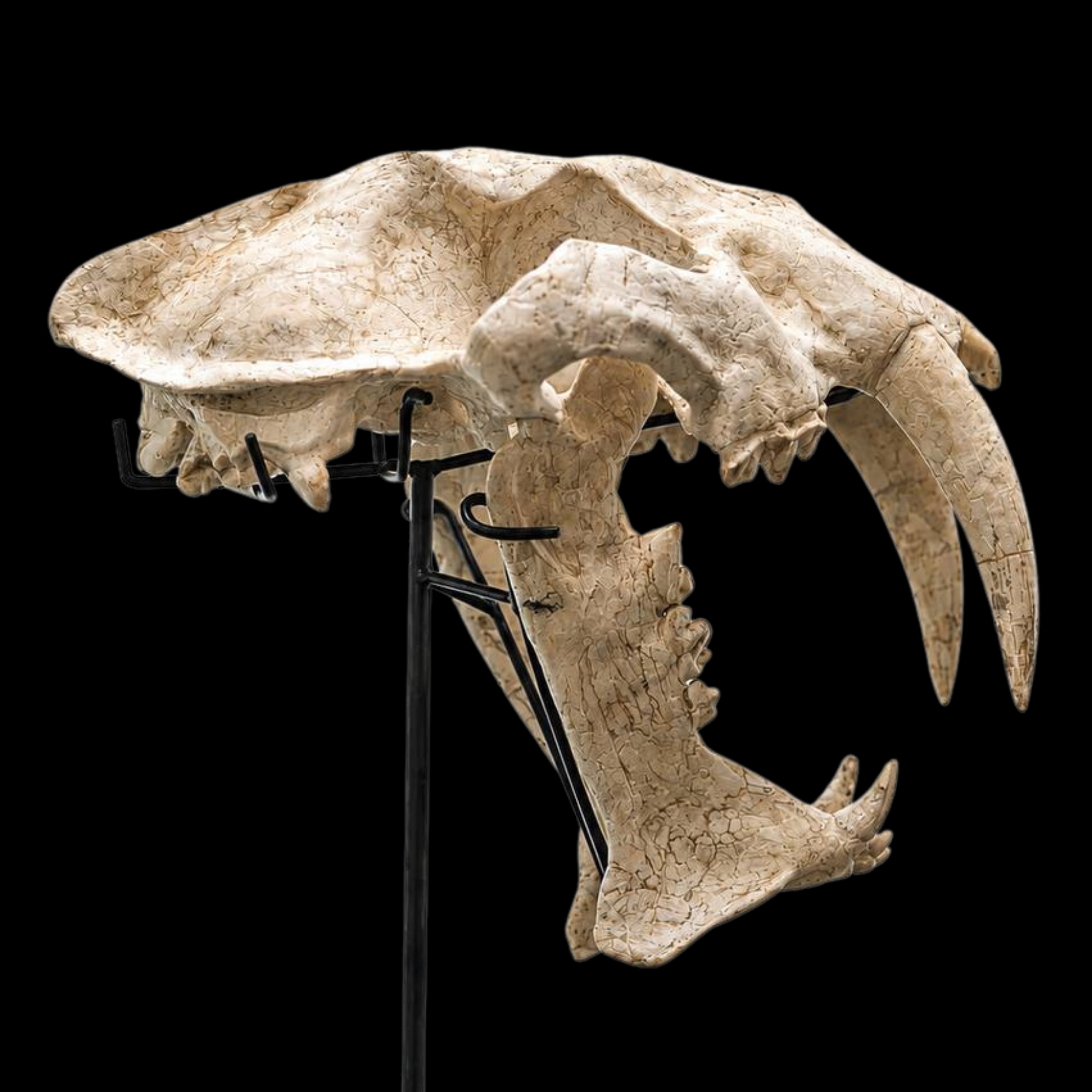
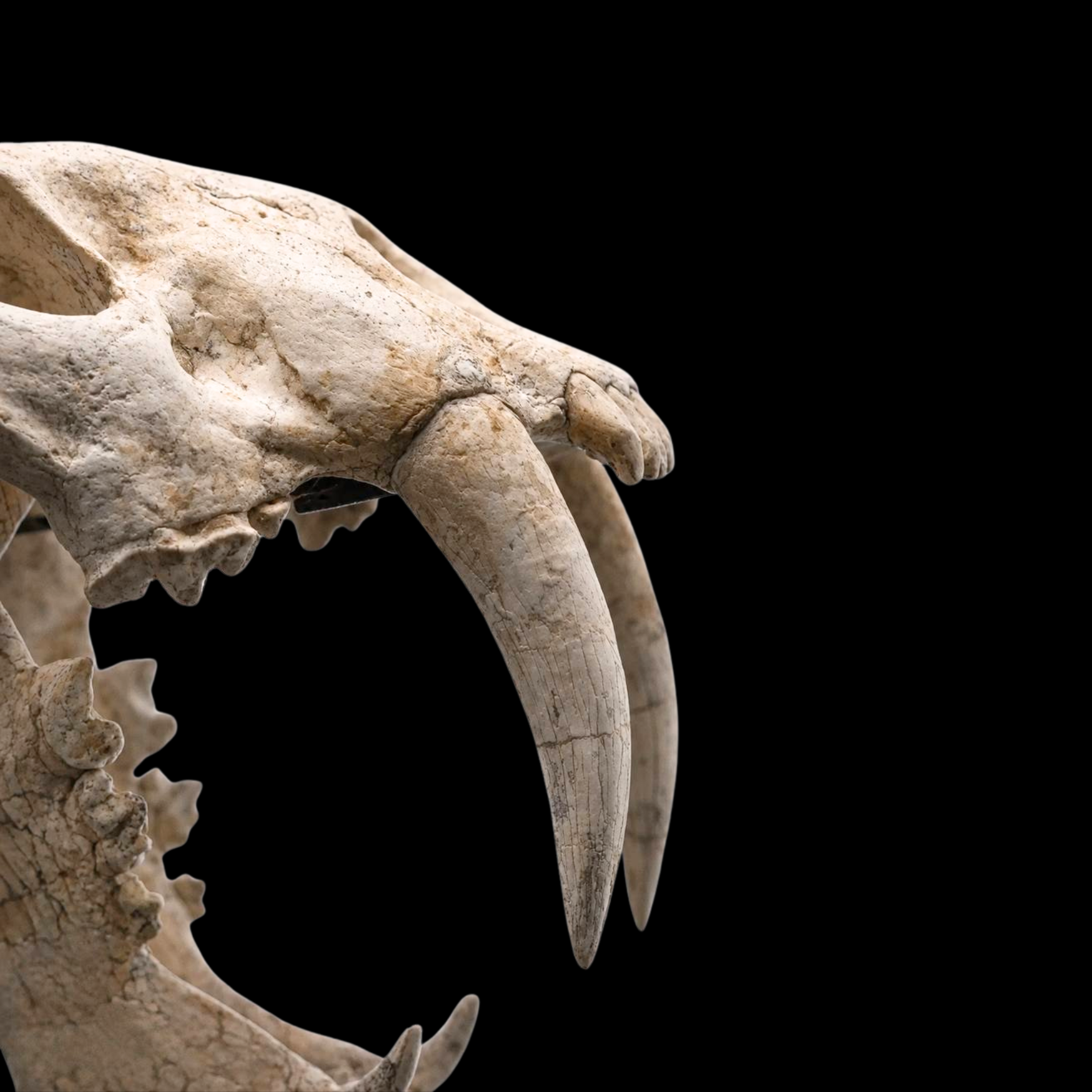
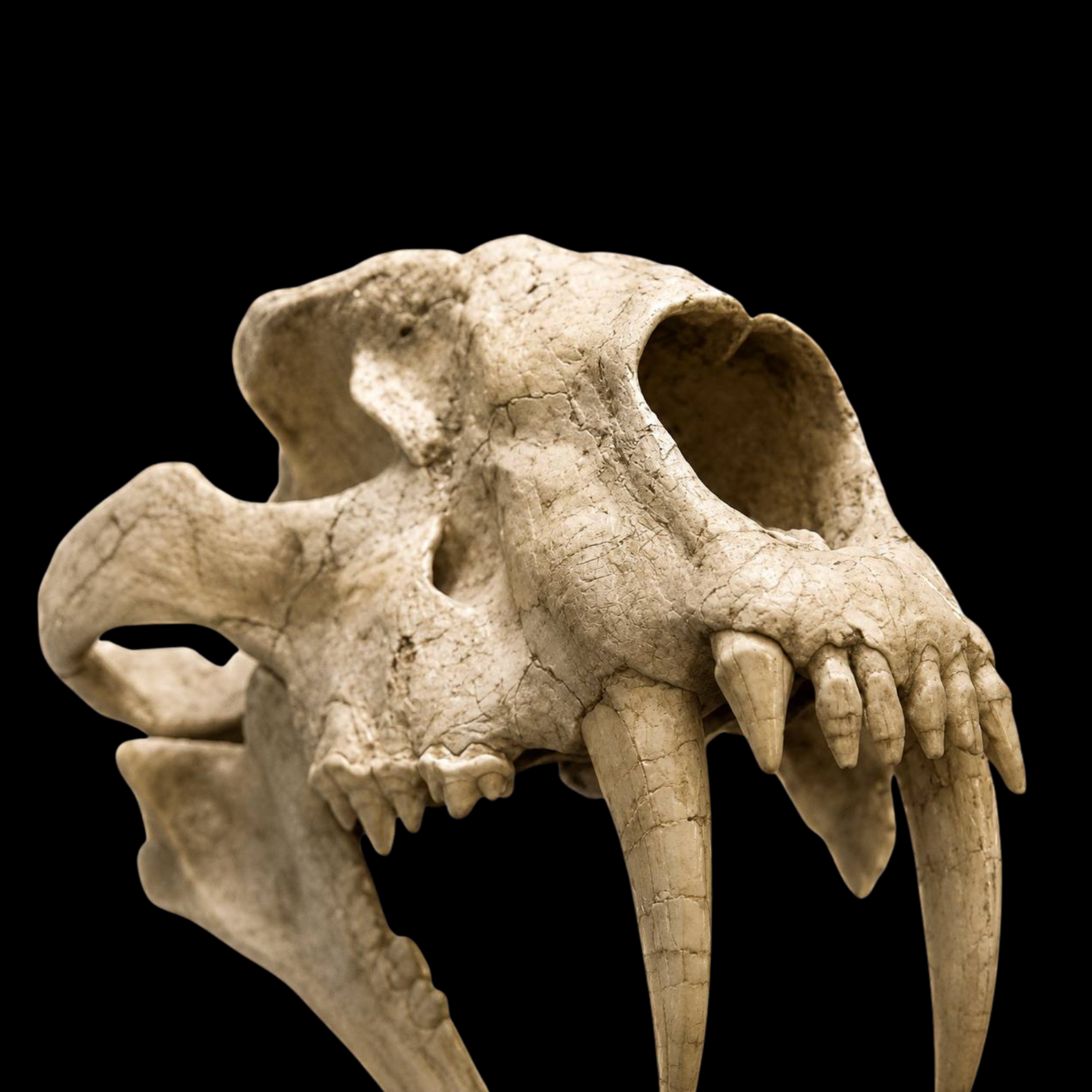
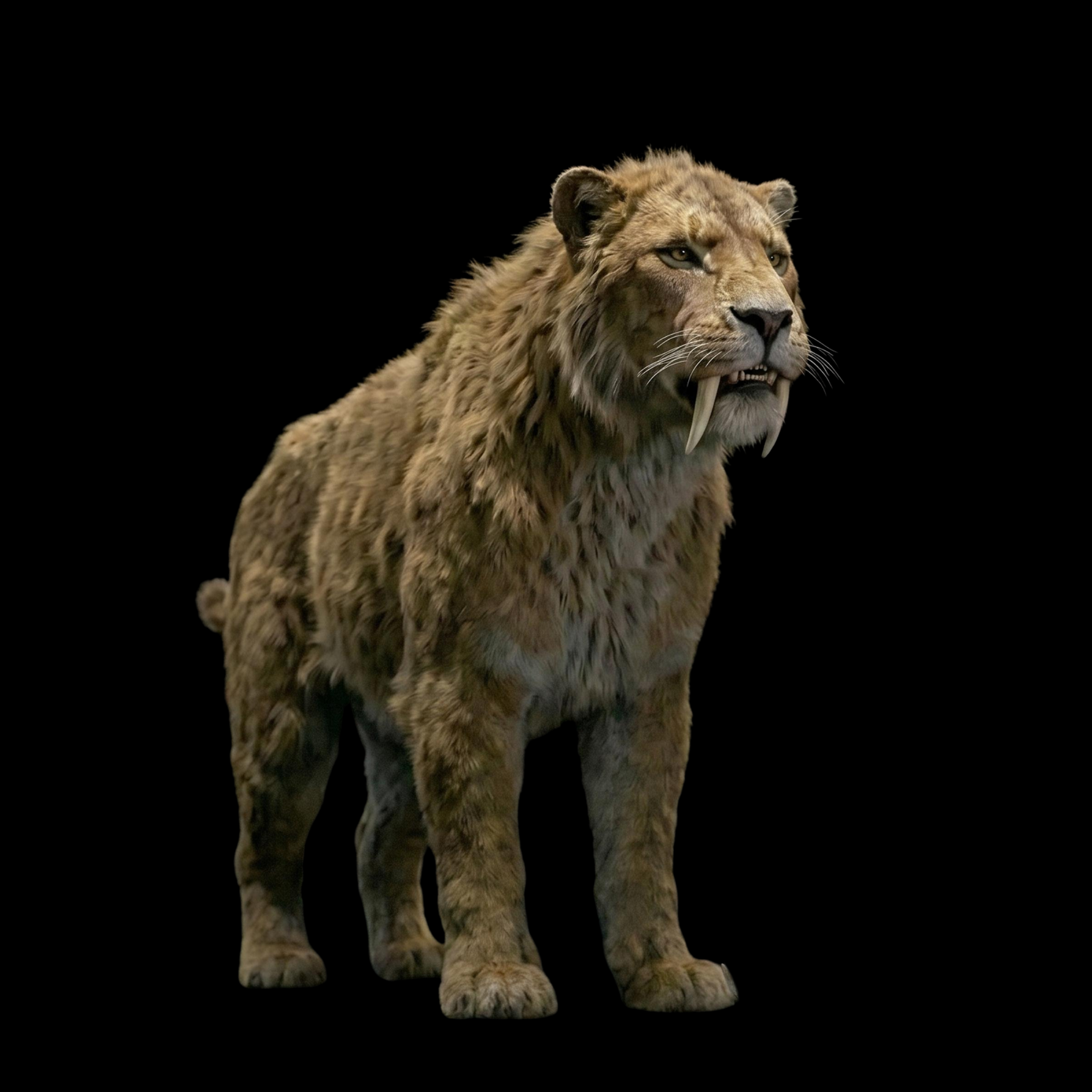
تمثّل جمجمة Machairodus هذه واحدًا من أكثر السنوريات المفترسة تميزًا في الميوسين وأوائل البليوسين. وينتمي Machairodus إلى الفصيلة الفرعية المنقرضة Machairodontinae، القطط ذات الأنياب السيفية، وتميّز بأنياب علوية شديدة الاستطالة وجمجمة قوية وفكوك متخصصة تكيفت لقتل الفرائس الكبيرة. وخلافًا للأنياب المخروطية للقطط الكبيرة الحديثة، كانت أسنانه السيفية مضغوطة جانبيًا وصُممت لاختراق الأنسجة الرخوة بعضات محكومة ودقيقة. وقد تكون الأنواع الأكبر من Machairodus بلغت نحو 2 متر في طول الجسم ونحو 200 كغ، مما يضعها بين المفترسات الثديية الكبرى في نظمها البيئية. والمواد الجمجمية مفيدة بوجه خاص لأن الجمجمة تحفظ التكيفات التشريحية المرتبطة بالتغذية وميكانيكا العض والوظيفة الحسية والسلوك المفترس.
السياق التطوري والانتشار
ظهر Machairodus خلال الميوسين وبقي حتى أوائل البليوسين، مع وجود أعضاء من الجنس ومن Machairodontinae وثيقة الصلة في أجزاء واسعة من أفريقيا وأوراسيا وأمريكا الشمالية. وشكلت هذه القطط جزءًا من إشعاع تطوري للسنوريات ذات الأنياب السيفية طوّر حلولًا مختلفة عدة لإخضاع الفرائس كبيرة الجسم. ولا ينبغي اعتبار Machairodus سلفًا مباشرًا لـ Smilodon اللاحق، لكن كليهما ينتمي إلى سلالة القطط ذات الأنياب السيفية الأوسع وتشاركا تكيفات مفترسة شديدة التخصص. ويشير الانتشار الواسع لـ Machairodus إلى أن هذه المفترسات كانت قادرة على شغل بيئات متنوعة، من الغابات المفتوحة وموائل شبيهة بالسافانا إلى مناظر أكثر تنوعًا تسكنها عاشبات كبيرة وفيرة.
التشريح والتكيفات المفترسة
كانت السمة الأبرز لـ Machairodus زوج أنيابه العلوية المستطيلة. وتطورت الجمجمة حول هذه الأسلحة المتضخمة: إذ كان بوسع الفكين الانفتاح بزاوية أوسع بكثير من معظم القطط الحية، مما يسمح للأنياب بتجاوز الفك السفلي أثناء الضربة. وساعدت عضلات العنق القوية على دفع الرأس والتحكم فيه، بينما كان للأطراف الأمامية المتينة على الأرجح أهمية في تثبيت الفريسة قبل توجيه عضة القتل. وكانت الأنياب فعالة لكنها عرضة نسبيًا للقوى الجانبية، مما يوحي بأن Machairodus اعتمد على شل الفريسة بدلًا من العض المتكرر ببساطة أثناء الصراعات الطويلة. وبقيت أسنان خده لاحمة بقوة، تعمل كالمقصات لتقطيع اللحم بكفاءة. وتكشف هذه السمات مجتمعة مفترسًا متخصصًا لا للقوة وحدها بل لأسلوب صيد محكوم بدرجة عالية.
علم البيئة القديمة والانقراض
عاش Machairodus في نظم بيئية تسكنها الحافريات الكبيرة والخرطوميات المبكرة ووحيد القرن والخيليات وعاشبات كبيرة أخرى يمكنها توفير قاعدة الفرائس التي يتطلبها آكل لحوم كبير متخصص. ويوحي تشريحه بدور بيئي قائم على الكمين والهجمات القريبة بدلًا من المطاردة الطويلة. وخلال الميوسين المتأخر والبليوسين، أعادت المناخات والموائل المتغيرة تنظيم المجتمعات الثديية مرارًا، فغيّرت توافر الفرائس والمنافسة بين الكواسر. واختفى Machairodus في نهاية المطاف، بينما واصلت سلالات أخرى من Machairodontinae التطور وأنتجت لاحقًا مفترسات ذات أنياب سيفية أكثر تخصصًا. وتسجل جمجمته إذن مرحلة مهمة في تطور الافتراس الثديي، حين طورت السنوريات بعضًا من أشد التكيفات الجمجمية والسنية تطرفًا شوهدت في فصيلة القطط.
التسليم
مقدم من


هل تحتاج إلى مزيد من التفاصيل؟
Lot TP-0071
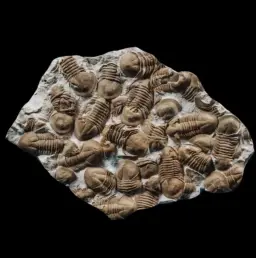
لوحة من أحافير التريلوبيتات
Lot FSL-009
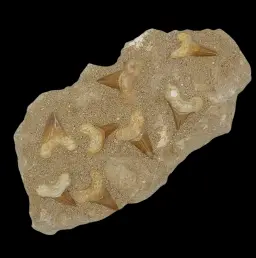
5 500,00 AEDلوحة من أسنان أسماك القرش «أوتودوس» المتحجرة، وزنها 1 578 غرامًا
Lot AS-11
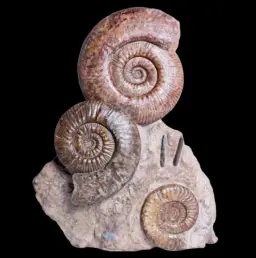
كتلة أمونيتية – منحوتة طبيعية من بحر قديم
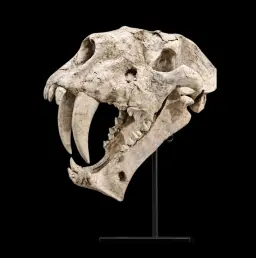
Lot FSL-041
275 500,00 AEDجمجمة Machairodus – مفترس ذو أنياب سيفية من الميوسين
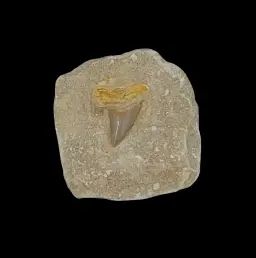
Lot FSL-012
900,00 AEDلوحة من أسنان سمك القرش «أوتودوس» المتحجرة، وزنها 186 غرامًا
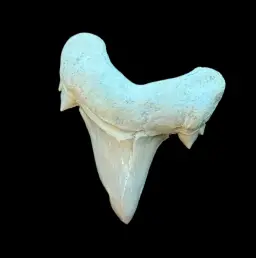
Lot OMT02
500,00 AEDقوة العصور ما قبل التاريخ: سن أصلي من نوع «أوتودوس أوبليكوس» بطول 7 سم
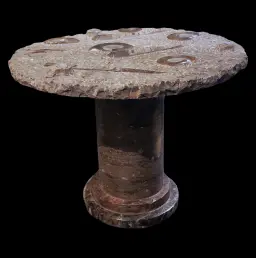
Lot FSL-018
12 900,00 AEDطاولة من الرخام الأحفوري من العصر الباليوزويك تحتوي على أحافير أورثوسيراس وغونياتيت من فصيلة الرأسيات
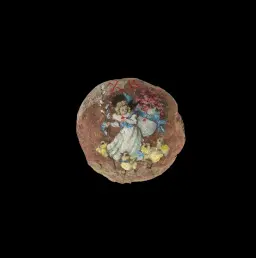
Lot DE1
132 910,00 AEDبيضة متحجرة لديناصور من فصيلة الهادروسور، لوحة من رسم نيكاس سافرونوف
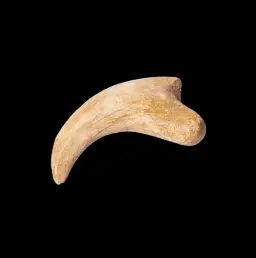
Lot CASD1
ديناصور من نوع «كلاو ألكساسوروس» (Claw Alxasaurus Sp.)
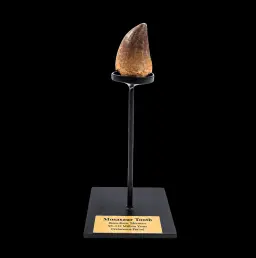
Lot FSL-034
1 800,00 AEDسن موساصور – أثر من بقايا مفترس بحري من العصر الطباشيري
Lot FSL-040
تمت إضافة المنتج إلى سلة التسوق الخاصة بك
لا يمكنك إضافة "جمجمة Machairodus – مفترس ذو أنياب سيفية من الميوسين" إلى سلة التسوق مرة أخرى.
استفسار
Lot FSL-040
شكرًا على اهتمامك. يرجى ملء النموذج أدناه، وسيقوم أحد المتخصصين لدينا بالاتصال بك قريبًا.
شكرًا على اهتمامك
سنتواصل معك قريبًا
لن نقوم أبدًا بنقل معلوماتك الشخصية إلى أي جهة خارج Artefactum Gallery لاستخدامها في أغراض تسويقية خاصة بها دون موافقتك. لمزيد من المعلومات حول كيفية معالجتنا لبياناتك، يرجى النقر هنا لقراءة «إشعار الخصوصية» الخاص بنا.
مقدم من
استفسار
شكرًا على اهتمامك. يرجى ملء النموذج أدناه، وسيقوم أحد المتخصصين لدينا بالاتصال بك قريبًا.
شكرًا على اهتمامك
سنتواصل معك قريبًا
لن نقوم أبدًا بنقل معلوماتك الشخصية إلى أي جهة خارج Artefactum Gallery لاستخدامها في أغراض تسويقية خاصة بها دون موافقتك. لمزيد من المعلومات حول كيفية معالجتنا لبياناتك، يرجى النقر هنا لقراءة «إشعار الخصوصية» الخاص بنا.
