


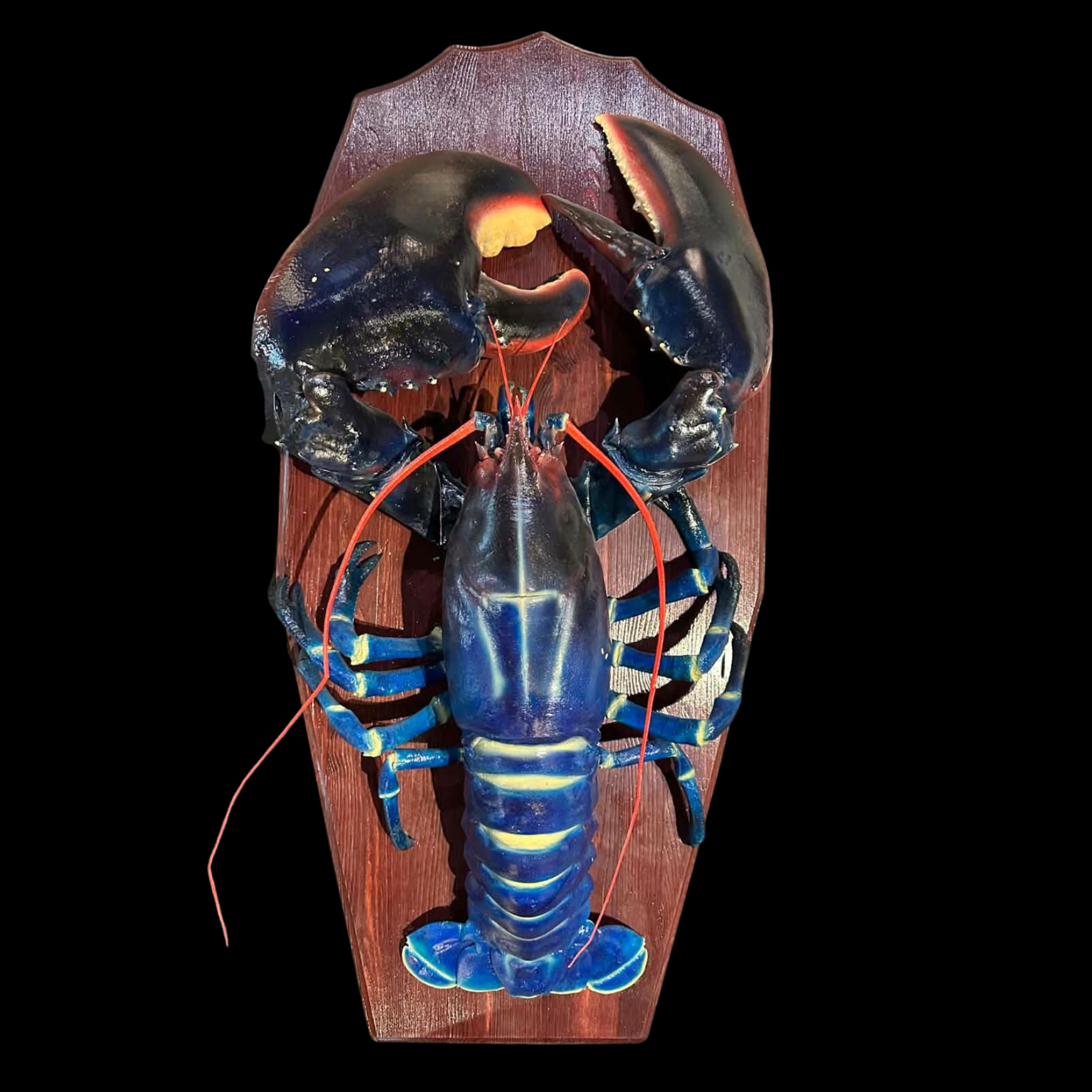
المواصفات:
الموقع:
أخرى
الجنس:
Homarus americanus
الحجم:
81 x 36 x 15 cm
النوع:
جبل
المادة:
قاعدة خشبية
متوفر في دبي
18 500,00 AED

مقال عن لوط
التسليم
Rarity and Value
This exceptional specimen of the American lobster, Homarus americanus, represents one of the most impressive large-bodied crustaceans of the North Atlantic. Reaching 81 cm in length, the specimen demonstrates the remarkable proportions that this species can attain under favorable conditions. Large individuals are biologically significant because lobsters grow throughout life by periodically shedding and replacing their rigid exoskeleton, with molting becoming progressively less frequent as they age. The species is distinguished by its heavily armored body, elongated antennae, segmented abdomen, and exceptionally developed first pair of claws. Specimens of this scale offer a striking opportunity to observe the characteristic morphology of a mature American lobster and illustrate the extraordinary growth potential of one of the world’s largest marine decapod crustaceans.
Biological Context and Significance
Homarus americanus inhabits the cold waters of the north-western Atlantic, ranging from Labrador and Newfoundland southward along the Atlantic coast of North America. It is a predominantly benthic species, living on or close to the seabed, particularly in rocky environments, crevices, boulder fields, and other habitats offering protection. American lobsters are mainly nocturnal and typically remain sheltered during daylight before emerging to forage. Their diet is varied and includes mollusks, worms, echinoderms, other crustaceans, fish remains, and organic material. As both predator and scavenger, the species plays an important ecological role in coastal marine food webs and contributes to the regulation and recycling of benthic biological material.
Anatomy and Adaptations
The specimen clearly displays the specialized anatomy that allows Homarus americanus to thrive in its marine environment. The powerful first pair of appendages terminates in two large claws that often perform different functions: a heavier crusher claw is adapted for breaking hard-shelled prey, while a narrower cutter claw is used for gripping, slicing, and manipulating food. Long antennae provide important tactile and chemical information about the surrounding environment, while multiple walking legs allow controlled movement across the seabed. The muscular segmented abdomen terminates in a broad tail fan that enables rapid backward escape when threatened. Like other crustaceans, the American lobster possesses an external skeleton that must be shed during growth; damaged or lost appendages can gradually regenerate during subsequent molts. Females carry fertilized eggs beneath the abdomen on specialized swimmerets until the larvae hatch and enter a temporary planktonic stage before settling to the seabed.
Delivery
مقدم من

هل تحتاج إلى مزيد من التفاصيل؟
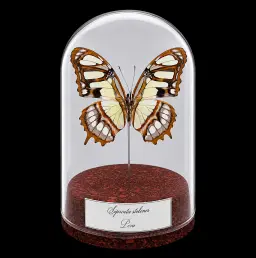
Lot BGC-110
350,00 AEDSiproeta stelenes in Glass Cloche 12 cm, Peru
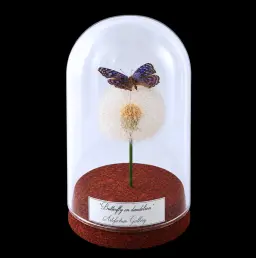
Lot BGC-121
450,00 AEDJunonia rhadama on dandelion in Glass Cloche 12 cm, Madagascar
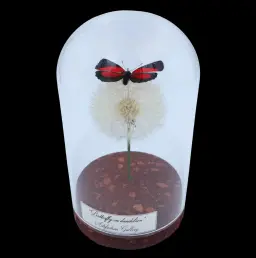
القطعة رقم BGC-096
450,00 AEDذكر من نوع Callicore peristera على نبات دندليون داخل غطاء زجاجي، بيرو
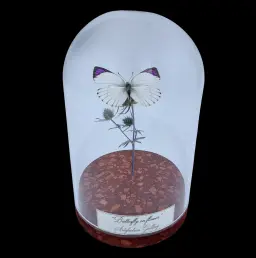
القطعة رقم BGC-107
450,00 AEDنبات «كولوتيس ريجينا» على زهرة مجففة داخل غطاء زجاجي، جمهورية جنوب أفريقيا

Lot BGC-115
350,00 AEDPanacea prola in Glass Cloche 12 cm, Peru
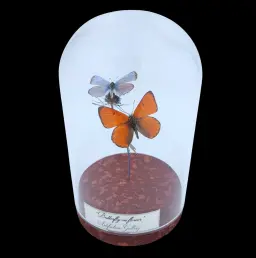
القطعة LS004
450,00 AEDنوع غير محدد من فصيلة Lycaenidae على زهرة جافة داخل غطاء زجاجي، أوروبا
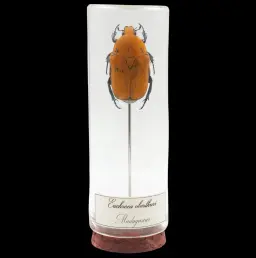
القطعة EO021
350,00 AEDEuchroea oberthuri – خنفساء غروب الشمس الذهبية في مدغشقر
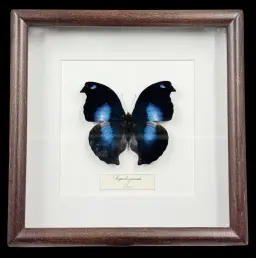
القطعة رقم MP-404
420,00 AEDNapeocles jucunda – أعجوبة بيروفية في إطار
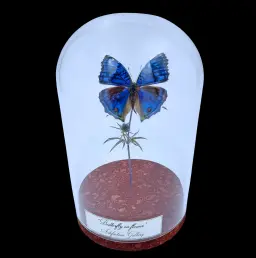
القطعة BGC-103
450,00 AEDحشرة «Junonia rhadama» على زهرة مجففة داخل غطاء زجاجي
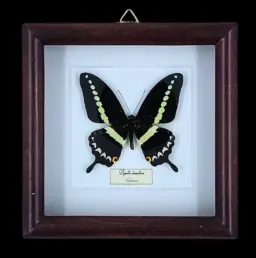
القطعة FB-119
420,00 AEDفراشة الذيل المثلث: Papilio demolion في فريم، إندونيسيا
Lot ENT-046
تمت إضافة المنتج إلى سلة التسوق الخاصة بك
You cannot add "American Lobster – Homarus americanus" to your cart again.
استفسار
Lot ENT-046
شكرًا على اهتمامك. يرجى ملء النموذج أدناه، وسيقوم أحد المتخصصين لدينا بالاتصال بك قريبًا.
شكرًا على اهتمامك بـ
سنتواصل معك قريبًا
لن نقوم أبدًا بنقل معلوماتك الشخصية إلى أي جهة خارج «معرض أرتيفاكتوم» لاستخدامها في أغراض تسويقية خاصة بها دون موافقتك. لمزيد من المعلومات حول كيفية معالجتنا لبياناتك، يرجى النقر هنا لقراءة «إشعار الخصوصية» الخاص بنا.
مقدم من

استفسار
شكرًا على اهتمامك. يرجى ملء النموذج أدناه، وسيقوم أحد المتخصصين لدينا بالاتصال بك قريبًا.
شكرًا على اهتمامك بـ
سنتواصل معك قريبًا
لن نقوم أبدًا بنقل معلوماتك الشخصية إلى أي جهة خارج «معرض أرتيفاكتوم» لاستخدامها في أغراض تسويقية خاصة بها دون موافقتك. لمزيد من المعلومات حول كيفية معالجتنا لبياناتك، يرجى النقر هنا لقراءة «إشعار الخصوصية» الخاص بنا.