



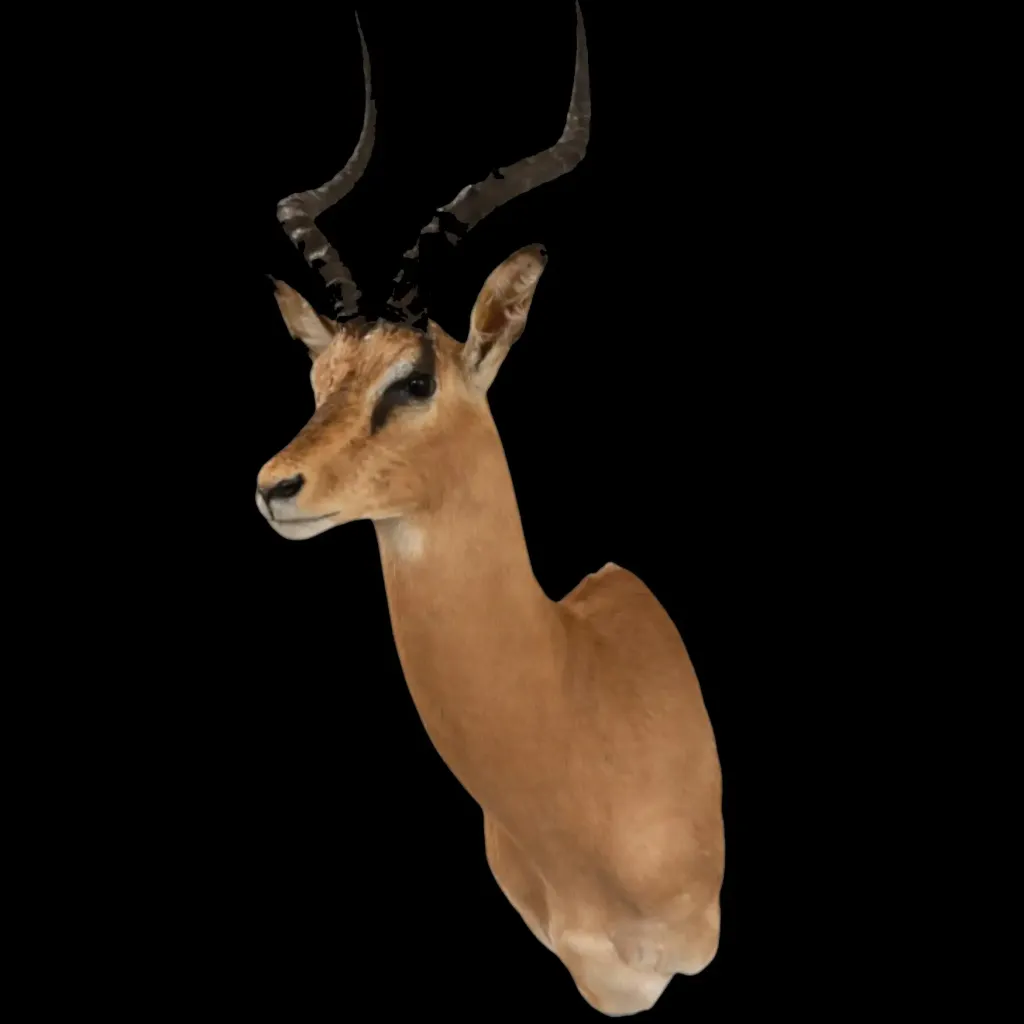
المواصفات:
الموقع:
أوروبا
الحجم:
الطول: 55 سم × العمق: 44 سم × الارتفاع: 103 سم
الفصيلة:
Bovidae
الحيوان:
Impala
متاح عند الطلب
السعر عند الطلب

مقال عن الـ Lot
التسليم
الندرة والقيمة
الإمبالا (Aepyceros melampus) من أشهر أنواع الظباء وأوسعها انتشارًا في أفريقيا جنوب الصحراء. ومع أن النوع نفسه ليس نادرًا، فإن التمثيلات عالية الجودة، مثل مجسمات التحنيط المعدة بإتقان أو العروض الهيكلية الدقيقة أو النماذج المفصلة بدقة، مقدّرة لواقعيتها ودقتها التشريحية وفائدتها التعليمية. وتحظى النماذج الاستثنائية بتقدير المقتنين والمؤسسات لقدرتها على نقل أناقة النوع ونسبه الطبيعية لا لندرتها وحدها.
الاكتشاف والأهمية
وثّق علماء الطبيعة والمستكشفون الإمبالا منذ زمن بعيد، وهي تؤدي دورًا محوريًّا في النظم البيئية لسافانا أفريقيا. وبوصفها عاشبًا شديد التكيف، تحتل موقعًا بيئيًّا رئيسيًّا راعيةً ومتغذية على الأوراق وفريسة مهمة للمفترسات الكبيرة. ويجعلها حضورها الواسع وسلوكها المدروس جيدًا موضوعًا أساسيًّا في دراسات ديناميكيات القطعان والعلاقات بين المفترس والفريسة وبيئة السافانا.
المورفولوجيا والدقة
تبرز التمثيلات الدقيقة للإمبالا هيكلها النحيل وأطرافها المستطيلة وجسمها الانسيابي المتكيف للسرعة والرشاقة. ويتميز الذكور بقرونها الرشيقة على شكل القيثارة، بينما يُظهر الجنسان بنية رأس راقية ووضعية يقظة. ويصور العمل عالي الجودة بعناية العضلات والنسب الهيكلية وأنماط الفراء، ملتقطًا التوازن المميز للحيوان بين القوة والأناقة. والعناية بالوقفة والتفاصيل التشريحية ضرورية لنقل حركة الإمبالا السلسة ورياضيتها.
الصلة الإنسانية والعلمية
بوصفها رمزًا مألوفًا للحياة البرية الأفريقية، تُعد الإمبالا مرجعًا تعليميًّا مهمًّا لفهم تشريح الظباء والتكيف مع السافانا. وحين تُعرض في المتاحف أو الأوساط الأكاديمية أو المجموعات الخاصة، تدعم التمثيلات الدقيقة التعليم البيئي والوعي بالحفاظ. ويعكس شكل الإمبالا اهتمام الإنسانية الطويل بتوثيق العالم الطبيعي وتفسيره، مجسدًا موضوعات التكيف والتوازن والتعايش ضمن نظم بيئية معقدة.
التسليم
مقدم من


Lot WP-01L
طاووس أبيض مُركَّب بالكامل (ألبينو)

Lot WVO02
تمثال مهيب لدب قطبي من القطب الشمالي الكندي
Lot GS-001
كابرا سيبيريكا
Lot IUHL453
جمجمة محفوظة لـ Varanus Rudicollis – اكتشاف نادر في جنوب شرق آسيا
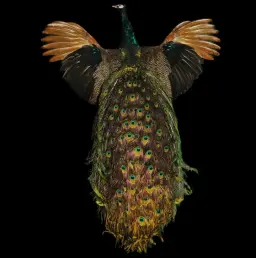
Lot DGK45
20 000,00 AEDطاووس محشو رائع – تجسيد مذهل لأروع طائر في الطبيعة
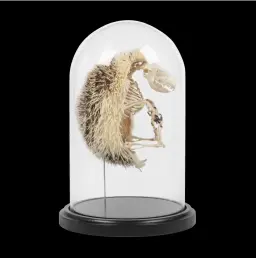
Lot C1
3 000,00 AEDهياكل عظمية لقنافذ محفوظة داخل غطاء زجاجي
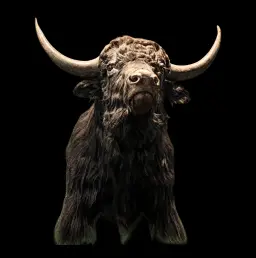
Lot CJFG934
17 000,00 AEDتحفة تذكارية من الياك التبتي. تحفة تذكارية من الياك التبتي – رمز مهيب لجبال الهيمالايا العالية
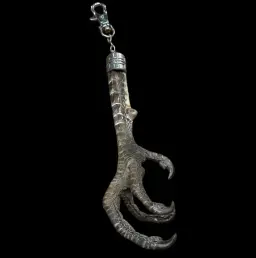
Lot PPK7
850,00 AEDميدالية مفاتيح «Peacock Paw»: رمز للأناقة والعظمة

Lot TUH-01
رأس وحيد القرن محنط
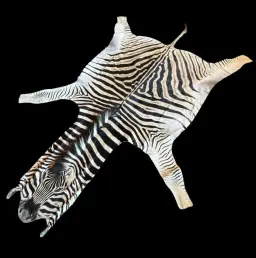
Lot ZH-001
14 500,00 AEDجلد الزرافة – جوهر الأناقة البرية
Lot IAC-110
تمت إضافة المنتج إلى سلة التسوق الخاصة بك
لا يمكنك إضافة "الإمبالا (Aepyceros melampus)" إلى سلة التسوق مرة أخرى.
استفسار
Lot IAC-110
شكرًا على اهتمامك. يرجى ملء النموذج أدناه، وسيقوم أحد المتخصصين لدينا بالاتصال بك قريبًا.
شكرًا على اهتمامك
سنتواصل معك قريبًا
لن نقوم أبدًا بنقل معلوماتك الشخصية إلى أي جهة خارج Artefactum Gallery لاستخدامها في أغراض تسويقية خاصة بها دون موافقتك. لمزيد من المعلومات حول كيفية معالجتنا لبياناتك، يرجى النقر هنا لقراءة «إشعار الخصوصية» الخاص بنا.
مقدم من
استفسار
شكرًا على اهتمامك. يرجى ملء النموذج أدناه، وسيقوم أحد المتخصصين لدينا بالاتصال بك قريبًا.
شكرًا على اهتمامك
سنتواصل معك قريبًا
لن نقوم أبدًا بنقل معلوماتك الشخصية إلى أي جهة خارج Artefactum Gallery لاستخدامها في أغراض تسويقية خاصة بها دون موافقتك. لمزيد من المعلومات حول كيفية معالجتنا لبياناتك، يرجى النقر هنا لقراءة «إشعار الخصوصية» الخاص بنا.
