




Lot HK_SM-005
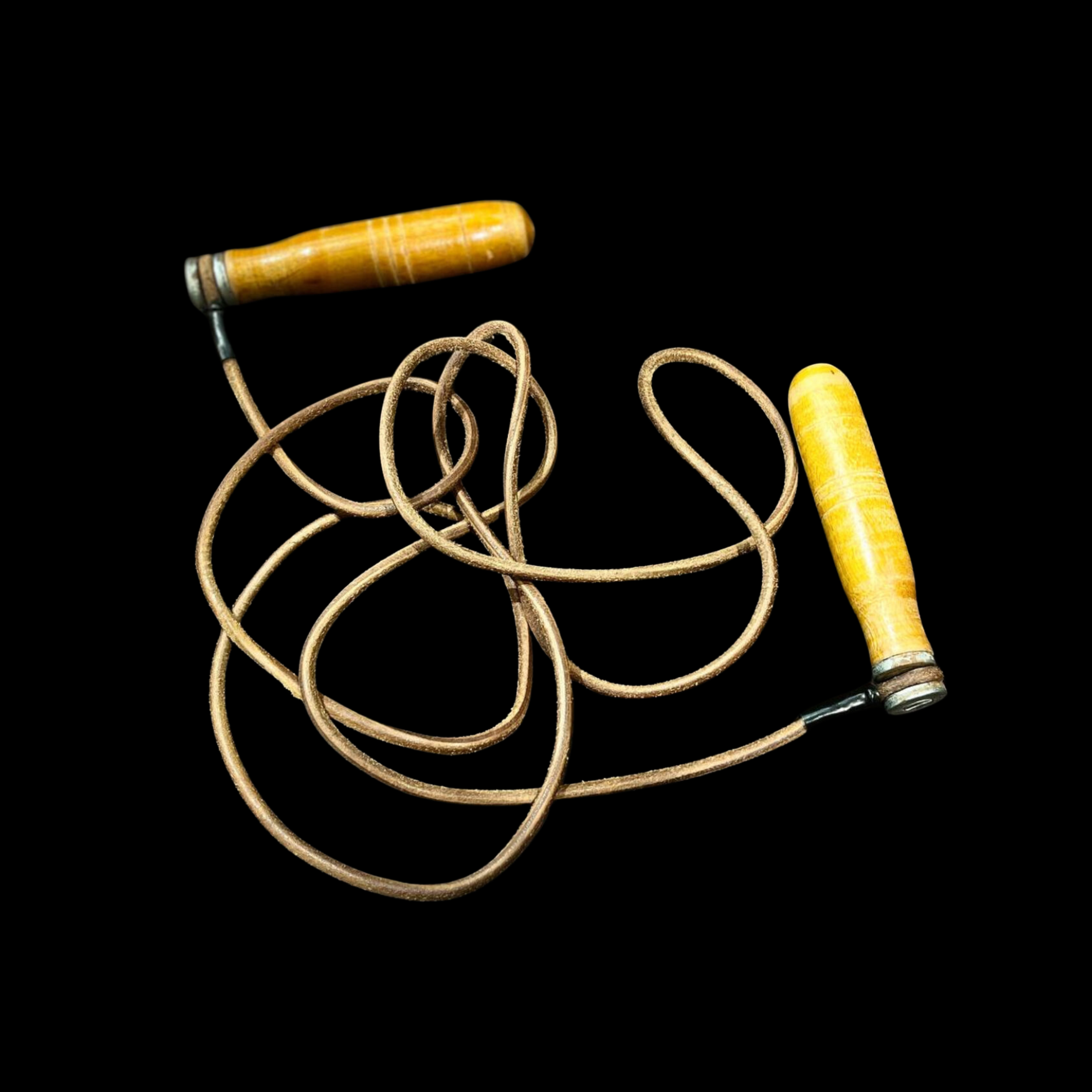
Bruce Lee – Personal Training Jump Rope from the Taky Kimura Collection, 1969
Specifications:
Location:
USA
Age:
1960s
Material:
Wood | Leather
Available by request, 1-2 weeks
Price on request

Lot Essay
Delivery
Rarity and Collectible Value
This remarkable personal training jump rope, formerly owned by Bruce Lee (1940–1973), represents an exceptional piece of martial arts and cinematic history associated with one of the most influential martial artists of the twentieth century. Unlike conventional autographed photographs, movie posters, or commemorative collectibles, this artefact belongs to the category of personal sporting equipment directly associated with Lee’s physical training and extraordinary dedication to martial arts.
According to its documented collecting history, the jump rope originates from the personal collection of Taky Kimura, Bruce Lee’s close friend, senior student, and longtime collaborator. In 1969, the equipment entered Kimura’s collection as part of a group of personal items and training materials associated with his teacher.
The jump rope was reportedly manufactured by George Lee, a craftsman who produced much of Bruce Lee’s specialised exercise equipment. This connection adds particular historical interest, associating the object not only with the legendary martial artist but also with the individuals who supported the development of his highly personalised training methods.
Personal training artefacts associated with Bruce Lee offer an unusually intimate perspective on his life, preserving material evidence of the discipline and physical preparation behind his extraordinary achievements. The documented association with Taky Kimura further enhances the collectible’s historical significance, linking it to one of Lee’s closest personal relationships.
For collectors of martial arts history, cinematic memorabilia, and exceptional personal artefacts, this jump rope represents a distinctive connection to the physical training philosophy and enduring legacy of Bruce Lee.
Historical and Cultural Significance
The jump rope is associated with Bruce Lee’s training activities in the United States during the 1960s, a formative period in the development of his martial arts philosophy and physical conditioning methods.
Born in San Francisco in 1940 and raised in Hong Kong, Bruce Lee began studying martial arts at an early age, developing a foundation in Wing Chun before moving to the United States in 1959. During his years in Seattle, he began teaching Chinese martial arts while studying philosophy and exploring different approaches to physical training.
Bruce Lee met Taky Kimura in Seattle in 1960, beginning a close friendship and teacher-student relationship that would continue throughout Lee’s life. Kimura became one of his earliest senior students and helped establish the Jun Fan Gung Fu Institute in Seattle’s Chinatown.
Their relationship extended beyond martial arts instruction. Kimura served as best man at Lee’s wedding to Linda Emery in 1964 and was later one of the pallbearers at his funeral in 1973.
Throughout their friendship, Lee shared personal possessions, training equipment, drawings, photographs, and written materials with Kimura. Among these objects was the present jump rope, which reportedly entered Kimura’s collection in 1969.
The artefact belongs to an important period in Lee’s development of Jeet Kune Do, the martial arts philosophy he introduced in 1967. Rejecting rigid adherence to traditional fighting systems, Lee advocated adaptability, efficiency, directness, and the continuous refinement of physical and mental abilities.
His approach to training combined traditional martial arts with boxing, strength conditioning, cardiovascular exercise, flexibility training, and scientific principles of human movement.
Jump rope exercises played an important role in this methodology, helping improve cardiovascular endurance, footwork, coordination, balance, and the ability to move efficiently during combat.
As a surviving piece of personal exercise equipment, this artefact provides a direct material connection to the demanding training routines that supported Bruce Lee’s development as a martial artist and performer.
Image and Presentation
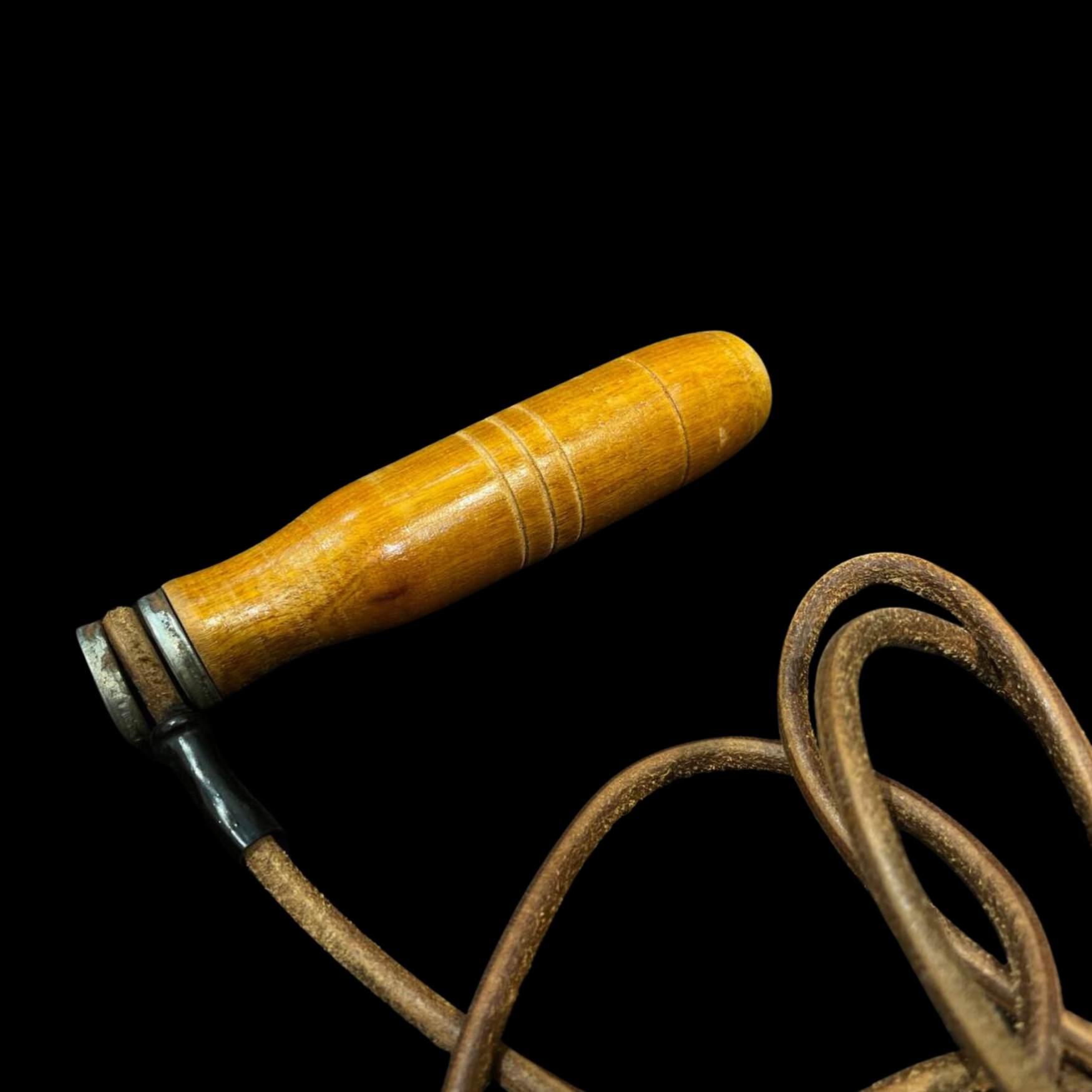
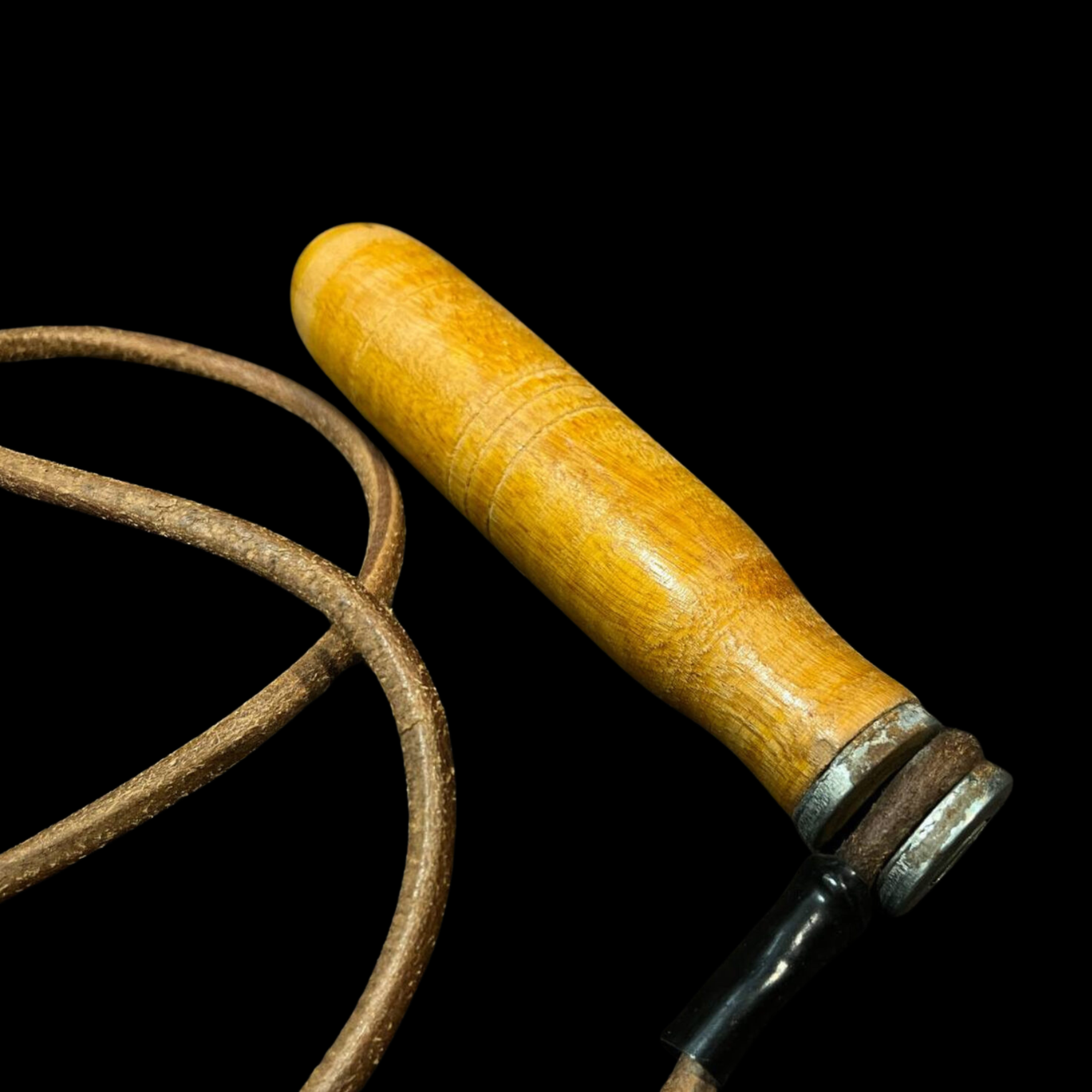
The collectible consists of a personal training jump rope associated with Bruce Lee’s physical conditioning equipment. Its utilitarian form reflects the practical requirements of martial arts training, emphasising functionality, repetitive movement, and the development of cardiovascular endurance.
Unlike elaborate ceremonial objects or decorative sporting trophies, a jump rope is a fundamentally functional training instrument. Its significance lies in the relationship between its simple construction and the extraordinary physical abilities of the individual who reportedly used it.
The rope was manufactured by George Lee, who is known for producing specialised exercise equipment for Bruce Lee. This association places the object within the broader context of Lee’s individualised training environment, where practical equipment was selected or developed to support specific physical objectives.
The flexible rope and handheld components represent a traditional training arrangement designed for continuous rotational movement. During use, the equipment allows repeated jumping sequences that challenge endurance, rhythm, balance, and coordination.
The simplicity of the object creates a compelling contrast with the international reputation of its former owner. Rather than presenting the theatrical imagery associated with Bruce Lee’s films, the collectible reveals an everyday aspect of his physical preparation.
As an original personal training artefact, the jump rope is particularly suitable for presentation within a custom archival display case, where its individual components can be arranged to emphasise both their functional character and historical significance.
Its association with Lee, Taky Kimura, and George Lee creates a compelling display narrative for specialised martial arts collections, private museums, sports heritage galleries, and interiors dedicated to twentieth-century cultural history.
The object demonstrates how an apparently ordinary piece of exercise equipment can acquire exceptional historical importance through its connection to an influential individual and a documented personal collecting history.
Human Touch
The most compelling personal quality of this collectible lies in its direct association with Bruce Lee’s extraordinary dedication to physical discipline, self-improvement, and the pursuit of martial excellence.
Bruce Lee believed that effective martial arts required more than technical knowledge. His philosophy emphasised the development of the entire individual, combining physical conditioning, intellectual curiosity, emotional awareness, and continuous experimentation.
His training routines were exceptionally demanding, incorporating strength exercises, running, flexibility work, striking practice, and cardiovascular conditioning. Jump rope training was particularly valuable because it developed endurance while simultaneously improving the footwork and coordination essential to efficient movement.
Lee recognised that the ability to move lightly and respond quickly could be as important as physical strength. His emphasis on mobility, timing, and controlled energy expenditure became central to his distinctive fighting approach.
The personal history of this jump rope also reflects Lee’s enduring relationship with Taky Kimura. Their friendship began during the early years of Lee’s teaching career and developed into a close personal bond based on mutual respect, loyalty, and a shared commitment to martial arts.
Kimura remained deeply connected to Lee’s legacy following his death, preserving personal memories, photographs, documents, and objects associated with their friendship.
The presence of the jump rope in Kimura’s collection provides a particularly meaningful connection to the private world of Bruce Lee, beyond the spectacular cinematic performances that established his international reputation.
Lee’s influence extended across martial arts, fitness, philosophy, and popular entertainment. Through films such as The Big Boss (1971), Fist of Fury (1972), The Way of the Dragon (1972), and Enter the Dragon (1973), he transformed the presentation of martial arts on screen and inspired generations of practitioners worldwide.
Yet the physical excellence visible in these performances was built through countless hours of ordinary training, repetition, and disciplined practice.
This personal jump rope symbolises that less visible dimension of his achievements. It preserves an intimate connection to the dedication behind the legendary public image, celebrating the individual whose pursuit of physical and philosophical development fundamentally changed modern martial arts culture.
For collectors and admirers of Bruce Lee, the artefact represents not merely an item of sporting equipment but a tangible reminder of the determination, discipline, and innovative spirit that defined his extraordinary life.
Delivery
Brought to you by

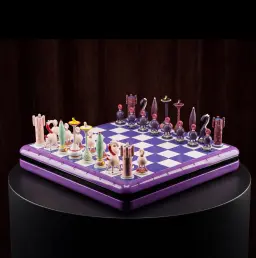
Lot SM-002
Another Kingdom: Oasis Chess by Yoomoota Art Universe
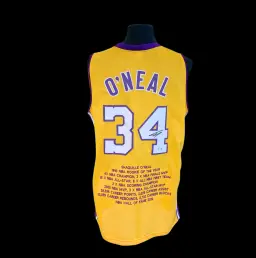
Lot HK_SM-023
Shaquille O’Neal Autographed Los Angeles Lakers jersey

Lot SM-021
Andrea Bocelli Signed Vinyl Record
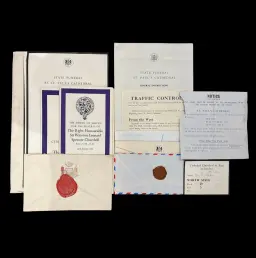
Lot SM-012
Winston Churchill State Funeral Archive of Documents
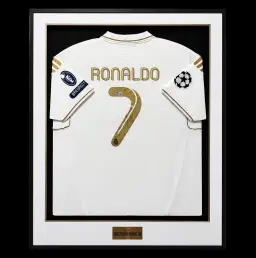
Lot SM-004
Cristiano Ronaldo Signed Real Madrid Football Shirt
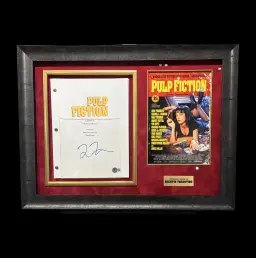
Lot SM-008
Quentin Tarantino Signed Pulp Fiction Film Script
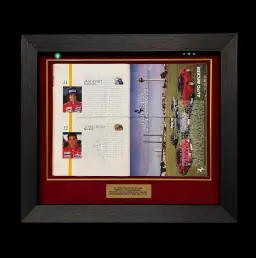
Lot HK_SM-025
Ayrton Senna, Alain Prost, Nigel Mansell and Other Formula 1 Legends – Magazine with 14 Autographs
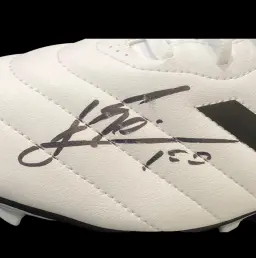
Lot HK_SM-017
Lionel Messi Signed Football Boot (White)
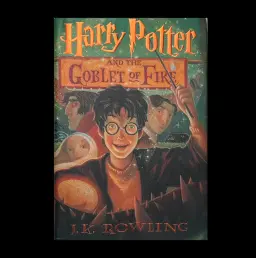
Lot SM-010
Daniel Radcliffe Signed Harry Potter and the Goblet of Fire Book
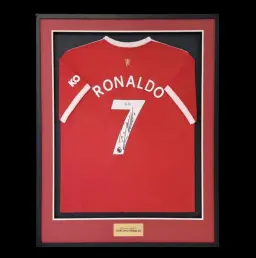
Lot HK_SM-009
Cristiano Ronaldo – Manchester United FC Jersey with Autograph
Lot HK_SM-005
Item has been added to your Cart
You cannot add "Bruce Lee – Personal Training Jump Rope from the Taky Kimura Collection, 1969" to your cart again.
Enquiry
Lot HK_SM-005
Thank you for your interest. Please fill out the below form, and our specialist will follow up with you shortly.
Thank you for your interest
We will be in touch shortly
We will never pass your personal information to anyone outside of Artefactum Gallery for their own marketing purposes without your consent. For more information about how we processes your data, please click here to read our Privacy Notice.
Brought to you by
Enquiry
Thank you for your interest. Please fill out the below form, and our specialist will follow up with you shortly.
Thank you for your interest
We will be in touch shortly
We will never pass your personal information to anyone outside of Artefactum Gallery for their own marketing purposes without your consent. For more information about how we processes your data, please click here to read our Privacy Notice.