



المواصفات:
الموقع:
شمال أفريقيا
الحجم:
26 سم
العمر:
نحو 100 مليون سنة
الفترة:
منتصف العصر الطباشيري
المادة:
حامل معدني
متوفر في دبي
السعر عند الطلب

مقال عن الـ Lot
التسليم
الندرة والقيمة
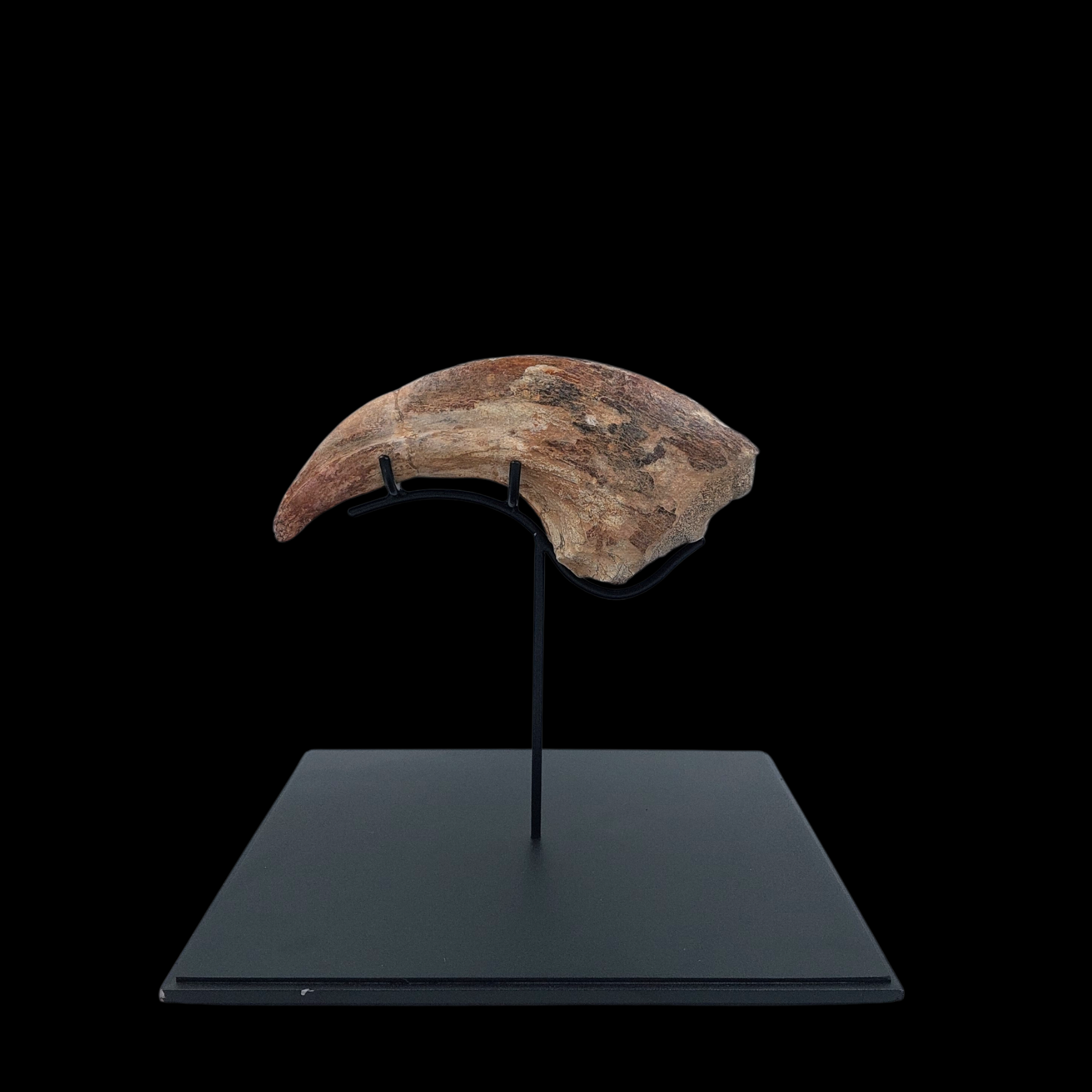
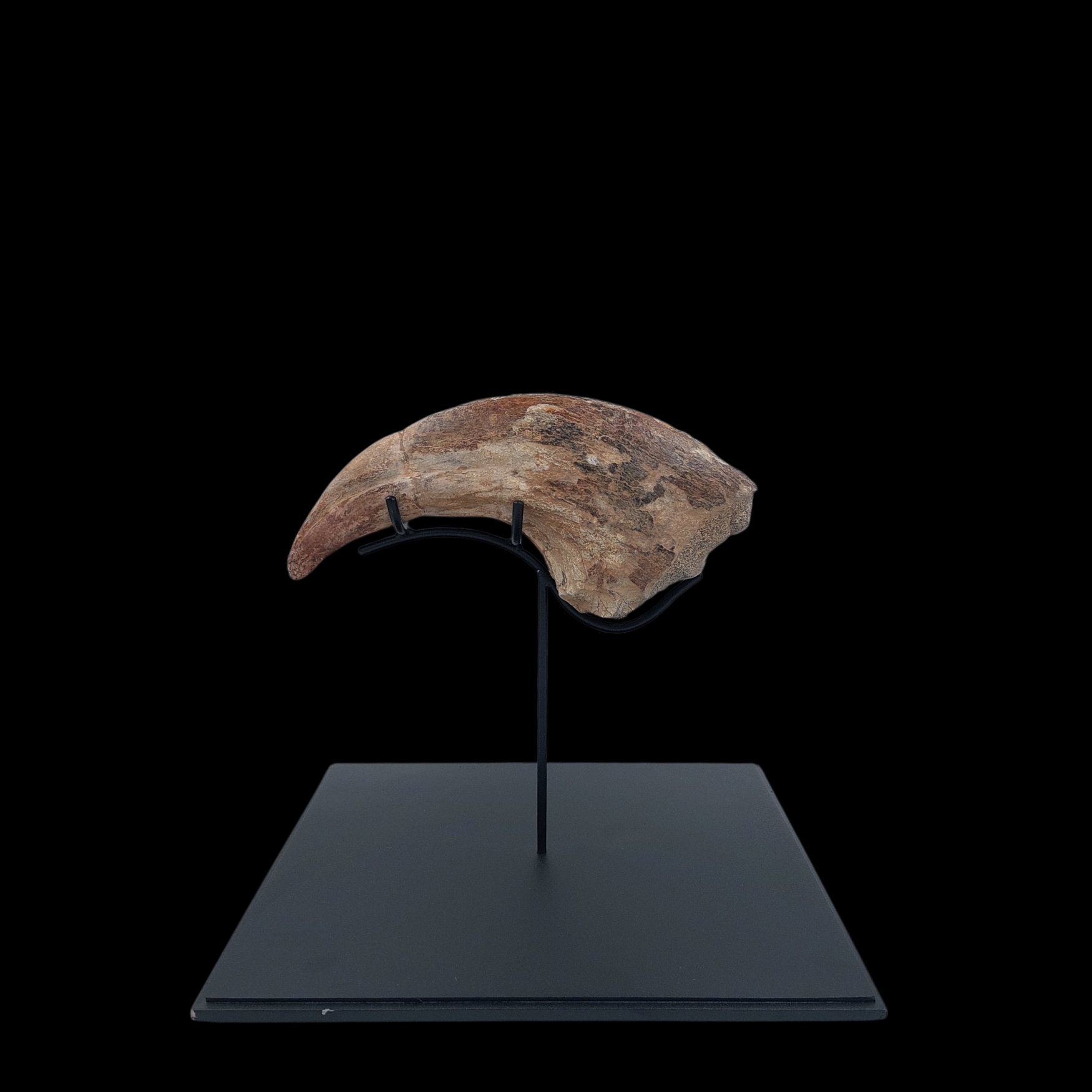
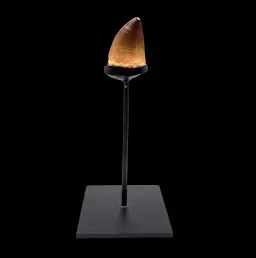
يمثل هذا المخلب المتحجر المثير للإعجاب عظم المخلب الطرفي لثيروبود مفترس عملاق من منتصف العصر الطباشيري في شمال أفريقيا. ويعكس مظهره المنحني بشدة وجانباه المضغوطان وطرفه البعيد المدبب الدعم الأصلي لغمد مخلب كيراتيني، كان سيمتد وراء العظم المحفوظ في الحياة. وشكلت مخالب الثيروبودات الكبيرة جزءًا من طرف إمساك قوي وأتاحت أسطح ارتباط للأوتار التي تتحكم في ثني الإصبع. وبطول محفوظ يقارب 26 سم، العينة استثنائية الحجم وقد نُسبت إلى كاركارودونتوصوريد كبير، ربما Carcharodontosaurus. غير أن المخالب المنفردة ينبغي ألا تُنسب إلى جنس بعينه إلا حين يدعم ذلك موقع موثوق وبيانات تشريحية مقارنة. وتحظى مخالب الثيروبودات الكبيرة المحفوظة جيدًا بتقدير كبير لأهميتها التشريحية وشكلها الدرامي وارتباطها ببعض أكبر المفترسات البرية المعروفة.
الاكتشاف والأصل
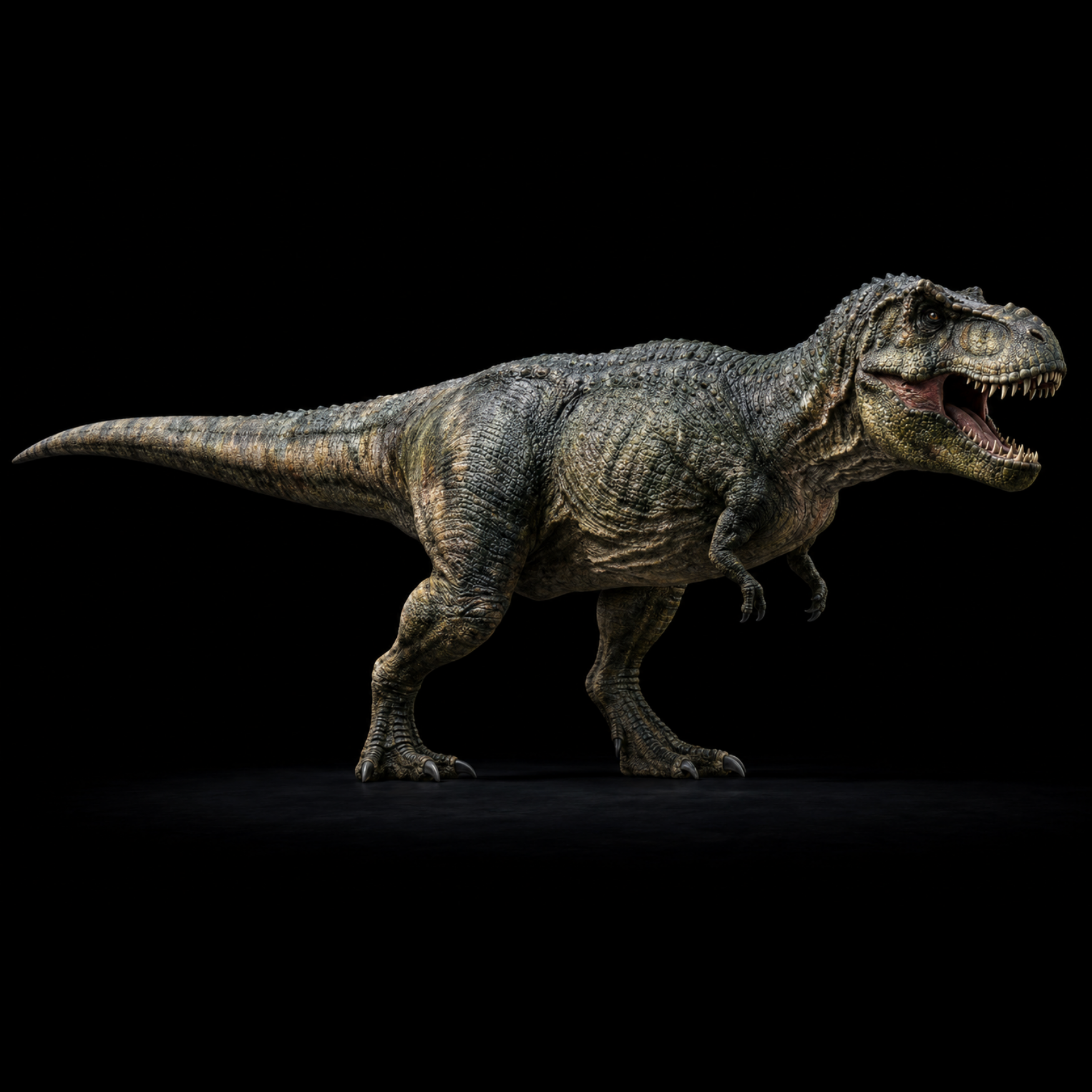
العينة متسقة مع الأحافير المستعادة من مجموعة كم كم في جنوب شرق المغرب، تسلسل من عمر السينومانيان يعود إلى نحو 100–94 مليون سنة. وقد دعمت قنوات الأنهار والسهول الفيضية والبيئات الدلتاوية هذه حيوانات فقارية غنية بالمفترسات على نحو غير معتاد شملت Carcharodontosaurus وSpinosaurus وDeltadromeus والأبيليصوريدات والتماسيح والبتروصورات وأسماكًا كثيرة. وكان Carcharodontosaurus saharicus ثيروبود ألوصوري عملاقًا سُمي نسبة إلى أسنانه المسننة المضغوطة جانبيًّا التي قُورن شكلها بأسنان أسماك القرش. وشغل موقعًا غذائيًّا رفيعًا في النظم البيئية لشمال أفريقيا في العصر الطباشيري. ولم تكن المخالب بنى القتل الرئيسة للحيوان بالطريقة نفسها التي كانت بها فكاه وأسنانه، لكنها ساعدت على الأرجح في الإمساك وتثبيت الفريسة والتفاعل مع البيئة.
الحفظ والعرض
أثناء التحجر، دُفن العظم الأصلي تحت الرواسب وتمعدن تدريجيًّا حين رسبت المياه الجوفية معادن مذابة داخل مسامه الداخلية. وتحفظ الأحفورة الناتجة الانحناء العام والقاعدة المفصلية والأخاديد الوعائية الخارجية المرتبطة بالمخلب الحي. وتسجل الشقوق الطبيعية والبلى السطحي والفروق اللونية الدفن والضغط الجيولوجي والتحضير اللاحق. وقد كُشفت العينة بعناية وثُبّتت مع الاحتفاظ بملمسها الأحفوري الأصيل ومظهرها التشريحي. ويوفر هذا المخلب الثيروبودي العملاق، المقدَّم قطعة تاريخ طبيعي، صلة مادية مباشرة بالأطراف المتخصصة والتكيفات المفترسة والتنوع الاستثنائي للاحمات في شمال أفريقيا منتصف العصر الطباشيري.
التسليم
مقدم من


Lot MT-0021
3 600,00 AEDسن ميغالودون، 125 غرام، ارتفاع 10.5 سم، يبلغ عمره حوالي 13 مليون سنة
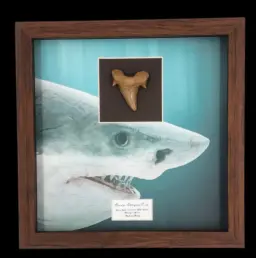
Lot OOT-002
900,00 AEDقوة العصور ما قبل التاريخ: سن أصلي من نوع Otodus obliquus، طوله 5.2 سم
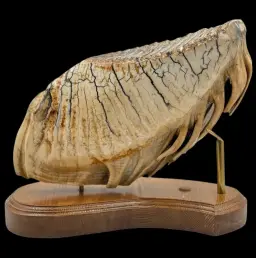
Lot MMTH
ضرس الماموث المهيب – لمحة عن الماضي ما قبل التاريخ
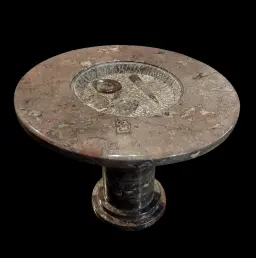
Lot FSL-016
12 900,00 AEDطاولة من الرخام الأحفوري تحتوي على أحافير أورثوسيراس وأمونيت من فصيلة الرأسيات
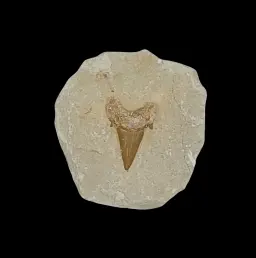
Lot FSL-013
900,00 AEDصفيحة من أسنان سمك القرش «أوتودوس» المتحجرة، وزنها 167 غرامًا
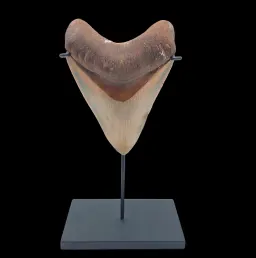
Lot FSL-045
3 650,00 AEDسن ميغالودون، 73 غرام، ارتفاع 9.5 سم، يبلغ عمره حوالي 13 مليون سنة
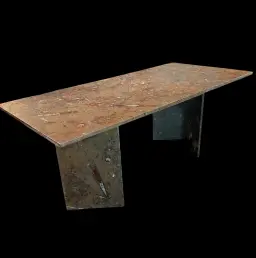
Lot FSL-019
55 100,00 AEDطاولة من الرخام تحتوي على أحافير أورثوسيراس وأحافير بطنيات الأرجل
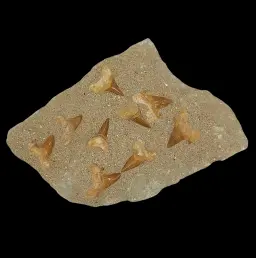
Lot FSL-008
5 500,00 AEDلوحة من أسنان أسماك القرش «أوتودوس» المتحجرة، وزنها 1 597 غرامًا
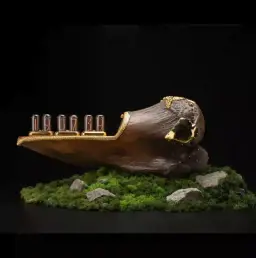
Lot MT-C1
110 000,00 AEDساعة مصنوعة من عظم فخذ ماموث، من الذهب عيار 24 قيراطًا، يبلغ عمرها حوالي 40 000 سنة، 2023
Lot FSL-047
1 700,00 AEDسن موساصور – أثر من بقايا مفترس بحري من العصر الطباشيري (Copy)
Lot FSL-032
تمت إضافة المنتج إلى سلة التسوق الخاصة بك
لا يمكنك إضافة "مخلب ثيروبود عملاق من العصر الطباشيري" إلى سلة التسوق مرة أخرى.
استفسار
Lot FSL-032
شكرًا على اهتمامك. يرجى ملء النموذج أدناه، وسيقوم أحد المتخصصين لدينا بالاتصال بك قريبًا.
شكرًا على اهتمامك
سنتواصل معك قريبًا
لن نقوم أبدًا بنقل معلوماتك الشخصية إلى أي جهة خارج Artefactum Gallery لاستخدامها في أغراض تسويقية خاصة بها دون موافقتك. لمزيد من المعلومات حول كيفية معالجتنا لبياناتك، يرجى النقر هنا لقراءة «إشعار الخصوصية» الخاص بنا.
مقدم من
استفسار
شكرًا على اهتمامك. يرجى ملء النموذج أدناه، وسيقوم أحد المتخصصين لدينا بالاتصال بك قريبًا.
شكرًا على اهتمامك
سنتواصل معك قريبًا
لن نقوم أبدًا بنقل معلوماتك الشخصية إلى أي جهة خارج Artefactum Gallery لاستخدامها في أغراض تسويقية خاصة بها دون موافقتك. لمزيد من المعلومات حول كيفية معالجتنا لبياناتك، يرجى النقر هنا لقراءة «إشعار الخصوصية» الخاص بنا.
