



Specifications:
Location:
North Africa
Size:
26 cm
Age:
approx. 100 mln years old
Period:
mid-Cretaceous
Material:
Metal holder
Available in Dubai
Price on request

Lot Essay
Delivery
Rarity and Value
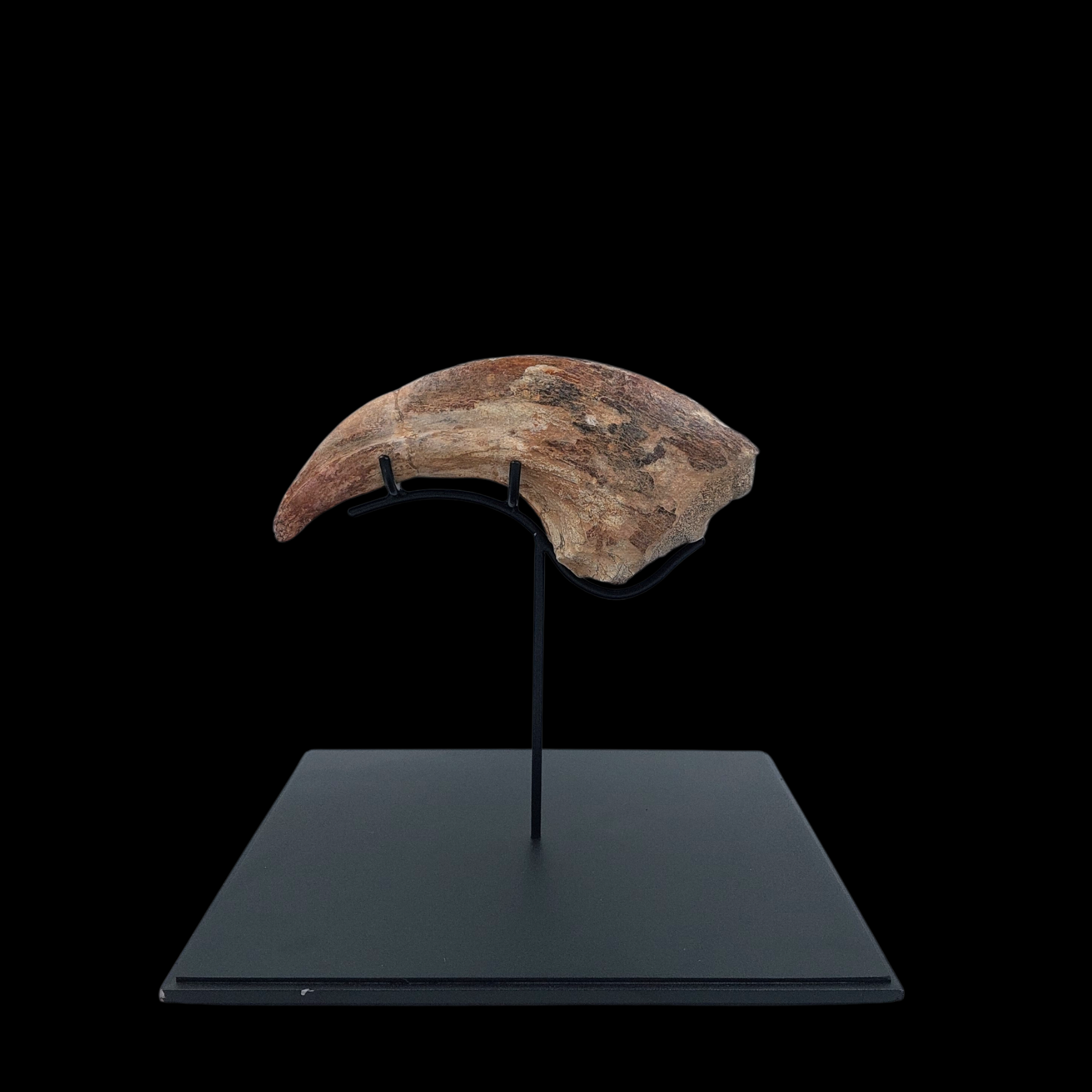
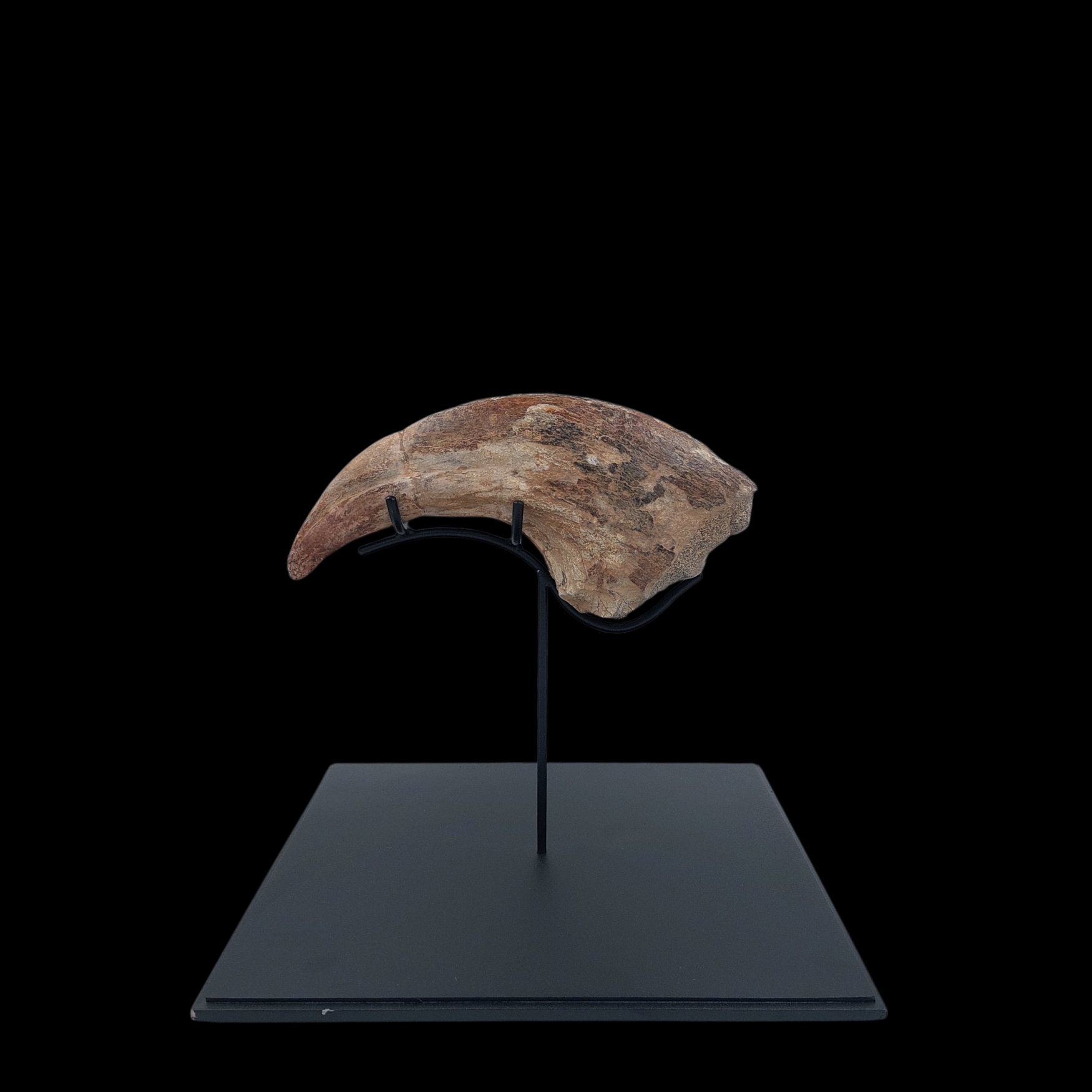
This impressive fossilized claw represents the terminal ungual bone of a giant predatory theropod from the mid-Cretaceous of North Africa. Its strongly curved profile, compressed sides and pointed distal end reflect the original support for a keratinous claw sheath, which would have extended beyond the preserved bone during life. Large theropod unguals formed part of a powerful grasping limb and provided attachment surfaces for tendons controlling flexion of the digit. At approximately 26 cm in preserved length, this specimen is exceptional in scale and has been attributed to a large carcharodontosaurid, potentially Carcharodontosaurus. However, isolated claws should be assigned to a particular genus only when supported by reliable locality and comparative anatomical data. Large, well-preserved theropod claws are highly valued for their anatomical significance, dramatic form and association with some of the largest terrestrial predators known.
Discovery and Origin
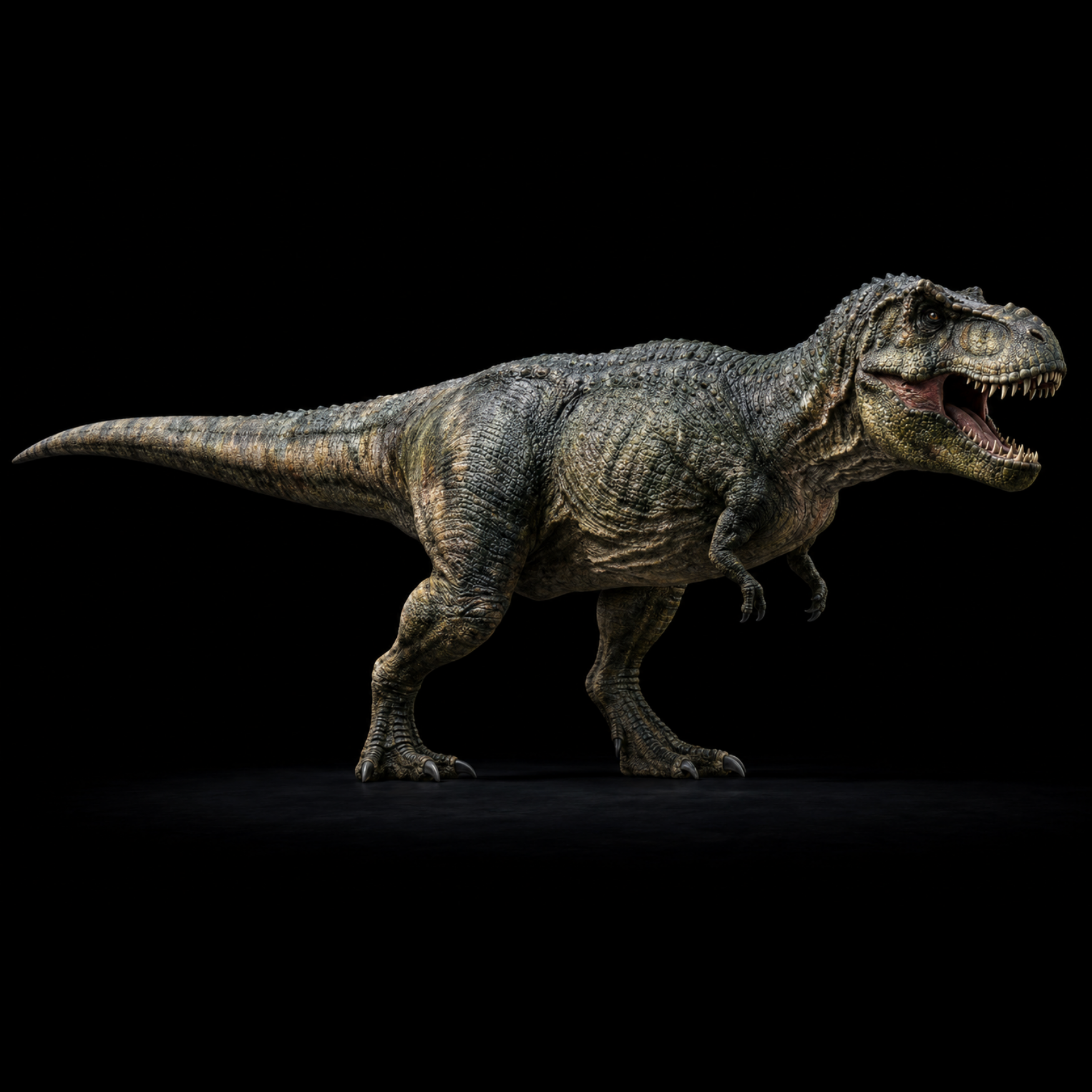
The specimen is consistent with fossils recovered from the Kem Kem Group of southeastern Morocco, a Cenomanian-age sequence dating to approximately 100–94 million years ago. These river channels, floodplains and deltaic environments supported an unusually predator-rich vertebrate fauna that included Carcharodontosaurus, Spinosaurus, Deltadromeus, abelisaurids, crocodilians, pterosaurs and numerous fishes. Carcharodontosaurus saharicus was a gigantic allosauroid theropod named for its laterally compressed, serrated teeth, whose form was compared with those of sharks. It occupied a high trophic position in the ecosystems of Cretaceous North Africa. Claws were not the animal’s principal killing structures in the same way as its jaws and teeth, but they likely assisted with gripping, stabilizing prey and interacting with the environment.
Preservation and Presentation
During fossilization, the original bone was buried by sediment and gradually mineralized as groundwater deposited dissolved minerals within its internal pores. The resulting fossil preserves the overall curvature, articular base and external vascular grooves associated with the living claw. Natural fractures, surface wear and differences in coloration record burial, geological pressure and later preparation. The specimen has been carefully exposed and stabilized while retaining its authentic fossil texture and anatomical profile. Presented as a natural-history object, this giant theropod claw provides a direct material connection to the specialized limbs, predatory adaptations and extraordinary carnivore diversity of mid-Cretaceous North Africa.
Delivery
Brought to you by

Lot MT91
3 300,00 AEDMegalodon Tooth, 176 gr, Polishing, h 11.2 cm, circa 13 mln years old
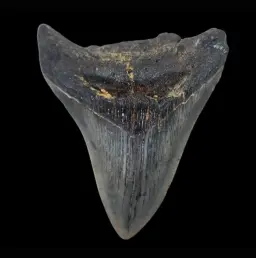
Lot MT-022
2 800,00 AEDMegalodon Tooth, 120gr, h 10.3cm, 13mln years old
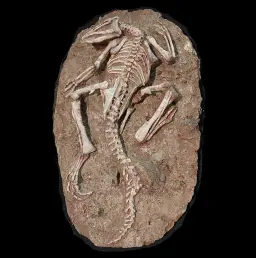
Lot FSL-002
220 350,00 AEDJeholosaurus Skeleton Fossil — Early Ancestor of Iguanodonts and Hadrosaurs from the Jehol Biota
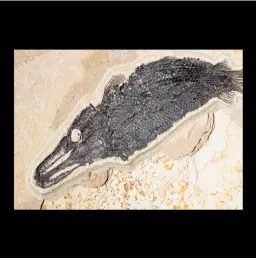
Lot ALF1
Atractosteus Lapidosteus fish
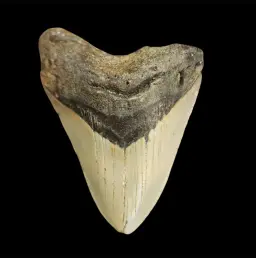
Lot MT-0021
3 600,00 AEDMegalodon Tooth, 125gr, h 10.5cm, circa 13 mln years old
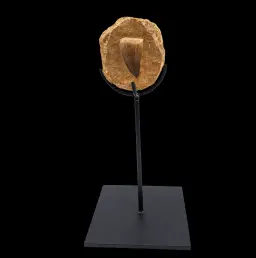
Lot FSL-037
1 500,00 AEDFossilized Mosasaur Tooth in Natural Matrix
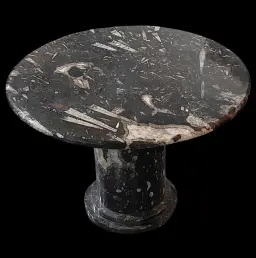
Lot FSL-014
13 960,00 AEDOrthoceras Fossil Marble Table from the Paleozoic Era
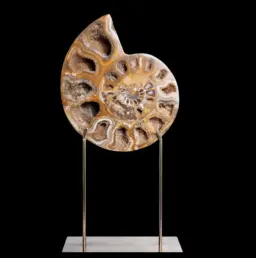
Lot AH-001
Ammonite – A Window Into Prehistoric Oceans
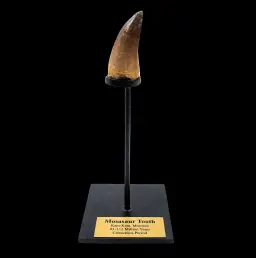
Lot FSL-035
2 100,00 AEDMosasaur Tooth – Relic of a Cretaceous Sea Predator
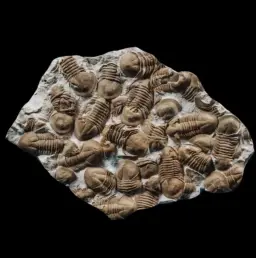
Lot TP-0071
Fossilized Trilobites Plate
Lot FSL-032
Item has been added to your Cart
Enquiry
Lot FSL-032
Thank you for your interest. Please fill out the below form, and our specialist will follow up with you shortly.
Thank you for your interest
We will be in touch shortly
We will never pass your personal information to anyone outside of Artefactum Gallery for their own marketing purposes without your consent. For more information about how we processes your data, please click here to read our Privacy Notice.
Brought to you by

Enquiry
Thank you for your interest. Please fill out the below form, and our specialist will follow up with you shortly.
Thank you for your interest
We will be in touch shortly
We will never pass your personal information to anyone outside of Artefactum Gallery for their own marketing purposes without your consent. For more information about how we processes your data, please click here to read our Privacy Notice.