



Lot MNR-019
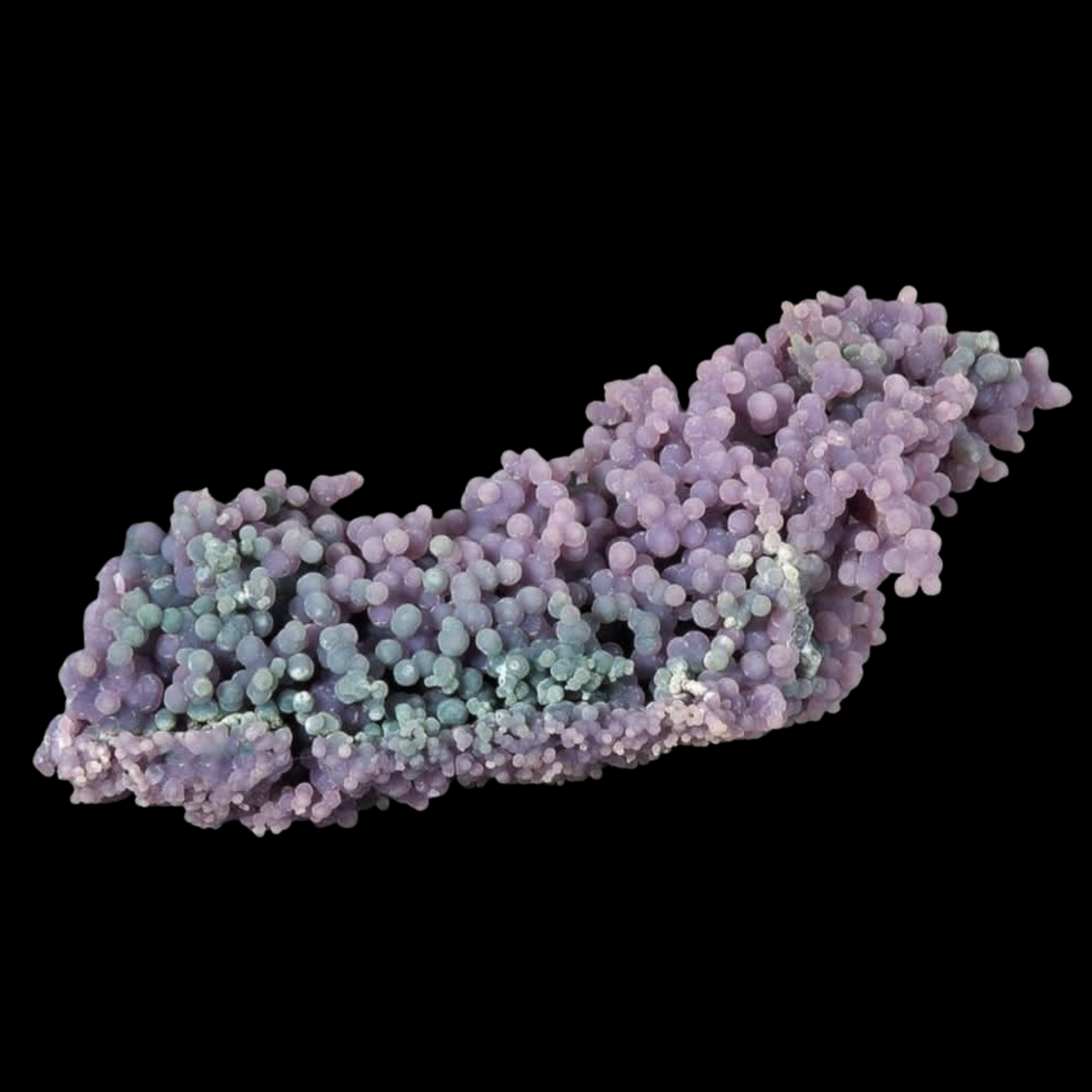
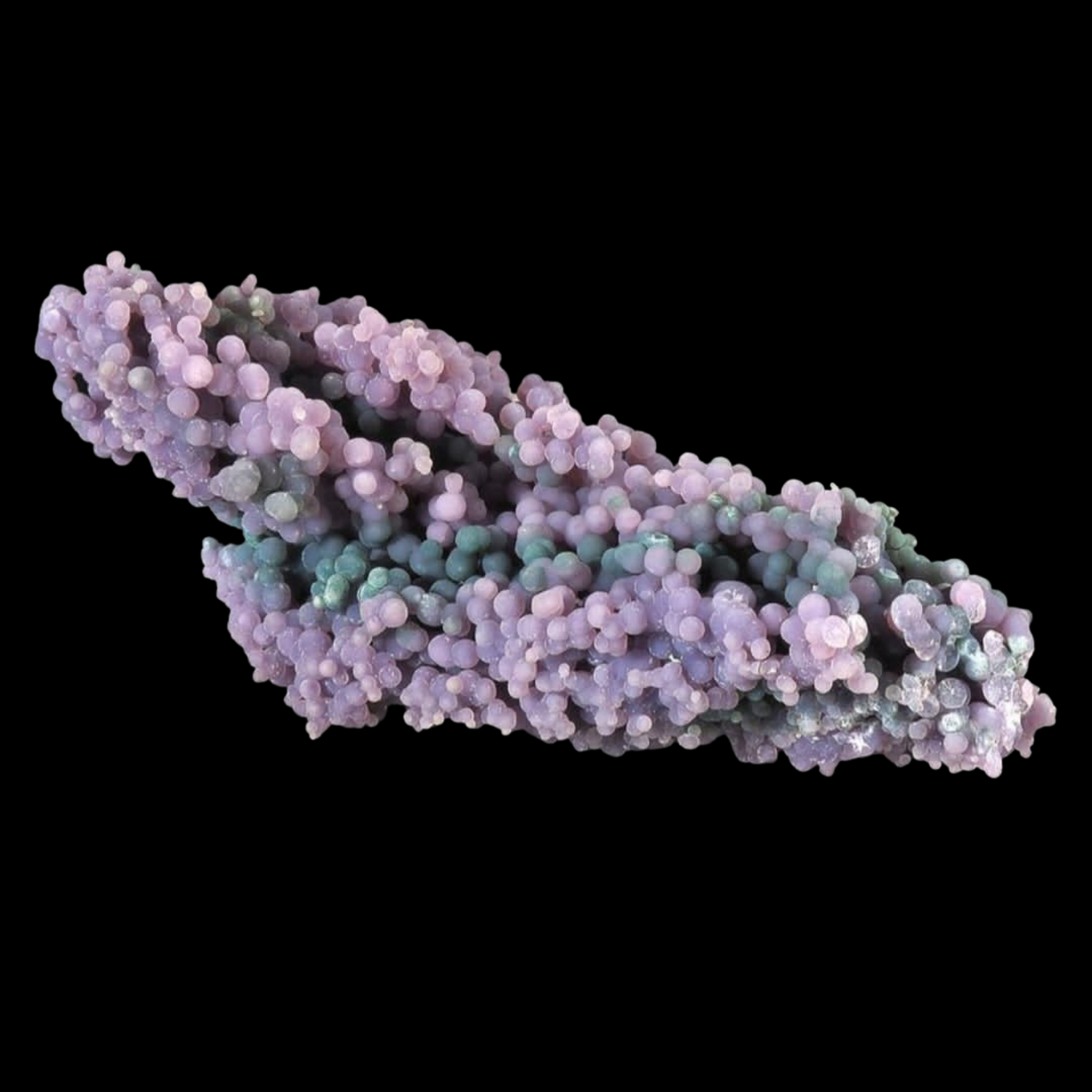
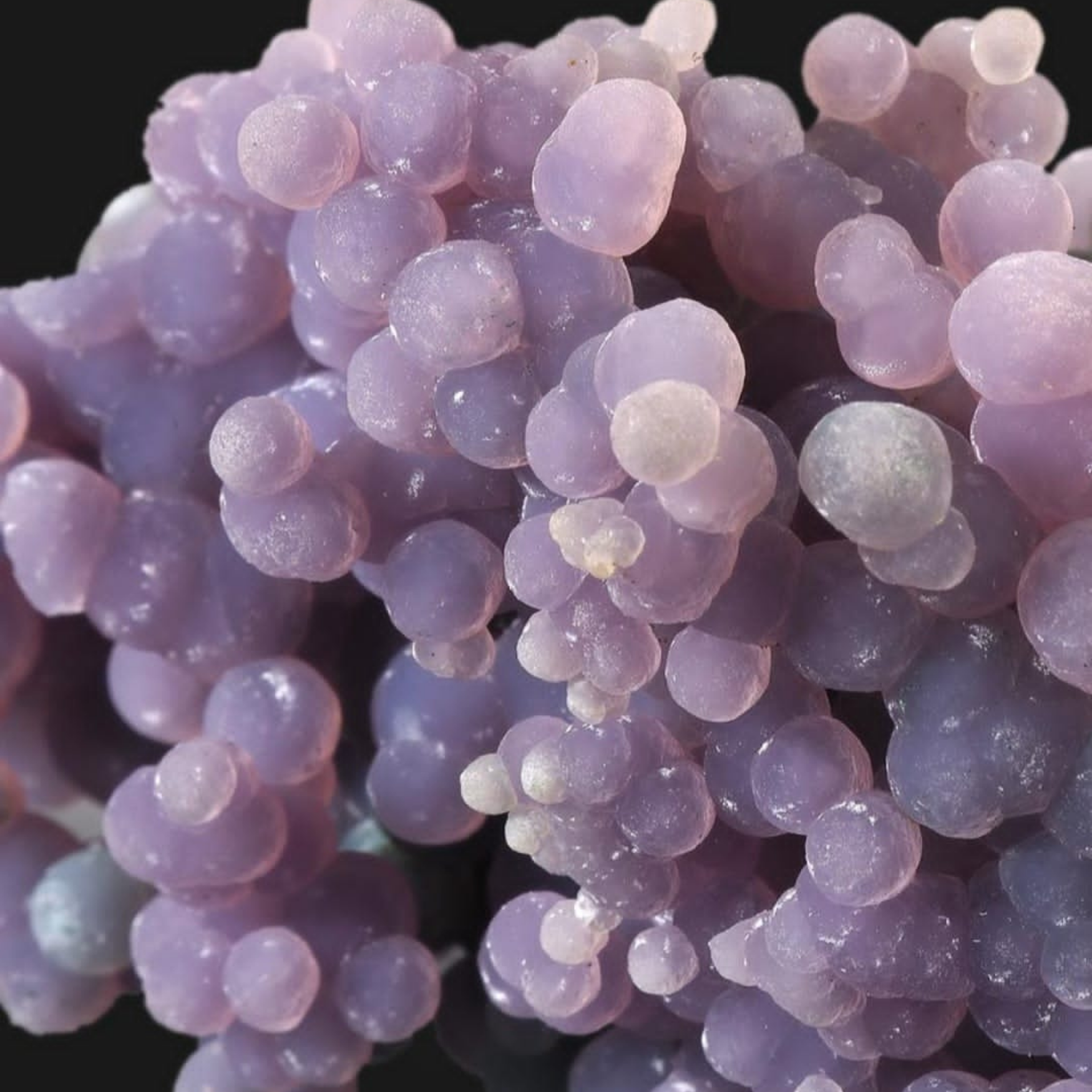
الكالسيدوني العنقودي «كالسيدوني العنب» (جمشت عنقودي)، سولاويزي، إندونيسيا
المواصفات:
الموقع:
إندونيسيا، سولاويسي
الحجم:
16.5 × 7 × 5.5 سم
الوزن:
342 غرام
متاح عند الطلب
17 000,00 AED

مقال عن الـ Lot
التسليم
الندرة والقيمة
على الرغم من اسمه التجاري الشائع، كالسيدوني العنب، فإن هذه المادة ليست كالسيدونيًّا حقيقيًّا بالمعنى المعدني. فقد أظهرت دراسات بلورية مفصلة أنها تتألف من مجموعات كروية كثيفة التراص من الجمشت (الكوارتز البنفسجي) لا من السيليكا الخفية التبلور التي تحدد الكالسيدوني. وتعرض العينة سمة عنقودية لافتة، تنمو فيها كريات مستديرة لا تحصى معًا لتشكل عناقيد تشبه عناقيد العنب الناضج. وتنتج الدرجات الخضراء الرقيقة الظاهرة بين بعض الكرات عن شوائب مجهرية من معدن السيلادونيت، مما يخلق تباينًا لونيًّا طبيعيًّا استثنائيًّا نادرًا ما يُلاحظ في عينات الكوارتز. وبفضل مورفولوجيتها غير المألوفة وندرة وجودها ومظهرها اللافت، أصبح كالسيدوني العنب من أكثر الاكتشافات المعدنية من إندونيسيا تميزًا.
الاكتشاف والاقتناء
تنحدر هذه العينة من منطقة مامويو في مقاطعة سولاويزي الغربية، إندونيسيا، الموقع الوحيد المعروف بإنتاج هذا الجمشت العنقودي المميز بكميات كبيرة. وقد تشكلت البلورات الكروية على مدى ملايين السنين حين دارت سوائل حرمائية غنية بالسيليكا عبر تجاويف بركانية، حيث تبلورت طبقات متتالية من الكوارتز نحو الخارج من نقاط تنوي كثيرة لتكوين كرات بلورية كثيفة التراص. وأنتجت التباينات في كيمياء السائل أثناء نمو البلورات، إلى جانب شوائب السيلادونيت المجهرية، الألوان المميزة من اللافندر والبنفسجي والأخضر الشاحب. وتجعل الظروف الجيولوجية المعقدة اللازمة لهذه العملية عينات كهذه غير شائعة استثنائيًّا داخل مجموعة الكوارتز.
الصنعة والعرض
حُفظت العينة باحترافية للإبقاء على سلامة تجمعاتها البلورية العنقودية الدقيقة وبريق سطح الكوارتز الطبيعي المطفأ. وأُوليت عناية خاصة لحفظ مورفولوجيا البلورات الكروية وتدرج اللون الدقيق والمناطق المتباينة الحاملة للسيلادونيت التي تميز هذه المادة عن أنواع الكوارتز العادية. ويتيح الحفظ بجودة المتاحف للعينة تمثيل أحد أغرب أنماط نمو البلورات الموجودة في الطبيعة بدقة، موضحًا التنوع اللافت لتكوّن المعادن الحرمائية والتاريخ الجيولوجي الفريد للتضاريس البركانية في سولاويزي، إندونيسيا.
التسليم
مقدم من


هل تحتاج إلى مزيد من التفاصيل؟
Lot AKR-001
4 200,00 AEDقطعة من العنبر تحتوي على بعوضة محفوظة بداخلها – لحظة مجمدة في الزمن
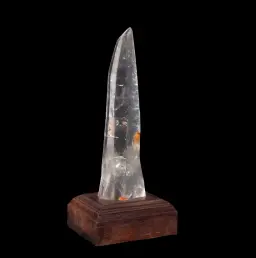
Lot RCS-001
17 000,00 AEDالكريستال الصخري
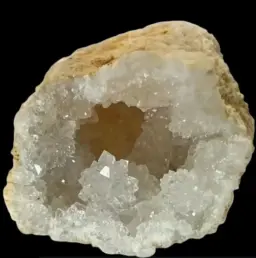
Lot WQG-11
جيود الكوارتز الأبيض
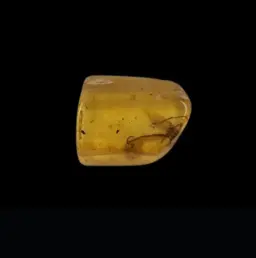
Lot BA-112
500,00 AEDقطعة من العنبر الطبيعي
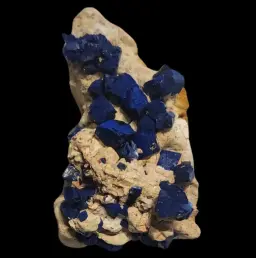
Lot AMS-001
2 300,00 AEDالأزوريت على المصفوفة
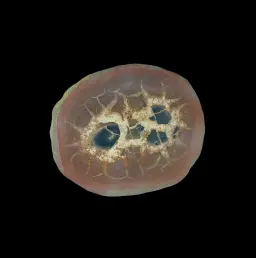
Lot MNR-018
800,00 AEDحجر سيبتاريا الصحراوي الطبيعي «حجر التنين»، 187 غرام
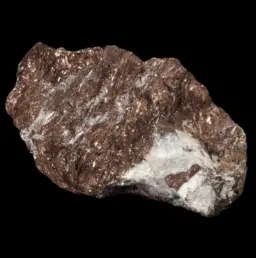
Lot MA-0021
17 000,00 AEDالأستروفيليت
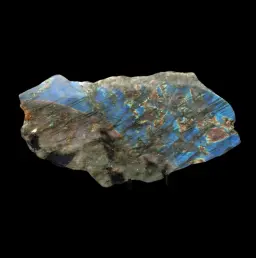
Lot LS-002
7 300,00 AEDاللابرادوريت
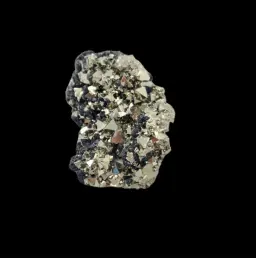
Lot PS-02
490,00 AEDبلورات البيريت على المصفوفة
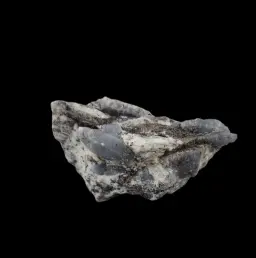
Lot BCM-0021
الكالسيدوني الأزرق في المصفوفة
Lot MNR-019
تمت إضافة المنتج إلى سلة التسوق الخاصة بك
لا يمكنك إضافة "الكالسيدوني العنقودي «كالسيدوني العنب» (جمشت عنقودي)، سولاويزي، إندونيسيا" إلى سلة التسوق مرة أخرى.
استفسار
Lot MNR-019
شكرًا على اهتمامك. يرجى ملء النموذج أدناه، وسيقوم أحد المتخصصين لدينا بالاتصال بك قريبًا.
شكرًا على اهتمامك
سنتواصل معك قريبًا
لن نقوم أبدًا بنقل معلوماتك الشخصية إلى أي جهة خارج Artefactum Gallery لاستخدامها في أغراض تسويقية خاصة بها دون موافقتك. لمزيد من المعلومات حول كيفية معالجتنا لبياناتك، يرجى النقر هنا لقراءة «إشعار الخصوصية» الخاص بنا.
مقدم من
استفسار
شكرًا على اهتمامك. يرجى ملء النموذج أدناه، وسيقوم أحد المتخصصين لدينا بالاتصال بك قريبًا.
شكرًا على اهتمامك
سنتواصل معك قريبًا
لن نقوم أبدًا بنقل معلوماتك الشخصية إلى أي جهة خارج Artefactum Gallery لاستخدامها في أغراض تسويقية خاصة بها دون موافقتك. لمزيد من المعلومات حول كيفية معالجتنا لبياناتك، يرجى النقر هنا لقراءة «إشعار الخصوصية» الخاص بنا.
