


Specifications:
Location:
Indonesia, Sulawesi
Size:
16.5 x 7 x 5.5 cm
Weight:
342 g
Available by request
17 000,00 AED

Lot Essay
Delivery
Rarity and Value
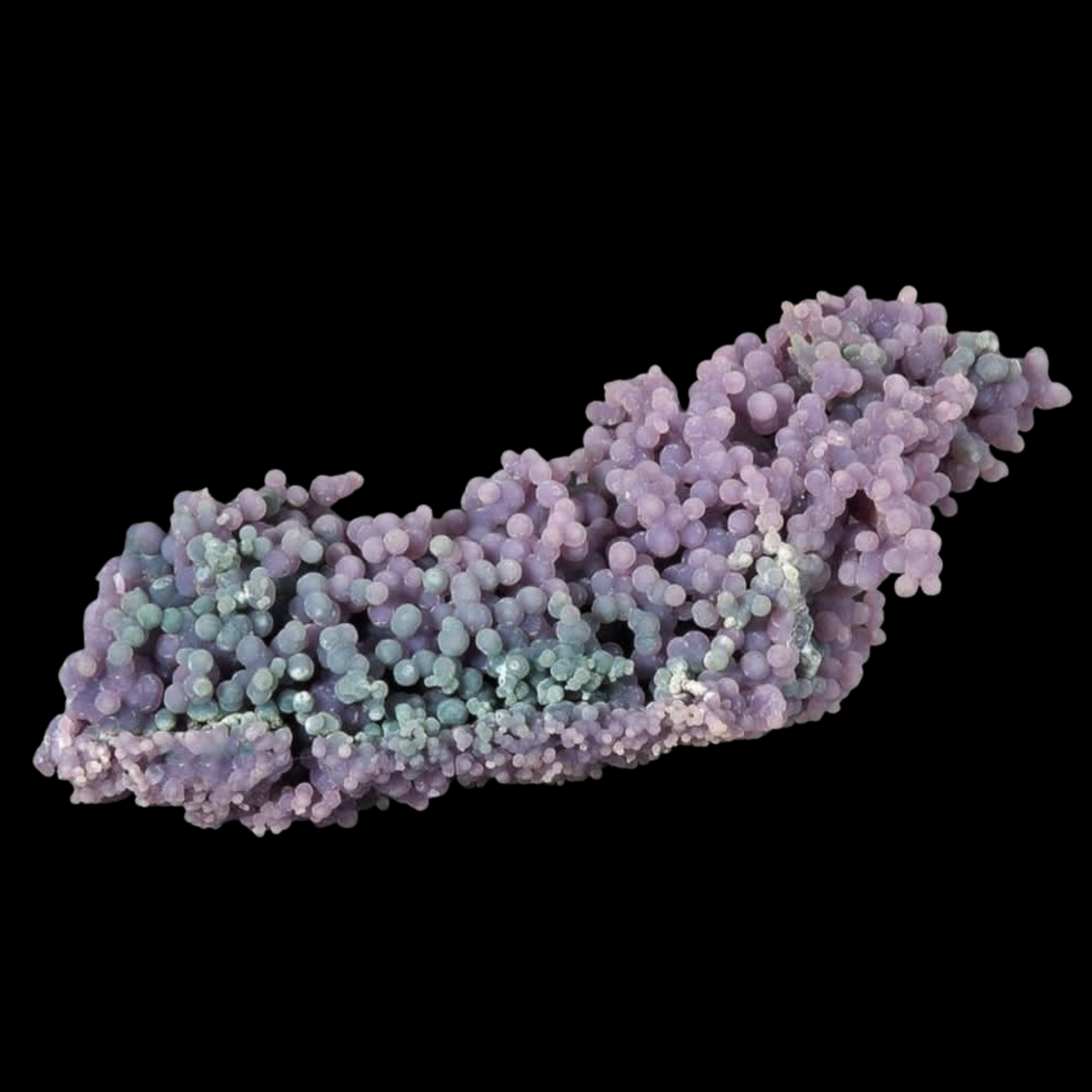
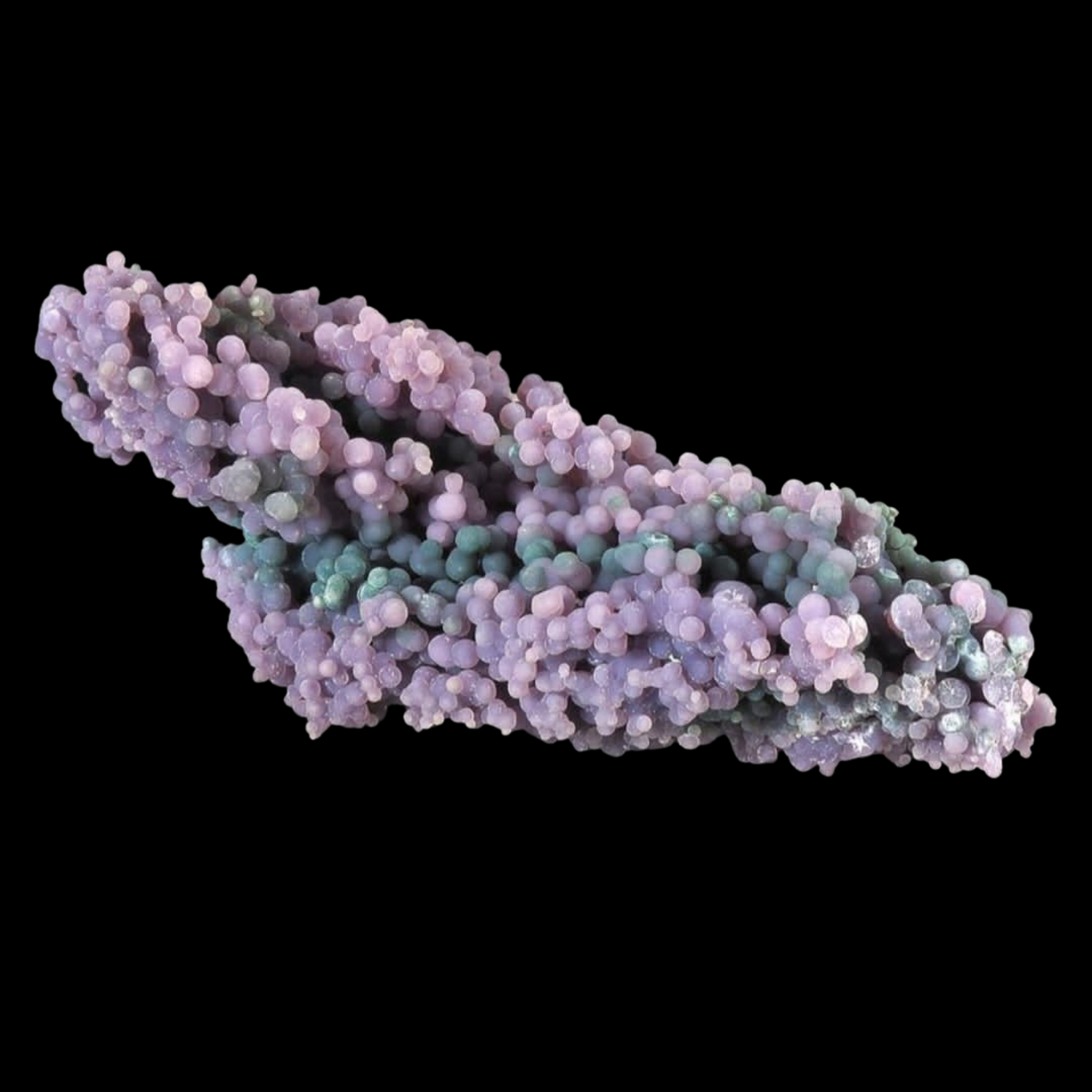
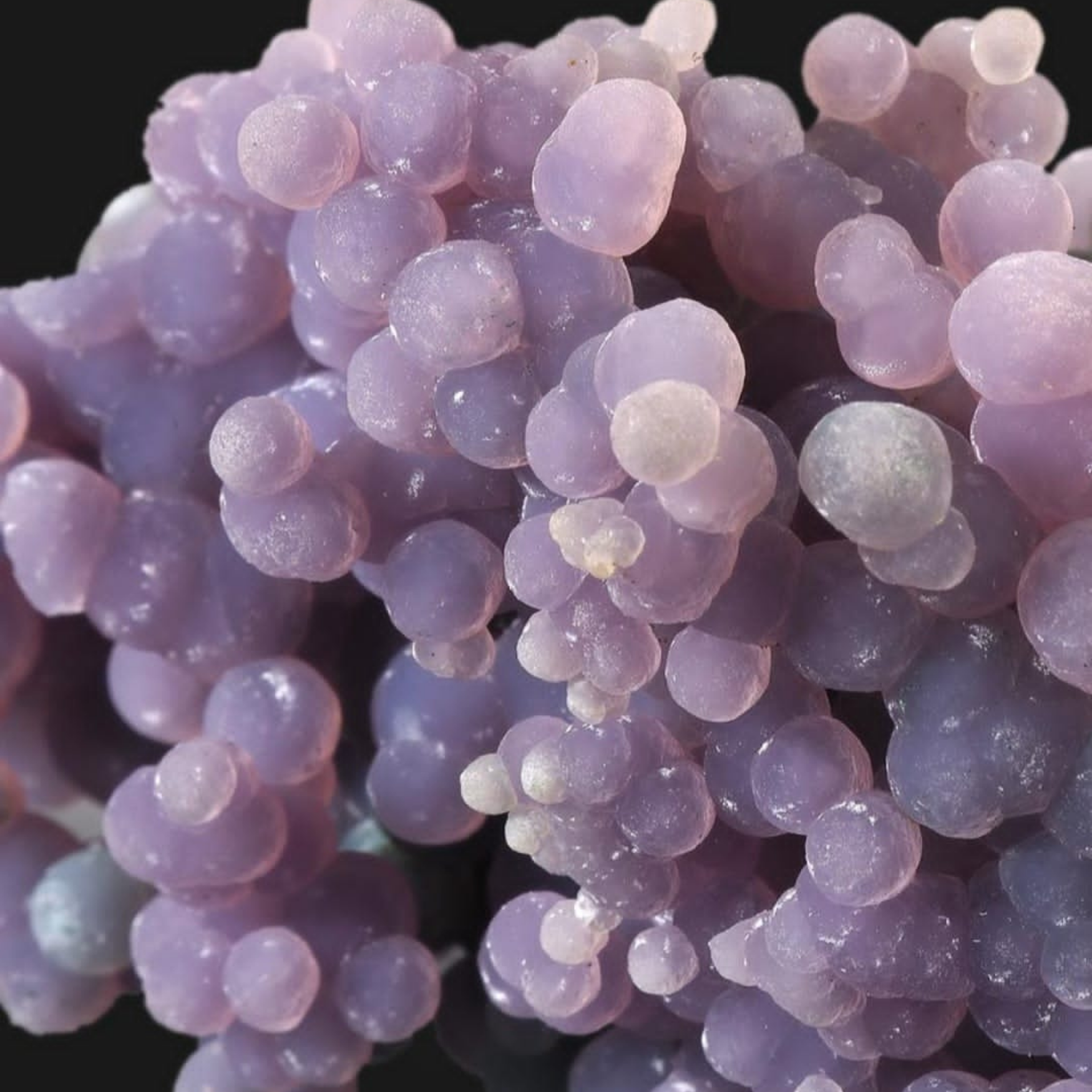
Despite its widely used trade name, Grape Chalcedony, this material is not true chalcedony in the mineralogical sense. Detailed crystallographic studies have shown that it consists of densely packed spherical aggregates of amethyst (purple quartz) rather than the cryptocrystalline silica that defines chalcedony. The specimen exhibits a remarkable botryoidal habit, in which countless rounded spherules grow together to form clusters resembling bunches of ripe grapes. Delicate greenish tones visible among some of the spheres result from microscopic inclusions of the mineral celadonite, creating an exceptional natural color contrast rarely observed in quartz specimens. Owing to its unusual morphology, limited occurrence, and striking appearance, Grape Chalcedony has become one of the most recognizable mineral discoveries from Indonesia.
Discovery and Acquisition
This specimen originates from the Mamuju area of West Sulawesi Province, Indonesia, the only locality known to produce this distinctive botryoidal amethyst in significant quantities. The spherical crystals formed over millions of years as silica-rich hydrothermal fluids circulated through volcanic cavities, where successive layers of quartz crystallized outward from numerous nucleation points to create densely packed spherulites. Variations in fluid chemistry during crystal growth, together with microscopic celadonite inclusions, produced the characteristic lavender, violet, and pale green coloration. The complex geological conditions required for this process make such specimens exceptionally uncommon within the quartz group.
Craftsmanship and Presentation
The specimen has been professionally preserved to maintain the integrity of its delicate botryoidal crystal aggregates and the natural matte luster of the quartz surface. Particular attention has been given to preserving the spherical crystal morphology, subtle color zoning, and the contrasting celadonite-bearing areas that distinguish this material from ordinary quartz varieties. Museum-quality preservation allows the specimen to accurately represent one of the most unusual crystal growth habits found in nature, illustrating the remarkable diversity of hydrothermal mineral formation and the unique geological history of the volcanic terrains of Sulawesi, Indonesia.
Delivery
Brought to you by

Need more details?
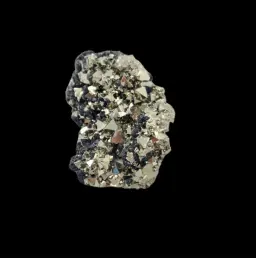
Lot PS-02
490,00 AEDPyrite Crystals on Matrix
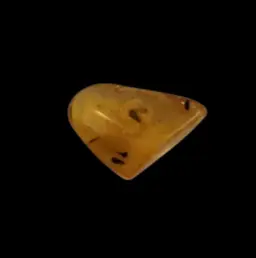
Lot AWM-002
500,00 AEDAmber with Prehistoric Mosquito
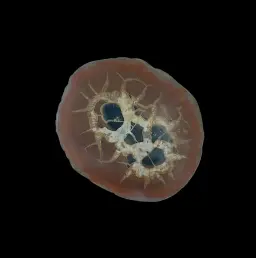
Lot MNR-011
800,00 AEDNatural Desert Septaria “Dragon Stone”, 186 gr
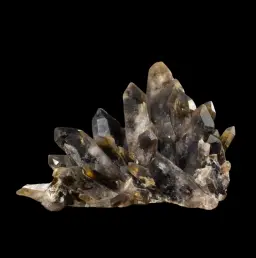
Lot CM-001
40 000,00 AEDCitrine
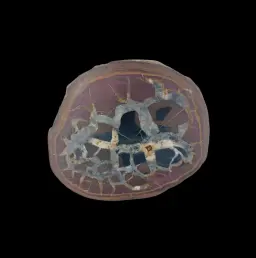
Lot MNR-017
800,00 AEDNatural Desert Septaria “Dragon Stone”, 228 gr
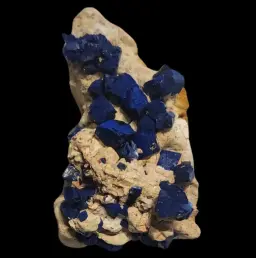
Lot AMS-001
2 300,00 AEDAzurite on Matrix
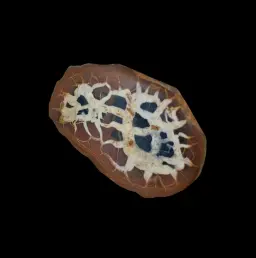
Lot MNR-015
800,00 AEDNatural Desert Septaria “Dragon Stone”, 168 gr
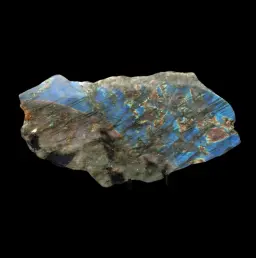
Lot LS-002
7 300,00 AEDLabradorite
Lot ST-112
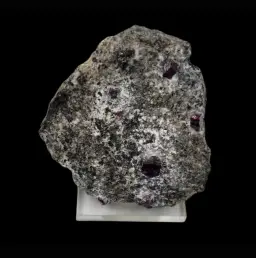
532,00 AEDCrystals of Red Corundum in crystalline schist
Lot MNR-010
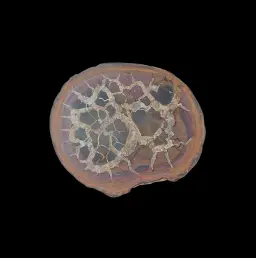
800,00 AEDNatural Desert Septaria “Dragon Stone”, 155 gr
Lot MNR-019
Item has been added to your Cart
You cannot add "Grape Chalcedony (Botryoidal Amethyst), Sulawesi, Indonesia" to your cart again.
Enquiry
Lot MNR-019
Thank you for your interest. Please fill out the below form, and our specialist will follow up with you shortly.
Thank you for your interest
We will be in touch shortly
We will never pass your personal information to anyone outside of Artefactum Gallery for their own marketing purposes without your consent. For more information about how we processes your data, please click here to read our Privacy Notice.
Brought to you by

Enquiry
Thank you for your interest. Please fill out the below form, and our specialist will follow up with you shortly.
Thank you for your interest
We will be in touch shortly
We will never pass your personal information to anyone outside of Artefactum Gallery for their own marketing purposes without your consent. For more information about how we processes your data, please click here to read our Privacy Notice.
