



Lot FSL-020
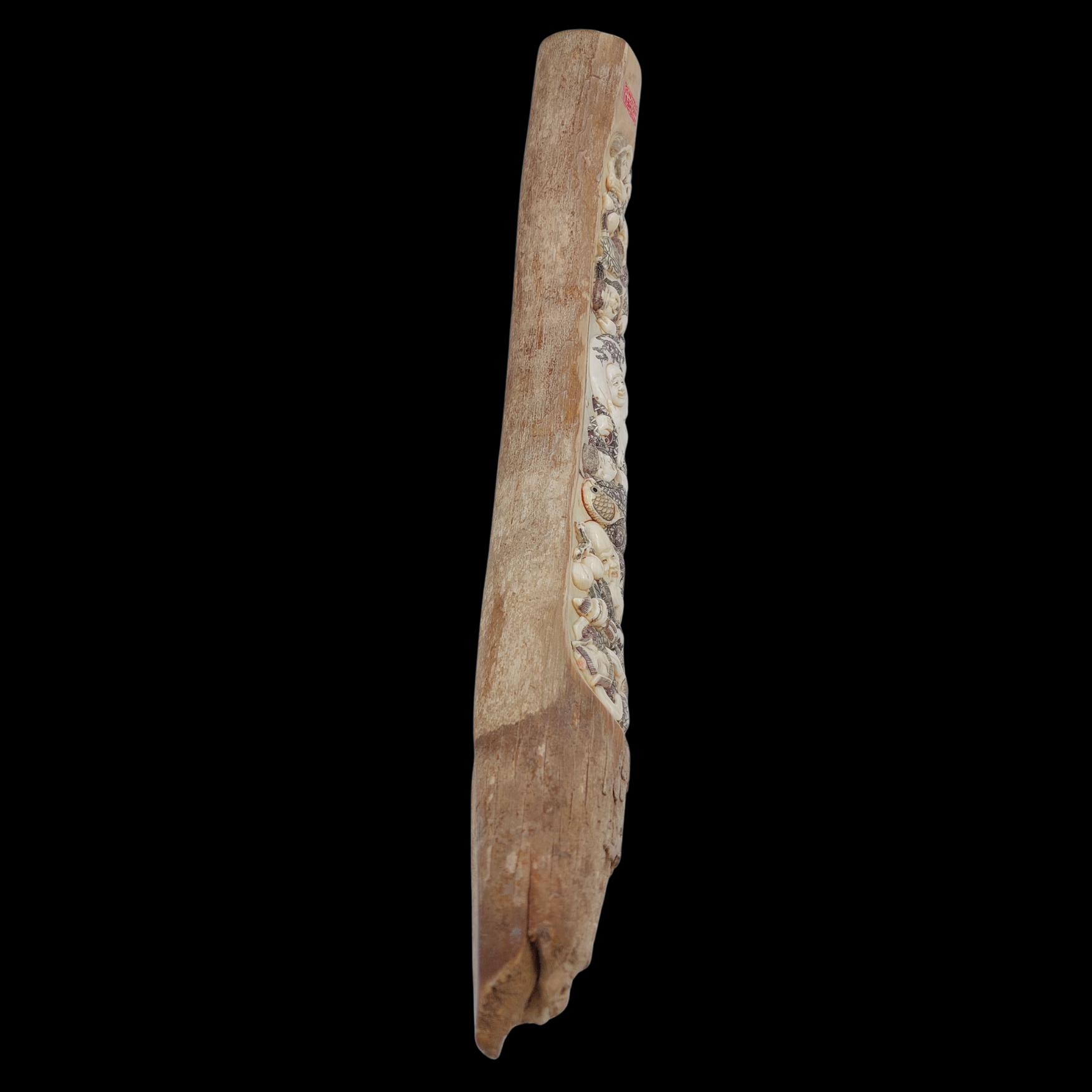
الآلهة السبعة المحظوظة على ناب حيوان الفظ من العصر ما قبل التاريخ
المواصفات:
الموقع:
الصين
الحجم:
43 × 7 سم
المادة:
ناب فرس البحر | حامل خشبي
متوفر في دبي
26 000,00 AED

مقال عن الـ Lot
التسليم
الندرة والقيمة
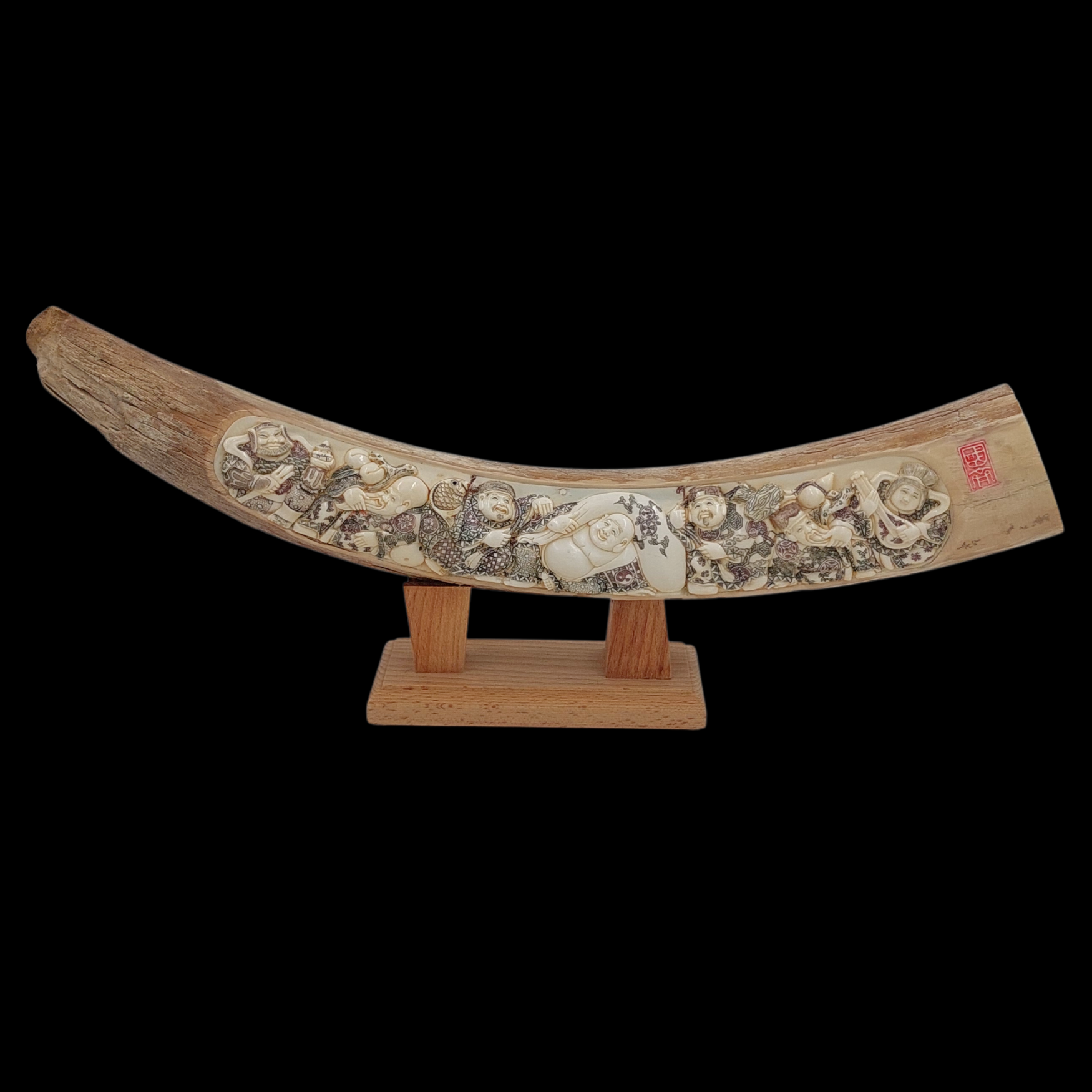
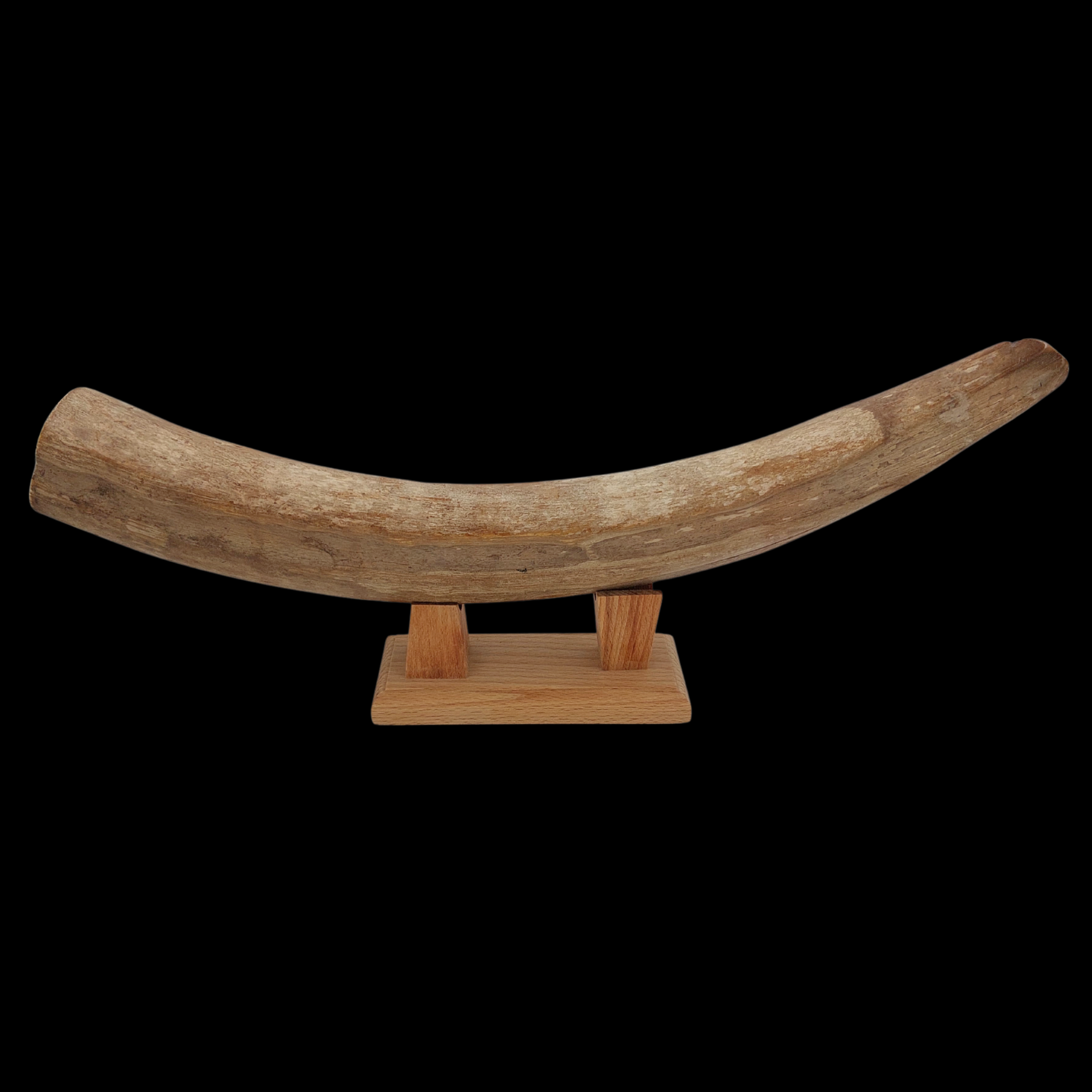
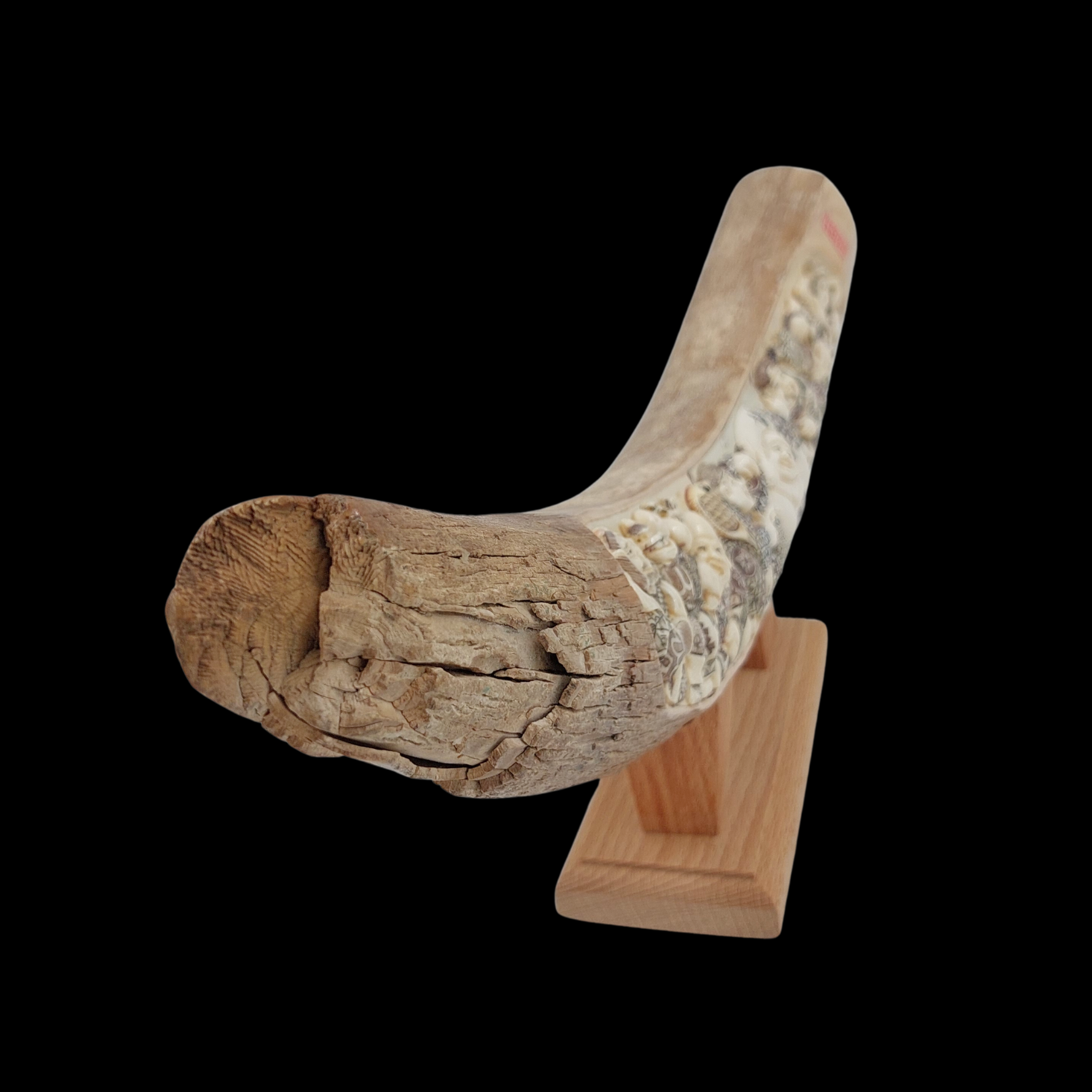
تصور هذه المنحوتة المثيرة للإعجاب، وهي منحوتة ناب فظ من عصور ما قبل التاريخ ، المجموعة الكاملة لآلهة الحظ السبعة (شيتشيفوكوجين)، أحد أكثر الموضوعات تبجيلًا وبشارةً في الفن الياباني. ويضم التكوين بيشامونتن وديكوكوتن وإيبيسو وهوتي وفوكوروكوجو وجوروجين وبينزايتن، يمثل كل منهم جانبًا متميزًا من الازدهار وطول العمر والحكمة والحماية والسعادة والإلهام الفني. ونُفذت المنحوتة على ناب فظ منحنٍ طبيعيًّا من عصور ما قبل التاريخ، وتدمج ببراعة الشكل العضوي للمادة في الترتيب الديناميكي للآلهة. والأعمال التي تجمع بين الأيقونات التقليدية لشرق آسيا وعاج الفظ الأصيل من عصور ما قبل التاريخ مطلوبة بشدة لدى المقتنين لرقيها الفني وأهميتها الثقافية وندرة المادة نفسها.
الاكتشاف
نشأ تقليد آلهة الحظ السبعة من اندماج التأثيرات البوذية والشنتوية والطاوية والهندوسية التي اندمجت تدريجيًّا في الثقافة اليابانية. وبحلول عصر إيدو، صار الشيتشيفوكوجين من أحب رموز الحظ والازدهار، ويظهرون كثيرًا في اللوحات والنتسكه والمشغولات المطلية بالورنيش ومنحوتات العاج. ويجسد كل إله بركة فريدة: بيشامونتن يمنح الحماية والقوة، وديكوكوتن يهب الثروة والوفرة، وإيبيسو يجلب النجاح في التجارة والصيد، وهوتي يرمز إلى السعادة والقناعة، وفوكوروكوجو وجوروجين يمثلان الحكمة وطول العمر، بينما تحكم بينزايتن الموسيقى والتعلم والفصاحة والإنجاز الفني. وكان يُعتقد تقليديًّا أن حضورهم الجماعي يجذب الانسجام والازدهار والحظ الحسن إلى البيت.
الحفظ
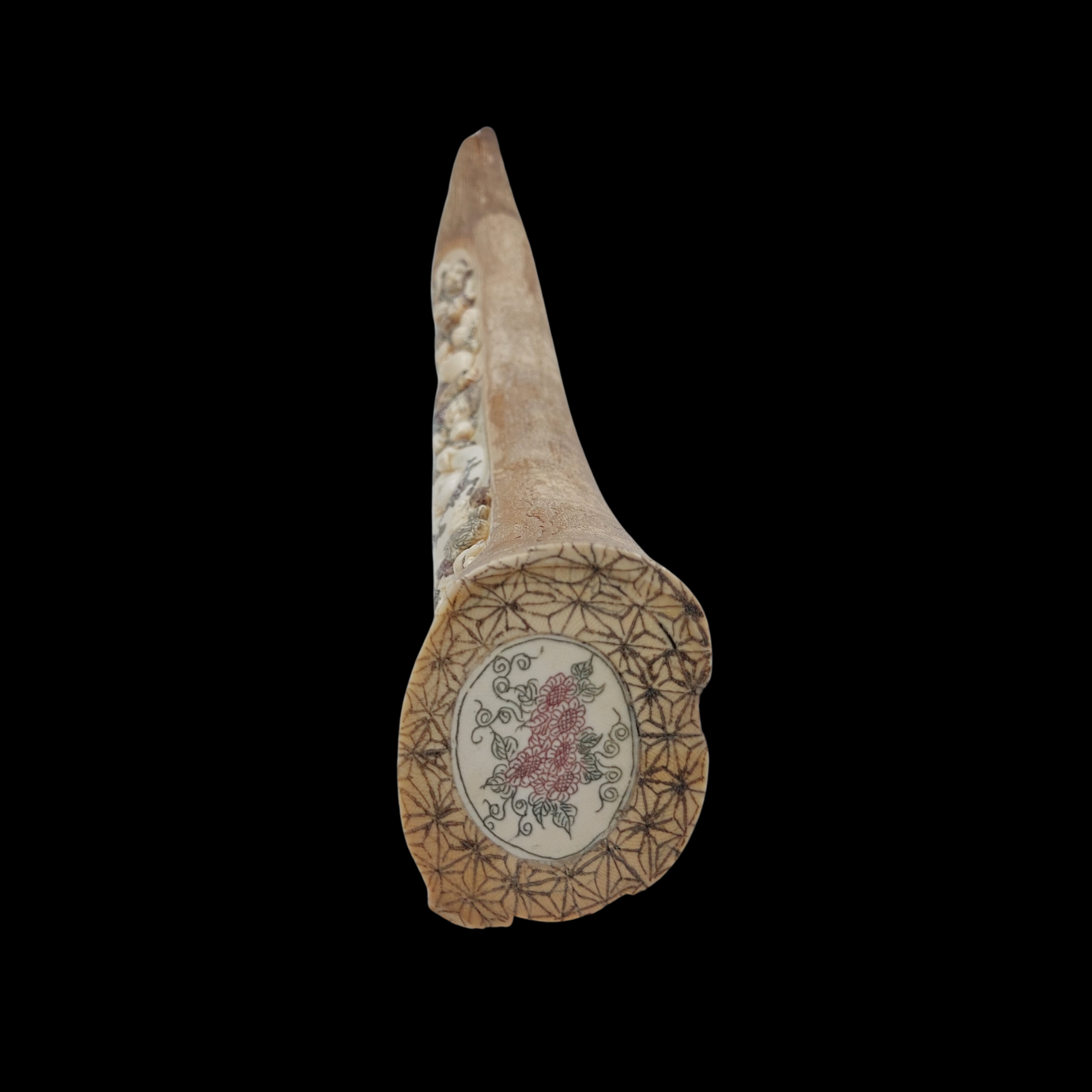
نُحتت المنحوتة من قسم كبير من ناب فظ من عصور ما قبل التاريخ، محافظةً على الانحناء الطبيعي والملمس المميز للمادة القديمة. ويضم الوجه الأمامي نقشًا بارزًا عاليًا متقنًا بعناية فائقة بتعابير الوجوه والثياب والسمات التقليدية المرتبطة بكل إله. ويزدان القسم الطرفي بالنقش الياباني الكلاسيكي أسانوها («ورقة القنب»)، وهو زخرفة هندسية ترمز إلى الحيوية والحماية والنمو والازدهار. وفي مركزه ميدالية دائرية تصور أزهار الأقحوان، وهي أزهار ترتبط تقليديًّا في الثقافة اليابانية بطول العمر والنبل والسعادة والمكانة الرفيعة. وفي الأسفل ختم أحمر للفنان منفذ على طراز راكّانالتقليدي، يعزز التكوين وربما يمثل توقيع النحات أو الورشة. وتظل الباتينة الطبيعية المرتبطة بالعمر والخصائص البنيوية القديمة للناب وعلامات الحفظ الطويل الأمد مرئية في أنحاء القطعة، مؤكدةً أصالة مادة ما قبل التاريخ والصنعة الاستثنائية للفنان.
التسليم
مقدم من


هل تحتاج إلى مزيد من التفاصيل؟
Lot ALF1
سمكة أتراكوستيوس لابيدوستيوس
Lot FSL-003
12 860,00 AEDلوح أحفوري من فصيلة الكرينويدات يحتوي على زهور البحر المتصلة ببعضها

Lot JPA-027
ألبوم ياباني لمطبوعات أوكييو-إي
Lot FSL-041
275 500,00 AEDجمجمة Machairodus – مفترس ذو أنياب سيفية من الميوسين
Lot FSL-047
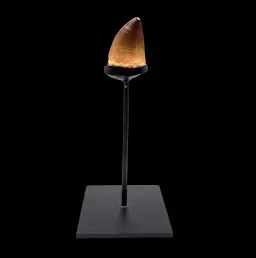
1 700,00 AEDسن موساصور – أثر من بقايا مفترس بحري من العصر الطباشيري (Copy)
Lot DV-001
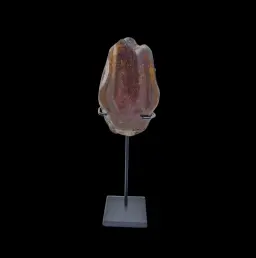
10 000,00 AEDفقرات الديناصورات
Lot OSC-01
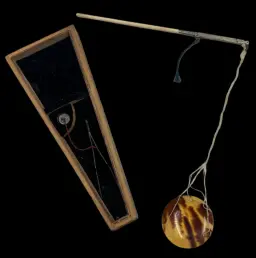
1 650,00 AEDالأناقة في الدقة: مجموعة موازين صنعها حرفي ياباني (1890–1910)
Lot CST-01
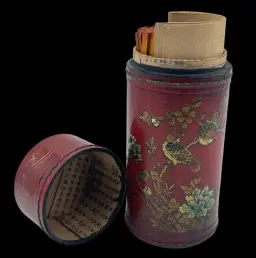
7 350,00 AEDعصي الحظ الصينية في علبة مطلية باللك ومزخرفة يدويًّا – قطعة أثرية روحانية من الصين في الفترة بين الخمسينيات والستينيات من القرن الماضي
Lot BA-01
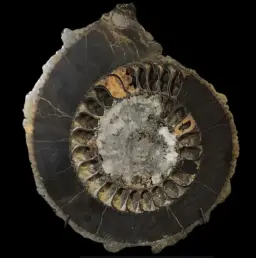
14 700,00 AEDالأمونيت Speetoniceras versicolor – تحفة متعددة الألوان من بحر الجوراسي المبكر
Lot FSL-005
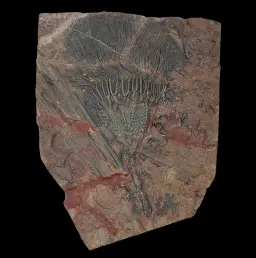
12 860,00 AEDلوح أحفوري من فصيلة الكرينويدات يحتوي على زهور البحر المتصلة ببعضها
Lot FSL-020
تمت إضافة المنتج إلى سلة التسوق الخاصة بك
لا يمكنك إضافة "الآلهة السبعة المحظوظة على ناب حيوان الفظ من العصر ما قبل التاريخ" إلى سلة التسوق مرة أخرى.
استفسار
Lot FSL-020
شكرًا على اهتمامك. يرجى ملء النموذج أدناه، وسيقوم أحد المتخصصين لدينا بالاتصال بك قريبًا.
شكرًا على اهتمامك
سنتواصل معك قريبًا
لن نقوم أبدًا بنقل معلوماتك الشخصية إلى أي جهة خارج Artefactum Gallery لاستخدامها في أغراض تسويقية خاصة بها دون موافقتك. لمزيد من المعلومات حول كيفية معالجتنا لبياناتك، يرجى النقر هنا لقراءة «إشعار الخصوصية» الخاص بنا.
مقدم من
استفسار
شكرًا على اهتمامك. يرجى ملء النموذج أدناه، وسيقوم أحد المتخصصين لدينا بالاتصال بك قريبًا.
شكرًا على اهتمامك
سنتواصل معك قريبًا
لن نقوم أبدًا بنقل معلوماتك الشخصية إلى أي جهة خارج Artefactum Gallery لاستخدامها في أغراض تسويقية خاصة بها دون موافقتك. لمزيد من المعلومات حول كيفية معالجتنا لبياناتك، يرجى النقر هنا لقراءة «إشعار الخصوصية» الخاص بنا.
