



المواصفات:
الموقع:
اليابان
الحجم:
31 × 21 سم
الفترة:
فترة إيدو المبكرة، أوائل القرن الثامن عشر (نحو 1700–1730)
المادة:
لوحة نقش بارز من الطين منحوتة يدويًا ومثبتة على سند خشبي
متوفر في دبي
5 500,00 AED

مقال عن الـ Lot
التسليم
الندرة والقيمة
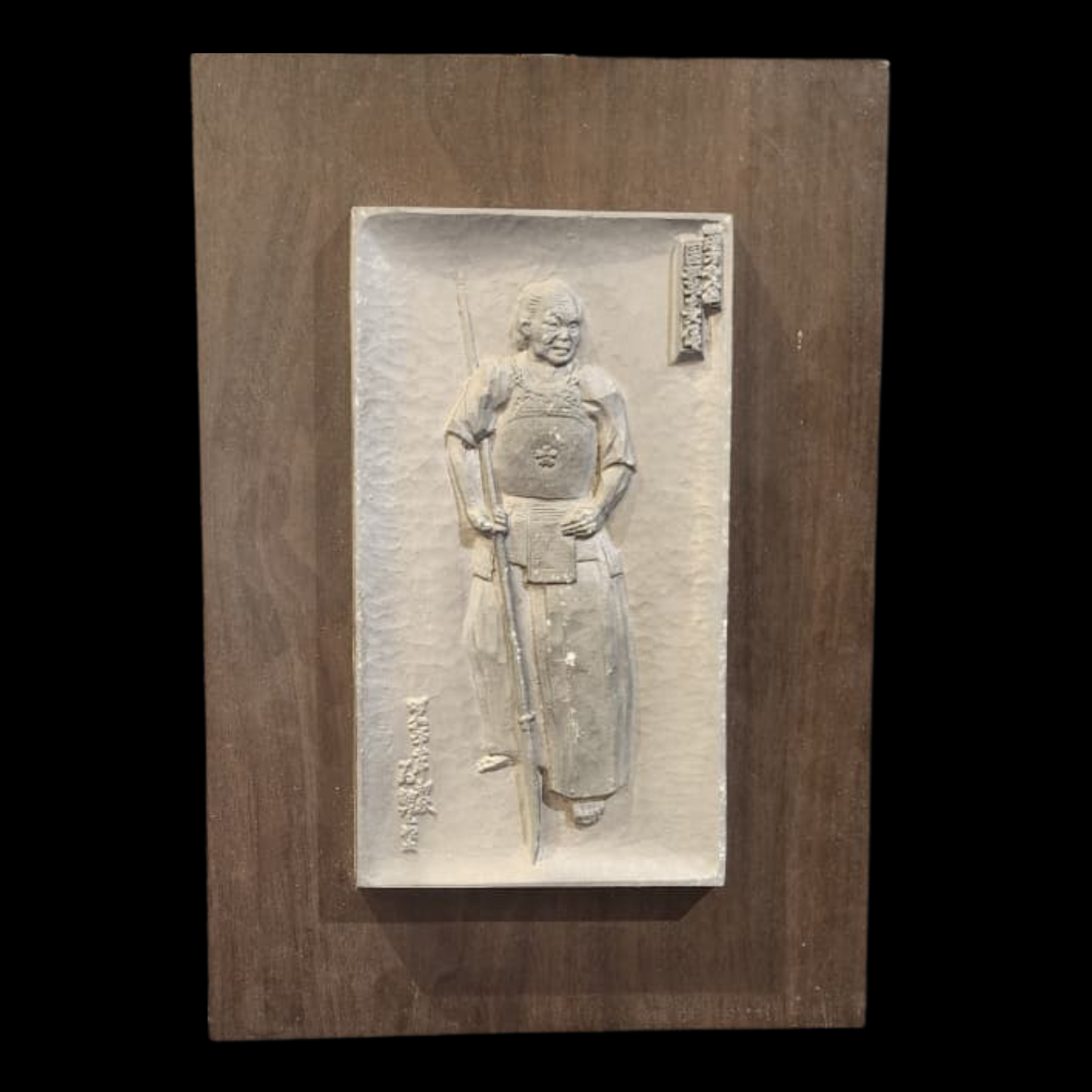
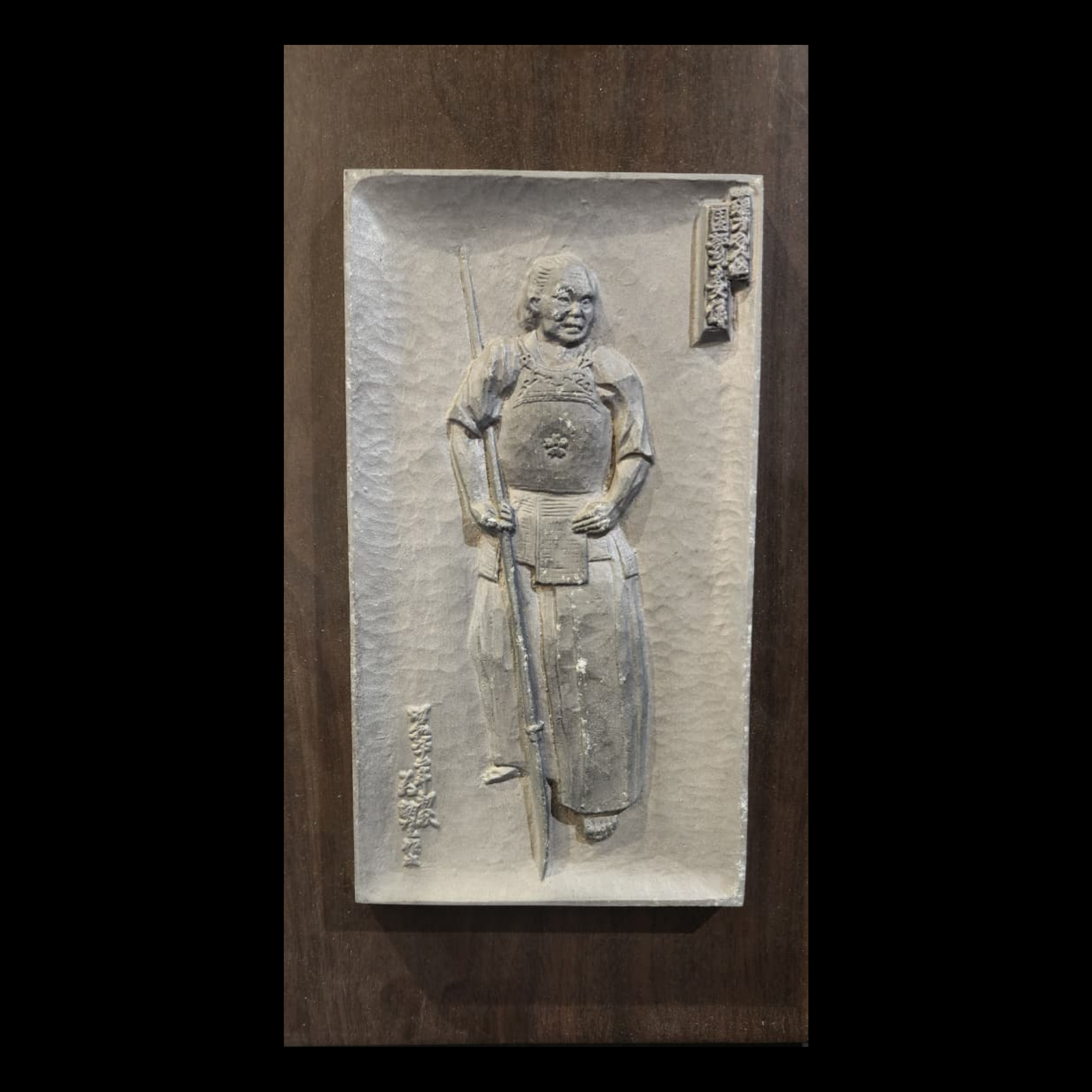
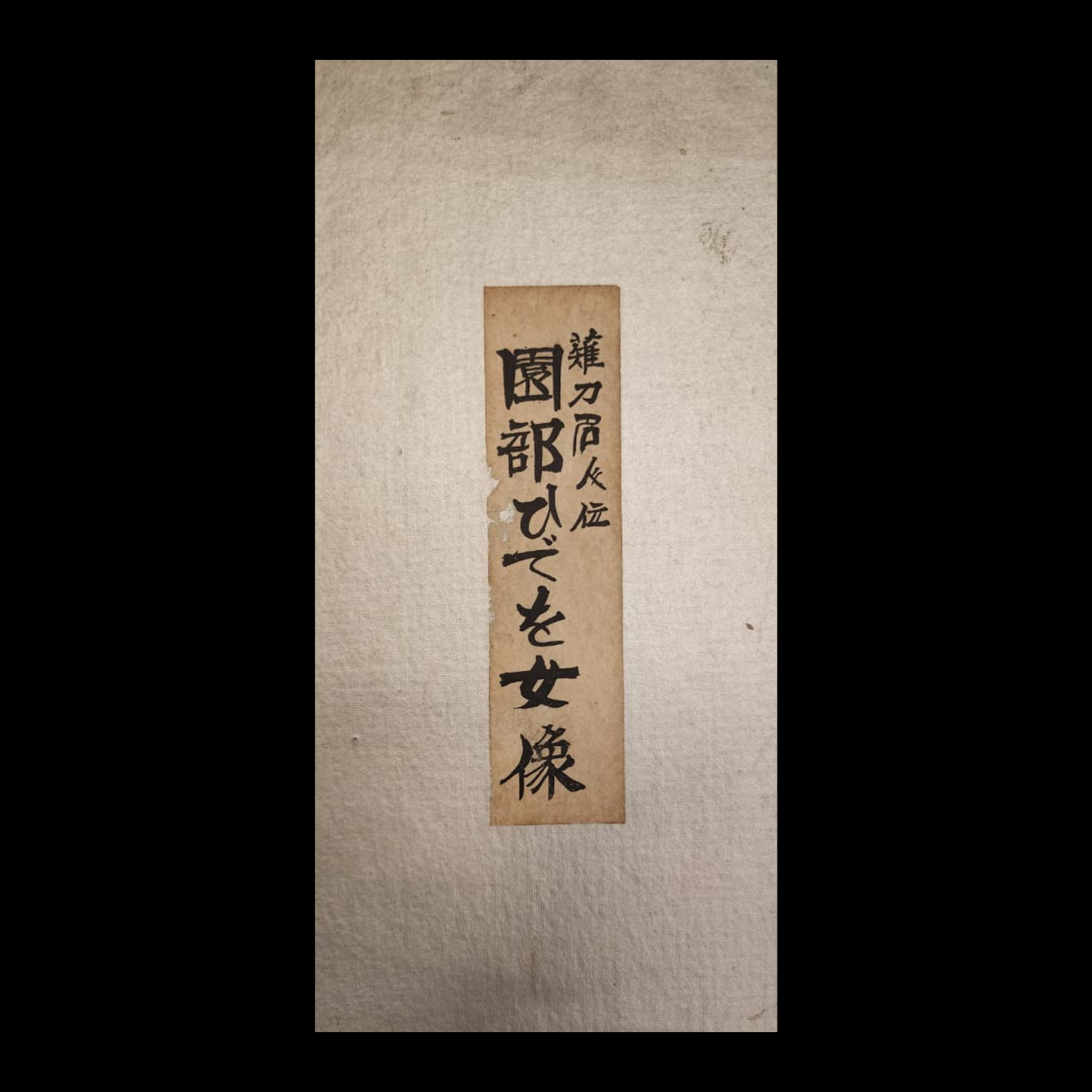
تمثل لوحة الإغاثة الطينية اليابانية النادرة هذه تصويرًا مبكرًا غير معتاد لـ«أونا-بوغيشا»، محاربة من طبقة الساموراي، صُورت وهي تحمل ناجيناتا، السلاح ذا العمود التقليدي المرتبط ارتباطًا وثيقًا بنساء عائلات المحاربين النبلاء في اليابان الإقطاعية. نُفذت التكوين بالطين المنحوت مع نقش بارز مشكل بدقة، وتعكس الجمالية المتحفظة والتعبيرية المميزة لأوائل عصر إيدو في بدايات القرن الـ18. وتصويرات النساء الساموراي المسنات غير شائعة إطلاقًا في الفن الياباني الزخرفي والسردي، ما يجعل هذا العمل قيّمًا بوجه خاص تاريخيًّا وثقافيًّا. صُورت الشخصية واقفة بوضعية هادئة لكنها آمرة، ترتدي أردية احتفالية متعددة الطبقات تحت عناصر درع واقية تغطي الصدر والخصر. وتنقل ملامح وجهها المسنة، المبرزة بعناية عبر التشكيل النحتي، الوقار والسلطة والخبرة القتالية بدلًا من الجمال المثالي. وترمز الناجيناتا المحمولة عموديًّا بجوار الجسد إلى الانضباط والدفاع عن البيت والمسؤوليات العسكرية التي أُوكلت تقليديًّا إلى نساء عائلات الساموراي في أوقات الصراع وحروب العشائر. وتجمع التقنية النحتية بين النقش البارز المنخفض والتفاصيل المشكلة يدويًّا، مما يخلق عمقًا قويًّا وملمسًا لمسيًّا نادرًا ما يُحفظ في أعمال من هذا النوع. ويشير موضوع «مئة امرأة بالناجيناتا» إلى الإرث الدائم للمقاتلات في اليابان، ويعكس الأهمية التاريخية للنساء المدربات على استخدام هذا السلاح الأيقوني ذي العمود. وارتبطت الناجيناتا ارتباطًا خاصًّا ببنات طبقة الساموراي وزوجاتهم وأمهاتهم، ممن كان يُتوقع منهن الدفاع عن مساكن العائلات وصون شرف العشيرة في زمن الحرب.
الاكتشاف
خلال عصر إيدو، احتلت تمثيلات الأونا-بوغيشا مكانة خاصة في الثقافة العسكرية اليابانية والذاكرة التاريخية. وكانت نساء بيوت الساموراي يُدربن غالبًا على استخدام الناجيناتا للدفاع عن العقارات وحماية أفراد الأسرة وصون شرف العشيرة في أوقات الاضطراب. وأتاح العمود الطويل والنصل المنحني للسلاح للنساء الحفاظ على المسافة من الخصوم الراكبين وتعويض فروق القوة البدنية في القتال. وصارت محاربات تاريخيات مثل توموي غوزن وناكانو تاكيكو رموزًا دائمة للولاء والشجاعة والانضباط القتالي في التاريخ والأدب اليابانيين. وتعكس هذه اللوحة البارزة هذا التقليد الثقافي عبر تصوير امرأة محاربة ناضجة تحدد دروعها وسلاحها انتماءها إلى الأرستقراطية العسكرية لا إلى شخصية مسرحية أو أسطورية. وخلال عصر إيدو، تطورت ممارسة الناجيناتا تدريجيًّا من القتال في ساحة المعركة إلى تقليد قتالي منضبط يركز على التعليم والصمود والرقي الاجتماعي لدى نساء سلالة الساموراي. وتصف الروايات التاريخية عروضًا قتالية احتفالية كبيرة مارست فيها مجموعات من النساء تقنيات ناجيناتا متزامنة في تشكيلات منظمة، حافظةً المعرفة القتالية والتقليد الاحتفالي معًا. والنقش والترتيب التكويني العمودي يتوافقان مع الصيغ الفنية المرتبطة بألواح السرد التذكارية والألواح النحتية في عصر إيدو. وكان نحت الإغاثة الطينية من هذا النوع مميزًا لورش الحرفيين الإقليمية التي أنتجت زخارف معمارية وألواحًا تعبدية ومشاهد نوعية تاريخية. ويبرز السطح الأحادي اللون المتحفظ الشكل والتعبير بدلًا من الزخرفة المرسومة، ما يتيح تركيز الانتباه على الحضور النفسي والسلطة الرمزية للمحاربة نفسها.
الحفظ
تظل اللوحة البارزة محفوظة جيدًا، محتفظة بالعمق النحتي الأصلي وملمس السطح المشغول يدويًّا المميز لتقنيات التشكيل الطيني الياباني التقليدي. وتظل التفاصيل الدقيقة لكيمونو المحاربة متعدد الطبقات وصفائح الدرع والأكمام وبنية الوجه وعمود الناجيناتا مرئية بوضوح رغم عمر العمل. ويسهم السطح المتآكل بنعومة في الأصالة التاريخية للوحة ويعزز الإحساس بالعمر المرتبط بالنحت الخزفي المبكر لعصر إيدو. ويحفظ العرض المثبت اللوحة البارزة بأمان مع إبقاء الفروق الدقيقة في جسم الطين وآثار الأدوات مرئية تحت الضوء المتغير. ويظهر التكوين توازنًا دقيقًا بين مستويات الخلفية المسطحة والخطوط النحتية البارزة، ما يخلق إيقاعًا بصريًّا راقيًا نموذجيًّا للحرفة اليابانية في الإغاثة في تلك الحقبة. وتعكس اللوحة المحفوظة أيضًا الهوية البصرية الدائمة لتقليد الناجيناتا، الذي يستمر اليوم فنًّا قتاليًّا باسم ناجيناتاجوتسو، تمارسه النساء في الغالب في اليابان. وبوصفه تمثيلًا باقيًا لساموراي مسنة منحوتة في الطين، يحفظ العمل نظرة ثقافية مهمة على التقاليد القتالية اليابانية وأدوار الجنسين في مجتمع الساموراي والأهمية الرمزية للناجيناتا في اللغة البصرية لهوية المحارب في عصر إيدو.
التسليم
مقدم من


هل تحتاج إلى مزيد من التفاصيل؟
Lot ABW-001
3 500,00 AEDجرس خدمة ميكانيكي عتيق مزود بآلية دوارة زخرفية على قاعدة خشبية
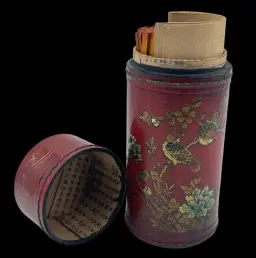
Lot CST-01
7 350,00 AEDعصي الحظ الصينية في علبة مطلية باللك ومزخرفة يدويًّا – قطعة أثرية روحانية من الصين في الفترة بين الخمسينيات والستينيات من القرن الماضي
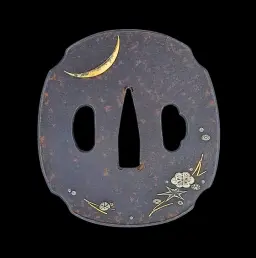
Lot JITWF-001
5 100,00 AEDتسوبا يابانية من الحديد مزينة بتطعيمات زهرية وهلال
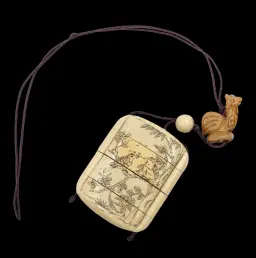
Lot JPA-024
7 345,00 AEDإنرو ياباني مع أوجيمي ونتسكه على شكل طائر
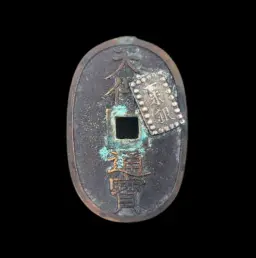
Lot JPA-023
1 100,00 AEDقطارة ماء سويتيكي يابانية «تينبو تسوهو»، منتصف القرن الـ19
Lot OSC-01
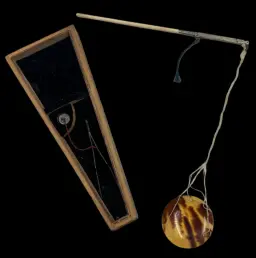
1 650,00 AEDالأناقة في الدقة: مجموعة موازين صنعها حرفي ياباني (1890–1910)
Lot ARF-016
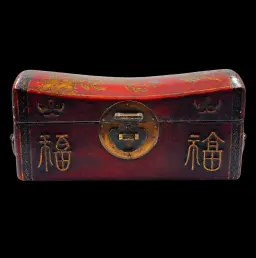
13 110,00 AEDصندوق وسادة سفر صيني مطلي بالورنيش، أواخر عهد تشينغ، نحو 1880–1910
Lot JCC01
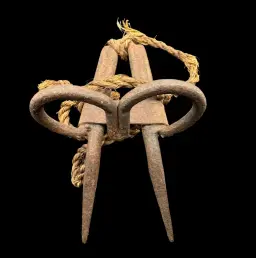
5 400,00 AEDمخالب يدوية (تيكاغي) للنينجا من عصر إيدو العتيقة – زوج
Lot JCC02
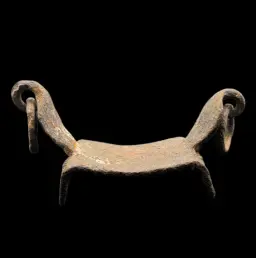
1 100,00 AEDعجائب التسلق: «مخالب القط» اليابانية الحديدية لتسلق المرتفعات، أوائل القرن العشرين
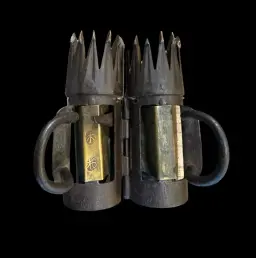
Lot BCS-001
5 100,00 AEDالأداة المخفية ومنظف الخيزران
Lot JPA-021
تمت إضافة المنتج إلى سلة التسوق الخاصة بك
لا يمكنك إضافة "“المحاربة سونوبي بيديو” من سلسلة «مائة امرأة مع الناغيناتا»" إلى سلة التسوق مرة أخرى.
استفسار
Lot JPA-021
شكرًا على اهتمامك. يرجى ملء النموذج أدناه، وسيقوم أحد المتخصصين لدينا بالاتصال بك قريبًا.
شكرًا على اهتمامك
سنتواصل معك قريبًا
لن نقوم أبدًا بنقل معلوماتك الشخصية إلى أي جهة خارج Artefactum Gallery لاستخدامها في أغراض تسويقية خاصة بها دون موافقتك. لمزيد من المعلومات حول كيفية معالجتنا لبياناتك، يرجى النقر هنا لقراءة «إشعار الخصوصية» الخاص بنا.
مقدم من
استفسار
شكرًا على اهتمامك. يرجى ملء النموذج أدناه، وسيقوم أحد المتخصصين لدينا بالاتصال بك قريبًا.
شكرًا على اهتمامك
سنتواصل معك قريبًا
لن نقوم أبدًا بنقل معلوماتك الشخصية إلى أي جهة خارج Artefactum Gallery لاستخدامها في أغراض تسويقية خاصة بها دون موافقتك. لمزيد من المعلومات حول كيفية معالجتنا لبياناتك، يرجى النقر هنا لقراءة «إشعار الخصوصية» الخاص بنا.
