


القطعة رقم JPA-022
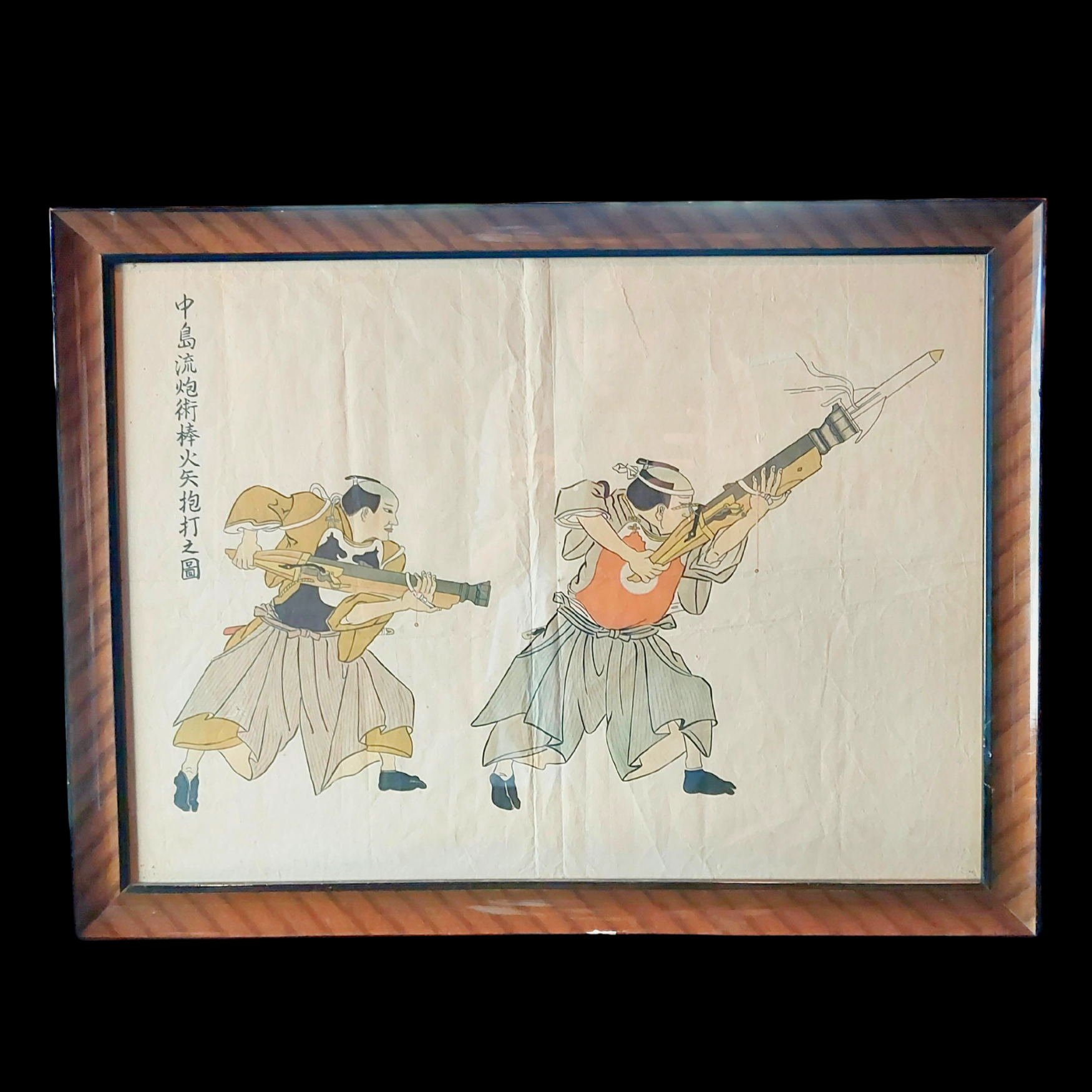
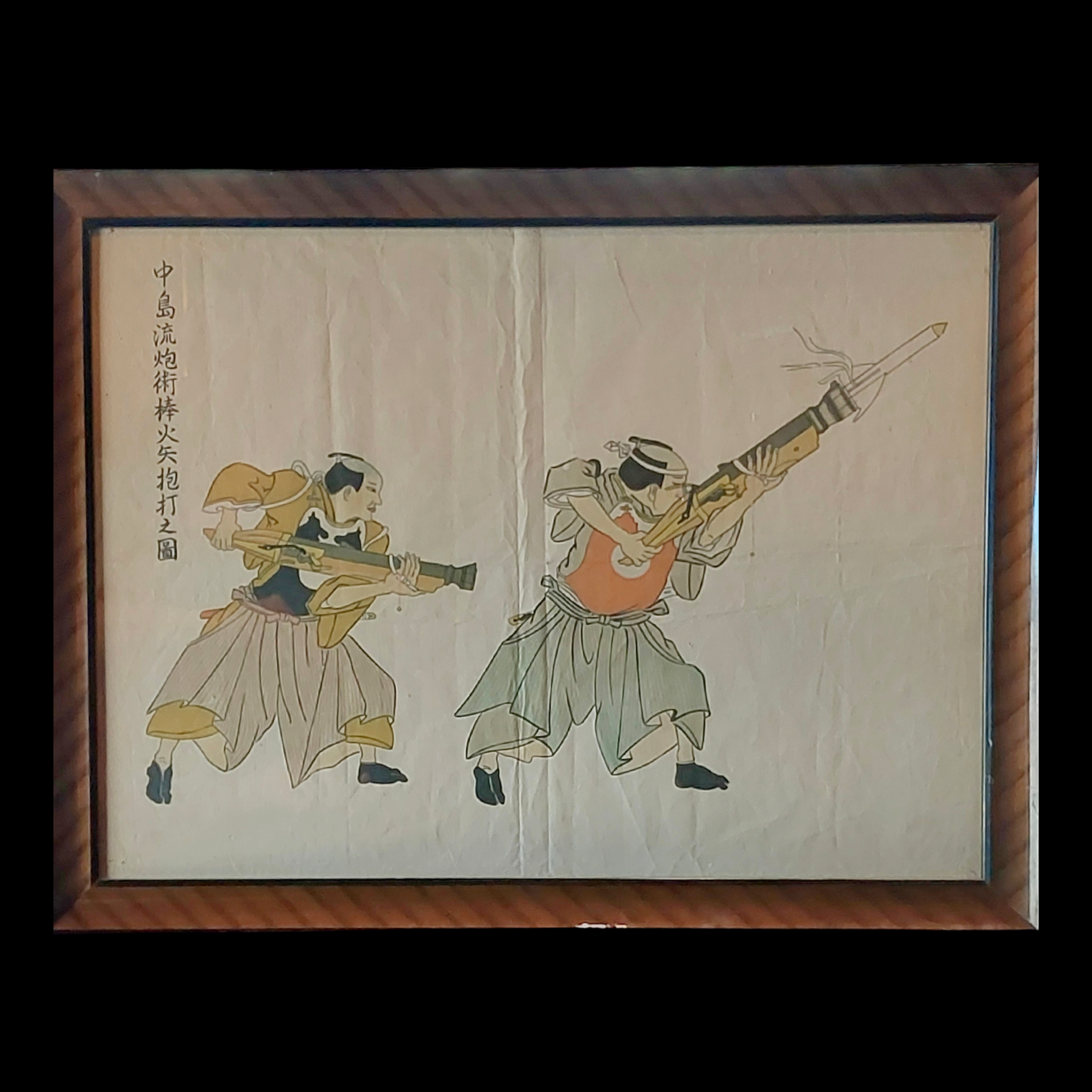
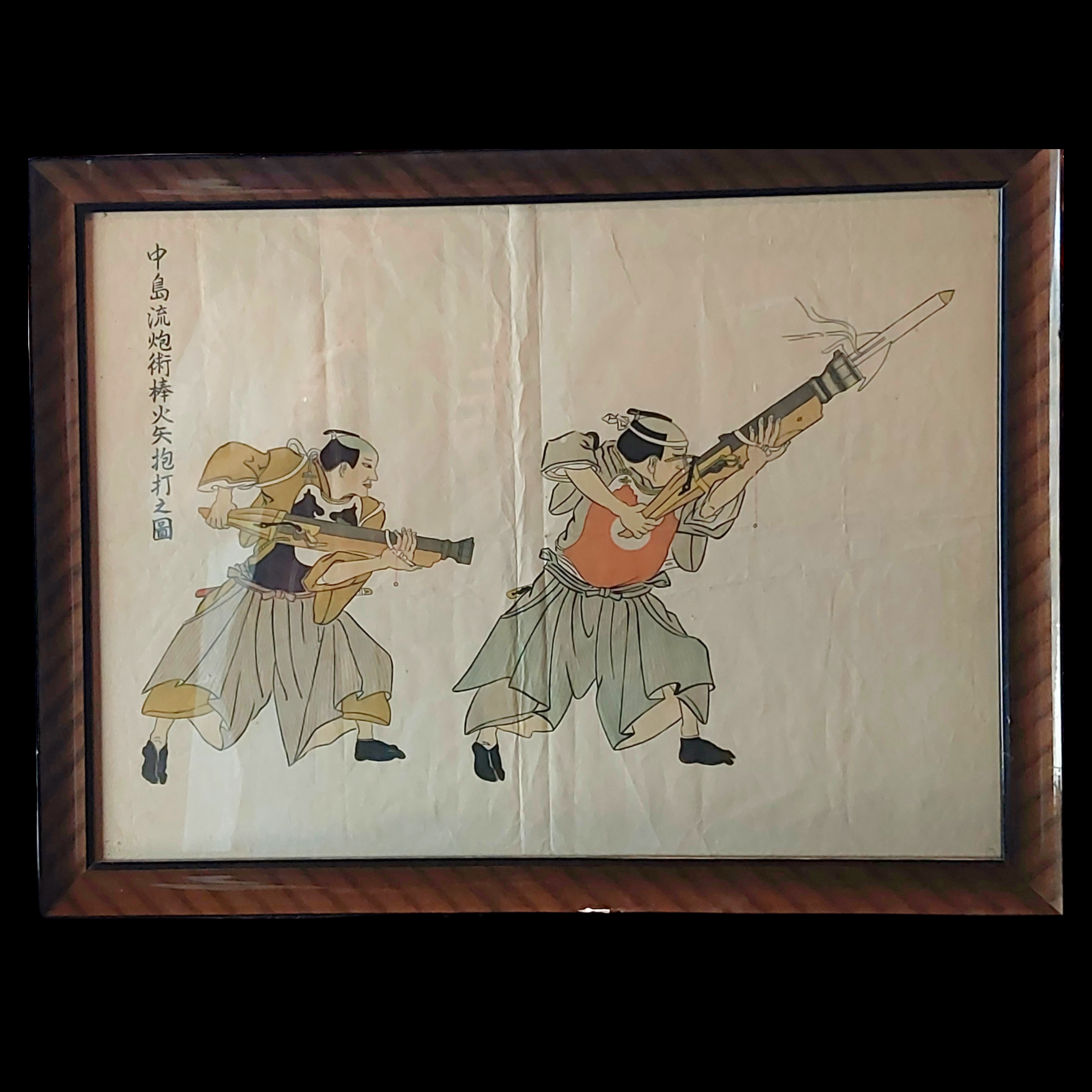
محاربو الساموراي المزودون بقاذفات المقذوفات المتفجرة (نقش فنون القتال «هوجوتسو»)
المواصفات:
الموقع:
اليابان
الحجم:
56 × 42 سم
الفترة:
عصر إيدو، القرن الثامن عشر
المادة:
إطار خشبي | ورق واشي
متوفر في دبي
5 500,00 AED

مقال عن لوط
التسليم
Rarity and Value
This rare Japanese martial engraving from the 18th century presents an exceptionally unusual depiction of samurai warriors armed not with traditional swords, bows, or matchlock muskets, but with early explosive projectile launchers resembling primitive hand mortars or rocket-propelled incendiary weapons. Such imagery is extremely uncommon within surviving Edo-period martial prints, making the composition particularly important for the study of transitional military technologies in feudal Japan. The two warriors are shown in dynamic combat stances, dressed in layered garments associated with lower-ranking samurai or ashigaru military retainers. Their wide hakama trousers, tied sleeves, protective shoulder garments, and head coverings are rendered with elegant linear simplicity characteristic of Edo-period graphic aesthetics. The elongated launchers depicted in the engraving appear to represent specialized pyrotechnic or incendiary tube weapons associated with early Japanese hōjutsu traditions — the martial discipline devoted to firearms, gunpowder weapons, and explosive devices. The rarity of this engraving lies precisely in the unusual representation of samurai employing explosive projectile technology rather than conventional bladed weapons, reflecting an often overlooked aspect of Japanese military history during the period when firearms and gunpowder experimentation became integrated into samurai warfare.
Discovery
The vertical inscription visible beside the figures references the Nakajima school of artillery and firearms techniques, indicating an association with traditional Japanese hōjutsu lineages active during the Edo period. Following the introduction of gunpowder weapons to Japan in the 16th century through Portuguese contact, Japanese military engineers and samurai schools rapidly developed specialized forms of firearms, rockets, incendiary arrows, handheld mortars, and explosive launchers. By the 17th and 18th centuries, several martial traditions practiced the use of bohiya — explosive fire arrows or rocket-like projectiles launched through tubular devices using black powder propulsion. These weapons were employed primarily during siege warfare, castle assaults, naval combat, and defensive operations, where incendiary effects could create panic and destruction within fortified structures. The weapon illustrated in the engraving resembles historical pyrotechnic launchers used to fire explosive or flaming charges comparable to military fireworks. During the Edo period, although Japan experienced relative peace under Tokugawa rule, martial schools continued to preserve and document military techniques through illustrated manuals, instructional scrolls, and woodblock engravings. Works of this type were commonly executed using refined woodblock printing techniques combined with hand-applied pigments and brush detailing on washi paper. The restrained coloration, delicate outlines, and controlled asymmetrical composition visible in the present work reflect the disciplined visual language characteristic of Edo-period martial illustrations and instructional imagery.
Preservation
The engraving remains remarkably well preserved considering its age, retaining the delicate linework, balanced composition, and muted original coloration characteristic of 18th-century Japanese printmaking. Fine details of the warriors’ garments, facial profiles, hand positions, and explosive launchers remain clearly visible, allowing close study of both costume and weapon construction. The softly aged paper surface exhibits natural creases and subtle tonal variation consistent with historical washi paper materials preserved over several centuries. The restrained palette of ochre, grey-green, black, and muted orange pigments remains stable and contributes to the visual authenticity of the composition. The mounted presentation within a later wooden frame protects the fragile paper while preserving the elegant spatial arrangement of the original artwork. Particularly notable is the detailed rendering of the explosive launchers themselves, including elongated firing tubes, reinforced ignition chambers, and the depiction of ignited projectile discharge emerging from the weapon muzzle. As a surviving visual document of Japanese pyrotechnic warfare traditions and hōjutsu practices, the engraving preserves rare historical insight into the evolution of samurai military technology during the Edo period and the integration of gunpowder weaponry into the martial culture of feudal Japan.
Delivery
مقدم من

هل تحتاج إلى مزيد من التفاصيل؟
Lot ARF-012
7 350,00 AEDJapanese Tsuba Storage Box with Crackle Lacquer and Mother-of-Pearl Inlay
Lot JPA-026
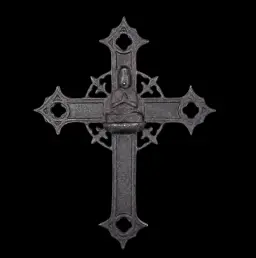
13 110,00 AEDJapanese Kakure Kirishitan Iron Cross with Amida Nyorai, c. 1600
القطعة رقم JHOCB-002
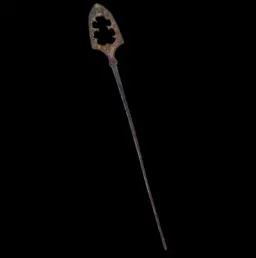
2 500,00 AEDكانزاشي ياباني من الحديد بزخرفة أزهار البرقوق
القطعة رقم JPA-021
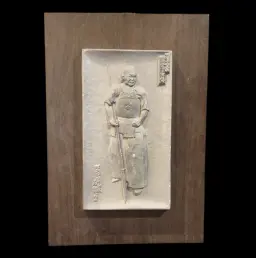
5 500,00 AED"المحاربة سونوبي بيديو" من سلسلة «مائة امرأة مع الناغيناتا»
القطعة رقم JITWF-001
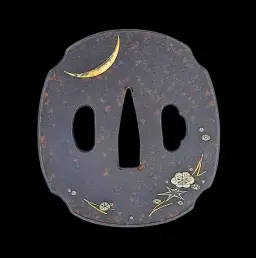
5 100,00 AEDتسوبا يابانية من الحديد مزينة بتطعيمات زهرية وهلال
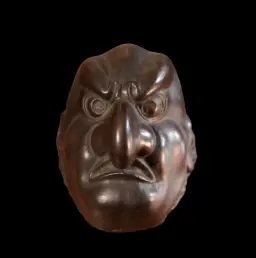
القطعة MFW1
6 400,00 AEDقناع كابوكي حديدي يعود إلى قرون مضت: وجه الغيرة في المسرح الياباني
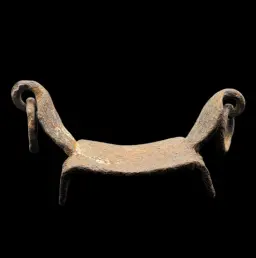
القطعة JCC02
1 100,00 AEDعجائب التسلق: «مخالب القط» اليابانية الحديدية لتسلق المرتفعات، أوائل القرن العشرين
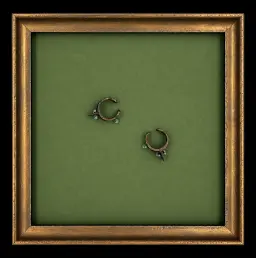
القطعة رقم CR-001
5 000,00 AEDخواتم «Hidden Convoy» – التخفي والوظيفة في التصميم التاريخي
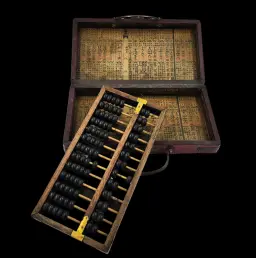
القطعة CSA-001
14 380,00 AEDالمعداد الصيني «سوانبان» (من النوع ذي السبع خرزات)، الصين، 1900–1930
القطعة رقم BCS-001
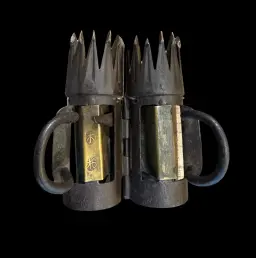
5 100,00 AEDالأداة المخفية ومنظف الخيزران
القطعة رقم JPA-022
تمت إضافة المنتج إلى سلة التسوق الخاصة بك
لا يمكنك إضافة «محاربو الساموراي المزودون بقاذفات المقذوفات المتفجرة (نقش فنون القتال هوجوتسو)» إلى سلة التسوق مرة أخرى.
استفسار
القطعة رقم JPA-022
شكرًا على اهتمامك. يرجى ملء النموذج أدناه، وسيقوم أحد المتخصصين لدينا بالاتصال بك قريبًا.
شكرًا على اهتمامك بـ
سنتواصل معك قريبًا
لن نقوم أبدًا بنقل معلوماتك الشخصية إلى أي جهة خارج «معرض أرتيفاكتوم» لاستخدامها في أغراض تسويقية خاصة بها دون موافقتك. لمزيد من المعلومات حول كيفية معالجتنا لبياناتك، يرجى النقر هنا لقراءة «إشعار الخصوصية» الخاص بنا.
مقدم من

استفسار
شكرًا على اهتمامك. يرجى ملء النموذج أدناه، وسيقوم أحد المتخصصين لدينا بالاتصال بك قريبًا.
شكرًا على اهتمامك بـ
سنتواصل معك قريبًا
لن نقوم أبدًا بنقل معلوماتك الشخصية إلى أي جهة خارج «معرض أرتيفاكتوم» لاستخدامها في أغراض تسويقية خاصة بها دون موافقتك. لمزيد من المعلومات حول كيفية معالجتنا لبياناتك، يرجى النقر هنا لقراءة «إشعار الخصوصية» الخاص بنا.