


Lot JPA-022
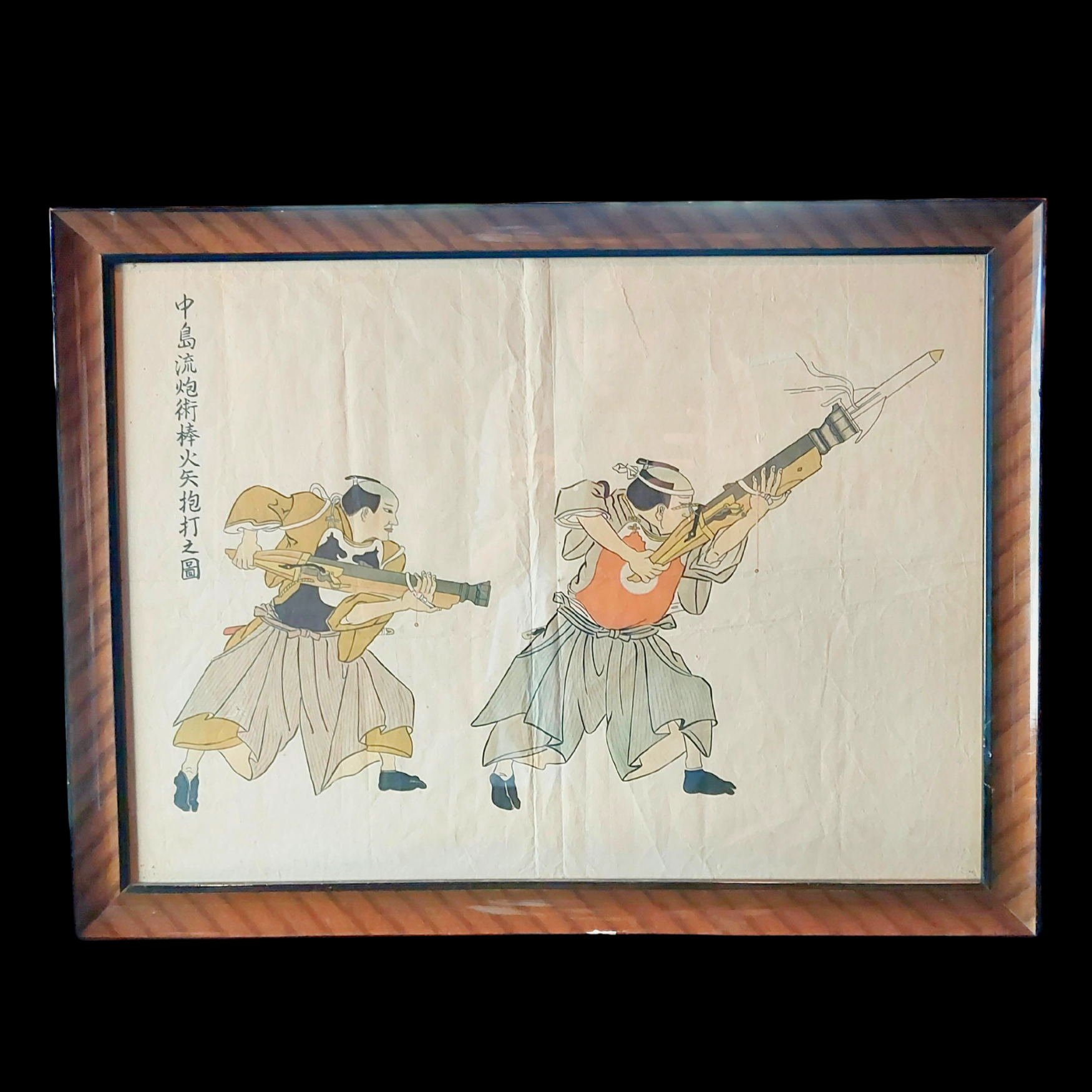
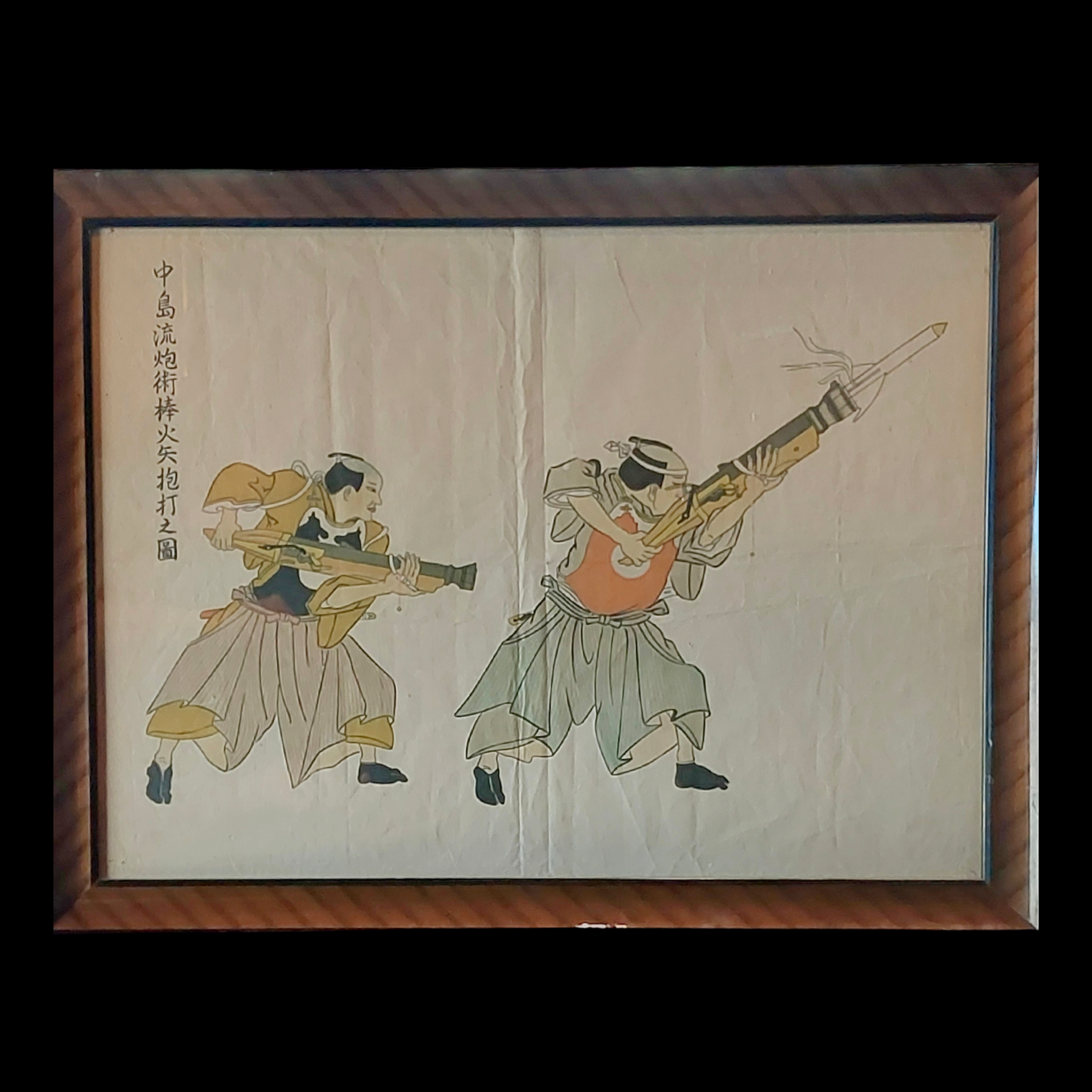
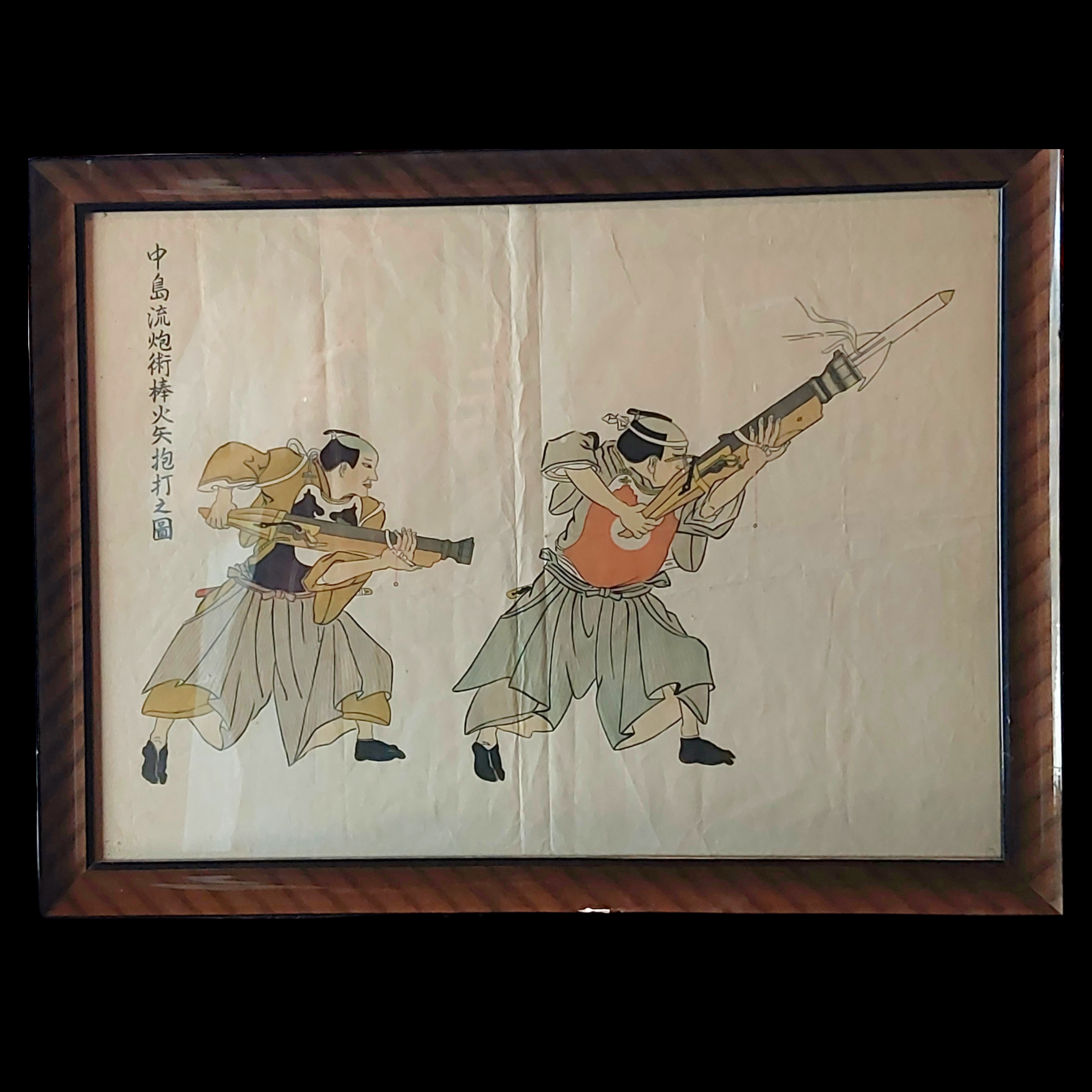
Samurai Warriors with Explosive Projectile Launchers (Hōjutsu Martial Engraving)
Specifications:
Location:
Japan
Size:
56 x 42 cm
Period:
Edo Period, 18th century
Material:
Wooden frame | Washi paper
Available in Dubai
5 500,00 AED

Lot Essay
Delivery
Rarity and Value
This rare Japanese martial engraving from the 18th century presents an exceptionally unusual depiction of samurai warriors armed not with traditional swords, bows, or matchlock muskets, but with early explosive projectile launchers resembling primitive hand mortars or rocket-propelled incendiary weapons. Such imagery is extremely uncommon within surviving Edo-period martial prints, making the composition particularly important for the study of transitional military technologies in feudal Japan. The two warriors are shown in dynamic combat stances, dressed in layered garments associated with lower-ranking samurai or ashigaru military retainers. Their wide hakama trousers, tied sleeves, protective shoulder garments, and head coverings are rendered with elegant linear simplicity characteristic of Edo-period graphic aesthetics. The elongated launchers depicted in the engraving appear to represent specialized pyrotechnic or incendiary tube weapons associated with early Japanese hōjutsu traditions — the martial discipline devoted to firearms, gunpowder weapons, and explosive devices. The rarity of this engraving lies precisely in the unusual representation of samurai employing explosive projectile technology rather than conventional bladed weapons, reflecting an often overlooked aspect of Japanese military history during the period when firearms and gunpowder experimentation became integrated into samurai warfare.
Discovery
The vertical inscription visible beside the figures references the Nakajima school of artillery and firearms techniques, indicating an association with traditional Japanese hōjutsu lineages active during the Edo period. Following the introduction of gunpowder weapons to Japan in the 16th century through Portuguese contact, Japanese military engineers and samurai schools rapidly developed specialized forms of firearms, rockets, incendiary arrows, handheld mortars, and explosive launchers. By the 17th and 18th centuries, several martial traditions practiced the use of bohiya — explosive fire arrows or rocket-like projectiles launched through tubular devices using black powder propulsion. These weapons were employed primarily during siege warfare, castle assaults, naval combat, and defensive operations, where incendiary effects could create panic and destruction within fortified structures. The weapon illustrated in the engraving resembles historical pyrotechnic launchers used to fire explosive or flaming charges comparable to military fireworks. During the Edo period, although Japan experienced relative peace under Tokugawa rule, martial schools continued to preserve and document military techniques through illustrated manuals, instructional scrolls, and woodblock engravings. Works of this type were commonly executed using refined woodblock printing techniques combined with hand-applied pigments and brush detailing on washi paper. The restrained coloration, delicate outlines, and controlled asymmetrical composition visible in the present work reflect the disciplined visual language characteristic of Edo-period martial illustrations and instructional imagery.
Preservation
The engraving remains remarkably well preserved considering its age, retaining the delicate linework, balanced composition, and muted original coloration characteristic of 18th-century Japanese printmaking. Fine details of the warriors’ garments, facial profiles, hand positions, and explosive launchers remain clearly visible, allowing close study of both costume and weapon construction. The softly aged paper surface exhibits natural creases and subtle tonal variation consistent with historical washi paper materials preserved over several centuries. The restrained palette of ochre, grey-green, black, and muted orange pigments remains stable and contributes to the visual authenticity of the composition. The mounted presentation within a later wooden frame protects the fragile paper while preserving the elegant spatial arrangement of the original artwork. Particularly notable is the detailed rendering of the explosive launchers themselves, including elongated firing tubes, reinforced ignition chambers, and the depiction of ignited projectile discharge emerging from the weapon muzzle. As a surviving visual document of Japanese pyrotechnic warfare traditions and hōjutsu practices, the engraving preserves rare historical insight into the evolution of samurai military technology during the Edo period and the integration of gunpowder weaponry into the martial culture of feudal Japan.
Delivery
Brought to you by

Need more details?
Lot JITWF-002
4 200,00 AEDJapanese Bronze Tsuba with Hotei and Pilgrim’s Staff Motif
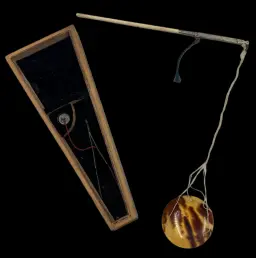
Lot OSC-01
1 650,00 AEDElegance in Precision: A Japanese Artisan’s Scale Set (1890–1910)
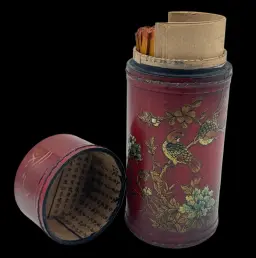
Lot CST-01
7 350,00 AEDChinese Fortune Sticks in Hand-Painted Lacquer Case – A Spiritual Artifact from 1950-1960s China
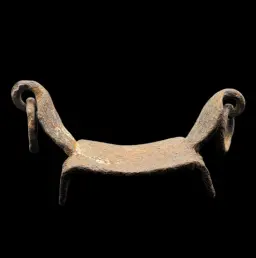
Lot JCC02
1 100,00 AEDClimbing Marvels: Iron Japanese “Cat Claws” for Scaling Heights, Early 20th Century

Lot JPA-027
Japanese Album of Ukiyo-e Paintings
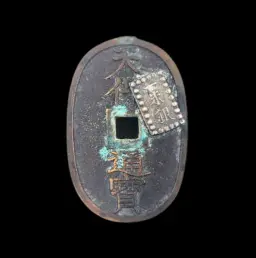
Lot JPA-023
1 100,00 AEDJapanese Tenpō Tsūhō Suiteki Water Dropper, mid-19th century
Lot JPA-021
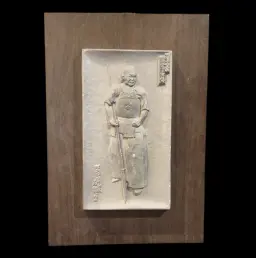
5 500,00 AED“Woman Warrior Sonobe Bideo” from the series ‘One Hundred Women with Naginata’
Lot JPA-020
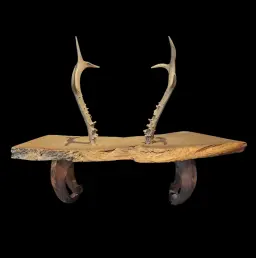
9 200,00 AEDJapanese Keyaki Live – Edge Stand with Deer Antlers
Lot CSA-001
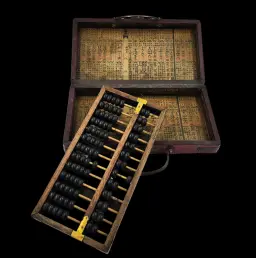
14 380,00 AEDChinese Suanpan Abacus (Seven-Bead Type), China, 1900–1930
Lot ARF-016
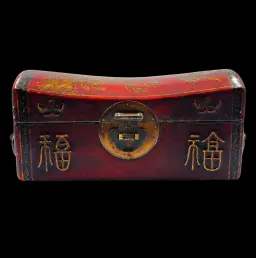
13 110,00 AEDChinese Lacquered Travelling Pillow Chest, Late Qing, c. 1880–1910
Lot JPA-022
Item has been added to your Cart
You cannot add "Samurai Warriors with Explosive Projectile Launchers (Hōjutsu Martial Engraving)" to your cart again.
Enquiry
Lot JPA-022
Thank you for your interest. Please fill out the below form, and our specialist will follow up with you shortly.
Thank you for your interest
We will be in touch shortly
We will never pass your personal information to anyone outside of Artefactum Gallery for their own marketing purposes without your consent. For more information about how we processes your data, please click here to read our Privacy Notice.
Brought to you by

Enquiry
Thank you for your interest. Please fill out the below form, and our specialist will follow up with you shortly.
Thank you for your interest
We will be in touch shortly
We will never pass your personal information to anyone outside of Artefactum Gallery for their own marketing purposes without your consent. For more information about how we processes your data, please click here to read our Privacy Notice.