


Specifications:
Location:
Japan
Size:
6 x 7 cm
Age:
Late Edo to Early Meiji Period, 19th Century
Weight:
100 gr
Material:
Iron with gold and silver inlay
Available in Dubai
5 100,00 AED

Lot Essay
Delivery
Rarity and Value
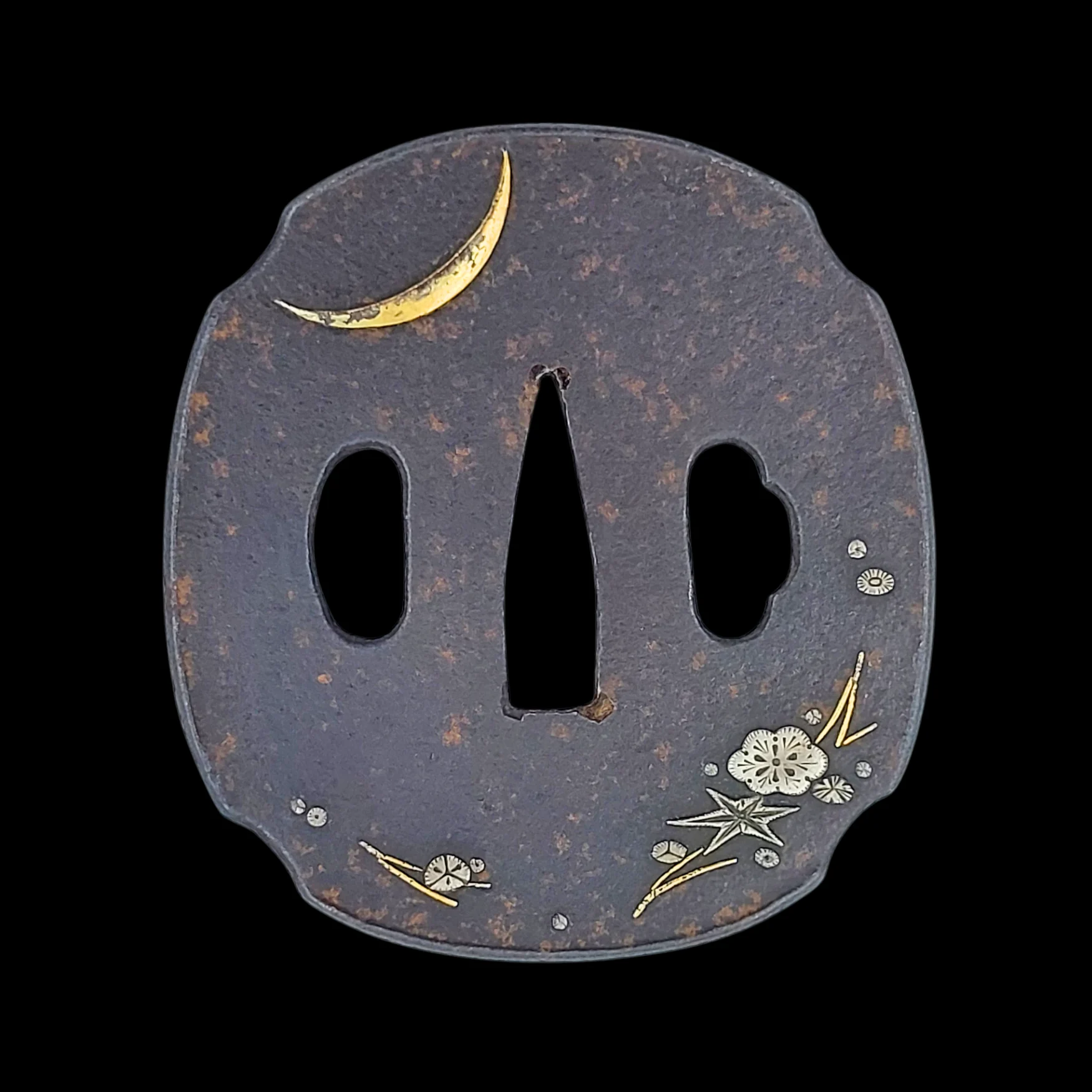
Japanese tsuba are among the most celebrated forms of sword furniture, valued not only for their functional role but also for their artistic refinement. During the Edo period, master metalworkers transformed sword guards into miniature works of art, incorporating symbolic motifs, precious metals, and sophisticated decorative techniques. Examples featuring gold and silver inlay on a dark iron ground are particularly desirable, reflecting the high level of craftsmanship associated with traditional Japanese metalworking. The combination of lunar imagery and floral decoration enhances both the aesthetic and cultural significance of the piece.
Historical and Artistic Significance
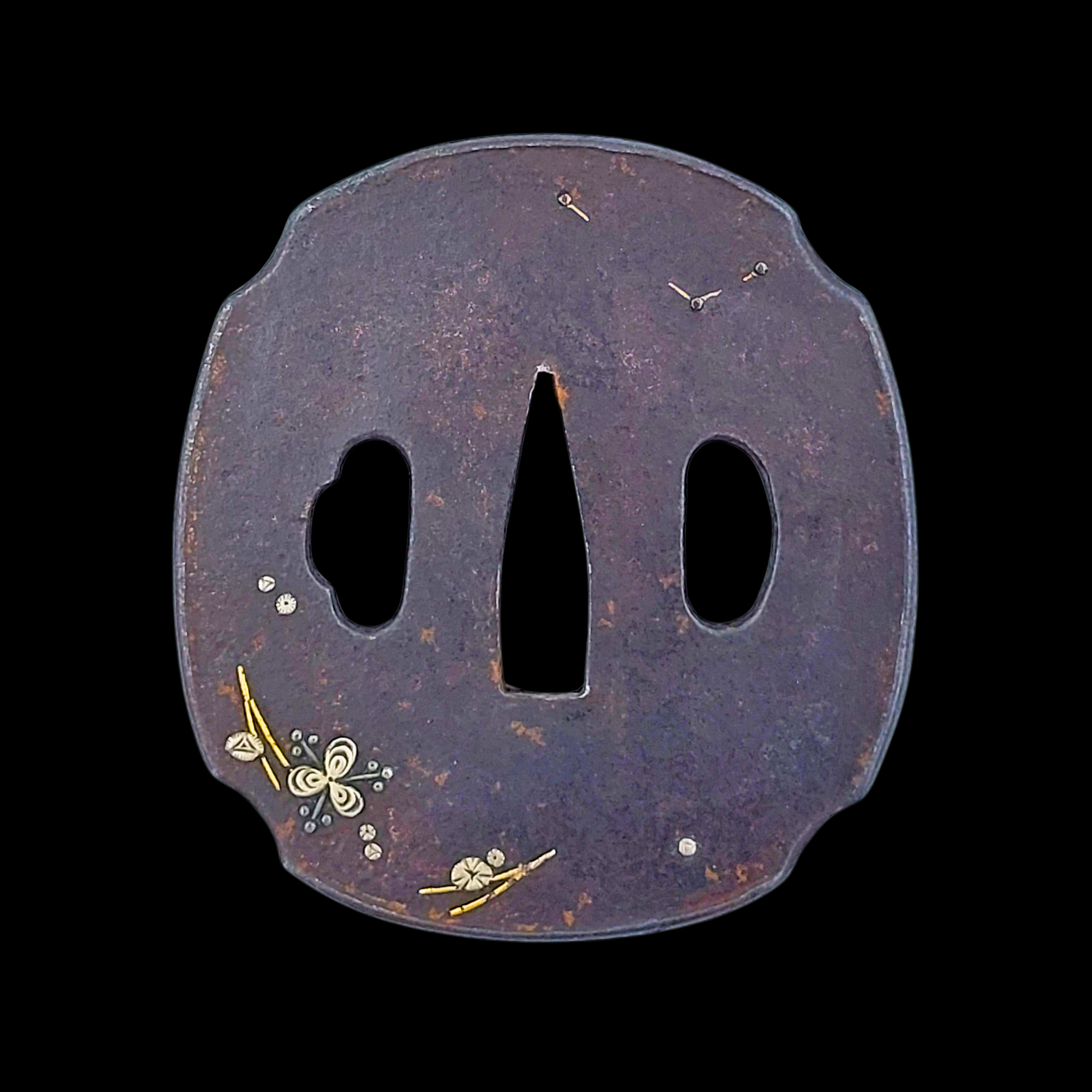
This tsuba features a crescent moon accompanied by delicate floral motifs rendered in precious-metal inlay. The crescent moon is a recurring symbol in Japanese art, often associated with contemplation, seasonal change, and the transient beauty celebrated throughout Japanese culture. The accompanying blossoms evoke themes of renewal, nature, and the passage of time. Such imagery was especially popular among members of the samurai class, who appreciated objects that combined elegance, symbolism, and technical mastery.
The composition demonstrates the Japanese aesthetic preference for asymmetry and balance, creating a harmonious design that appears both simple and highly refined.
Material and Craftsmanship
The tsuba has been forged from iron and finished with a rich dark patina that serves as a contrasting background for the gold and silver decorative elements. The crescent moon and floral details have been carefully inlaid by hand, demonstrating the precision and skill of the artisan. The central aperture accommodated the sword tang, while the side openings were designed for the passage of accompanying utility implements carried within the sword mounting.
Subtle variations in the iron surface, together with the aged patina and hand-applied decoration, contribute to the individuality and authenticity of the piece.
Human and Cultural Significance
For centuries, the sword represented both the authority and identity of the samurai. Every component of a sword mounting was carefully selected to reflect personal taste, status, and cultural values. Tsuba often served as a canvas for artistic expression, incorporating literary, seasonal, and philosophical themes. Through its moon and blossom motifs, this example embodies the Japanese appreciation for nature, impermanence, and quiet beauty.
Today, antique tsuba are collected worldwide as important examples of Japanese decorative arts, preserving the craftsmanship and symbolism of a culture in which even functional objects were elevated to works of enduring artistic significance.
Delivery
Brought to you by

Need more details?
Lot JPA-020
9 200,00 AEDJapanese Keyaki Live – Edge Stand with Deer Antlers
Lot FSL-020
26 000,00 AEDSeven Lucky Gods on Prehistoric Walrus Tusk
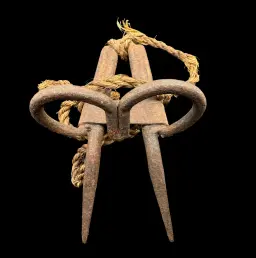
Lot JCC01
5 400,00 AEDAntique Edo Period Ninja Tekagi (Hand Claws) – Pair
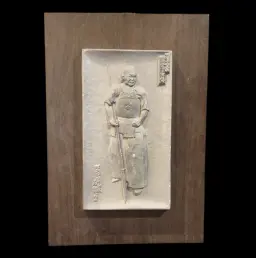
Lot JPA-021
5 500,00 AED“Woman Warrior Sonobe Bideo” from the series ‘One Hundred Women with Naginata’
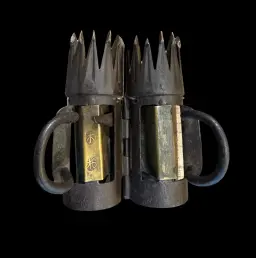
Lot BCS-001
5 100,00 AEDHidden Tool and Bamboo Cleaner
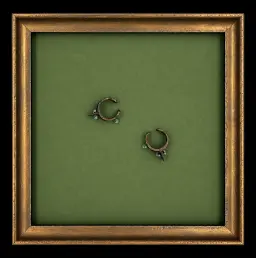
Lot CR-001
5 000,00 AEDHidden Convoy Rings – Stealth and Functionality in Historic Design

Lot JPA-027
Japanese Album of Ukiyo-e Paintings
Lot JPA-022
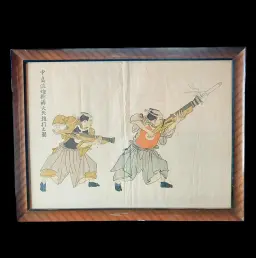
5 500,00 AEDSamurai Warriors with Explosive Projectile Launchers (Hōjutsu Martial Engraving)
Lot JPA-024
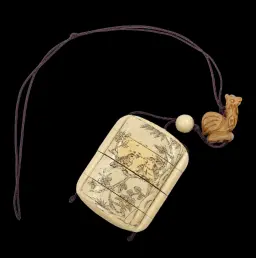
7 345,00 AEDJapanese Inrō with Ojime and Bird Netsuke
Lot JITWF-002
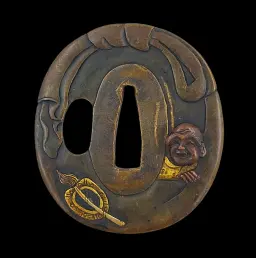
4 200,00 AEDJapanese Bronze Tsuba with Hotei and Pilgrim’s Staff Motif
Lot JITWF-001
Item has been added to your Cart
You cannot add "Japanese Iron Tsuba with Floral and Crescent Moon Inlay" to your cart again.
Enquiry
Lot JITWF-001
Thank you for your interest. Please fill out the below form, and our specialist will follow up with you shortly.
Thank you for your interest
We will be in touch shortly
We will never pass your personal information to anyone outside of Artefactum Gallery for their own marketing purposes without your consent. For more information about how we processes your data, please click here to read our Privacy Notice.
Brought to you by

Enquiry
Thank you for your interest. Please fill out the below form, and our specialist will follow up with you shortly.
Thank you for your interest
We will be in touch shortly
We will never pass your personal information to anyone outside of Artefactum Gallery for their own marketing purposes without your consent. For more information about how we processes your data, please click here to read our Privacy Notice.