



Specifications:
Location:
Japan
Size:
6 x 5 cm
Age:
Late Edo to Early Meiji Period, 19th Century
Weight:
63 grams
Material:
Bronze alloy with mixed-metal decoration
Available in Dubai
4 200,00 AED

Lot Essay
Delivery
Rarity and Value
Figurative tsuba depicting characters from Japanese folklore and religious tradition are highly sought after by collectors of Japanese arms and decorative arts. Unlike purely geometric sword guards, narrative examples required a greater degree of artistic skill and allowed craftsmen to express cultural themes through miniature sculptural compositions. Pieces incorporating mixed-metal decoration and detailed human figures are particularly appreciated for their craftsmanship, symbolism, and historical character.
Historical and Artistic Significance
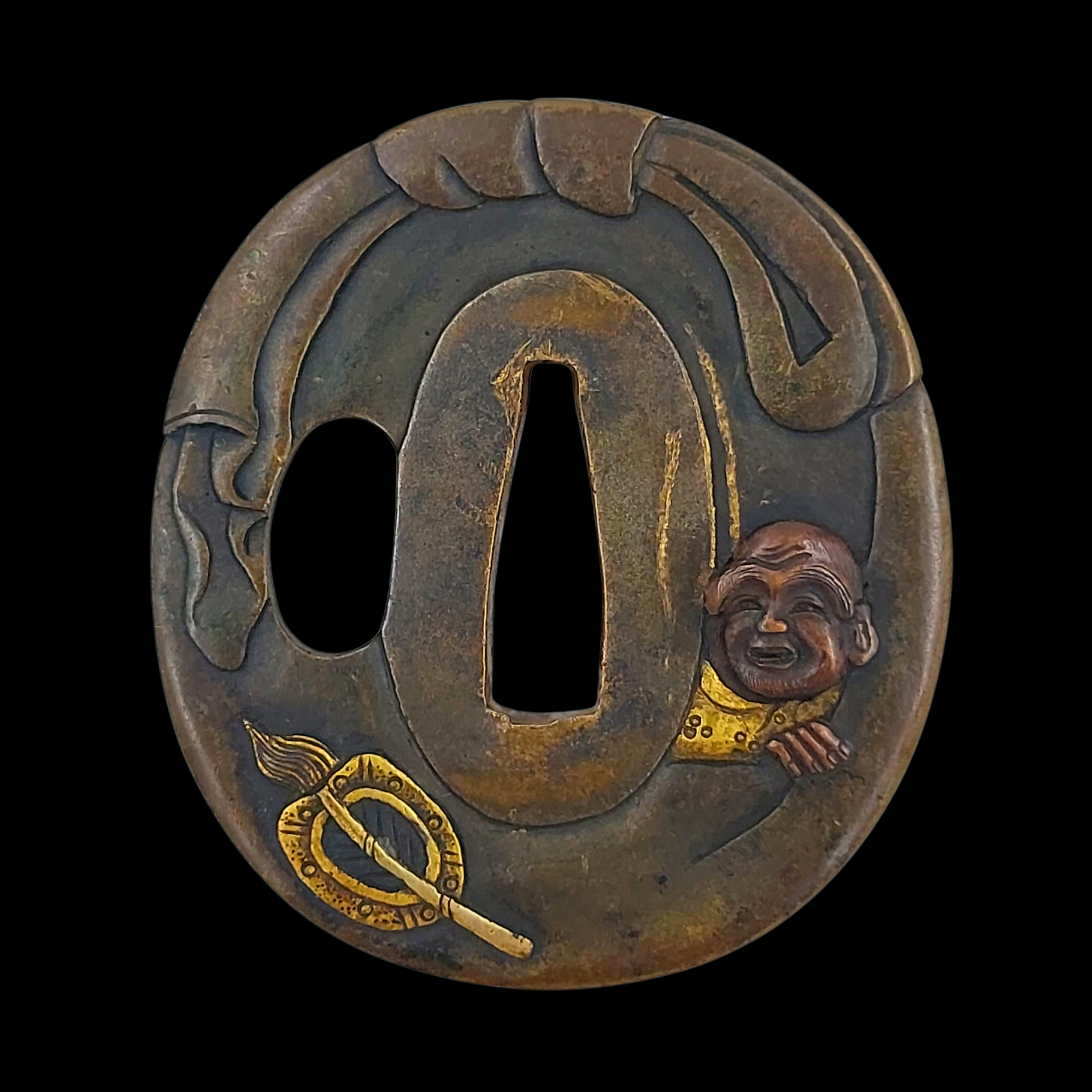
This tsuba appears to depict Hotei, one of Japan’s Seven Gods of Good Fortune (Shichifukujin). Hotei is traditionally represented as a cheerful, smiling figure associated with happiness, prosperity, abundance, and contentment. The design incorporates his distinctive features emerging from the lower right portion of the guard, while a ceremonial staff or pilgrim’s implement decorated with precious-metal accents appears in the lower section.
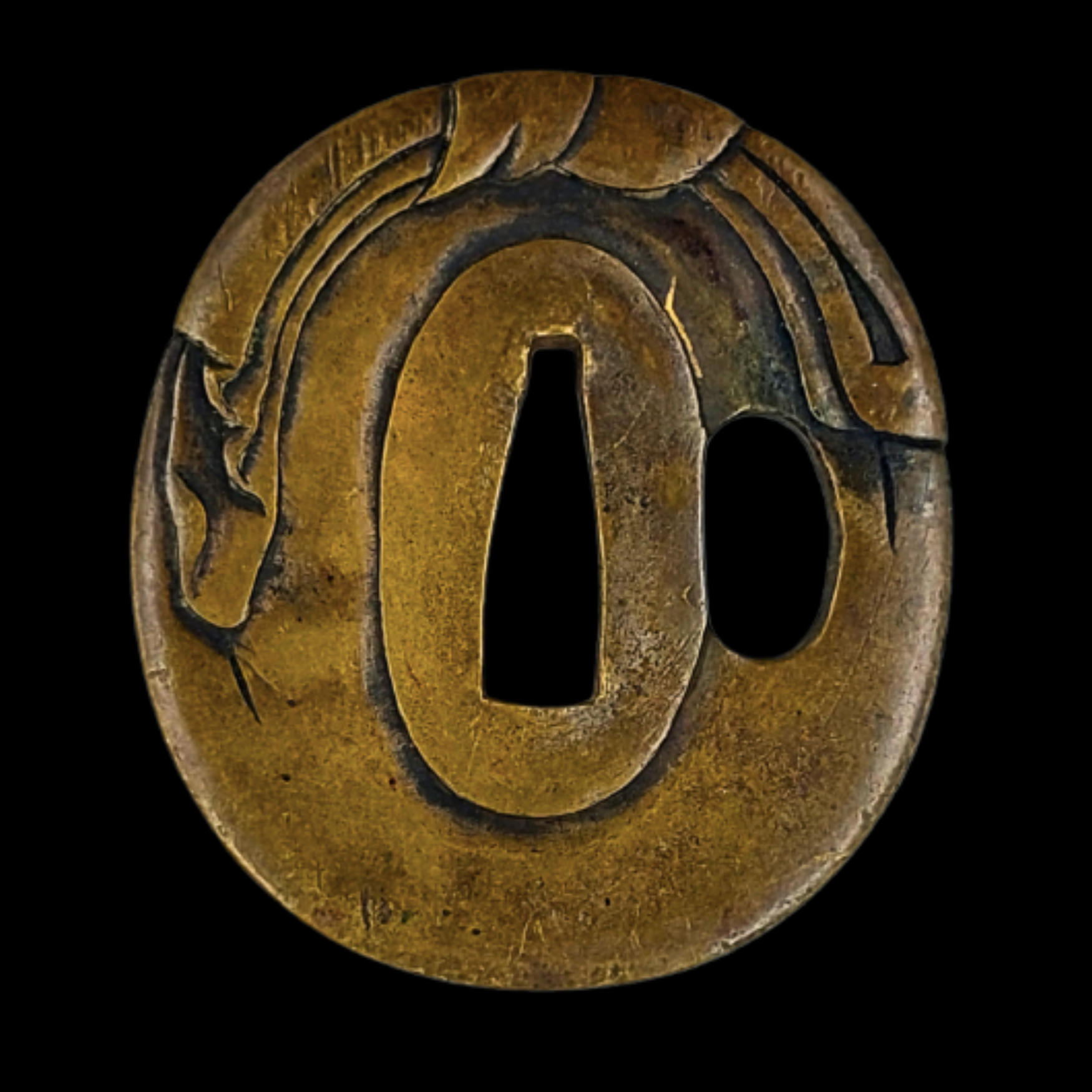
The reverse side features an elegant flowing design that may represent drapery, a traveling sack, or stylized organic forms associated with the figure. The composition transforms the functional sword guard into a miniature sculptural artwork while maintaining the balance and utility required of a samurai sword fitting.
Material and Craftsmanship
The tsuba has been crafted from a bronze-based alloy and finished with a rich aged patina developed through time and handling. Carved relief elements create depth and dimensionality, while contrasting mixed-metal details highlight important decorative features. The sculpted figure displays careful modeling of facial features and expression, demonstrating the artisan’s ability to convey character within a limited surface area.
The combination of relief carving, patination, and metallic accents creates a visually engaging object that balances artistic expression with functional design.
Human and Cultural Significance
Sword fittings provided samurai with an opportunity to express personal beliefs, aspirations, and cultural interests. Depictions of Hotei were especially popular because he symbolized good fortune, happiness, and prosperity. Carrying such imagery on a sword allowed the owner to display both aesthetic refinement and familiarity with traditional Japanese symbolism.
Today, figurative tsuba remain important examples of Japanese metalwork, preserving the artistic traditions and cultural narratives that flourished during the final centuries of the samurai era.
Delivery
Brought to you by

Need more details?
Lot JPA-024
7 345,00 AEDJapanese Inrō with Ojime and Bird Netsuke
Lot JCC01
5 400,00 AEDAntique Edo Period Ninja Tekagi (Hand Claws) – Pair
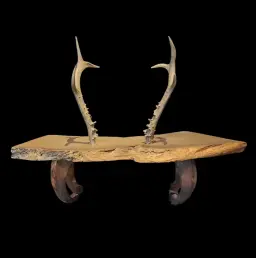
Lot JPA-020
9 200,00 AEDJapanese Keyaki Live – Edge Stand with Deer Antlers
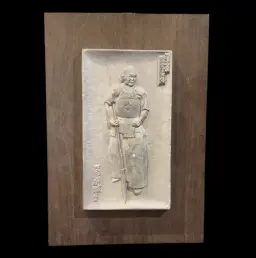
Lot JPA-021
5 500,00 AED“Woman Warrior Sonobe Bideo” from the series ‘One Hundred Women with Naginata’
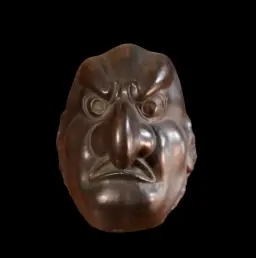
Lot MFW1
6 400,00 AEDCenturies-Old Iron Kabuki Mask: The Face of Jealousy in Japanese Theater
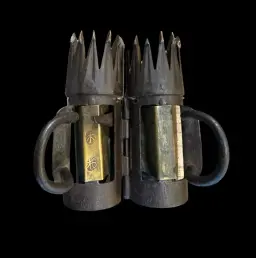
Lot BCS-001
5 100,00 AEDHidden Tool and Bamboo Cleaner
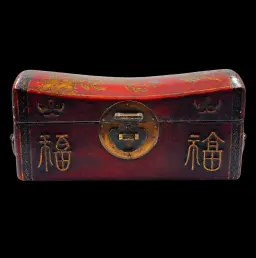
Lot ARF-016
13 110,00 AEDChinese Lacquered Travelling Pillow Chest, Late Qing, c. 1880–1910
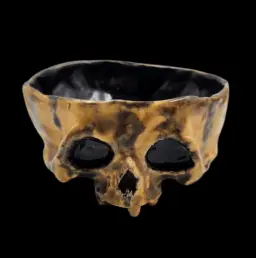
Lot JPA-025
8 740,00 AEDKoichi Suzuki Bizen Ceramic Kapala, Japanese Esoteric Buddhist Skull Cup

Lot JPA-027
Japanese Album of Ukiyo-e Prints
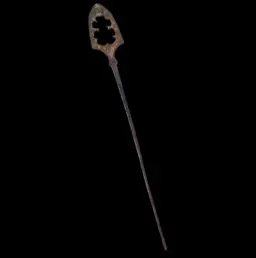
Lot JHOCB-002
2 500,00 AEDJapanese Iron Kanzashi with Plum Blossom Motif
Lot JITWF-002
Item has been added to your Cart
You cannot add "Japanese Bronze Tsuba with Hotei and Pilgrim’s Staff Motif" to your cart again.
Enquiry
Lot JITWF-002
Thank you for your interest. Please fill out the below form, and our specialist will follow up with you shortly.
Thank you for your interest
We will be in touch shortly
We will never pass your personal information to anyone outside of Artefactum Gallery for their own marketing purposes without your consent. For more information about how we processes your data, please click here to read our Privacy Notice.
Brought to you by

Enquiry
Thank you for your interest. Please fill out the below form, and our specialist will follow up with you shortly.
Thank you for your interest
We will be in touch shortly
We will never pass your personal information to anyone outside of Artefactum Gallery for their own marketing purposes without your consent. For more information about how we processes your data, please click here to read our Privacy Notice.
