


Specifications:
Location:
Japan
Size:
3 x 5 x 2 cm
Age:
mid-19th century
Period:
Late Edo Period
Material:
Copper alloy (bronze)
Available in Dubai
1 100,00 AED

Lot Essay
Delivery
Rarity and Value
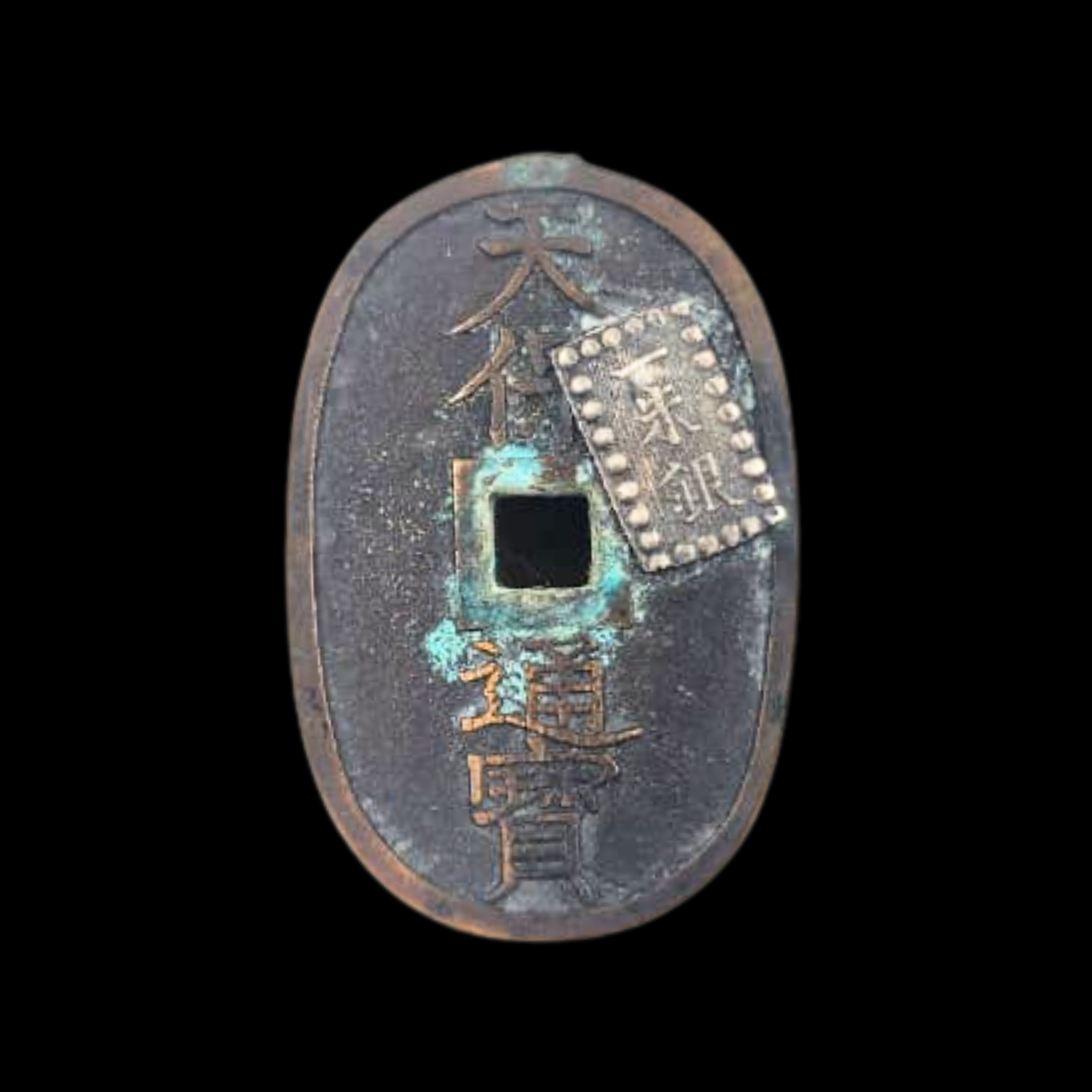
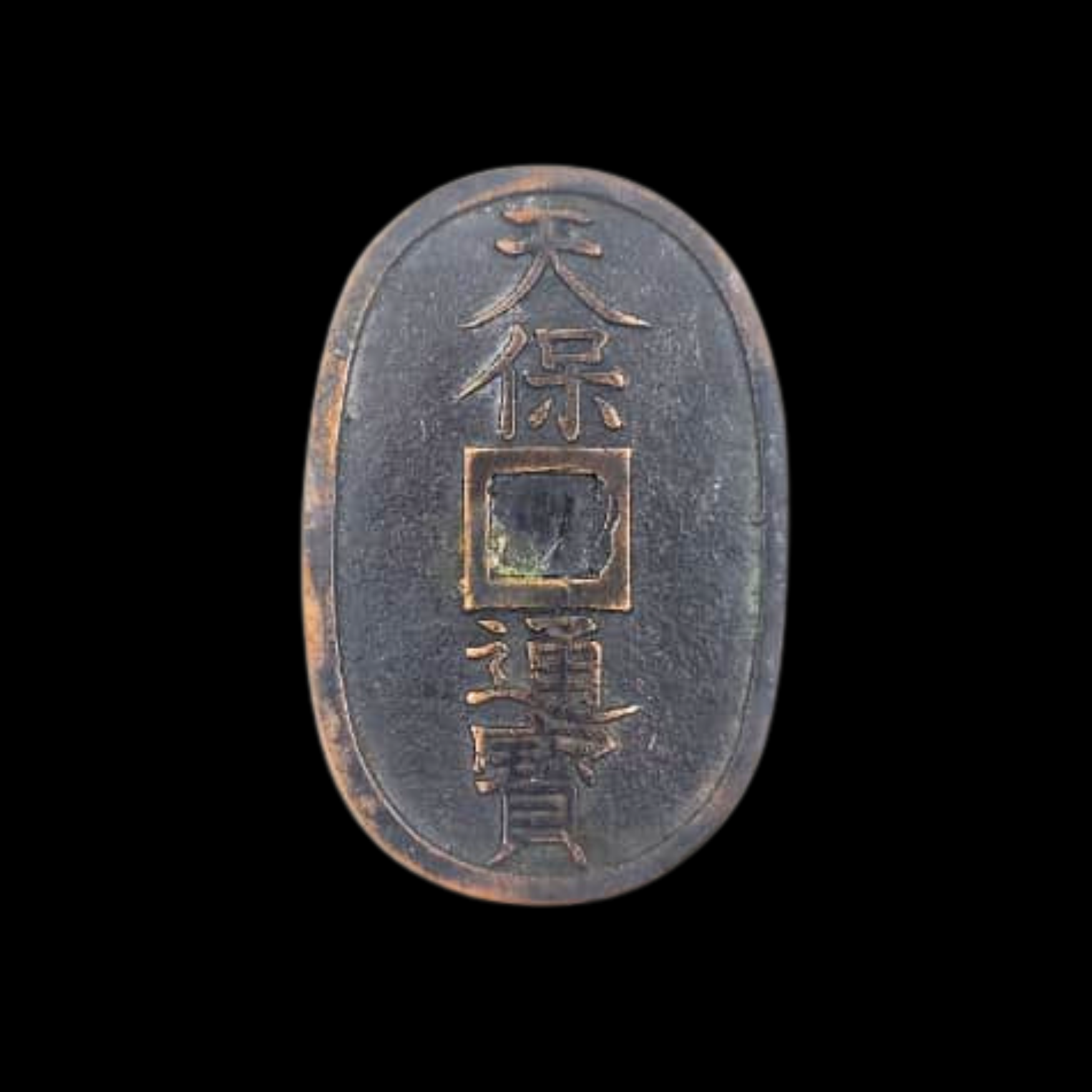
This distinctive Japanese suiteki (water dropper) is crafted in the form of a Tenpō Tsūhō coin, one of the most recognizable monetary designs of late Edo-period Japan. The combination of a historic coin motif with a functional object associated with traditional calligraphy makes the piece a refined example of Japanese metalwork and scholarly culture. Its naturally aged surface, copper patination, and surviving movable fitting preserve the character of a functional object designed to be both practical and visually expressive.
Origin and Historical Context
The design reproduces the celebrated Tenpō Tsūhō (天保通寳), a large oval Japanese coin first introduced in 1835 during the Tenpō era and valued at one hundred mon. These coins were cast in copper-based alloys and were distinguished by their elongated oval form and central square opening.
This suiteki was produced in Japan during the late Edo period, in the mid-19th century, when the Tenpō Tsūhō design was part of everyday monetary culture. By adapting the form of a circulating coin into a refined calligraphy accessory, the maker transformed a familiar symbol of commerce into an object associated with writing, learning, and artistic practice.
Craftsmanship and Inscriptions
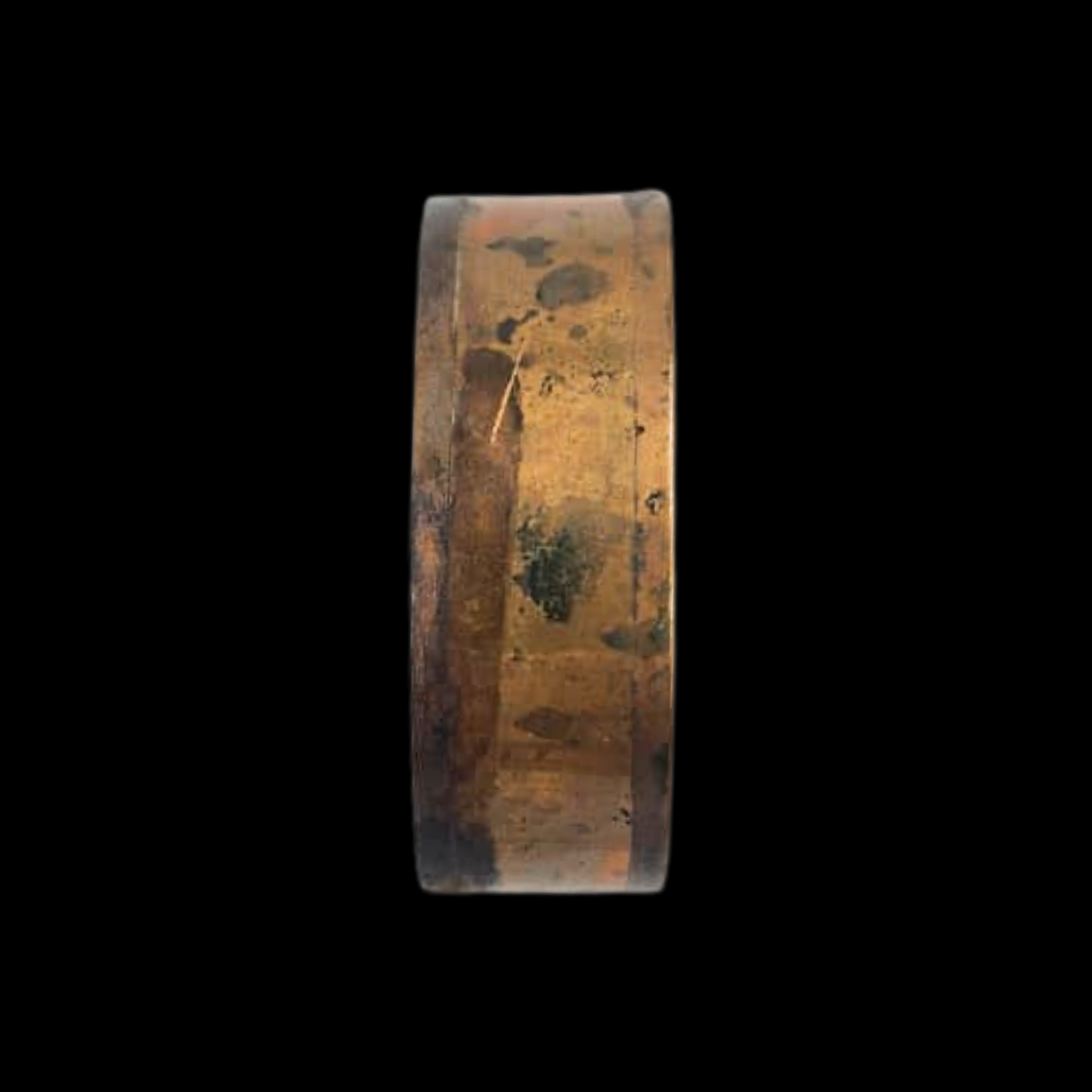
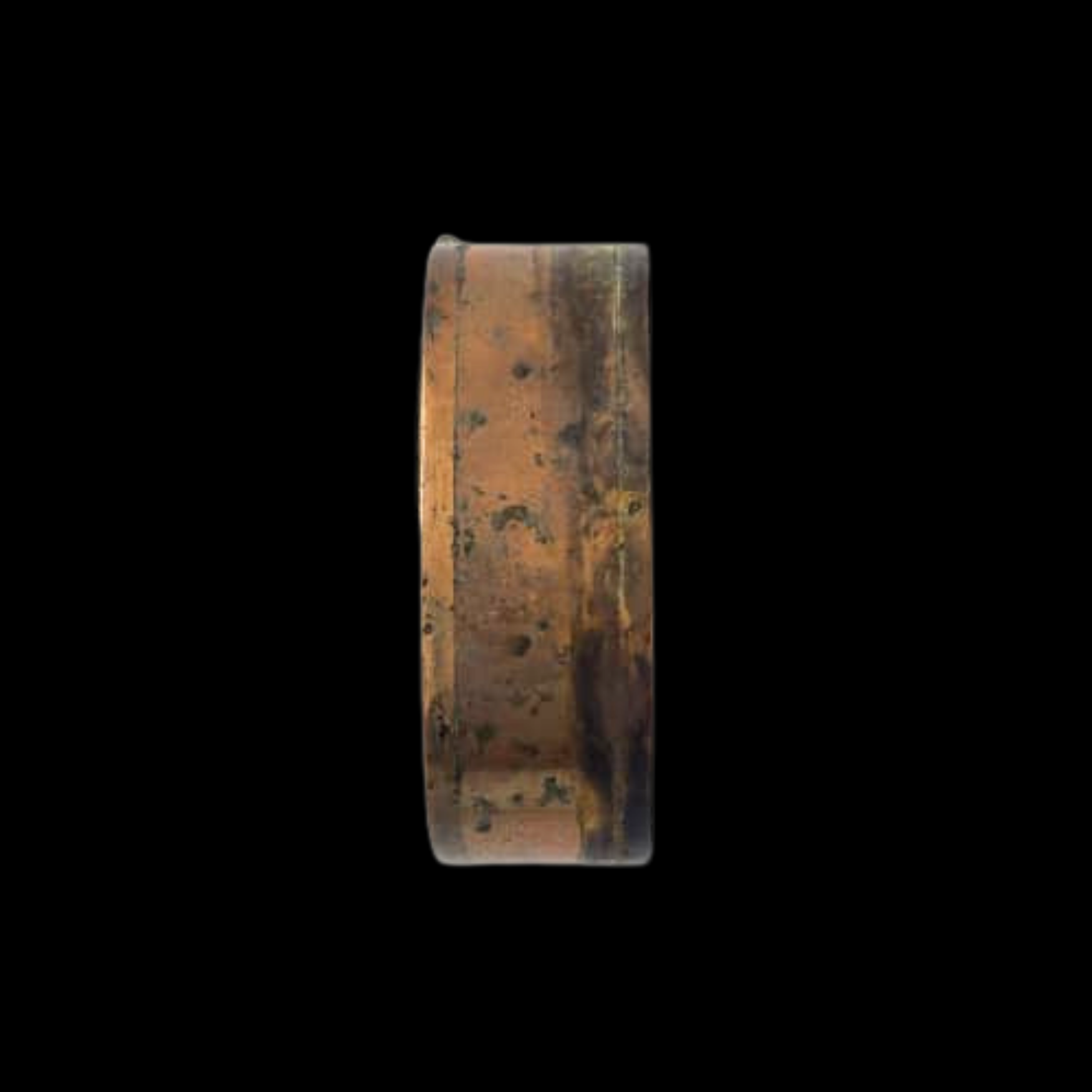
The suiteki is made from a copper alloy with a darkened patinated surface, complemented by naturally developed green-blue oxidation visible around the central opening. The aged surface and wear contribute to the historic character of the piece.
The principal inscription reads 天保通寳 — Tenpō Tsūhō, referring to the currency of the Tenpō era. The elongated oval profile, raised border, square central aperture, and vertically arranged characters reproduce the appearance of the historic 100-mon coin introduced in 1835.
A small movable rectangular metal fitting positioned beside the central opening bears the two-character inscription 永利 — Eiri. The inscription functions as an additional identifying or auspicious mark and may refer to a workshop or maker’s mark. The characters carry associations with enduring prosperity and good fortune, adding another layer of meaning to an object already modeled after one of the most recognizable monetary forms of late Edo-period Japan.
Human Touch
This object is a suiteki, a Japanese water dropper used in traditional calligraphy. It held a small quantity of clean water, which was released in controlled drops onto an inkstone so that a solid sumi inkstick could be ground to the desired consistency. Suiteki were kept together with inkstones, brushes, and other writing implements, often as part of a suzuribako, or writing box.
Such objects belonged to the cultivated world of calligraphy, poetry, scholarship, and artistic practice. The process of preparing ink was itself a deliberate and refined ritual, requiring control, patience, and concentration. By transforming the familiar Tenpō Tsūhō coin into a suiteki, the maker united everyday material culture with the intellectual and artistic traditions of Edo-period Japan.
Delivery
Brought to you by

Need more details?
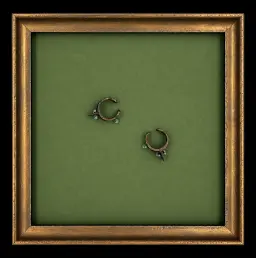
Lot CR-001
5 000,00 AEDHidden Convoy Rings – Stealth and Functionality in Historic Design
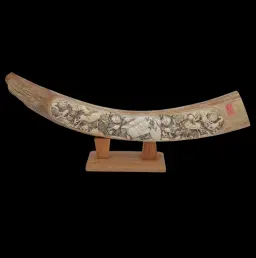
Lot FSL-020
26 000,00 AEDSeven Lucky Gods on Prehistoric Walrus Tusk
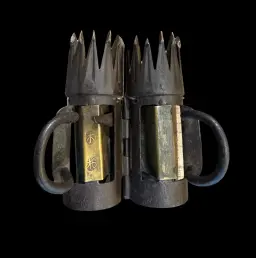
Lot BCS-001
5 100,00 AEDHidden Tool and Bamboo Cleaner
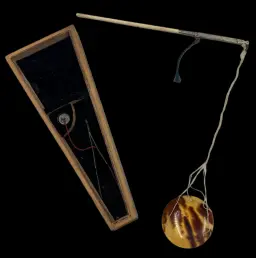
Lot OSC-01
1 650,00 AEDElegance in Precision: A Japanese Artisan’s Scale Set (1890–1910)
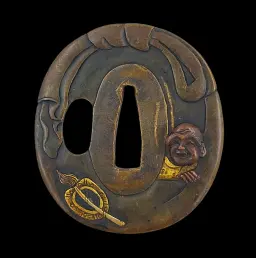
Lot JITWF-002
4 200,00 AEDJapanese Bronze Tsuba with Hotei and Pilgrim’s Staff Motif
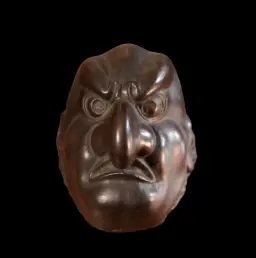
Lot MFW1
6 400,00 AEDCenturies-Old Iron Kabuki Mask: The Face of Jealousy in Japanese Theater
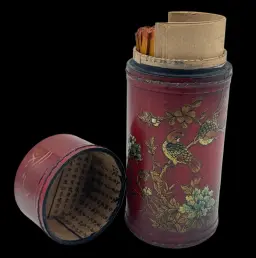
Lot CST-01
7 350,00 AEDChinese Fortune Sticks in Hand-Painted Lacquer Case – A Spiritual Artifact from 1950-1960s China
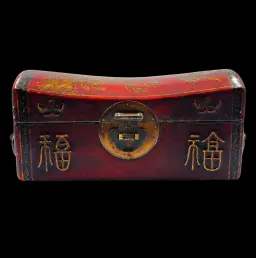
Lot ARF-016
13 110,00 AEDChinese Lacquered Travelling Pillow Chest, Late Qing, c. 1880–1910
Lot JHOCB-002
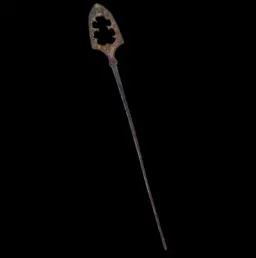
2 500,00 AEDJapanese Iron Kanzashi with Plum Blossom Motif
Lot JITWF-003
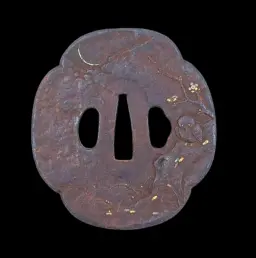
4 800,00 AEDJapanese Iron Tsuba with Sparrow, Plum Blossom, and Crescent Moon Motif
Lot JPA-023
Item has been added to your Cart
You cannot add "Japanese Tenpō Tsūhō Suiteki Water Dropper, mid-19th century" to your cart again.
Enquiry
Lot JPA-023
Thank you for your interest. Please fill out the below form, and our specialist will follow up with you shortly.
Thank you for your interest
We will be in touch shortly
We will never pass your personal information to anyone outside of Artefactum Gallery for their own marketing purposes without your consent. For more information about how we processes your data, please click here to read our Privacy Notice.
Brought to you by

Enquiry
Thank you for your interest. Please fill out the below form, and our specialist will follow up with you shortly.
Thank you for your interest
We will be in touch shortly
We will never pass your personal information to anyone outside of Artefactum Gallery for their own marketing purposes without your consent. For more information about how we processes your data, please click here to read our Privacy Notice.