


Lot JPA-021
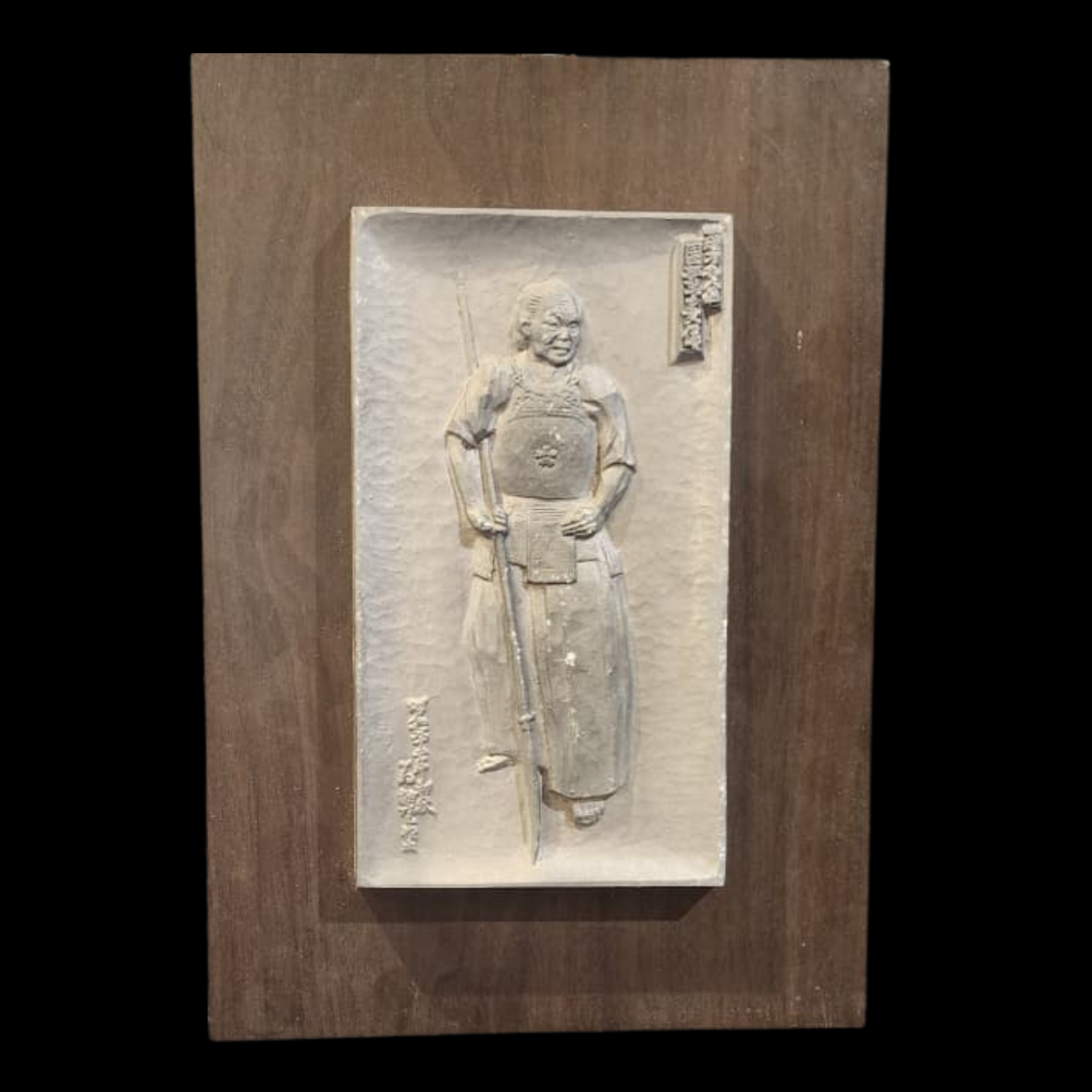
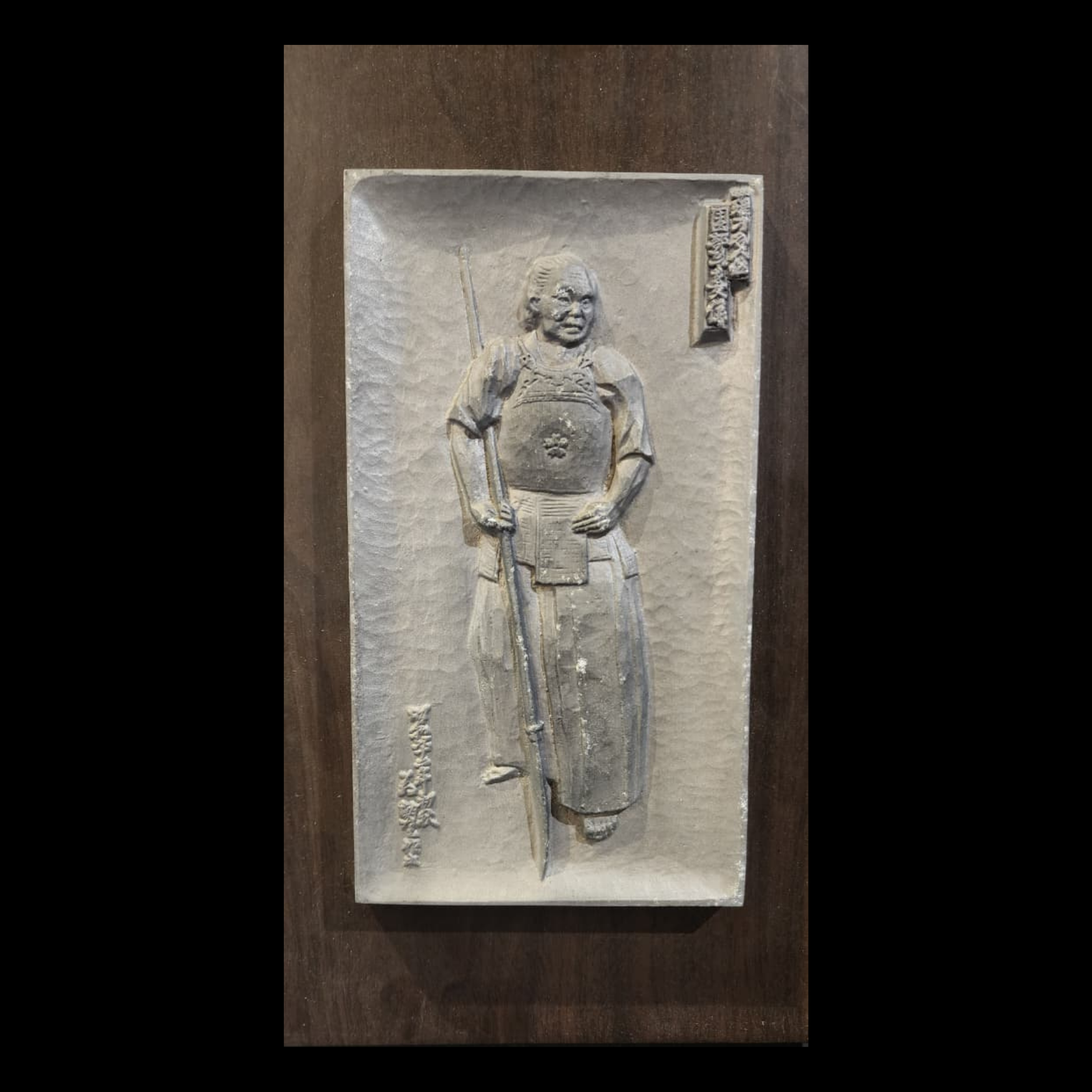
“Woman Warrior Sonobe Bideo” from the series ‘One Hundred Women with Naginata’
Specifications:
Location:
Japan
Size:
31 x 21 cm
Period:
Early Edo Period, early 18th century (circa 1700–1730)
Material:
Hand-carved clay relief panel mounted on a wooden backing
Available in Dubai
5 500,00 AED

Lot Essay
Delivery
Rarity and Value
This rare Japanese clay relief panel represents an unusual early depiction of an onna-bugeisha — a female warrior of the samurai class — portrayed carrying a naginata, the traditional pole weapon closely associated with women of noble warrior families in feudal Japan. Executed in sculpted clay with finely modeled relief carving, the composition reflects the restrained yet expressive aesthetic characteristic of the early Edo period during the beginning of the 18th century. Depictions of elderly female samurai are exceptionally uncommon within Japanese decorative and narrative art, making this work particularly valuable both historically and culturally. The figure is represented standing in a calm but commanding posture, wearing layered ceremonial robes beneath protective armor elements covering the chest and waist. Her aged facial features, carefully emphasized through sculptural modeling, convey dignity, authority, and martial experience rather than idealized beauty. The naginata held vertically beside the body symbolizes discipline, household defense, and the military responsibilities traditionally entrusted to women of samurai families during periods of conflict and clan warfare. The sculptural technique combines low-relief carving with hand-shaped detailing, creating strong depth and tactile texture rarely preserved in works of this type. The theme “One Hundred Women with Naginata” refers to the enduring legacy of female martial practitioners in Japan and reflects the historical importance of women trained in the use of this iconic pole weapon. The naginata became especially associated with the daughters, wives, and mothers of the samurai class, who were expected to defend family residences and maintain clan honor during wartime.
Discovery
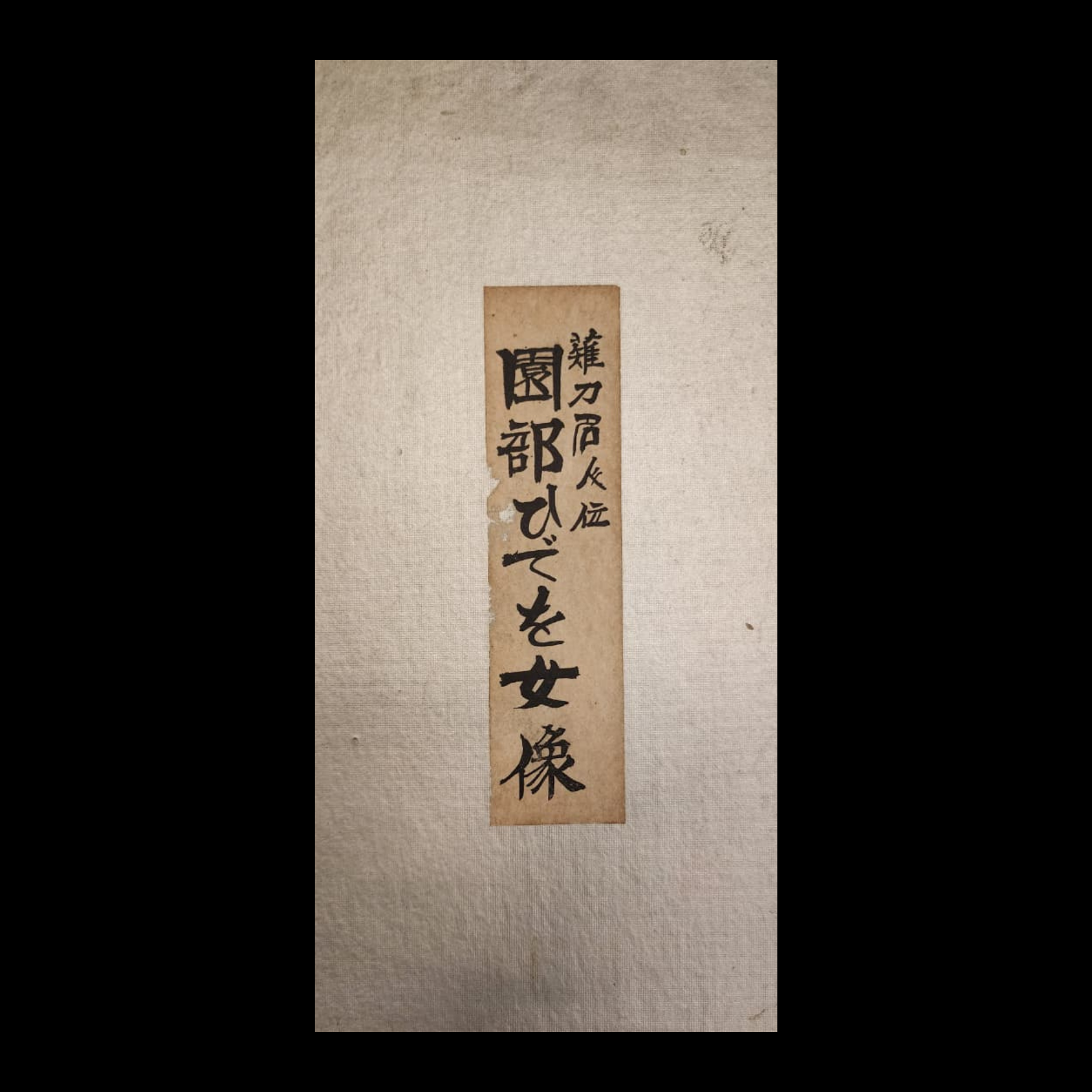
During the Edo period, representations of onna-bugeisha occupied a special place within Japanese martial culture and historical memory. Women of samurai households were often trained in the use of the naginata in order to defend estates, protect family members, and preserve clan honor during times of unrest. The long shaft and curved blade of the weapon allowed women to maintain distance from mounted opponents and compensate for differences in physical strength during combat. Historical female warriors such as Tomoe Gozen and Nakano Takeko became enduring symbols of loyalty, courage, and martial discipline within Japanese history and literature. The present relief reflects this cultural tradition through the depiction of a mature warrior woman whose armor and weapon identify her as a member of the military aristocracy rather than a theatrical or mythological figure. During the Edo period, naginata practice gradually evolved from battlefield combat into a disciplined martial tradition emphasizing education, resilience, and social refinement among women of samurai lineage. Historical accounts describe large ceremonial martial demonstrations in which groups of women practiced synchronized naginata techniques in organized formations, preserving both combat knowledge and ceremonial tradition. The inscription and vertical compositional arrangement are consistent with artistic formats associated with Edo-period narrative plaques and commemorative sculptural panels. Clay relief carving of this nature was characteristic of regional artisanal workshops producing architectural decorations, devotional plaques, and historical genre scenes. The restrained monochromatic surface emphasizes form and expression rather than painted ornament, allowing attention to focus on the psychological presence and symbolic authority of the warrior figure herself.
Preservation
The relief remains well preserved, retaining the original sculptural depth and hand-worked surface texture characteristic of traditional Japanese clay modeling techniques. Fine details of the warrior’s layered kimono, armor plates, sleeves, facial structure, and naginata shaft remain clearly visible despite the age of the work. The softly weathered surface contributes to the historical authenticity of the panel and enhances the perception of age associated with early Edo-period ceramic sculpture. The mounted presentation preserves the relief securely while allowing the subtle variations of the clay body and tool marks to remain visible under changing light. The composition demonstrates careful balance between flat background planes and raised sculptural contours, creating a refined visual rhythm typical of Japanese relief craftsmanship of the period. The preserved relief also reflects the enduring visual identity of the naginata tradition, which continues today as the martial art of naginatajutsu, practiced predominantly by women in Japan. As a surviving representation of an elderly female samurai rendered in sculpted clay, the work preserves important cultural insight into Japanese martial traditions, gender roles within samurai society, and the symbolic importance of the naginata in the visual language of warrior identity during the Edo era.
Delivery
Brought to you by

Need more details?
Lot JCC01
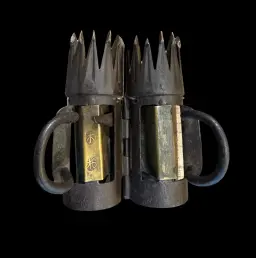
5 400,00 AEDAntique Edo Period Ninja Tekagi (Hand Claws) – Pair
Lot JPA-022
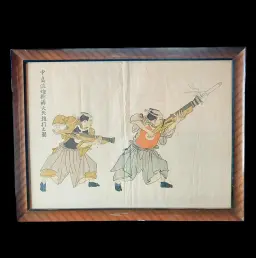
5 500,00 AEDSamurai Warriors with Explosive Projectile Launchers (Hōjutsu Martial Engraving)
Lot JPA-023
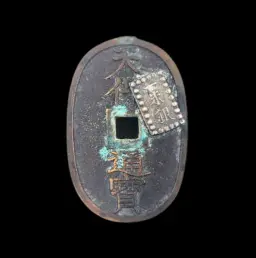
1 100,00 AEDJapanese Tenpō Tsūhō Suiteki Water Dropper, mid-19th century

Lot CSA-001
14 380,00 AEDChinese Suanpan Abacus (Seven-Bead Type), China, 1900–1930
Lot JCC02
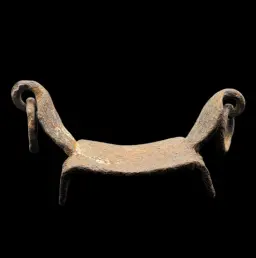
1 100,00 AEDClimbing Marvels: Iron Japanese “Cat Claws” for Scaling Heights, Early 20th Century
Lot BCS-001
5 100,00 AEDHidden Tool and Bamboo Cleaner

Lot JITWF-003
4 800,00 AEDJapanese Iron Tsuba with Sparrow, Plum Blossom, and Crescent Moon Motif
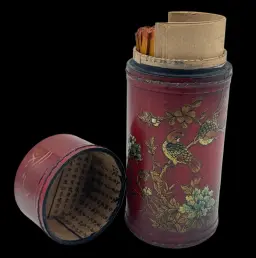
Lot CST-01
7 350,00 AEDChinese Fortune Sticks in Hand-Painted Lacquer Case – A Spiritual Artifact from 1950-1960s China
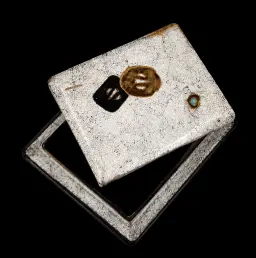
Lot ARF-012
7 350,00 AEDJapanese Tsuba Storage Box with Crackle Lacquer and Mother-of-Pearl Inlay
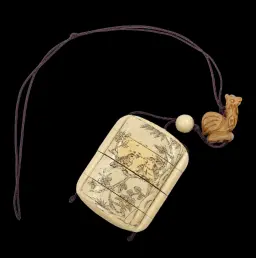
Lot JPA-024
7 345,00 AEDJapanese Inrō with Ojime and Bird Netsuke
Lot JPA-021
Item has been added to your Cart
You cannot add "“Woman Warrior Sonobe Bideo” from the series ‘One Hundred Women with Naginata’" to your cart again.
Enquiry
Lot JPA-021
Thank you for your interest. Please fill out the below form, and our specialist will follow up with you shortly.
Thank you for your interest
We will be in touch shortly
We will never pass your personal information to anyone outside of Artefactum Gallery for their own marketing purposes without your consent. For more information about how we processes your data, please click here to read our Privacy Notice.
Brought to you by

Enquiry
Thank you for your interest. Please fill out the below form, and our specialist will follow up with you shortly.
Thank you for your interest
We will be in touch shortly
We will never pass your personal information to anyone outside of Artefactum Gallery for their own marketing purposes without your consent. For more information about how we processes your data, please click here to read our Privacy Notice.