


An Architectural Masterpiece Inspired by Nature: A Journey Through the Design of NHMAD
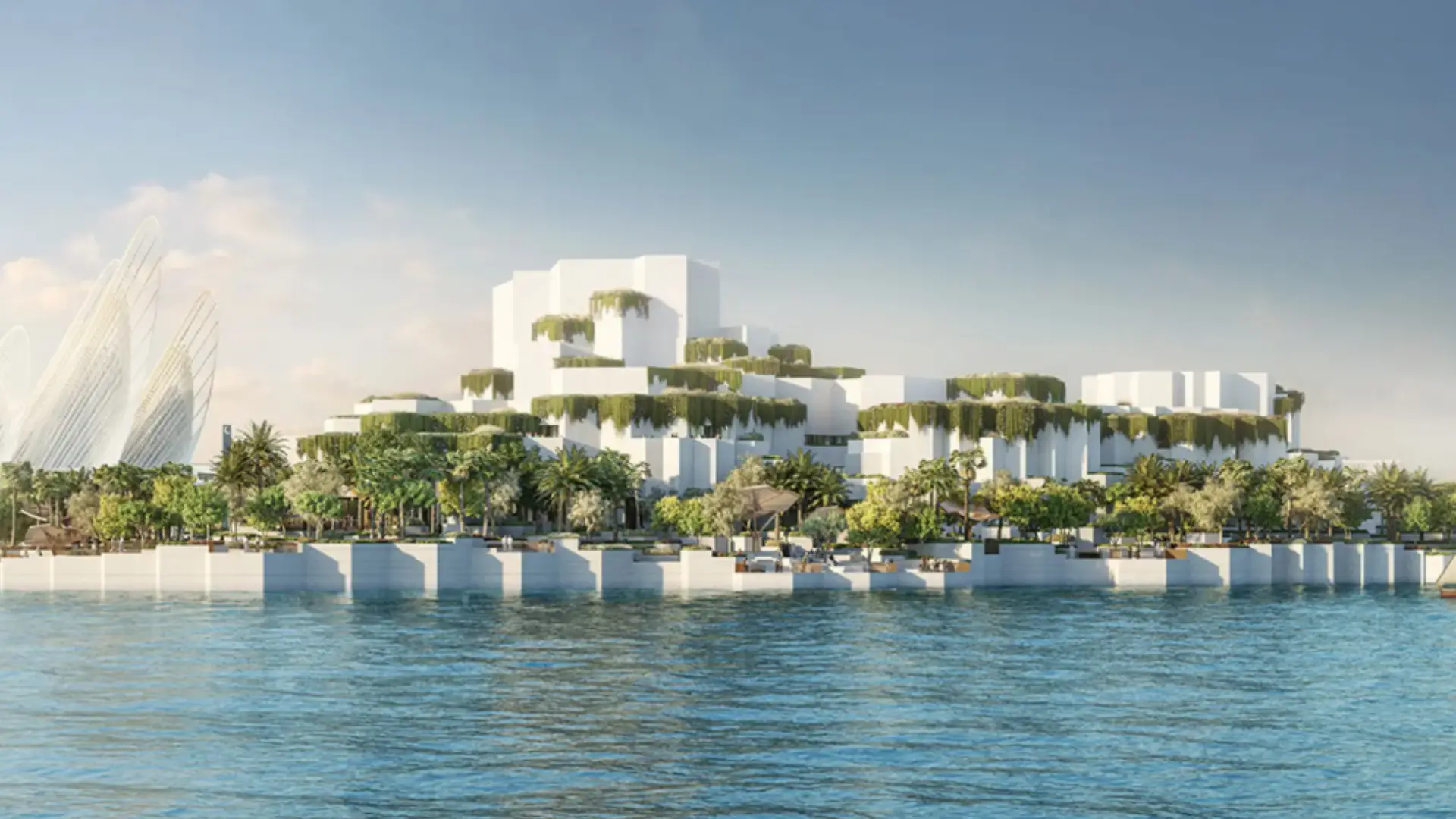
A comprehensive exploration of the groundbreaking architecture of the Natural History Museum Abu Dhabi (NHMAD). This article examines how the building draws inspiration from natural forms, integrates sustainable engineering and biophilic principles, and establishes itself as a cultural and architectural landmark on Saadiyat Island—positioning NHMAD as a globally significant example of future-focused, nature-integrated design.
I. A Design Rooted in the Landscape: Architecture in Harmony with Nature

The architectural language of the Natural History Museum Abu Dhabi is deeply rooted in the landscapes of the Arabian Peninsula. Rather than relying on rigid geometry or purely iconic gestures, the building appears sculpted by natural forces, echoing wind-shaped dunes, stratified rock formations, and eroded cliffs formed over geological time.
Organic volumes and fluid geometry mirror processes of sedimentation and erosion, allowing the museum to feel as though it has emerged from the land itself. From the first approach, the architecture evokes curiosity and calm, preparing visitors emotionally for a journey through Earth’s deep history even before they enter the building.
Biophilic design principles are central to this approach. Carefully controlled natural light creates interior atmospheres reminiscent of desert dawns and sunsets, while shaded courtyards, transitional spaces, and subtle water elements evoke oases and wadis. Circulation through the building follows intuitive, landscape-like paths rather than rigid corridors, reinforcing a natural relationship between people, space, and environment.
II. The Architect Behind NHMAD: Translating Nature into Built Form
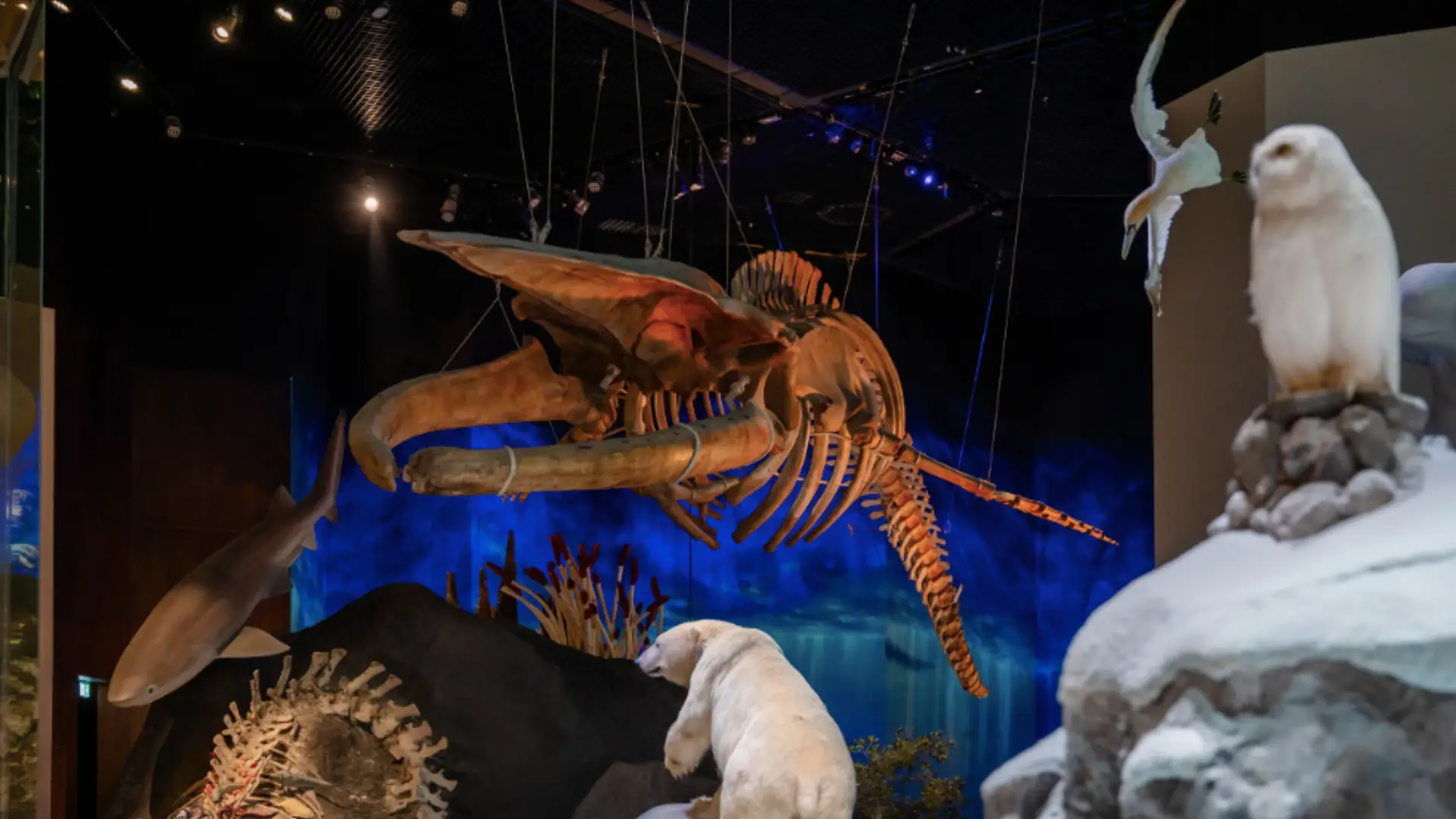
The Natural History Museum Abu Dhabi was designed by the internationally acclaimed architecture firm Mecanoo, led by Dutch architect Francine Houben. Renowned for a human-centered and context-driven design philosophy, Mecanoo’s work emphasizes harmony between architecture, landscape, and cultural identity.
Houben’s approach rejects architecture as a purely sculptural object. Instead, her work seeks connection—to place, to people, and to memory. This philosophy is clearly expressed in NHMAD, where the building’s form grows directly from the desert context and aligns closely with the museum’s scientific mission.
For NHMAD, Mecanoo translated the concepts of natural history into architectural form. Geological time, evolutionary processes, and environmental adaptation served as conceptual drivers. The result is a structure that feels simultaneously ancient and futuristic: grounded in Earth’s deep past while engineered for long-term resilience and sustainability.
III. Sustainability and Innovation: Engineering for the Future
NHMAD is designed not only to reflect nature, but to respect it. The building incorporates advanced climate-responsive strategies suited to extreme desert conditions, significantly reducing energy consumption while maintaining visitor comfort.
High-performance façades, shading systems, and advanced glazing minimize solar heat gain, while thermal massing and natural airflow strategies help stabilize interior temperatures. Smart building technologies dynamically regulate lighting, climate, and energy use, reducing reliance on mechanical systems.
Water management is a critical component of the museum’s sustainable design. Greywater recycling, water harvesting systems, and drought-resistant landscaping using native plant species ensure minimal water consumption. Together, these strategies establish NHMAD as a benchmark for environmentally responsible public architecture in arid regions.
IV. A Space Designed for Discovery: Interior Worlds of NHMAD
Inside the museum, architecture becomes an integral part of storytelling. The grand central atrium functions as both an orientation space and a symbolic gateway into Earth’s deep history, using scale, light, and verticality to evoke geological and cosmic time.
Exhibition galleries are engineered for flexibility, with modular systems and adaptive lighting that allow exhibitions to evolve over time. Seamless transitions connect paleontology, geology, biodiversity, and cosmic history, reinforcing the museum’s multidisciplinary narrative.
Research laboratories, conservation studios, and educational spaces are embedded within the architectural framework rather than hidden from view. Visual transparency between research and public areas reflects NHMAD’s commitment to scientific openness, education, and public engagement.
V. NHMAD as a Cultural Beacon for Abu Dhabi and the World
Architecturally, the Natural History Museum Abu Dhabi stands as a symbol of Abu Dhabi’s global ambition in science, culture, and sustainability. As part of Saadiyat Island’s cultural district, the museum contributes to a growing constellation of world-class institutions that position the emirate as a center for knowledge and cultural exchange.
The building itself serves as a powerful metaphor: ancient natural history preserved within a forward-looking architectural shell. By uniting past and future, science and design, and local landscape with global knowledge, NHMAD demonstrates how architecture can shape not only physical space, but also cultural values and long-term responsibility.
Related collections:
- Meteorites & Cosmic Materials
- Fossils & Prehistoric Specimens
- Minerals & Geological Wonders
Artefactum Gallery, Dubai
https://artefactumgallery.com
+971 568876217
Contacts: https://artefactumgallery.com/contact
Other Articles
- Dinosaur Teeth
- Classification of Megalodon Teeth
- From Desert to Space: How NHMAD Tells the Story of Life on Earth — and Beyond
- Ammolite: The Ancient Gemstone with a Mesmerizing Rainbow Glow
- NHMAD’s Role in Preserving Arabian Peninsula Heritage: Showcasing a Unique Natural Legacy
- The Marine Dragons of the Mesozoic
- Beyond the Mammoth: Discover the Diverse Creatures of the Ice Age
- How Is the Age of Fossils Determined?
- What Are Trilobites? Meet the Marine Pioneers of Earth's History
- Giants of the Ancient World
- Dinosaurs Among Us
- What is a Fossil?
- Lost in Abu Dhabi: The “Stan” T. Rex Skeleton and the Wonders of NHMAD
- Megalodon: The Largest Shark That Ever Lived
- Natural History Museum Abu Dhabi to open in November 2025 at Saadiyat Cultural District
- Discovering Ammonites: The Mysterious Fossils of Earth's Past
- Dinosaurs - Records and Achievements
- Murchison : The Meteorite Older Than the Solar System — A Cosmic Icon of NHMAD
- What Are Meteorites? A Beginner’s Guide to Space Rocks
- Tyrannosaurus Rex: The True King of Dinosaurs
- Sabertooth Secrets: Exploring the Fierce Predators of Prehistoric Times

Lot BCS-001
5 100,00 AEDHidden Tool and Bamboo Cleaner

Lot MT85
Megalodon Tooth, 189 gr, Polishing, h 11 cm, circa 13 mln years old

Lot BGC-019
420,00 AEDCallicore (Paulogramma) Peristera on Dandelion in Glass Cloche

Lot DLBTL04
100,00 AEDCaptivating Elegance – Preserved Dandelion in Glass Bottle, 8 cm High
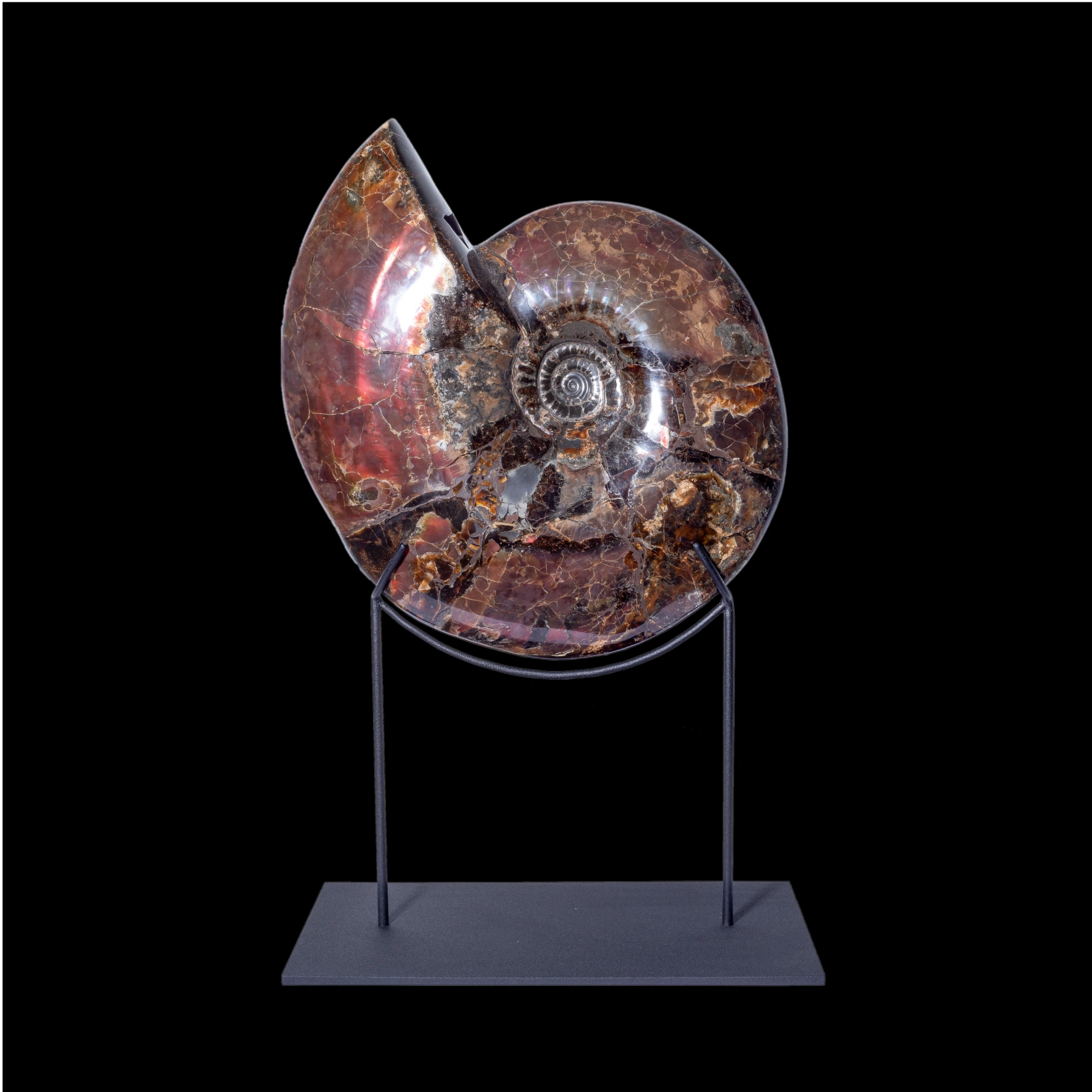
Lot ACD1
40 500,00 AEDAmmonite Craspedodiscus Discofalcatus

Lot SA-011
955,00 AED10.372 g Sikhote-Alin meteorite in sealed bottle

Lot MT-2
Megalodon tooth

Lot SPF
1 500,00 AEDGaleodes Spider (Sudan): A Rare Desert Predator
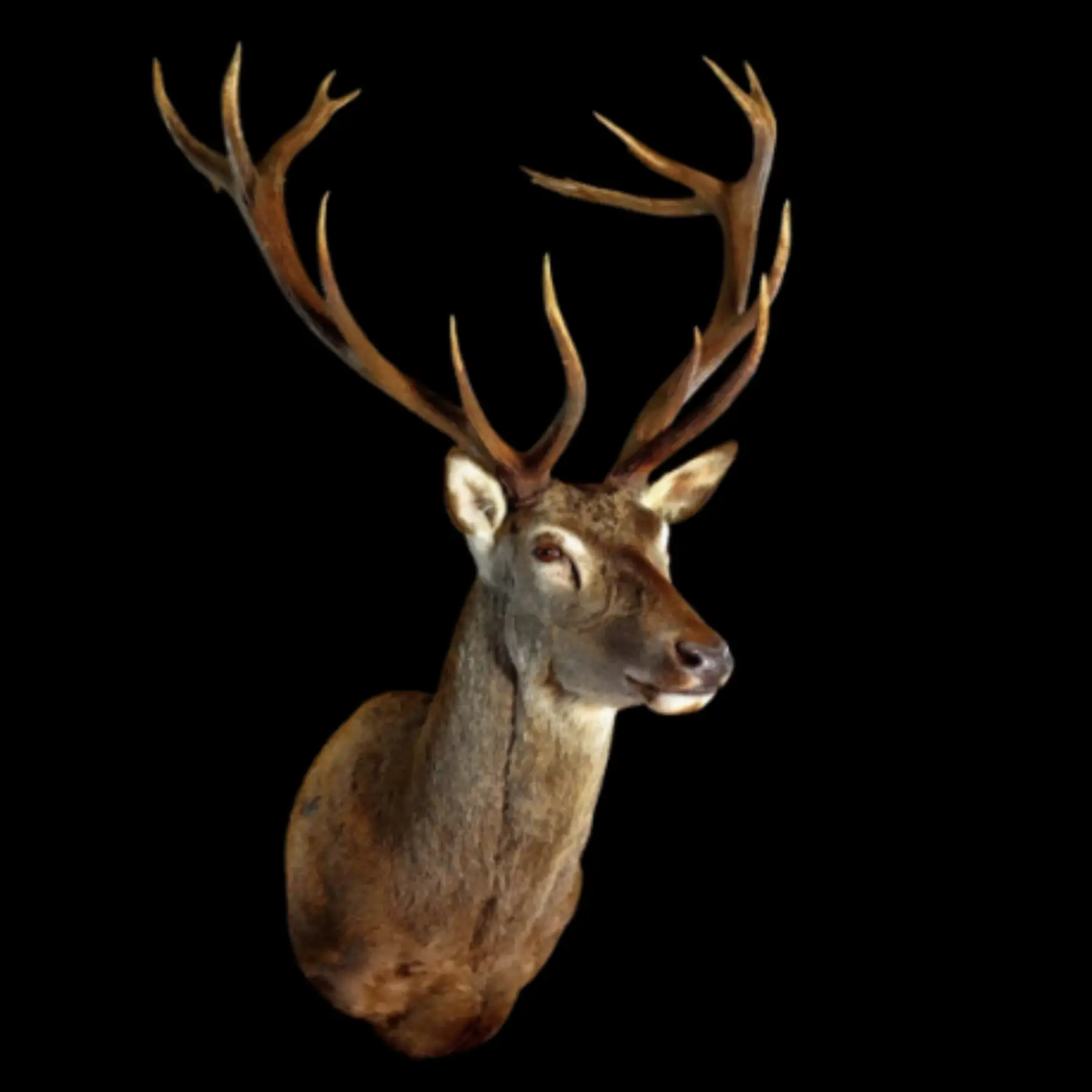
Lot RDS-001
Red Deer Stag Shoulder Mount – A Symbol of Majesty and Wilderness
Lot MF-110-2
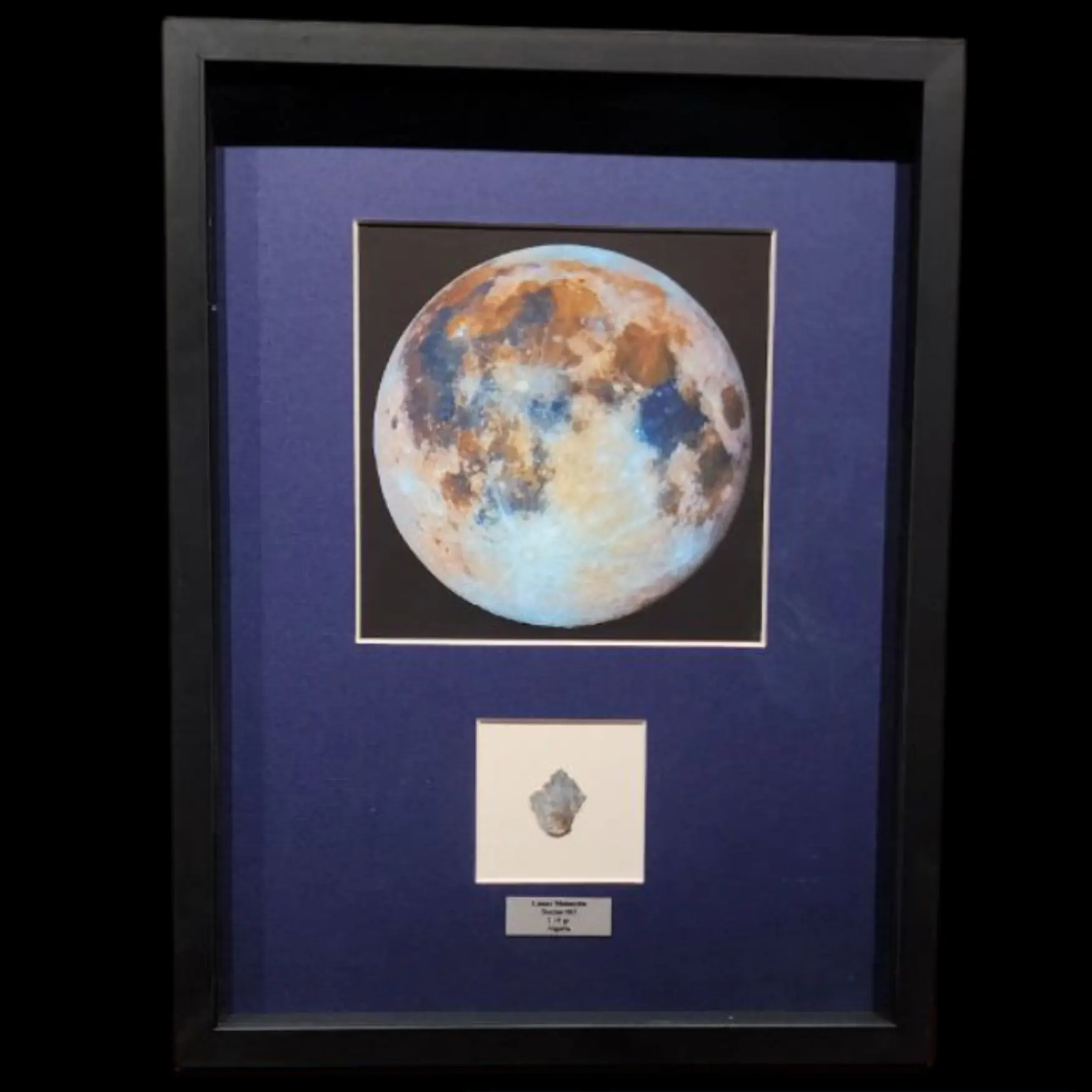
2 260,00 AED1.16gr Lunar Meteorite “ Bechar 003” – Sculptured Slice of the lunar Highlands