


From Desert to Space: How NHMAD Tells the Story of Life on Earth — and Beyond
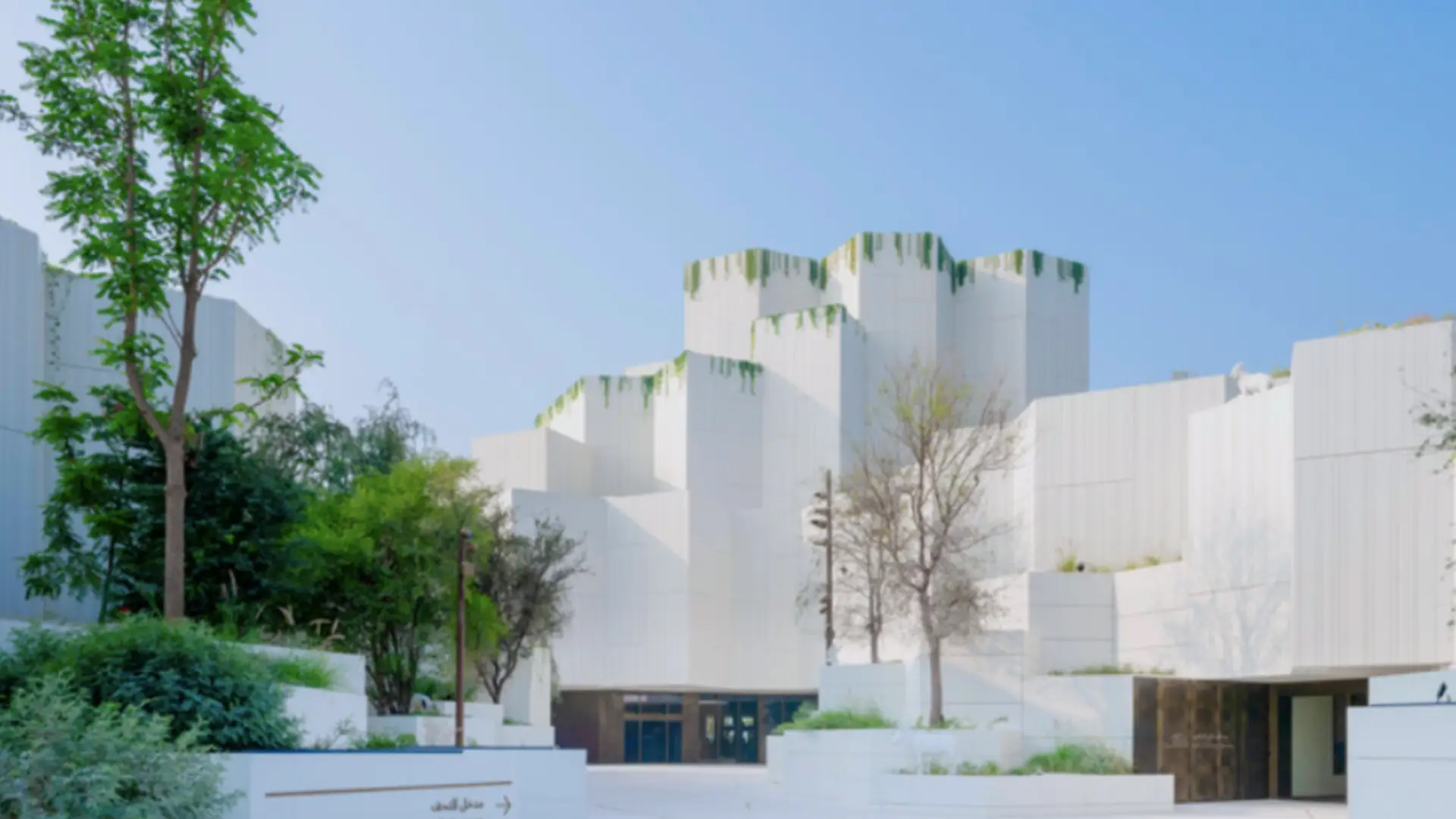
From the first moments after the Big Bang to the fragile ecosystems of our present day, the Natural History Museum Abu Dhabi (NHMAD) invites visitors on an extraordinary journey through time, matter, and life itself. Designed as a global scientific landmark, the museum does more than showcase remarkable specimens—it connects astronomy, geology, paleontology, biology, and human history into a single, continuous narrative about Earth and the wider universe.
I. The Global Mission: A Custodian of Earth’s Natural History
NHMAD was conceived as a new-generation scientific institution—one that speaks simultaneously to the international research community and to the cultural landscape of the United Arab Emirates. Its ambition is to stand alongside the world’s most respected natural history museums while offering a distinctly regional perspective rooted in Arabian geology, ecology, and heritage.
Unlike traditional museums that separate disciplines into isolated departments, NHMAD embraces a multidisciplinary model. Astronomy flows naturally into geology; paleontology transitions into modern biodiversity; human culture is presented not as separate from nature, but as an integral part of it. This structure reinforces a central idea: life on Earth is the result of interconnected processes unfolding over billions of years.
Beyond exhibitions, the museum carries a responsibility-driven mission—promoting conservation, scientific literacy, and ethical reflection on humanity’s role within the natural world.
II. The Timeline of Existence: Core Exhibition Zones
Before Earth Existed: Matter, Stars, and the Seeds of Life
The journey begins long before our planet formed. Galleries devoted to cosmic origins explore the Big Bang, star formation, and planetary evolution. One of the most compelling anchors of this section is the Murchison meteorite, a scientifically invaluable object containing complex organic compounds. Its presence demonstrates that the chemical building blocks of life existed in space long before Earth emerged, bridging astronomy, chemistry, and biology through a single artifact.
Evolution of Life: From Microbes to Giants
As visitors progress through time, they encounter the dramatic rise of life on Earth—from early microorganisms and the Cambrian explosion to vast marine reptiles and dominant terrestrial predators. At the heart of this narrative stands Stan the T. Rex, one of the most complete and well-studied Tyrannosaurus rex fossils ever discovered. More than a visual spectacle, Stan represents decades of scientific research into dinosaur anatomy, behavior, and extinction.
This chapter continues through ancient mammals, marine giants, and mass extinction events, reminding us that Earth’s history is shaped by both creation and loss.
The Living Planet Today
The final evolutionary chapters focus on present-day ecosystems. Interactive installations highlight the interdependence of species and the delicate balance sustaining global biodiversity. Climate change, habitat loss, and conservation emerge not as abstract concepts, but as urgent, scientifically grounded realities that connect past extinctions with present choices.
III. Rooted in the Desert: The Museum’s Local Identity
One of NHMAD’s defining strengths is its ability to anchor global science in local context. Dedicated sections explore the geological history of the United Arab Emirates, revealing ancient seabeds, tectonic movements, and mineral formations unique to the region. Fossils and rock samples illustrate that today’s desert landscapes were once shaped by oceans and diverse life forms.
Equally important is the focus on Arabian biodiversity. Exhibits present desert-adapted species, Arabian Gulf coral reefs, mangrove ecosystems, and coastal environments as models of resilience and adaptation. Human history—trade routes, settlement patterns, and traditional ecological knowledge—is woven into this narrative, emphasizing the long-standing relationship between people and their environment.
IV. Looking Toward Tomorrow: Science, Society, and Ethical Responsibility
NHMAD is not only a museum of the past. Through research laboratories, international collaborations, and educational programs, it actively contributes to the future of science. Key focus areas include climate research, biodiversity monitoring, astrobiology, genetics, and sustainable resource management.
By encouraging dialogue on ethical responsibility and environmental stewardship, the museum positions itself as a space where science meets society—inviting visitors to consider not only where life comes from, but where it is going.
Extending the Journey: Discover Artefactum Gallery
After exploring the treasures of NHMAD, visitors can continue their journey into natural history by discovering the unique collections at Artefactum Gallery—ranging from minerals to rare artifacts that reflect themes of paleontology and Earth’s deep history.
Located in Dubai, Artefactum Gallery offers museum-grade specimens including meteorites, fossils, minerals, and natural-history objects. These curated pieces allow collectors, designers, and institutions to bring scientific wonder beyond museum walls and into private and professional spaces.
Questions & Answers
Q: Where is the Natural History Museum Abu Dhabi located?
A: The museum is located in Abu Dhabi and forms part of the emirate’s expanding cultural and educational landscape.
Q: How much time should I plan for a visit?
A: A comprehensive visit typically takes 2–3 hours, depending on engagement with interactive and research-focused sections.
Q: Can natural history objects be purchased after visiting the museum?
A: Yes. Artefactum Gallery offers authentic meteorites, fossils, and mineral specimens available for private collectors and institutions.
Q: How can I visit Artefactum Gallery?
A: Visiting hours and appointments are available via the gallery’s official website or by direct contact.
Related collections:
- Meteorites & Cosmic Materials
- Fossils & Prehistoric Specimens
- Minerals & Geological Wonders
Artefactum Gallery, Dubai
https://artefactumgallery.com
+971568876217
Contacts: https://artefactumgallery.com/contact
Other Articles
- What Are Meteorites? A Beginner’s Guide to Space Rocks
- Sabertooth Secrets: Exploring the Fierce Predators of Prehistoric Times
- Dinosaurs - Records and Achievements
- Classification of Megalodon Teeth
- Tyrannosaurus Rex: The True King of Dinosaurs
- Ammolite: The Ancient Gemstone with a Mesmerizing Rainbow Glow
- NHMAD’s Role in Preserving Arabian Peninsula Heritage: Showcasing a Unique Natural Legacy
- Dinosaurs Among Us
- An Architectural Masterpiece Inspired by Nature: A Journey Through the Design of NHMAD
- Dinosaur Teeth
- Discovering Ammonites: The Mysterious Fossils of Earth's Past
- How Is the Age of Fossils Determined?
- What Are Trilobites? Meet the Marine Pioneers of Earth's History
- The Marine Dragons of the Mesozoic
- Giants of the Ancient World
- Natural History Museum Abu Dhabi to open in November 2025 at Saadiyat Cultural District
- Beyond the Mammoth: Discover the Diverse Creatures of the Ice Age
- Murchison : The Meteorite Older Than the Solar System — A Cosmic Icon of NHMAD
- Megalodon: The Largest Shark That Ever Lived
- Lost in Abu Dhabi: The “Stan” T. Rex Skeleton and the Wonders of NHMAD
- What is a Fossil?

Lot MN-OC20205
1 200,00 AEDCosmic Octagon: Muonionalusta Meteorite Necklace of Rare Design

Lot BC-202
350,00 AEDChildrena childreni – Elegance from China in Display
Lot ALF1
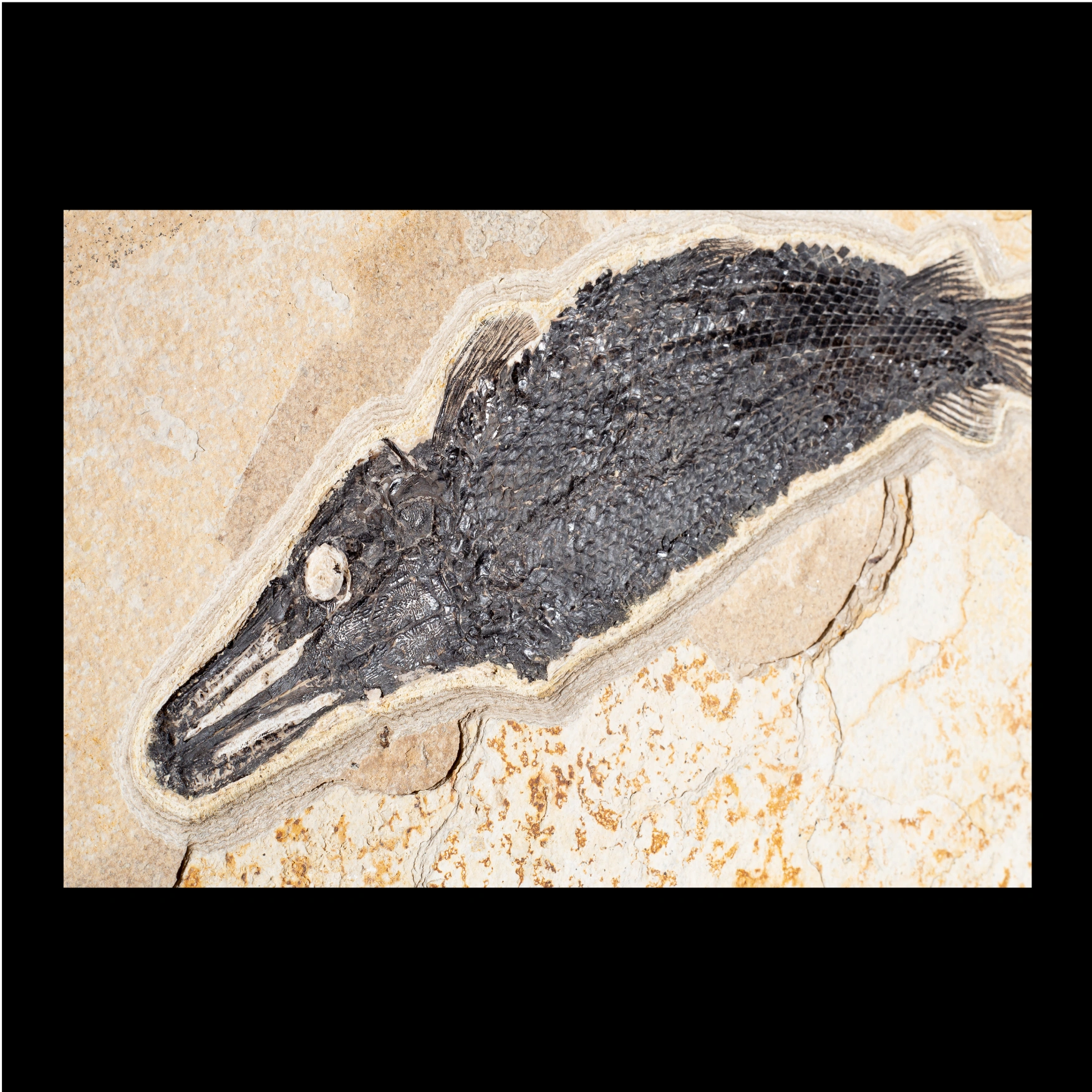
62 000,00 AEDAtractosteus Lapidosteus fish

Lot CJFG934
25 000,00 AEDTibetan Yak Trophy Mount. Tibetan Yak Trophy Mount – A Majestic Emblem of the High Himalayas

Lot M-05
9 400,00 AED102 g Pallasite meteorite slice with Widmanstätten pattern, 4 bln years old
Lot MT-136
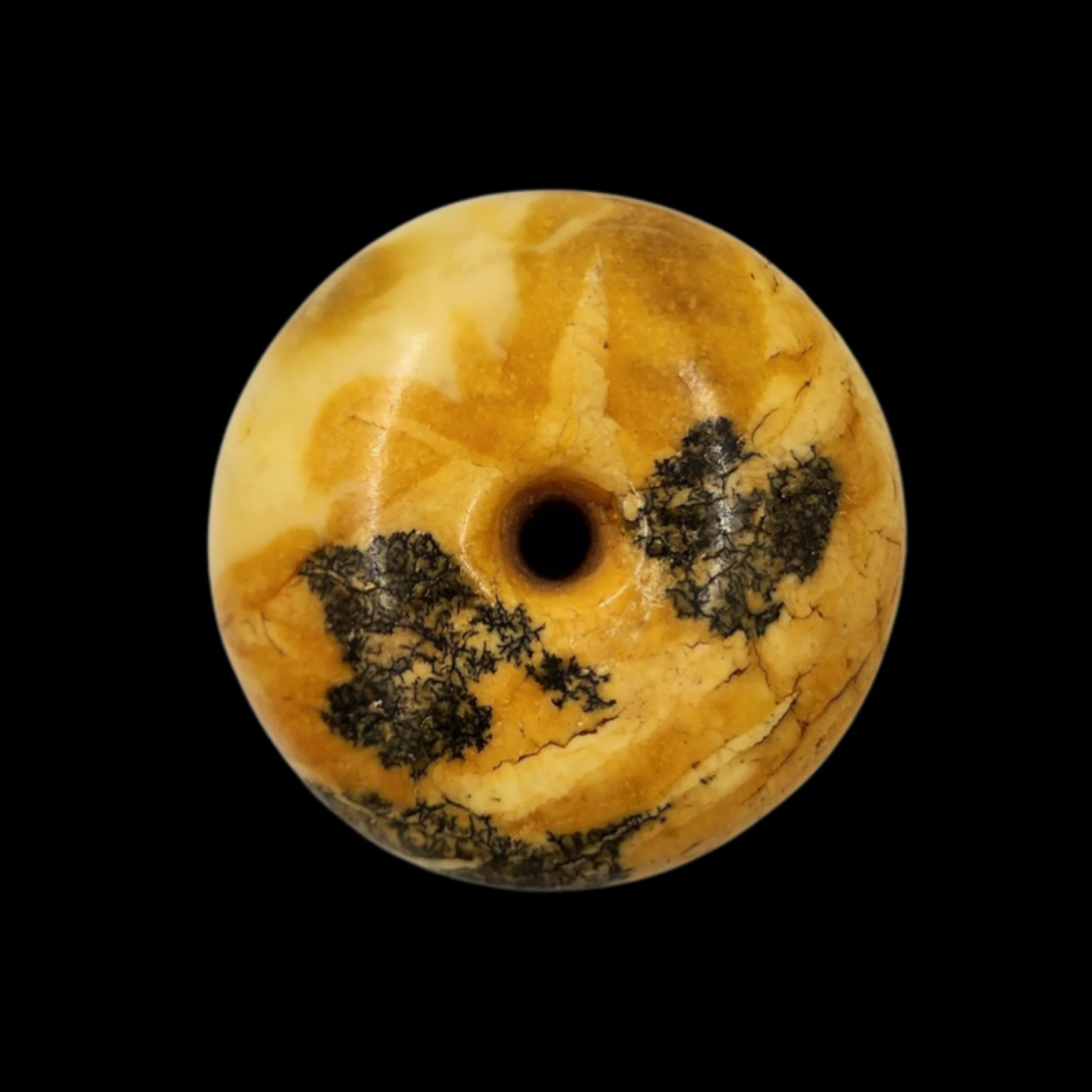
4 800,00 AEDPolished Bead of Succinite (Baltic Amber) – A Golden Relic of Prehistoric Nature

Lot SMWB1234
28 999,00 AEDCollection of 36 perfectly preserved butterflies from South America
Lot ASV1
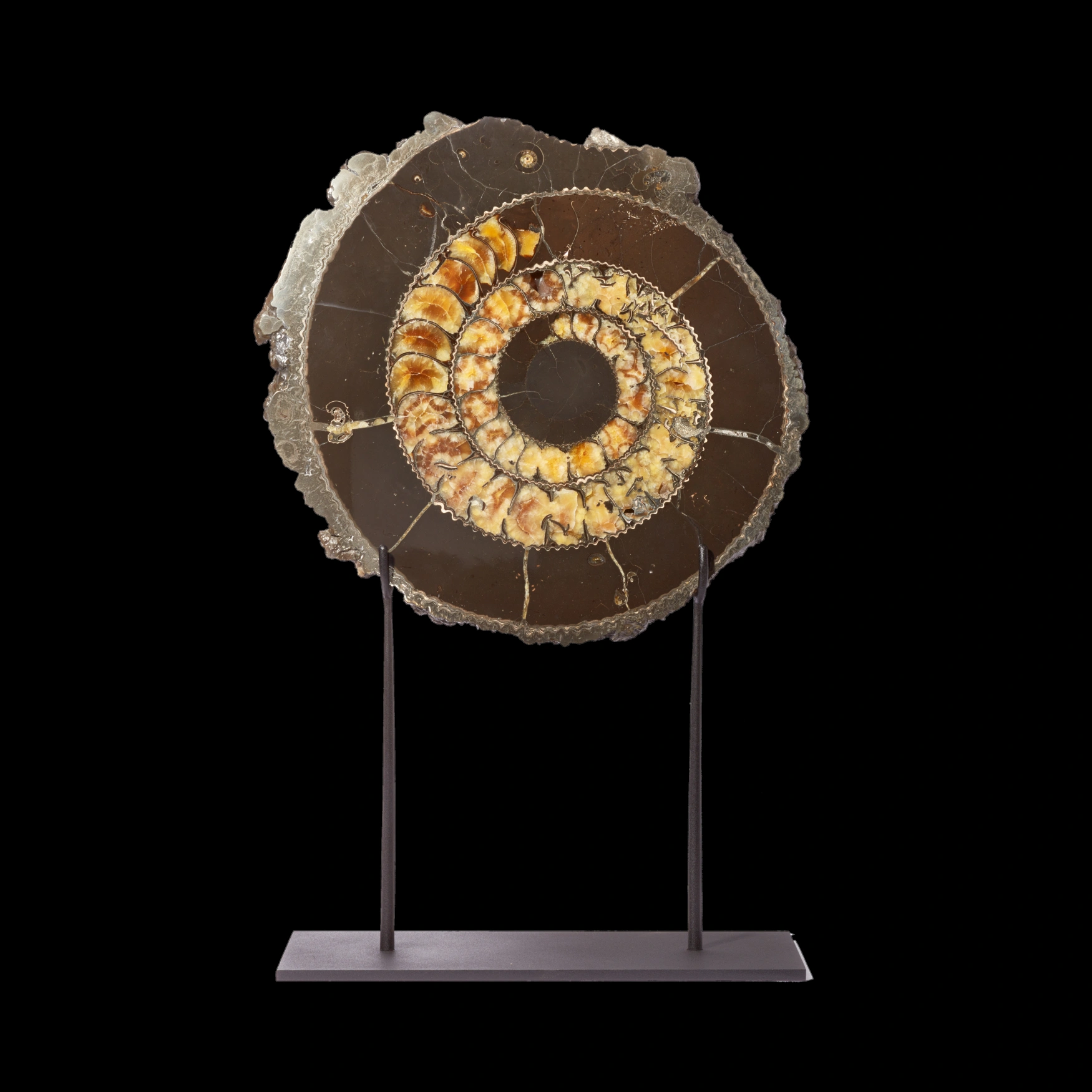
8 500,00 AEDAmmonite Speetoniceras Versicolor

Lot MT86
Megalodon Tooth, 217 gr, Polishing, h 12,5 cm, circa 13 mln years old

Lot BK-010
1 500,00 AEDMastering the Mind: Rare 1910 Edition of “The Higher Course of Personal Magnetism and Hypnotism” by Dr. H. La Mothe Sage