


Lost in Abu Dhabi: The “Stan” T. Rex Skeleton and the Wonders of NHMAD
I. A New Global Landmark: Why the World Is Watching NHMAD
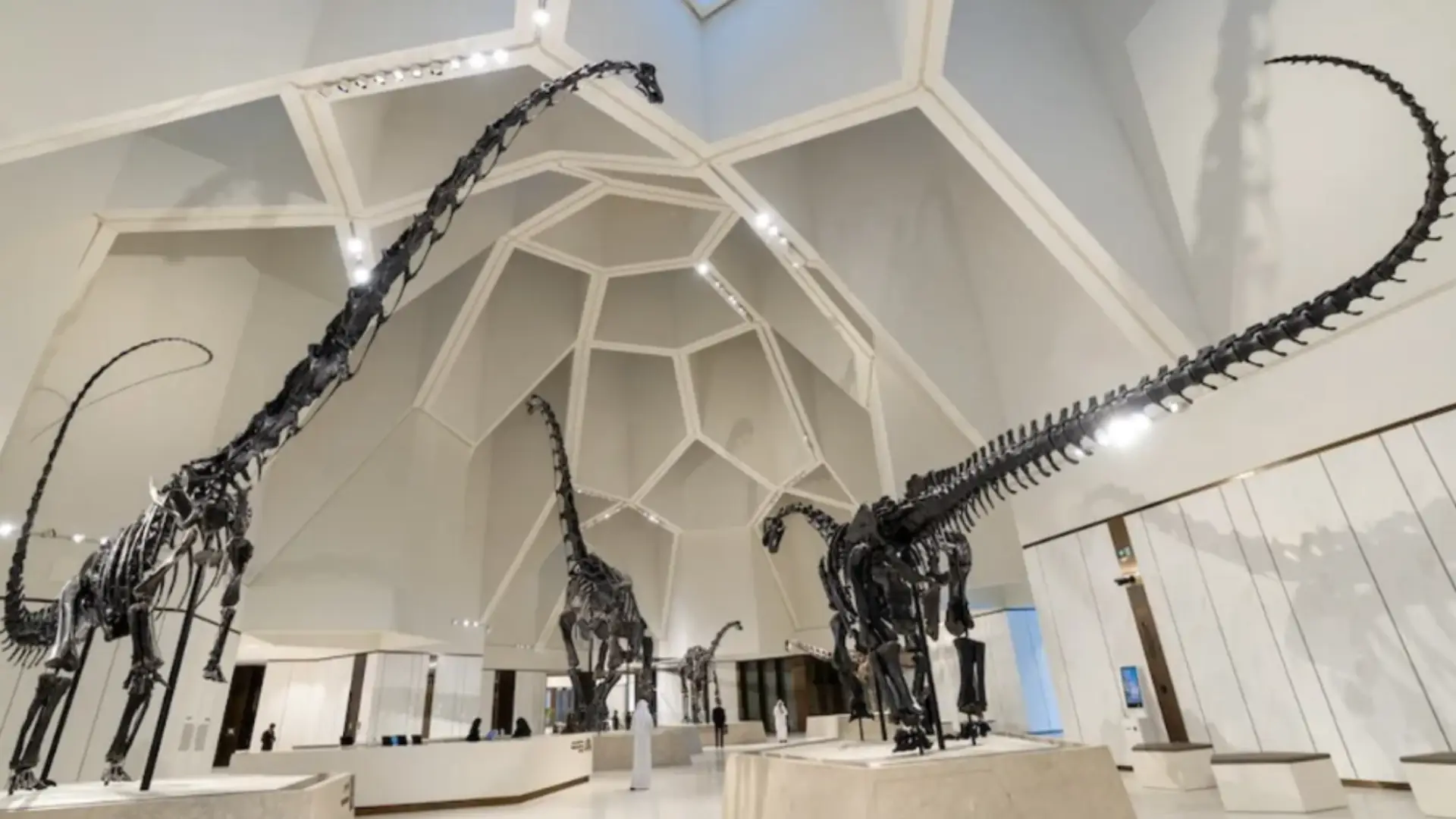
The Natural History Museum Abu Dhabi (NHMAD) represents one of the most ambitious natural history museum projects ever undertaken. Designed as a global institution rather than a regional attraction, NHMAD explores the story of the universe — from the formation of cosmic matter to the rise of life on Earth and the evolution of complex ecosystems.
The museum’s vision is built around education, scientific research, preservation, and global cooperation. NHMAD brings together disciplines such as paleontology, geology, planetary science, and biodiversity studies, presenting them through immersive exhibitions supported by rigorous scientific research. Its mission is not only to display extraordinary objects but to actively contribute to humanity’s understanding of natural history.
International attention followed NHMAD from its earliest announcements due to the scale of its collection, its collaboration with leading global museums and research institutions, and the acquisition of world-class scientific icons. Among these, the Tyrannosaurus rex “Stan” and the Murchison meteorite immediately positioned NHMAD among the elite natural history museums of the world.
II. The Arrival of the King: Introducing “Stan” the Tyrannosaurus Rex
1. The Story of the Most Famous T. Rex
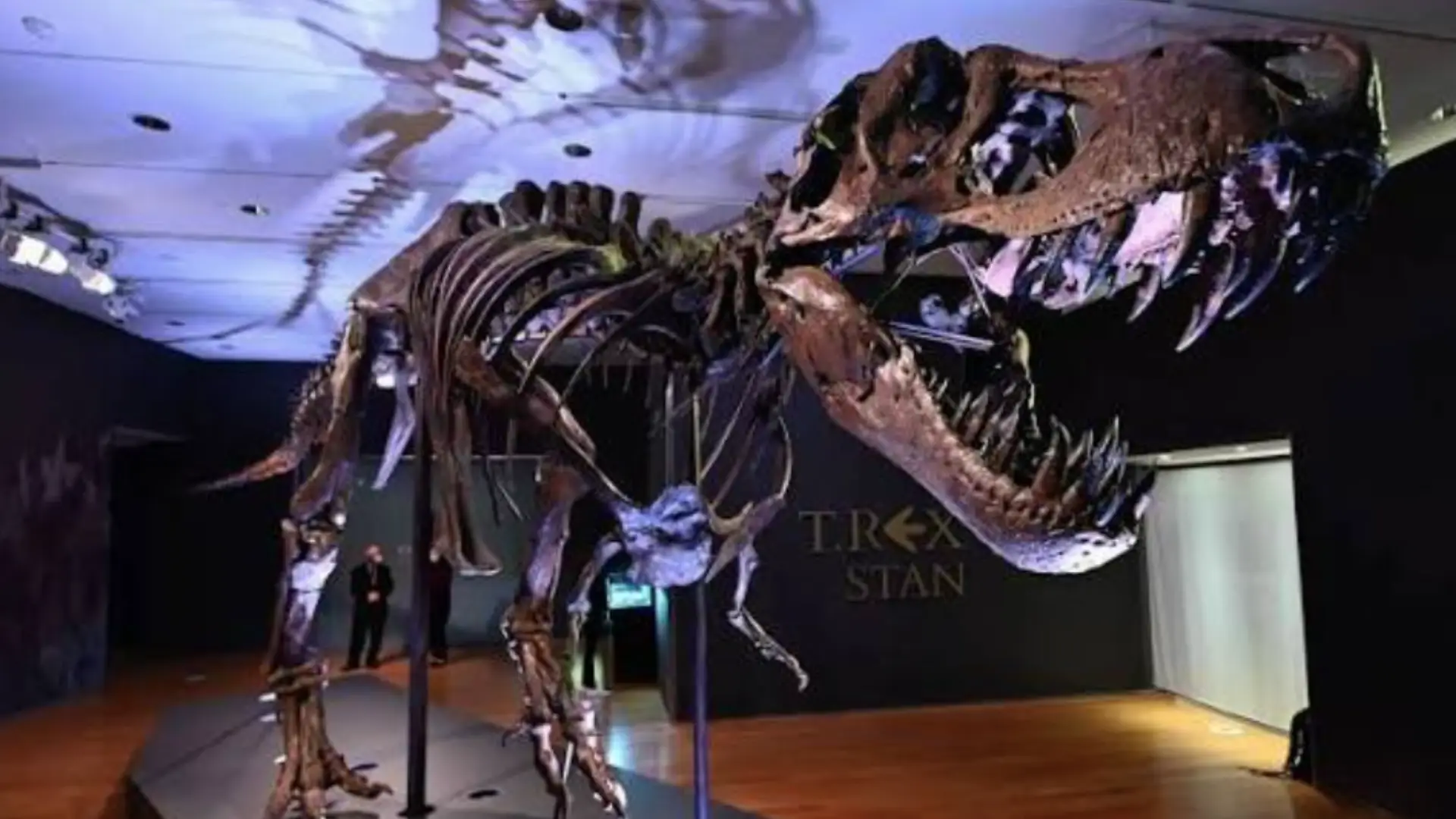
“Stan” is widely recognized as one of the most important Tyrannosaurus rex fossils ever discovered. Excavated in 1987 from the Hell Creek Formation in South Dakota, USA, the specimen dates back approximately 66 million years, to the final days of the Cretaceous period.
What makes Stan exceptional is his remarkable completeness. Around 65–70% of the skeleton has been recovered, including one of the best-preserved T. rex skulls ever found. This completeness allowed scientists to conduct detailed anatomical and biomechanical studies, making Stan one of the most researched dinosaur specimens in history. He has been referenced in dozens of peer-reviewed scientific papers and used extensively in museum reconstructions and academic research.
2. Stan’s Global Journey to Abu Dhabi
Stan’s relocation to Abu Dhabi marked a defining moment for scientific heritage in the Middle East. The decision reflects Abu Dhabi’s long-term commitment to global knowledge exchange, cultural leadership, and the preservation of humanity’s shared natural history.
By welcoming Stan, NHMAD became one of the few institutions outside Europe and North America to house a dinosaur fossil of such global significance. Culturally, this move expanded access to world-class science. Scientifically, it opened new opportunities for education, research, and international collaboration within the region.
3. What Makes Stan Unique
In life, Stan measured approximately 12 meters (40 feet) in length, stood over 4 meters (13 feet) tall at the hips, and weighed an estimated 8–9 metric tons. His size alone makes him a breathtaking presence, but it is the fossil’s details that truly distinguish him.
Stan’s bones show clear evidence of a violent life: healed bite marks, fractured vertebrae, and signs of infection. These pathologies reveal encounters with rivals and prey, providing rare insight into Tyrannosaurus rex behavior. Through Stan, scientists have learned how T. rex hunted, fought, healed from injuries, and dominated its ecosystem, transforming our understanding of this iconic predator.
III. A Window Into the Universe: The Murchison Meteorite
1. The Meteorite Older Than the Sun
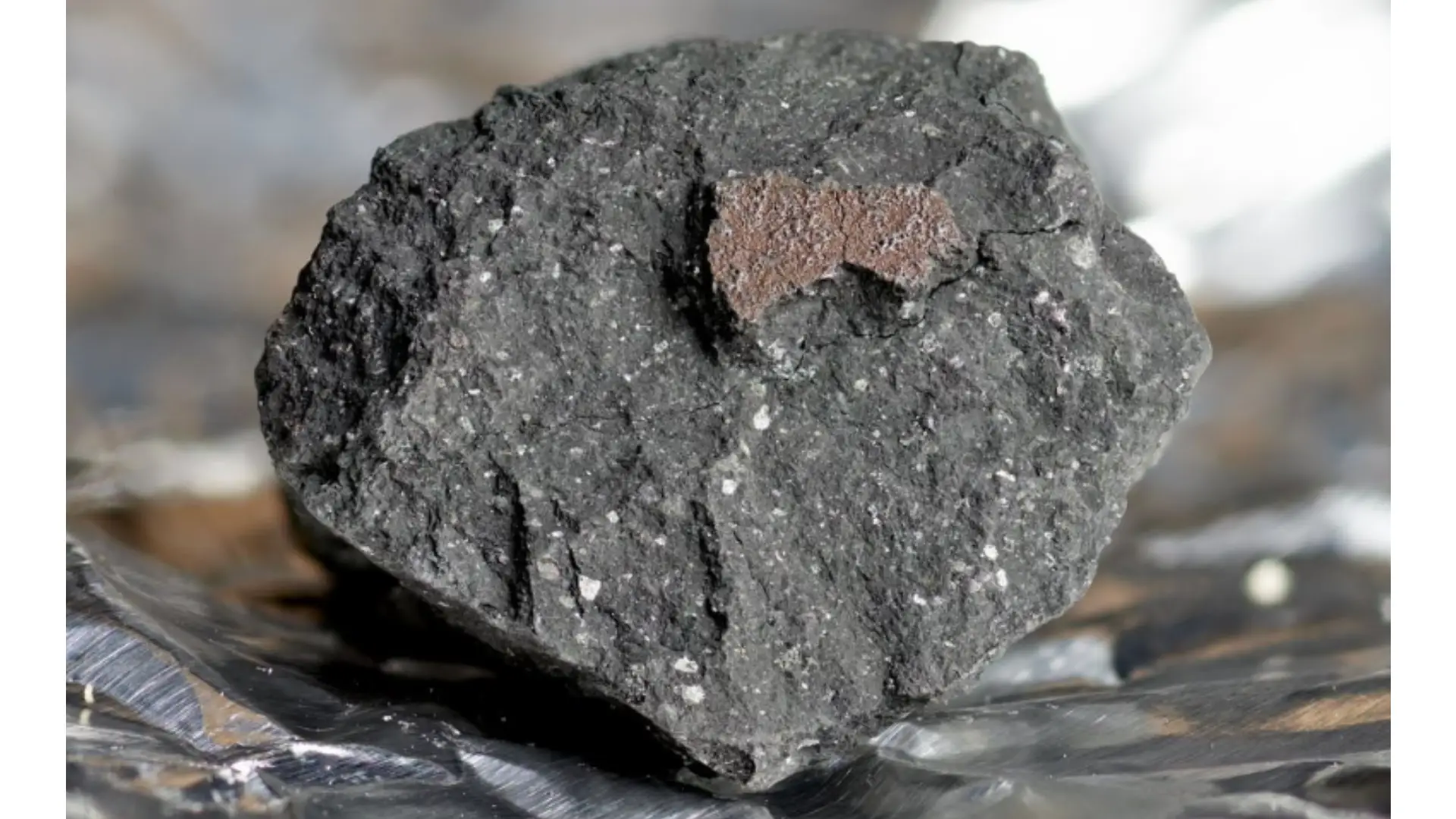
The Murchison meteorite, which fell in Australia in 1969, is one of the most scientifically valuable meteorites ever discovered. Classified as a carbonaceous chondrite (CM2), it contains material that predates the formation of the Solar System itself — including microscopic grains older than the Sun.
2. Key Scientific Importance
Murchison revolutionized science through the discovery of amino acids and complex organic molecules within its structure. These findings demonstrated that the building blocks of life existed in space long before Earth formed. Today, the meteorite remains central to research into the origins of life, planetary formation, and early Solar System chemistry.
IV. Inside the Paleontology Halls: Giants, Ecosystems, and Micro-Worlds
1. Other Significant Fossils and Exhibits
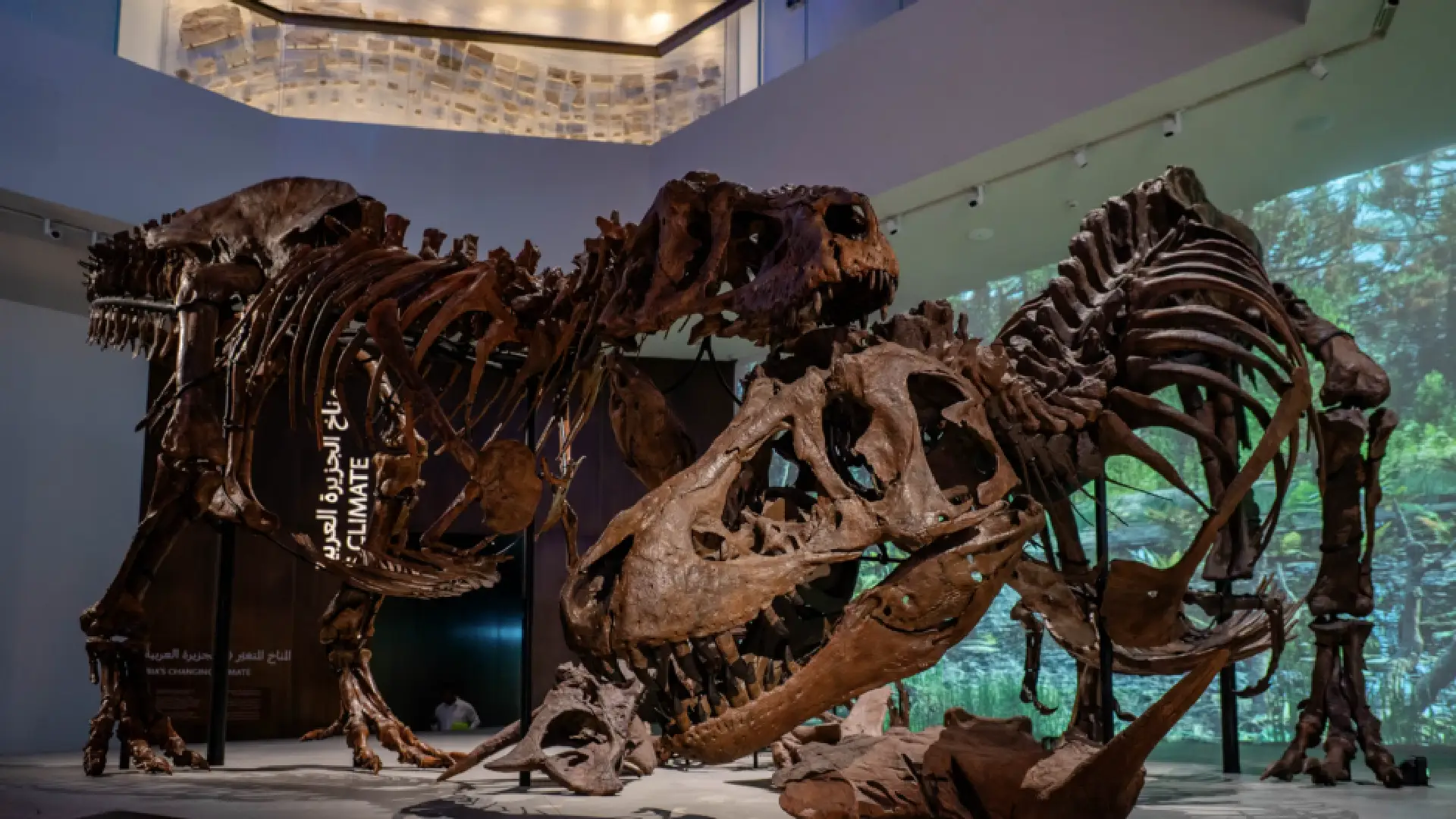
Beyond Stan, NHMAD features an extensive range of fossils, including ancient megafauna, marine reptiles, early mammals, and microfossils. Together, they illustrate how ecosystems evolved, collapsed, and transformed across geological time.
2. Recreating Ancient Worlds Through Technology
Advanced AR and VR environments allow visitors to walk among dinosaurs and explore prehistoric landscapes. Holographic ecosystem reconstructions and 3D-scanned fossil models transform static specimens into dynamic, living worlds.
3. Digital Storytelling and Science
By combining fossils with interactive technology, NHMAD turns scientific data into immersive narratives, making complex evolutionary processes accessible to visitors of all ages.
V. NHMAD as a Global Research Center, Not Just a Museum

1. Scientific Ambitions
NHMAD is designed as an active research institution, housing conservation laboratories and scientific facilities. Ongoing studies involve fossils such as Stan, meteorites, and geological samples, supported by partnerships with universities and international researchers.
2. Shaping the Future of Science
Through interdisciplinary research in paleontology, geology, and astrobiology, NHMAD has the potential to contribute to major scientific breakthroughs, influencing how we understand Earth’s past and life’s origins.
VI. Planning Your Visit: What Every Visitor Should Know
NHMAD is located in Abu Dhabi, easily accessible from major cultural districts. Visitors can expect immersive galleries, interactive zones, family-friendly educational spaces, and rotating special exhibitions. For first-time visitors, highlights include Stan the T. rex, the Murchison meteorite, and the digital paleontology halls.
VII. A New World Capital of Natural History
With icons such as Stan the Tyrannosaurus rex, the Murchison meteorite, and cutting-edge immersive exhibitions, NHMAD stands alongside the greatest natural history museums in the world. It is a place where ancient history, modern science, and visionary storytelling converge.
Related collections:
- Meteorites & Cosmic Materials
- Fossils & Prehistoric Specimens
- Minerals & Geological Wonders
Artefactum Gallery, Dubai
https://artefactumgallery.com
+971 568876217
Contacts: https://artefactumgallery.com/contact
Other Articles
- Beyond the Mammoth: Discover the Diverse Creatures of the Ice Age
- Ammolite: The Ancient Gemstone with a Mesmerizing Rainbow Glow
- Tyrannosaurus Rex: The True King of Dinosaurs
- What is a Fossil?
- Classification of Megalodon Teeth
- An Architectural Masterpiece Inspired by Nature: A Journey Through the Design of NHMAD
- Megalodon: The Largest Shark That Ever Lived
- What Are Meteorites? A Beginner’s Guide to Space Rocks
- Giants of the Ancient World
- What Are Trilobites? Meet the Marine Pioneers of Earth's History
- Natural History Museum Abu Dhabi to open in November 2025 at Saadiyat Cultural District
- Dinosaur Teeth
- NHMAD’s Role in Preserving Arabian Peninsula Heritage: Showcasing a Unique Natural Legacy
- How Is the Age of Fossils Determined?
- Sabertooth Secrets: Exploring the Fierce Predators of Prehistoric Times
- Discovering Ammonites: The Mysterious Fossils of Earth's Past
- From Desert to Space: How NHMAD Tells the Story of Life on Earth — and Beyond
- Dinosaurs Among Us
- Murchison : The Meteorite Older Than the Solar System — A Cosmic Icon of NHMAD
- Dinosaurs - Records and Achievements
- The Marine Dragons of the Mesozoic

Lot GR-002
250,00 AEDGrizzly Claw Keychain with Metallic Decor – Symbol of Untamed Strength and Elegance

Lot MT97
2 800,00 AEDMegalodon Tooth, 109 gr, h 9.5 cm, circa 13 mln years old

Lot PBB27
470,00 AEDRadiant Jewel: Papilio blumei from Indonesia

Lot S7-11
68 000,00 AEDRare pallasite meteorite with olivine crystals, 4 bln years old, 721 g,

Lot DB5
2 200,00 AEDPeru’s Blue Morpho Butterflies

Lot MS10
Mammoth ivory sculpture “Night hunter” high quality mammoth tusk

Lot BGC-010
350,00 AEDDoxocopa cherubina in Glass Cloche – Purple Majesty of Peru

Lot SM-A19
1 780,00 AED19.3 g Pallasite meteorite slice, lustrous Widmanstätten pattern

Lot V4BB
4 800,00 AEDVostok 4 Black: Bubinga Wood Clock – Tribute to Space Exploration and Artistry

Lot MT-2
Megalodon tooth