


NHMAD’s Role in Preserving Arabian Peninsula Heritage: Showcasing a Unique Natural Legacy
I. The Museum as an Archive of Regional Natural History
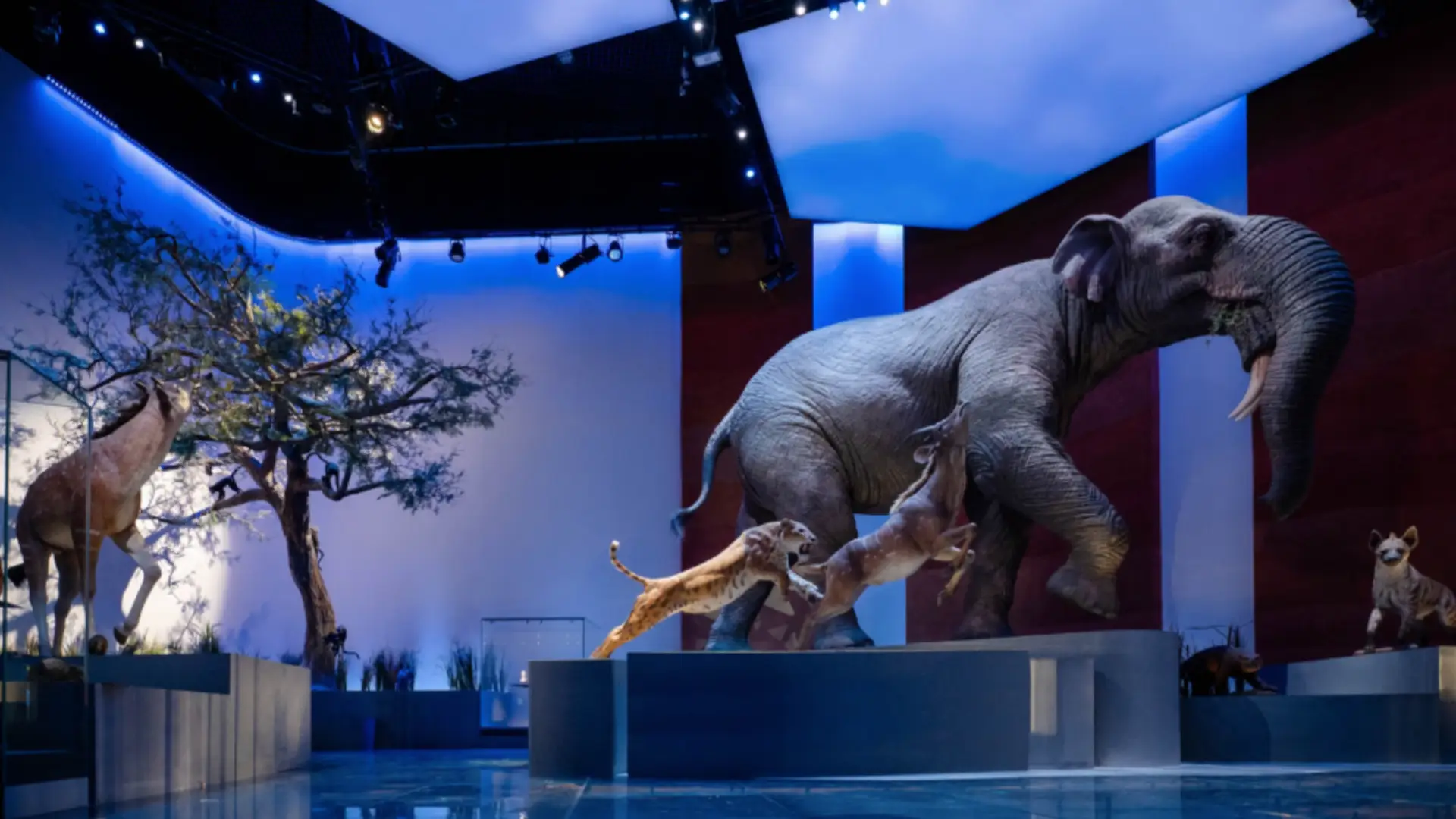
Closing a Global Knowledge Gap
For decades, the natural history of the Arabian Peninsula has remained underrepresented in major museums worldwide. While Africa, Europe, and the Americas have long dominated global narratives of evolution, geology, and biodiversity, Arabia was often portrayed as a peripheral or transitional zone. NHMAD was conceived to change this imbalance.
The museum’s mission is to document, systematize, and present the Arabian Peninsula as a region of deep scientific significance—one shaped by complex geological forces, dramatic climate shifts, and long-term biological adaptation. By doing so, NHMAD ensures that the region’s natural history is no longer a footnote, but a central component of global scientific understanding.
Building a World-Class Regional Collection
At the heart of NHMAD’s approach is the development of a comprehensive regional collection. Fossils discovered across the UAE reveal a surprising past: marine fossils embedded in desert rock, evidence of prehistoric flora, and remains of ancient megafauna that once inhabited greener landscapes.
Geological specimens illustrate tectonic movements, ancient seabeds, and dramatic environmental transitions that transformed the peninsula over millions of years. Alongside these are archaeological finds linked to early human migration and settlement, connecting natural history with human presence and survival.
A Regional Identity Rooted in Deep Time
Through these collections, NHMAD presents the UAE not only as a modern nation, but as a landscape shaped by deep time. The museum reframes national identity through geology and evolution, emphasizing that today’s cultural and environmental realities are inseparable from millions of years of natural processes.
II. The Geological and Archaeological Landscape of the Emirates
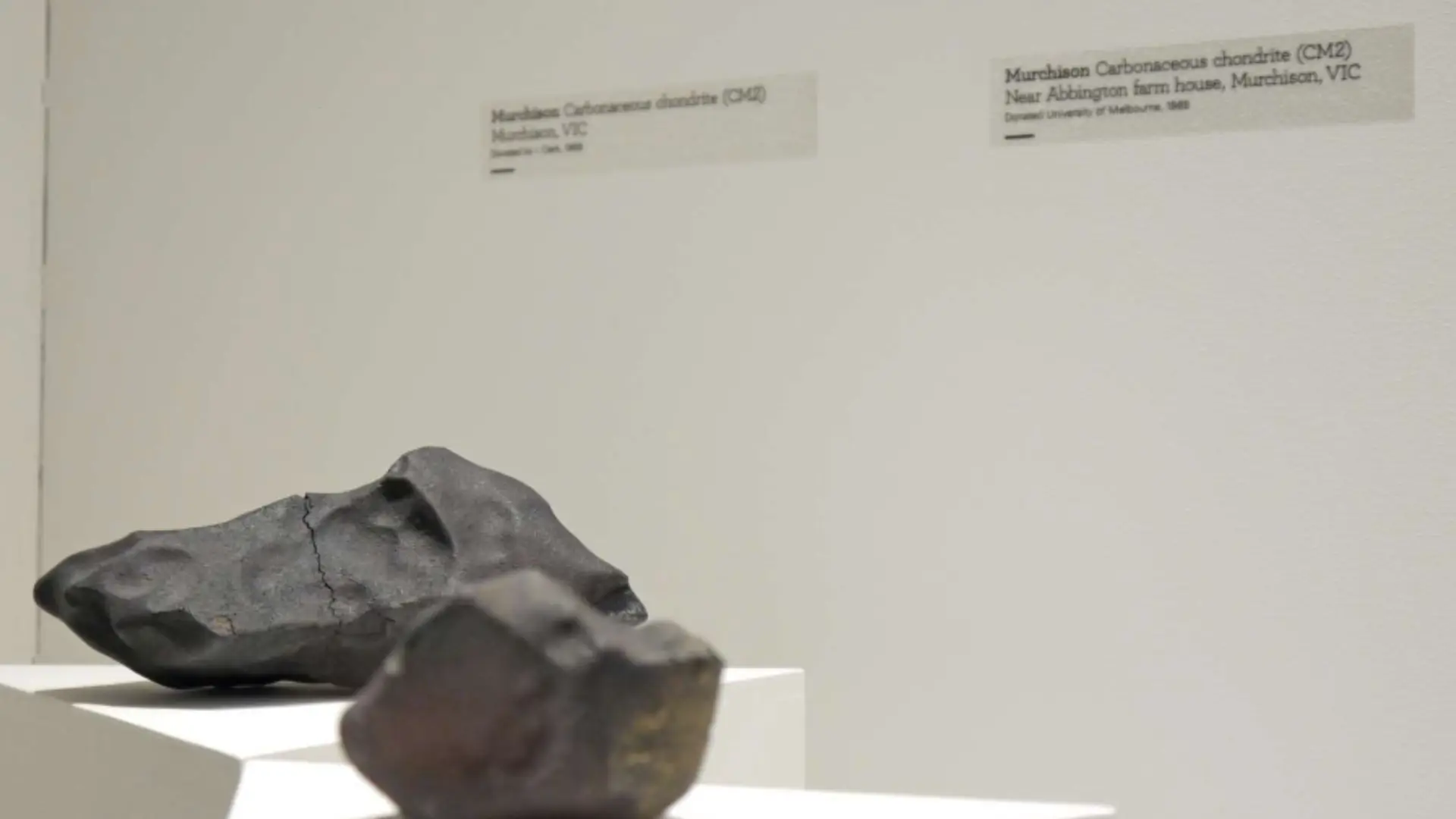
Landscapes That Tell a Different Story
One of NHMAD’s most powerful narratives is the transformation of the Arabian Peninsula itself. Geological evidence shows that regions now dominated by desert were once fertile, water-rich environments. Exhibits highlight ancient coral reefs, extinct river systems, and shifting coastlines that challenge modern perceptions of the region as eternally arid.
The Peninsula Through the Ages
By tracing changes in sea level, climate cycles, and tectonic activity, NHMAD reconstructs Abu Dhabi’s environmental history over millions of years. Advanced visualizations present prehistoric Arabia as a green corridor—one that supported diverse ecosystems and facilitated movement across continents.
Early Human Presence and Migration
Archaeological data featured at NHMAD reveal human activity in the region dating back tens of thousands of years. Stone tools, fossil evidence, and environmental reconstructions show how early humans adapted to fluctuating climates, positioning the Arabian Peninsula as a key route in human migration out of Africa and into Eurasia.
III. Biodiversity in Focus: Protecting Endemic Species
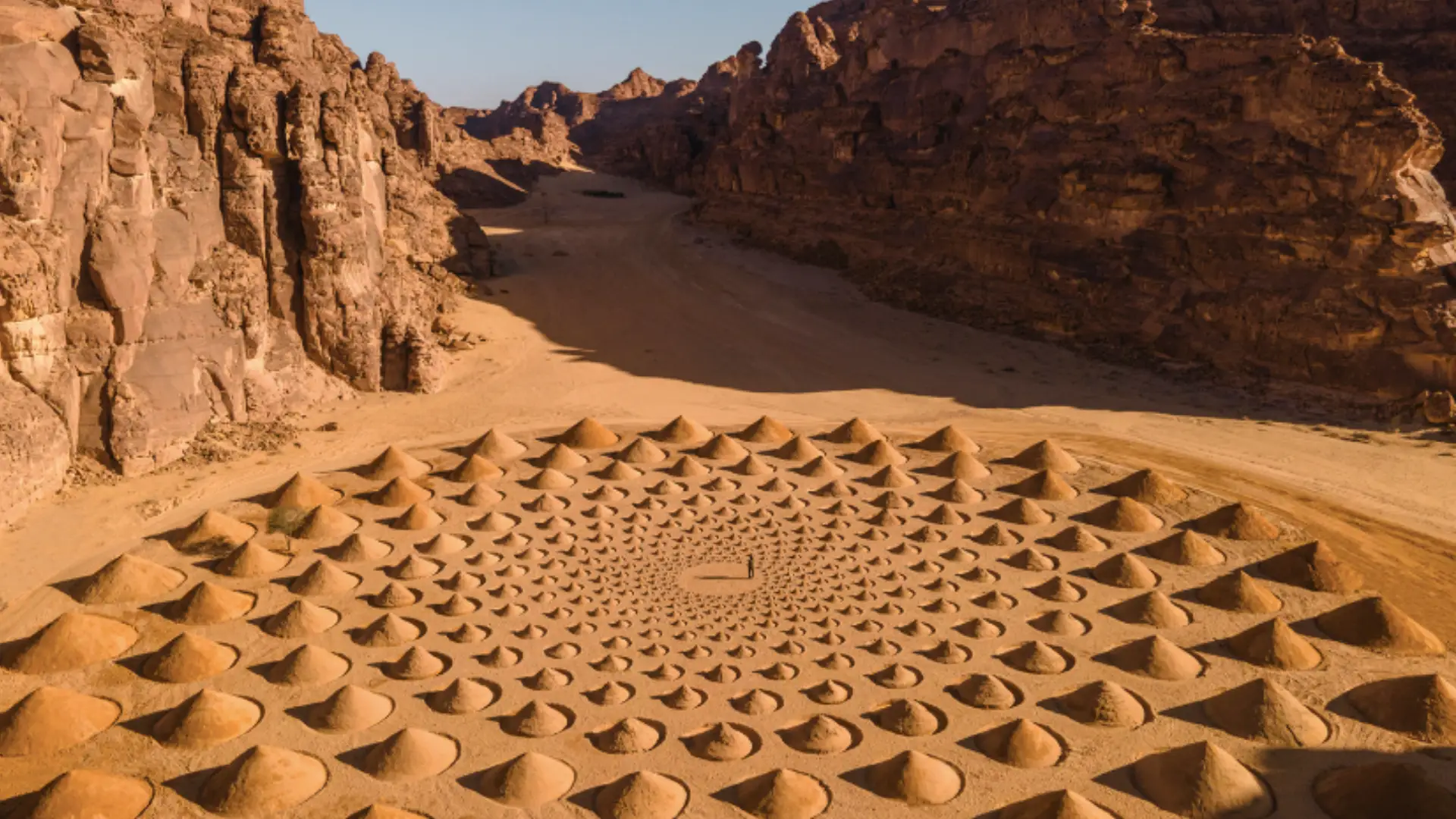
A Showcase of Rare and Endemic Wildlife
NHMAD places strong emphasis on species that define the peninsula’s unique ecosystems. Among them are the Arabian Oryx, a global symbol of successful reintroduction; the Arabian Leopard, critically endangered and genetically distinct; and falcons, deeply intertwined with regional culture and history.
Marine life also features prominently, with exhibits dedicated to dugongs, coral ecosystems, and the ecological richness of the Arabian Gulf. Desert flora adapted to extreme heat and water scarcity further illustrates the ingenuity of life under harsh conditions.
Conservation at the Heart of the Mission
The museum works in close collaboration with conservation authorities and research institutions to protect species on the brink of extinction. Scientific exhibitions are designed not only to inform, but to inspire public engagement with local biodiversity. Genomic and ecological research plays a growing role in monitoring wildlife populations and guiding conservation strategies.
A Platform for Environmental Awareness
By presenting the desert as a living, evolving ecosystem, NHMAD challenges visitors to rethink long-held assumptions. The museum encourages a deeper appreciation of fragile environments and highlights the responsibility of stewardship in the face of climate change and habitat loss.
IV. Local Science with Global Impact
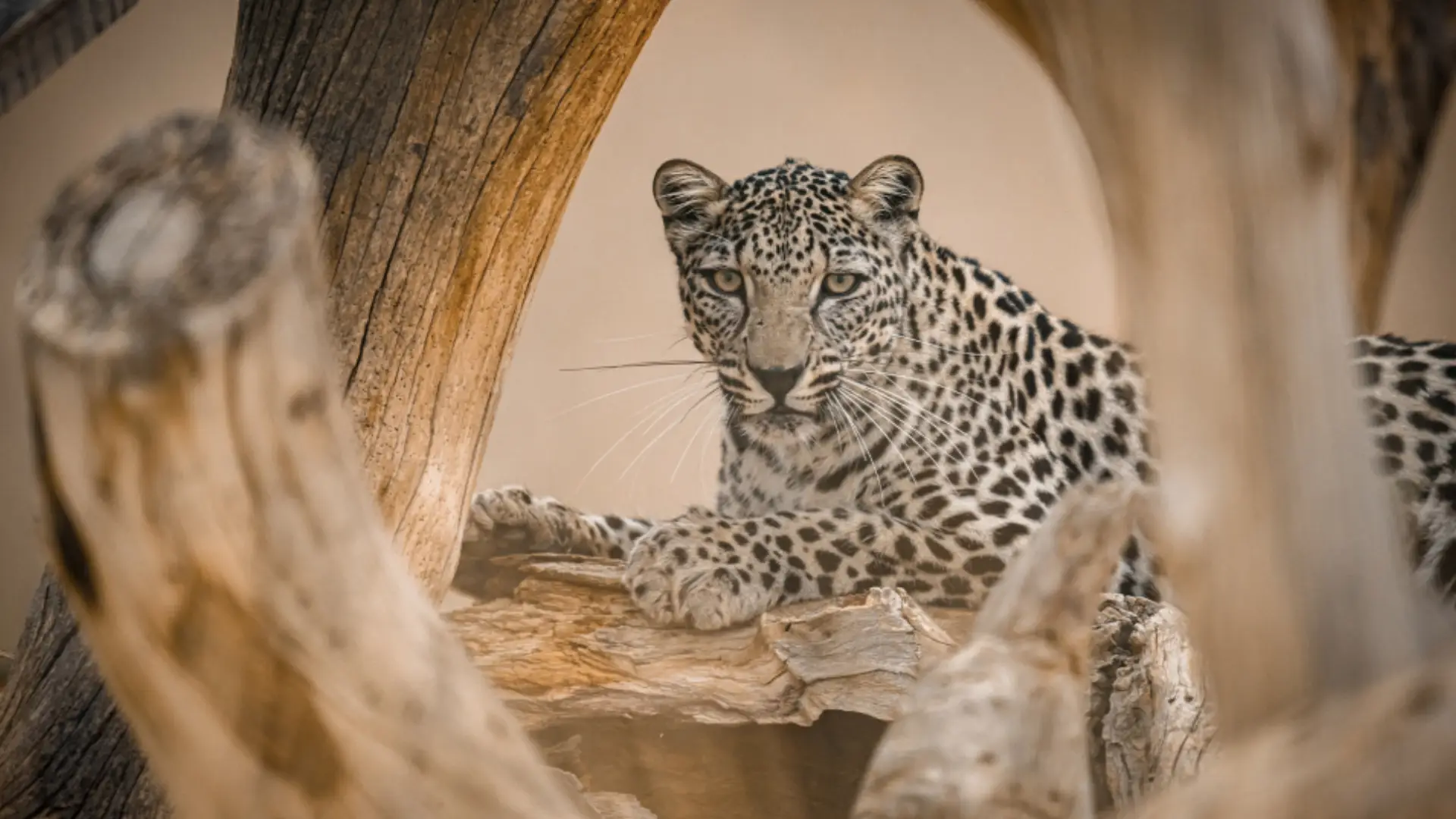
Empowering Emirati Scientists and Students
NHMAD serves as a research platform that actively involves UAE universities, conservation groups, and young scholars. Training programs support the next generation of geologists, biologists, archaeologists, and paleontologists, ensuring that regional expertise continues to grow.
Regional Data as a Key to Global Understanding
The Arabian Peninsula holds critical data for understanding global phenomena such as ancient climate cycles, desertification, human migration, and evolutionary adaptation in extreme environments. NHMAD’s collections contribute to international research databases and scientific literature, reinforcing the region’s relevance in global debates.
A New Model for Museum Leadership
By connecting local knowledge with international scientific networks, NHMAD establishes a new model for museum leadership. Research rooted in Arabian heritage reshapes global narratives, ensuring that the region is recognized not as a marginal landscape, but as a central chapter in Earth’s natural history.
Extending the Journey Beyond the Museum
After exploring the regional heritage preserved at NHMAD, visitors can continue their engagement with natural history by discovering curated collections at Artefactum Gallery in Dubai. From minerals and fossils to rare natural-history artifacts, these collections echo themes of geology, evolution, and deep time—allowing scientific inspiration to move beyond museum walls and into private and institutional spaces.
Questions & Answers
Q: Why is the Arabian Peninsula’s natural history so important to global science?
A: The region preserves evidence of ancient climate cycles, early human migration, marine environments, and extreme ecological adaptation, making it essential for understanding Earth’s environmental and evolutionary history.
Q: How does NHMAD differ from traditional natural history museums?
A: NHMAD places regional heritage at the center of the global narrative, using the Arabian Peninsula as a key reference point rather than a peripheral example.
Q: What types of regional specimens does NHMAD showcase?
A: The museum features UAE fossils, geological samples from ancient seabeds, archaeological evidence of early human presence, and exhibits on endemic desert and marine species.
Q: How does NHMAD support conservation efforts in the region?
A: NHMAD collaborates with conservation authorities, conducts scientific research, and uses exhibitions to raise public awareness about endangered species and fragile ecosystems.
Q: Can visitors continue exploring Arabian natural history beyond the museum?
A: Yes. After visiting NHMAD, visitors can discover curated fossils, minerals, and natural-history artifacts at Artefactum Gallery in Dubai, extending the museum experience into private and educational collections.
Related collections:
- Meteorites & Cosmic Materials
- Fossils & Prehistoric Specimens
- Minerals & Geological Wonders
Artefactum Gallery, Dubai
https://artefactumgallery.com
+971 568876217
Contacts: https://artefactumgallery.com/contact
Other Articles
- Sabertooth Secrets: Exploring the Fierce Predators of Prehistoric Times
- Lost in Abu Dhabi: The “Stan” T. Rex Skeleton and the Wonders of NHMAD
- What is a Fossil?
- From Desert to Space: How NHMAD Tells the Story of Life on Earth — and Beyond
- How Is the Age of Fossils Determined?
- Natural History Museum Abu Dhabi to open in November 2025 at Saadiyat Cultural District
- Dinosaur Teeth
- An Architectural Masterpiece Inspired by Nature: A Journey Through the Design of NHMAD
- Giants of the Ancient World
- Dinosaurs Among Us
- Murchison : The Meteorite Older Than the Solar System — A Cosmic Icon of NHMAD
- The Marine Dragons of the Mesozoic
- Tyrannosaurus Rex: The True King of Dinosaurs
- Dinosaurs - Records and Achievements
- Ammolite: The Ancient Gemstone with a Mesmerizing Rainbow Glow
- What Are Meteorites? A Beginner’s Guide to Space Rocks
- Discovering Ammonites: The Mysterious Fossils of Earth's Past
- What Are Trilobites? Meet the Marine Pioneers of Earth's History
- Beyond the Mammoth: Discover the Diverse Creatures of the Ice Age
- Megalodon: The Largest Shark That Ever Lived
- Classification of Megalodon Teeth

Lot SA-011
955,00 AED10.372 g Sikhote-Alin meteorite in sealed bottle

Lot BGC-020
420,00 AEDJunonia rhadama on Dandelion in Glass Cloche – Blue Pansy Delight

Lot MN-RD20204
1 200,00 AEDEternal Circle: Round Muonionalusta Meteorite Necklace
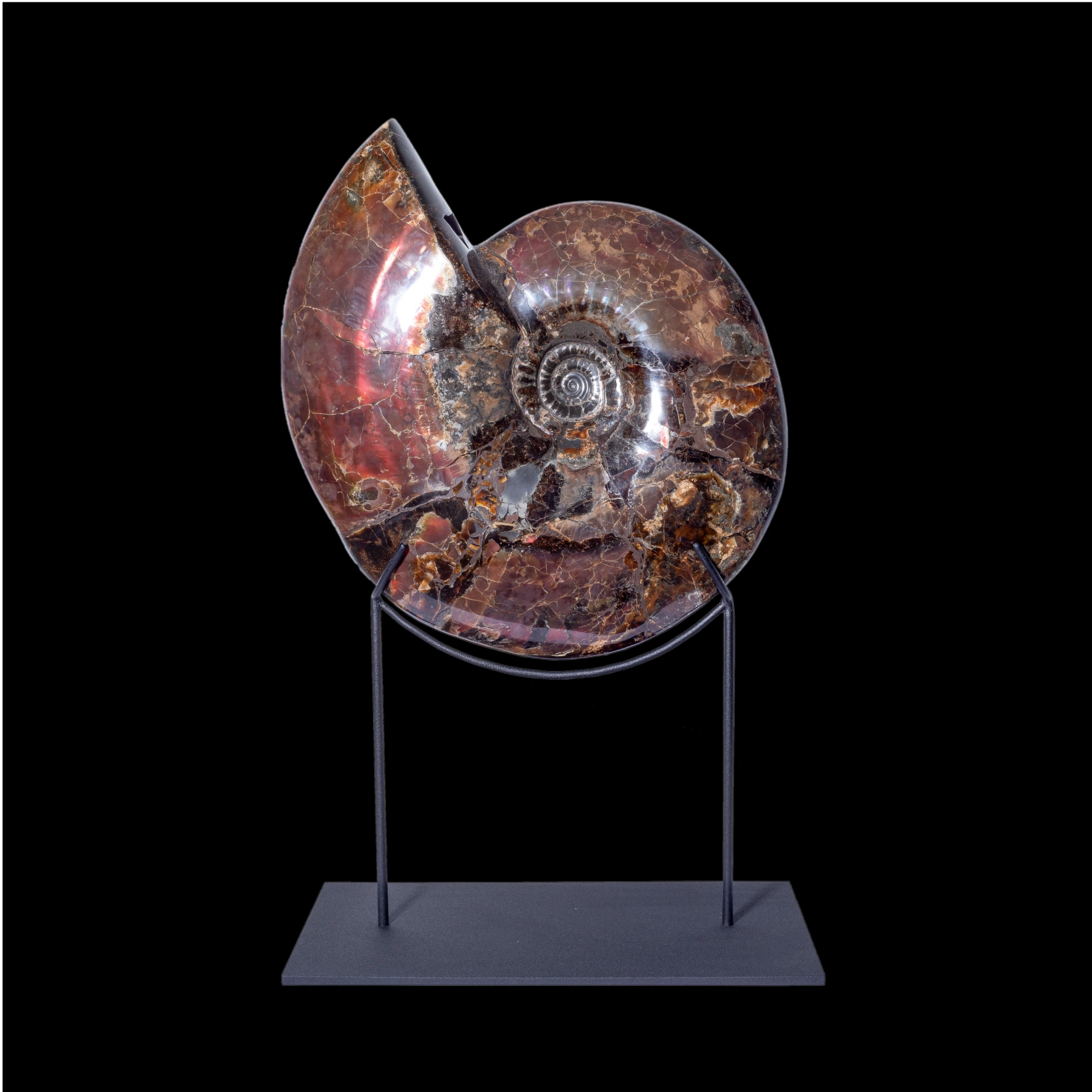
Lot ACD1
40 500,00 AEDAmmonite Craspedodiscus Discofalcatus
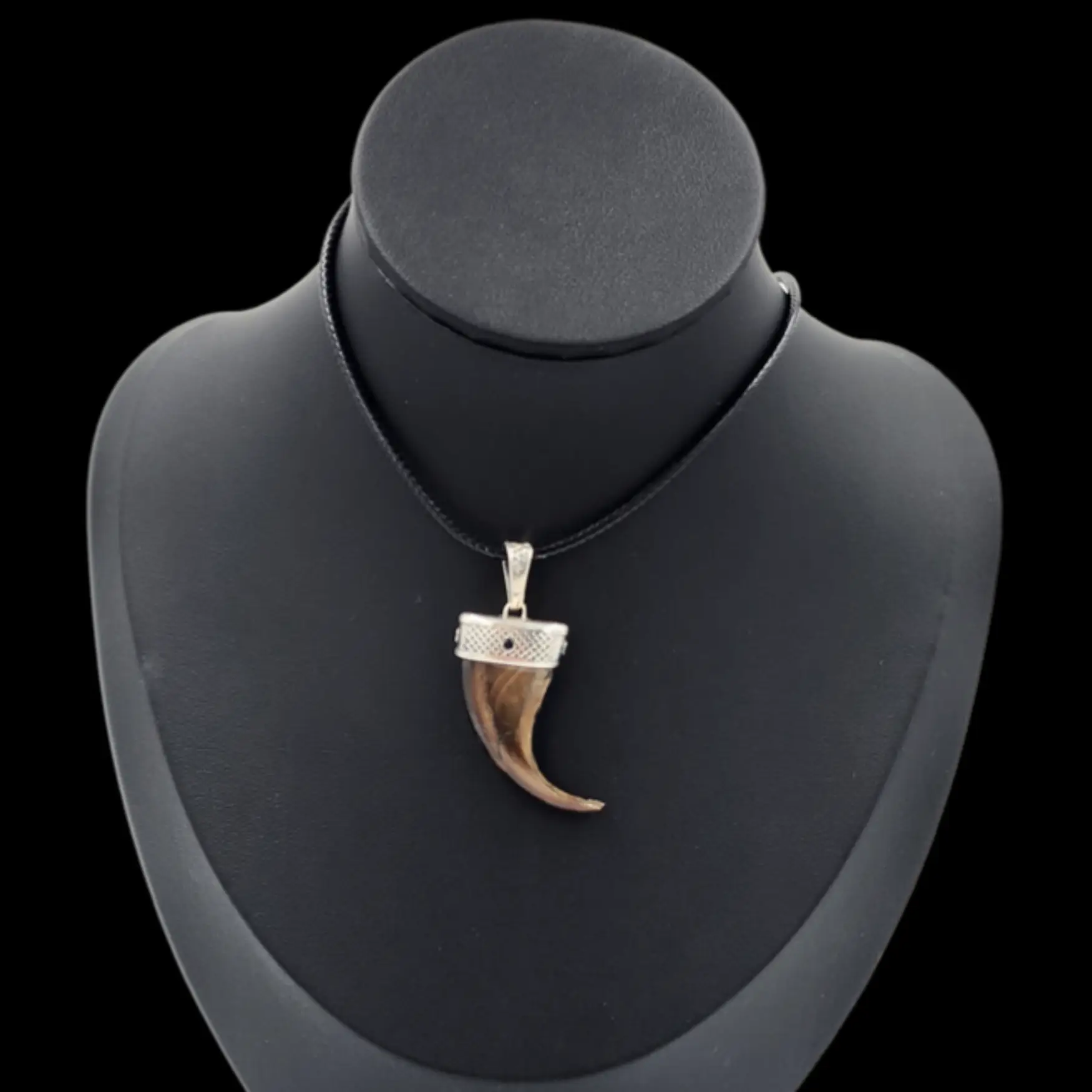
Lot BBC-001
800,00 AEDBrown Bear Claw Pendant with Silver Mount – A Powerful Symbol of the Wild

Lot SPP-017
290,00 AEDWhite Stone Meerschaum Smoking Pipe – Mid-19th Century Bohemian Masterwork

Lot SS001
Sawfish sword

Lot CCC10
350,00 AEDCrimson Elegance: Callopistus castelnaudi, Malaysia

Lot DLBTL04
100,00 AEDCaptivating Elegance – Preserved Dandelion in Glass Bottle, 8 cm High
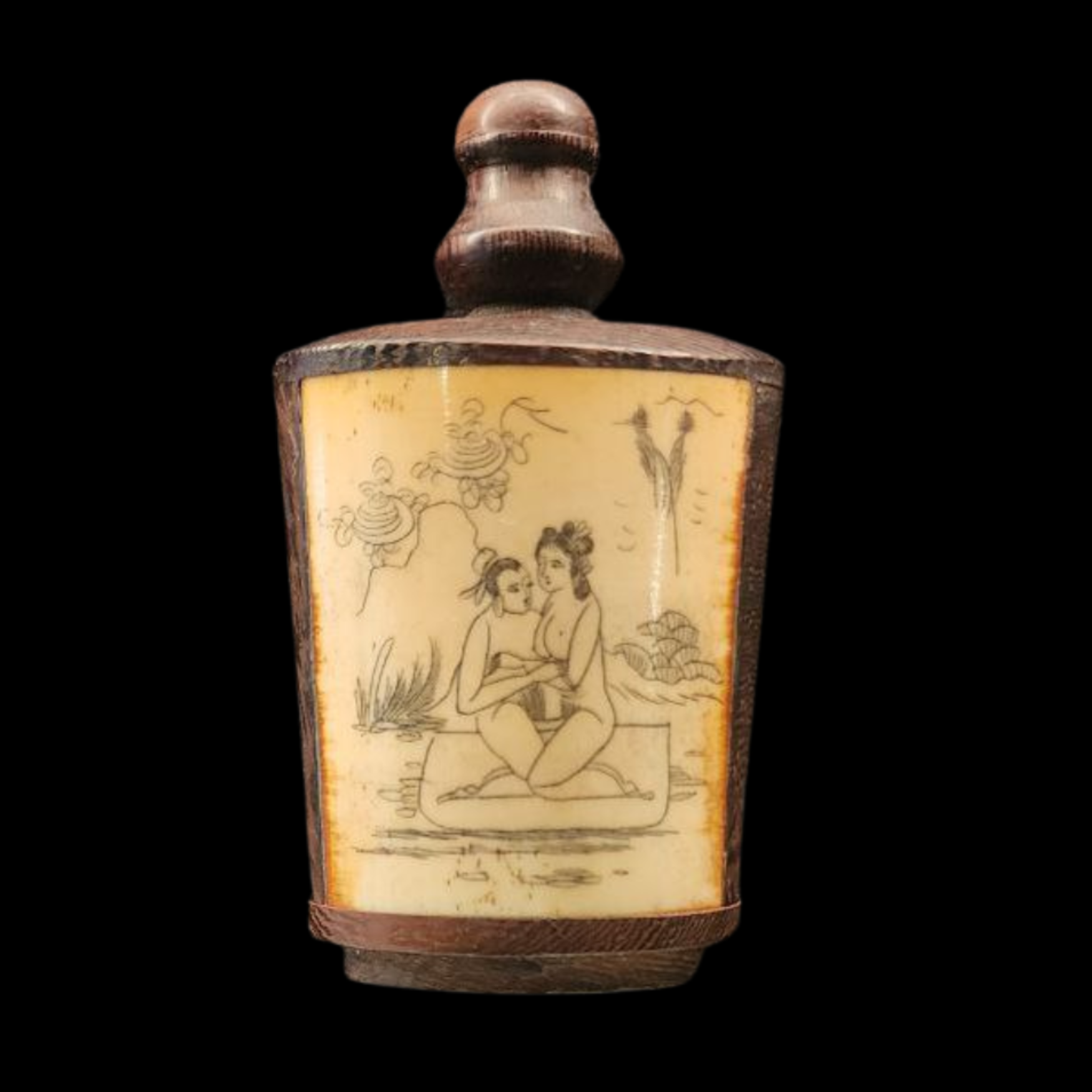
Lot OBC-2
1 300,00 AEDAntique Chinese Bone and Wood Oil Bottle