



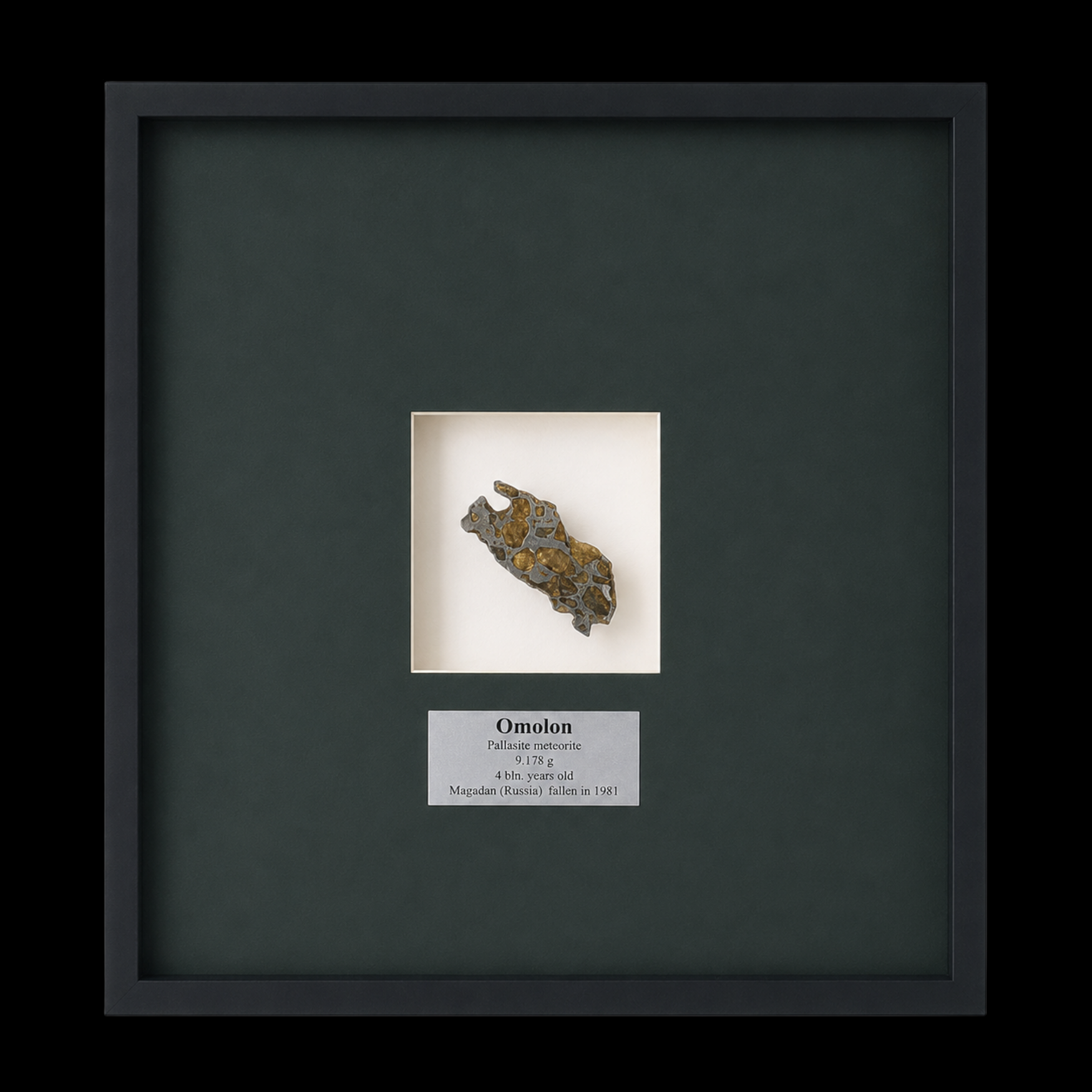
Lot MTR-014
9,178 gr Omolon Pallasite meteorite with Widmanstätten pattern, 4 bln years old
Specifications:
Location:
Europe
Age:
4 Billion Years
Weight:
9,178 gr
View:
slice
Detection year:
1981
Available in Dubai
15 170,00 AED

Lot Essay
Delivery
Rarity and Value
This specimen represents an authentic slice of the rare Omolon Pallasite meteorite, one of the most visually distinctive and scientifically important classes of stony-iron meteorites known. Pallasites are exceptionally uncommon extraterrestrial materials composed of translucent olivine crystals embedded within a nickel-iron metallic matrix, believed to originate from the boundary zone between the metallic core and silicate mantle of differentiated asteroids formed during the earliest stages of Solar System evolution approximately 4 billion years ago. The specimen displays large angular to rounded olivine crystals of golden-green coloration surrounded by polished Fe-Ni metal, creating the characteristic mosaic structure unique to pallasites. Omolon belongs to the main-group pallasites and is highly valued because it preserves direct evidence of planetary differentiation processes that occurred during the formation of primitive protoplanets. The polished metallic matrix also preserves a visible Widmanstätten pattern formed by the intergrowth of kamacite and taenite, a crystalline structure that develops only through extremely slow cooling inside differentiated asteroids over millions of years. The striking contrast between crystalline silicates and reflective meteoritic metal provides important mineralogical information regarding cooling history, impact disruption, and the internal structure of ancient celestial bodies that no longer exist.
Discovery
The Omolon meteorite was officially recognized in 1981 and originates from a fragmented differentiated asteroid formed during the early Solar System when metallic iron and silicate minerals separated into internal layers through melting and gravitational differentiation. The preserved olivine crystals belong to the fayalite–forsterite series and formed under high-temperature conditions deep within the parent body before catastrophic collisions dispersed fragments into space. The metallic matrix consists primarily of kamacite and taenite enriched with nickel, together with accessory phases including troilite, chromite, phosphates, and phosphides. Pallasites such as Omolon are scientifically significant because they preserve the transition zone between metallic cores and silicate mantles, a region rarely accessible even in planetary geology. Their mineral chemistry and isotopic composition provide valuable evidence for understanding asteroid formation, thermal evolution, and the earliest stages of planetary accretion within the young Solar System.
Preservation
This polished section preserves the classic pallasitic texture with exceptional clarity, exposing translucent olivine crystals enclosed within a continuous iron-nickel framework. The olivine exhibits rich golden to olive-green coloration enhanced by polishing, while the surrounding metallic matrix retains reflective structural contrast characteristic of etched meteoritic iron. Natural fractures and irregular crystal boundaries visible throughout the specimen reflect ancient shock and cooling processes associated with asteroid collisions and long-term cosmic exposure. The polished surface allows detailed observation of crystal morphology, metal distribution, the Widmanstätten pattern, and the intergrowth relationships between silicate and metallic phases formed billions of years ago under extraterrestrial conditions. Despite extensive mineralization and cosmic weathering, the specimen retains outstanding structural integrity and mineralogical definition. Such preservation provides important scientific insight into the internal architecture of differentiated asteroids and preserves a direct fragment of primordial planetary material formed during the earliest evolutionary history of the Solar System.
Delivery
Brought to you by

Need more details?
Lot MTR-008
7 345,00 AED0,75 gr Martian Meteorite NWA 15497, Shergottite
Lot SM-A19
1 780,00 AED19.3 g Pallasite meteorite slice, lustrous Widmanstätten pattern
Lot MMP1
700,00 AEDCelestial Relic: Muonionalusta Meteorite – 4.2 g Iron-Nickel Fragment, Discovered in Sweden, 1906
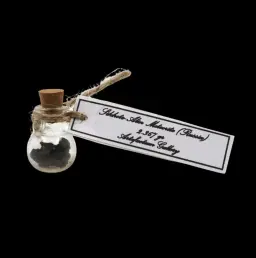
Lot SA-018
220,00 AED2.367 g Sikhote-Alin meteorite in sealed round bottle
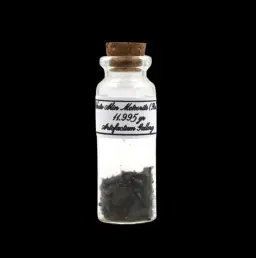
Lot SA-013
1 100,00 AED11.995 g Sikhote-Alin meteorite in sealed bottle
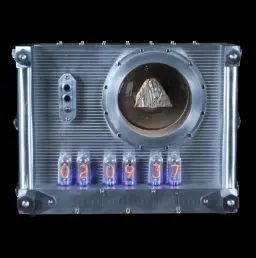
Lot MTC
35 000,00 AEDCosmic Timekeeper: The Unique 1969 Apollo-Inspired Meteorite Clock
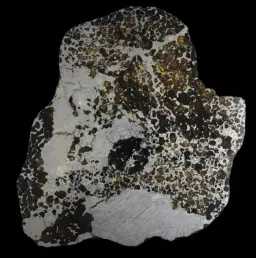
Lot M-09-1
64 600,00 AED680 g Pallasite meteorite slice showcasing Widmanstätten pattern, 4 bln years old
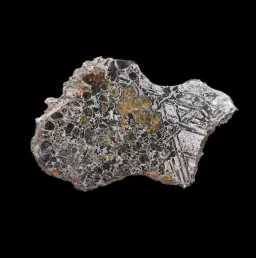
Lot M-06
10 900,00 AED118 g Expansive Pallasite meteorite slice with intricate Widmanstätten pattern, 4 bln years old
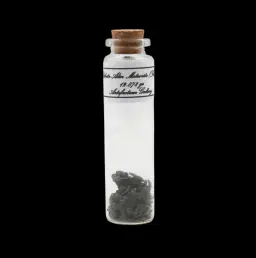
Lot SA-014
1 190,00 AED12.878 g Sikhote-Alin meteorite in sealed bottle
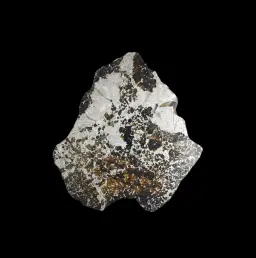
Lot M-11
66 880,00 AED704 g Pallasite meteorite slice showcasing Widmanstätten pattern, 4 bln years old
Lot MTR-014
Item has been added to your Cart
You cannot add "9,178 gr Omolon Pallasite meteorite with Widmanstätten pattern, 4 bln years old" to your cart again.
Enquiry
Lot MTR-014
Thank you for your interest. Please fill out the below form, and our specialist will follow up with you shortly.
Thank you for your interest
We will be in touch shortly
We will never pass your personal information to anyone outside of Artefactum Gallery for their own marketing purposes without your consent. For more information about how we processes your data, please click here to read our Privacy Notice.
Brought to you by

Enquiry
Thank you for your interest. Please fill out the below form, and our specialist will follow up with you shortly.
Thank you for your interest
We will be in touch shortly
We will never pass your personal information to anyone outside of Artefactum Gallery for their own marketing purposes without your consent. For more information about how we processes your data, please click here to read our Privacy Notice.
