


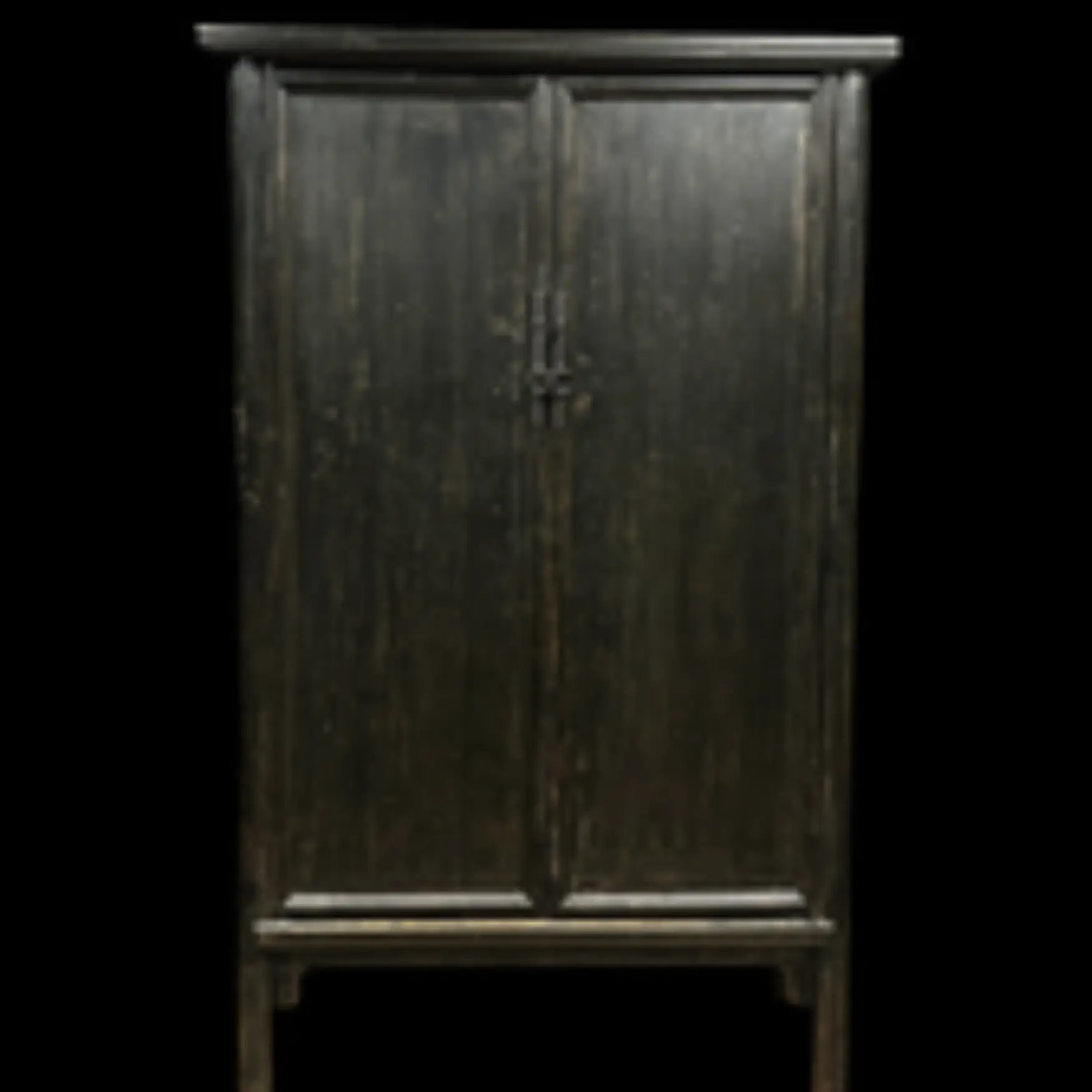
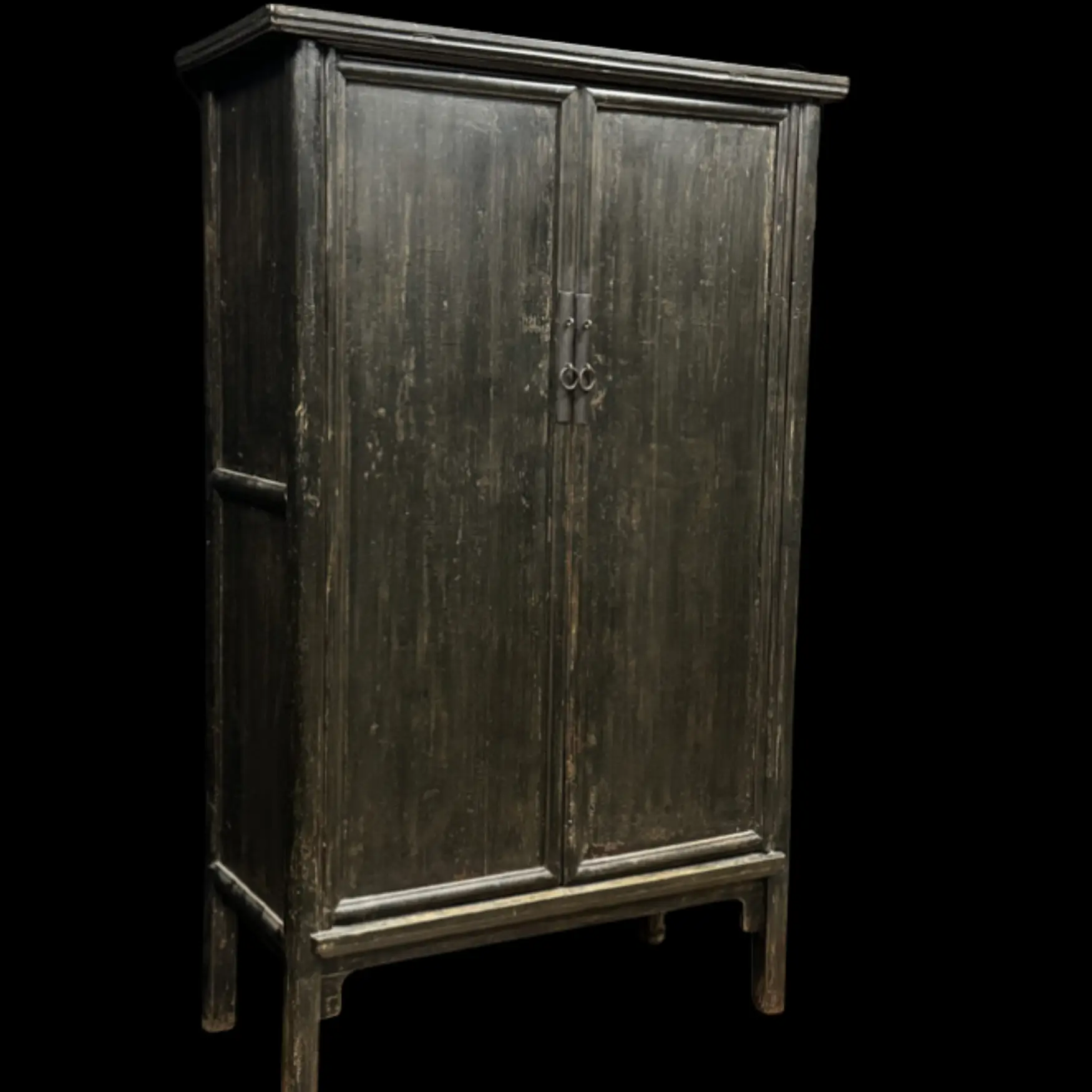
Specifications:
Location:
USA
Size:
Length: 120 cm x Depth: 53 cm x Height: 192 cm
Material:
Hardwood
Available by request
Price on request

Lot Essay
Delivery
Rarity and Value
An antique black cabinet is valued for its age, craftsmanship, and historical integrity. Authentic examples—typically 100 years old or more—are increasingly rare, especially those retaining their original black finish, structure, and hardware. Their value lies not only in aesthetics but in provenance, construction quality, and preservation. Well-documented pieces from known workshops or periods (such as Georgian, Victorian, or early Colonial) are particularly prized by collectors and museums.
Design and Presentation
Antique black cabinets are designed to convey gravitas, order, and refinement. Common forms include tall cupboards, vitrines, apothecary cabinets, or low side cabinets. Proportions are deliberate: strong vertical lines suggest authority, while balanced panels and symmetry create visual calm. The black finish—whether lacquered, painted, or ebonized—serves as a dramatic backdrop, allowing carved details, moldings, or displayed objects to stand out.
Materials and Craftsmanship
These cabinets are typically constructed from solid hardwoods such as oak, walnut, mahogany, or pine, chosen for durability and strength. The black surface was often achieved through hand-applied paint, stain, or lacquer, sometimes layered over time. Craftsmanship is evident in mortise-and-tenon joinery, hand-planed surfaces, and subtly uneven details that distinguish them from modern reproductions. Original metal hardware—iron, brass, or bronze—adds both function and decorative contrast.
Historical, Cultural, and Functional Significance
Antique black cabinets often reflect the social and functional needs of their era. They were used to store documents, books, valuables, textiles, or ceremonial objects. In cultural and historical contexts, they represent domestic life, trade practices, and design values of their time. In museums or heritage interiors, such cabinets help illustrate craftsmanship traditions and evolving tastes in furniture design.
Ethical and Preservation Context
Today, antique black cabinets are appreciated with an emphasis on conservation rather than alteration. Restorations are typically minimal and reversible, prioritizing original materials and finishes. Ethical collecting values transparency of origin and respect for historical integrity. Whether displayed in private collections or institutions, these cabinets are often presented as artifacts of craftsmanship and cultural history rather than purely decorative objects.
Delivery
Brought to you by

Lot GWM400-BC
Antler Stool with Cowhide – Rustic Simplicity at Its Finest
Lot SEA95-D
Stefan Steenkist Armchair – Timeless Elegance and Modern Craftsmanship
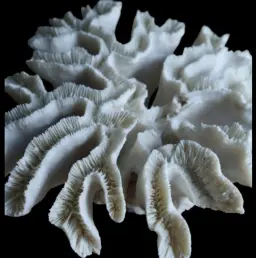
Lot FC-1
Coral Flower
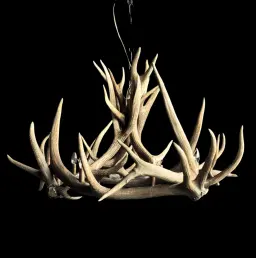
Lot AL-002
Antler Lamp Wapiti – A Radiant Piece of Natural Art
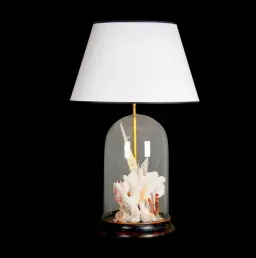
Lot LG-001
Light in Glass Globe with Seashells – A Window to the Ocean’s Beauty
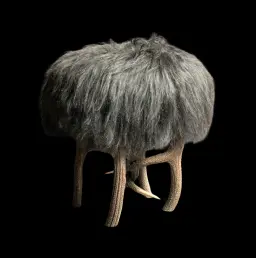
Lot GWM400-AL
Antler Stool with Dark Gray Sheepskin – Subtle Sophistication in Design
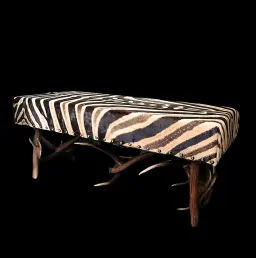
Lot GWM450-H
Antler Bench Zebra – Wild Elegance Redefined
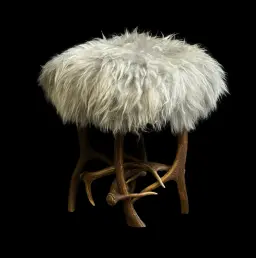
Lot GWM400-AM
Antler Stool with Gray Sheepskin – Subtle Sophistication in Design
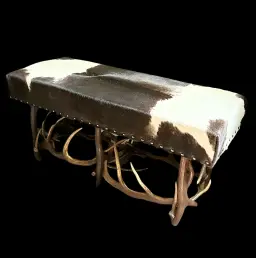
Lot GWM450-E-1
Antler Bench with Cowhide Upholstery – A Statement of Rustic Luxury (Копировать)
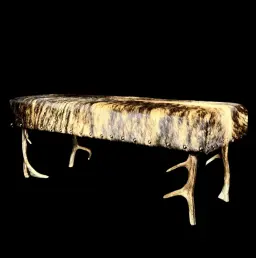
Lot GWM450-L
Exclusive Antler Bench – Luxury Meets Nature
Enquiry
Lot ABC-1
Thank you for your interest. Please fill out the below form, and our specialist will follow up with you shortly.
Thank you for your interest
We will be in touch shortly
We will never pass your personal information to anyone outside of Artefactum Gallery for their own marketing purposes without your consent. For more information about how we processes your data, please click here to read our Privacy Notice.
Brought to you by

Enquiry
Thank you for your interest. Please fill out the below form, and our specialist will follow up with you shortly.
Thank you for your interest
We will be in touch shortly
We will never pass your personal information to anyone outside of Artefactum Gallery for their own marketing purposes without your consent. For more information about how we processes your data, please click here to read our Privacy Notice.