


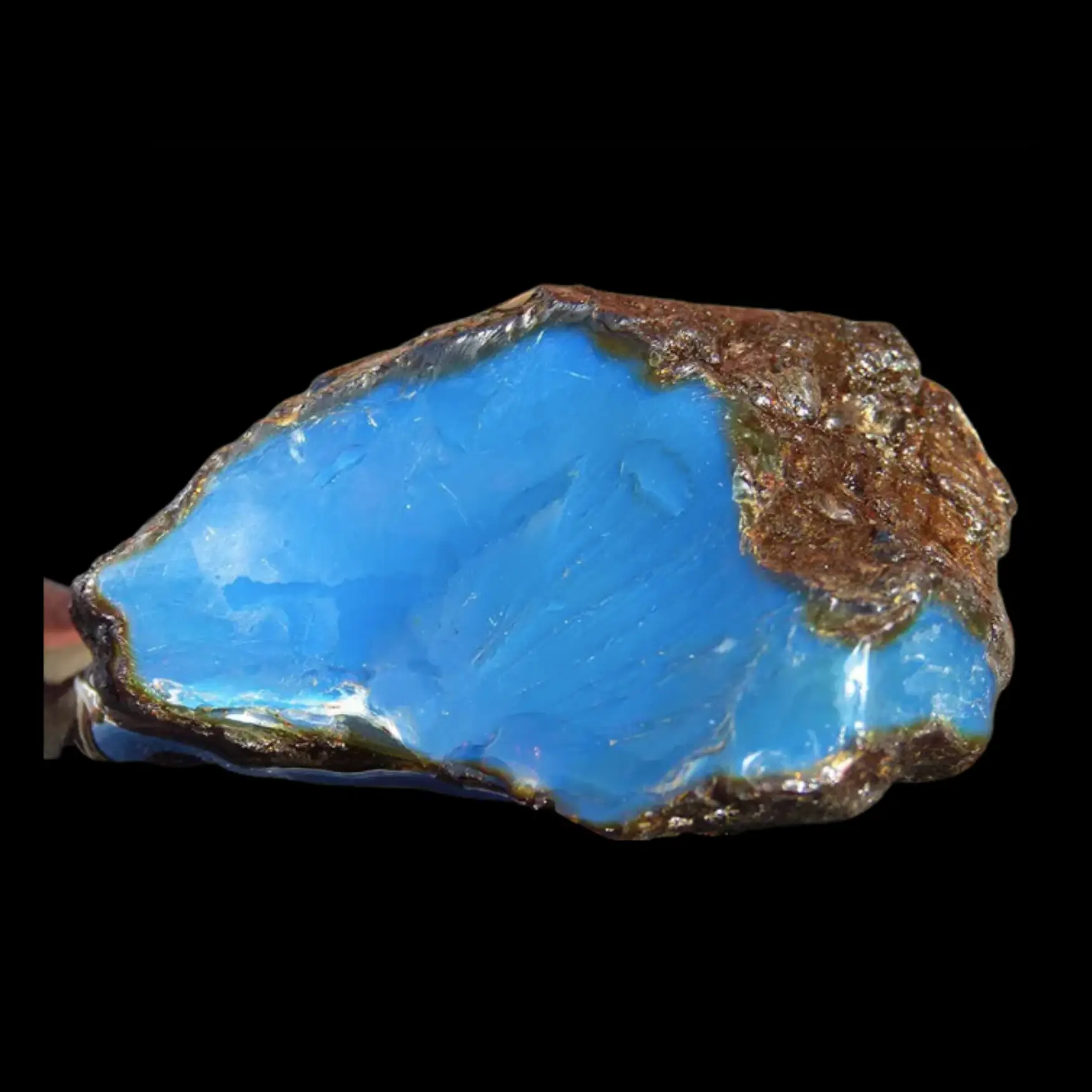
Specifications:
Location:
Europe
Size:
2 -4 cm approx
Period:
Neogene
Available by request
Price on request

Lot Essay
Delivery
Rarity and Value
Blue amber is valued for its unusual optical properties rather than abundance alone. While chemically similar to other ambers, its ability to fluoresce blue under sunlight or ultraviolet light makes it especially prized. High-value specimens display strong, vivid blue fluorescence, clarity, and minimal internal fractures. Pieces containing well-preserved inclusions such as insects or plant material are particularly sought after. Because true blue amber is found in limited geological conditions, fine-quality material commands significantly higher prices in gem and collector markets.
Discovery and Significance
Blue amber is most famously associated with deposits in the Dominican Republic, where it was discovered through mining and later studied for its unique light-reactive qualities. Historically, amber has been used for adornment, trade, and ritual purposes for thousands of years, valued as both a gemstone and a talisman. The discovery of blue amber expanded the cultural and scientific significance of amber, drawing attention from gemologists, collectors, and researchers due to its rare visual behavior and regional specificity.
Morphology and Accuracy
Authentic blue amber appears yellow, honey, or brown in normal indoor lighting but exhibits a blue to violet fluorescence when exposed to sunlight or UV light. Its surface may show natural flow lines, bubbles, or organic inclusions formed during fossilization. True specimens are lightweight, warm to the touch, and can be polished to a high luster without losing their optical effect. Accurate identification depends on observing fluorescence, internal structure, and natural imperfections rather than color alone.
Human and Scientific Connection
Blue amber provides important insight into ancient ecosystems, as it is fossilized tree resin dating back millions of years. Scientifically, its blue fluorescence is linked to aromatic hydrocarbons formed during fossilization, making it a subject of interest in geochemistry and materials science. Culturally, blue amber represents a bridge between nature, time, and human appreciation of beauty, often used in jewelry and museum collections. As both a gemstone and a scientific specimen, it connects human craftsmanship with deep geological history and the preservation of prehistoric life.
Delivery
Brought to you by

Lot AFS-001
12 000,00 AEDAmber with an Archaic Defective Face – The Ancient Expression of Time
Lot BA-112
500,00 AEDA piece of natural amber
Lot UGG-112
2 100,00 AEDUvarovite (Green Garnet) – A Crystalline Garden of the Urals
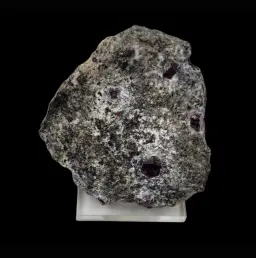
Lot ST-112
532,00 AEDCrystals of Red Corundum in crystalline schist
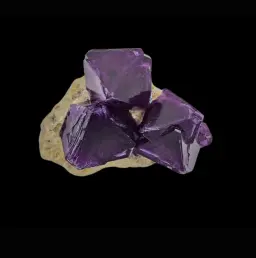
Lot FARF-001
450,00 AEDLab-Grown Crystal – The Art of Modern Alchemy
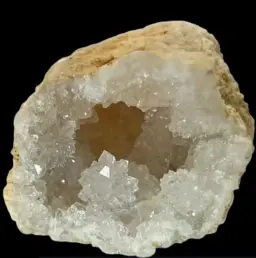
Lot WQG-11
White Quartz Geode
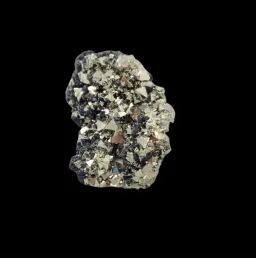
Lot PS-02
490,00 AEDPyrite Crystals on Matrix
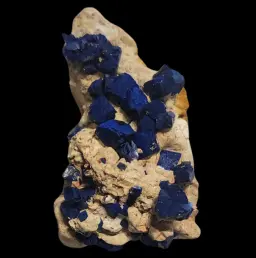
Lot AMS-001
2 300,00 AEDAzurite on Matrix
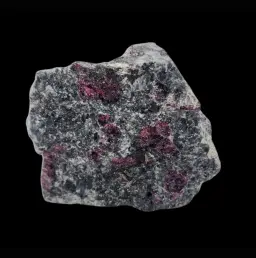
Lot ST-213
499,00 AEDCorundum on Matrix
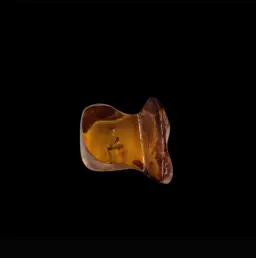
Lot AKR-001
4 200,00 AEDPiece of Amber with Mosquito Inclusion – A Moment Frozen in Time
Enquiry
Lot BA-001
Thank you for your interest. Please fill out the below form, and our specialist will follow up with you shortly.
Thank you for your interest
We will be in touch shortly
We will never pass your personal information to anyone outside of Artefactum Gallery for their own marketing purposes without your consent. For more information about how we processes your data, please click here to read our Privacy Notice.
Brought to you by

Enquiry
Thank you for your interest. Please fill out the below form, and our specialist will follow up with you shortly.
Thank you for your interest
We will be in touch shortly
We will never pass your personal information to anyone outside of Artefactum Gallery for their own marketing purposes without your consent. For more information about how we processes your data, please click here to read our Privacy Notice.