


Specifications:
Location:
Philippines
Size:
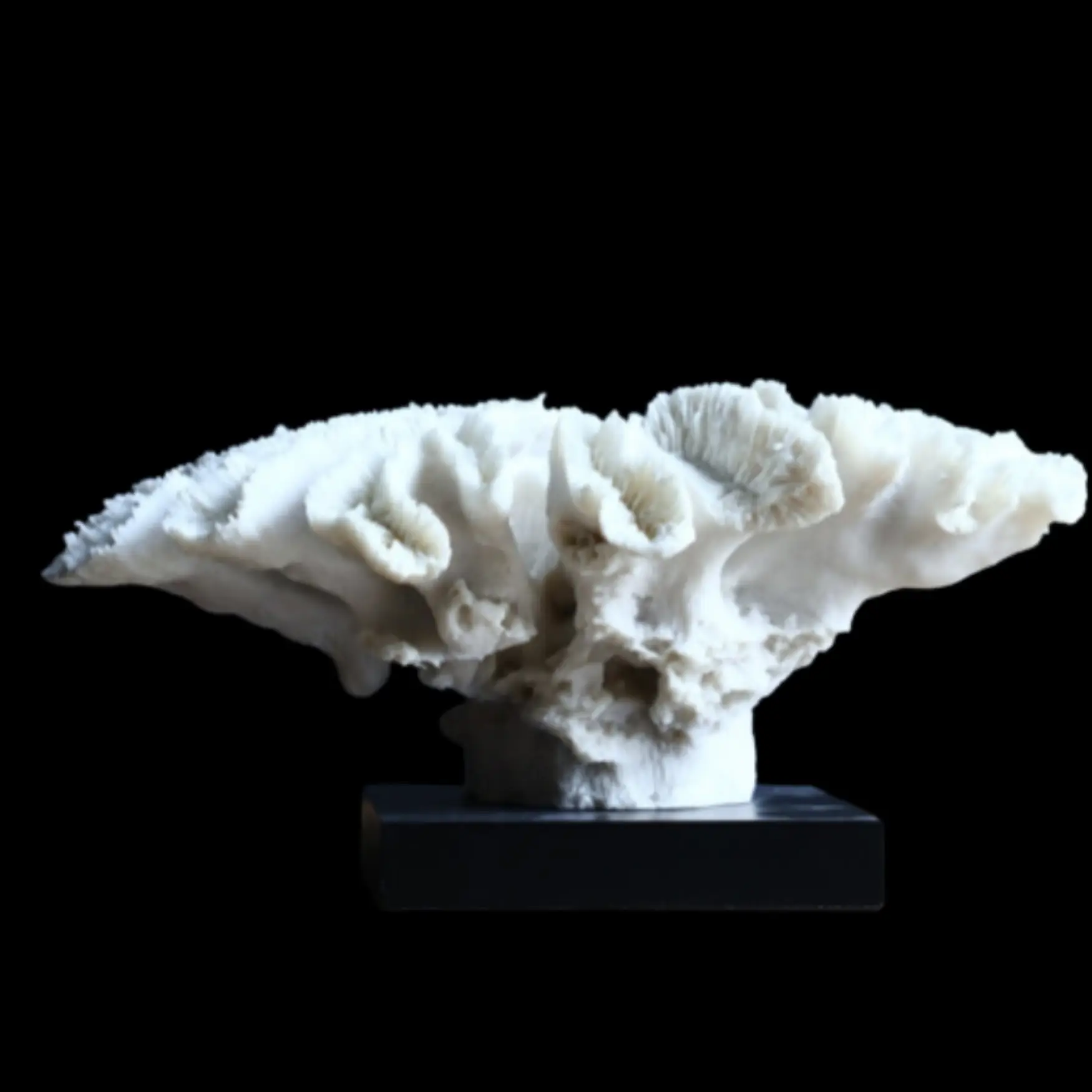
Length: 34 cm x Depth: 31 cm x Height: 16 cm
Available by Request
Price on request

Lot Essay
Delivery
Rarity and Value
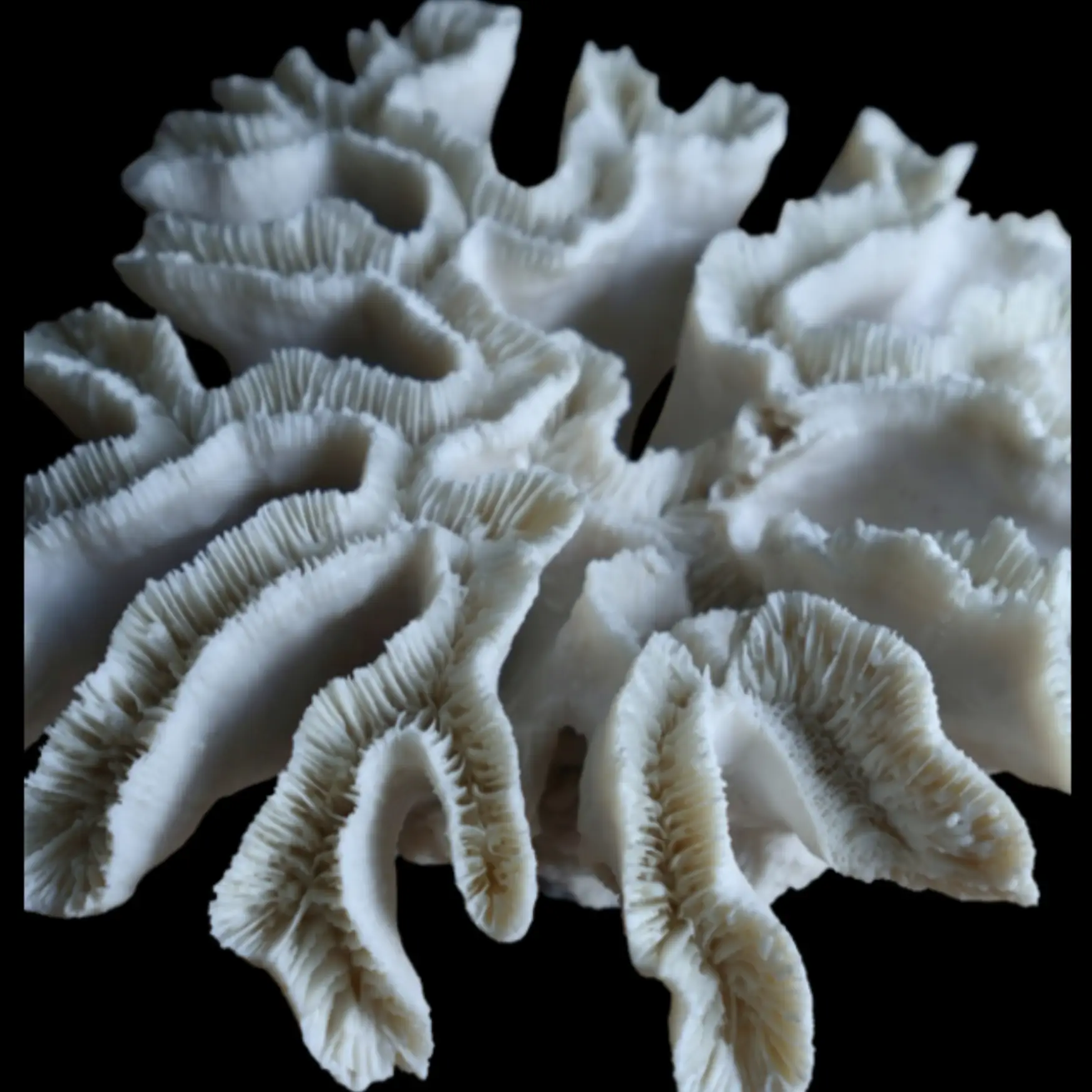
Flower coral is prized for its delicate, intricate structures and vibrant colors. Authentic specimens—naturally formed in healthy reef ecosystems—are increasingly rare due to environmental pressures like climate change, ocean acidification, and habitat loss. Their value lies in both scientific and aesthetic significance: well-preserved samples with clear polyp patterns, branching forms, or unique coloration are highly sought after by collectors, marine biologists, and aquariums. Documented specimens from specific reef locations or historically studied colonies are particularly esteemed for research and conservation purposes.
Design and Presentation
Flower coral exhibits a natural architecture that balances complexity and harmony. Common forms include branching, plate-like, or encrusting colonies, with polyps arranged in radial or fan-like patterns. Proportions and growth patterns are not random; they optimize sunlight capture and water flow, resulting in visually pleasing symmetry and repetition. The surface of flower coral often showcases a subtle texture and vibrant coloration—ranging from pastel pinks and oranges to deeper reds, purples, or greens—which contrasts beautifully against the muted tones of the surrounding reef.
Materials and Craftsmanship
Composed primarily of calcium carbonate, flower coral’s skeleton provides both structure and protection for the living polyps. Each polyp contributes to the formation of intricate skeletal frameworks over time, creating a durable yet delicate lattice. Growth occurs incrementally, reflecting environmental conditions and water chemistry. While not “crafted” by humans, the biological construction exhibits remarkable precision, with branching angles, spacing, and polyp symmetry that rival human design. The coloration may arise from a combination of natural pigments and symbiotic algae, which adds to its visual and ecological value.
Historical, Cultural, and Functional Significance
Flower coral plays a vital role in marine ecosystems, providing habitat, shelter, and breeding grounds for countless species. Beyond its ecological importance, coral has cultural and historical significance in coastal communities—used traditionally in jewelry, ornaments, or symbolic artifacts. Scientifically, flower coral is a living record of oceanic conditions, growth rates, and environmental changes, making it invaluable for climate studies and conservation efforts. In aquariums or museums, it educates viewers about biodiversity, marine architecture, and the delicate balance of reef ecosystems.
Ethical and Preservation Context
Modern appreciation of flower coral emphasizes conservation and responsible sourcing. Ethical collecting involves minimal impact, often using fragments grown in controlled environments or sustainably harvested specimens. Preservation focuses on maintaining structural integrity and coloration without chemical alteration. Display and study prioritize transparency regarding origin, with an emphasis on protecting living reefs and promoting awareness of coral ecosystems. Flower coral is regarded as both an ecological treasure and an example of nature’s intricate artistry rather than a mere decorative object.
Delivery
Brought to you by

Lot SEA96-O
Antler Stool with Cowhide – Rustic Simplicity and Elegance
Lot GWM450-E-1
Antler Bench with Cowhide Upholstery – A Statement of Rustic Luxury (Копировать)
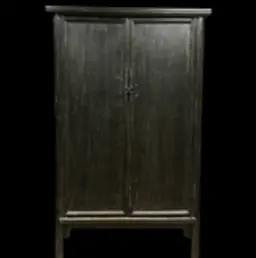
Lot ABC-1
Antique Black Cabinet
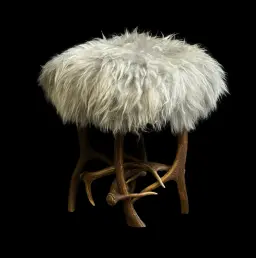
Lot GWM400-AM
Antler Stool with Gray Sheepskin – Subtle Sophistication in Design
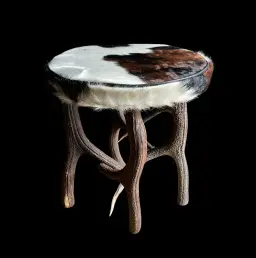
Lot GWM400-AC
Antler Bench with Cowhide Upholstery – Statement of Rustic Luxury
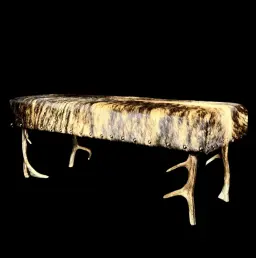
Lot GWM450-L
Exclusive Antler Bench – Luxury Meets Nature
Lot GWM450-E
Antler Bench with Cowhide Upholstery – A Statement of Rustic Luxury
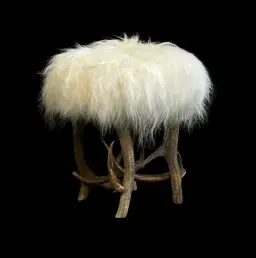
Lot GWM400-AK
Antler Stool with Sheepskin Upholstery – Softness Meets Rustic Charm
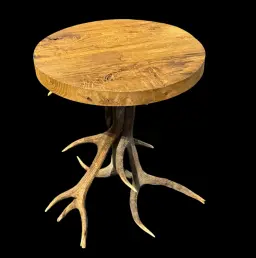
Lot ODT-01
5 900,00 AEDTimeless Elegance: Antique Oak Tabletop with Red Deer Antler Base
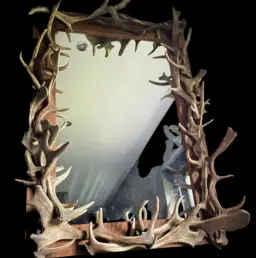
Lot MOF-11
Mirror of antlers
Enquiry
Lot FC-1
Thank you for your interest. Please fill out the below form, and our specialist will follow up with you shortly.
Thank you for your interest
We will be in touch shortly
We will never pass your personal information to anyone outside of Artefactum Gallery for their own marketing purposes without your consent. For more information about how we processes your data, please click here to read our Privacy Notice.
Brought to you by

Enquiry
Thank you for your interest. Please fill out the below form, and our specialist will follow up with you shortly.
Thank you for your interest
We will be in touch shortly
We will never pass your personal information to anyone outside of Artefactum Gallery for their own marketing purposes without your consent. For more information about how we processes your data, please click here to read our Privacy Notice.