



Specifications:
Location:
Kem-Kem, Morocco
Genus:
Crinoidea (sea lilies)
Size:
19 x 23 cm
Age:
Approximately 300–400 million years old
Period:
Devonian
Kind:
Fragment
Available in Dubai
12 860,00 AED

Lot Essay
Delivery
Rarity and Value
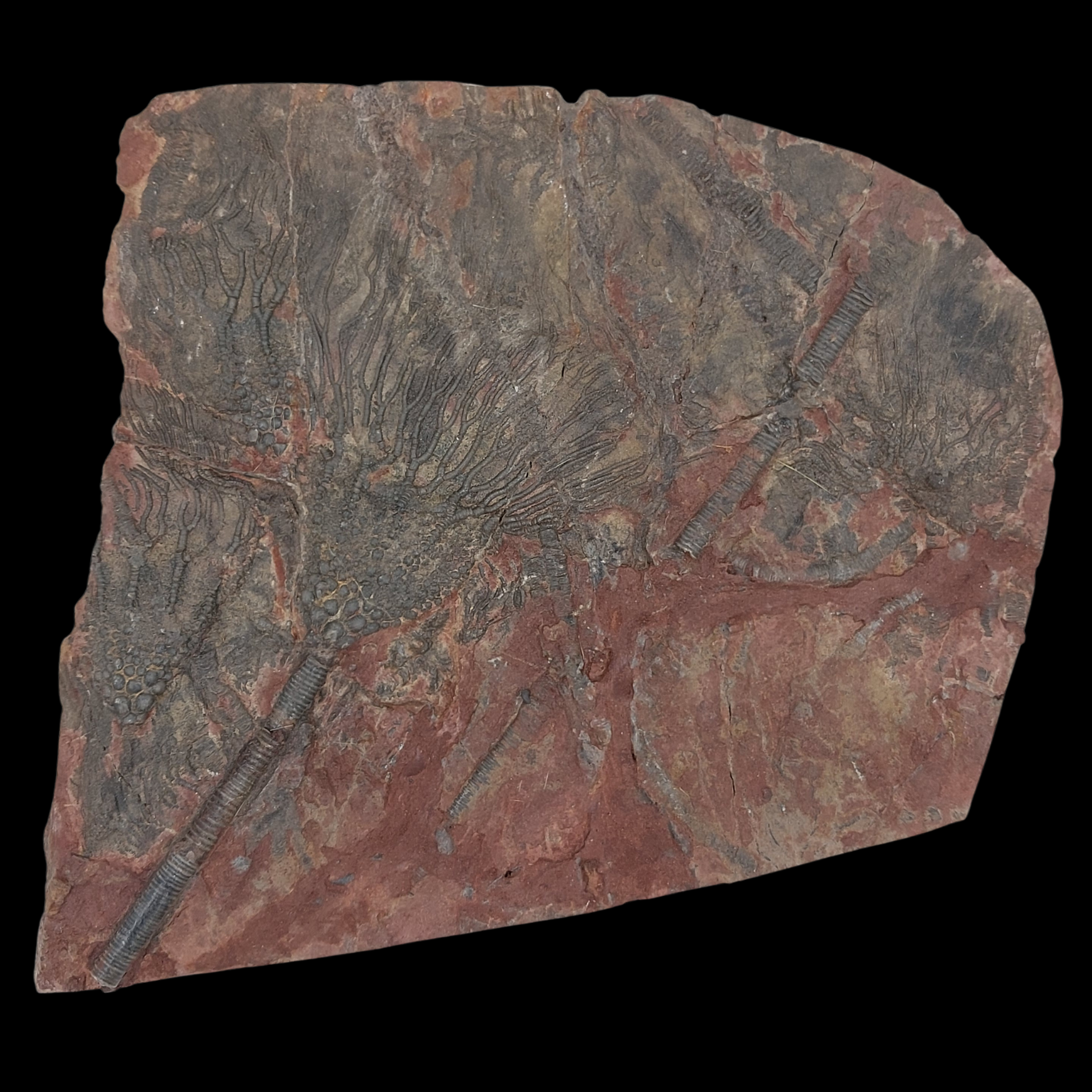
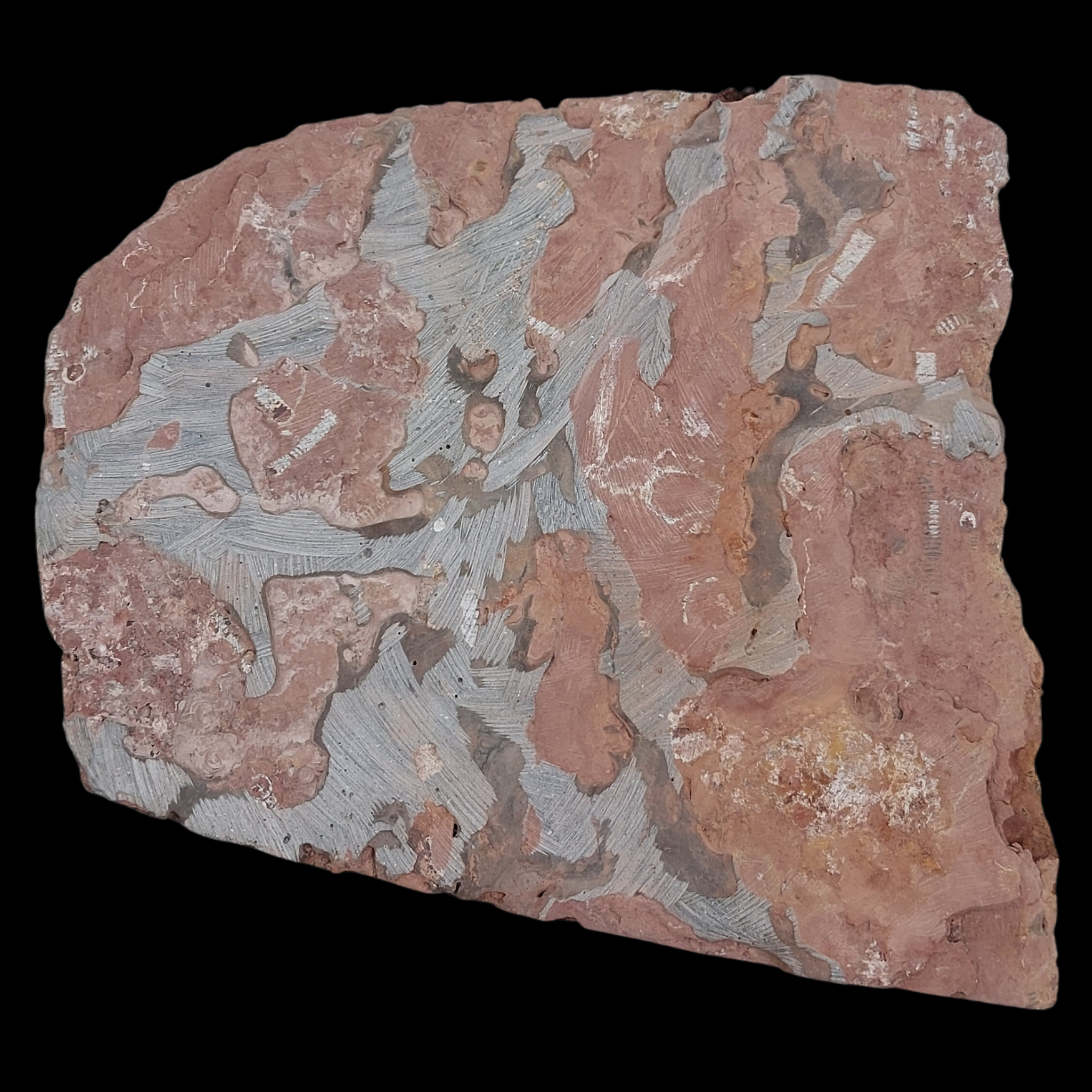
These crinoid fossil slabs preserve multiple articulated specimens of ancient marine echinoderms commonly known as sea lilies. Crinoids are among the oldest known groups of echinoderms, first appearing in the Paleozoic Era and thriving in prehistoric oceans for hundreds of millions of years. The fossils visible on the slab display exceptionally detailed crowns with radiating feather-like arms, segmented stems, and partially preserved calyx structures. Such articulated preservation is comparatively rare because crinoid skeletons typically disarticulate rapidly after death due to the fragile connection between calcitic slabs. Fossil slab preserving several individuals together provide important insight into colonial marine communities and are highly valued by collectors and paleontologists studying ancient benthic ecosystems and echinoderm evolution.
Discovery
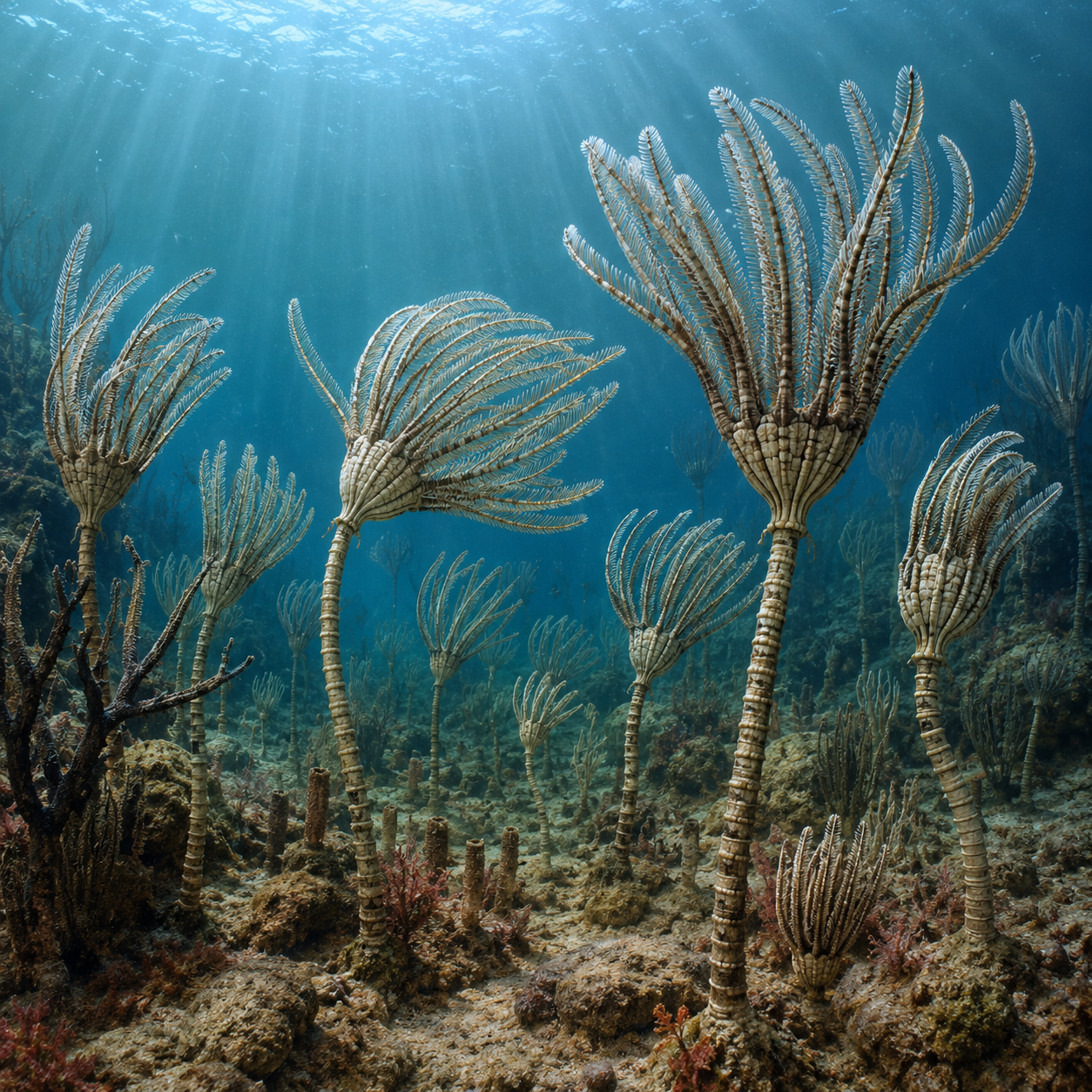
Crinoids inhabited shallow marine environments where they attached themselves to the seafloor using elongated segmented stems. Their feather-like arms functioned as highly specialized filter-feeding structures capable of capturing plankton and organic particles suspended within ocean currents. Fossil assemblages such as this slabs likely formed through rapid burial events that protected delicate anatomical structures from scavenging and decomposition. The preserved arrangement of stems and crowns reflects the natural orientation of these organisms within ancient marine habitats. Crinoid fossils are significant indicators of paleoenvironmental conditions and marine biodiversity, offering valuable information about sedimentation patterns, ocean chemistry, and ecosystem structure within prehistoric seas.
Preservation
This fossil slab preserves fine anatomical detail across multiple crinoid specimens, including segmented columnals, branching arms, and portions of the central body structure. Mineralization within the surrounding sediment stabilized the calcitic skeletal framework while maintaining delicate surface textures and biological morphology. The contrast between the darker fossilized structures and the reddish sedimentary matrix enhances visibility of the preserved anatomy and reflects natural mineral replacement during fossilization. The slab serves both scientific and educational purposes, allowing detailed examination of one of the most important groups of Paleozoic marine echinoderms while preserving a direct biological record of ancient ocean life.
Delivery
Brought to you by

Need more details?
Lot OOT-001
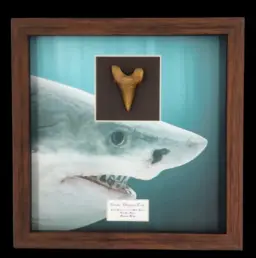
900,00 AEDPrehistoric Power: Authentic Otodus obliquus Tooth 5.6 cm
Lot MAM-179
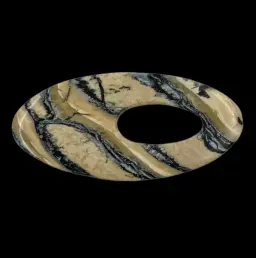
600,00 AEDStrata of Time – Fossilized Mammoth Tusk Slice, 179g
Lot OOT-005
900,00 AEDPrehistoric Power: Authentic Otodus obliquus Tooth, 4.7 cm
Lot CT-102
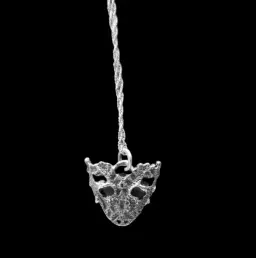
800,00 AEDKoolasuchus cleelandi Pendant – A Silver Tribute to a Prehistoric Amphibian of the Cretaceous Age
Lot ICH-SK-1
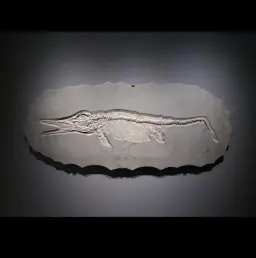
380 000,00 AEDSkeleton of marine predator (Ichthyosaur), circa 178 mln years old, Germany, well preserved
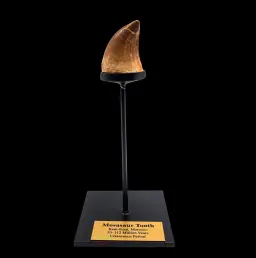
Lot FSL-036
1 700,00 AEDMosasaur Tooth – Relic of a Cretaceous Sea Predator
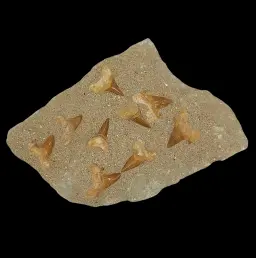
Lot FSL-008
5 500,00 AED1 597 gr Plate of Fossilised Otodus Sharks Teeth
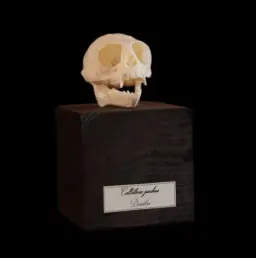
Lot GM34
Callithrix Jacchus Skull – A Rare and Delicate Specimen from Brazil’s Atlantic Forest
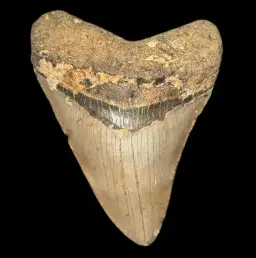
Lot MT97
2 800,00 AEDMegalodon Tooth, 109 gr, h 9.5 cm, circa 13 mln years old
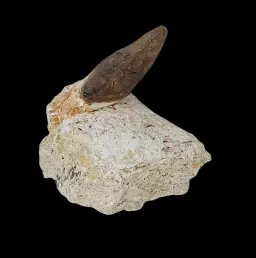
Lot FSL-039
2 500,00 AEDPappocetus lugardi Jaw with Tooth – Early Walking Whale
Lot FSL-003
Item has been added to your Cart
You cannot add "Crinoid Fossil Slab with Articulated Sea Lilies" to your cart again.
Enquiry
Lot FSL-003
Thank you for your interest. Please fill out the below form, and our specialist will follow up with you shortly.
Thank you for your interest
We will be in touch shortly
We will never pass your personal information to anyone outside of Artefactum Gallery for their own marketing purposes without your consent. For more information about how we processes your data, please click here to read our Privacy Notice.
Brought to you by

Enquiry
Thank you for your interest. Please fill out the below form, and our specialist will follow up with you shortly.
Thank you for your interest
We will be in touch shortly
We will never pass your personal information to anyone outside of Artefactum Gallery for their own marketing purposes without your consent. For more information about how we processes your data, please click here to read our Privacy Notice.
