



Specifications:
Location:
Kem-Kem, Morocco
Genus:
Carcharodontosaurus saharicus
Size:
3 x 8 cm
Age:
approx. 94–100 mln. y.o.
Period:
Late Cretaceous
Weight:
32 gr
Available in Dubai
Price on request

Lot Essay
Delivery
Description
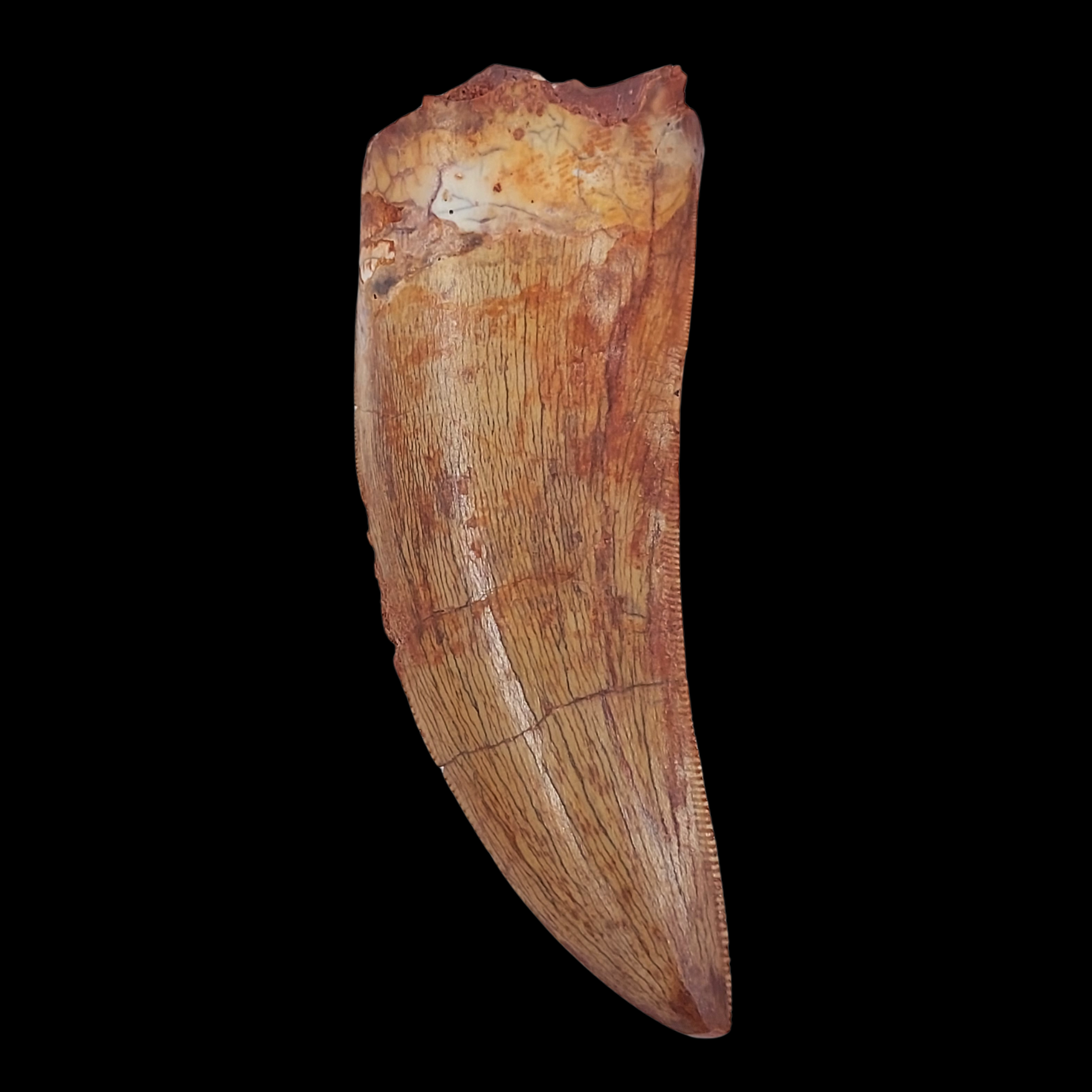
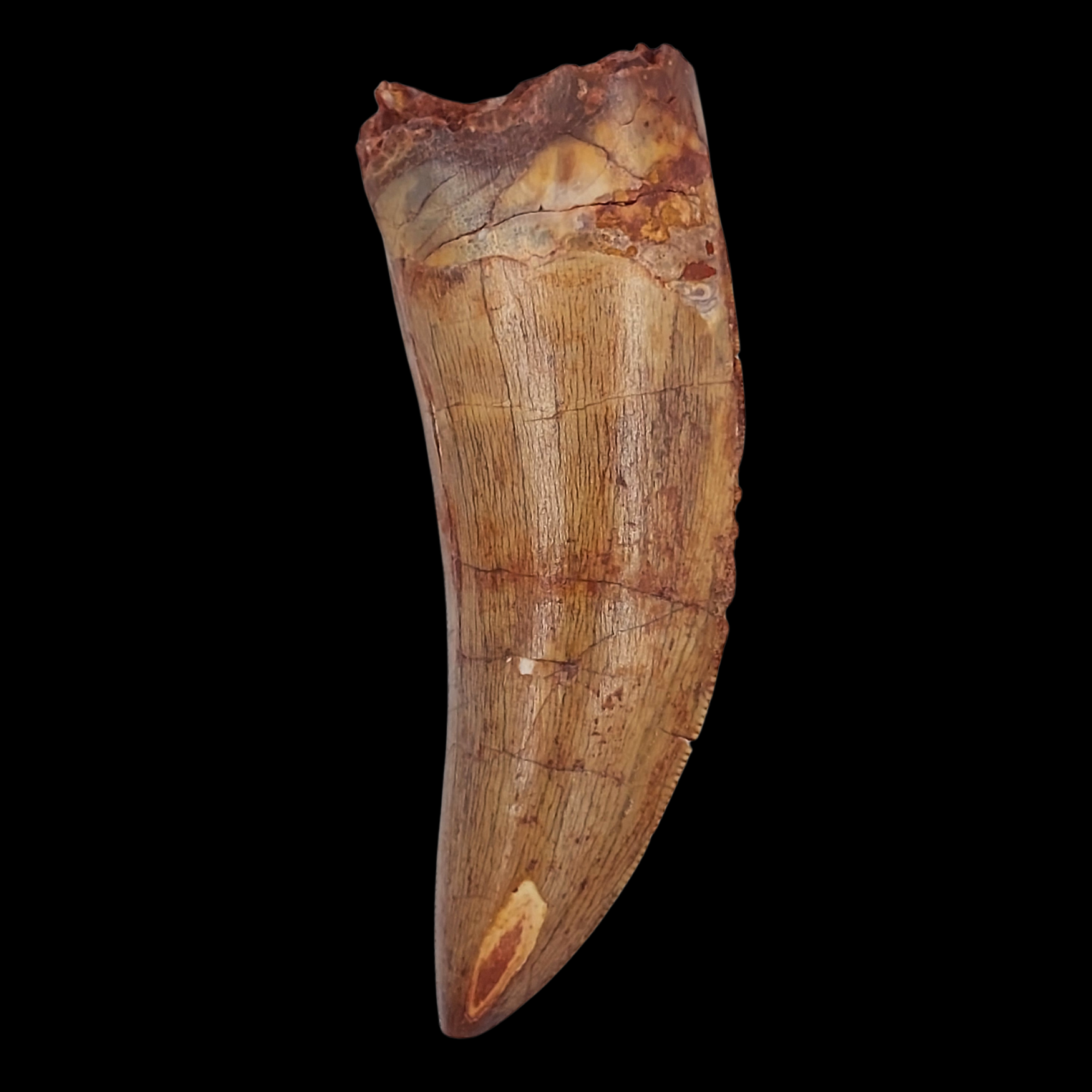
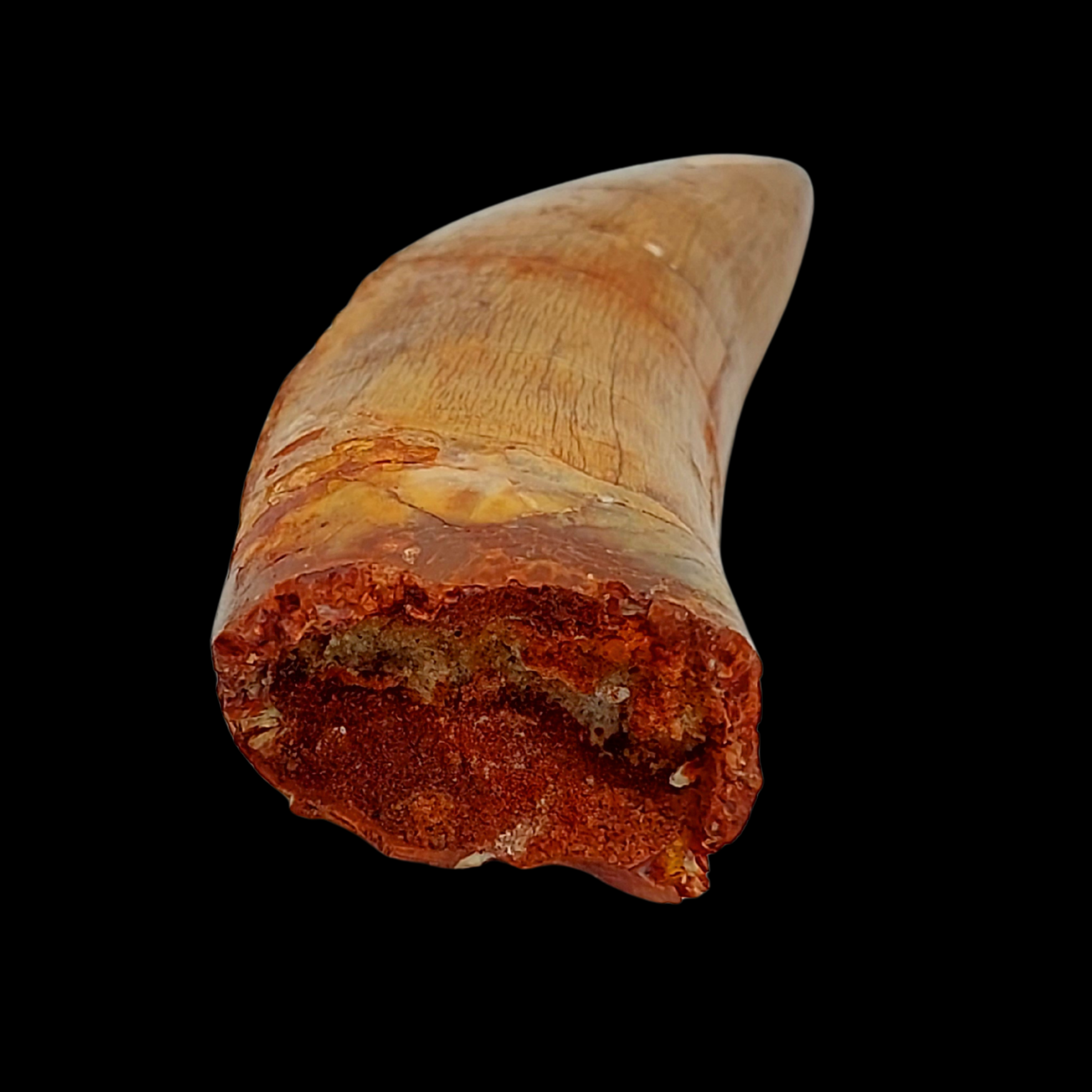
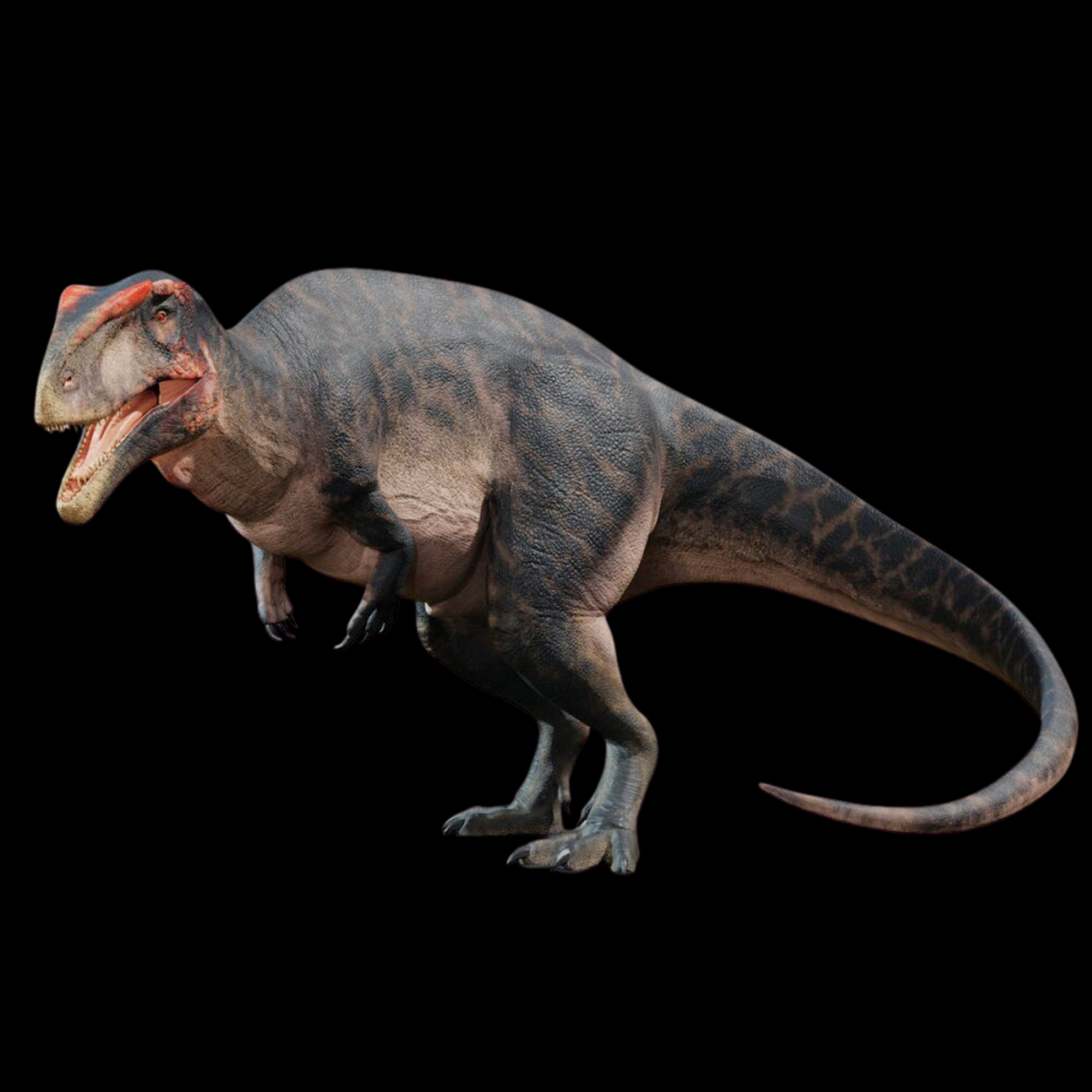
Carcharodontosaurus was a gigantic theropod dinosaur belonging to the family Carcharodontosauridae and one of the dominant terrestrial predators of Cretaceous North Africa. Its name means “shark-toothed lizard,” referring to the distinctive morphology of its large, blade-like teeth, which resemble the cutting teeth of modern sharks. The tooth displayed here exhibits the laterally compressed and recurved form characteristic of a carnivorous theropod, with a robust crown adapted for slicing through soft tissue. Fine enamel texture and the elongated cutting profile reflect the highly specialized feeding anatomy of this enormous predator.
Rarity and Value: The biological and paleontological value of Carcharodontosaurus teeth lies in their direct connection to one of the largest predatory dinosaurs known from Africa. Teeth are among the most frequently preserved theropod remains because their dense mineralized structure resists decomposition and because dinosaurs continuously replaced damaged or lost teeth throughout life. Well-preserved specimens retaining natural enamel, crown morphology, and visible cutting edges are particularly important for paleontological collections. Such fossils provide valuable evidence concerning feeding mechanics, tooth replacement, and the ecological role of giant Cretaceous predators.
Discovery: Fossils of Carcharodontosaurus are known primarily from Cretaceous deposits of North Africa, including the fossil-rich Kem Kem region of Morocco. Approximately 95–100 million years ago, this environment supported extensive river systems inhabited by large fish, crocodilians, pterosaurs, and numerous predatory dinosaurs. Carcharodontosaurus possessed a massive skull equipped with rows of serrated, blade-like teeth adapted for cutting flesh. Scientific analysis of its dental morphology contributes to understanding theropod feeding strategies, predator diversity, and the structure of North African Cretaceous ecosystems.
Human Touch: Following careful acquisition, the fossil tooth was professionally cleaned and preserved to maintain its natural enamel texture, geological coloration, and characteristic morphology. Minimal conservation ensures that important paleontological features remain clearly visible while protecting the fossil from environmental deterioration. Presented as an individual natural history specimen, the tooth allows detailed observation of the specialized dental anatomy of Carcharodontosaurus. This remarkable fossil preserves direct biological evidence of one of the great apex predators that inhabited prehistoric North Africa during the Cretaceous Period.
Delivery
Brought to you by

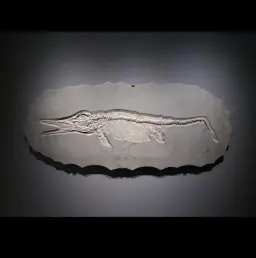
Lot ICH-SK-1
Skeleton of marine predator (Ichthyosaur), circa 178 mln years old, Germany, well preserved
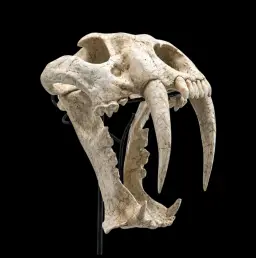
Lot FSL-040
183 600,00 AEDMachairodus Skull – Saber-Toothed Predator of the Miocene
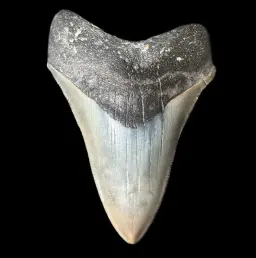
Lot MT96
2 700,00 AEDMegalodon Tooth, 96 gr, Polishing, h 9.5 cm, circa 13 mln years old
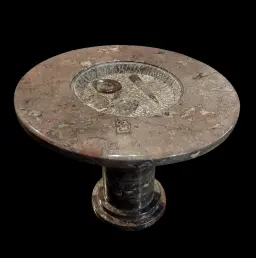
Lot FSL-016
12 900,00 AEDMarble Fossil Table with Orthoceras and Ammonite Cephalopods
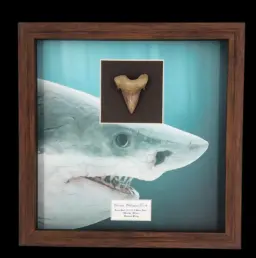
Lot OOT-003
900,00 AEDPrehistoric Power: Authentic Otodus obliquus Tooth, 4.5 cm
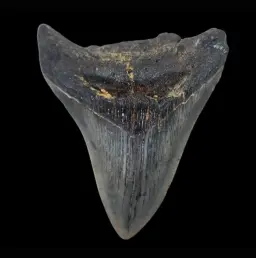
Lot MT-022
2 800,00 AEDMegalodon Tooth, 120gr, h 10.3cm, 13mln years old
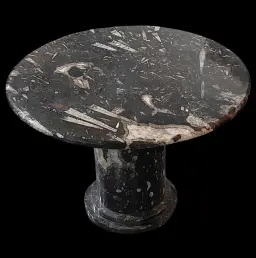
Lot FSL-014
13 960,00 AEDOrthoceras Fossil Marble Table from the Paleozoic Era
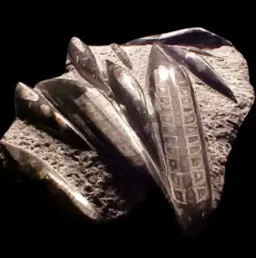
Lot FO-11
Fossil Orthoceras
Lot FSL-008
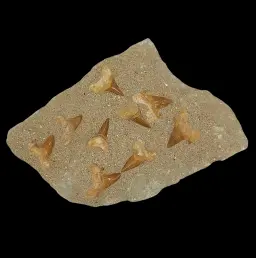
5 500,00 AED1 597 gr Plate of Fossilised Otodus Sharks Teeth
Lot BA-01
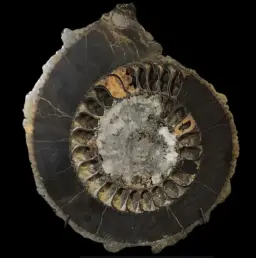
14 700,00 AEDAmmonite Speetoniceras versicolor – A Multicolored Masterpiece of the Early Jurassic Sea
Lot FST-001
Item has been added to your Cart
You cannot add "Fossilized Carcharodontosaurus Tooth" to your cart again.
Enquiry
Lot FST-001
Thank you for your interest. Please fill out the below form, and our specialist will follow up with you shortly.
Thank you for your interest
We will be in touch shortly
We will never pass your personal information to anyone outside of Artefactum Gallery for their own marketing purposes without your consent. For more information about how we processes your data, please click here to read our Privacy Notice.
Brought to you by

Enquiry
Thank you for your interest. Please fill out the below form, and our specialist will follow up with you shortly.
Thank you for your interest
We will be in touch shortly
We will never pass your personal information to anyone outside of Artefactum Gallery for their own marketing purposes without your consent. For more information about how we processes your data, please click here to read our Privacy Notice.
