


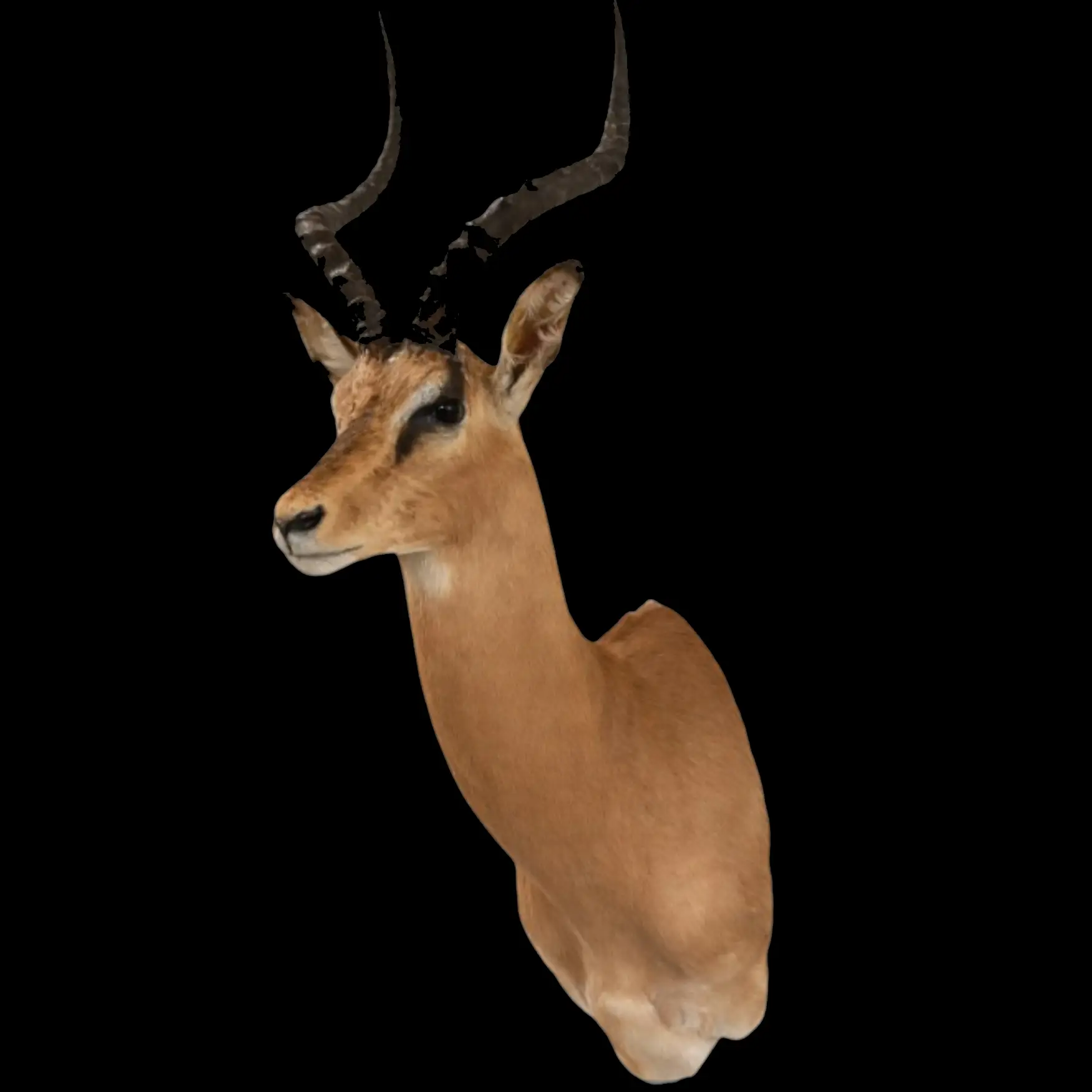
Specifications:
Location:
Other
Size:
Length: 55 cm x Depth: 44 cm x Height: 103 cm
Family:
Bovidae
Animal:
Impala
Available by Request
Price on request

Lot Essay
Delivery
Rarity and Value
The impala (Aepyceros melampus) is one of the most well-known and widely distributed antelope species of sub-Saharan Africa. While the species itself is not rare, high-quality representations—such as expertly prepared taxidermy mounts, accurate skeletal displays, or finely detailed models—are valued for their realism, anatomical accuracy, and educational usefulness. Exceptional examples are appreciated by collectors and institutions for their ability to convey the elegance and natural proportions of the species rather than for scarcity alone.
Discovery and Significance
The impala has long been documented by naturalists and explorers and plays a central role in African savanna ecosystems. As a highly adaptable herbivore, it occupies a key ecological position as both a grazer and browser and as an important prey species for large predators. Its widespread presence and well-studied behavior make it a foundational subject in studies of herd dynamics, predator–prey relationships, and savanna ecology.
Morphology and Accuracy
Accurate representations of the impala emphasize its slender frame, elongated limbs, and streamlined body adapted for speed and agility. Male specimens are distinguished by their graceful, lyre-shaped horns, while both sexes display a refined head structure and alert posture. High-quality work carefully renders musculature, skeletal proportions, and coat patterning, capturing the animal’s characteristic balance of strength and elegance. Attention to stance and anatomical detail is essential to conveying the impala’s fluid motion and athleticism.
Human and Scientific Connection
As a familiar symbol of African wildlife, the impala serves as an important educational reference for understanding antelope anatomy and savanna adaptation. Displayed in museums, academic settings, or private collections, accurate representations support ecological education and conservation awareness. The impala’s form reflects humanity’s long-standing interest in documenting and interpreting the natural world, embodying themes of adaptability, balance, and coexistence within complex ecosystems.
Delivery
Brought to you by


Lot DSLK732
8 000,00 AEDOceanic Relic: Ancient Whale Vertebrae from the Depths of the Norwegian Sea

Lot SW-2
Wolfskin rug 186×150 cm
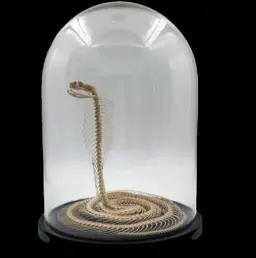
Lot SB-001
3 677,00 AEDPreserved Snake Skeleton in Glass Cloche – A Delicate Study of Natural Form
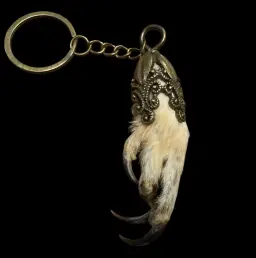
Lot OWP3
300,00 AEDMystic Guardian: Owl Paw Keychain – An Icon of Wisdom and Wild Beauty
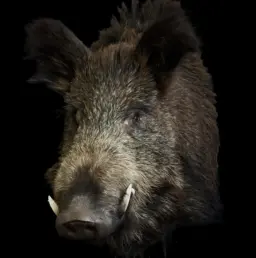
Lot WBM-001
Wild Boar Mouth
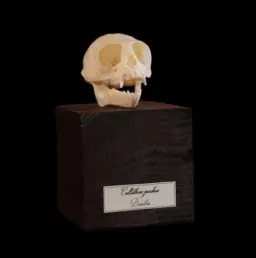
Lot GM34
Callithrix Jacchus Skull – A Rare and Delicate Specimen from Brazil’s Atlantic Forest
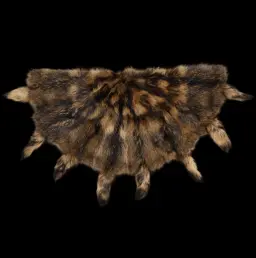
Lot SRR1
Semicircular racoon fur rug

Lot WMTP1
150,00 AEDAuthentic Wolf Molar Tooth Pendant on a Textile Cord – Origin:Grey Wolf

Lot WVO02
Imposing Polar Bear Mount from the Canadian Arctic
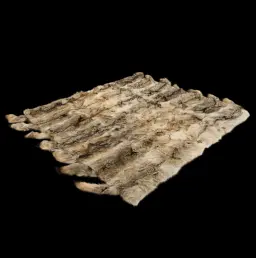
Lot WBB1
80 000,00 AEDLuxe Gray Wolf Fur Blanket with Authentic Wolf Tails, 215 x 225 cm
Lot IAC-110
Item has been added to your Cart
Enquiry
Lot IAC-110
Thank you for your interest. Please fill out the below form, and our specialist will follow up with you shortly.
Thank you for your interest
We will be in touch shortly
We will never pass your personal information to anyone outside of Artefactum Gallery for their own marketing purposes without your consent. For more information about how we processes your data, please click here to read our Privacy Notice.
Brought to you by

Enquiry
Thank you for your interest. Please fill out the below form, and our specialist will follow up with you shortly.
Thank you for your interest
We will be in touch shortly
We will never pass your personal information to anyone outside of Artefactum Gallery for their own marketing purposes without your consent. For more information about how we processes your data, please click here to read our Privacy Notice.