



Specifications:
Location:
Europe
Genus:
Lycaenidae sp.
Size:
12 cm
Material:
Glass cloche
Available in Dubai
450,00 AED

Lot Essay
Delivery
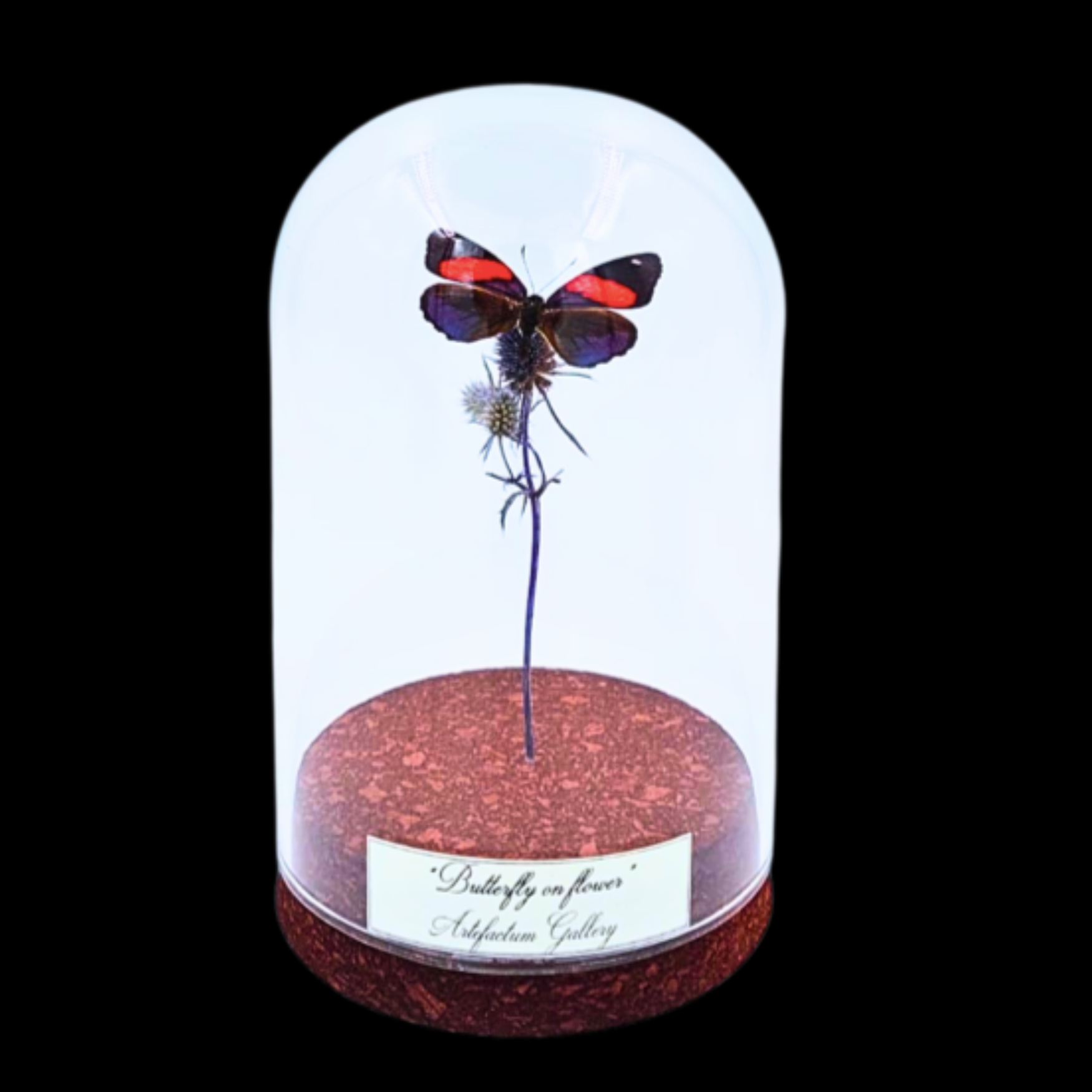
Lycaenidae sp., a representative of the diverse butterfly family Lycaenidae, is a delicate and highly specialized species native to Europe. Members of this family are widely known as blues, coppers, and hairstreaks and are celebrated for their remarkable wing coloration, intricate scale structure, and ecological complexity. The specimen displayed here exhibits vivid crimson-red forewing markings contrasted against deep violet and dark brown tones, creating a striking visual effect rarely encountered among European butterflies. Such coloration is produced through a combination of pigmentation and microscopic wing-scale structures that manipulate light. Despite their often modest size, lycaenid butterflies represent one of the most evolutionarily successful and biologically diverse groups of Lepidoptera.
Rarity and Value: The value of Lycaenidae butterflies lies in their delicate morphology, specialized ecological requirements, and remarkable diversity of coloration. Many species depend upon specific host plants and highly localized habitats, making them particularly sensitive to environmental change. Specimens displaying complete wing integrity, vibrant coloration, and intact scales are highly desirable for scientific collections and decorative displays. The dramatic contrast between the brilliant red forewing markings and the deep violet hindwings makes this specimen especially attractive. Well-preserved examples provide important insight into the extraordinary diversity and evolutionary adaptations found within European butterfly fauna.
Discovery: The family Lycaenidae includes more than six thousand species worldwide and is renowned for complex ecological interactions. Many lycaenid larvae maintain associations with ants, forming highly specialized symbiotic relationships known as myrmecophily. Adults are commonly encountered in meadows, woodland clearings, and flower-rich habitats where they feed on nectar and participate in pollination networks. Scientific research on Lycaenidae contributes valuable knowledge regarding insect communication, coevolution, habitat specialization, and biodiversity conservation. Their often intricate ecological relationships make them important indicators of environmental health.
Human Touch: Following ethical sourcing, the butterfly was carefully preserved and displayed upon a natural dried bloom within a glass cloche. The elegant floral setting complements the vivid wing coloration while creating a refined composition inspired by nature itself. Expert preparation preserves the delicate wing scales, structural coloration, and anatomical details while protecting the specimen from environmental damage. The glass cloche transforms this remarkable butterfly into a timeless work of natural art, allowing detailed appreciation of its intricate beauty. This preserved Lycaenidae specimen celebrates the diversity of European butterflies and preserves a striking example of nature’s evolutionary artistry.
Delivery
Brought to you by

Need more details?
Lot FB-117
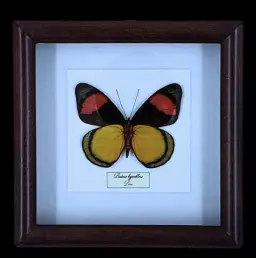
420,00 AEDMasterpiece of Amazonian Mimicry: Batesia hypochlora in Frame, Peru
Lot DLBTL04
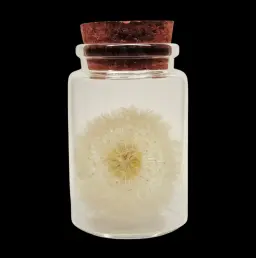
100,00 AEDCaptivating Elegance – Preserved Dandelion in Glass Bottle, 8 cm High
Lot DNL
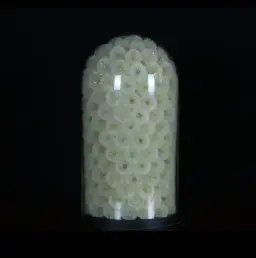
7 000,00 AEDExceptionally Rare Preserved Dandelion in Glass Cloche – A Masterpiece of Eternal Beauty
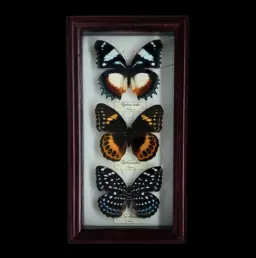
Lot FB-124
2 100,00 AEDCollection of Hypolimnas butterflies in Frame
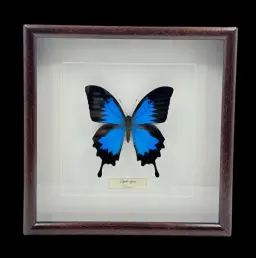
Lot PUB29
570,00 AEDAzure Majesty: The Enchanting Papilio Ulysses of Indonesia
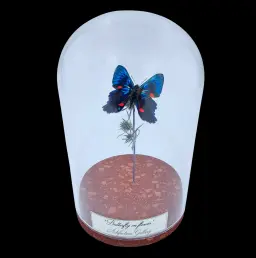
Lot BGC-101
450,00 AEDAncyluris meliboeus on dried bloom in Glass cloche, Peru
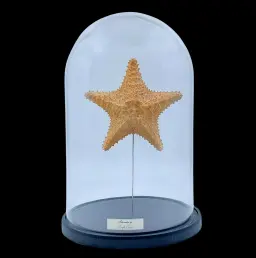
Lot ENT-041
2 100,00 AEDAsteroidea sp. in Glass Cloche 32 cm, Pacific Ocean
Lot M-02
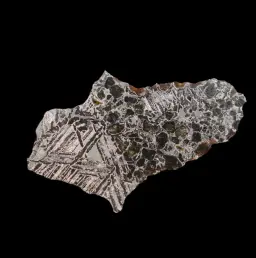
26 150,00 AED285 g iron-nickel Pallasite meteorite slice with Widmanstätten pattern, 4 bln years old
Lot JBSV1
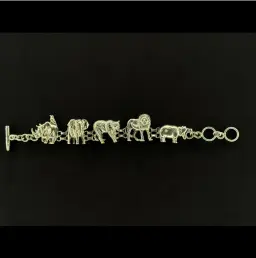
8 000,00 AEDSilver Bracelet African Dangerous England
Lot VPK1
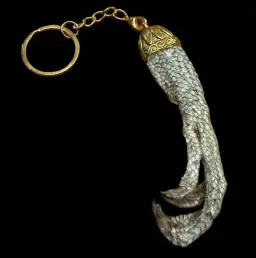
300,00 AEDVaranus Paw Keychain: A Symbol of Ancient Reptilian Majesty
Lot BGC-106
Item has been added to your Cart
You cannot add "Lycaenidae sp. on dried bloom in Glass cloche, Europe" to your cart again.
Enquiry
Lot BGC-106
Thank you for your interest. Please fill out the below form, and our specialist will follow up with you shortly.
Thank you for your interest
We will be in touch shortly
We will never pass your personal information to anyone outside of Artefactum Gallery for their own marketing purposes without your consent. For more information about how we processes your data, please click here to read our Privacy Notice.
Brought to you by

Enquiry
Thank you for your interest. Please fill out the below form, and our specialist will follow up with you shortly.
Thank you for your interest
We will be in touch shortly
We will never pass your personal information to anyone outside of Artefactum Gallery for their own marketing purposes without your consent. For more information about how we processes your data, please click here to read our Privacy Notice.
