



Specifications:
Location:
Morocco
Size:
50 x 60 cm
Age:
approximately 450–66 million years
Period:
Cretaceous
Material:
Orthoceras cephalopod | Marble | Ammonite Cephalopods
Available in Dubai
12 900,00 AED

Lot Essay
Delivery
Rarity and Value
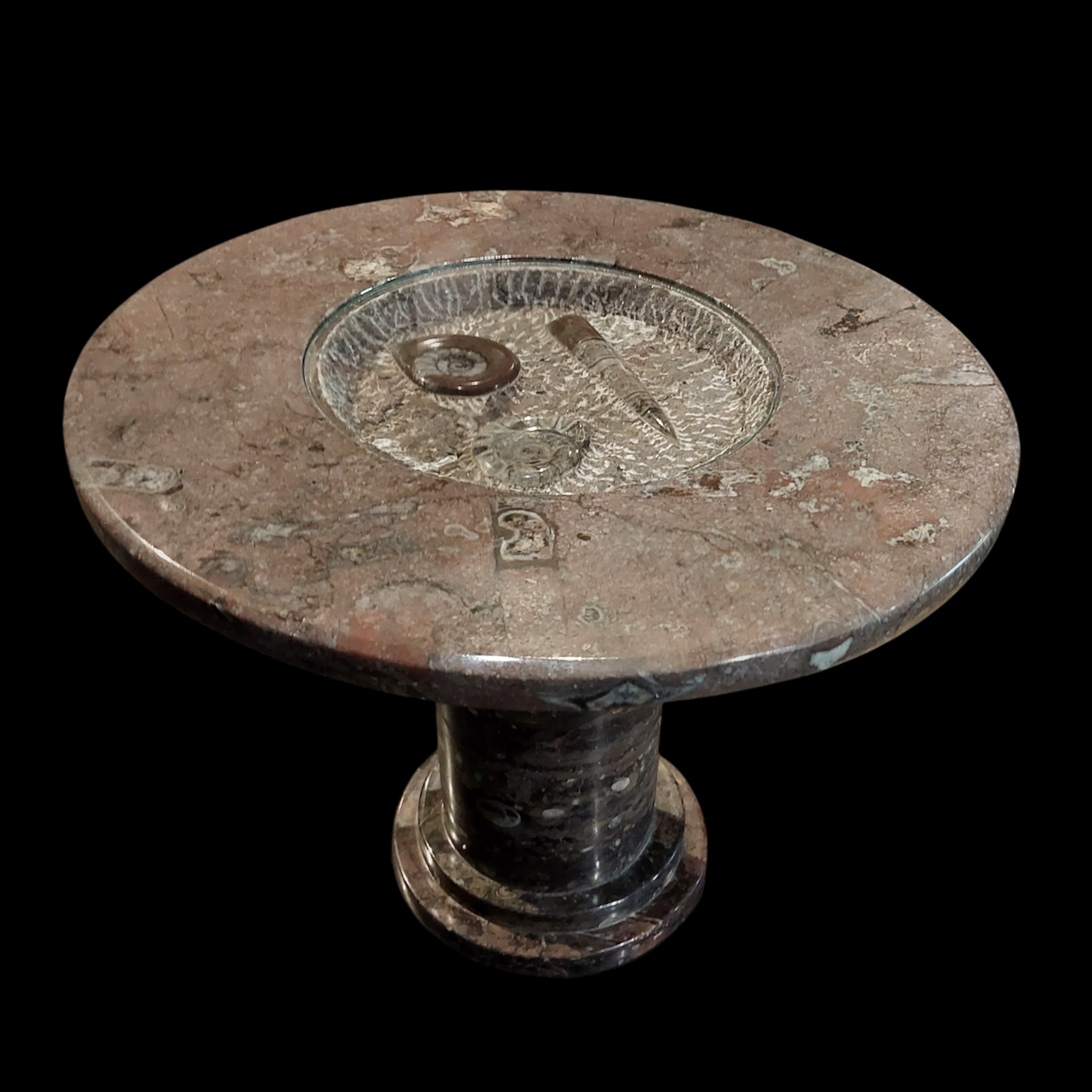
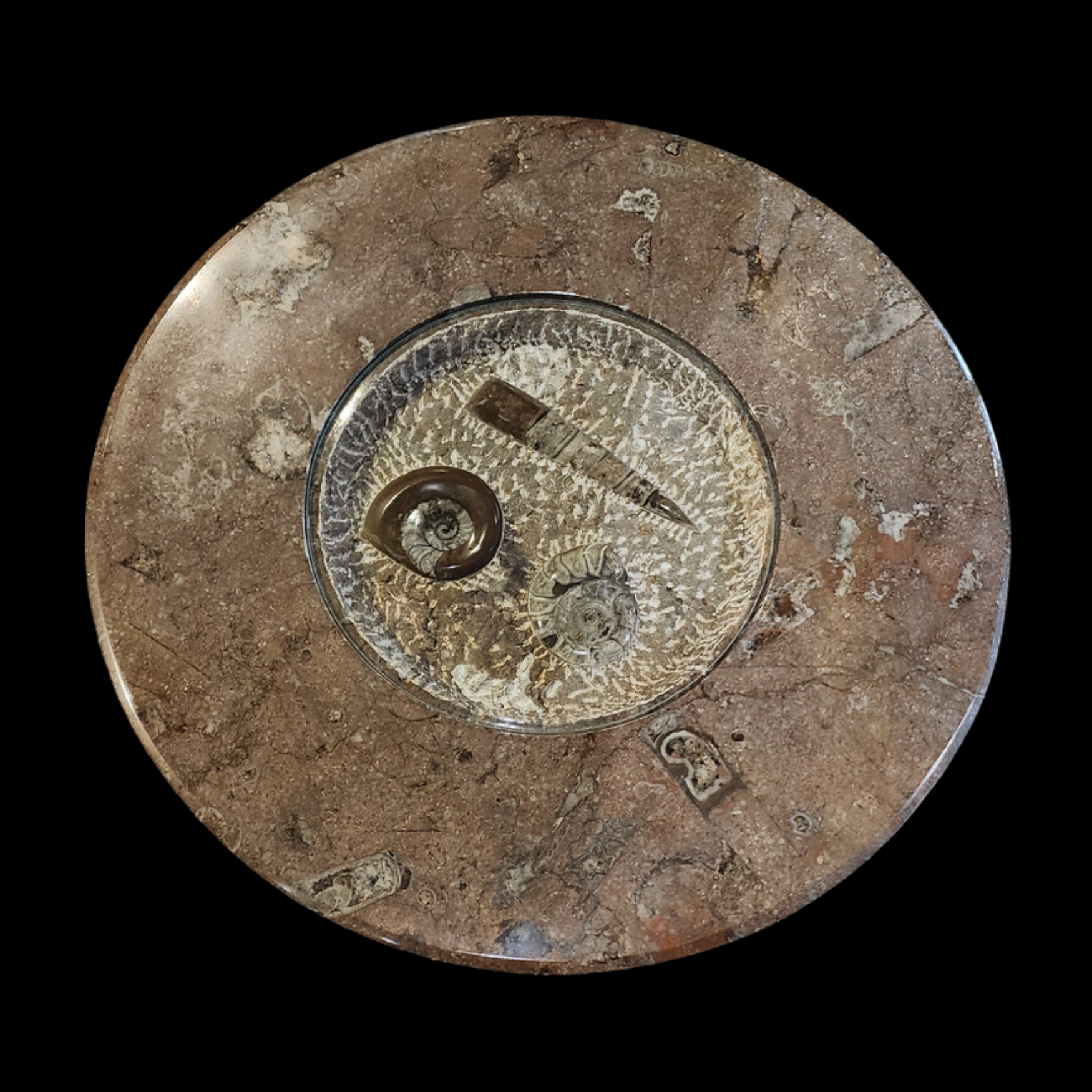
This fossil marble table preserves a biologically diverse assemblage of extinct marine cephalopods embedded within a polished sedimentary limestone matrix. The composition prominently features Orthoceras nautiloids together with spiral ammonites preserved inside a circular inset section surrounded by fossiliferous marble. Orthoceras were primitive straight-shelled cephalopods characterized by elongated chambered shells used for buoyancy regulation in ancient Paleozoic seas, while ammonites belonged to a highly evolved group of coiled cephalopods that dominated marine ecosystems during the Mesozoic Era. The visible shell morphology, including segmented internal chambers and spiral whorl structures, preserves important biological adaptations associated with locomotion, hydrostatic control, and active predatory behavior. Fossil associations combining Orthoceras and ammonites are especially valued because they document distinct evolutionary stages in cephalopod development spanning hundreds of millions of years of marine biological history.
Discovery
The fossils originate from marine carbonate deposits formed on ancient seabeds that once supported abundant cephalopod populations in warm shallow epicontinental seas. During the Paleozoic and Mesozoic eras, extensive marine environments covered large parts of present-day North Africa, creating highly productive ecosystems inhabited by cephalopods, trilobites, fish, and early marine reptiles. Following death, the shells accumulated within carbonate sediments where rapid burial protected their anatomical structures and enabled long-term mineralization. The Orthoceras specimens preserve elongated conical shell geometry with visible chamber divisions and siphuncular canals associated with buoyancy regulation, while the ammonites display tightly coiled shells reflecting advanced evolutionary specialization among marine mollusks. These fossils provide significant paleontological evidence for studying cephalopod evolution, marine predator diversification, and the ecological complexity of prehistoric oceans that existed long before the appearance of modern marine ecosystems.
Preservation
The fossils are exceptionally preserved within a polished limestone matrix that stabilizes the specimens while exposing delicate biological structures with remarkable clarity. The Orthoceras shells retain visible chamber segmentation and longitudinal internal anatomy, allowing detailed observation of septal spacing and shell tapering characteristic of early nautiloid cephalopods. The ammonites preserve clear spiral whorl structures and chambered shell morphology despite extensive fossilization over geological timescales. Contrasting coloration between fossil material and surrounding carbonate matrix reflects natural mineral replacement processes occurring during burial and lithification beneath ancient marine sediments. The polished surface simultaneously reveals cross-sections and longitudinal views of multiple specimens, offering valuable scientific and educational insight into cephalopod anatomy, shell development, and marine paleoecology. Such preservation quality contributes important biological evidence for understanding the evolutionary history of marine mollusks that once dominated Earth’s ancient oceans across multiple geological eras.
Delivery
Brought to you by

Need more details?
Lot FSL-045
3 650,00 AEDMegalodon Tooth, 73 g, h 9.5 cm, circa 13 mln years old
Lot FSL-034
1 800,00 AEDMosasaur Tooth – Relic of a Cretaceous Sea Predator
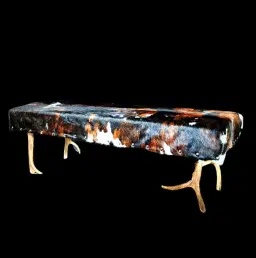
Lot GWM450-K
Exclusive Antler Bench – Statement of Natural Sophistication
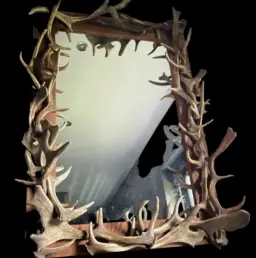
Lot MOF-11
Mirror of antlers
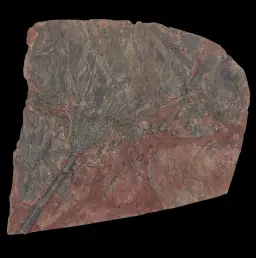
Lot FSL-003
12 860,00 AEDCrinoid Fossil Slab with Articulated Sea Lilies
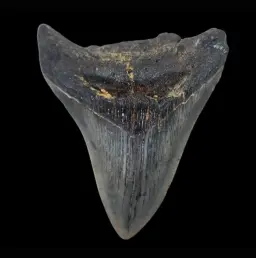
Lot MT-022
2 800,00 AEDMegalodon Tooth, 120gr, h 10.3cm, 13mln years old
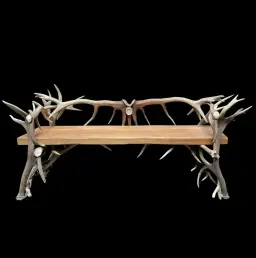
Lot GWM300-A
Robust Antler Bench with Oak – Strength and Elegance Combined
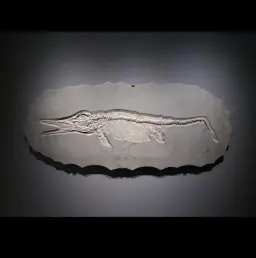
Lot ICH-SK-1
380 000,00 AEDSkeleton of marine predator (Ichthyosaur), circa 178 mln years old, Germany, well preserved
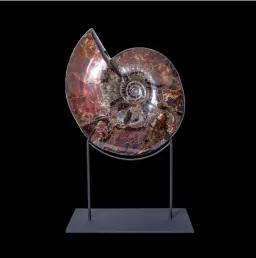
Lot ACD1
Ammonite Craspedodiscus Discofalcatus
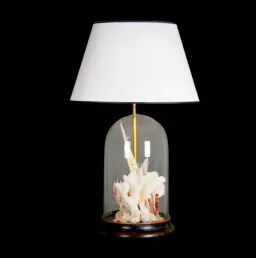
Lot LG-001
Light in Glass Globe with Seashells – A Window to the Ocean’s Beauty
Lot FSL-016
Item has been added to your Cart
You cannot add "Marble Fossil Table with Orthoceras and Ammonite Cephalopods" to your cart again.
Enquiry
Lot FSL-016
Thank you for your interest. Please fill out the below form, and our specialist will follow up with you shortly.
Thank you for your interest
We will be in touch shortly
We will never pass your personal information to anyone outside of Artefactum Gallery for their own marketing purposes without your consent. For more information about how we processes your data, please click here to read our Privacy Notice.
Brought to you by

Enquiry
Thank you for your interest. Please fill out the below form, and our specialist will follow up with you shortly.
Thank you for your interest
We will be in touch shortly
We will never pass your personal information to anyone outside of Artefactum Gallery for their own marketing purposes without your consent. For more information about how we processes your data, please click here to read our Privacy Notice.