


Specifications:
Location:
Kem-Kem, Morocco
Size:
8 x 7 cm
Age:
50–120 million years old
Period:
Cretaceous
Weight:
125 gr
Type:
Septarian concretion
Material:
Calcite (CaCO₃), Aragonite (CaCO₃ polymorph), Limestone matrix, Clay minerals, Iron oxide mineralization (hematite/goethite traces)
Available in Dubai
800,00 AED

Lot Essay
Delivery
Rarity and Value
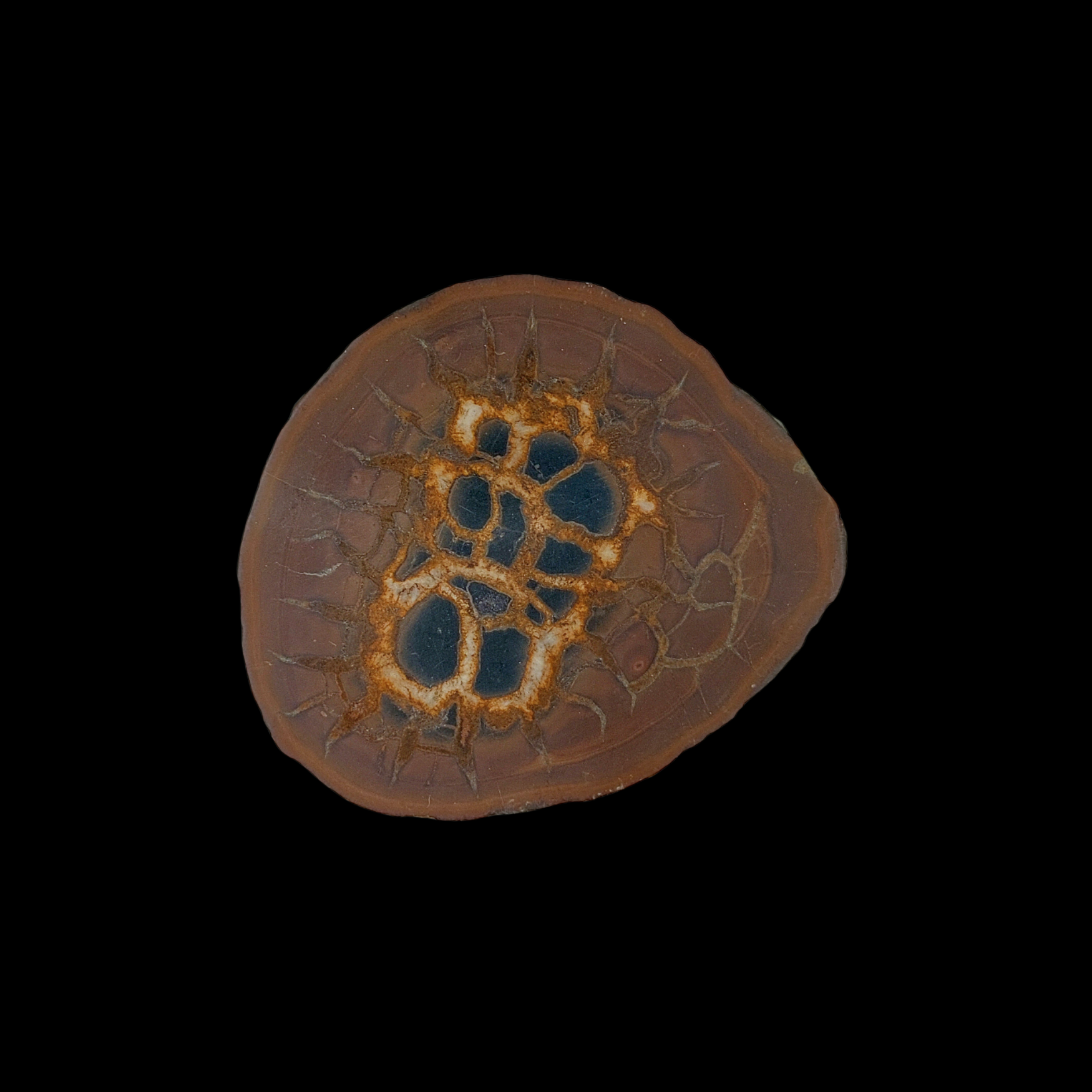
Natural Desert Septaria, widely known as “Dragon Stone,” is a rare sedimentary concretion distinguished by its extraordinary internal mineral architecture and naturally occurring polygonal fracture system. The specimen displayed here reveals a remarkable network of pale mineral veins surrounding darker internal chambers, framed by reddish-brown outer zones created through iron-rich mineralization. These geometric patterns formed naturally over millions of years as ancient clay-rich sediments contracted and fractured during dehydration. Septarian nodules of this quality are especially valued for their highly contrasting coloration, symmetrical internal organization, and exceptional mineral definition. Each concretion develops a completely unique structure, making every specimen scientifically and visually distinct. The dramatic mineral partitioning visible within this polished section resembles biological or reptilian textures, giving rise to the popular term “Dragon Stone” among collectors and mineralogical enthusiasts.
Discovery
Septarian concretions form within marine or sedimentary deposits where mineral-rich mud accumulates around a central nucleus and gradually hardens over geological timescales. During burial and compaction, the interior begins to shrink and crack, creating polygonal fracture systems that later become filled with secondary minerals including calcite, aragonite, limestone, and iron-bearing compounds. The specimen shown here preserves a well-developed septarian structure with clearly defined mineral infillings and stabilized contraction fractures. Such formations are most commonly associated with ancient desert and marine sedimentary environments where changing groundwater chemistry promoted slow mineral precipitation inside the cavities. Septaria provide important geological evidence of diagenetic transformation, mineral replacement, and sedimentary stabilization processes occurring deep within the Earth’s crust.
Preservation
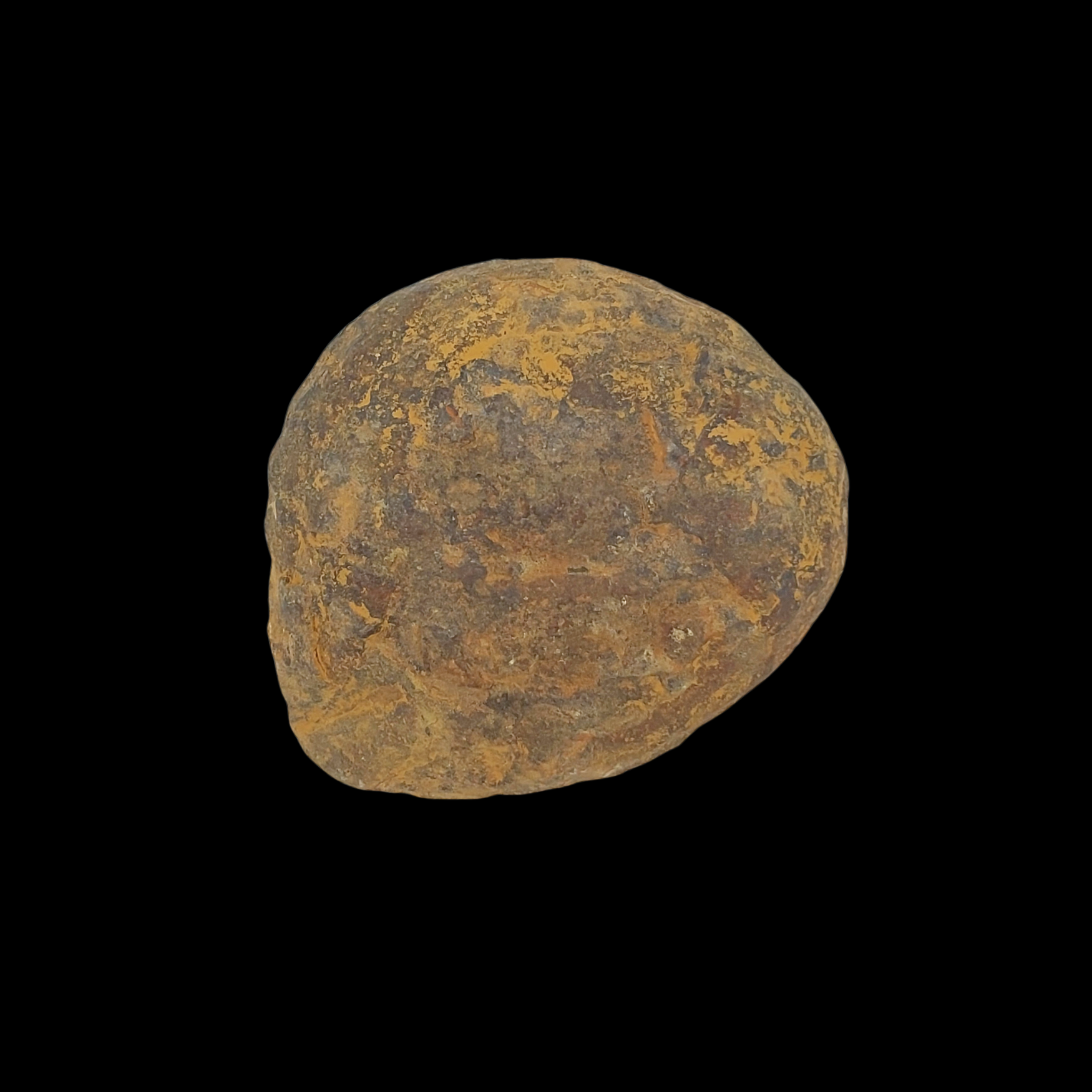
This Natural Desert Septaria specimen preserves exceptional mineralogical detail, including sharply defined fracture networks, contrasting mineral zones, and complex crystalline infillings embedded within the sedimentary matrix. The polished surface exposes the concretion’s internal geometry while maintaining its naturally formed mineral boundaries and structural organization. Variations in color—from deep reddish-brown outer regions to pale calcitic veins and darker internal chambers—reflect differences in mineral concentration, oxidation, and crystallization during formation. The specimen retains its original rounded morphology together with its naturally developed septarian fracture system, preserving a direct geological record of mineral growth and sedimentary evolution across millions of years.
Delivery
Brought to you by

Need more details?

Lot TS-001
58 000,00 AEDBlack Tourmaline (Schorl) from the Malkhan Pegmatite Field
Lot MNR-010
800,00 AEDNatural Desert Septaria “Dragon Stone”, 155 gr
Lot BCM-0021
Blue Chalcedony in Matrix
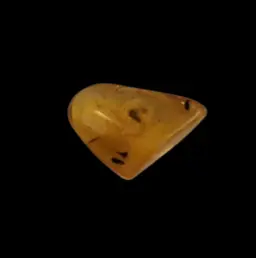
Lot AWM-002
500,00 AEDAmber with Prehistoric Mosquito

Lot LS-002
7 300,00 AEDLabradorite
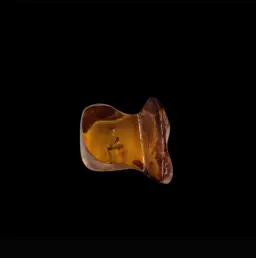
Lot AKR-001
4 200,00 AEDPiece of Amber with Mosquito Inclusion – A Moment Frozen in Time
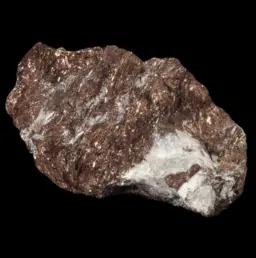
Lot MA-0021
17 000,00 AEDAstrophyllite
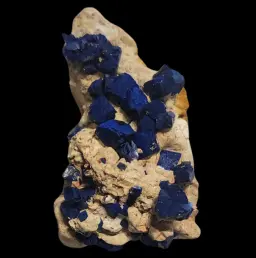
Lot AMS-001
2 300,00 AEDAzurite on Matrix
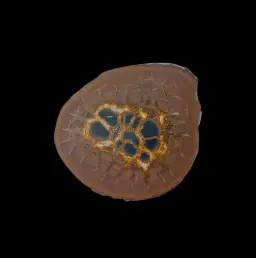
Lot MNR-006
800,00 AEDNatural Desert Septaria “Dragon Stone”, 153 gr
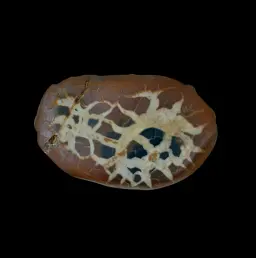
Lot MNR-012
800,00 AEDNatural Desert Septaria “Dragon Stone”, 133 gr
Lot MNR-008
Item has been added to your Cart
You cannot add "Natural Desert Septaria “Dragon Stone”, 125 gr" to your cart again.
Enquiry
Lot MNR-008
Thank you for your interest. Please fill out the below form, and our specialist will follow up with you shortly.
Thank you for your interest
We will be in touch shortly
We will never pass your personal information to anyone outside of Artefactum Gallery for their own marketing purposes without your consent. For more information about how we processes your data, please click here to read our Privacy Notice.
Brought to you by

Enquiry
Thank you for your interest. Please fill out the below form, and our specialist will follow up with you shortly.
Thank you for your interest
We will be in touch shortly
We will never pass your personal information to anyone outside of Artefactum Gallery for their own marketing purposes without your consent. For more information about how we processes your data, please click here to read our Privacy Notice.