


Specifications:
Location:
Other
Size:
75–90 cm
Family:
Phasianidae
Animal:
Pheasant
Available by Request
Price on request

Lot Essay
Delivery
Rarity and Value
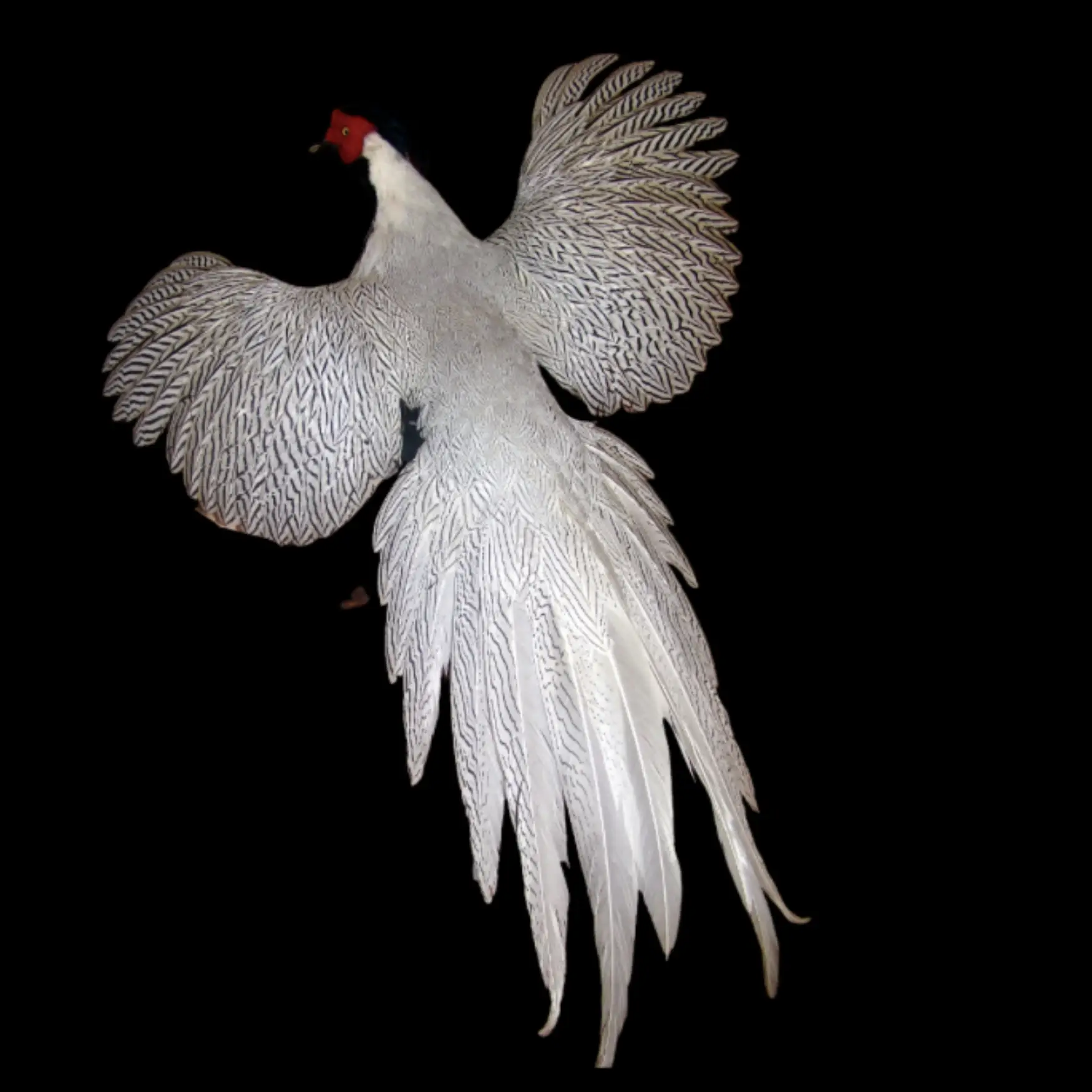
Taxidermy specimens of the Common Pheasant (Phasianus colchicus) are widely recognized in natural history collections and decorative wildlife displays. While the species itself is common across much of its native and introduced range, high-quality taxidermy mounts are valued for their craftsmanship, feather condition, and accurate presentation rather than rarity alone. Specimens displaying exceptional plumage—particularly color variants such as leucistic or unusually patterned individuals—are especially prized by collectors, educators, and institutions for their visual distinctiveness and educational appeal.
Discovery and Significance
Phasianus colchicus is native to Asia but has been extensively introduced across Europe, North America, and other regions, where it has become one of the most familiar game birds. Historically associated with agriculture, hunting traditions, and landscape management, the species holds significant cultural and ecological importance. As a ground-dwelling bird, it provides insight into avian adaptation to open fields, woodland edges, and human-altered environments. Taxidermy specimens have long been used in educational settings to illustrate avian diversity, plumage variation, and species distribution.
Morphology and Accuracy
High-quality pheasant taxidermy emphasizes the species’ elongated body, long tail feathers, and strong legs adapted for terrestrial movement. In males, accurate rendering of plumage coloration, patterning, and iridescence is critical, as these features are central to species identification and visual impact. Attention to feather alignment, posture, and head detail ensures a lifelike representation. In color variants, careful preservation of unique pigmentation is essential to maintaining anatomical and visual authenticity.
Human and Scientific Connection
Taxidermy specimens of Phasianus colchicus serve as valuable tools for the study of avian anatomy, plumage variation, and ecological adaptation. Displayed in museums, academic institutions, and private collections, they support education in ornithology and wildlife conservation. As one of the most widely recognized pheasant species, the Common Pheasant reflects humanity’s long-standing relationship with birds—spanning observation, study, cultural tradition, and the documentation of biodiversity.
Delivery
Brought to you by

Lot C1
3 000,00 AEDHedgehog Skeletons Encased in a Glass Cloche
Lot NH-021
1 200,00 AEDBear Claw and Quartz Blade on Whale Bone – Tribal Symbol of Power and Craft
Lot RB1
Leopard Skull – Trophy of Africa’s Stealthy Predator
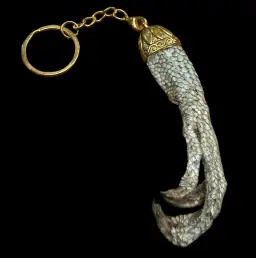
Lot VPK1
300,00 AEDVaranus Paw Keychain: A Symbol of Ancient Reptilian Majesty
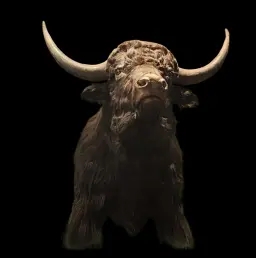
Lot CJFG934
25 000,00 AEDTibetan Yak Trophy Mount. Tibetan Yak Trophy Mount – A Majestic Emblem of the High Himalayas
Lot MX1
17 999,00 AEDWalrus Mace, “Eskimos of Alaska and lying walrus” Decorative arm
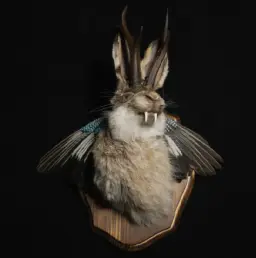
Lot XFK832
3 700,00 AEDEnigmatic Jackrabbit with Jay Wings, a Unique Hybrid Masterpiece
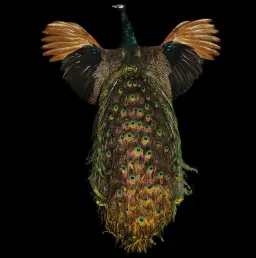
Lot DGK45
20 000,00 AEDExquisite Stuffed Peacock – A Stunning Representation of Nature’s Most Resplendent Bird
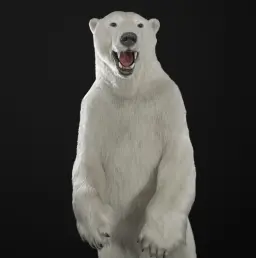
Lot WVO02
Imposing Polar Bear Mount from the Canadian Arctic
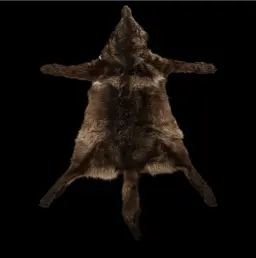
Lot SBR001
18 000,00 AEDStuffed brown wolf
Lot WP-003
Item has been added to your Cart
You cannot add "Phasianus colchicus (Phasianus colchicus)" to your cart again.
Enquiry
Lot WP-003
Thank you for your interest. Please fill out the below form, and our specialist will follow up with you shortly.
Thank you for your interest
We will be in touch shortly
We will never pass your personal information to anyone outside of Artefactum Gallery for their own marketing purposes without your consent. For more information about how we processes your data, please click here to read our Privacy Notice.
Brought to you by

Enquiry
Thank you for your interest. Please fill out the below form, and our specialist will follow up with you shortly.
Thank you for your interest
We will be in touch shortly
We will never pass your personal information to anyone outside of Artefactum Gallery for their own marketing purposes without your consent. For more information about how we processes your data, please click here to read our Privacy Notice.