


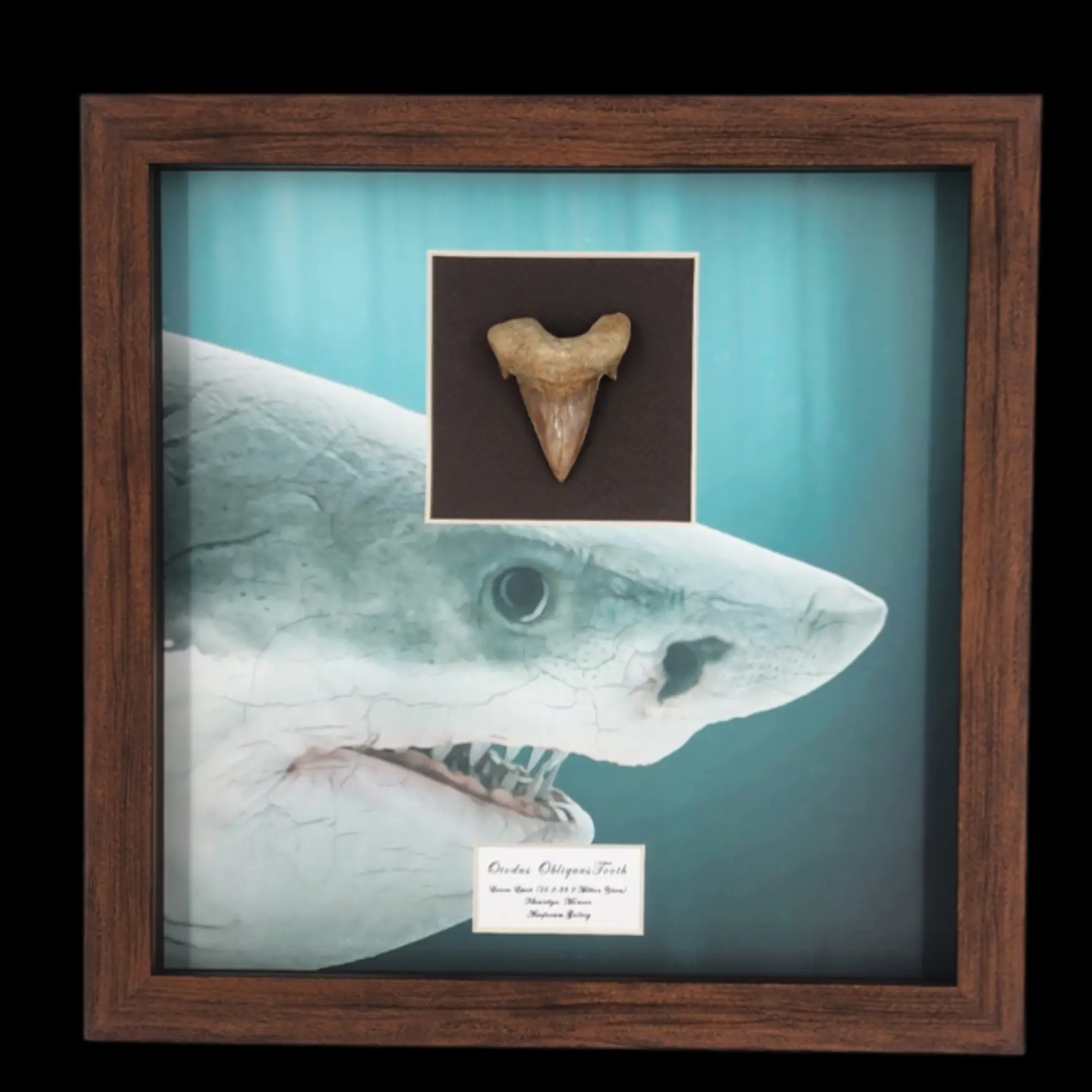
Specifications:
Location:
Other
Genus:
Otodus
Age:
33.9-55.9 million years
Period:
Paleogene
Tooth size:
4.4 cm x 4 cm
Frame size:
27 cm x 27 cm
Material:
Shark tooth
Available in Dubai
900,00 AED

Lot Essay
Delivery
Rarity and Value
This exceptional Otodus obliquus tooth dates to the Paleocene–early Eocene epoch, around 60–50 million years ago, a formative period following the extinction of the dinosaurs. Large, well-preserved teeth from this species are highly sought after due to their age, size, and clear diagnostic features. The presence of intact lateral cusplets, sharp cutting edges, and a complete root significantly enhances both its scientific and collector value, making specimens of this quality increasingly rare.
Discovery and Significance
Otodus obliquus represents one of the earliest members of the megatoothed shark lineage, a group that would later culminate in Otodus megalodon. Appearing relatively soon after the end-Cretaceous mass extinction, this species played a key role in the re-establishment of apex predators in marine ecosystems. The tooth provides direct evidence of early Cenozoic oceanic food webs and the rapid evolutionary recovery of large marine carnivores.
Morphology and Preservation
The tooth is characterized by a broad triangular central cusp flanked by two distinct lateral cusplets, a defining feature of the species. Composed primarily of mineralized enameloid, it exhibits excellent hardness and long-term fossil stability. The crown retains its original geometry and surface texture, while the root remains robust and well-defined, indicating minimal post-depositional damage and high-quality fossilization.
Human and Scientific Connection
Bridging deep geological time with modern study and appreciation, an Otodus obliquus tooth is both a scientific artifact and a natural sculpture. It embodies a moment when marine life rebounded and diversified after global catastrophe, offering insight into resilience, adaptation, and evolutionary innovation. Carefully collected and preserved, it allows contemporary observers to engage directly with Earth’s ancient oceans and the formidable predators that once ruled them.
Delivery
Brought to you by

Need more details?
Lot MTS-002
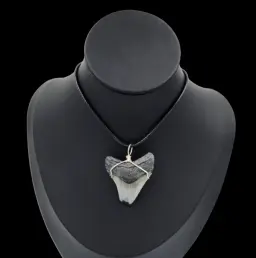
1 000,00 AEDMegalodon Tooth -Pendant, 9.7gr
Lot SSTC1
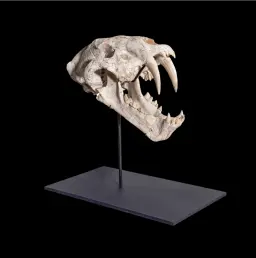
The skull of a Saber-Toothed Cat Machairodus Sp.
Lot AAT-0125
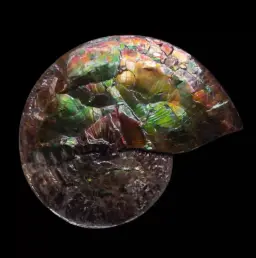
128 000,00 AEDAmmonite with Ammolite Layer – Monument from the Dawn of the Mesozoic 25 cm, Double-Sided
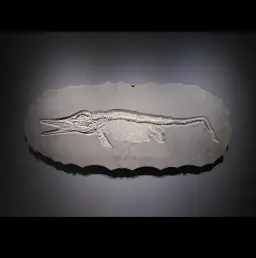
Lot ICH-SK-1
Skeleton of marine predator (Ichthyosaur), circa 178 mln years old, Germany, well preserved
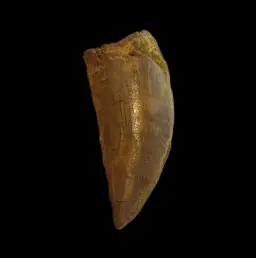
Lot DTH-1
6 150,00 AEDFerocious Relic: Authentic Carcharodontosaurus Tooth from Morocco
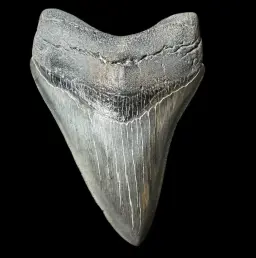
Lot MT90
Megalodon Tooth, 125 gr, Polishing, h 11 cm, circa 13 mln years old
Lot KF-002
350,00 AEDKeychain Featuring Ammonite Fossil
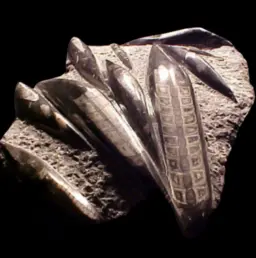
Lot FO-11
Fossil Orthoceras
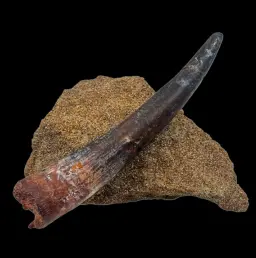
Lot SP-001
6 200,00 AEDTooth of Spinosaurus – Relic of the Great River Hunter
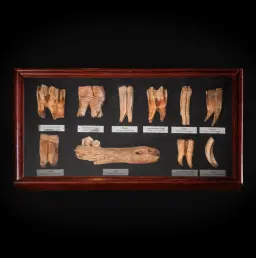
Lot YFVH54
16 000,00 AEDCollection of Pleistocene Mammalian Teeth – Fossilized Remnants from Siberia’s Ice Age Giants
Lot OOT-003
Item has been added to your Cart
You cannot add "Prehistoric Power: Authentic Otodus obliquus Tooth, 4.5 cm" to your cart again.
Enquiry
Lot OOT-003
Thank you for your interest. Please fill out the below form, and our specialist will follow up with you shortly.
Thank you for your interest
We will be in touch shortly
We will never pass your personal information to anyone outside of Artefactum Gallery for their own marketing purposes without your consent. For more information about how we processes your data, please click here to read our Privacy Notice.
Brought to you by

Enquiry
Thank you for your interest. Please fill out the below form, and our specialist will follow up with you shortly.
Thank you for your interest
We will be in touch shortly
We will never pass your personal information to anyone outside of Artefactum Gallery for their own marketing purposes without your consent. For more information about how we processes your data, please click here to read our Privacy Notice.