Rarity and Value
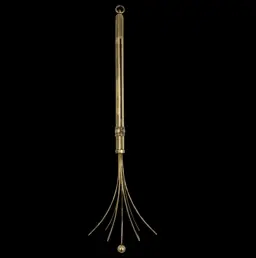
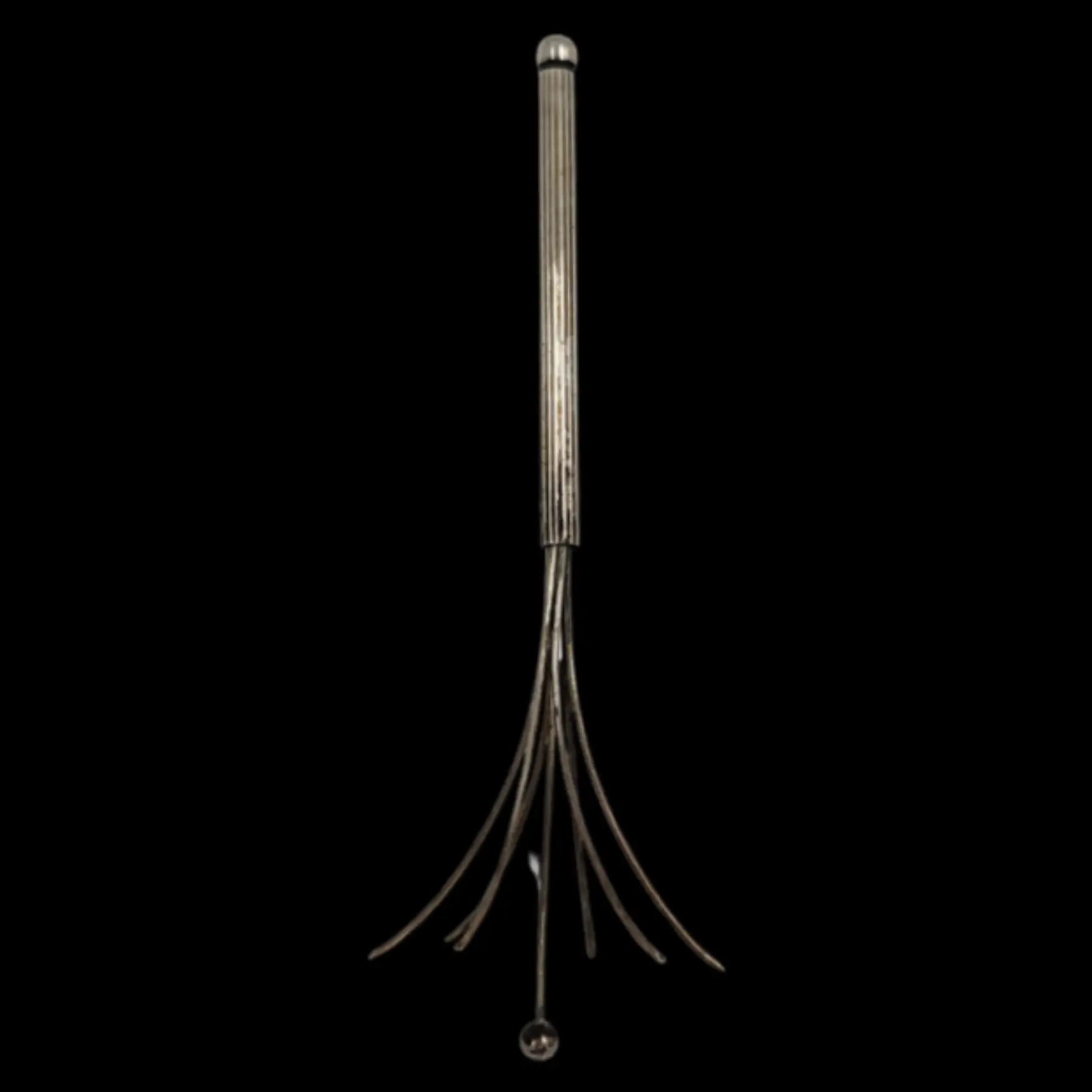
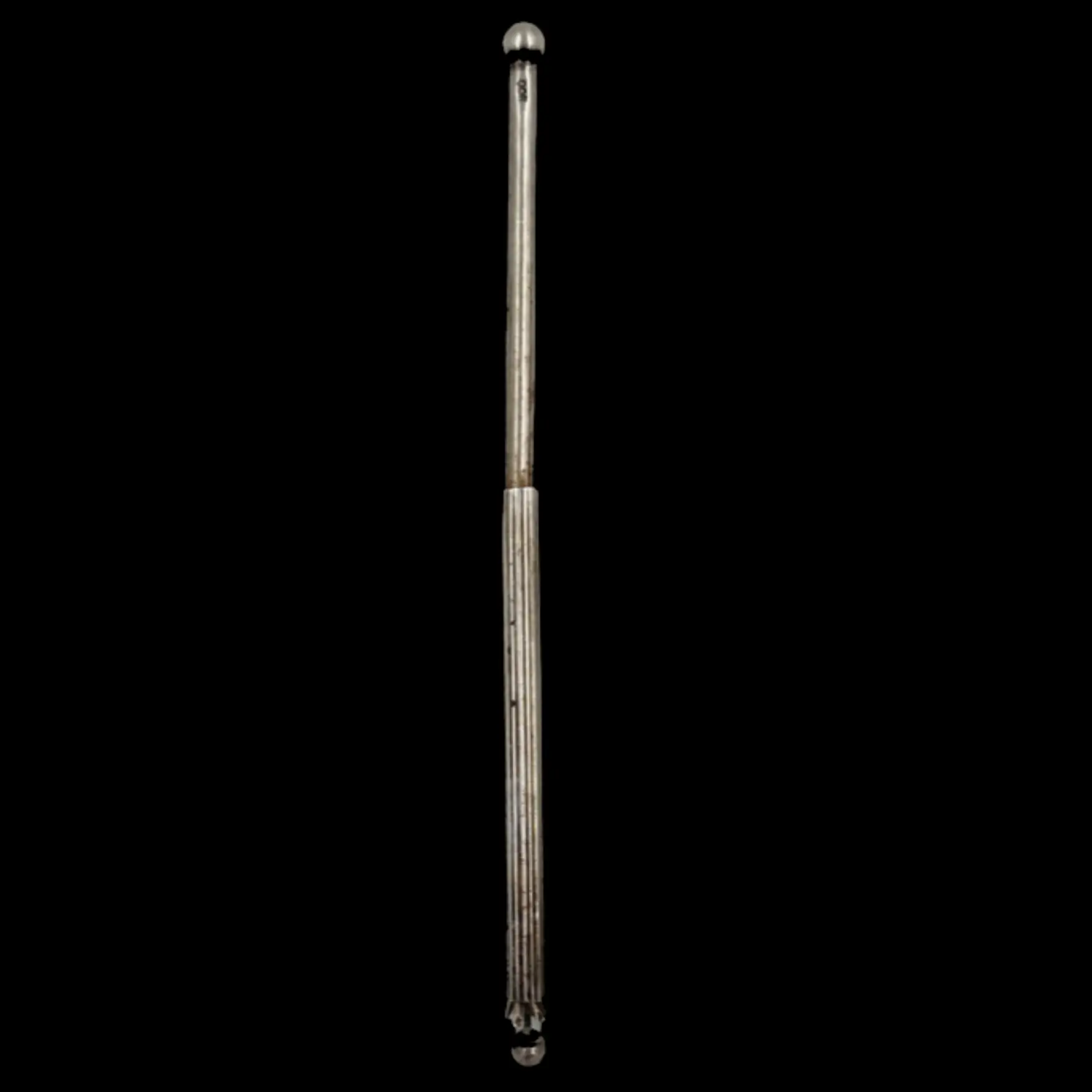
The silver wine stirrer is a specialized table utensil that reflects the refinement of formal dining traditions, particularly from the 18th and 19th centuries. While silver tableware was more common than gold, dedicated wine stirrers were produced in relatively small numbers, making surviving examples less common today. Their value lies in both the intrinsic worth of silver and their role as indicators of sophisticated wine service and etiquette.
Design and Function
Typically slender and elongated, the silver wine stirrer was designed to gently mix wine, dissolve sugar, or redistribute sediment without disturbing clarity. Its smooth, balanced form allowed controlled movement within a glass or decanter. The understated elegance of silver complemented fine stemware while emphasizing discretion and precision in table service.
Material and Craftsmanship
Crafted from silver or sterling silver alloys, these stirrers benefited from silver’s resistance to corrosion and ease of polishing. Artisans shaped and finished the metal to achieve a uniform surface that minimized interaction with acidic wine. Hallmarks or maker’s marks were often added, providing insight into origin, quality, and period craftsmanship.
Human and Cultural Significance
Culturally, the silver wine stirrer represents the elevation of everyday rituals through material culture. Its presence at the table signaled refinement, hospitality, and attention to detail. As a historical object, it connects modern observers to traditions of shared meals, social ceremony, and the enduring human desire to combine utility with elegance.