Rarity and Value
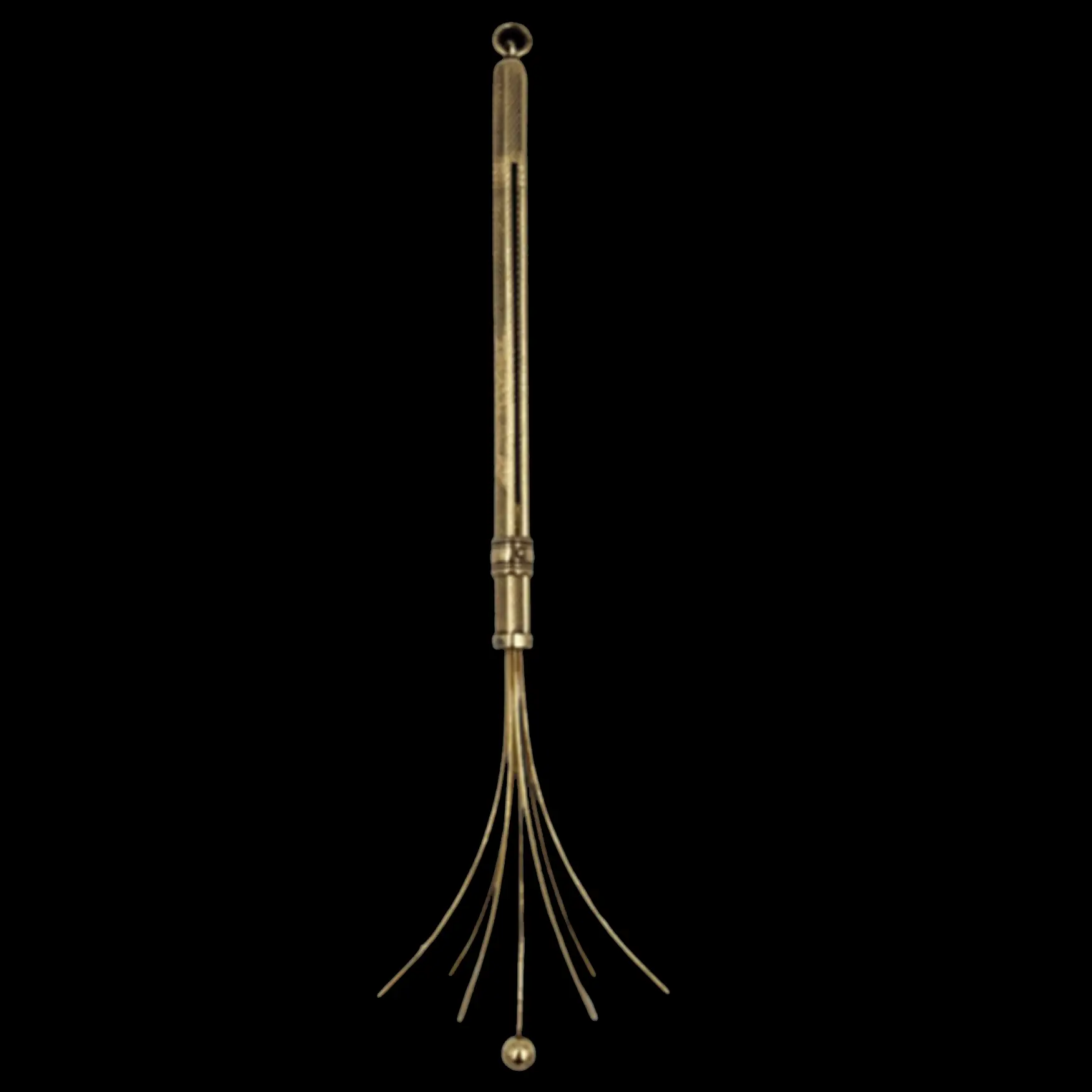
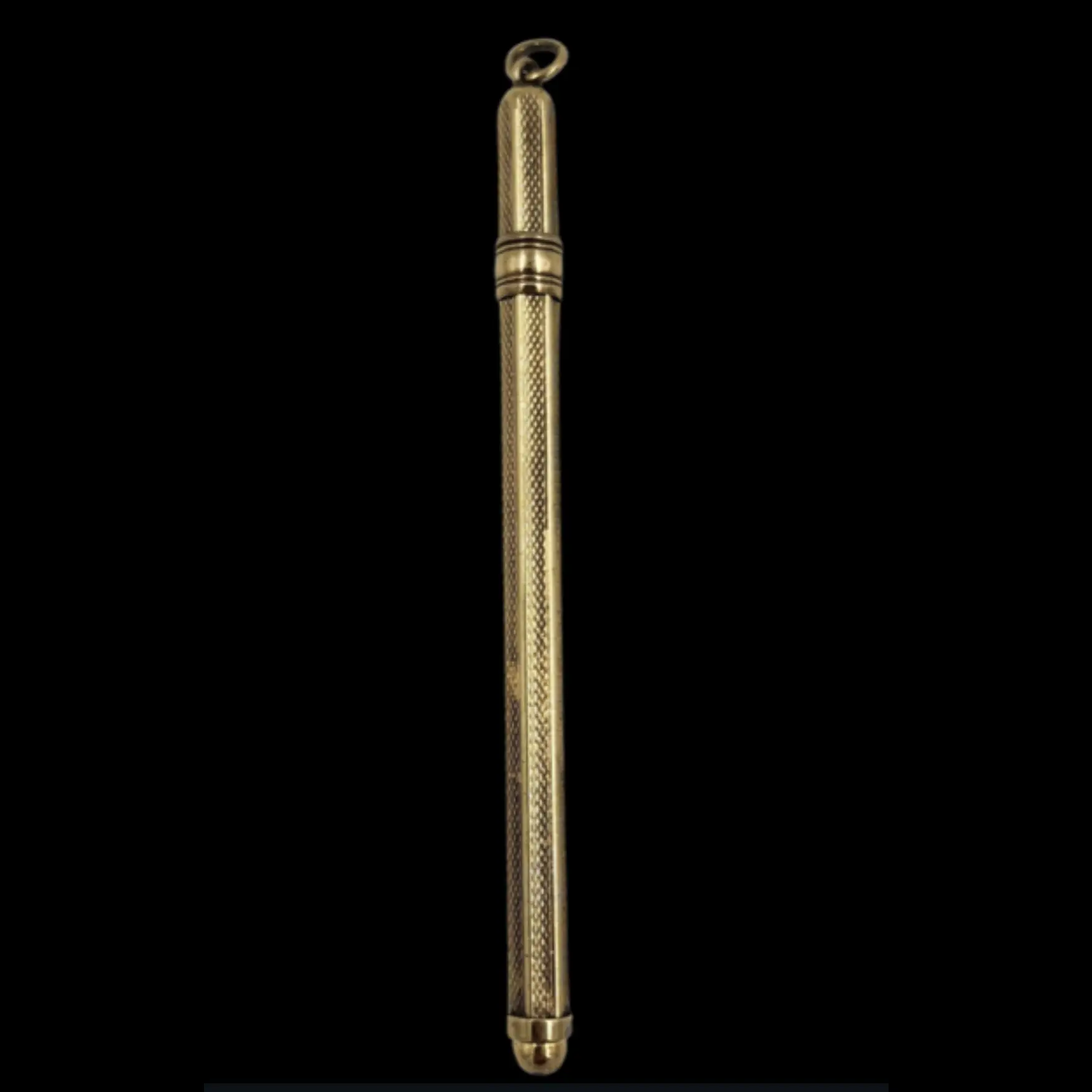
The gold-gilded wine stirrer is a refined example of functional luxury, reflecting periods when specialized dining implements were produced in limited quantities for elite households. Gilded wine stirrers are comparatively rare due to the precision required in applying gold to a slender, utilitarian object. Surviving examples are valued for their combination of decorative appeal, material integrity, and insight into historical table culture.
Design and Function
Designed as a slender rod or finely shaped implement, the wine stirrer was used to gently mix wine, additives, or sediment within a glass or decanter. The application of gold gilding enhanced visual elegance while also providing a chemically inert surface, reducing interaction between acidic wine and the underlying metal. The form balances aesthetic refinement with practical fluid manipulation.
Material and Craftsmanship
Gold gilding was typically applied over silver or base metal using techniques such as fire gilding or electroplating, creating a thin yet durable gold layer. This surface treatment improved resistance to corrosion and wear while preserving fine details. The craftsmanship reflects advanced metalworking skills, emphasizing smooth finishes, precise proportions, and long-term usability.
Human and Cultural Significance
Culturally, a gold-gilded wine stirrer symbolizes sophistication, hospitality, and attention to ritualized dining practices. It represents an era when even minor table accessories were elevated through artistry and precious materials. As both a functional utensil and a decorative object, it embodies the intersection of daily life, social ritual, and enduring craftsmanship.