


Specifications:
Location:
Europe
Genus:
Mammuthus primigenius (Woolly Mammoth)
Size:
32 x 36 cm
Age:
400 000 y.o.
Period:
Pleistocene epoch
Material:
Mammoth tusk | Mammoth tooth | Bog Oak stand
Available for request
37 000,00 AED

Lot Essay
Delivery
Rarity and Value
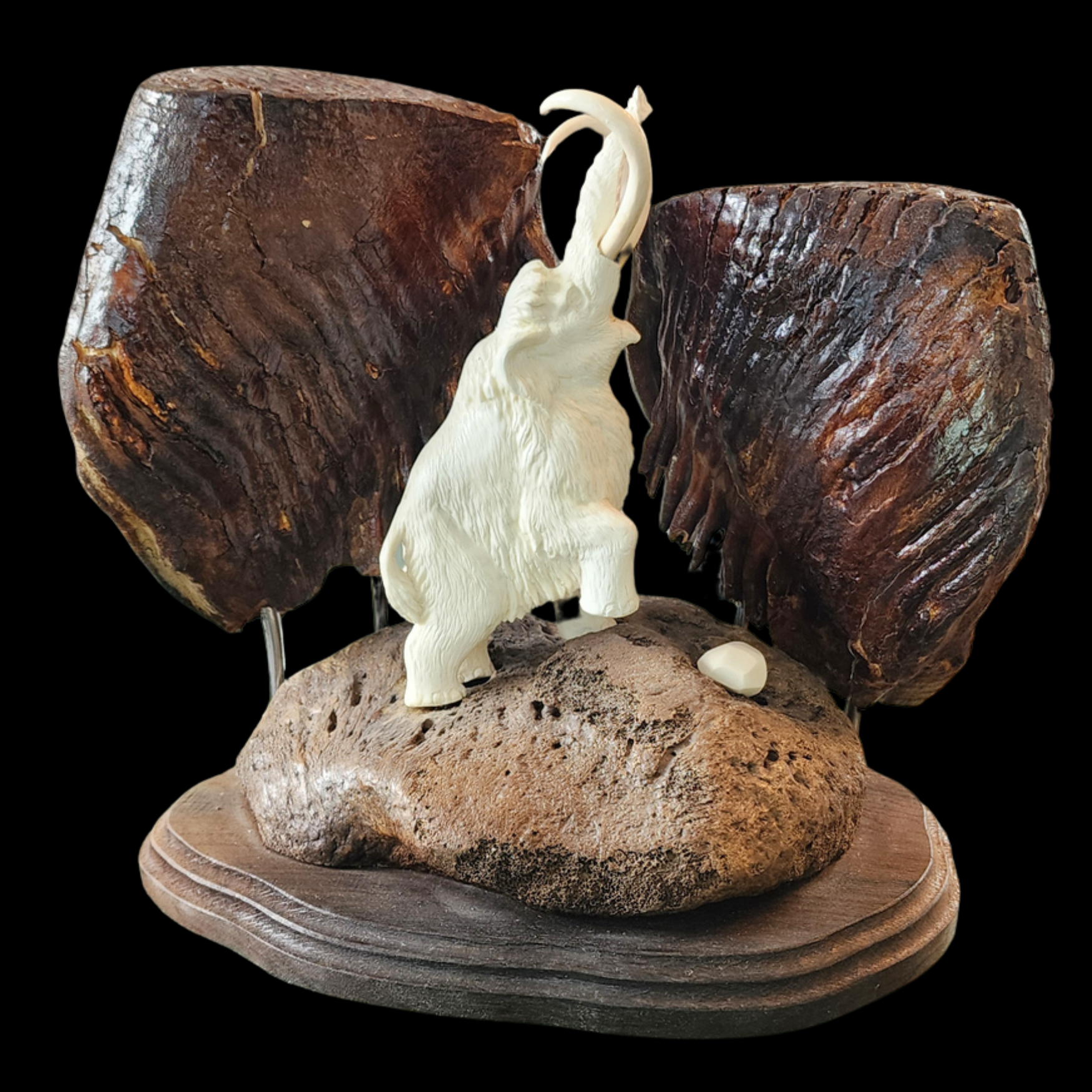
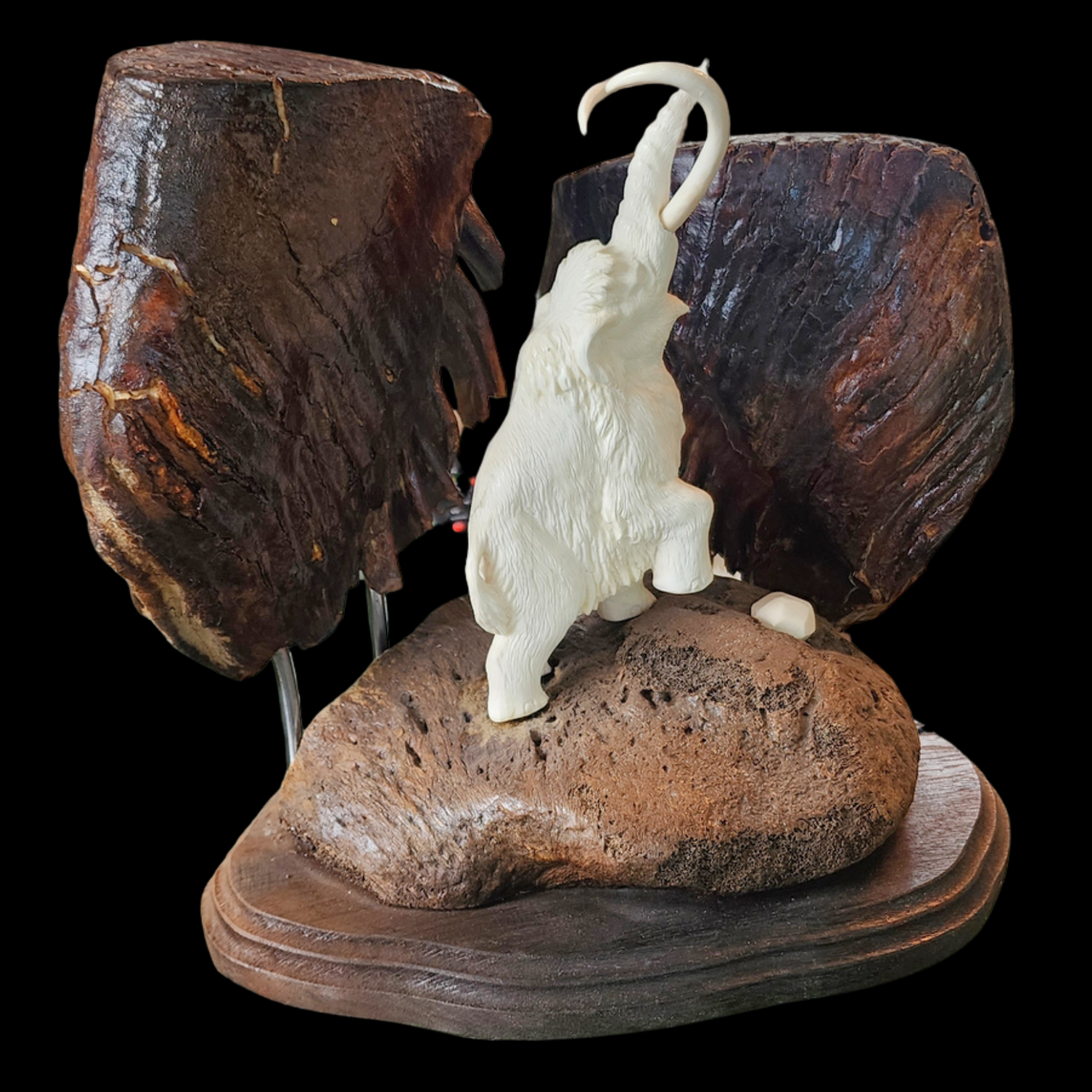
This striking sculptural composition combines authentic prehistoric material with contemporary artistic craftsmanship. At its center stands a finely carved Woolly Mammoth (Mammuthus primigenius), fashioned from genuine bog-preserved mammoth ivory, while behind it rise two monumental sections of an original fossil mammoth molar. Mounted on a natural fossilized bone fragment and presented on a shaped wooden base, the composition creates a powerful visual representation of one of the most iconic animals of the Ice Age.
The rarity of this work lies in the combination of several authentic mammoth elements within a single artistic display. The carved mammoth, the preserved molar fragments, and the fossilized supporting materials all originate from animals that lived during the Pleistocene Epoch. Such compositions are highly sought after by collectors of natural history, paleontological artifacts, and museum-quality decorative objects, as they unite scientific significance with artistic presentation.
Discovery
The Woolly Mammoth (Mammuthus primigenius) inhabited the vast mammoth steppe stretching across Europe, Asia, and North America throughout the Late Pleistocene. These magnificent animals first appeared approximately 400,000 years ago and survived in many regions until around 10,000 years ago, with isolated populations persisting on Arctic islands until approximately 4,000 years ago.
Closely related to modern elephants, mammoths were remarkably adapted to harsh Ice Age conditions. They possessed a dense woolly coat, thick layers of insulating fat, relatively small ears to minimize heat loss, and long curved tusks that could exceed four meters in length. Adult individuals commonly reached heights of up to four meters and weights exceeding six tonnes.
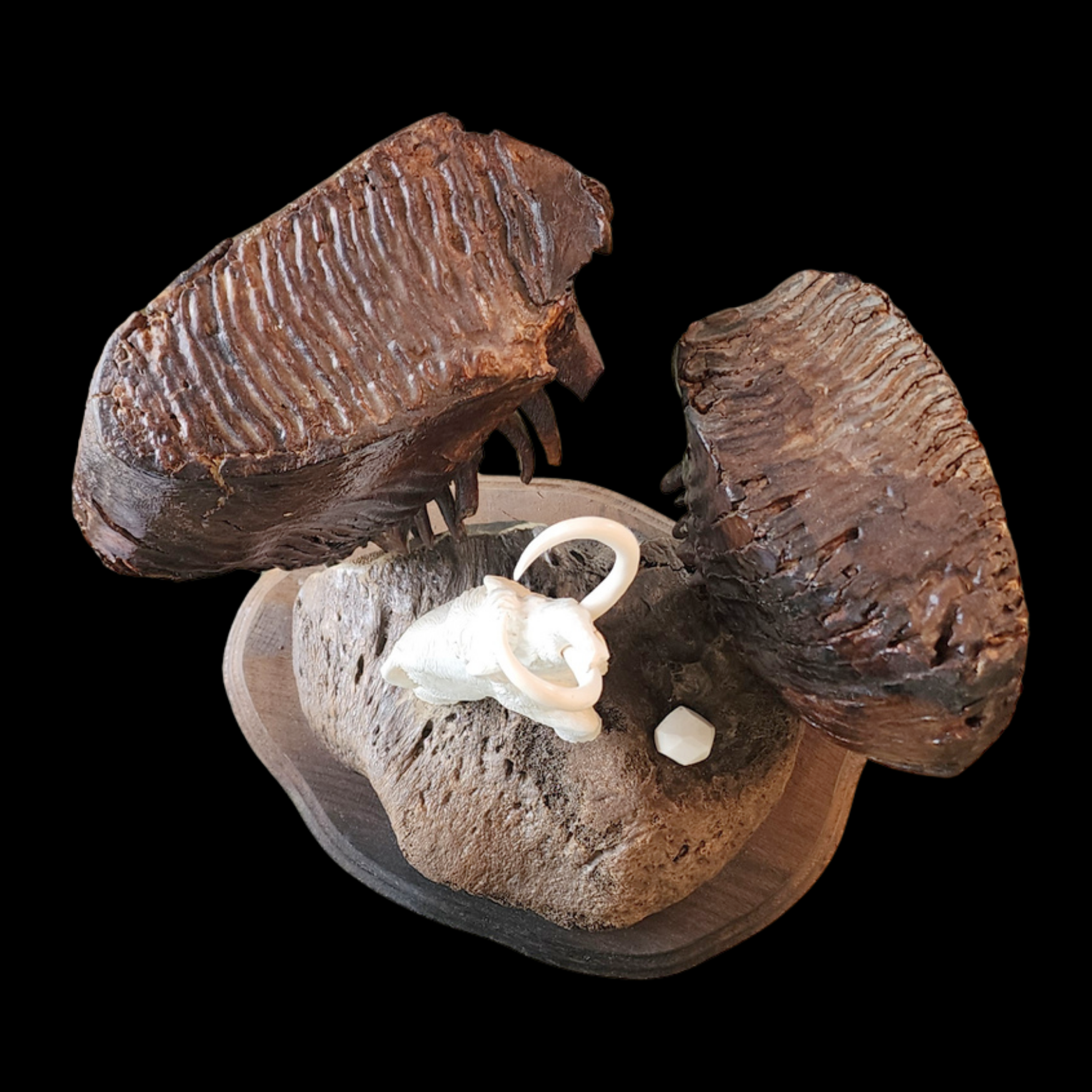
The large fossil molars displayed in this composition illustrate one of the mammoth’s most specialized biological adaptations. These teeth contained numerous enamel ridges designed to grind tough grasses, sedges, and other abrasive vegetation of the Ice Age tundra-steppe. During a mammoth’s lifetime, multiple sets of molars gradually moved forward through the jaw as older teeth wore away, an evolutionary adaptation essential for processing enormous quantities of plant material.
Craftsmanship
As visible in the photographs, the sculpted mammoth has been carved from pale mammoth ivory with remarkable attention to anatomical detail. The raised trunk, powerful stance, textured coat, and elegantly curved tusks capture both the strength and character of this prehistoric giant. The natural contrast between the light ivory sculpture and the deep brown fossil molars creates a dramatic visual effect that immediately draws the eye.
The authentic molar sections retain their original enamel plate structure, displaying the characteristic layered ridges that made mammoths such efficient grazers. Their dark mineralized surfaces, shaped over thousands of years within permafrost and sedimentary deposits, provide a powerful geological backdrop for the central figure.
Mounted upon a naturally weathered fossilized bone fragment and supported by a polished wooden base, the entire composition evokes an archaeological discovery emerging from the ancient landscapes of the Ice Age.
Preservation
The mammoth ivory sculpture and fossil molar fragments remain in excellent condition. The preserved enamel ridges, mineralized surfaces, and natural textures visible throughout the piece serve as direct evidence of their prehistoric origin. Variations in coloration, ancient fissures, and mineral deposits are inherent characteristics of genuine fossil material and contribute to the authenticity of the display.
Representing both scientific heritage and artistic interpretation, this exceptional composition offers a tangible connection to a world that disappeared thousands of years ago. It celebrates the remarkable biology of the Woolly Mammoth while preserving authentic remnants of one of the most extraordinary creatures ever to walk the Earth.
Delivery
Brought to you by

Need more details?
Lot FSL-023
16 000,00 AEDCircle of Prosperity: Mammoth Ivory Frogs on Agate
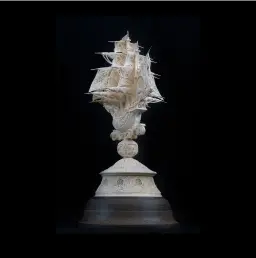
Lot MS5
Mammoth ivory sculpture “White cloud” high quality mammoth tusk
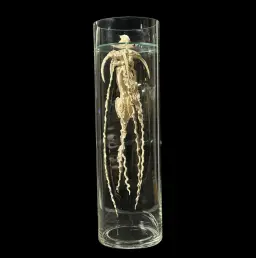
Lot MS-1
88 000,00 AEDMammoth ivory sculpture “Jellyfish” high quality mammoth tusk
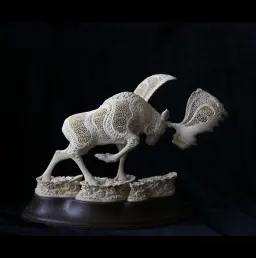
Lot MS11
Mammoth ivory sculpture “Moose” high quality mammoth tusk
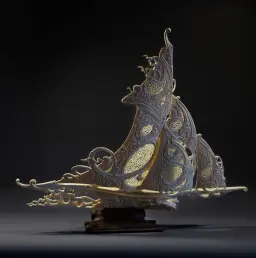
Lot MS4
Mammoth ivory sculpture “Fair Wind” high quality mammoth tusk
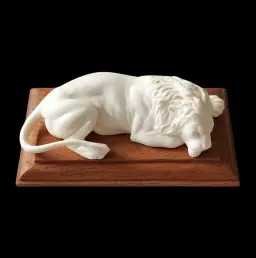
Lot FSL-026
4 500,00 AEDResting Lion in Mammoth Ivory on Bog Oak Base
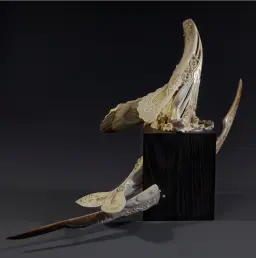
Lot MS6
Mammoth ivory sculpture “Secrets of the Ocean” high quality mammoth tusk
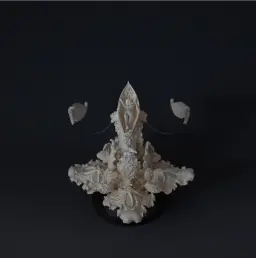
Lot MS9
Mammoth ivory sculpture “The world of dreams” high quality mammoth tusk
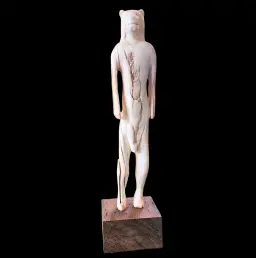
Lot FSL-025
Cro-Magnon Figure in Mammoth Ivory on Bog Oak Base
Lot mS7
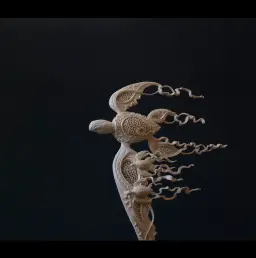
Mammoth ivory sculpture “Gulfstream” high quality mammoth tusk
Lot FSL-029
Item has been added to your Cart
You cannot add "Woolly Mammoth Between Ancient Molars" to your cart again.
Enquiry
Lot FSL-029
Thank you for your interest. Please fill out the below form, and our specialist will follow up with you shortly.
Thank you for your interest
We will be in touch shortly
We will never pass your personal information to anyone outside of Artefactum Gallery for their own marketing purposes without your consent. For more information about how we processes your data, please click here to read our Privacy Notice.
Brought to you by

Enquiry
Thank you for your interest. Please fill out the below form, and our specialist will follow up with you shortly.
Thank you for your interest
We will be in touch shortly
We will never pass your personal information to anyone outside of Artefactum Gallery for their own marketing purposes without your consent. For more information about how we processes your data, please click here to read our Privacy Notice.