


Specifications:
Location:
Europe
Size:
9.5 x 5 cm
Age:
10,000–40,000 years old
Period:
Pleistocene epoch
Material:
Woolly Mammoth Ivory | Bog Oak stand
Available in Dubai
4 500,00 AED

Lot Essay
Delivery
Rarity and Value
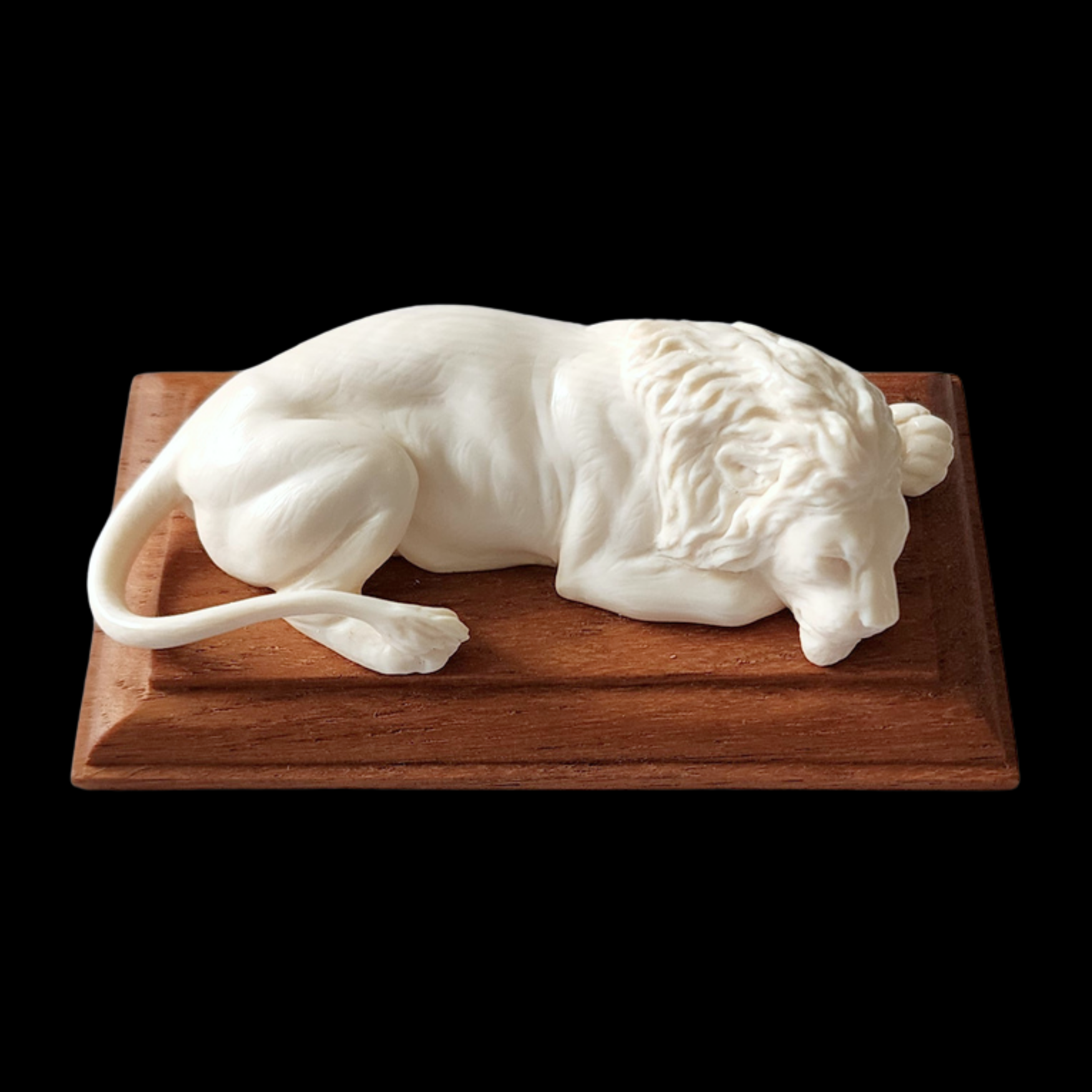
This elegant sculpture portrays a resting lion, masterfully carved from genuine Woolly Mammoth ivory and mounted on a base of ancient bog oak approximately 2,000 years old. The combination of these two remarkable natural materials creates a unique work of art that bridges vastly different periods of Earth’s history, uniting the Ice Age with the archaeological heritage of ancient forests.
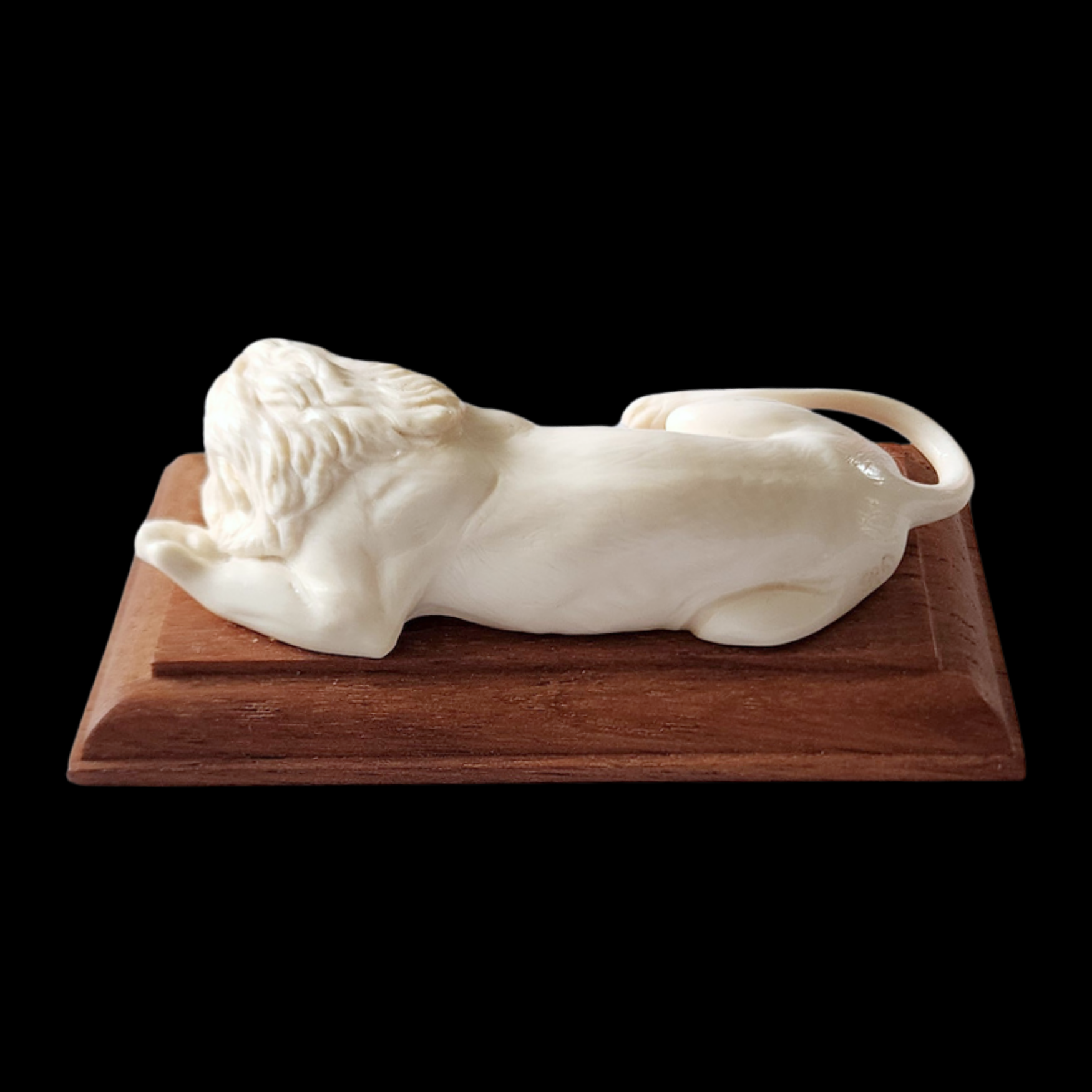
The sculpture captures the lion in a calm reclining pose, its powerful body stretched across the base while its head rests gently upon its forepaws. The refined carving emphasizes the animal’s muscular anatomy, flowing mane, and graceful proportions, creating a composition that conveys both strength and tranquility. Due to the rarity of well-preserved mammoth ivory and the increasingly limited availability of ancient bog oak, objects combining both materials are highly sought after by collectors of natural history art and fine carvings.
Discovery
The ivory used in this sculpture originates from the Woolly Mammoth (Mammuthus primigenius), one of the most iconic mammals of the Late Pleistocene. Mammoths inhabited the vast steppe-tundra landscapes of Europe, Asia, and North America from approximately 400,000 to 4,000 years ago. These magnificent animals were superbly adapted to Ice Age environments, possessing a dense woolly coat, a thick insulating layer of fat, and immense curved tusks that could exceed four meters in length.
Adult male mammoths commonly reached heights of 3 – 4 meters at the shoulder and weighed between 6 and 8 tonnes. As highly specialized herbivores, they relied on massive molars composed of tightly packed enamel plates to process abrasive grasses and tundra vegetation. Their tusks served multiple functions, including foraging beneath snow, defense, social interaction, and environmental modification.
Following the extinction of mammoths, many tusks became naturally preserved within Arctic permafrost. Protected from decay for thousands of years, the ivory retained its remarkable structural integrity and characteristic coloration. Today, fossil mammoth ivory is valued not only for its scientific importance but also for its beauty and rarity, making it one of the most desirable prehistoric materials used in contemporary artistic craftsmanship.
Craftsmanship
The sculpture has been carefully hand-carved from mammoth ivory, allowing the natural qualities of the material to enhance the realism of the composition. The lion’s relaxed posture has been rendered with particular attention to anatomical accuracy, from the powerful shoulders and muscular hindquarters to the elegant curvature of the tail.
The finely detailed mane frames the lion’s head and contrasts beautifully with the smooth surfaces of the body. The sculptor has skillfully utilized the creamy coloration of the mammoth ivory to emphasize the softness of the fur and the noble character of the animal. Viewed from any angle, the sculpture reveals a harmonious balance between naturalism and artistic refinement.
The figure is mounted on a base of ancient bog oak, whose rich dark tones provide a striking visual contrast to the pale ivory. Preserved beneath waterlogged conditions for approximately two millennia, the wood displays a dense structure and subtle texture that complement the sculpture while reinforcing its historical significance.
Preservation
The mammoth ivory remains in excellent condition, exhibiting a smooth polished surface and the warm natural coloration characteristic of well-preserved fossil material. Fine natural features formed during thousands of years of burial remain visible and contribute to the authenticity of the piece.
The ancient bog oak base is stable and well preserved, displaying the distinctive character associated with archaeological wood recovered from long-term wetland environments. Together, the materials form a durable and visually compelling composition suitable for long-term display.
Combining the beauty of prehistoric mammoth ivory, the historical depth of ancient bog oak, and the timeless majesty of the lion, this sculpture represents an exceptional example of contemporary craftsmanship inspired by the natural world and the deep history of life on Earth.
Delivery
Brought to you by

Need more details?
Lot FSL-029
37 000,00 AEDWoolly Mammoth Between Ancient Molars
Lot MS12
Mammoth ivory sculpture “Ocean” high quality mammoth tusk
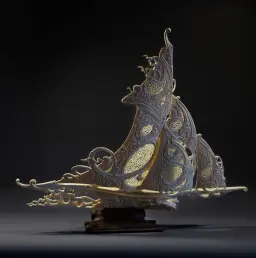
Lot MS4
Mammoth ivory sculpture “Fair Wind” high quality mammoth tusk
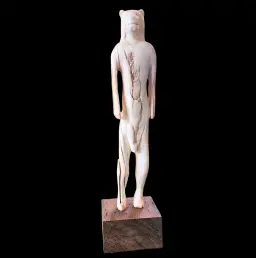
Lot FSL-025
Cro-Magnon Figure in Mammoth Ivory on Bog Oak Base
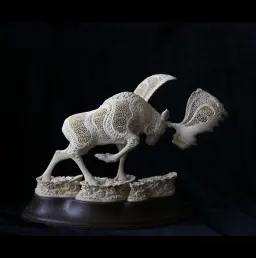
Lot MS11
Mammoth ivory sculpture “Moose” high quality mammoth tusk
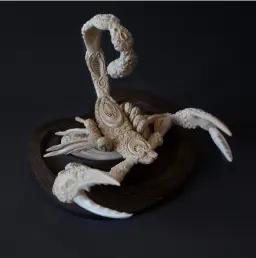
Lot MS8
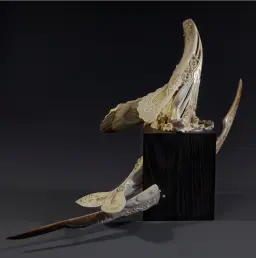
70 000,00 AEDMammoth ivory sculpture “Scorpion” high quality mammoth tusk
Lot MS6
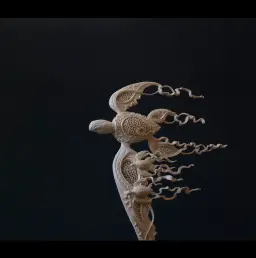
Mammoth ivory sculpture “Secrets of the Ocean” high quality mammoth tusk
Lot mS7
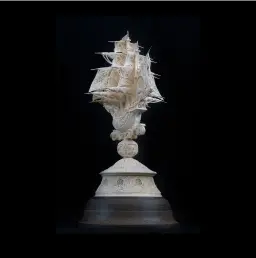
Mammoth ivory sculpture “Gulfstream” high quality mammoth tusk
Lot MS5
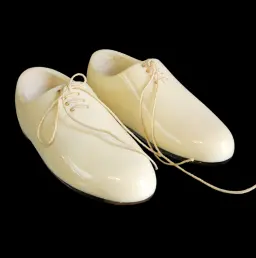
Mammoth ivory sculpture “White cloud” high quality mammoth tusk
Lot FSL-028
Pair of Decorative Shoes Carved from Fossil Mammoth Ivory
Lot FSL-026
Item has been added to your Cart
You cannot add "Resting Lion in Mammoth Ivory on Bog Oak Base" to your cart again.
Enquiry
Lot FSL-026
Thank you for your interest. Please fill out the below form, and our specialist will follow up with you shortly.
Thank you for your interest
We will be in touch shortly
We will never pass your personal information to anyone outside of Artefactum Gallery for their own marketing purposes without your consent. For more information about how we processes your data, please click here to read our Privacy Notice.
Brought to you by

Enquiry
Thank you for your interest. Please fill out the below form, and our specialist will follow up with you shortly.
Thank you for your interest
We will be in touch shortly
We will never pass your personal information to anyone outside of Artefactum Gallery for their own marketing purposes without your consent. For more information about how we processes your data, please click here to read our Privacy Notice.