


Specifications:
Location:
Europe
Size:
Sculpture: 20 cm Stand: 4.5 cm
Age:
2 000 y.o.
Period:
Pleistocene epoch
Material:
Mammoth tusk | Bog Oak stand
Available for request
Price on request

Lot Essay
Delivery
Rarity and Value
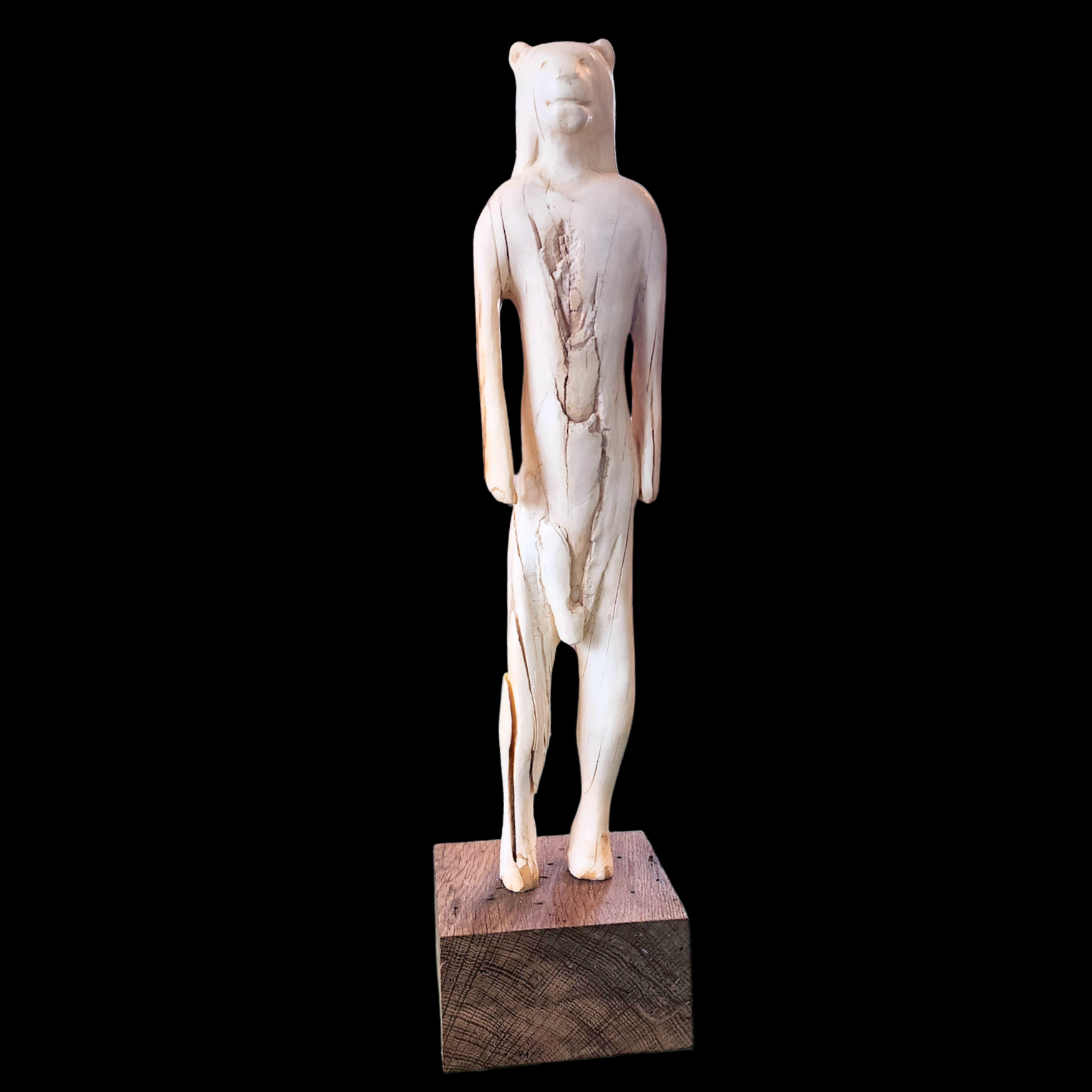
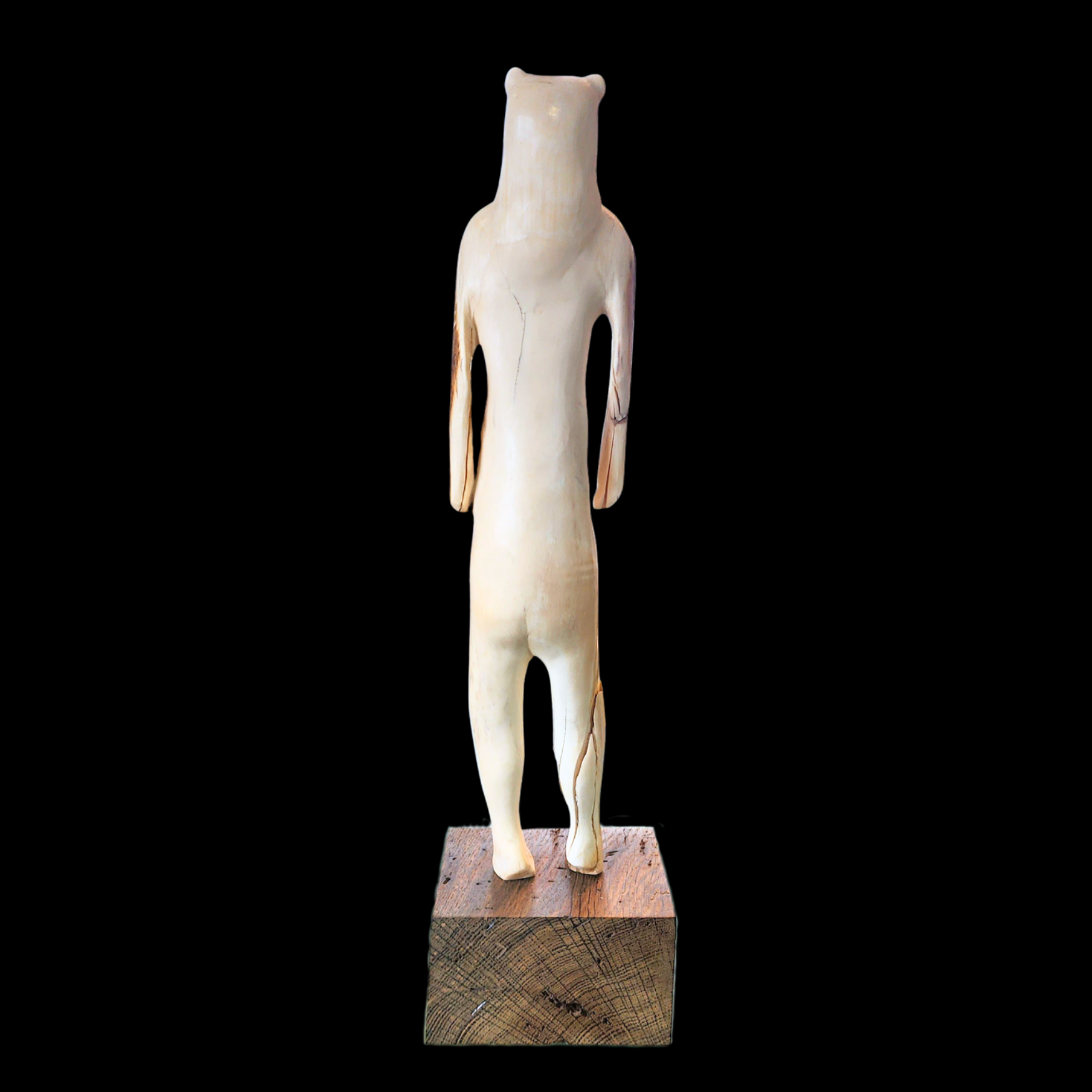
This striking sculptural figure depicts a Cro-Magnon human, carved from genuine Woolly Mammoth ivory and mounted upon a base of ancient bog oak estimated to be approximately 2,000 years old. Combining two rare prehistoric and archaeological materials within a single composition, the work creates a tangible connection to both the Ice Age and the earliest chapters of human civilization.
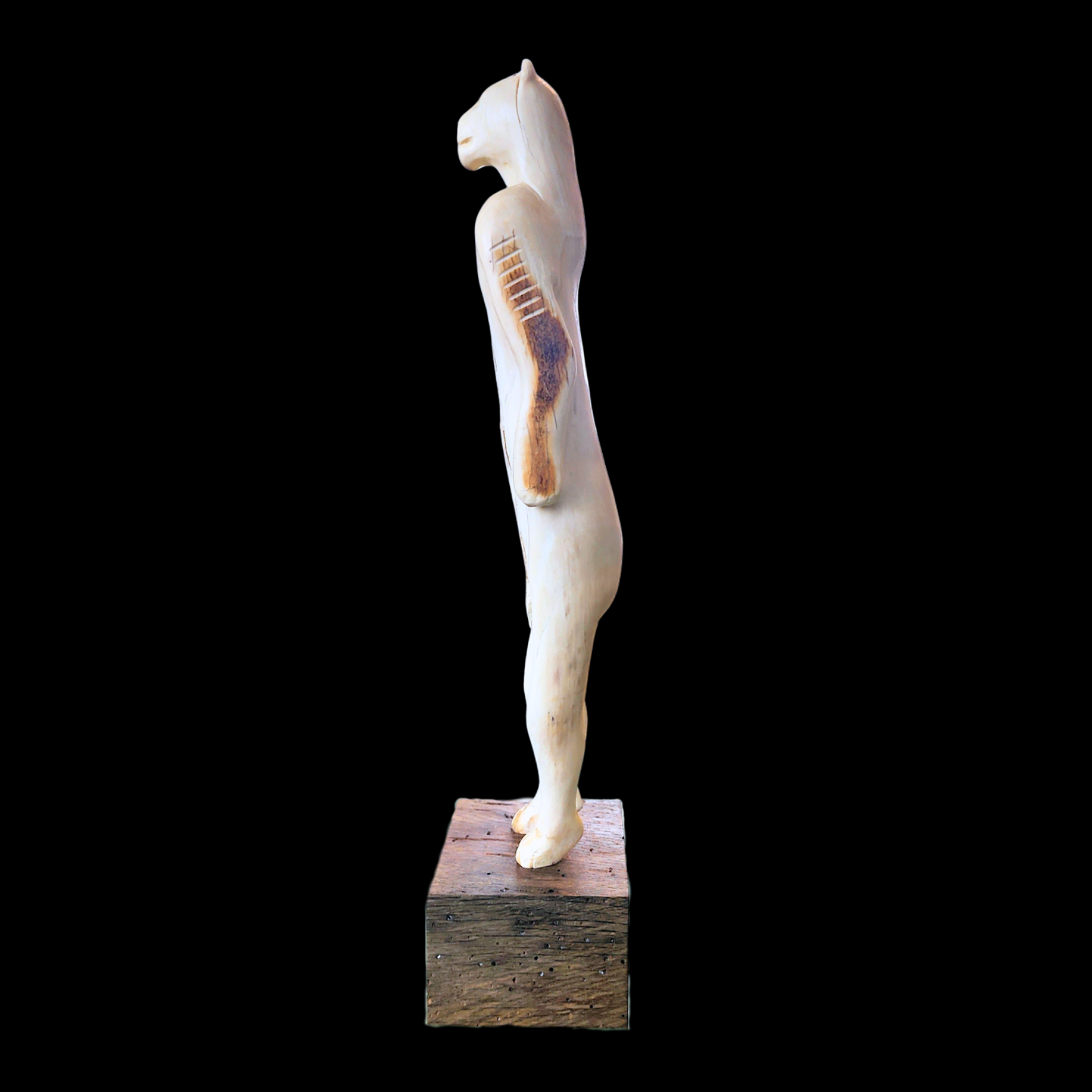
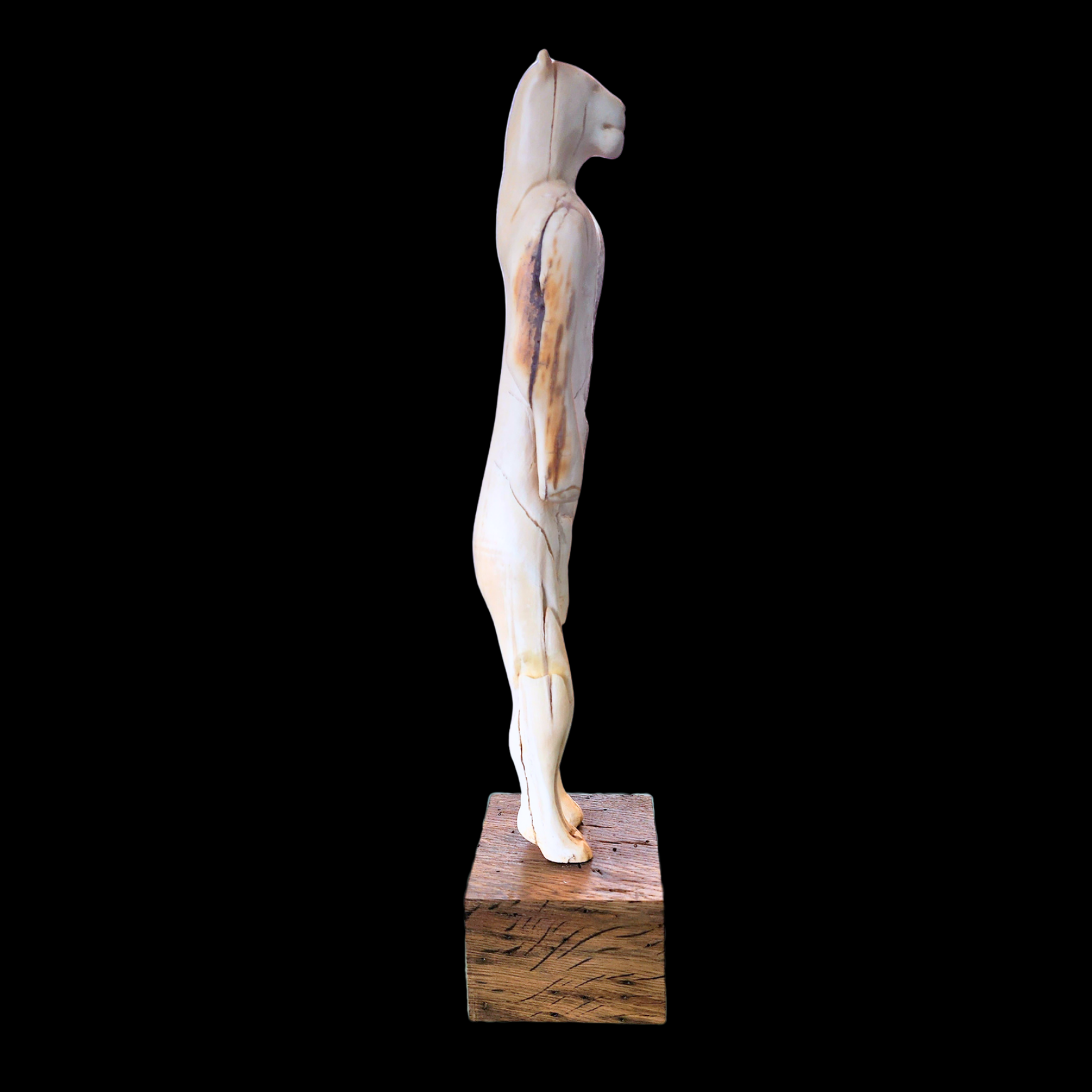
The minimalist, elongated form emphasizes the timeless relationship between humanity and nature. Rather than focusing on anatomical detail, the sculptor has chosen a stylized interpretation that evokes the spiritual and symbolic qualities often associated with prehistoric art. Natural variations, ancient fissures, and subtle color transitions within the mammoth ivory remain visible throughout the figure, reinforcing its authenticity and unique character. Each sculpture fashioned from fossil mammoth ivory is inherently one of a kind, as no two sections of ivory display identical coloration or structure.
Discovery
Cro-Magnons represent some of the earliest anatomically modern humans in Europe. Living approximately 45,000 to 10,000 years ago, they belonged to the species Homo sapiens and were among the first people to create sophisticated art, ritual objects, personal ornaments, and symbolic representations of the world around them.
These early humans developed advanced hunting technologies, produced cave paintings of remarkable artistic quality, and created some of the oldest known sculptures and decorative objects. Cro-Magnon communities lived during the Late Pleistocene, sharing their environment with Ice Age megafauna, including woolly mammoths, woolly rhinoceroses, giant deer, bison, cave lions, and reindeer.
The material used for this sculpture originates from the Woolly Mammoth (Mammuthus primigenius), one of the most iconic animals of the Ice Age. Mammoths inhabited the steppe-tundra regions of Europe, Asia, and North America from approximately 400,000 to 4,000 years ago. Adult males could reach heights of 3–4 meters at the shoulder and weigh up to 8 tonnes. Their massive curved tusks, sometimes exceeding 4 meters in length, served for foraging beneath snow, defense, and social interaction.
Following the extinction of mammoths, many tusks remained preserved within Arctic permafrost for thousands of years. This natural preservation allowed the ivory to survive in exceptional condition, making it one of the most fascinating prehistoric materials available to contemporary artists.
Craftsmanship
The figure has been carefully carved from a single section of mammoth ivory, preserving the material’s natural contours and internal structure. The sculptor has employed a restrained aesthetic, allowing the purity of form and the character of the fossil material to take precedence over elaborate detail.
The elongated proportions and upright stance create a sense of quiet dignity and contemplation. Subtle carved features define the head and limbs, while naturally occurring coloration within the ivory introduces visual depth and individuality. Areas of darker mineralization visible on the arms and body are authentic characteristics formed during thousands of years of burial and fossilization.
The sculpture is mounted on a block of ancient bog oak, whose rich dark tones provide a dramatic contrast to the pale ivory. The meeting of these two ancient materials enhances both their visual impact and historical significance.
Preservation
The mammoth ivory remains in excellent condition, retaining its smooth surface, natural coloration, and characteristic fossil features. Visible age lines, mineral inclusions, and ancient structural markings contribute to the authenticity of the material and testify to its prehistoric origin.
The bog oak base is stable and well preserved, displaying the dense texture and dark coloration characteristic of wood that has matured for centuries beneath waterlogged conditions. Together, the materials create a harmonious and durable composition suitable for long-term display.
More than a decorative object, this sculpture serves as a symbolic meeting point between Ice Age wildlife, early human history, and contemporary craftsmanship. It represents a rare opportunity to own an artwork fashioned from materials that witnessed thousands of years of natural and human history.
Delivery
Brought to you by

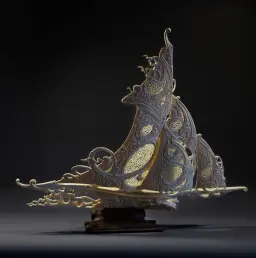
Lot MS4
Mammoth ivory sculpture “Fair Wind” high quality mammoth tusk
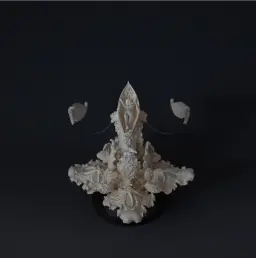
Lot MS9
Mammoth ivory sculpture “The world of dreams” high quality mammoth tusk
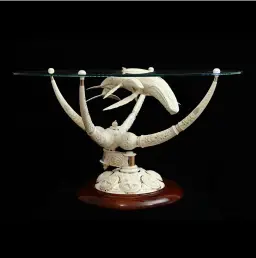
Lot MS12
Mammoth ivory sculpture “Ocean” high quality mammoth tusk
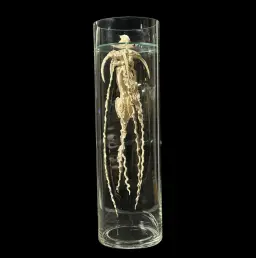
Lot MS-1
88 000,00 AEDMammoth ivory sculpture “Jellyfish” high quality mammoth tusk
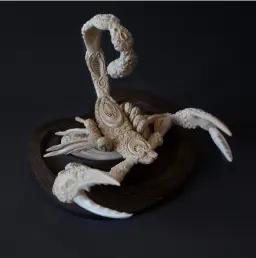
Lot MS8
70 000,00 AEDMammoth ivory sculpture “Scorpion” high quality mammoth tusk
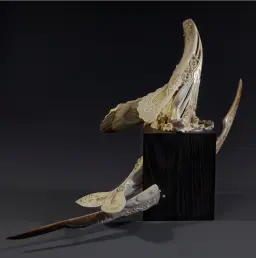
Lot MS6
Mammoth ivory sculpture “Secrets of the Ocean” high quality mammoth tusk
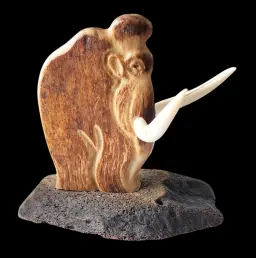
Lot FSL-027
Woolly Mammoth Sculpture in Fossil Mammoth Ivory
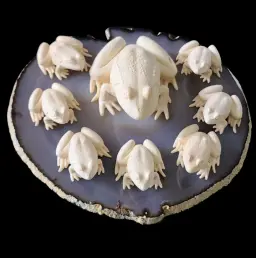
Lot FSL-023
16 000,00 AEDCircle of Prosperity: Mammoth Ivory Frogs on Agate
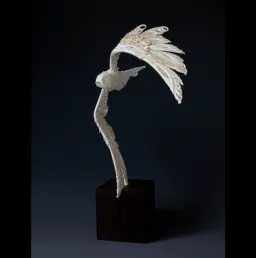
Lot MS10
Mammoth ivory sculpture “Night hunter” high quality mammoth tusk
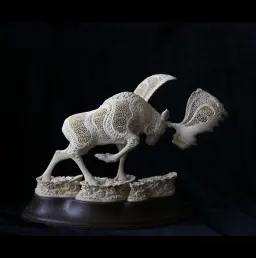
Lot MS11
Mammoth ivory sculpture “Moose” high quality mammoth tusk
Lot FSL-025
Item has been added to your Cart
You cannot add "Cro-Magnon Figure in Mammoth Ivory on Bog Oak Base" to your cart again.
Enquiry
Lot FSL-025
Thank you for your interest. Please fill out the below form, and our specialist will follow up with you shortly.
Thank you for your interest
We will be in touch shortly
We will never pass your personal information to anyone outside of Artefactum Gallery for their own marketing purposes without your consent. For more information about how we processes your data, please click here to read our Privacy Notice.
Brought to you by

Enquiry
Thank you for your interest. Please fill out the below form, and our specialist will follow up with you shortly.
Thank you for your interest
We will be in touch shortly
We will never pass your personal information to anyone outside of Artefactum Gallery for their own marketing purposes without your consent. For more information about how we processes your data, please click here to read our Privacy Notice.